
Some dogs are so clever that a simple walk around the block just will not cut it. When their busy brains get bored, they may chew shoes, bark at nothing, or dig up the yard.
The good news is that the right puzzle, job, or game can turn a restless pup into a happy, calm friend. Here are some brainy breeds that truly shine when you give them something real to think about.
Border Collie: The Ultimate Problem Solver
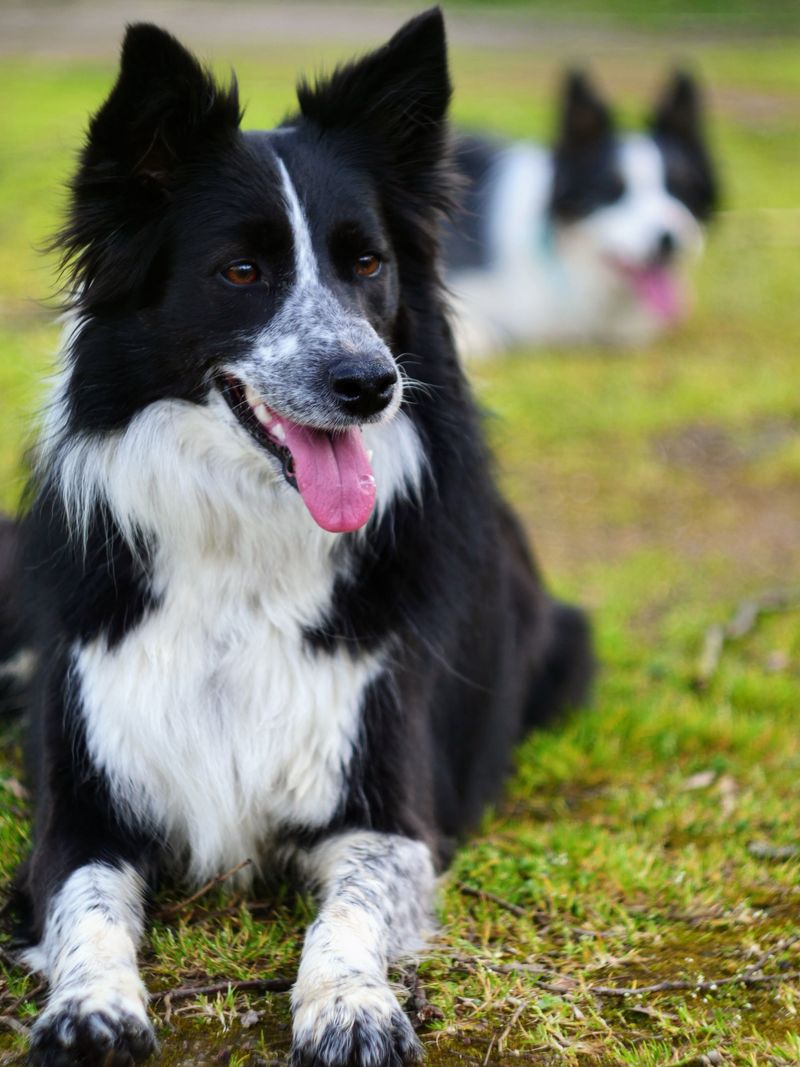
A Border Collie named Chaser once learned the names of over 1,000 toys. That says a lot about how sharp these dogs are.
Without work, they may herd kids, cats, or even cars.
Give them a real job. Try herding classes, agility courses, or teaching new trick names every week.
Short, focused training sessions twice a day can calm their racing minds better than a long, boring walk ever could.
Poodle: Brains Beneath the Curls
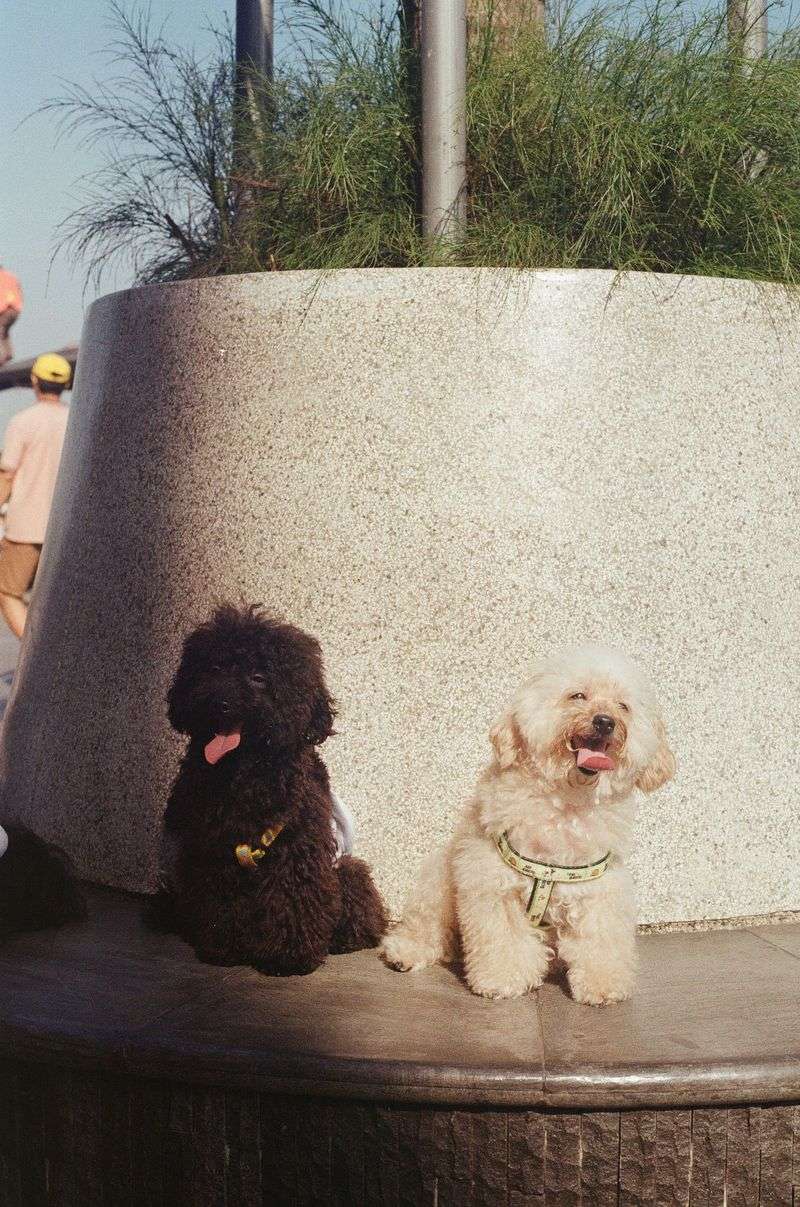
Forget the fancy show haircuts for a moment. Poodles were first bred as water retrievers in Germany, fetching ducks for hunters.
Underneath those curls lives a quick thinker who gets bored fast. A bored Poodle may bark, pace, or invent mischief.
Rotate puzzle feeders, play hide and seek with treats, and try dock diving if you can. Fresh challenges keep that clever head happily busy.
German Shepherd: Born to Have a Purpose
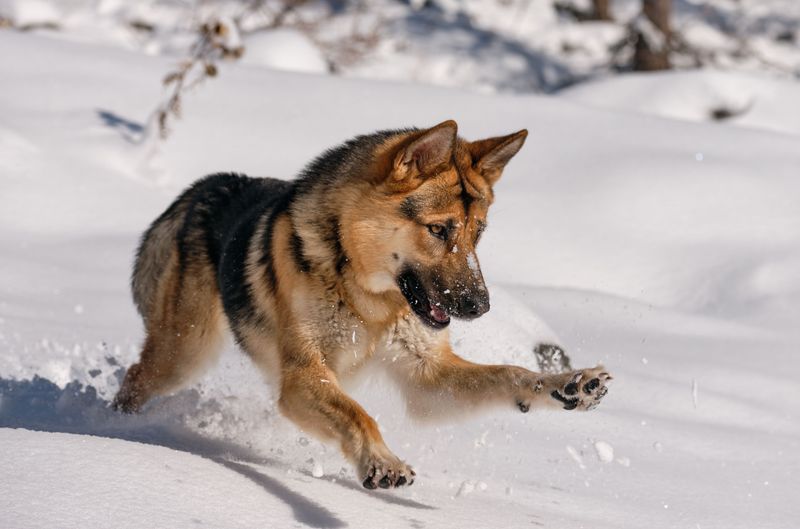
Police officers, search teams, and guide dog programs all trust German Shepherds for good reason. They love having a mission.
Leave one alone with nothing to do, though, and you might come home to a chewed couch. Their energy needs somewhere to go.
Scent work is a fantastic fit. Hide a favorite toy around the house and let your Shepherd track it down.
You will see pure joy.
Golden Retriever: Sunny, Smart, and Ready to Learn
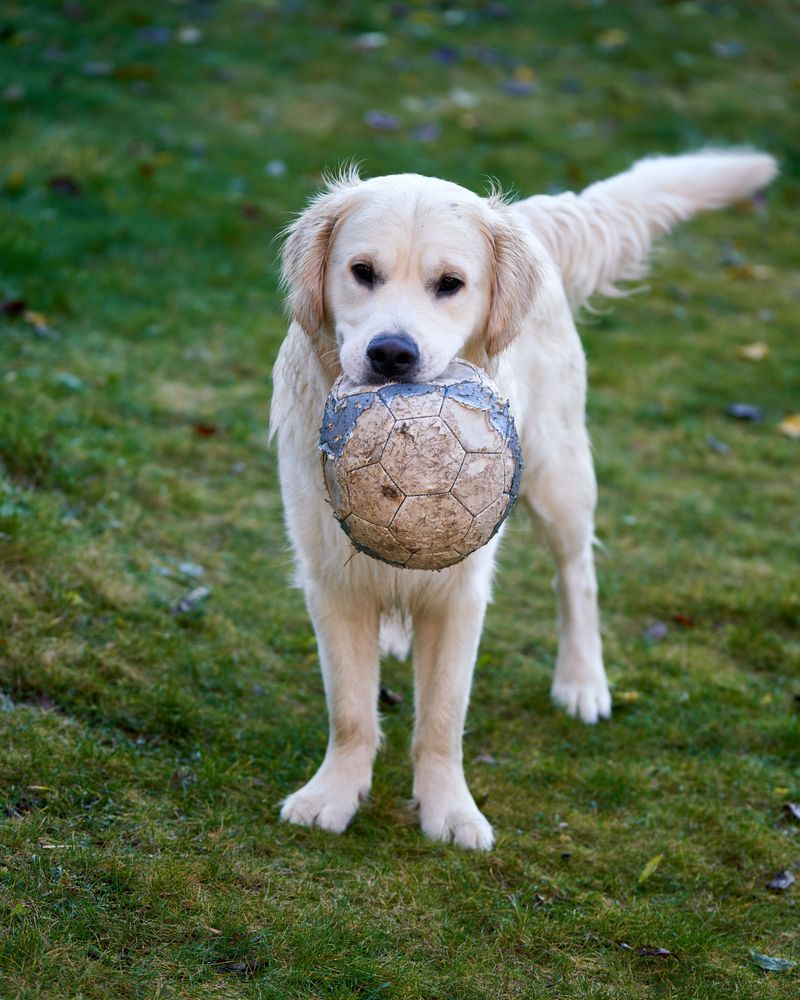
Everyone knows Goldens are friendly. Fewer people realize how much thinking power sits behind that happy grin.
Bored Goldens often turn into sock thieves or backyard diggers. Honestly, who can blame them?
Channel their retrieving instinct with fetch games that have rules, like waiting for a release word. Teaching them to bring specific items by name, such as your slippers or keys, gives them a helpful task they adore.
Australian Shepherd: Energy in a Fluffy Coat
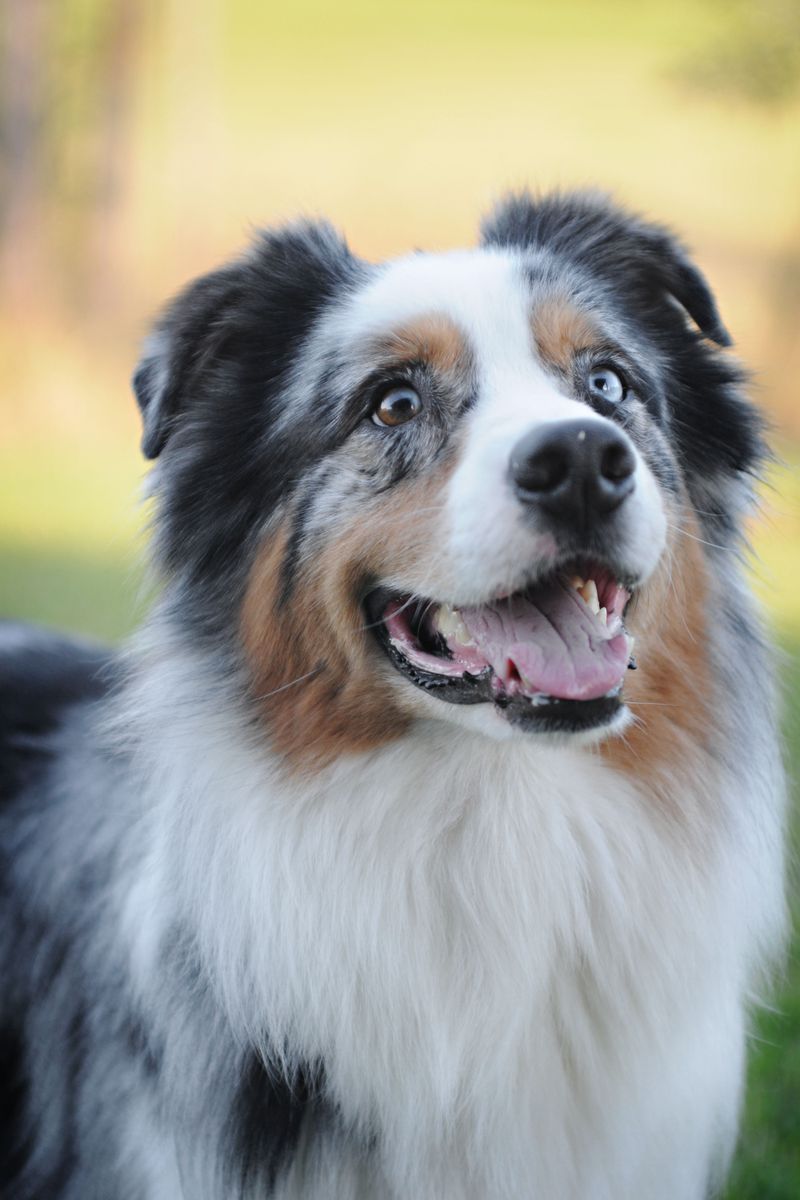
Picture a tornado with a fluffy tail. That is an Aussie with nothing to do.
Fun fact: despite the name, these dogs were developed on ranches in the American West, not Australia. They spent long days moving cattle and sheep.
Disc games, treibball, and obstacle courses suit them perfectly. Mix running with thinking, because tired legs alone will not settle a bored Aussie brain.
Doberman Pinscher: A Thinker With a Watchful Heart
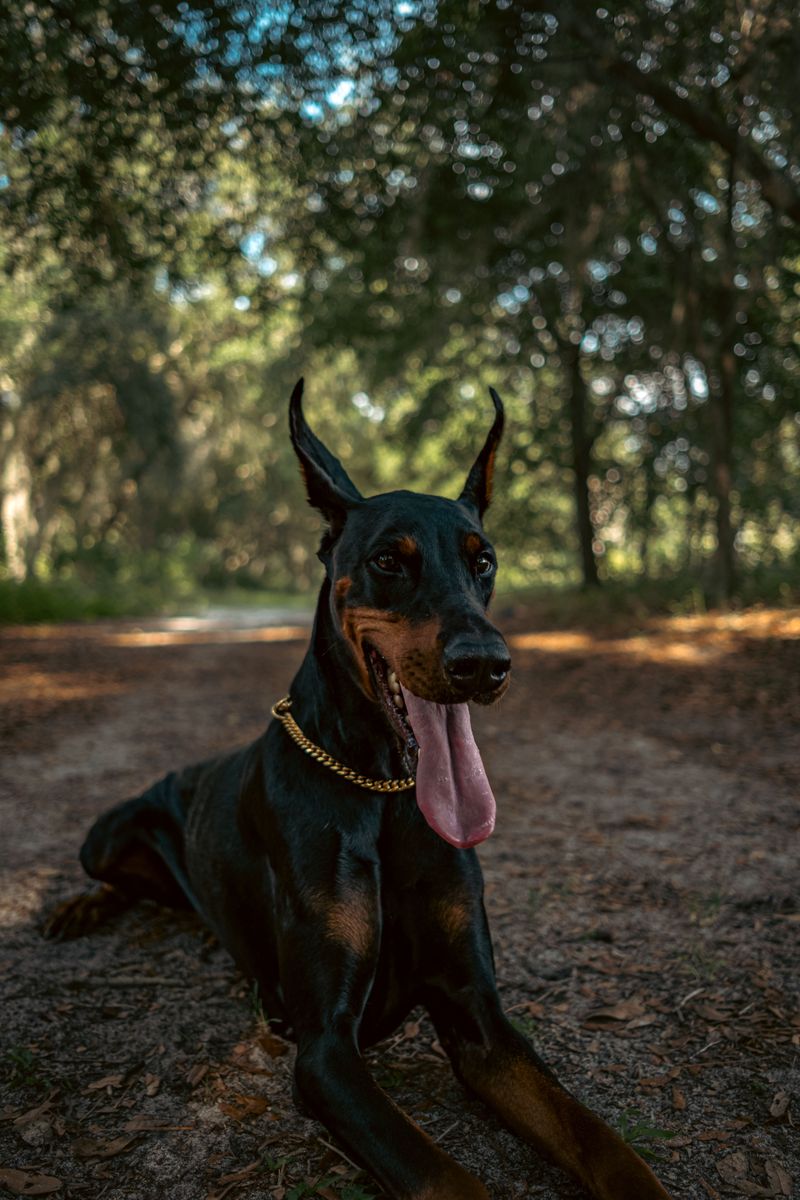
Back in the 1890s, a German tax collector named Louis Dobermann created this breed to keep him safe on his rounds.
Today, Dobermans still crave structure and purpose. Without it, they can become anxious and clingy or start guarding everything.
Advanced obedience training is a wonderful outlet. Teach them distance commands, long stays, and hand signals.
Calm, confident tasks build trust and help a smart Dobie relax.
Shetland Sheepdog: Small Body, Big Brain
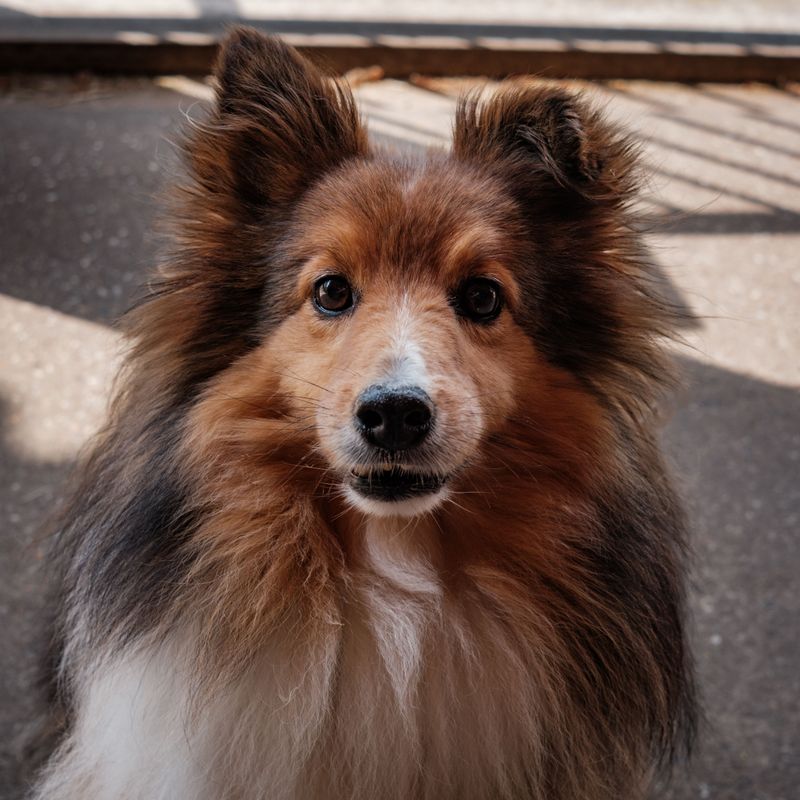
Sometimes the smallest dog in the room is the quickest learner. Shelties often pick up new commands in just a few tries.
They are also sensitive and vocal. When boredom strikes, you may hear a lot of barking.
Try trick training with fun goals, like ringing a bell or putting toys away in a basket. Gentle praise works wonders.
Weave poles are another favorite for these speedy little thinkers.
Labrador Retriever: The Food-Motivated Genius
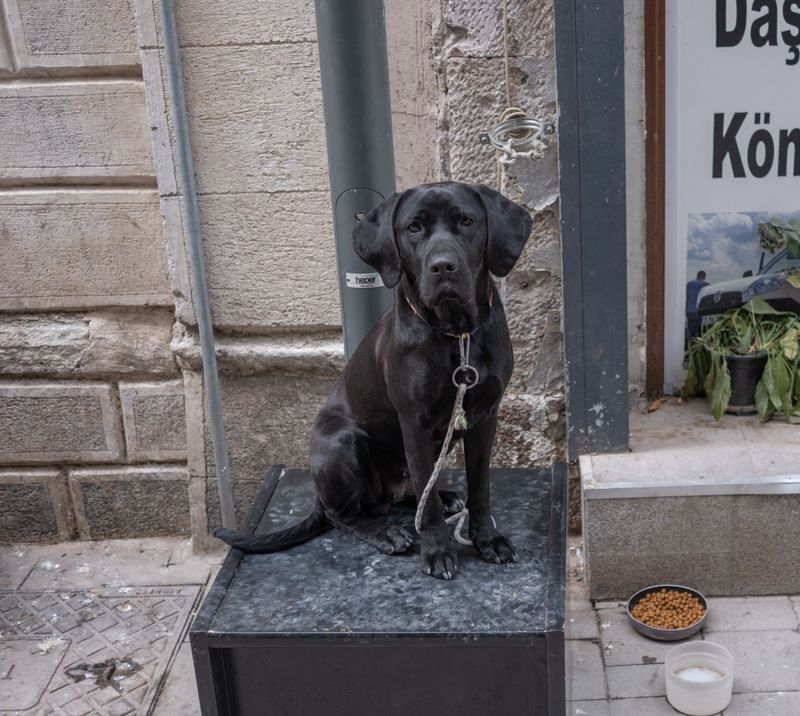
Did you know? Labs actually come from Newfoundland, Canada, where they helped fishermen pull in nets.
These dogs think with their noses and stomachs. A bored Lab may raid the trash or chew through a box of crackers.
Use that love of food wisely. Snuffle mats, frozen stuffed toys, and treat puzzles turn mealtime into a brain game.
Swap out the puzzles often so your Lab never solves them too easily.
Belgian Malinois: Intense and Always On
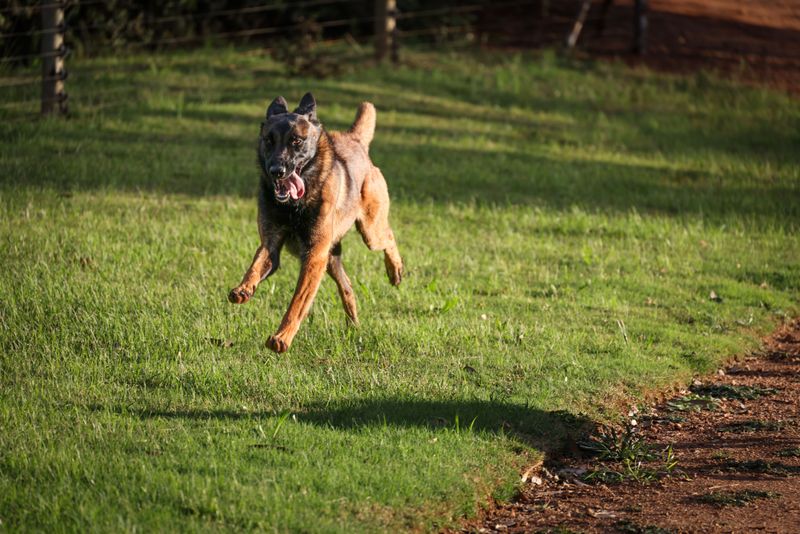
Military teams and special forces rely on the Malinois because it barely ever runs out of drive. That is amazing on the job and tricky at home.
A bored Malinois may spin, chew walls, or nip. This breed is not for casual owners.
Daily structured work is a must. Think tracking, bite sport with a trainer, or advanced obedience.
Pair hard exercise with calm settle time so they learn to switch off.
Papillon: Butterfly Ears, Brilliant Mind
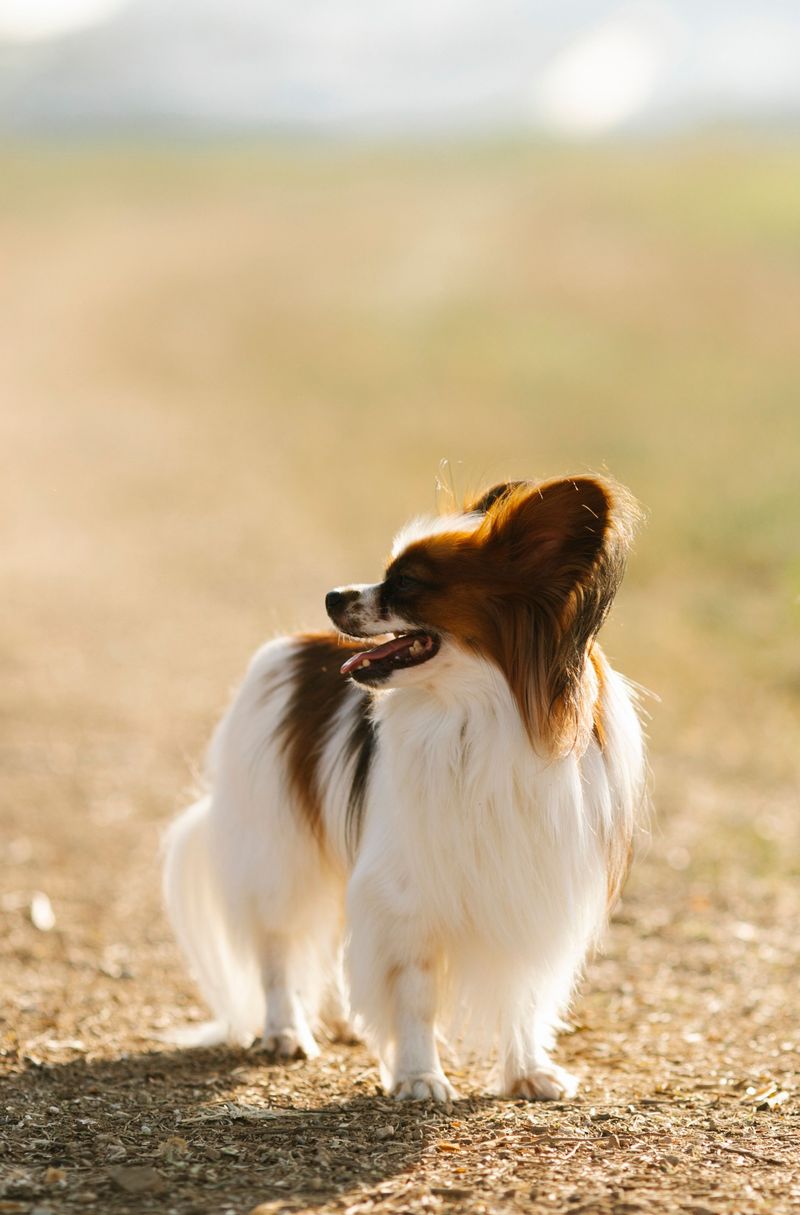
Those big, fringed ears look like butterfly wings, which is how the Papillon got its French name.
Do not let the tiny size fool you. This toy breed ranks among the smartest dogs around and gets restless when ignored.
Small spaces still work for big fun. Teach spins, bows, and paw targets on a little platform.
Indoor mini agility sets are also a hit for these lively pocket-sized learners.
Australian Cattle Dog: Tough, Tireless, and Clever
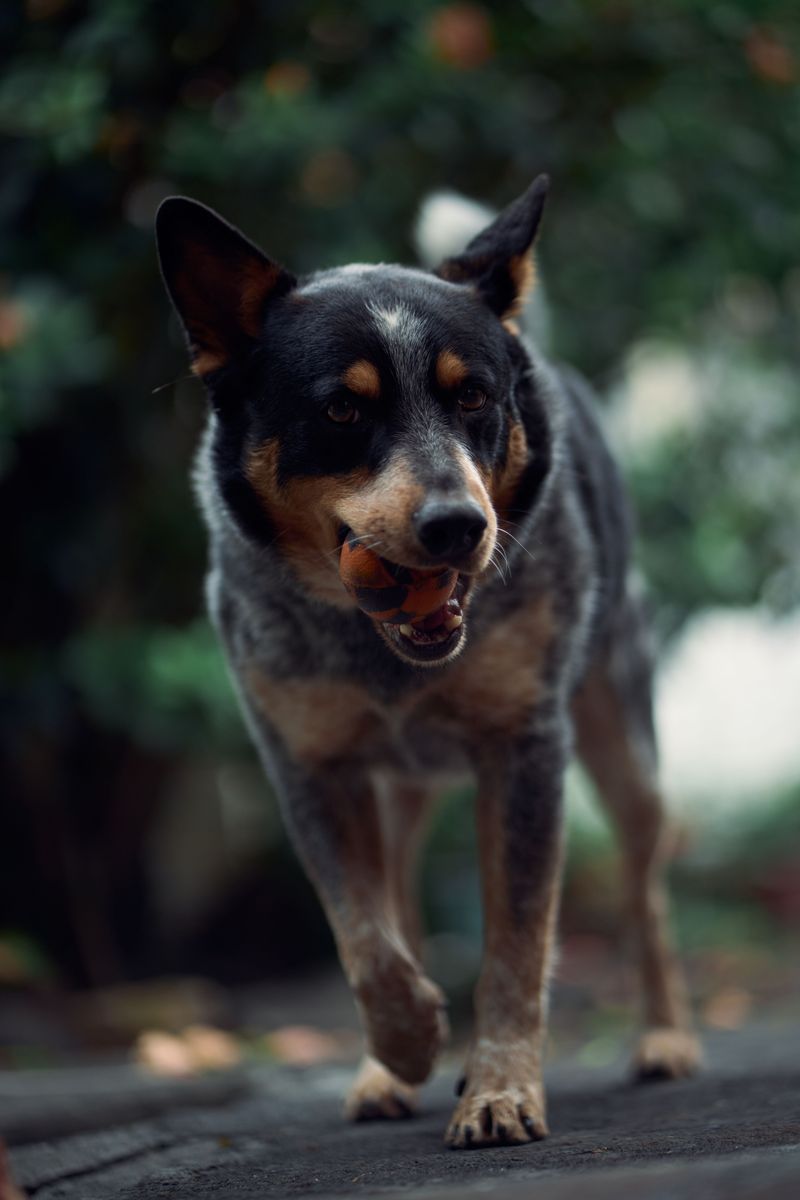
Bred to move stubborn cattle across huge Australian ranches, the Blue Heeler is as tough as old boots.
One famous heeler named Bluey lived to almost 30 years old! That is a long life to fill with activity.
Without a task, these dogs may nip at heels or escape the yard. Herding balls, long hikes, and flirt pole games give them a satisfying outlet.
Consistent rules matter too.
Standard Schnauzer: The Mustached Mastermind
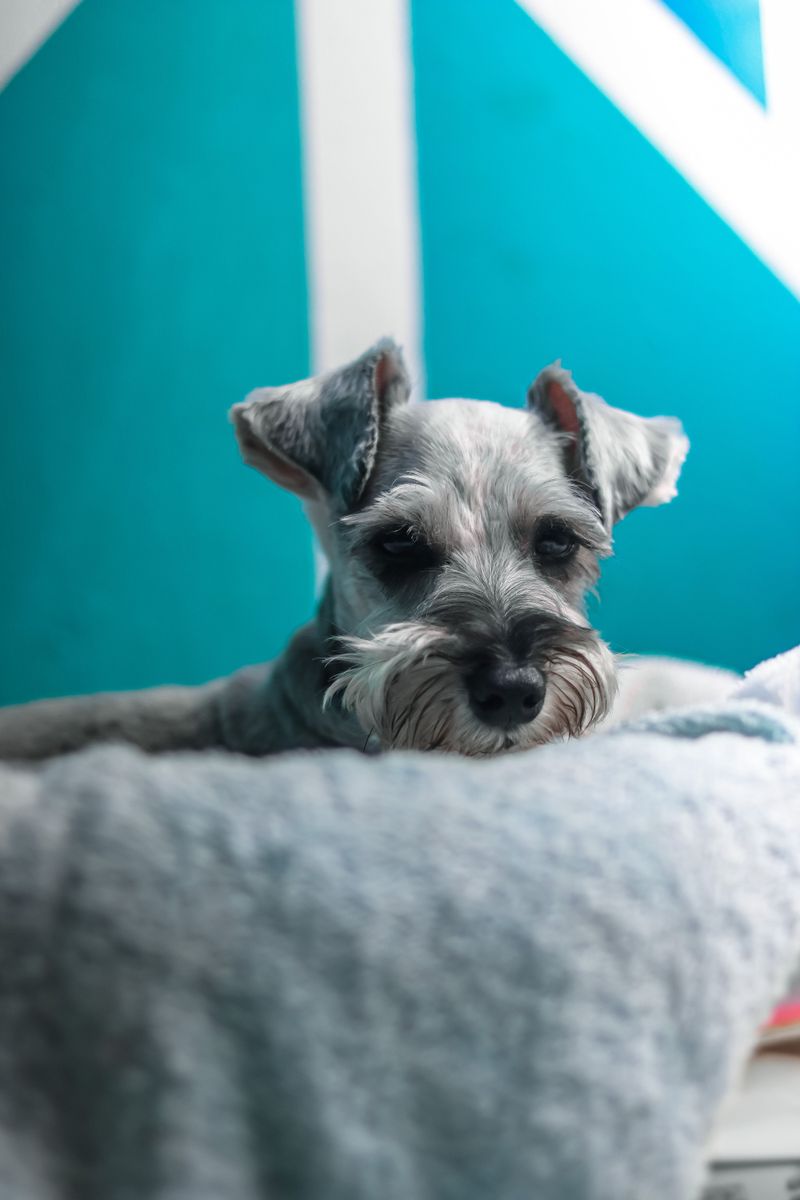
With that bushy beard and serious eyebrows, a Schnauzer always looks like it is plotting something. Often, it is.
Originally farm dogs in Germany, they hunted rats and guarded wagons. That independent spirit means they like to figure things out alone.
Give them a dig box filled with sand and buried toys. Nose games and barn hunt classes let them use old instincts in safe, happy ways.