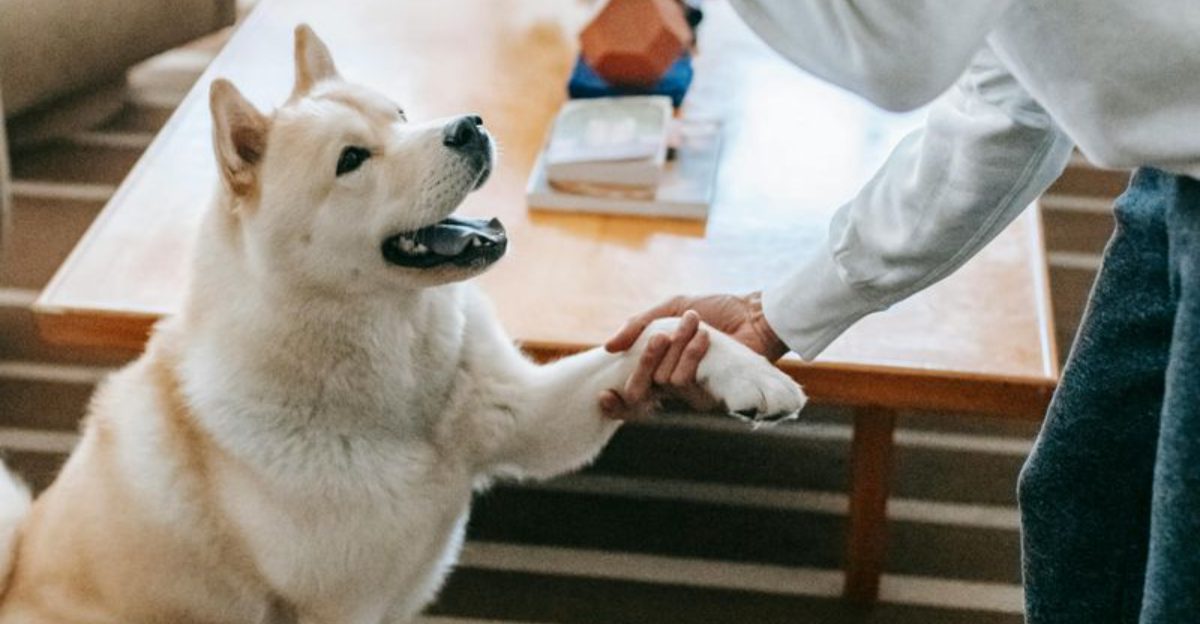
Some dogs nod along to every cue, but others look you in the eye and ask why. If you love a challenge wrapped in fur, these strong-minded breeds will keep you honest and on your toes.
With the right approach, you will earn cooperation instead of chasing control. Ready to meet the independent thinkers who play by their own rules?
Akita
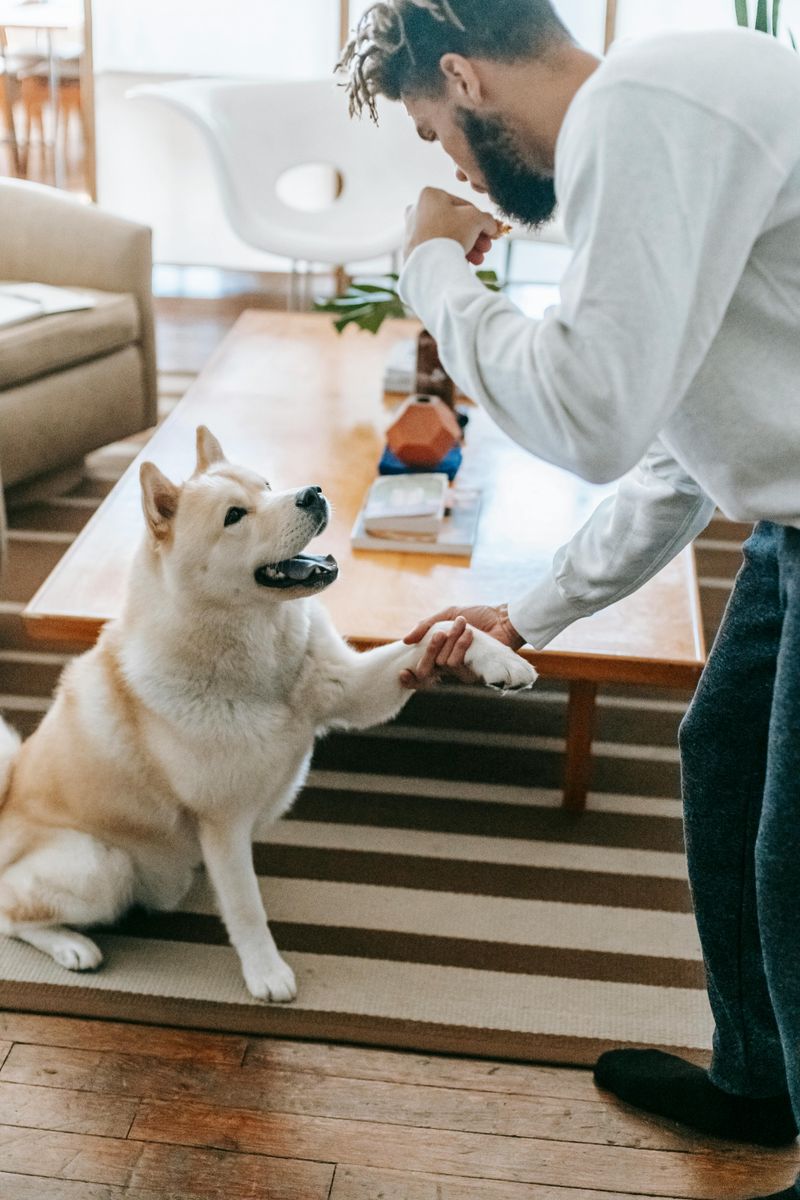
Stubborn to the core, the Akita was bred to think for itself and guard without blinking. You feel the presence of a dignified roommate, not a follower, and that can challenge first-time owners.
Clear rules, early socialization, and short, upbeat sessions work better than drilling. Food rewards help, yet fairness counts more, because this breed shuts down when pushed.
Give an Akita a job and space, and you get calm confidence. Without structure, you get selective hearing and creative problem solving you did not ask for.
They bond deeply to family, suspicious of strangers, and protective by default. Respect their independence, keep training consistent, and you will earn cooperation, not control.
That difference matters every single day.
Chow Chow
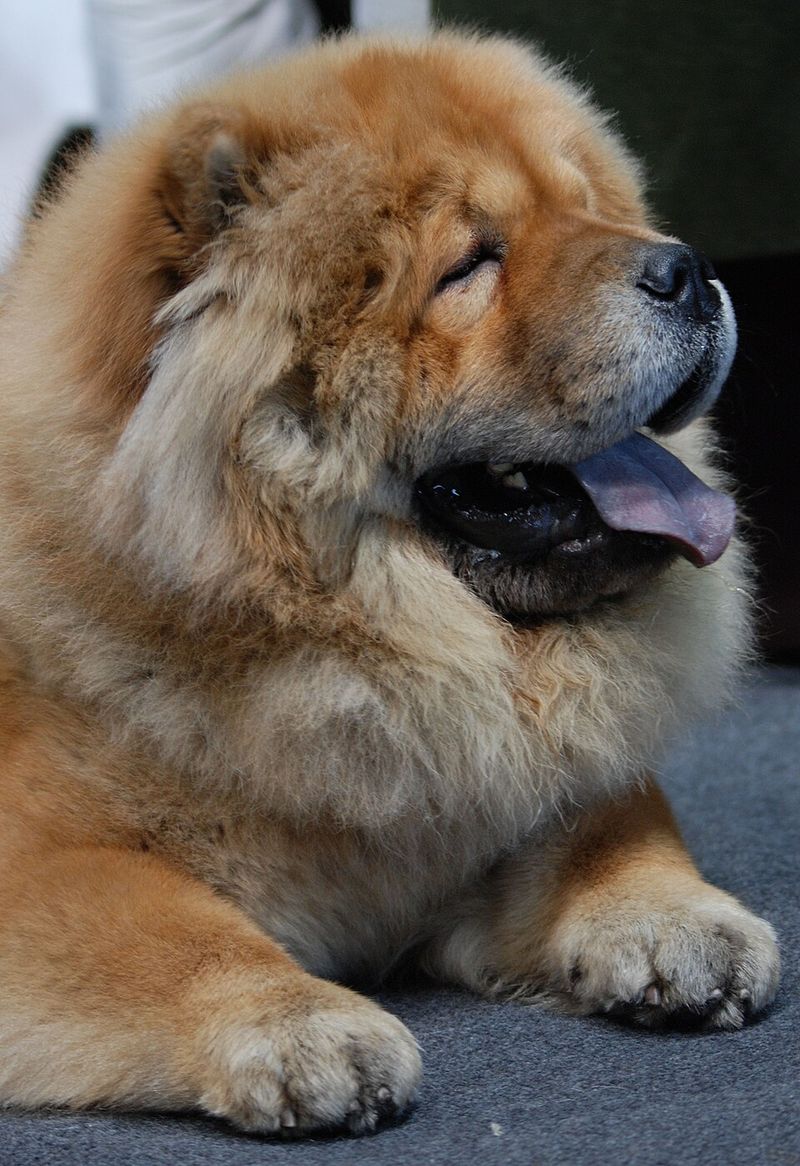
The Chow Chow carries a catlike ego and a lionlike coat, so you quickly learn negotiation. Demanding blind obedience backfires, while calm routines and predictable cues win progress.
Socialize early, reward generously, and keep sessions brief. Pushy methods create pushback, and this breed remembers slights.
You need patience, humor, and a plan that makes cooperation feel like their idea.
Chows are loyal to their circle and reserved with newcomers, preferring personal space. Grooming time becomes training time when you pair touch with treats.
They excel at quiet tasks over repetitive fetch, choosing dignity every time. Provide structure, protect their boundaries, and you will see steady, thoughtful responses.
Try to force things, and doors silently close on you.
Basenji
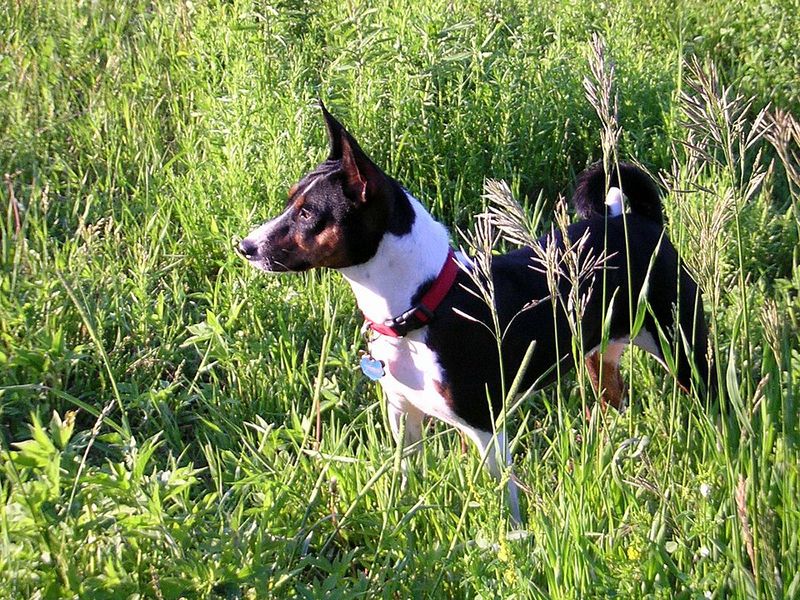
Basenjis are clever, fast, and famously quiet, but their independence speaks volumes. You are negotiating with a sprinter wired for self-preservation, not a windup toy.
Lure them with motion, games, and novelty, and you will see bright eyes lock in. Repetition bores them, so mix sniffing puzzles, short recalls, and chase-based rewards to keep minds engaged.
Containment is an art with this breed. Fences need height, footing, and no climbable corners, because problem solving comes standard.
Basenjis form close bonds yet still choose their own path when arousal spikes. Keep training upbeat, prevent rehearsals of escape, and celebrate small wins.
Do that consistently, and you will enjoy a witty roommate who keeps you honest today.
Afghan Hound
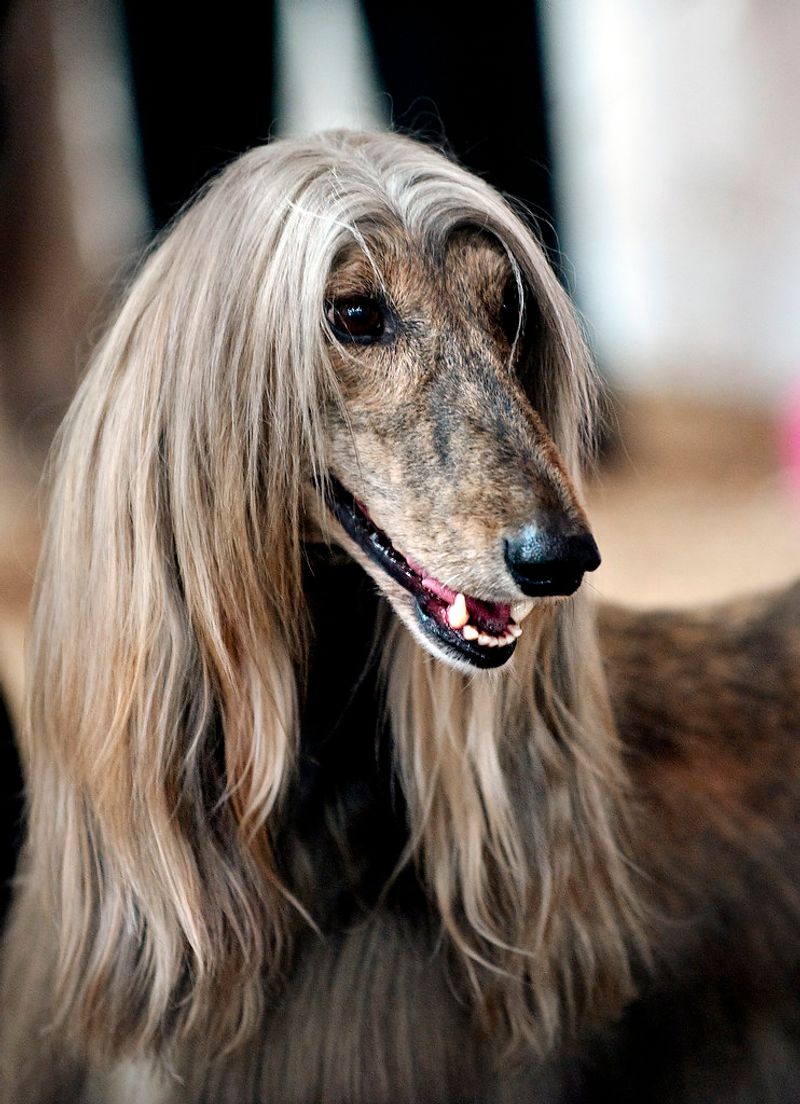
The Afghan Hound floats like silk and thinks like a philosopher who owes you nothing. Beauty hides a willful heart, so you trade in trust, not orders.
Soft hands, quiet spaces, and gentle repetition build confidence. Loud corrections break the mood and the relationship.
Chase games, scenting, and choice-based training tap into instincts without starting arguments.
Afghans notice everything and decide whether it matters to them. That means recalls require creativity, long lines, and staged success before freedom.
Grooming can be meditative if you pair patience with rewards. Give this breed dignity, exercise, and a job that values grace.
When you respect their mind, they offer stunning cooperation that feels like a gift to you.
Shiba Inu
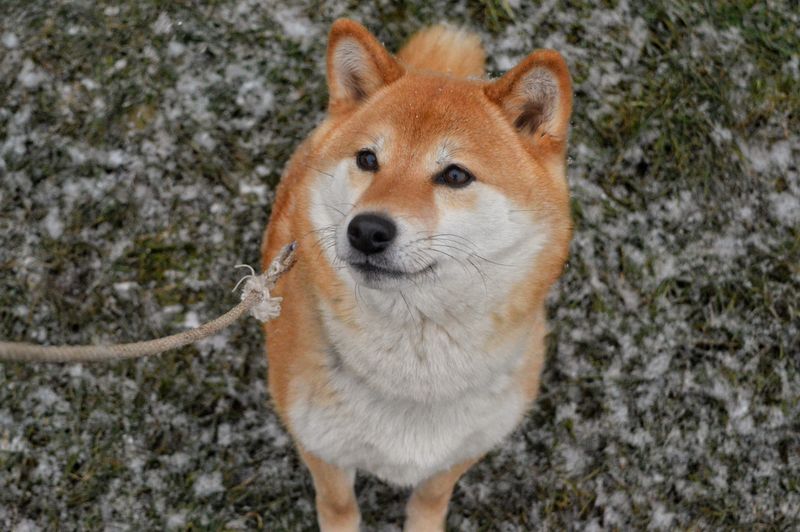
The Shiba Inu is a foxlike free thinker with comedic timing and opinions on everything. You do not command cooperation, you earn it with clarity and good timing.
Keep sessions short, pay with great treats, and let them choose to engage. Tug, chase, and trick training channel energy while preserving that priceless sense of autonomy.
Expect sudden bursts of zoomies and selective hearing around distractions. Secure yards and leashes save the day, because curiosity runs hot.
Shibas are clean, alert, and affectionate on their terms, loyal without clinginess. Respect boundaries, introduce new people slowly, and protect positive experiences.
When you frame training like a game, they volunteer brilliance and surprise you often. Almost every single week.
Tibetan Mastiff
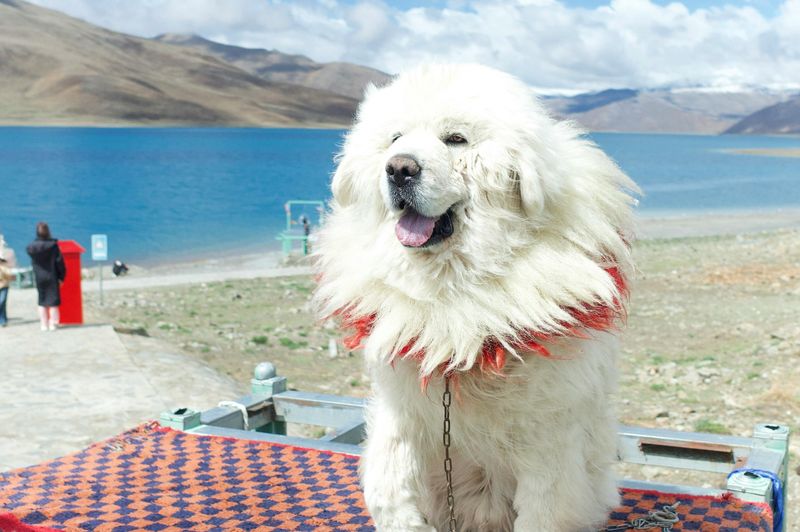
The Tibetan Mastiff is a night shift guardian who makes executive decisions without waiting for you. Independence is not a quirk; it is the operating system.
Early socialization, controlled exposures, and respect for thresholds are essential. Keep training calm and precise, because pressure invites resistance.
Reinforce quiet, reward check-ins, and manage environments long before instincts wake fully.
This breed matures slowly and takes loyalty seriously. Strangers get scrutiny, property lines get defended, and flimsy fences become suggestions.
Give space, secure perimeters, and schedule exercise during cooler hours to prevent frustration. You will earn compliance through relationship, not power.
Handled thoughtfully, a Tibetan Mastiff delivers steady, watchful partnership that feels timeless and deeply grounding for families.
Alaskan Malamute
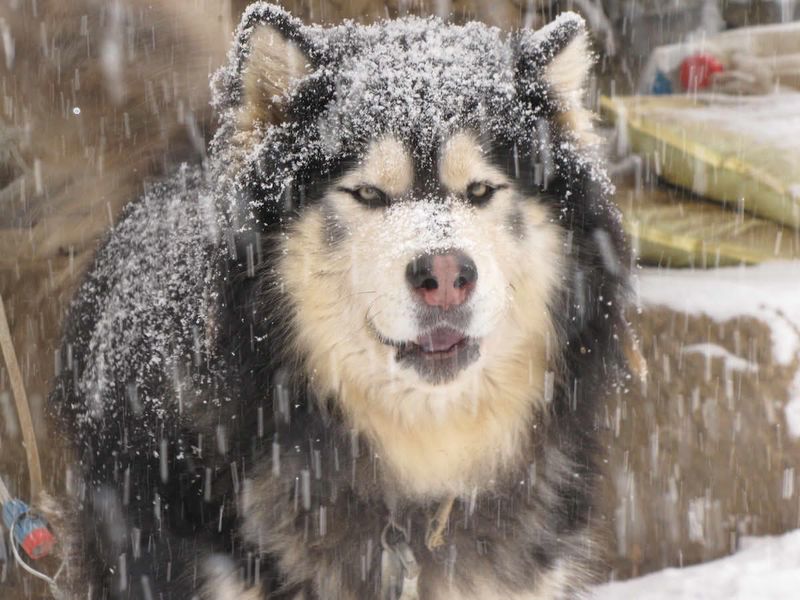
Built to haul and howl, the Alaskan Malamute brings determination in a big, friendly package. They love people, yet they love their plans more when motivation dips.
Keep brains busy with pulling, canicross, or weight wagon games. Use clear cues, rotate rewards, and avoid nagging, because repetition becomes white noise quickly for these workers.
Containment and climate matter. Malamutes dig craters, scale fences, and melt in heat, so plan accordingly and supervise freedom.
Social, goofy, and vocal, they still test limits daily. Channel that engine into jobs, not arguments, and you will see teamwork bloom.
Respect their stamina, and control arrives through routine, not wrestling over every little decision. Cooling vests and shade breaks keep performance safe.
Cane Corso
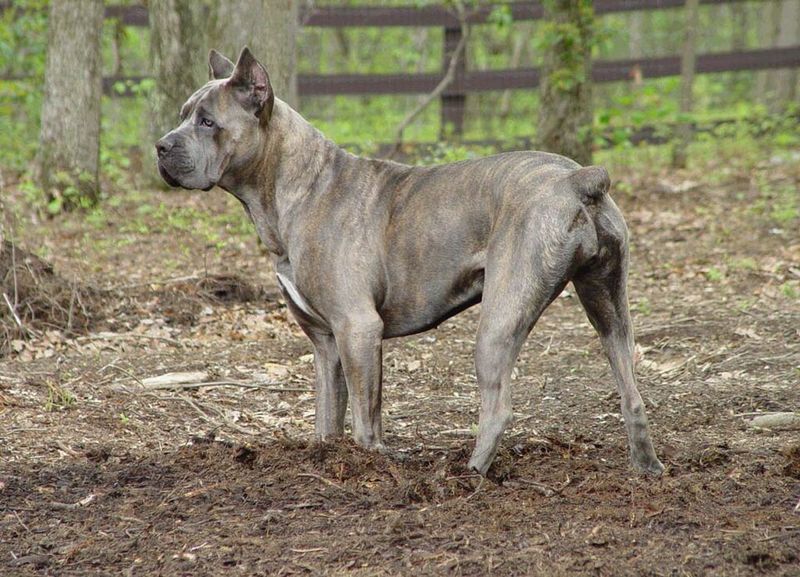
The Cane Corso is powerful, perceptive, and deliberate, a natural sentinel that reads the room before you do. Training must be clear and fair, with boundaries that never wobble.
Reward neutrality around strangers, rehearse calm leash skills, and practice impulse control daily. Corrections need precision, not volume, because bravado invites conflict you do not want.
These dogs bond hard and crave purpose. Give structured exercise, handler focus games, and bite-safe outlets like tug on rules.
Protect young joints, supervise greetings, and build a reliable off switch at home. Confidence grows when expectations stay predictable.
Do the work consistently, and your Corso becomes a steady companion who chooses cooperation over confrontation when pressure rises outdoors too.
Scottish Terrier
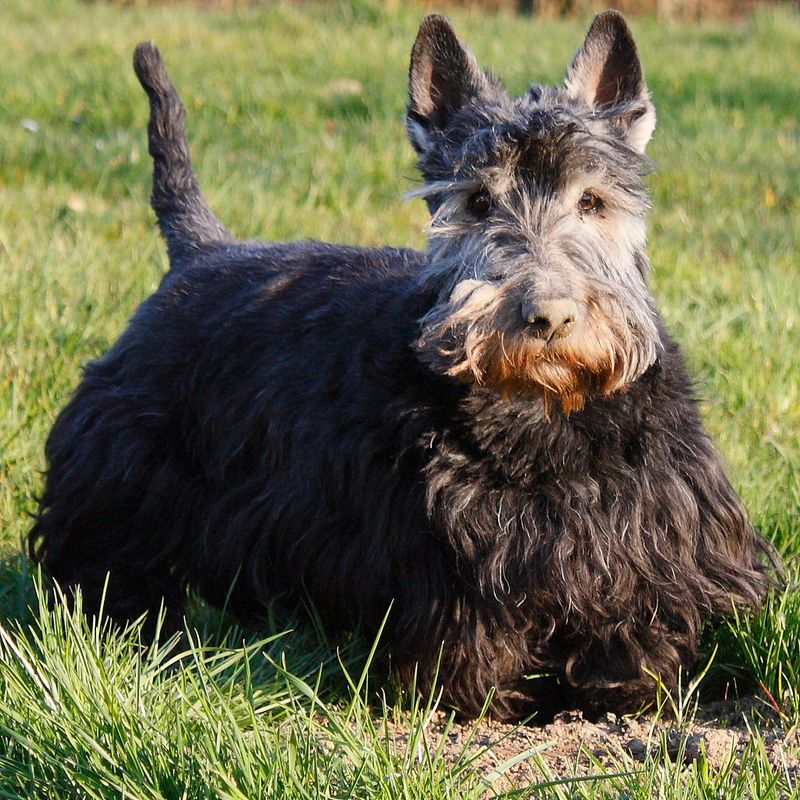
Compact and courageous, the Scottish Terrier marches with purpose and a detective nose for vermin. Beneath the eyebrows lives a sharp mind that prefers decisions over directions.
Use scent games, platform work, and clicker training to make ideas rewarding. Keep sessions brief, rotate reinforcers, and let them earn wins without nagging.
Respect that independence and you keep the partnership sweet.
Scotties bark at shadows and patrol doorways like tiny sentries. Give them jobs, not endless no, and you will watch manners grow.
Leash handling matters because prey drive flips on instantly. Fence yards, supervise play with smaller pets, and practice quiet cues.
With thoughtful outlets, you get a witty ally who loves you fiercely daily.
Borzoi
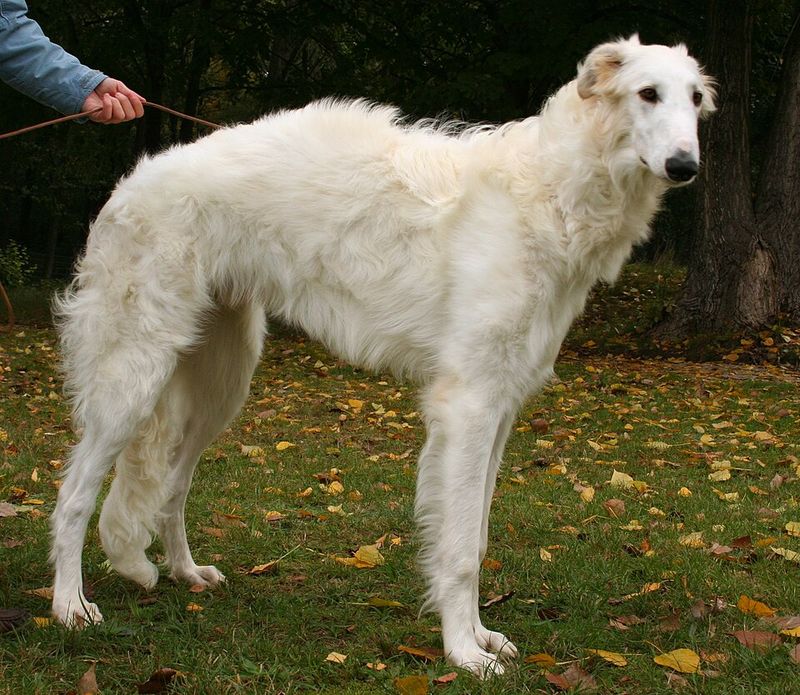
The Borzoi is elegance on springs, bred to sight hunt and make lightning-fast choices alone. They drift through rooms like silk banners, listening mostly when it suits the moment.
You will get better results trading pressure for distance, choices, and high-value pay. Recalls need long lines, smart setups, and rewards that outrun the horizon in importance.
Chasing is joy, so management must be airtight near wildlife. Tall fences, double gates, and careful door routines protect impulse control.
Borzoi enjoy calm affection and thinking games more than endless repetitions. Build a partnership using quiet cues and predictable patterns.
When you honor their heritage, they bring surprising softness and reliable cooperation in challenging places outdoors and crowds.
Australian Cattle Dog
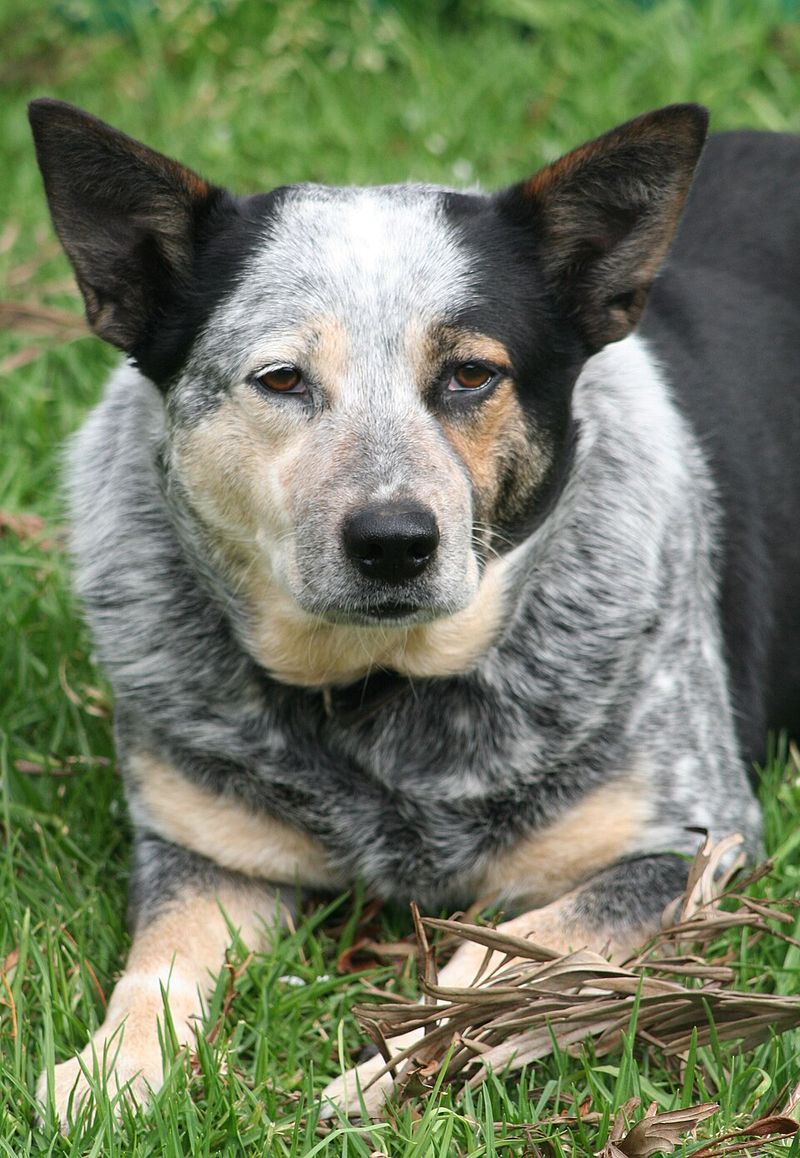
The Australian Cattle Dog is a tactical athlete built for long days, sharp turns, and creative problem solving. Intelligence plus energy equals mischief without a plan.
Give structure, trick training, and herding-style games that let them think on the fly. Reinforce eye contact, impulse control, and loose leash skills before turning the speed dial up.
These dogs will outwork your schedule if you let them. Land on consistency, not chaos, and rotate jobs to prevent fixations.
Protect from overexertion in heat, and safeguard joints with thoughtful jumps. Socialization must be ongoing, because suspicion can creep in.
When their brain has a mission, cooperation flows, and you get a focused, happy teammate. Most days, twice or more.
Shar Pei
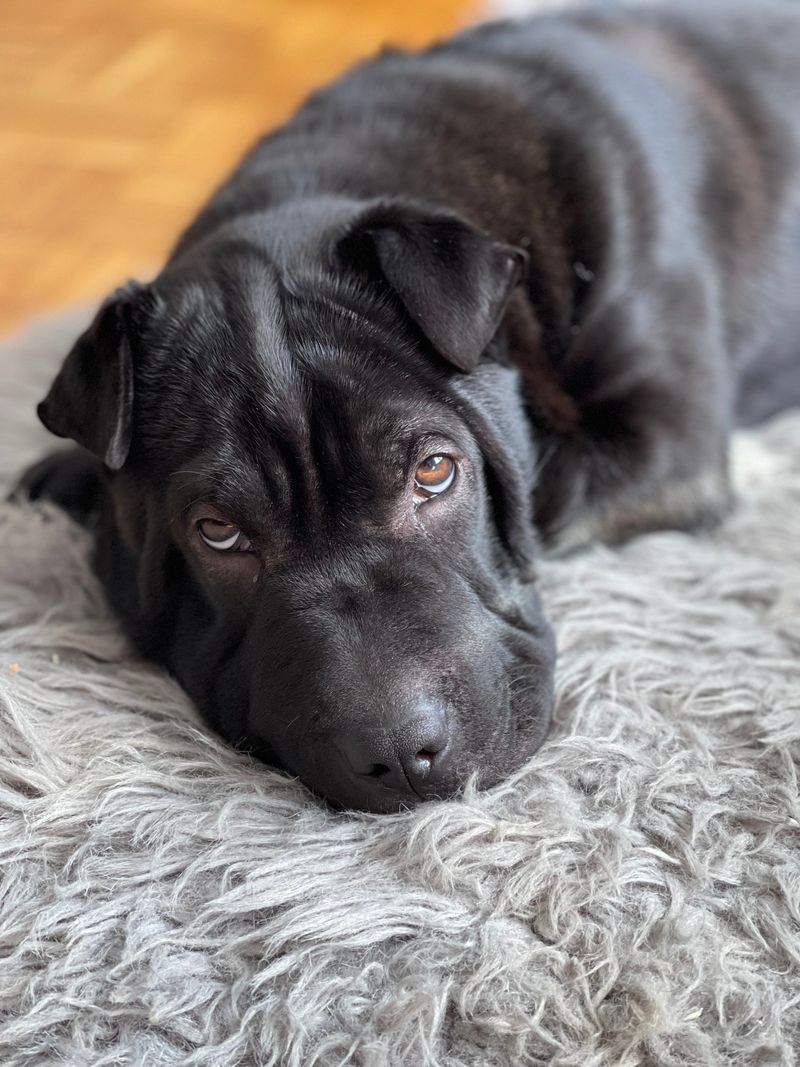
Wrinkled and resolute, the Shar Pei approaches life like a discerning judge with a short list of trusted people. Pushiness earns pushback, while calm, consistent routines grow respect.
Early socialization is nonnegotiable, focusing on novelty, handling, and polite neutrality. Use high-value food, low-key praise, and choices to prevent conflict.
Control arousal early, because over-threshold dogs stop listening fast.
Shar Pei clean up beautifully with thoughtful grooming and skin care habits. Protect from heat, monitor for irritation, and keep vet relationships strong.
They shine with clear boundaries, predictable schedules, and short training sets. Introduce strangers deliberately and end sessions while interest stays high.
Do that, and cooperation comes wrapped in dignity, not grudging compliance everywhere today.