
Training a dog requires patience, consistency, and understanding. Even the most well-meaning pet owners can make mistakes that turn their obedient pooch into a mischievous troublemaker. Here are 13 common training errors that could lead your furry friend astray.
Inconsistent Commands

Dogs thrive on consistency. Giving mixed signals by using different commands for the same action can lead to confusion. One day you say “sit” and the next you say “down” for the same behavior. This inconsistency can bewilder your dog, leading them to ignore commands altogether.
Owners should choose a specific command for every action and stick to it. Consistency helps reinforce understanding, making training more effective. A clear and consistent approach fosters obedience and trust between you and your dog.
Remember, clarity is key to successful training. Stick to a language your dog can understand.
Lack of Socialization
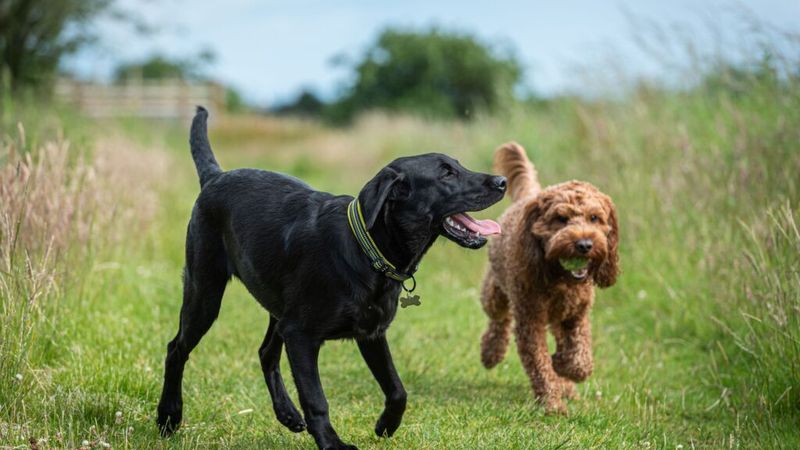
Picture a new puppy, eager yet cautious. If not exposed to various environments and experiences, dogs can develop fear or aggression. Socialization is crucial during the early stages of a dog’s life.
Without it, dogs might react negatively to new situations or strangers. Introducing your dog to different people, animals, and locations helps build confidence.
A well-socialized dog is typically happier and less anxious. Take gradual steps to expose your dog to different settings, ensuring positive experiences to cultivate a well-adjusted companion.
Using Physical Punishment
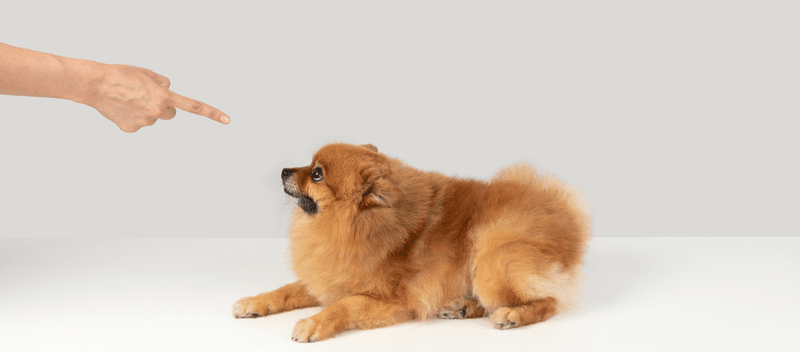
Imagine a dog’s eyes, wide with confusion and fear. Physical punishment can lead to anxiety and aggression, rather than obedience. Dogs may not understand why they’re being punished, associating fear with their owner instead.
Positive reinforcement, such as treats or praise, is far more effective in teaching desired behaviors. Encouragement fosters a healthy and trusting relationship.
Emphasize rewards over punishment to nurture a cooperative and joyful pet. Building a bond based on positive experiences, rather than fear, benefits both you and your dog.
Too Much Repetition
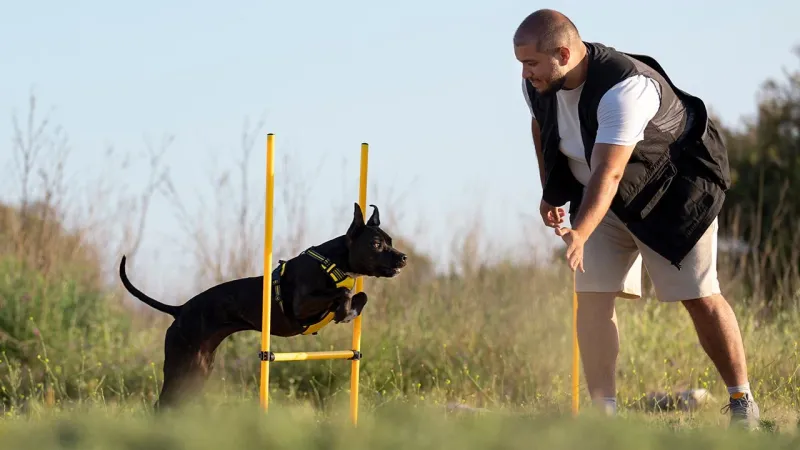
Repetition can lead to boredom. Dogs, like people, need variety to stay engaged. Drilling a single command over and over can make a dog lose interest.
Switch up the routine with different commands and activities to keep training sessions lively and stimulating. Introducing games or new tasks maintains their enthusiasm and focus.
A lively training environment is more rewarding for your pet. Keep it fun and diverse to hold your dog’s attention and improve their skills effectively.
Ignoring Bad Behavior

It might seem harmless, but ignoring bad behavior can reinforce it. If a dog misbehaves and receives no correction, they may think it’s acceptable.
Address unwanted actions immediately with firm but gentle corrections. Consistent guidance helps dogs understand boundaries.
Redirecting their energy to appropriate behaviors can also be beneficial. Using positive reinforcement when they act correctly encourages better habits. Proactive intervention shapes well-mannered dogs, preventing unwanted patterns from developing.
Using Treats Incorrectly

Treats are powerful motivators, but misuse can lead to spoiled pets. Over-reliance or rewarding at the wrong time may teach dogs to expect treats without proper behavior.
Ensure treats are given immediately after the correct action to reinforce learning. Gradually phase out treats for verbal praise as training progresses.
Balanced use of treats encourages good behavior without creating dependency. This approach strengthens the training process, making dogs responsive and obedient without overwhelming reliance on snacks.
Short Training Sessions

Puppies have short attention spans. Training sessions that are too brief may not provide enough repetition for learning.
Aim for multiple short sessions throughout the day rather than one long one. This approach helps reinforce learning without overwhelming the dog.
Gradually, as your dog matures, increase the duration to improve focus and stamina. The key is finding a balance that keeps the dog engaged and attentive, ensuring that each session is productive.
Training Without Distractions
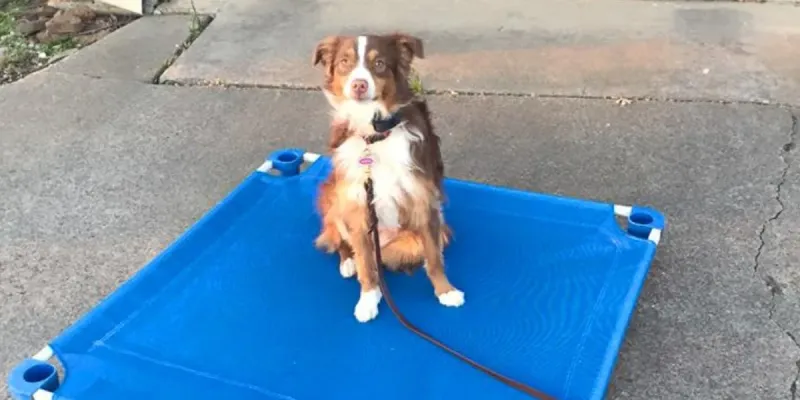
Training in a distraction-free zone might seem ideal, but real-life situations aren’t always calm. Dogs need to learn to follow commands amidst distractions.
Gradually introduce distractions during training to prepare dogs for real-world encounters. This builds their ability to focus despite noise or activity.
Transitioning from quiet to more dynamic environments ensures your dog can respond to commands in any setting. This prepares them for varied situations, making them adaptable and obedient.
Neglecting Mental Stimulation

Mental stimulation is as vital as physical exercise. Dogs without mental challenges might resort to destructive behavior out of boredom.
Introduce puzzle toys, obedience training, or scent games to engage their minds. Mental activities provide an outlet for their energy, keeping them content and well-behaved.
Incorporating mental exercises into daily routines enriches their environment, reducing unwanted behaviors. A mentally stimulated dog is a happy dog, less likely to become a naughty one.
Lack of Patience

Training takes time and patience. Frustration or rushing can lead to setbacks.
Dogs sense their owner’s emotions, and negative energy can hinder progress. Adopting a calm and patient approach encourages learning and strengthens the bond.
Celebrate small victories and progress over perfection. Consistent practice and understanding pave the way for successful training experiences. Patience is an asset, fostering a cooperative and happy relationship with your dog.
Overemphasis on Command

Commands are essential, but overemphasis without understanding can confuse dogs. They should know why a command is given, not just hear it.
Ensure your dog associates commands with specific actions and outcomes. Consistent demonstration of desired behaviors helps them comprehend expectations.
Balance commands with praise and context to build comprehension. A well-rounded approach leads to a more intuitive and responsive dog, eager to please and understand.
Insufficient Exercise
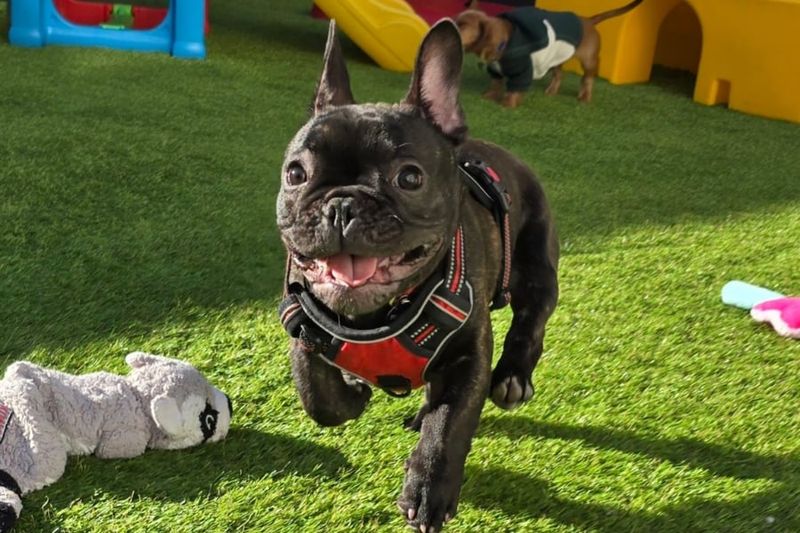
Exercise is crucial to prevent restlessness and mischief. Dogs with pent-up energy often exhibit unwanted behaviors.
Regular walks and playtime help release energy and maintain physical health. Varied activities, like fetch or agility, keep them entertained and fit.
Combining physical with mental activities ensures a balanced routine. A well-exercised dog is less likely to develop naughty habits, staying calm and content.
Ignoring Individual Needs

Every dog is unique, with distinct needs and personalities. Ignoring these can lead to frustration and poor behavior.
Tailor training methods to your dog’s characteristics. Understand their breed, temperament, and individual quirks.
Customized approaches foster better learning and a deeper connection. Recognizing and respecting their differences results in a well-mannered and satisfied companion.