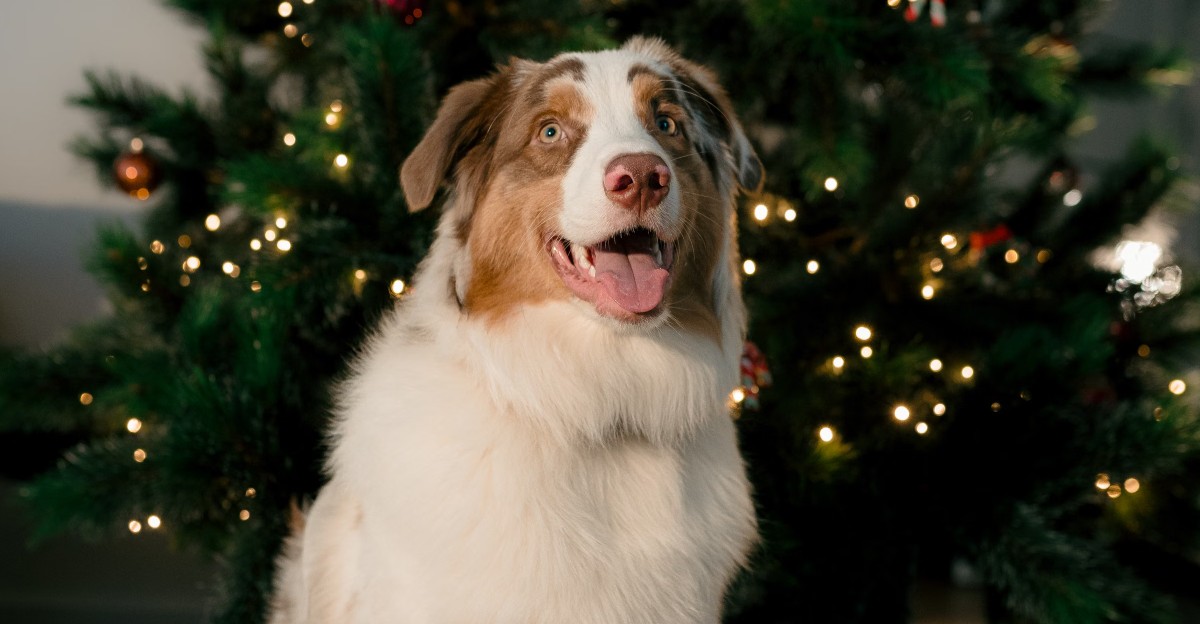
Some dogs seem brave and bold, ready to try anything new. They love tricky games, tough training, and long adventures with their people.
Still, even the most confident pup can feel unsure when a strange sound, place, or surface appears. Knowing how each breed handles stress helps you guide them kindly and keep their courage growing.
German Shepherd – the steady problem solver
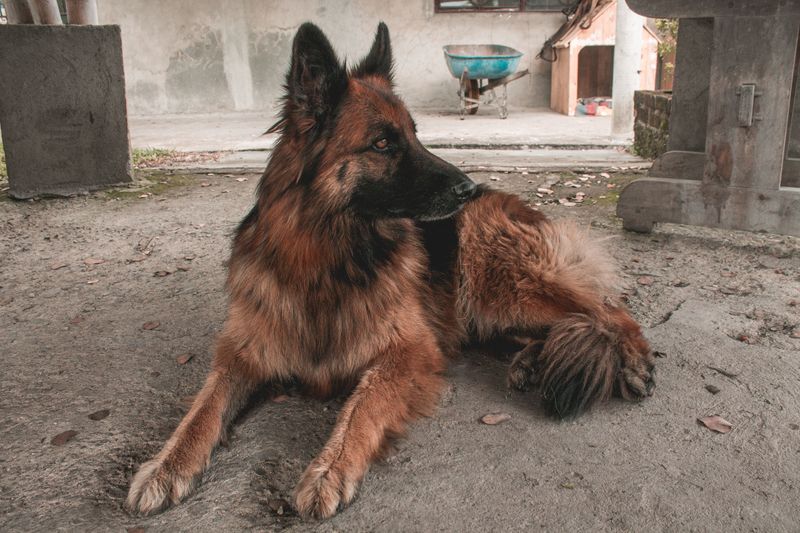
Watch a German Shepherd face a puzzle and you will see calm focus. They tackle new tasks with smart, steady steps, rarely rushing.
Yet a slippery floor or echoing hallway can make even this hero pause.
Help with slow exposure to odd surfaces and sounds. Use treats for each brave step and keep sessions short.
Fun jobs like scent games and tracking give their busy mind a trusted path forward.
Border Collie – the bright overachiever
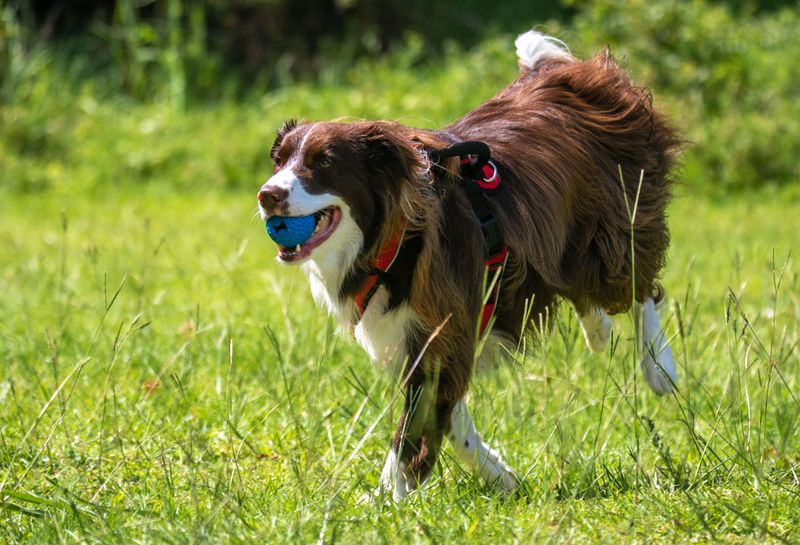
Brains, speed, and style come standard with a Border Collie. They race to learn new tricks and crave clear jobs.
Sudden crowd noise or confusing directions can, however, make them second-guess.
Reduce pressure by breaking tasks into tiny steps. Keep cues simple and reward often so confidence stays high.
Toss in calm sniff walks between drills. Did you know this breed once managed vast flocks on rugged hills, reading whistles like a second language?
Doberman Pinscher – the sleek guardian
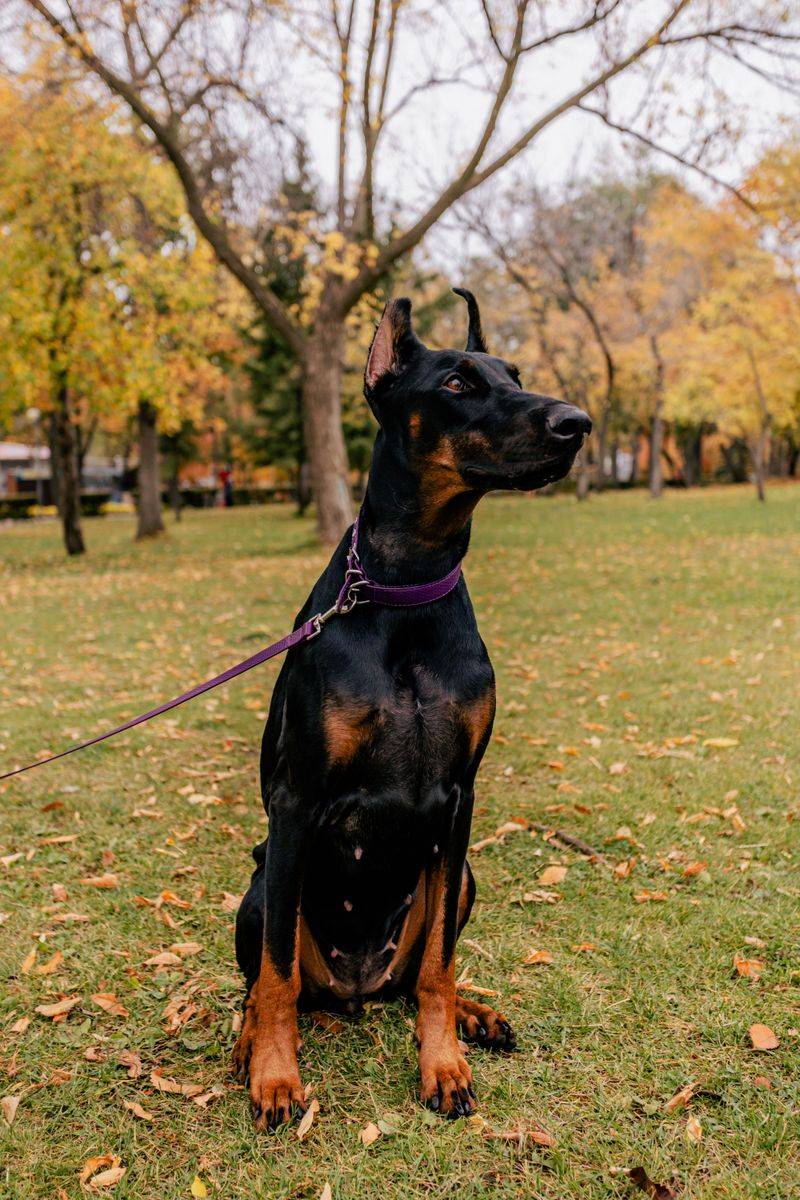
Style and courage shine in a Doberman. They enjoy tasks that use both body and brain, from obedience to protection sports.
An elevator chime or tight crowd may still raise a brow.
Build trust with quiet, predictable practice in busy places. Offer choices, like pausing for a sniff break, to keep stress low.
Pair new sounds with tiny treats. History note: Dobermans were created by a tax collector seeking a loyal, sharp partner.
Australian Shepherd – the cheerful taskmaster
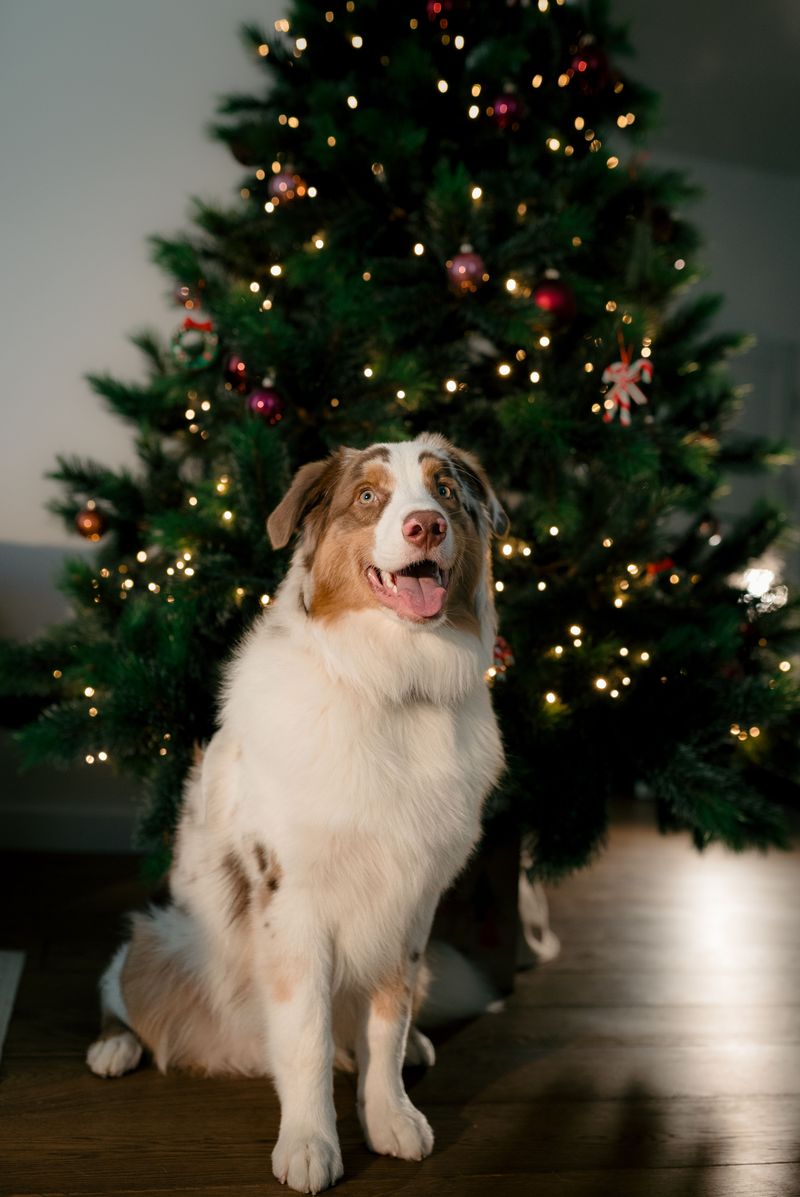
Energy pours out of an Aussie like sunshine. Games with moving targets, fast cues, and teamwork make them beam.
But a clangy metal grate or a loud PA speaker can stall that momentum.
Turn nerves into curiosity with playful shaping. Mark tiny wins and let them step off to reset.
Mix in trick training, like paw targets, to build body awareness. A short herding-style recall game can restore their spark quickly.
Rottweiler – the calm powerhouse
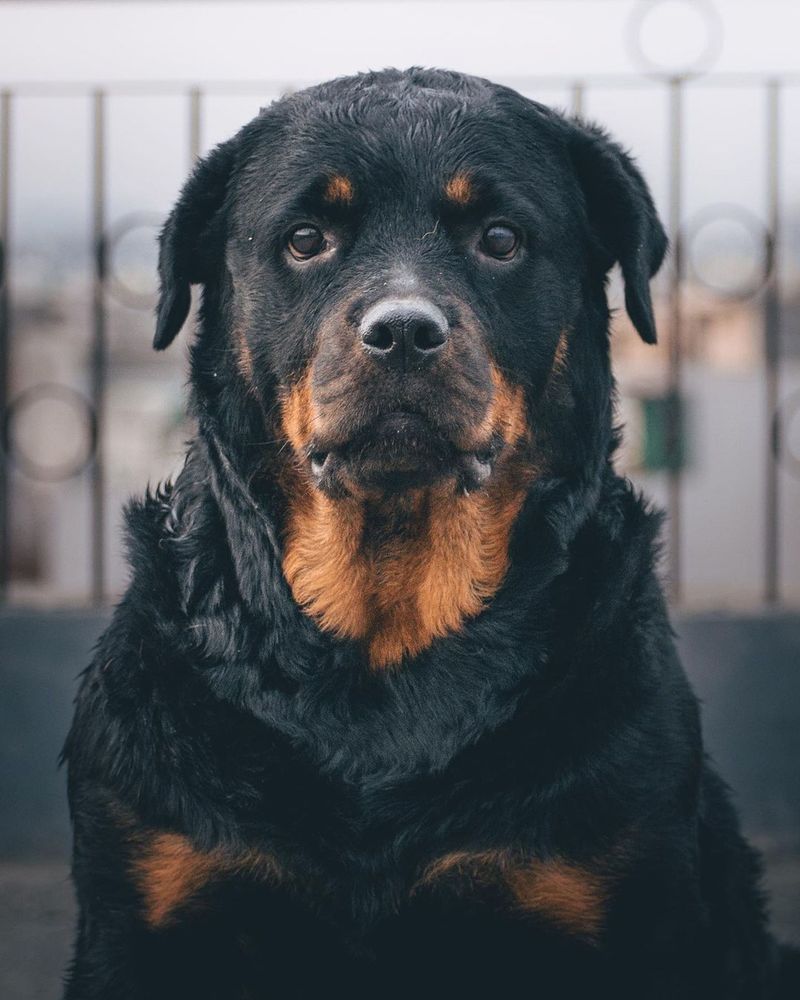
Quiet confidence is a Rottie trademark. They enjoy structured work like carting, obedience, and nose games.
Even so, reflective floors or fast-approaching strangers can create hesitation.
Use slow introductions and give space so they can watch and think. Reward calm checks of new objects.
Short scent searches in novel rooms help them feel in control. A little rule of thumb: fewer words, clearer signals, better results for this thoughtful breed.
Siberian Husky – the bold adventurer
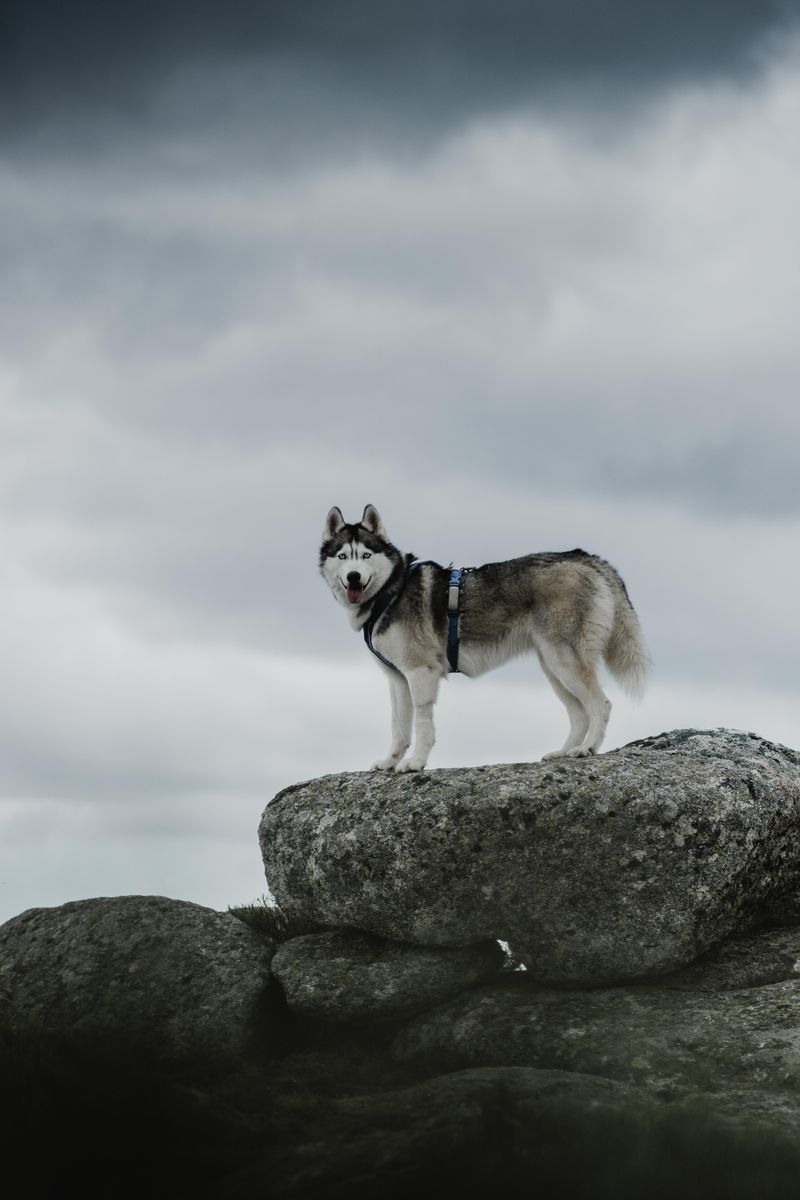
A Husky lives for movement and open air. Pulling, running, and exploring light up their spirit.
Then a wobbly bridge or echoing tunnel might trigger a sudden stop.
Keep adventures upbeat with easy starts and steady footing. Encourage forward motion using a cheerful voice and tiny steps.
Offer a snack at the end of new obstacles. Fun fact: their endurance helped deliver medicine across winter storms in famous sled runs.
Boxer – the playful bruiser
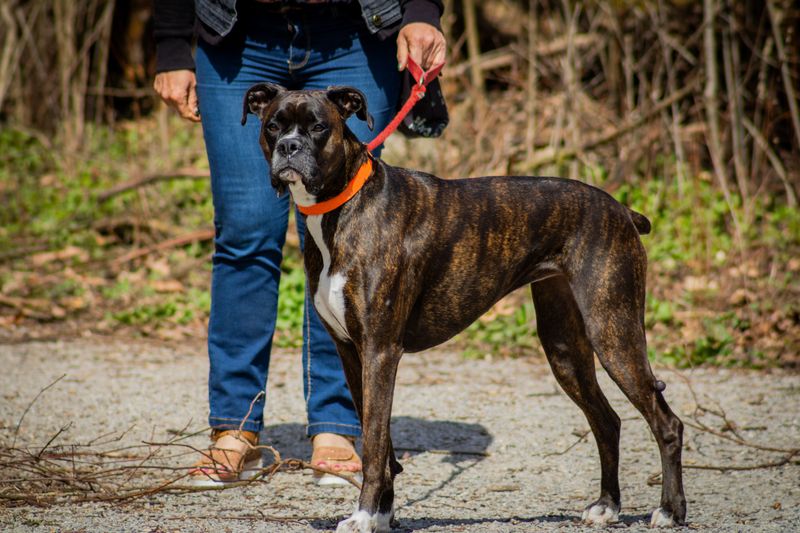
Joy is the Boxer’s engine. They leap into games, bounce through drills, and make everyone smile.
But a sudden clang or a stranger in a big hat can cause a brief freeze.
Turn surprises into silly moments. Ask for an easy sit, reward, then return to fun movement.
Keep training short and lively, with plenty of breathers. A flirt pole session ends on a high note and rebuilds swagger fast.
Belgian Malinois – the relentless operator
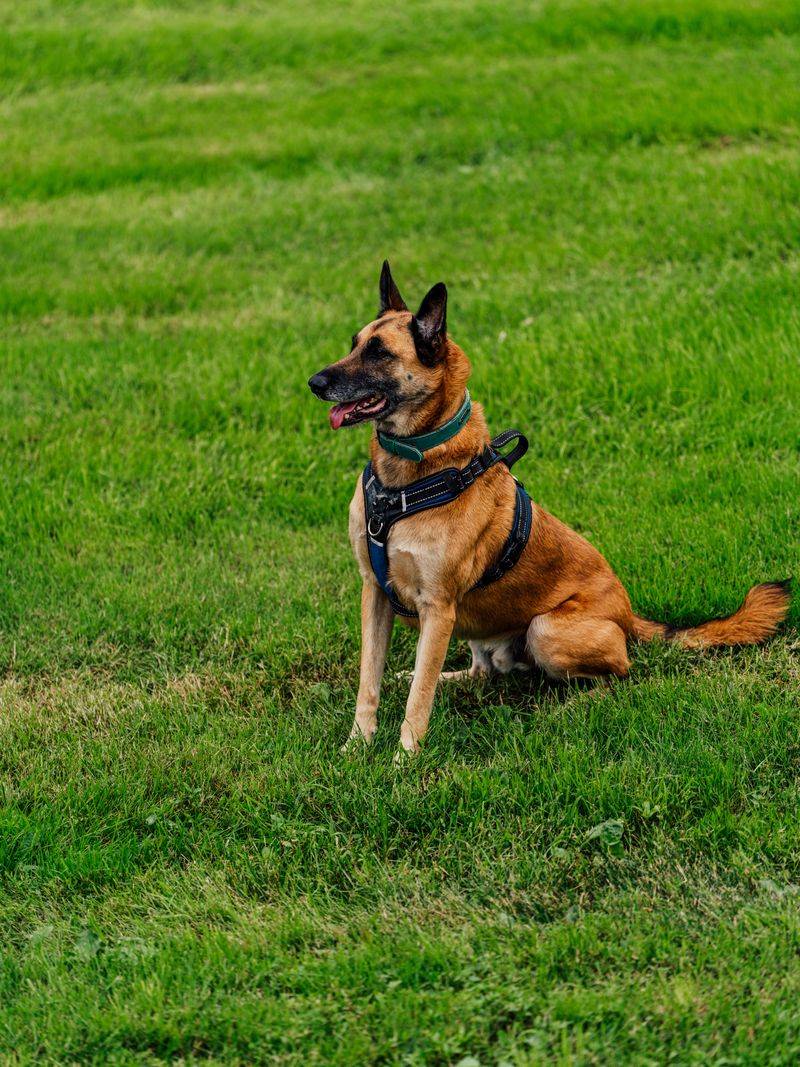
Precision feels natural to a Malinois. They attack tasks with drive and crave clear targets.
Still, slick stairs or a buzzing drone overhead can shake that iron focus.
Layer confidence with tiny exposures and generous play rewards. Use tug breaks to drain tension, then return to simple reps.
Keep cues crisp and avoid crowding. Trivia: many modern detection teams rely on Malinois for their balance of speed, grit, and sensitivity.
Airedale Terrier – the bold traditionalist
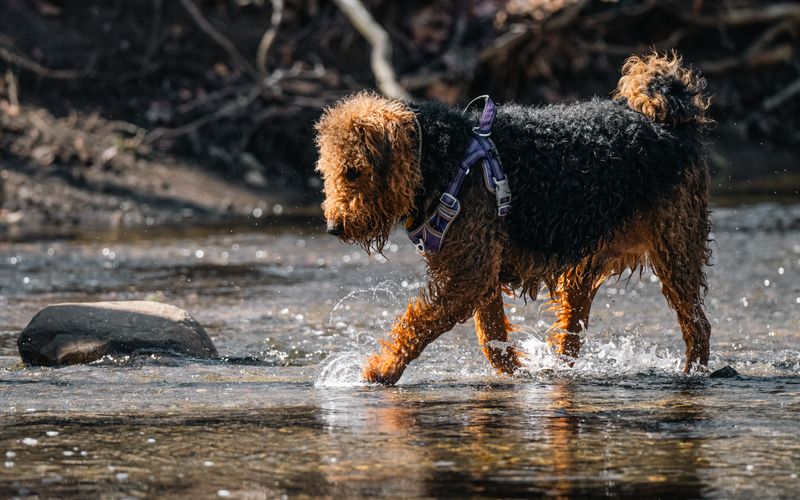
Called the King of Terriers, the Airedale loves a mission. Nose work, tracking, and sturdy hikes suit their spirit.
An odd grate pattern or flapping banner might invite a hard stare and pause.
Let them investigate at their own pace. Mark a look, then a sniff, then a paw step.
Toss a piece of kibble past the worry spot to encourage forward motion. Old-school grit meets gentle coaching beautifully here.
Standard Poodle – the elegant strategist
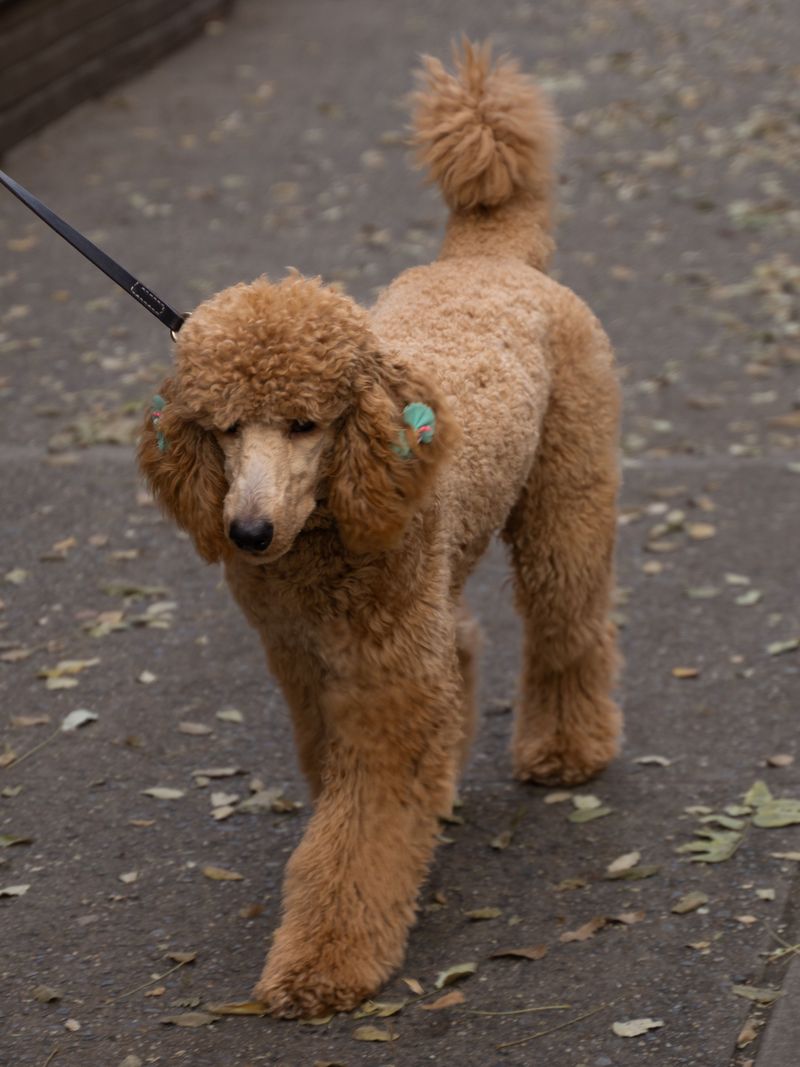
Behind the curls is a sharp thinker. Standard Poodles enjoy learning patterns and mastering precise moves.
A loud mirror-filled room or odd grooming sounds may cause a careful pause.
Shift from tricky tasks to simple nose touches to rebuild rhythm. Pay well for small choices toward the new thing.
Rotate in quiet puzzle toys for mental resets. Did you know Poodles once retrieved waterfowl, which explains their mix of brains and brawn?
Vizsla – the sensitive athlete
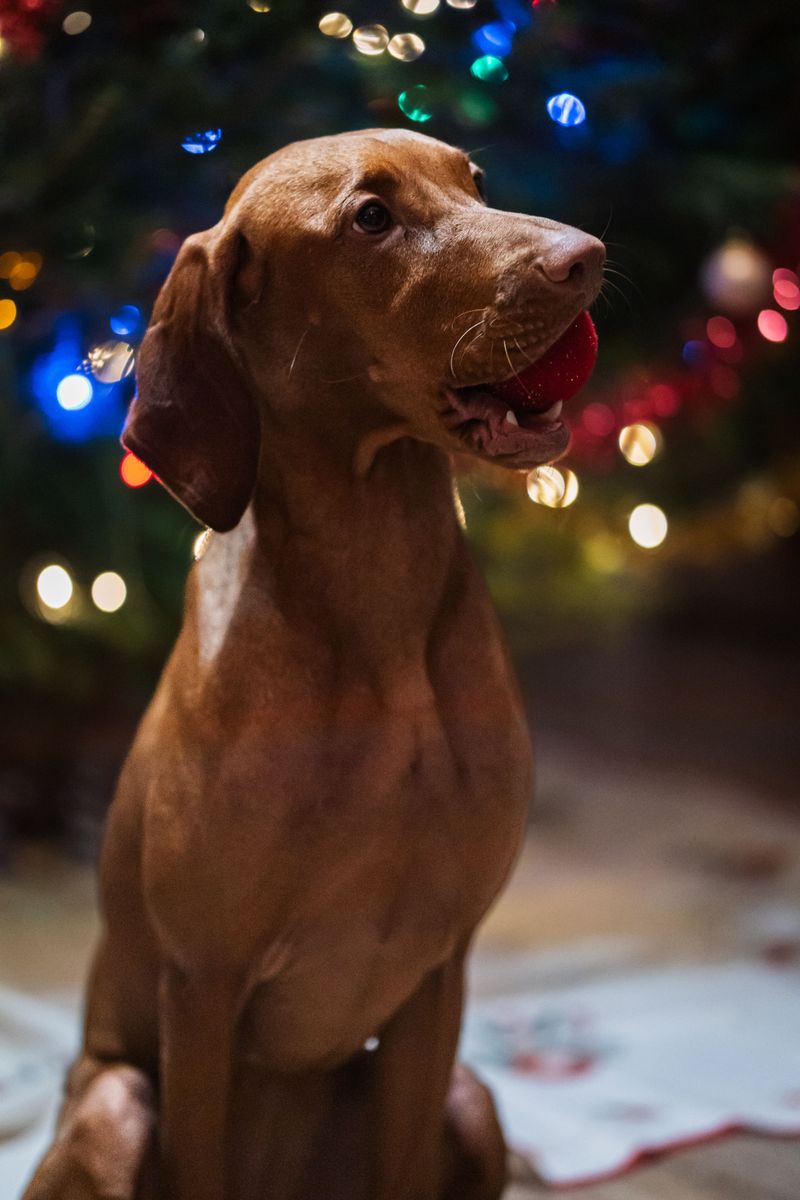
Warmth and speed define the Vizsla. They bond tightly and shine in field work or canicross.
When a shaky log or sharp whistle appears, hesitation can surface.
Pair courage with closeness. Stand near, speak softly, and reward tiny steps forward.
Keep sessions short and upbeat, then finish with a familiar game of fetch. A light touch works best for this tender-hearted sprinter, helping boldness return without pressure.
Rhodesian Ridgeback – the cool-headed scout
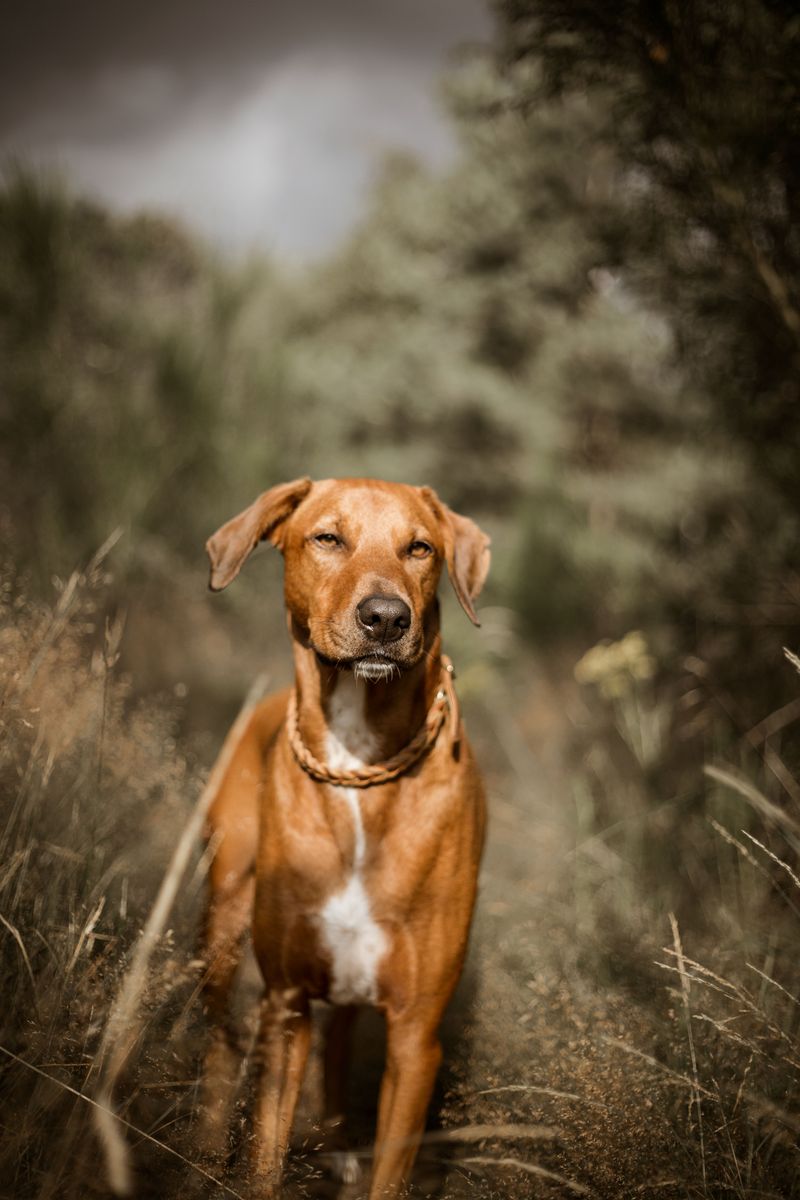
Composed and independent, a Ridgeback weighs choices carefully. Long hikes and clear goals suit them well.
A clattery staircase or crowded trailhead may chip at their certainty.
Offer time to observe, then invite movement with gentle lures. Keep food rewards high value when surfaces are loud or strange.
Sprinkle in scent games along the path to keep their mind engaged. Heritage note: these hunters once tracked over vast terrain, favoring thoughtful decisions.
Jack Russell Terrier – the plucky spark plug
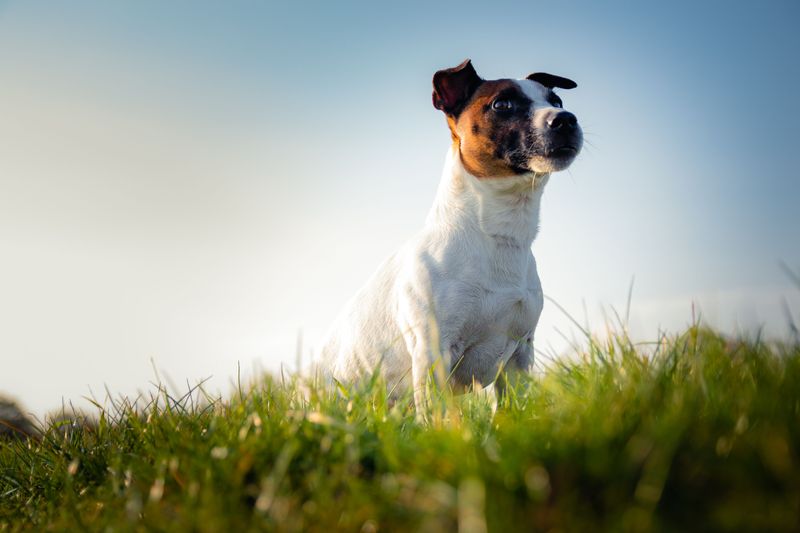
Small body, huge attitude, that is the Jack Russell. They chase challenges like squirrels, fast and fearless.
A clear ramp or rattly crate door can still earn a quick sidestep.
Turn worries into games. Scatter a few treats on the easy end of the obstacle, then celebrate every brave paw.
Keep sessions snappy with toy breaks. Their bold heart returns when success comes in bite-sized bits and bursts of fun.