
Understanding the nuances between genuine loyalty and separation stress in dogs can enhance your relationship with your canine companion. While loyalty is a heartfelt bond that strengthens over time, separation stress is a challenging behavior rooted in anxiety. Let’s explore how these traits manifest across different breeds.
Labrador Retriever

Labradors are renowned for their unwavering devotion. Their loyalty is a comforting presence, manifesting in their joy when reuniting with their owner. This breed thrives on companionship and displays loyalty through calm patience.
In contrast, separation stress in Labradors often involves destructive behavior, like chewing on furniture, when left alone. This isn’t out of disobedience but anxiety.
Understanding this difference is crucial. A loyal Labrador waits eagerly by the door, while one experiencing stress may bark excessively. Training and gradual departure can ease their anxiety.
Golden Retriever

Golden Retrievers are the epitome of friendliness, exhibiting loyalty through their exuberant greetings. Their bond with humans is strong, characterized by following their owner around the house.
When stressed by separation, a Golden may whimper or pace, showing visible signs of distress. They crave interaction and can become anxious without it.
Engaging them with toys or puzzles can alleviate stress. Loyalty is shown in their desire to please, while stress is evident in their restlessness.
Cavalier King Charles Spaniel

With their gentle demeanor, Cavaliers express loyalty through constant companionship. They’re happiest when nestled next to their owner, offering warmth and affection.
Separation stress manifests differently, often as excessive barking or scratching at doors. This breed struggles with solitude, needing reassurance.
Providing a comforting space with familiar scents helps ease anxiety. Loyalty is a calm presence, while stress is a plea for connection.
Vizsla

Known as the “Velcro dog,” Vizslas show loyalty by sticking close to their owners. Their energetic nature is matched by a deep bond, always ready for an adventure.
However, separation stress can lead to destructive chewing, a sign of their struggle when apart. They need both physical and mental stimulation.
Engaging activities can prevent stress. While loyalty is seen in their eager companionship, stress is a sign they miss their human.
Weimaraner

Weimaraners express loyalty through constant vigilance. Their protective nature ensures they are always nearby, watching over their family.
Separation stress in this breed can lead to escape attempts or howling. They have a strong attachment and struggle with being left alone.
A structured routine can help manage their stress. Loyalty is evident in their watchful eyes, while separation stress reveals itself in distressing behavior.
German Shepherd

Renowned for their intelligence, German Shepherds show loyalty through their responsiveness and willingness to protect. They’re always alert, ready to follow commands.
Stressful separation leads to agitation, shown in restlessness or pacing. Their loyalty makes solitude challenging.
Training and creating engaging environments can reduce stress. Loyalty in German Shepherds is protective, while stress means they need assurance.
Border Collie
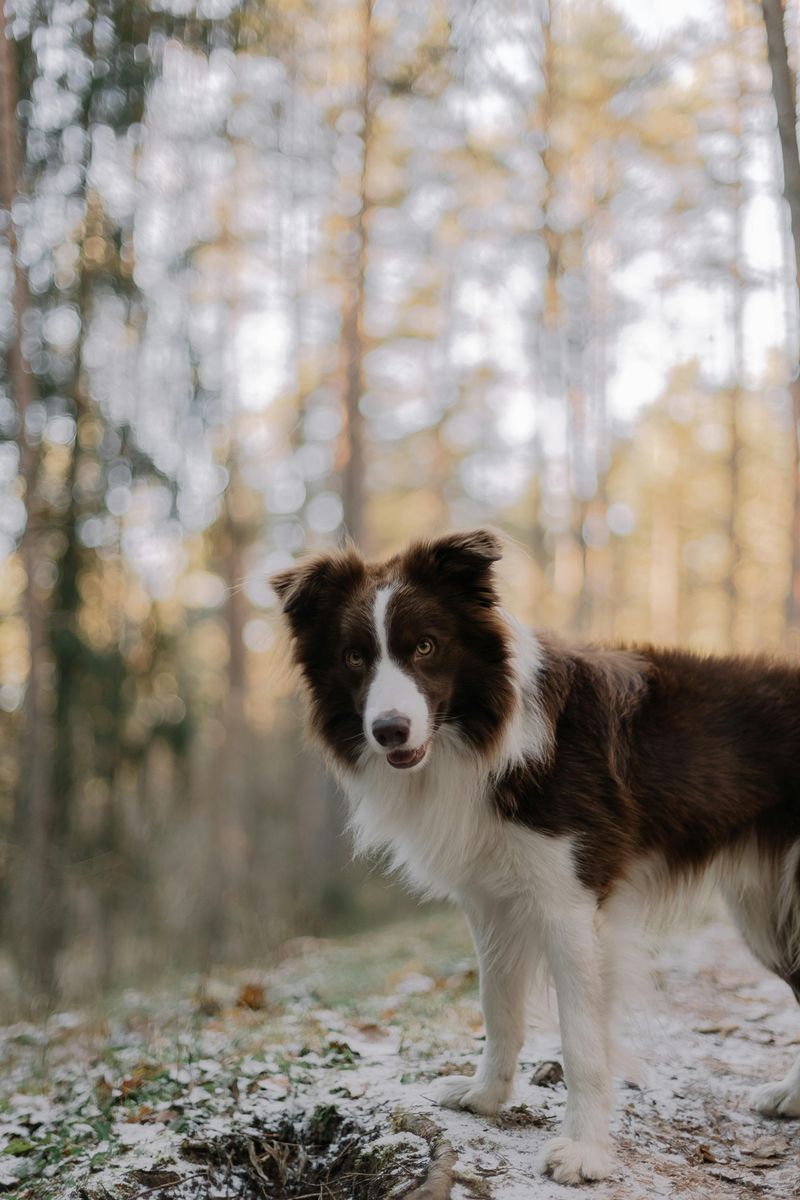
Border Collies are loyal through their work ethic and focus. They form deep bonds with those who engage their sharp minds.
Separation stress can cause them to become obsessive or perform repetitive behaviors. They need purpose to thrive.
Providing tasks or interactive toys can alleviate stress. Loyalty is seen in their dedication, while stress arises from mental restlessness.
Australian Shepherd
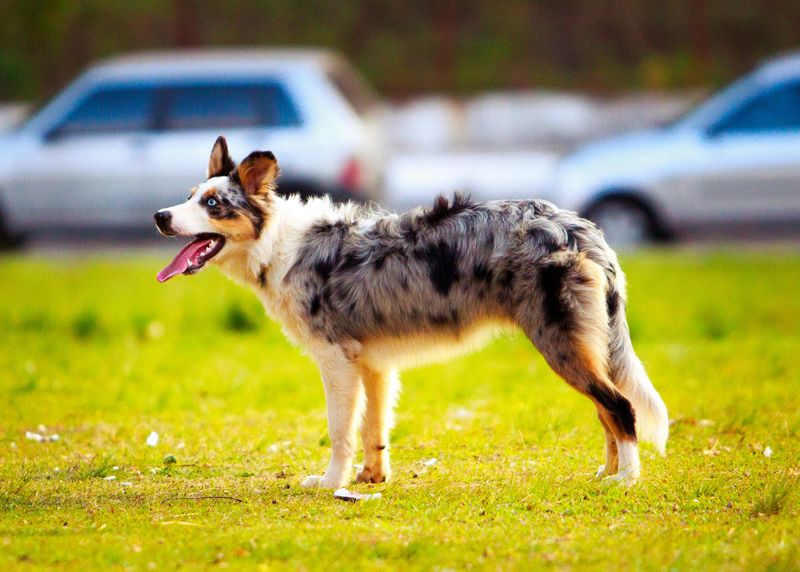
Australian Shepherds express loyalty with boundless energy and a desire to be involved. They’re happiest participating in activities with their family.
Separation stress occurs when their social nature is unmet, leading to anxiety. They may dig or chew out of frustration.
Keeping them engaged with interactive play prevents stress. Loyalty shines through their involvement, while stress is a sign of unmet needs.
Italian Greyhound

Italian Greyhounds show loyalty by becoming a part of the household rhythm. They’re elegant companions, quietly observing daily life.
Separation stress can result in shivering or accidents inside the house. Their sensitive nature makes them prone to anxiety.
Creating a cozy environment can help them feel secure. Loyalty is in their quiet company, while stress indicates discomfort when alone.
Bichon Frise

Bichon Frises display loyalty through their cheerful disposition. They thrive on companionship and being part of the family circle.
When stressed from separation, a Bichon may exhibit excessive barking or clinginess. They need reassurance and closeness.
Supportive environments with comforting items can ease anxiety. Loyalty is in their brightness, while stress shows in their calls for company.
Havanese

Havanese are loyal by nature, preferring to be with their family at all times. Their joyful presence lights up any room.
Separation stress might cause them to cry or refuse to eat. They form strong attachments and find it hard to be alone.
Training and consistency can ease their anxiety. Their loyalty is vibrant, while stress reflects their longing for family.
Maltese

Maltese dogs are loyal through their affectionate and gentle ways. They’re delightful companions who enjoy being pampered.
Stress from separation can result in them becoming withdrawn or anxious. They rely heavily on human interaction.
Creating a soothing environment can help manage stress. Loyalty is in their tender presence, while stress is their silent plea for connection.
Cocker Spaniel

Cocker Spaniels demonstrate loyalty through their affectionate nature and eagerness to please. They’re happiest around family.
Separation stress can make them whine or dig, revealing their discomfort with isolation. They thrive on interaction.
Providing toys and a loving routine helps mitigate stress. Loyalty is in their joyful companionship, while stress shows in their anxious behaviors.