
Some dogs are adorable handfuls, and others feel like a full-time career. If you crave challenge, structure, and daily growth, these breeds will meet you where your skills begin and push them further.
You will need calm leadership, precise training plans, and a schedule you actually keep. Ready to learn which dogs demand the most from you and give even more back when you rise to meet them?
Belgian Malinois
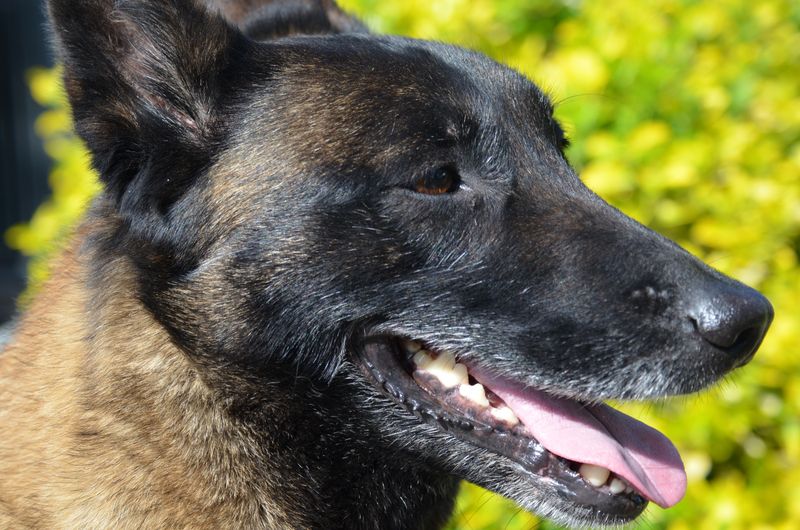
The Belgian Malinois is brilliant, athletic, and relentless, which sounds exciting until daily life becomes a nonstop job. This breed needs structure, impulse control, and purpose every single day.
Without challenging training and plenty of bite-safe outlets, you will see herding nips, fence running, and obsessive scanning that never seems to shut off.
If you commit, you must plan serious exercise, obedience, and clear rules. Think tracking games, tug with rules, treadmill time, and calm place work after.
Socialization must be steady, not chaotic, so confidence grows without reactivity. You also need boundaries around doors, guests, and equipment so the dog does not self-deploy.
Consistency is everything, and if you blink, the Malinois takes the lead.
Presa Canario
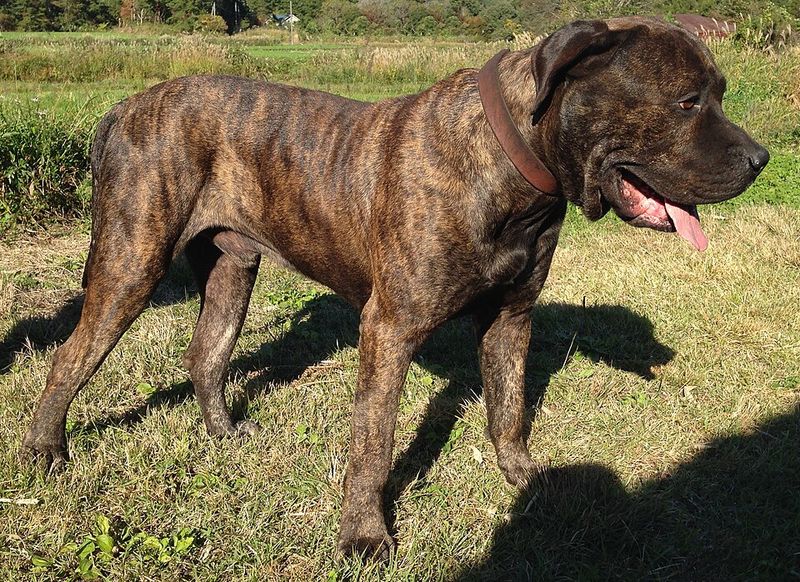
The Presa Canario is a massive guardian with natural suspicion and crushing power. If you bring one home, you accept responsibility for ironclad management, careful socialization, and calm leadership.
You cannot rush greetings or allow pushy behavior around doors, delivery people, or excited guests, because the dog will take that job too seriously.
Training must include neutrality, solid recalls, and muzzle conditioning for vet visits and crowded spaces. Daily exercise matters, but mental work matters more, like place training, scent games, and obedience under distraction.
Give structure around feeding, thresholds, and car exits so impulse control becomes habit. If you project steadiness and keep routines, this dog relaxes.
If you waffle, the Presa writes its own rules.
Akita
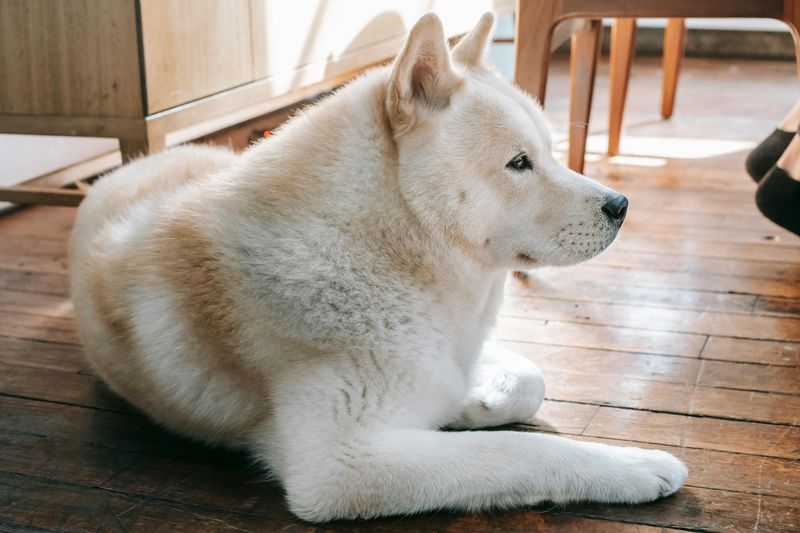
The Akita is noble, aloof, and deeply independent, which can frustrate new owners expecting golden retriever enthusiasm. This breed bonds selectively and values calm respect over constant cuddles.
You must teach cooperation through fair boundaries, not bribes or pleading, because an Akita decides if your request deserves action.
Early socialization is crucial, but do it with space, predictable patterns, and exits. Practice neutrality around other dogs and avoid crowded dog parks.
Focus on reliable leash skills, impulse control at doors, and quiet confidence during vet handling. Enrichment should be thoughtful, with scent work, obedience games, and peaceful decompression walks.
If you show consistency and dignity, the Akita meets you there. If you nag, it tunes you out.
Cane Corso
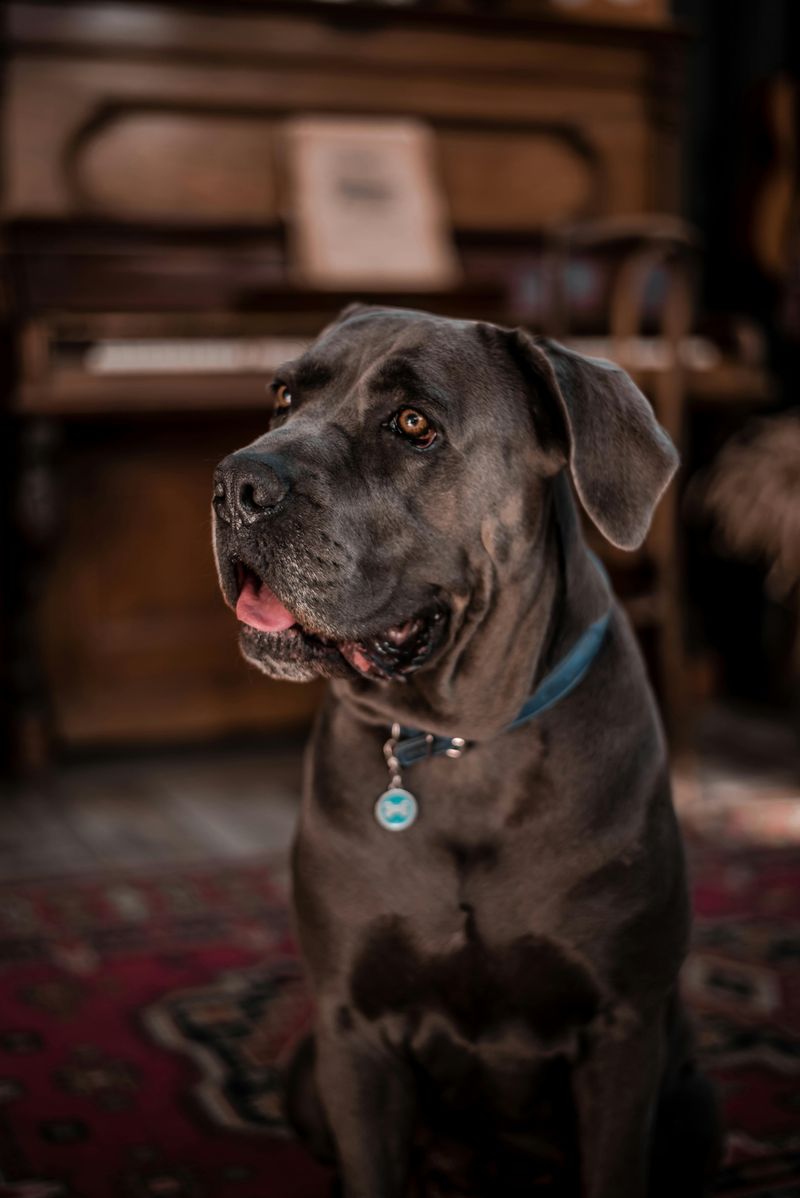
The Cane Corso is a serious working guardian, bred to read environments and act with presence. That means you must read environments first and set rules before your dog decides for you.
Clear obedience, calm leash skills, and reliable neutrality are nonnegotiable for city sidewalks and busy homes.
Daily training should include structured walks, place time, and controlled introductions. Teach the dog how to disengage from strangers and settle after stimulation.
Socialization is not chaotic petting sessions, but steady exposure with space and guidance. Add strength outlets like weighted pulls or hill work, balanced by downshifts and naps.
If you provide leadership and a job, the Corso thrives. If you leave decisions open, it fills the gap.
Australian Cattle Dog
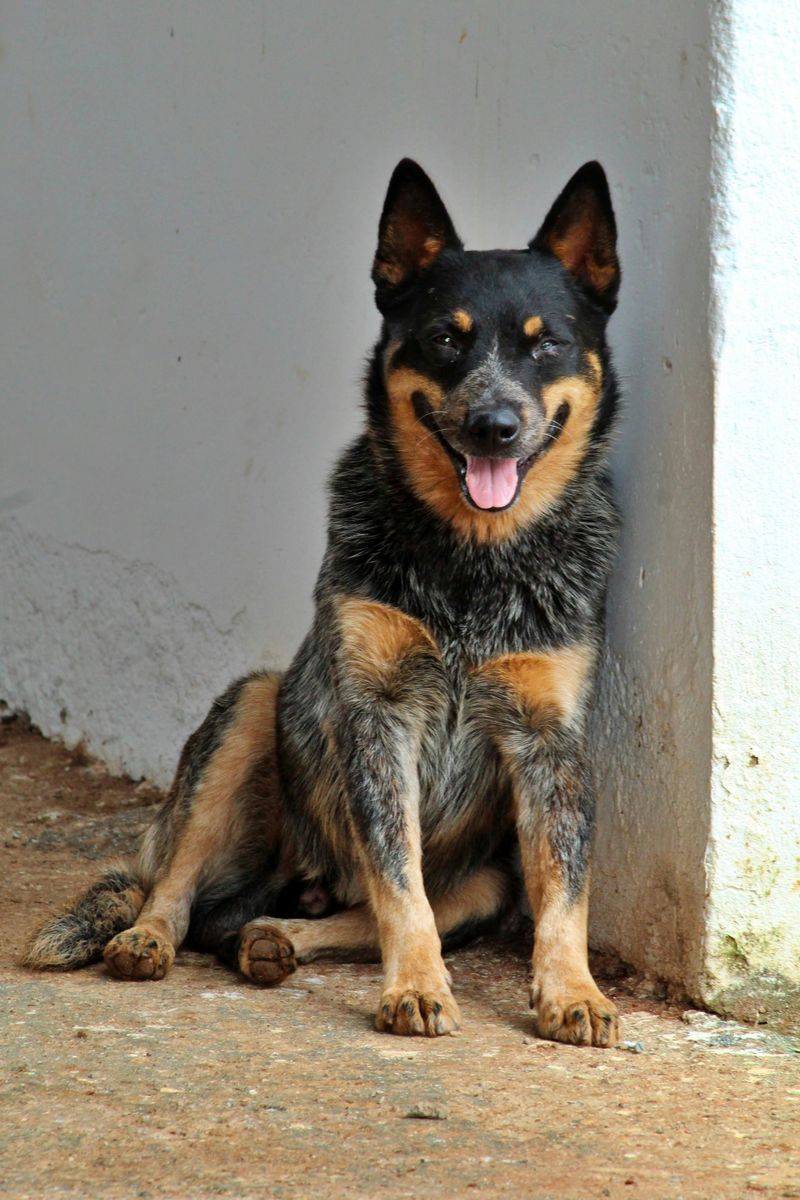
The Australian Cattle Dog is a compact working engine built for stubborn livestock. That work ethic does not disappear in your apartment.
Without jobs, this dog invents them, like heel-nipping kids, herding cats, and dismantling furniture with surgical precision.
Channel the drive into obedience, agility foundations, and structured fetch with release rules. Short, sharp training sessions beat marathon drills, and mental work outranks endless miles.
Teach a rock-solid off switch with place training, chew routines, and calm crate time after exercise. Socialize steadily so confidence grows without frantic arousal around wheels and joggers.
Give puzzles, scent games, and trick chains to challenge problem-solving. If you bring clarity and consistency, you get brilliance.
If not, mischief becomes a sport.
Chow Chow
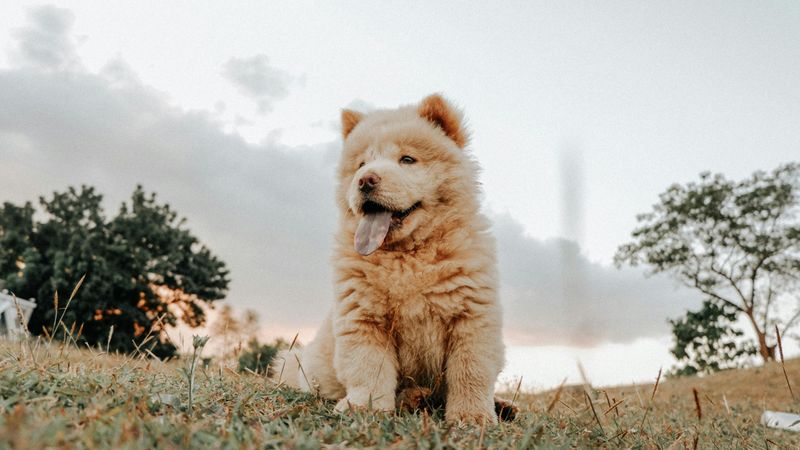
The Chow Chow is famously dignified and stubborn, valuing space and predictability over chaos. This is not a slap-happy greeter dog, and that is fine if you respect boundaries.
Grooming is a full commitment, and handling tolerance must be trained early with gentle, consistent sessions.
Use calm routines for brushing, paws, and muzzle touches, paired with breaks and rewards. Teach polite leash skills and doorway manners so arousal stays low in public.
Socialization should be quiet exposure, not forced petting from strangers. Provide enrichment through problem-solving games, structured walks, and place time near family without constant pressure.
With patience, the Chow develops trust and steadiness. Rush the process, and you will meet resistance wrapped in fluff.
Siberian Husky
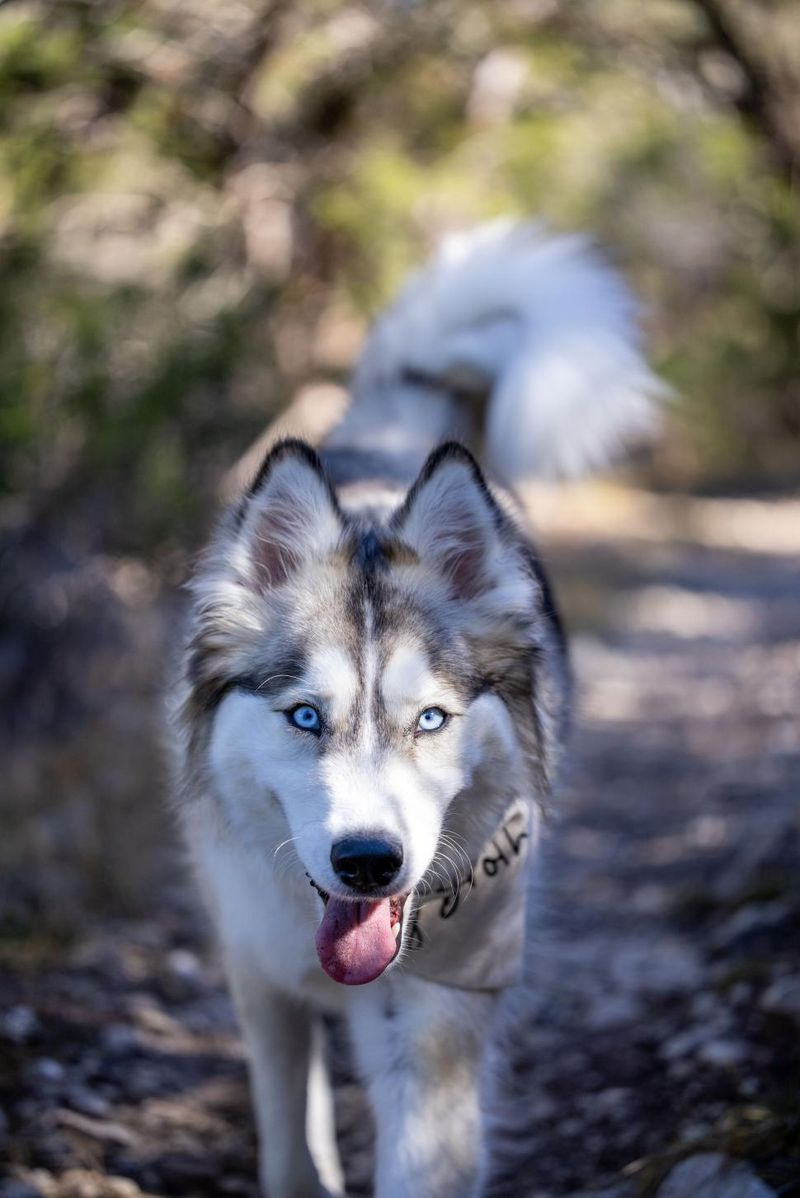
The Siberian Husky is a joyful escape artist with a PhD in pulling. If you dislike secure fencing and cardio, this is not your match.
They need movement, teamwork, and smart boundaries, or you will be chasing a blur that digs under and sings about freedom.
Give outlets like canicross, bikejoring, or weight pulls, with rules that teach line manners and impulse control. Practice structured decompression walks after speed work so the brain can settle.
Crate training and double-gated yards help contain curiosity. Enrichment should include puzzle feeders, scent games, and obedience sprinkled into play.
Teach reliable recalls and check-ins, understanding independence is baked in. You earn cooperation through consistency, not volume.
Meet those needs, and life becomes adventure.
Dutch Shepherd
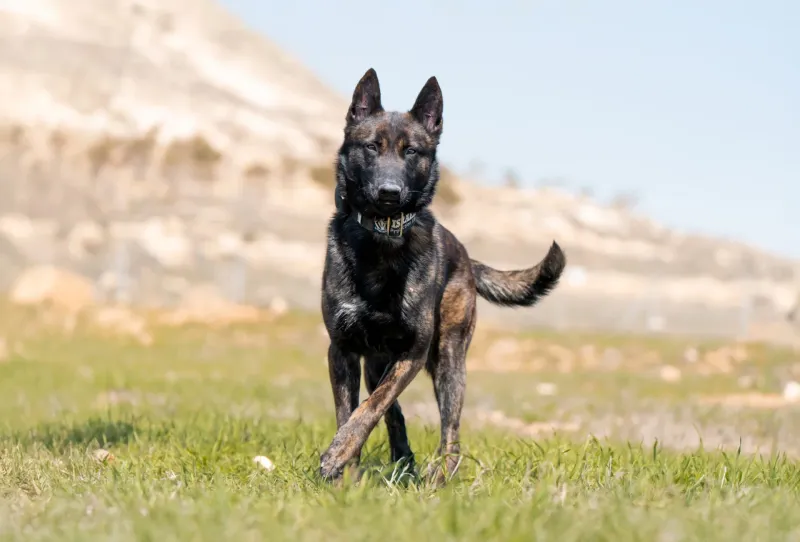
The Dutch Shepherd is a high-octane problem solver that thrives on clarity and consequence. If your rules wobble, this dog experiments and succeeds.
Expect boundary testing, object fixation, and nonstop scanning unless you provide daily work with clear start and stop points.
Prioritize obedience under distraction, bite work with professional guidance if appropriate, and thoughtful decompression routines. Use place training and patterned walks to build neutrality around bikes, dogs, and strangers.
Rotate jobs like tracking, scent detection, and tug with rules to satisfy curiosity and control. Keep equipment and doors managed to prevent self-employment.
With steady leadership, you get a brilliant teammate. Without it, you get a self-directed detective investigating every crack in your plan.
Jagdterrier
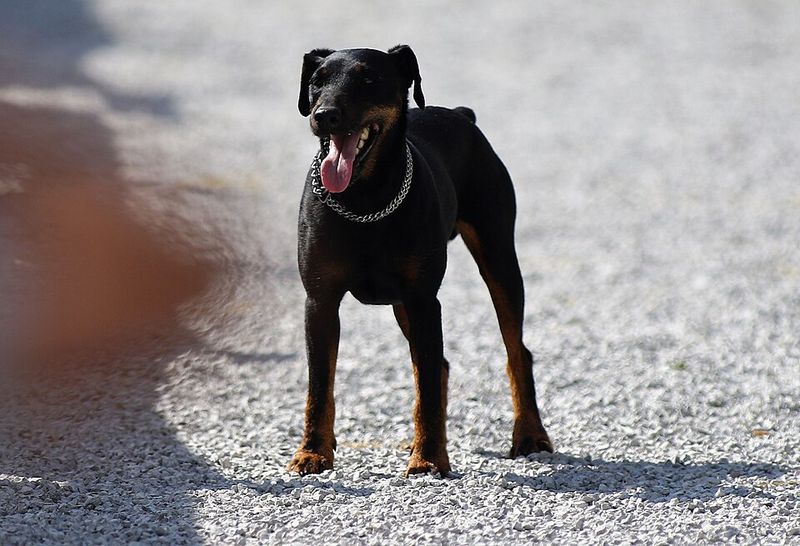
The Jagdterrier is a gritty hunting terrier designed to pursue game with fearless intensity. That mindset creates a housemate who treats life like a mission.
Prey drive is real, so small pets and unfenced yards require strict management and long lines.
Daily work should include scent games, controlled fetch, and recall drills layered with impulse control. Teach quiet settle routines after stimulation, because the engine does not idle easily.
Socialize with intention, building confidence around people without fueling pushiness. Use crates, tethers, and gates to prevent opportunistic adventures.
Mental puzzles, tug with rules, and tracking give purpose to all that grit. If you appreciate feisty determination and provide structure, this dog shines.
If not, chaos wins.
Weimaraner
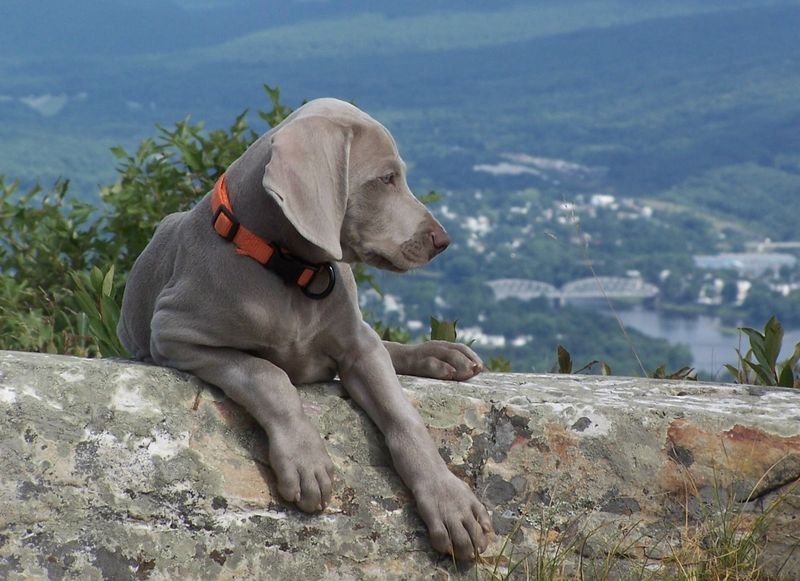
The Weimaraner is sensitive, athletic, and intensely attached, which can lead to velcro habits and anxiety. Without guidance, the dog paces, whines, and bulldozes through polite boundaries.
You need structured independence training, thoughtful exercise, and predictable routines that calm the nervous system.
Mix cardio with nose work, retrieving games, and obedience that builds confidence. Crate training, place time, and alone-time conditioning reduce clingy spirals.
Socialization works best when steady and boring, not overexciting. Practice loose-leash skills and polite greetings so arousal does not explode into chaos.
Rotate chews and puzzles to occupy that busy mind. With patience and clarity, the Weimaraner becomes affectionate and cooperative.
Skip the structure, and you raise a beautiful whirlwind.
Alaskan Malamute
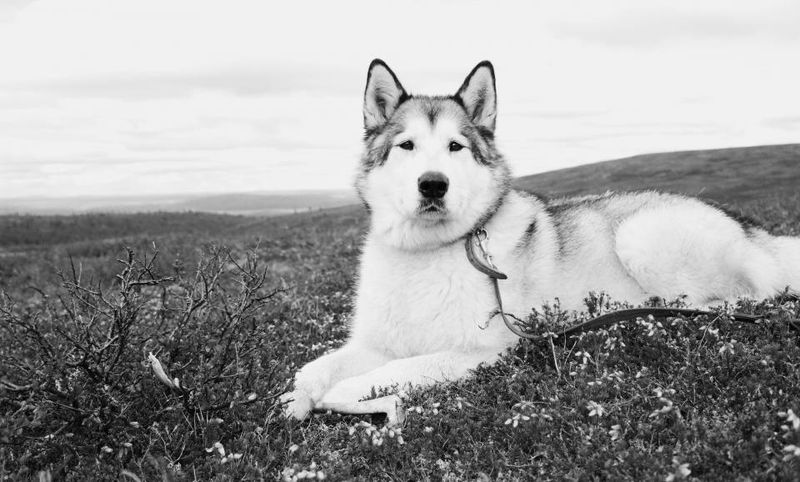
The Alaskan Malamute is a powerhouse bred for hauling and teamwork, not idle living rooms. They are affectionate, humorous, and stubborn about heavy pulling instincts.
If you do not provide legitimate outlets and secure fencing, you will negotiate with a furry bulldozer.
Plan weight pulls, backpacking, or skijoring to use strength safely, followed by calm decompression. Teach impulse control at doors, food bowls, and meeting new friends.
Grooming is serious, so condition for brushing, drying, and nail care with rewards and patience. Socialization should create neutrality, not demand nonstop play with other dogs.
Rotate puzzles and scent work to exhaust the brain. Meet these needs, and the Malamute becomes a cheerful partner.
Ignore them, and stubbornness rules.
Shiba Inu
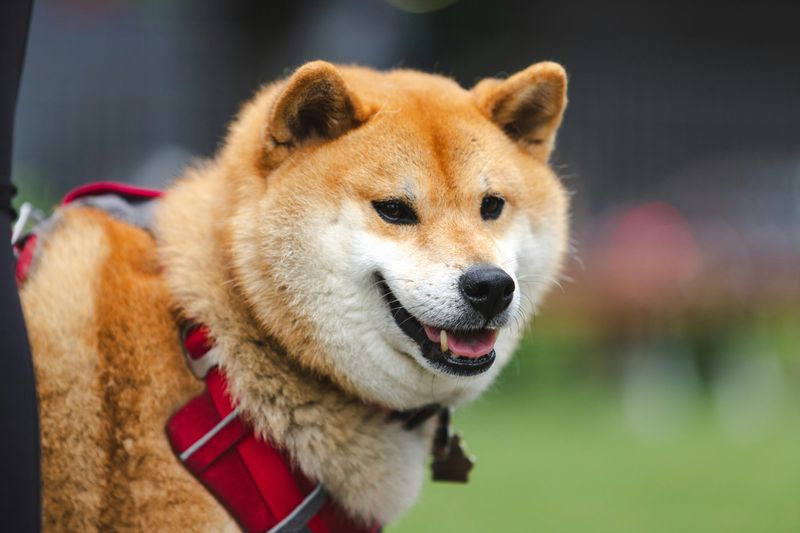
The Shiba Inu is clever, independent, and allergic to micromanagement. If you expect instant compliance, prepare for side-eye and strategic nonresponses.
This breed needs patient teaching, not pressure, with rewards that feel worth the effort.
Focus on leash skills, reliable recalls on long lines, and calm handling for grooming and vet care. Socialize with space and predictability to prevent defensive reactions.
Enrichment should include scent games, puzzle feeders, and trick training that pays well. Teach polite door manners and reinforce check-ins instead of yanking.
Crates and routine quiet time help create off switches. Respect the dog’s autonomy while guiding choices, and you build trust.
Treat demands like orders, and you will negotiate forever.
Fila Brasileiro
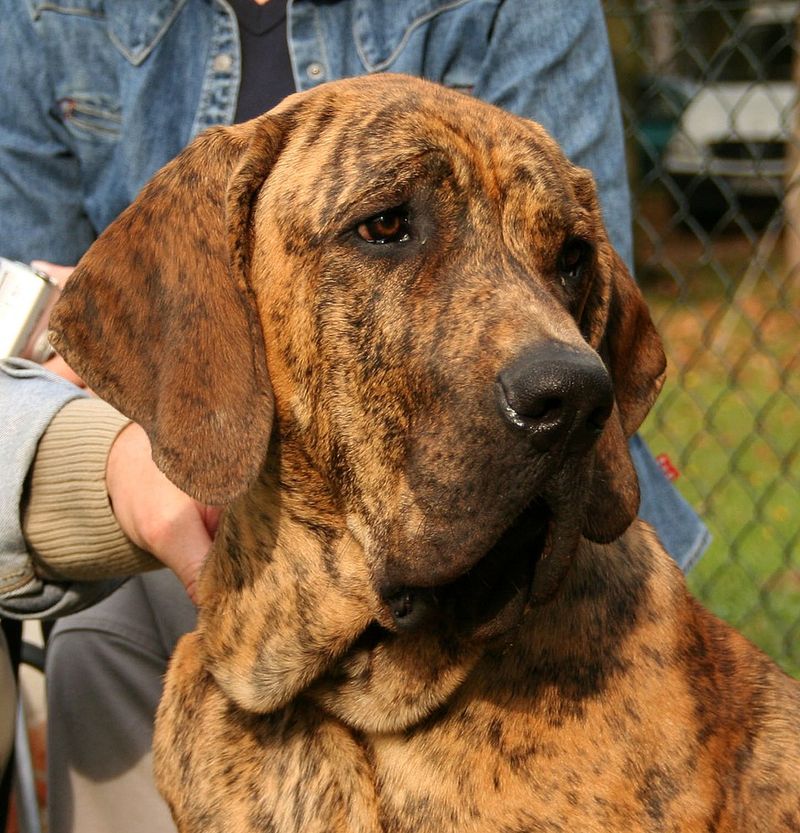
The Fila Brasileiro is legendary for intense loyalty and distrust of strangers. This is not an urban social butterfly.
Ownership demands mature management, property awareness, and unwavering boundaries to keep everyone safe and calm.
Socialization should focus on environmental confidence, not forced petting. Train neutrality around visitors using distance, barriers, and clear routines.
Muzzle condition for vet care and while troubleshooting behavior. Build impulse control with place training, leash skills, and predictable schedules that lower arousal.
Provide strength outlets and thoughtful decompression walks on quiet routes. If you value steadiness and accept responsibility, the Fila settles into a devoted companion.
If you shrug at structure, the breed’s guarding instincts run the household.