
Dogs communicate and express themselves in ways that might seem puzzling to us. Many behaviors that are perfectly normal for dogs can often be misinterpreted as problematic. Understanding these behaviors can enhance the relationship between you and your canine companion. Here are twelve common dog behaviors that are frequently misunderstood but are actually typical for our furry friends.
Chewing household objects during adolescence
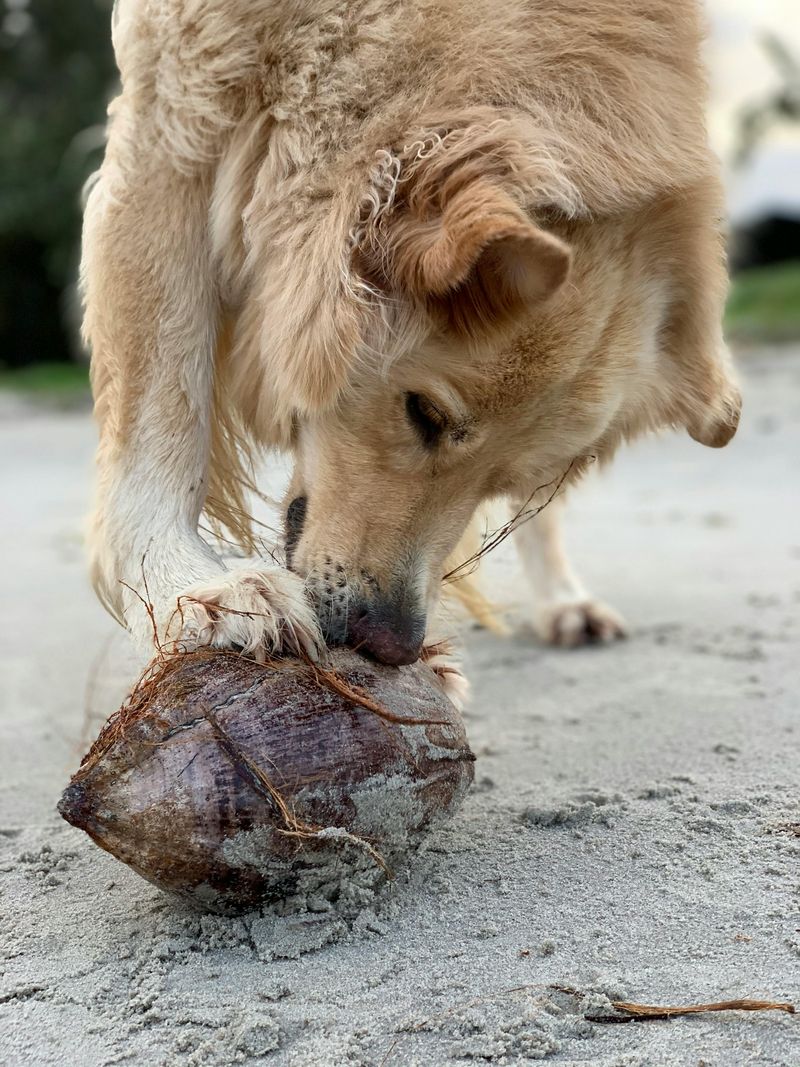
Puppies explore the world using their mouths. Chewing is a natural behavior that helps young dogs alleviate the discomfort of teething.
As they transition into adolescence, this behavior might intensify. It’s a way for them to relieve stress and exercise their jaws.
Providing appropriate chew toys and supervision can channel this energy positively. Instead of viewing this as destructive, recognize it as a stage of growth that requires guidance.
Sniffing excessively on walks instead of moving forward
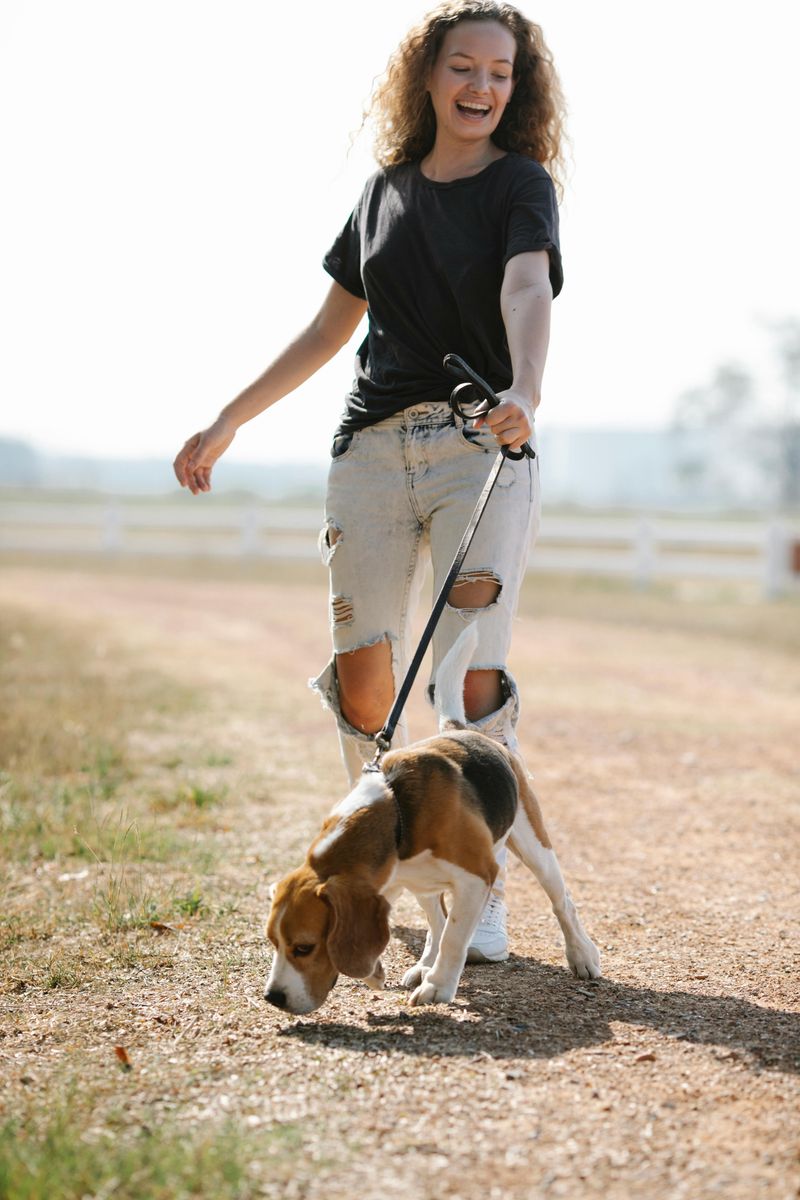
Sniffing is a dog’s way of reading the environment. It’s like checking their inbox, absorbing information through scents.
While it might slow you down, it’s mentally stimulating for them. Allowing your dog time to sniff can make walks more fulfilling.
This behavior is a natural part of their curiosity and engagement with the world. Embrace it as part of their exploration journey.
Ignoring commands when distracted outdoors
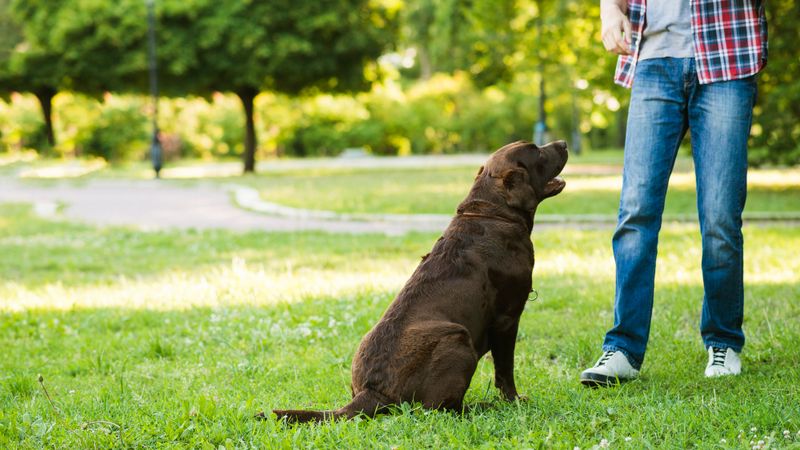
The outside world is full of distractions, from squirrels to other dogs. It’s not that your dog is defiant; they’re simply overwhelmed by stimuli.
Training with patience and consistency can help them respond better. Short, rewarding sessions are often the most effective.
Understanding this behavior can improve your training methods and enhance communication.
Following one specific person everywhere

Dogs are social animals that form strong attachments. Following a favorite person is a sign of affection and a desire for companionship.
This behavior is rooted in their pack mentality, where staying close offers safety and security.
Encouraging independence while enjoying their loyalty can make for a balanced relationship.
Sleeping most of the day

Dogs sleep a lot more than humans, often up to 14 hours a day. This is a normal part of their rest and recovery cycle.
Older dogs and puppies may sleep even more, needing downtime to recharge.
Understanding this can prevent unnecessary worries and help you appreciate their relaxation habits.
Digging holes in the yard or bedding

Digging is an instinctive behavior, often driven by the desire to find cooler ground or hidden treasures.
In bedding, it provides comfort, mimicking the act of creating a safe resting spot.
Providing a designated digging area or a cozy bed can channel these instincts positively.
Barking at unfamiliar sounds or movement
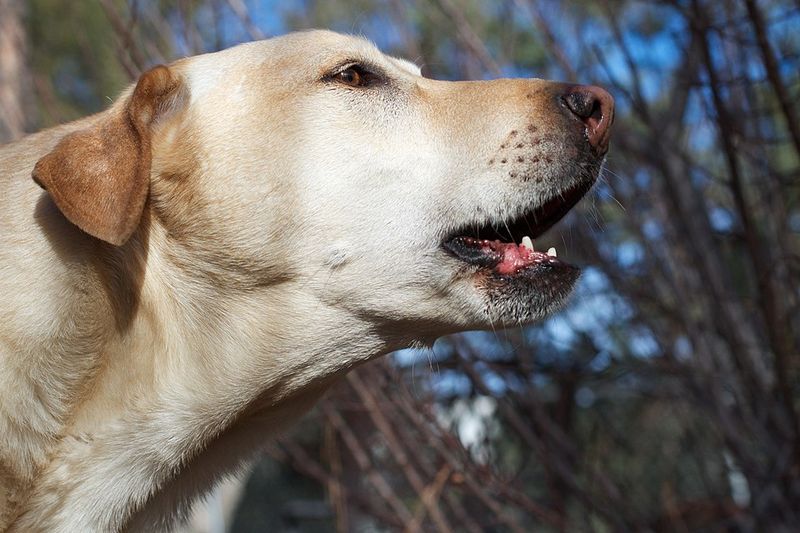
Barking is a dog’s way of alerting their pack to changes. Unfamiliar sounds trigger this protective instinct.
While it may seem excessive, it’s their way of communicating potential threats or excitement.
Training them with commands like ‘quiet’ can help manage this behavior constructively.
Pawing or nudging for attention
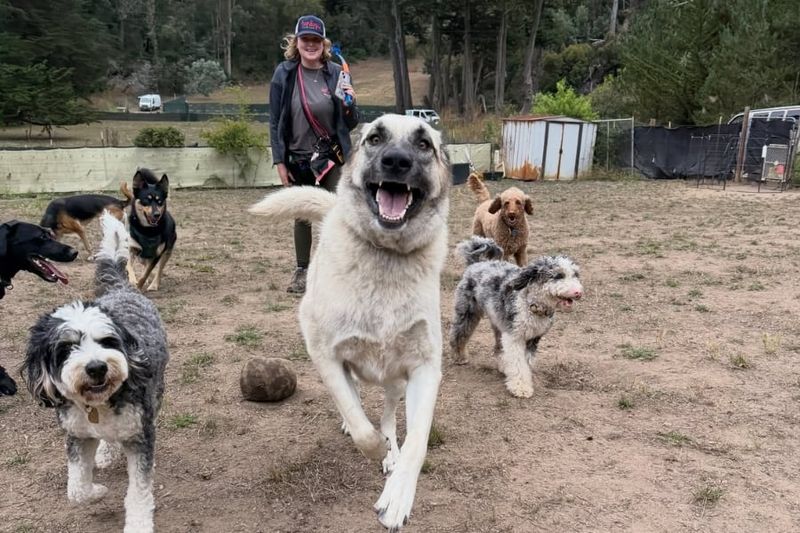
Pawing is a gentle request for interaction. It’s how dogs express their need for affection or play.
Often, it’s their way of saying they enjoy your company and want more of it.
Responding with playtime or a cuddle can strengthen your bond and fulfill their social needs.
Sudden bursts of energy (“zoomies”)
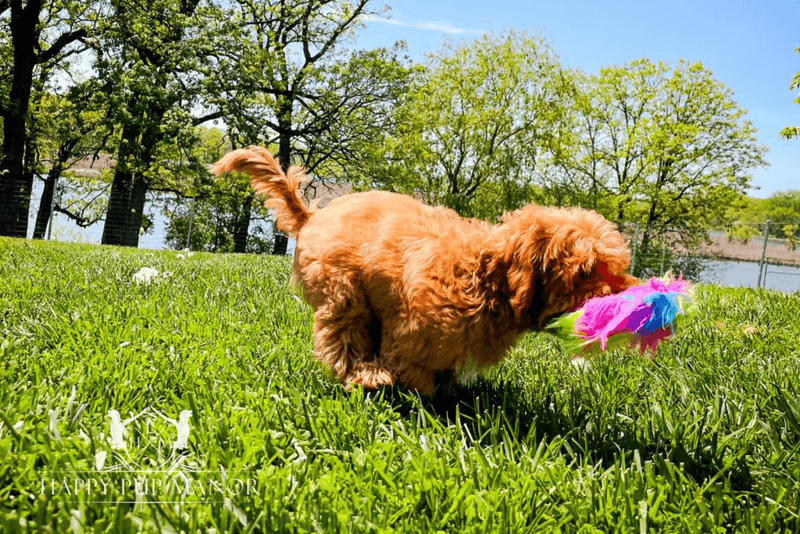
“Zoomies” or FRAPs (Frenetic Random Activity Periods) are spontaneous energy bursts that dogs experience.
These moments of joy are perfectly normal and harmless. They usually occur after bathing or during playtime.
Allowing space for these outbursts lets your dog express their happiness and vitality.
Avoiding eye contact in stressful moments

Avoiding eye contact is a dog’s way of showing submission or discomfort. It’s their method of defusing tension.
In stressful situations, this behavior is their signal of peace and non-confrontation.
Acknowledging this can help you communicate more effectively and create a comforting environment.
Shedding more during seasonal changes

Shedding is a natural process that adjusts with seasonal changes. It’s how dogs regulate their body temperature.
This behavior is more pronounced in certain breeds and climates. Regular grooming can manage it effectively.
Understanding shedding cycles can prevent unnecessary concern and promote better care.
Being selective with food some days

Just like humans, dogs have varying appetites. There are days when they might not feel as hungry.
Changes in routine, environment, or even mood can affect their eating habits temporarily.
Observing this behavior without alarm allows you to adjust their diet and feeding schedule as needed.