Want a dog who can roam free yet return the second you call? The right breed and smart training make off leash adventures safe, calm, and unforgettable.
In this guide, you will meet dogs known for reliable recall and level heads in distracting places. Let’s find the partner who loves freedom but chooses you every time.
Golden Retriever
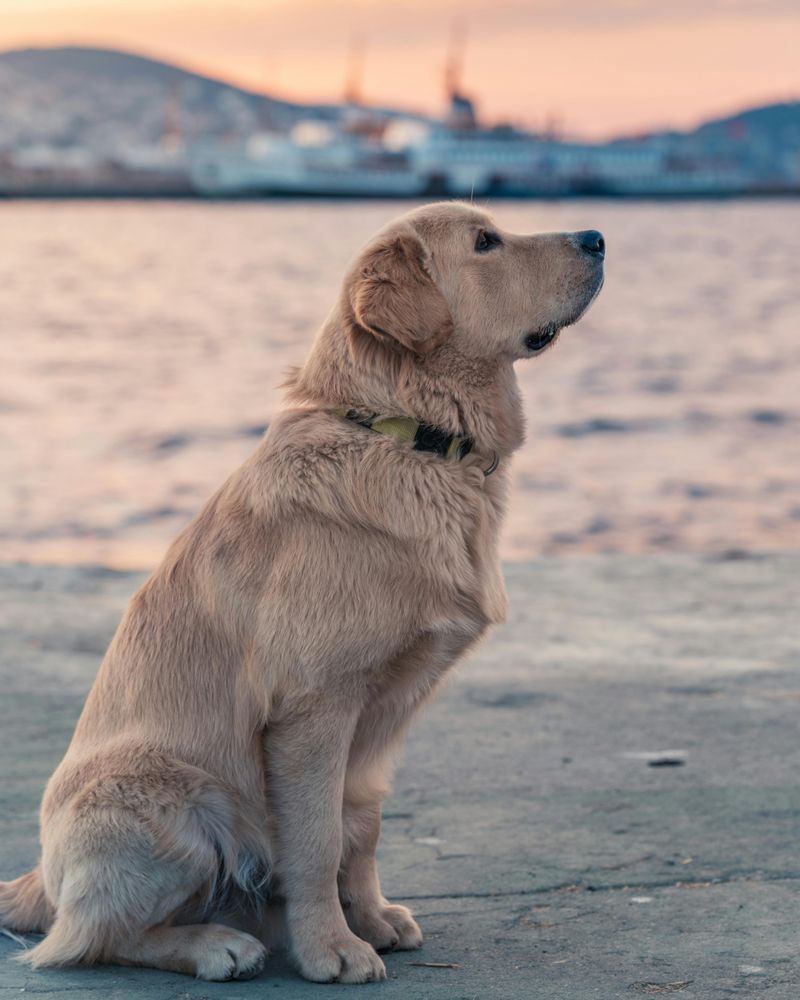
Golden Retrievers are famous for their biddable nature, which makes off-leash practice feel surprisingly smooth. They crave human connection and check in often, so you rarely worry about them drifting too far.
With consistent positive reinforcement, a rock-solid recall and heel can become second nature on trails and beaches.
Energy matters, though, so plan outlets before freedom. A quick sniffy walk, fetch sessions, and brainy games keep enthusiasm balanced with focus.
You will also want to proof cues around water and wildlife, because curiosity runs high. Start short, safe sessions with a long line, then gradually expand range.
Pair name recognition with a reliable leave-it. Your Golden wants to partner with you, and that makes responsible off-leash adventures very achievable.
Labrador Retriever
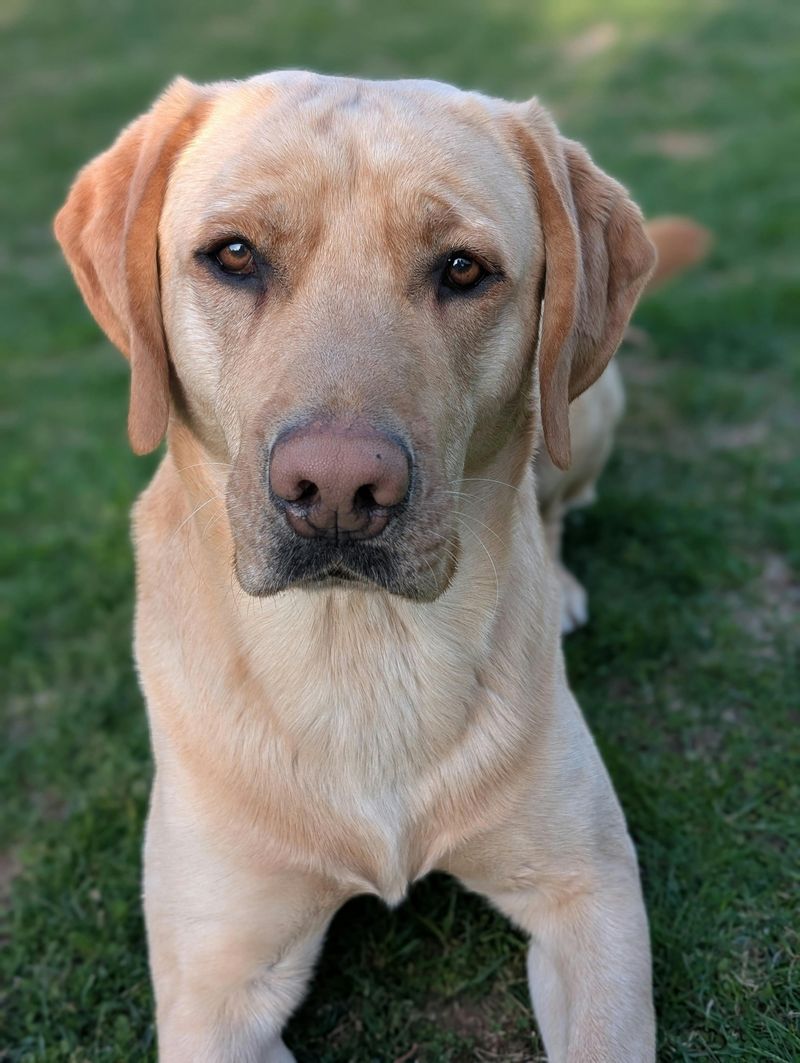
Labradors love to please and love to move, a combination that supports trustworthy off-leash time when channeled well. Food motivation gives you a training superpower, letting you sharpen recall, stop, and heel quickly.
Build habits in quiet spaces, then layer distractions like bikes, kids, and dogs so success stays high.
Because Labs are curious scavengers, a strong leave-it and drop-it protect their safety. Give them jobs on hikes, such as carrying a soft pack or checking back for treats.
Short, frequent reps beat long drills. Use a long line, reward check-ins, and release them again to reinforce responsiveness.
With structure, exercise, and clear rules, your Labrador becomes a joyful shadow who explores freely yet returns the instant you call.
Border Collie
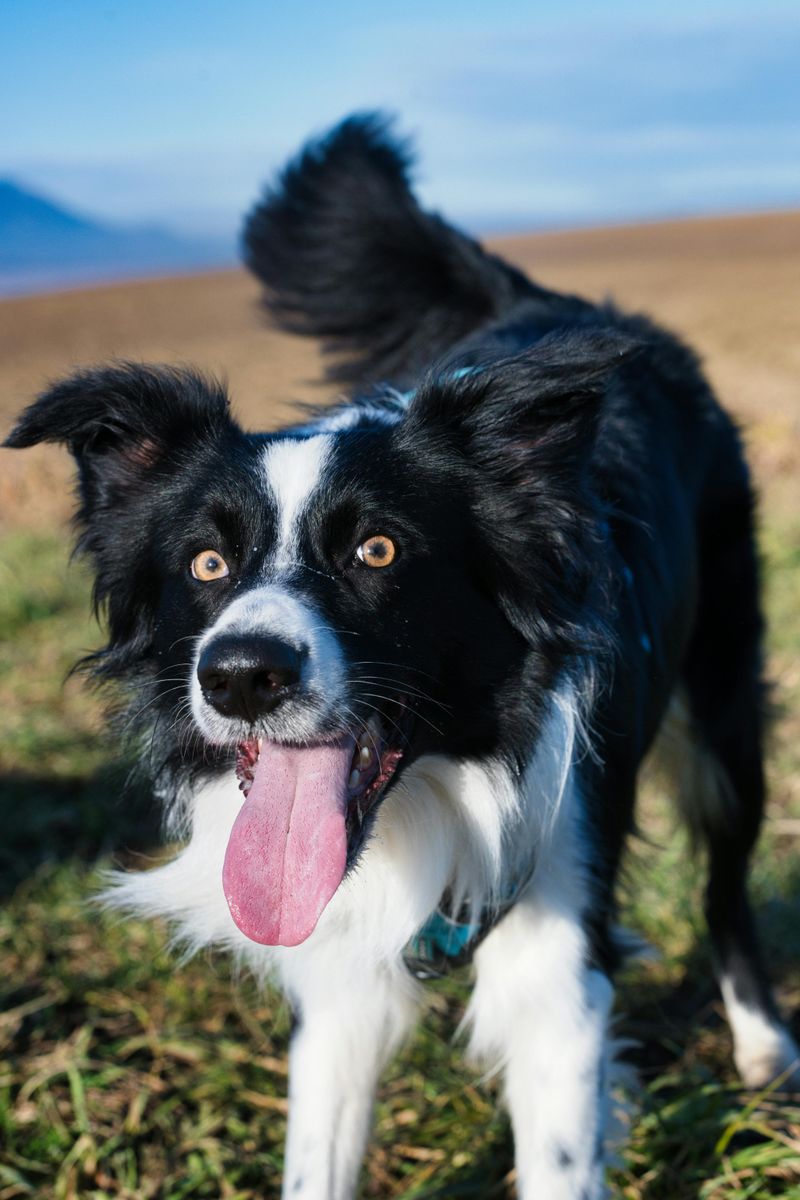
Border Collies bring laser focus and eagerness to work, which translates beautifully to responsive off-leash skills. They thrive on clarity, so consistent cues, release words, and frequent check-ins keep attention anchored on you.
Mental jobs like herding games, directional commands, and scent searches channel their intensity into teamwork.
Because motion triggers instinct, practice calm around runners, bikes, and wildlife early. Reinforce stops and downs at distance to prevent impulsive chasing.
Keep sessions short, fun, and varied to avoid pressure building. A long line helps proof reliability before true freedom.
Reward with play as much as food. When exercised and mentally satisfied, your Border Collie becomes a brilliant trail partner who listens hard and returns instantly.
Australian Shepherd
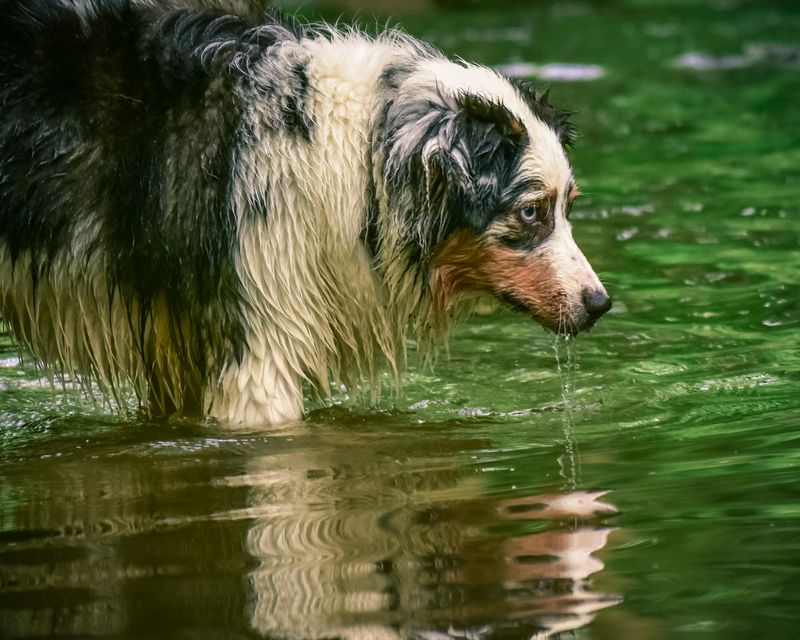
Australian Shepherds are sharp, agile problem solvers who love purposeful adventure. Their off-leash reliability grows fast when they have clear rules and frequent chances to earn freedom.
Build a recall that pays extremely well, then practice variable distances and surprise direction changes to keep engagement snappy.
Since Aussies can be motion sensitive, rehearse neutrality around joggers, kids, and bicycles. Teach an emergency stop and down at distance, rewarding generously.
Rotate jobs on the trail, like finding the path, touching a hand target, or circling back. Use a long line early, then fade it.
Balance daily exercise with brain work so arousal stays manageable. With structure and fun, your Aussie becomes a loyal, confident off-leash teammate.
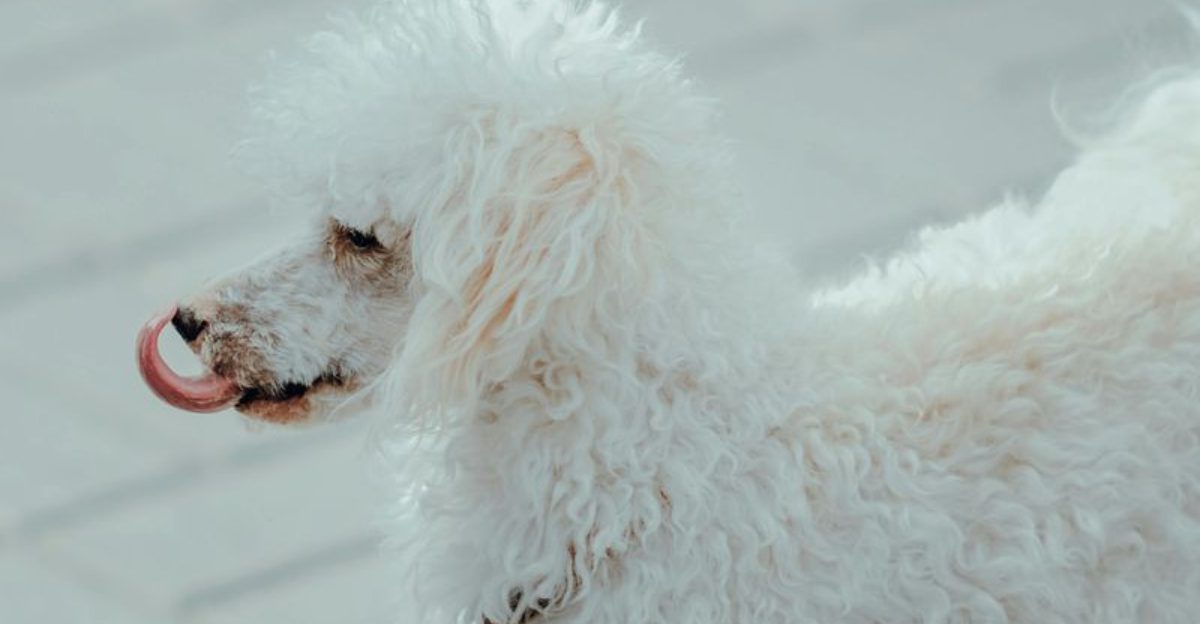
Poodle
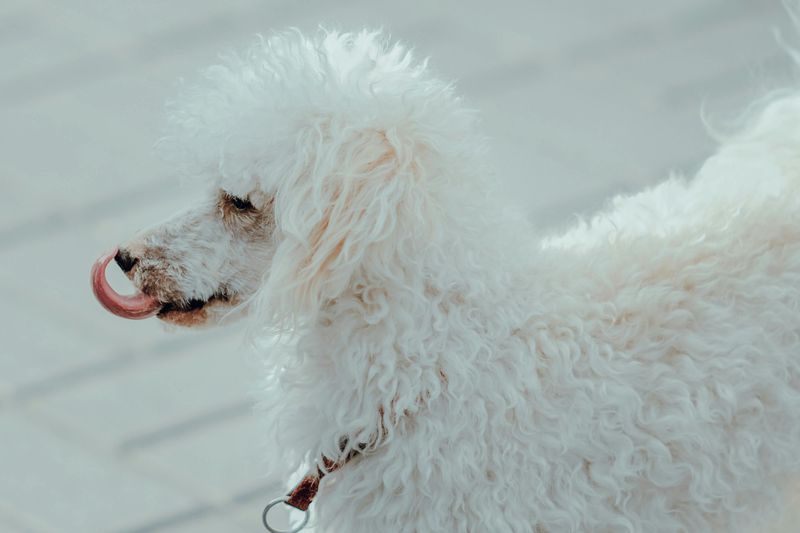
Poodles are brilliant, people focused athletes, which makes off-leash manners feel intuitive once foundations are solid. They love patterns and routines, so structured check-ins and clear release cues build reliability quickly.
Whether Standard, Miniature, or Toy, consistent reinforcement keeps attention anchored even when the environment gets spicy.
Prioritize recall, stop, and heel, then sprinkle fun tricks between serious reps. That blend keeps arousal low and motivation high.
Socialize thoughtfully to reduce startle responses, and proof around birds and water. Use a long line until responses are automatic.
Reward generously with play, food, and praise. When needs are met, your Poodle becomes a polished companion who floats nearby off leash and returns before you even ask.
Shetland Sheepdog
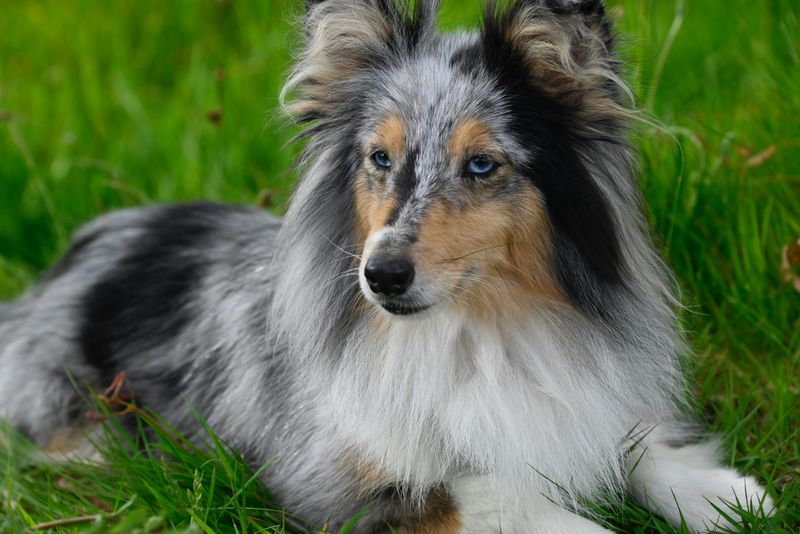
Shetland Sheepdogs, or Shelties, are attentive, quick learners with a natural desire to check in. Their sensitivity works for you when training off-leash, because soft cues and generous rewards shape beautiful responses.
Build distance gradually while practicing down at a distance and fast recall through playful games.
Shelties can be vocal or wary, so confidence building is key. Socialize kindly and proof around doorways, scooters, and wildlife.
Use a long line early to prevent rehearsing independence. Reward frequent eye contact and give structured sniff breaks to release pressure.
Mix tug and treats to keep engagement high. With predictable routines and daily enrichment, your Sheltie becomes a light-footed shadow who happily orbits and returns on cue.
Papillon
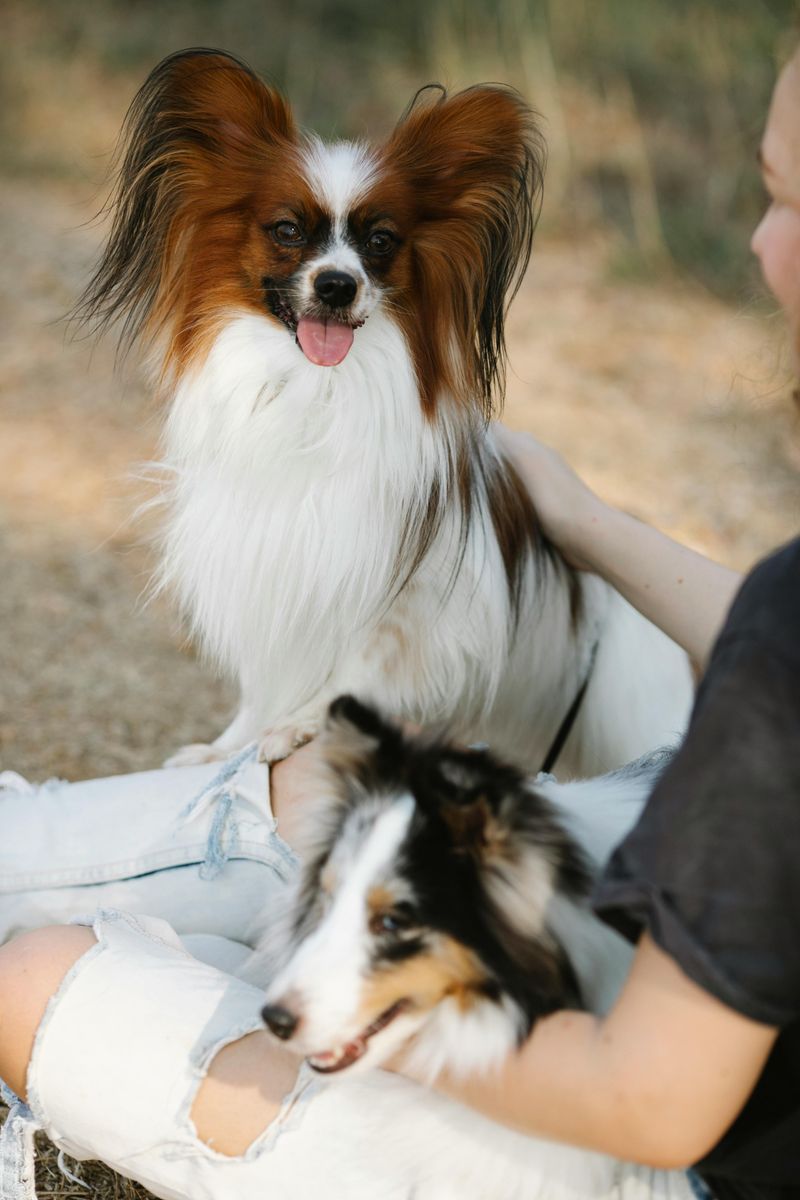
Papillons may be tiny, but their brains and drive are impressive, making off-leash skills delightfully achievable. They learn patterns fast, so frequent release words and check-ins become a fun game.
Keep sessions short, upbeat, and varied, and you will see snappy recalls even around big-dog distractions.
Because small dogs can feel vulnerable, build confidence through gradual exposure and safe social moments. Teach a solid middle position between your legs as a moving safe zone.
Use a long line outdoors until reliability holds under birds and squirrels. Reward with rapid tiny treats to maintain momentum.
Protect joints by limiting huge jumps. With thoughtful conditioning and daily play, your Papillon becomes a perky, precise adventure buddy who sticks close.
Vizsla
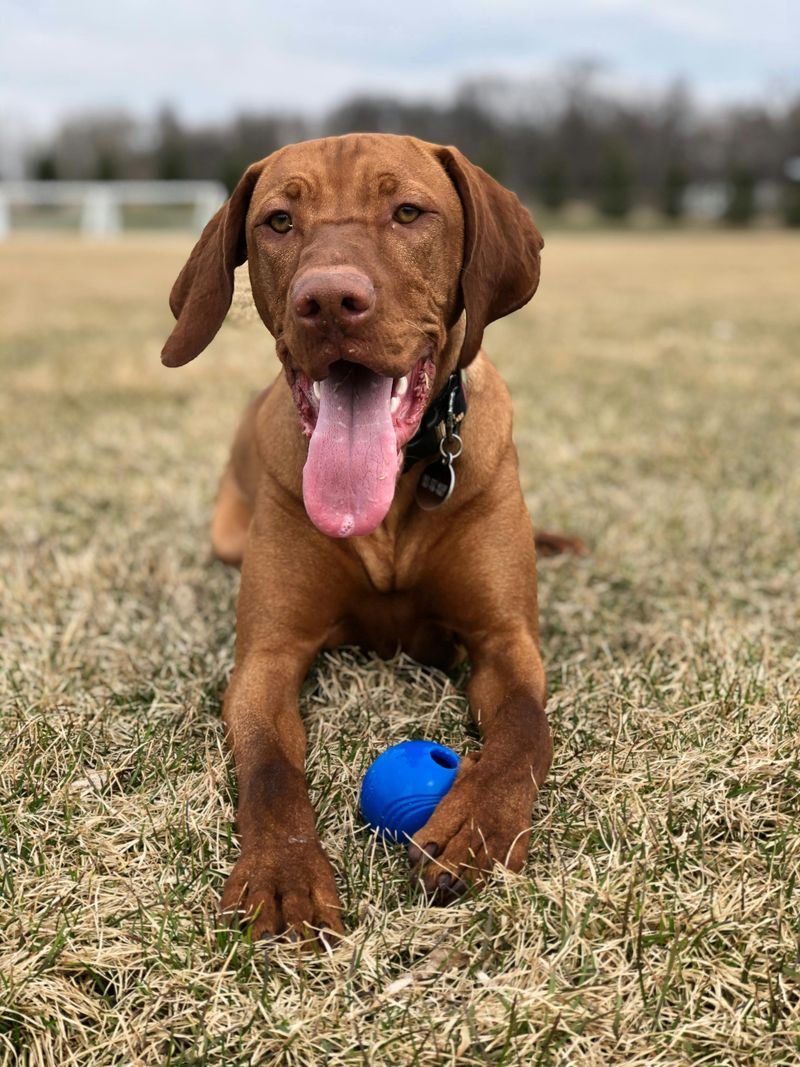
Vizslas are sensitive, affectionate athletes who bond closely, which supports dependable off-leash work. They respond beautifully to upbeat training and generous freedom breaks.
Build a recall that feels like a party, and reward check-ins by releasing them to run again, turning attention into its own payoff.
Because prey drive can spike, proof cues around birds and rustling brush. Teach a rock-solid stop and down at distance.
Give them big exercise chunks before asking for calm. Use a long line in new places, and gradually expand radius.
Mix food, toys, and praise to keep enthusiasm balanced. With connection, stamina outlets, and consistency, your Vizsla becomes that velcro adventure partner who rockets back with a grin the moment you call.
German Shepherd
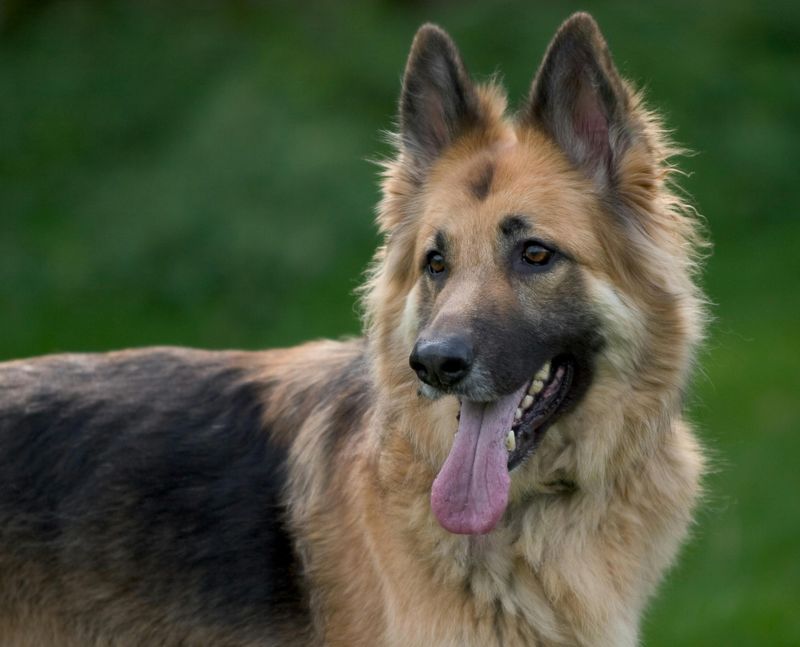
German Shepherds are thoughtful, loyal workers who excel at structured off-leash training. They value clear leadership and predictable rules, so consistent cues, release words, and clear boundaries create confidence.
Prioritize reliable recall, heel, and an emergency down at distance to manage their athletic power responsibly.
Because environmental sensitivity can appear, socialize broadly and proof around traffic, bikes, and noisy parks. Reward neutrality as much as action.
Use a long line to prevent rehearsing independence, then gradually expand privileges. Alternate obedience with scent games to satisfy their minds.
Reinforce check-ins with meaningful pay. With patience, fairness, and daily outlets, your German Shepherd becomes a steady, responsive companion who stays close yet opens throttle only when invited.
Belgian Malinois
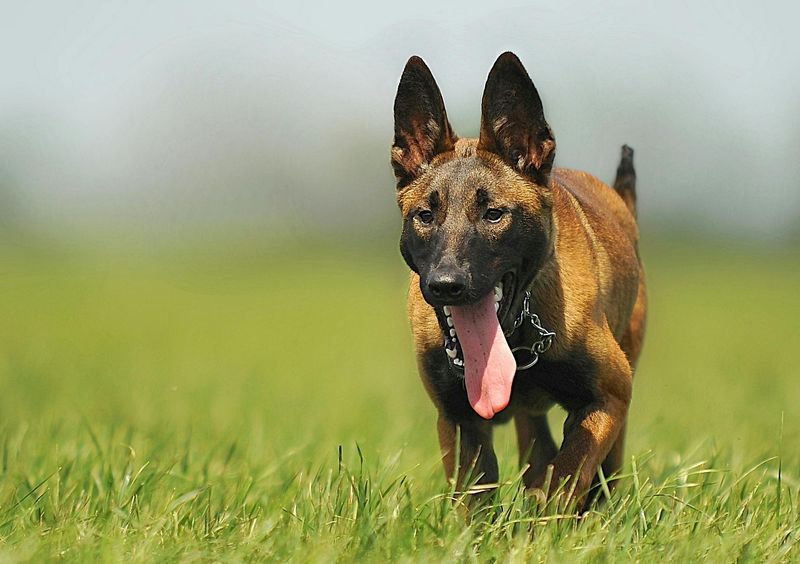
Belgian Malinois are intensely driven and supremely trainable, thriving when work and structure guide their freedom. Off-leash reliability depends on precise cues, daily outlets, and ironclad impulse control.
Build recall, down at distance, and a fast out, then practice under gradually tougher distractions like wildlife and bikes.
Because arousal can spike quickly, alternate sprint releases with calm, thoughtful obedience. Use food, toys, and movement strategically to prevent frustration.
Keep sessions short, frequent, and varied to protect focus. A long line is your friend until responses stay crisp under pressure.
Reward neutrality generously. With clear expectations, fair corrections, and robust enrichment, your Malinois becomes a disciplined, enthusiastic partner who sticks close yet explodes forward only when asked.
Collie
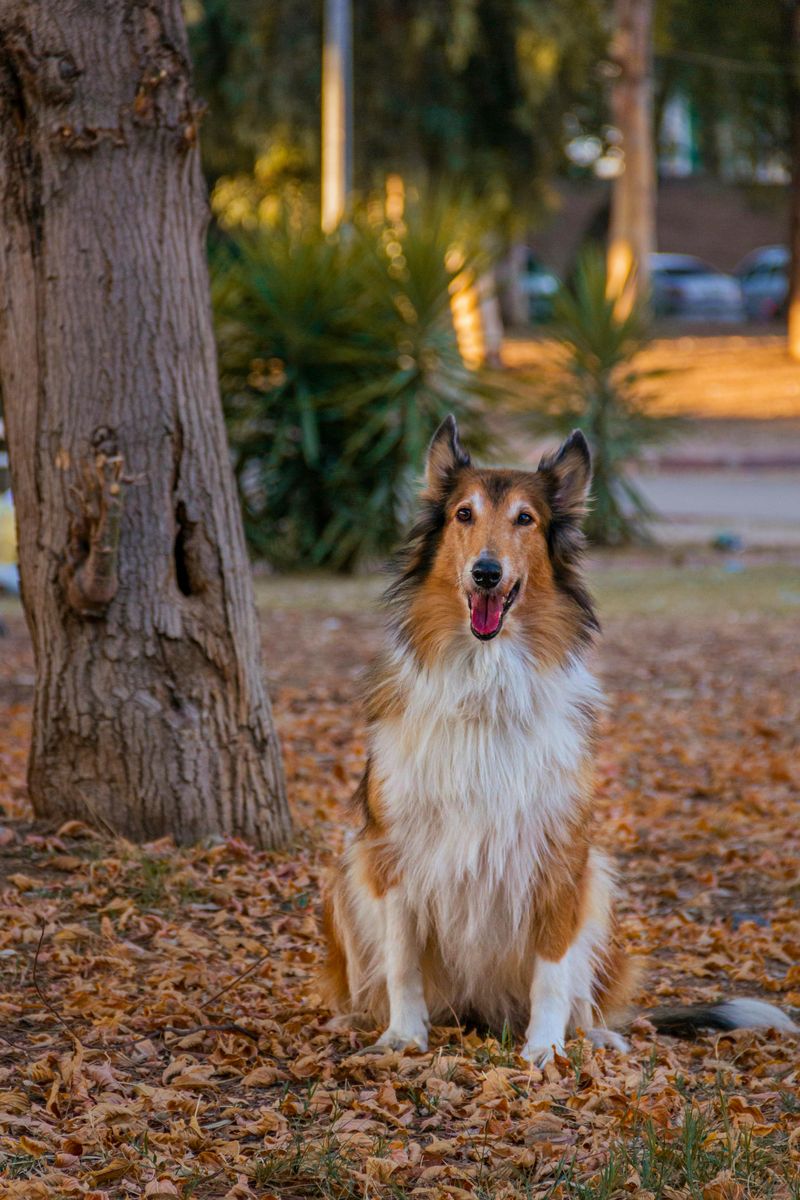
Collies are gentle, thoughtful herders who naturally check in and read their people closely. That sensitivity helps off-leash training feel cooperative instead of combative.
Use soft cues, predictable routines, and meaningful rewards to shape reliable recall, heel, and a calm down at distance, plus solid daily boundaries.
Because they can worry about conflict, keep sessions upbeat and short. Socialize broadly and proof around strollers, doorways, and wildlife.
Use a long line early to prevent rehearsed wandering. Reinforce eye contact and returns with quiet praise or play.
Sprinkle decompression sniffing between obedience bursts. With patience, structure, and daily enrichment, your Collie becomes a steady trail companion who drifts nearby and happily returns the second you ask.
Cocker Spaniel
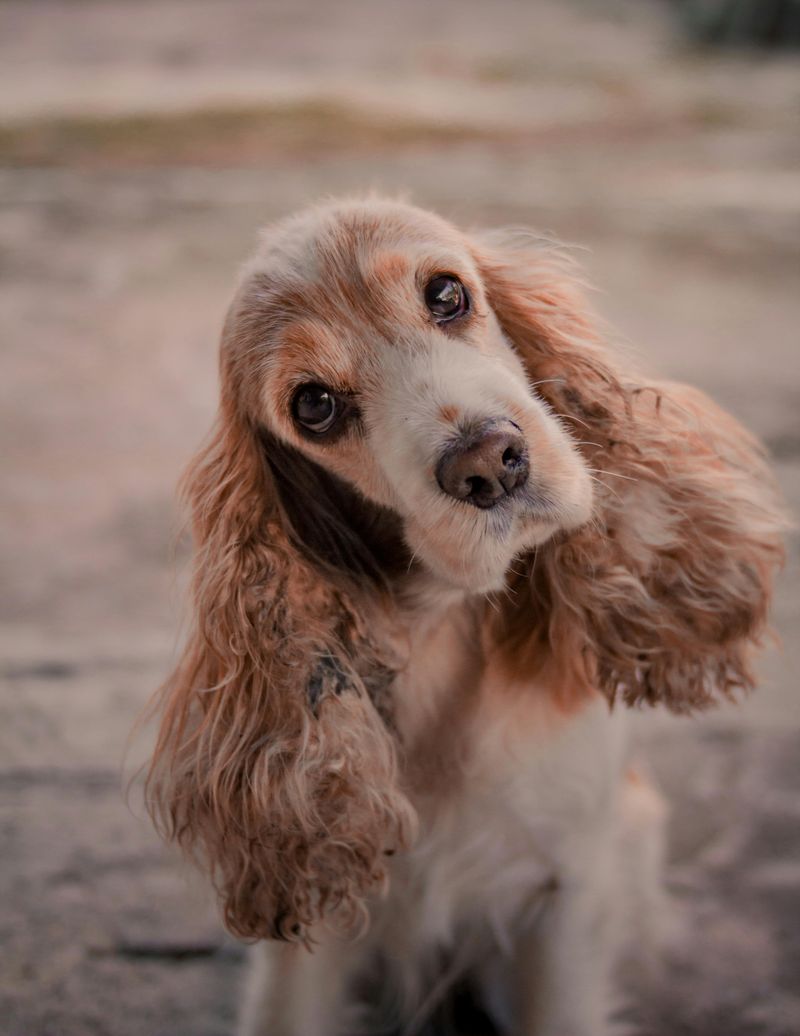
Cocker Spaniels are cheerful, people oriented sporting dogs with lively curiosity. Their natural desire to stay connected supports off-leash reliability when paired with consistent structure.
Build recall through short games, then expand to exciting places, rewarding with play and food so returning always feels worth it.
Because noses lead the way, practice check-ins during sniffing and teach a solid leave-it for critter trails. Use a long line in new environments until cues are automatic.
Keep sessions upbeat, gentle, and frequent to protect confidence. Mix fetch, tug, and scent work to satisfy drive.
Reward calm alongside action. With routine, enrichment, and clear communication, your Cocker Spaniel becomes a merry companion who explores freely yet swings back the moment you call.
Havanese
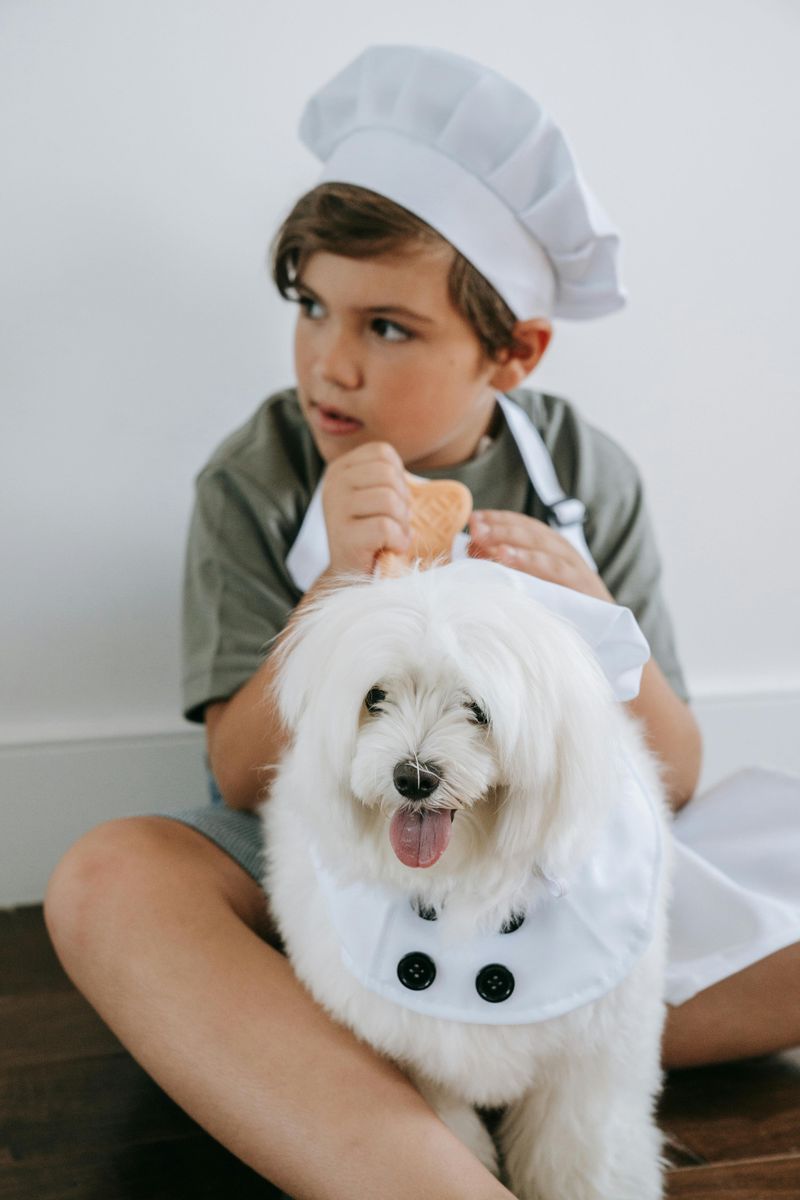
Havanese are affectionate, people centric companions who love sticking close, which helps off-leash reliability develop smoothly. They respond best to gentle structure, playful training, and frequent micro-freedoms.
Build a sparkly recall and name recognition, then practice in safe spaces with a long line before adding distractions.
Because small bodies meet big worlds, confidence building matters. Socialize kindly, proof around doorways, scooters, and noisy parks, and teach a cozy middle position for bustling sidewalks.
Keep sessions short and fun, then release them to sniff as a reward. Sprinkle easy tricks between recalls.
Pay generously with tiny treats and praise. With routines, enrichment, and patience, your Havanese becomes a cheerful, attentive sidekick who trots nearby and bounces back whenever you call.