
Certain dog breeds have a reputation for sudden aggressive tendencies. Understanding these breeds can help in managing their behavior and ensuring a safe environment.
Chow Chow
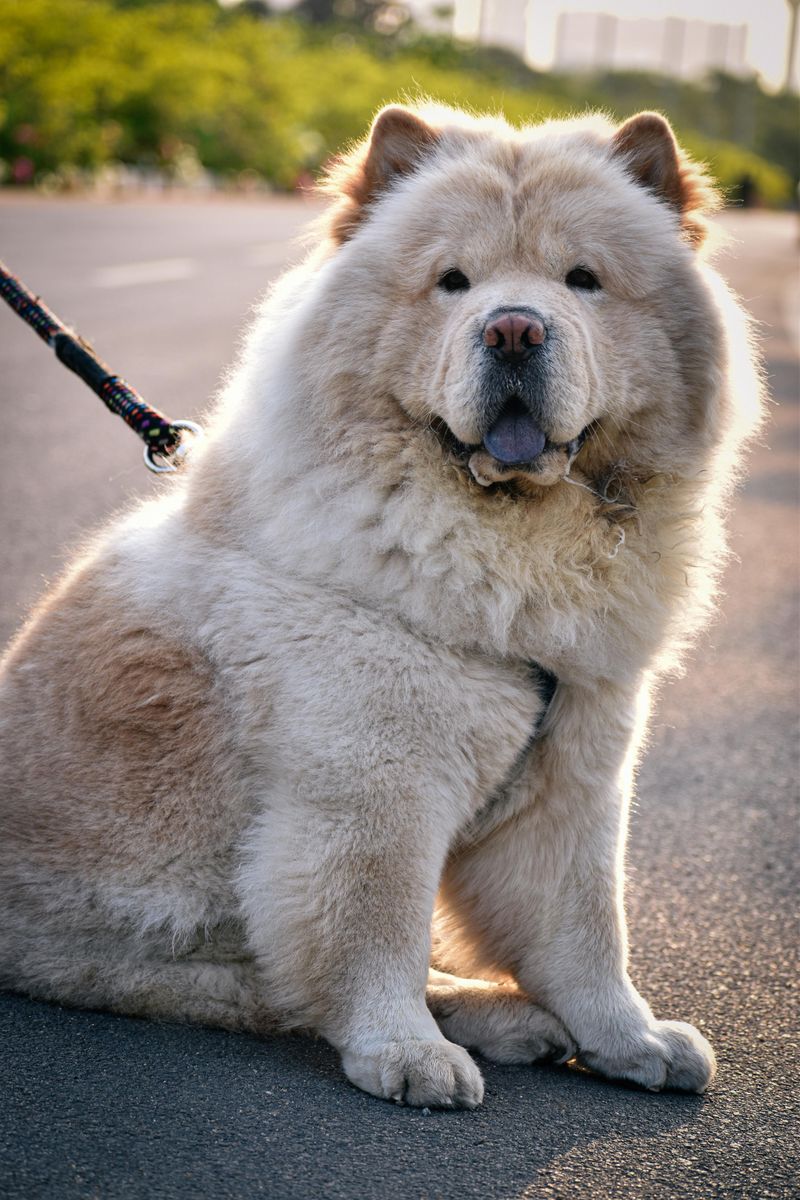
With its lion-like mane, the Chow Chow exudes an air of nobility. Known for their aloof demeanor, these dogs are fiercely loyal to their family. However, their protective nature can sometimes lead to sudden aggression if not properly socialized.
The Chow Chow requires consistent training and early socialization to curb these tendencies. Their strong-willed personality makes them a challenge, but with patience and understanding, they can become well-mannered companions.
Akita
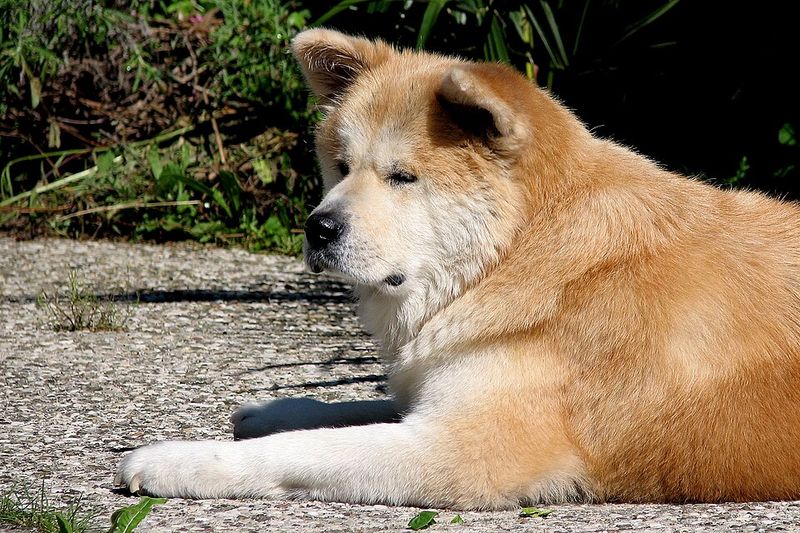
The Akita is a symbol of courage and loyalty in Japan. With a strong protective instinct, Akitas are devoted to their families but can be wary of strangers. This wariness can manifest as aggression if not managed correctly.
Early exposure to diverse environments is crucial in preventing aggressive outbursts. Akitas thrive under a firm yet gentle hand and can be excellent companions when properly guided.
Shar Pei
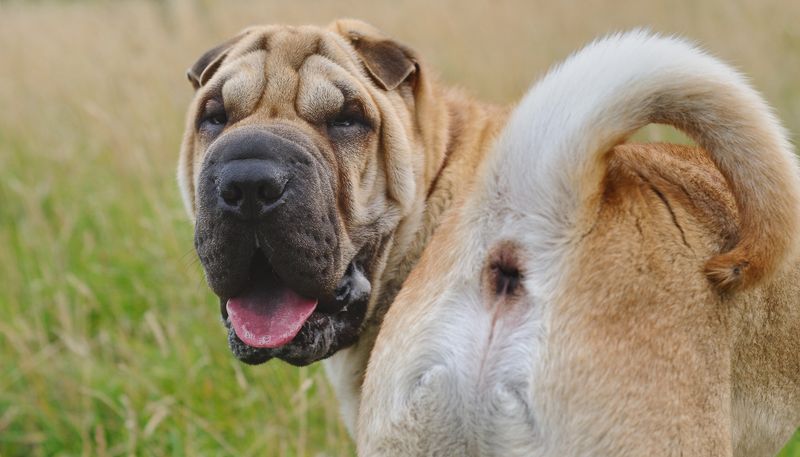
Shar Peis are known for their unique wrinkled appearance and independent nature. Their history as guard dogs contributes to a strong territorial instinct, which can sometimes result in aggressive behavior.
Understanding their need for space and providing firm, consistent training can help mitigate these tendencies. Socialization from a young age is vital to help them adapt to different people and situations.
Shiba Inu
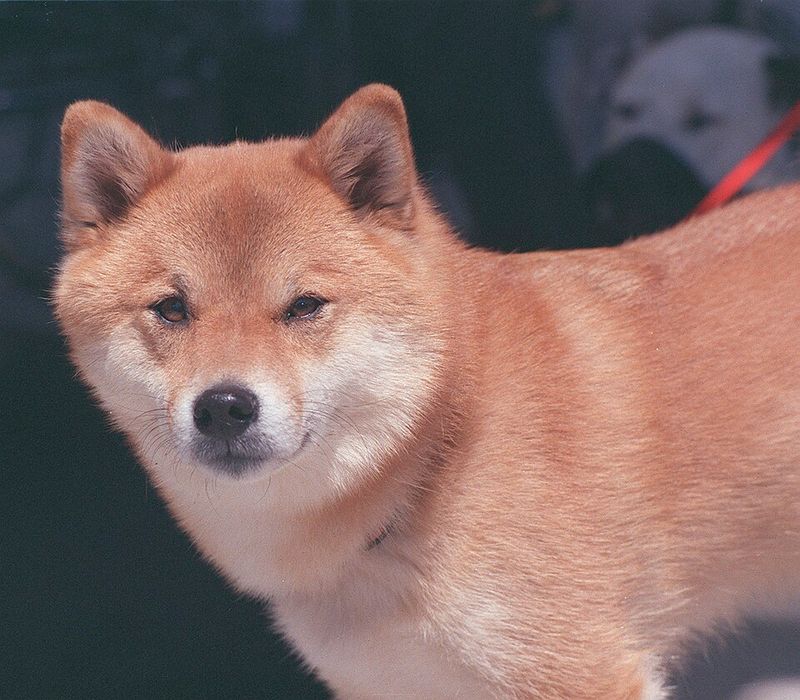
The spirited Shiba Inu is known for its bold and confident demeanor. Often described as “cat-like,” Shibas are independent thinkers. This independence can translate into unpredictable aggression if not addressed early.
Building trust through consistent training and positive reinforcement is key to managing their behavior. A well-socialized Shiba can be a delightful companion, known for its spirited charm.
Basenji
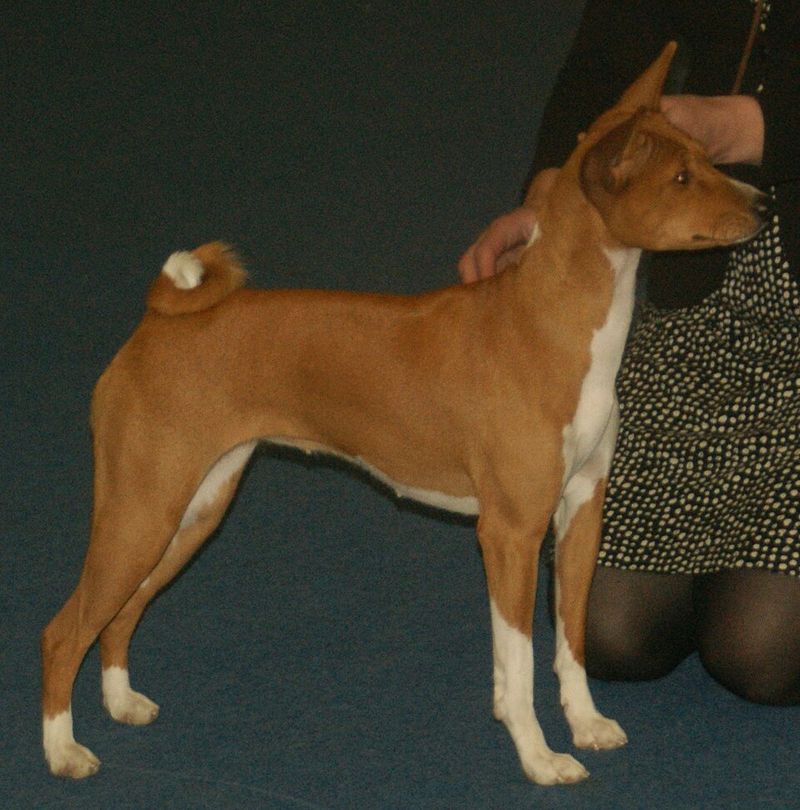
The Basenji, often referred to as the “barkless dog,” is a curious and intelligent breed. Their strong hunting instincts can sometimes lead to aggression, especially if they feel threatened.
Engaging them in mental and physical activities can help channel their energy positively. Early socialization with various animals and people is crucial in preventing aggressive tendencies.
Catahoula Leopard Dog
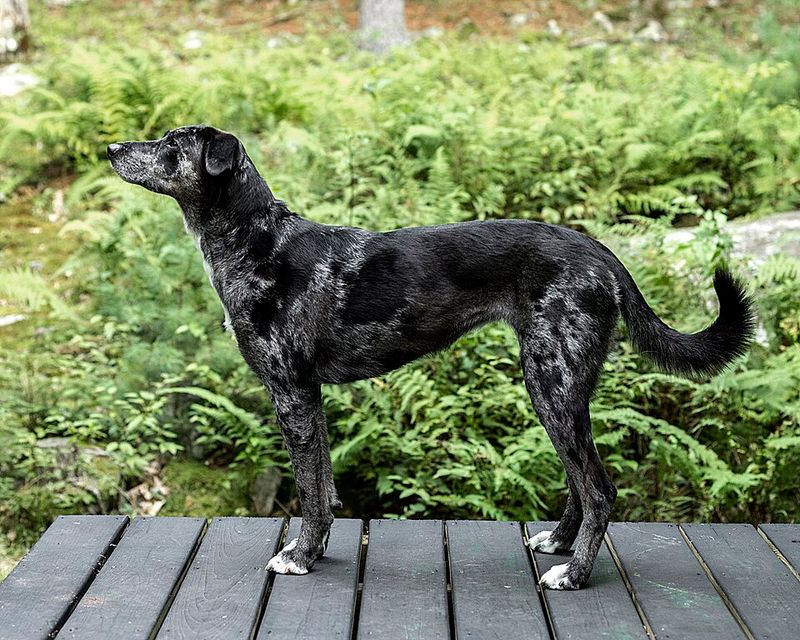
Known for their distinctive coats and energetic nature, Catahoula Leopard Dogs are highly intelligent and driven. Their work-oriented mindset can sometimes lead to aggression if not properly channeled.
Providing them with tasks and consistent training can help manage their behavior. Socialization from an early age can prevent sudden aggressive outbursts.
Belgian Malinois
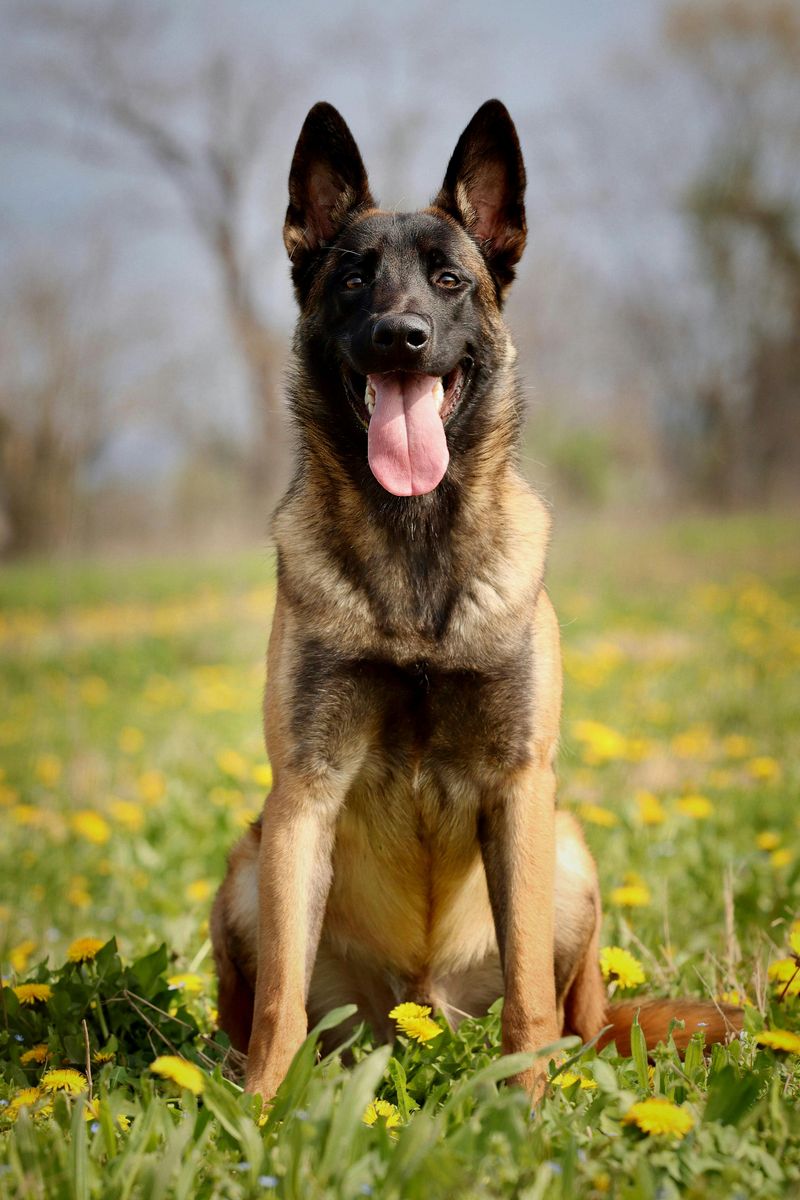
The Belgian Malinois is renowned for its work ethic and intelligence. Originally bred for herding, these dogs require constant mental and physical stimulation. If their needs aren’t met, they may exhibit aggression.
Structured training and exposure to various environments can ensure they grow into well-balanced adults. Their loyalty and drive make them excellent working dogs but also require a dedicated owner.
Australian Cattle Dog
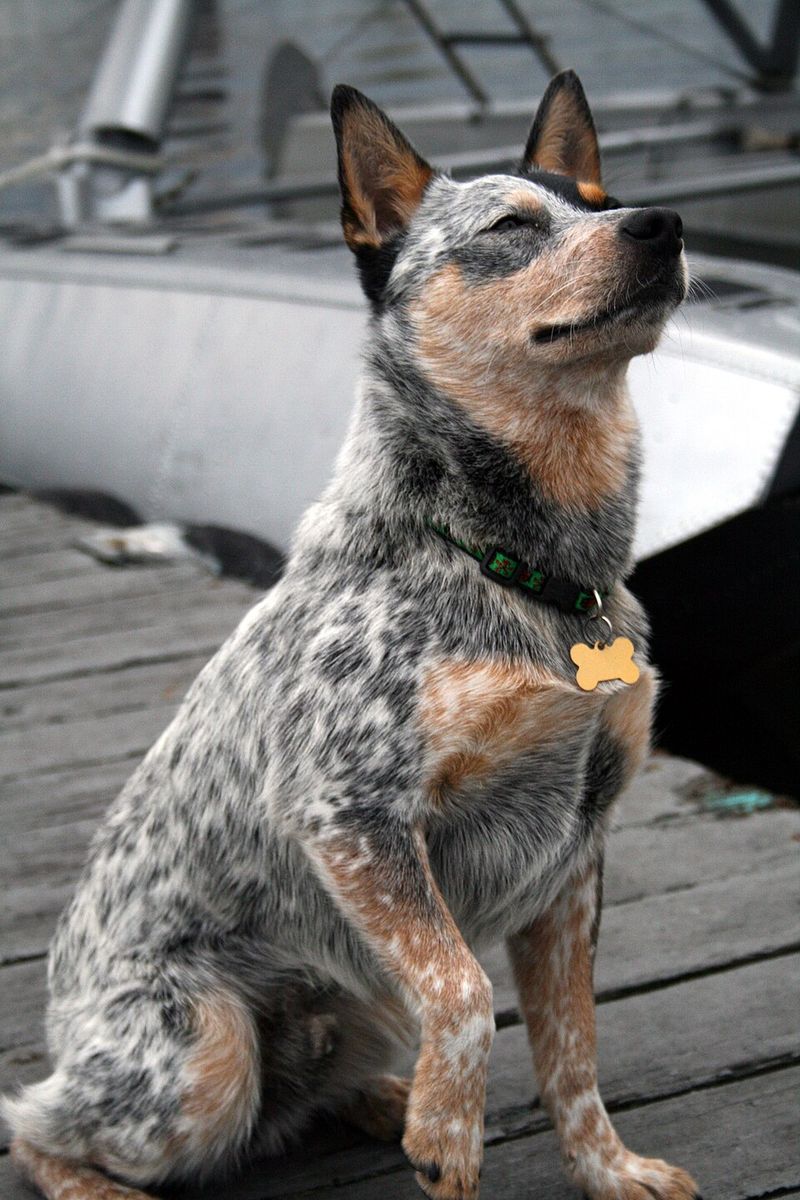
Australian Cattle Dogs are known for their tenacity and intelligence. Bred to control cattle, they possess a strong herding instinct, which can sometimes manifest as aggression towards unfamiliar creatures.
Challenging their minds and bodies with structured activities can help manage these tendencies. Positive social experiences from a young age can foster a well-adjusted personality.
Jack Russell Terrier
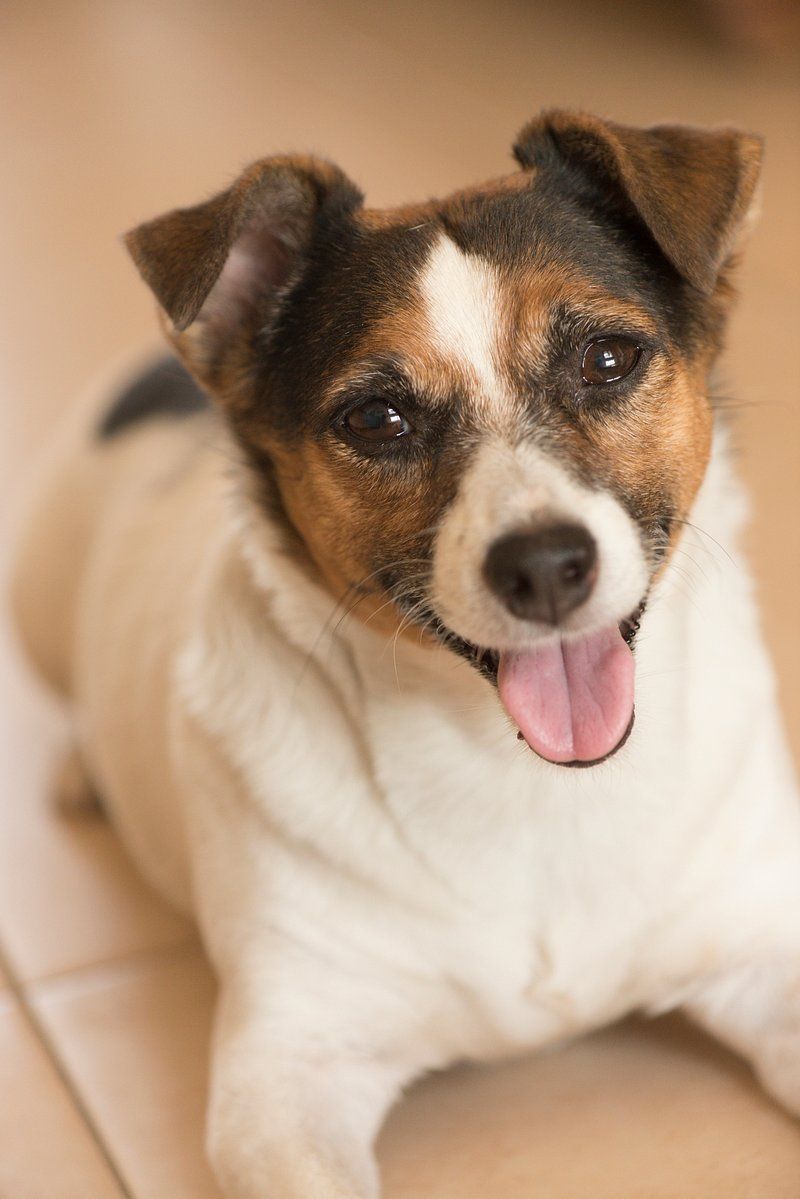
The energetic Jack Russell Terrier is full of vigor and curiosity. Despite their small size, they have a big personality, sometimes leading to aggressive behavior when frustrated or bored.
Keeping them engaged with mental stimulation and exercise is key to curbing these tendencies. Early exposure to different scenarios can help them develop into well-adjusted dogs.
Dogo Argentino
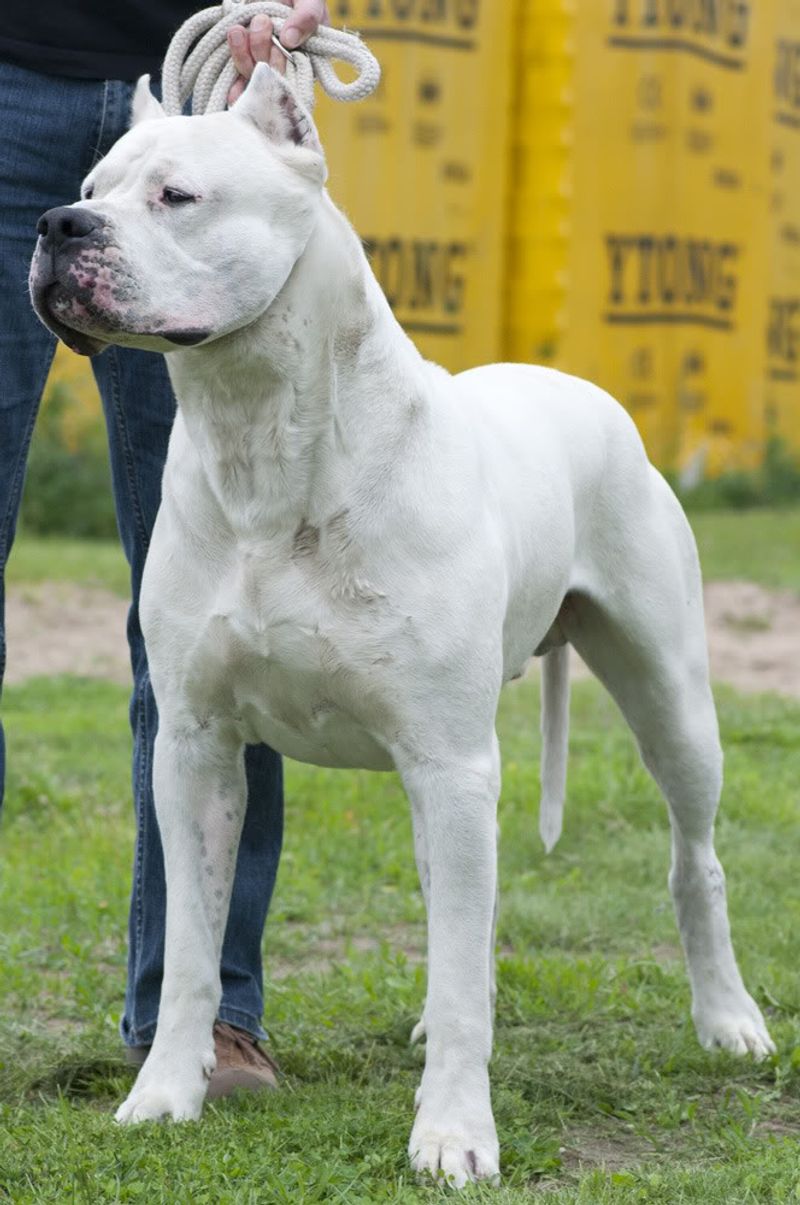
Originally bred for big game hunting, the Dogo Argentino is powerful and protective. Their strength and determination can sometimes result in aggressive outbursts if not properly managed.
Consistent, firm training and socialization are essential to channel their natural instincts positively. With proper guidance, they can become loyal and gentle family members.
Fila Brasileiro
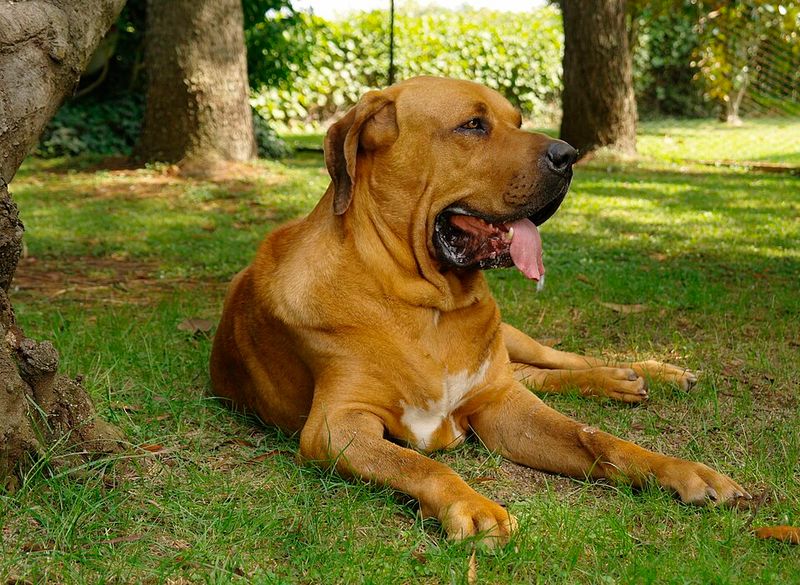
The Fila Brasileiro is known for its loyal and protective nature. Bred as a guardian, they are naturally wary of strangers, which can lead to aggressive behavior if not well-trained.
Building trust through consistent and understanding training can help manage their instincts. Early and continuous socialization is crucial in shaping their behavior positively.
Presa Canario
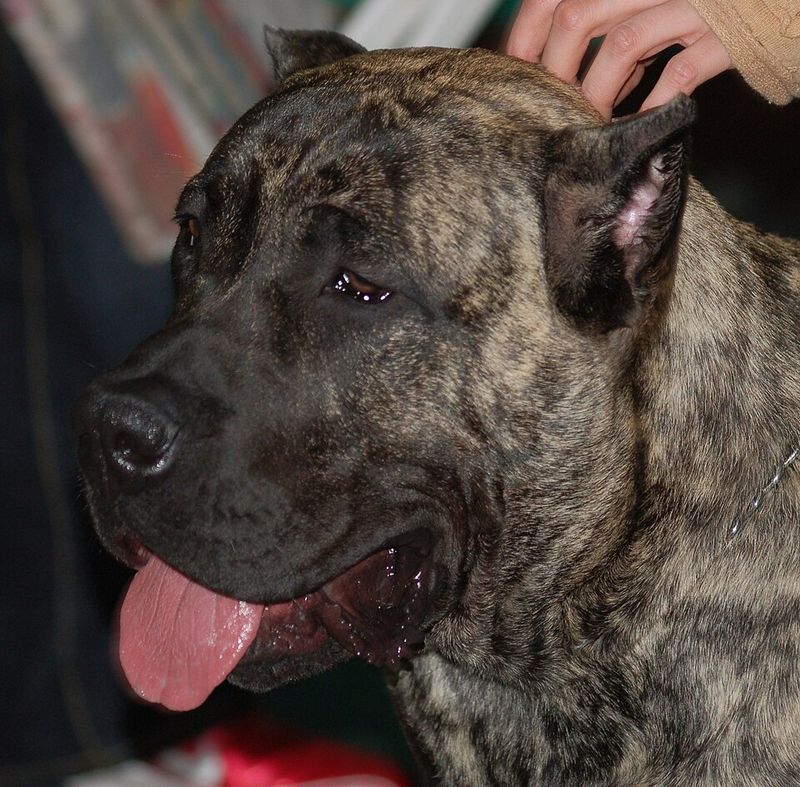
Presa Canarios are known for their commanding presence and protective instincts. Their strength and natural guarding traits can sometimes result in aggressive behavior if not properly directed.
Providing them with structured training and early socialization can help mitigate these tendencies. Their loyalty and courage make them excellent protectors under proper guidance.
Central Asian Shepherd (Alabai)
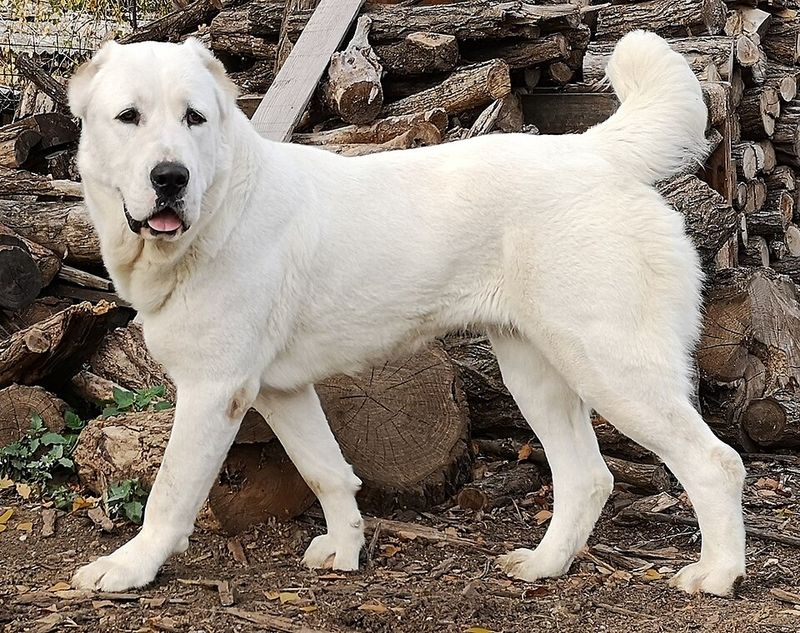
The Central Asian Shepherd, or Alabai, is a formidable guardian with deep-rooted instincts for protection. Their independent nature can sometimes lead to aggression if they sense a threat.
Early training and consistent socialization are essential to help manage their instincts. When guided properly, they become reliable and devoted companions, known for their calm and steady demeanor.