
Some dogs inspire instant respect the moment you see a sign on the fence. That does not always mean danger, but it does signal big presence, strong instincts, and serious responsibility.
If you want to understand why certain breeds show up behind those warnings, you are in the right place. Let’s unpack the reputation, the reality, and what responsible ownership looks like for each.
Rottweiler
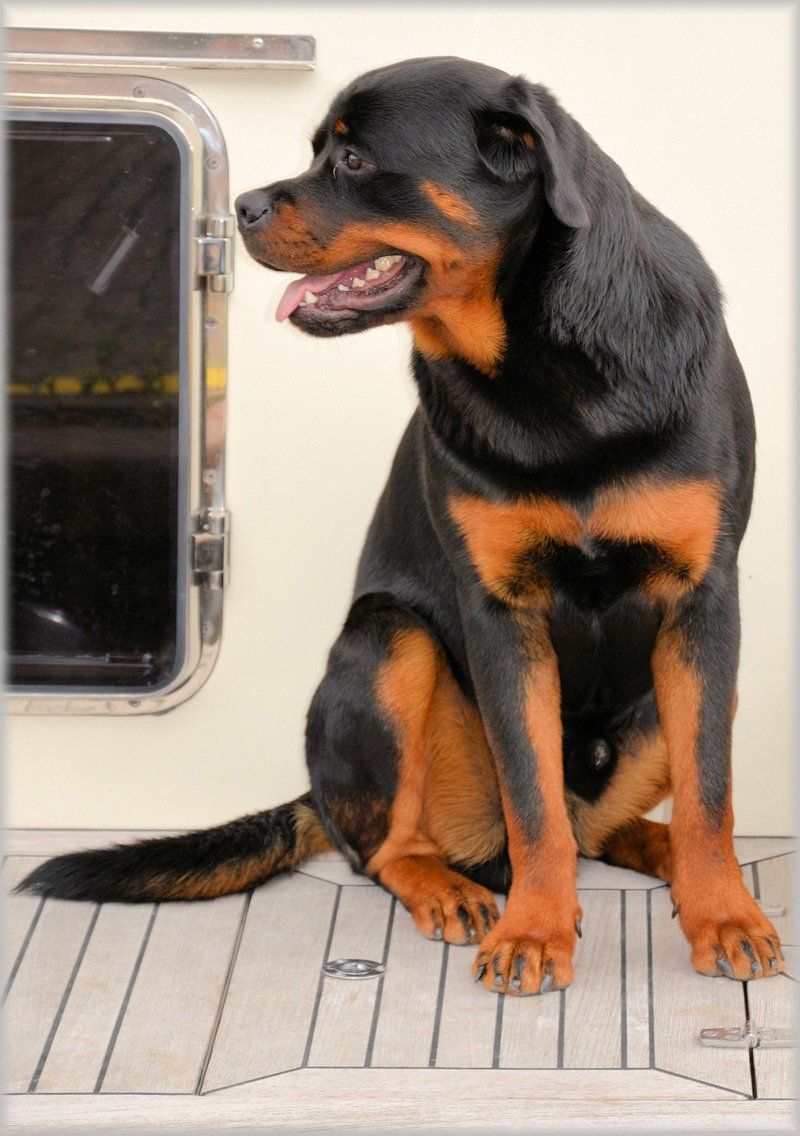
Rottweilers project power, but responsible training turns that strength into calm confidence around everyday life. Many warnings exist because strangers misread their watchful stare and booming bark at the gate.
Give them structure, socialization, and clear boundaries, and you get a steady guardian that respects your cues.
Daily exercise and mental work, like obedience games or cart pulls, keep that working brain satisfied and polite. If you skip training, their protective nature can intensify, creating pushy behavior you never intended.
With consistent leadership, a Rottie becomes a velvet tank, utterly devoted to family yet appropriately wary with strangers.
Respect the breed, and neighbors will respect your sign, but your dog will earn their quiet trust. Consistency wins over time always.
German Shepherd
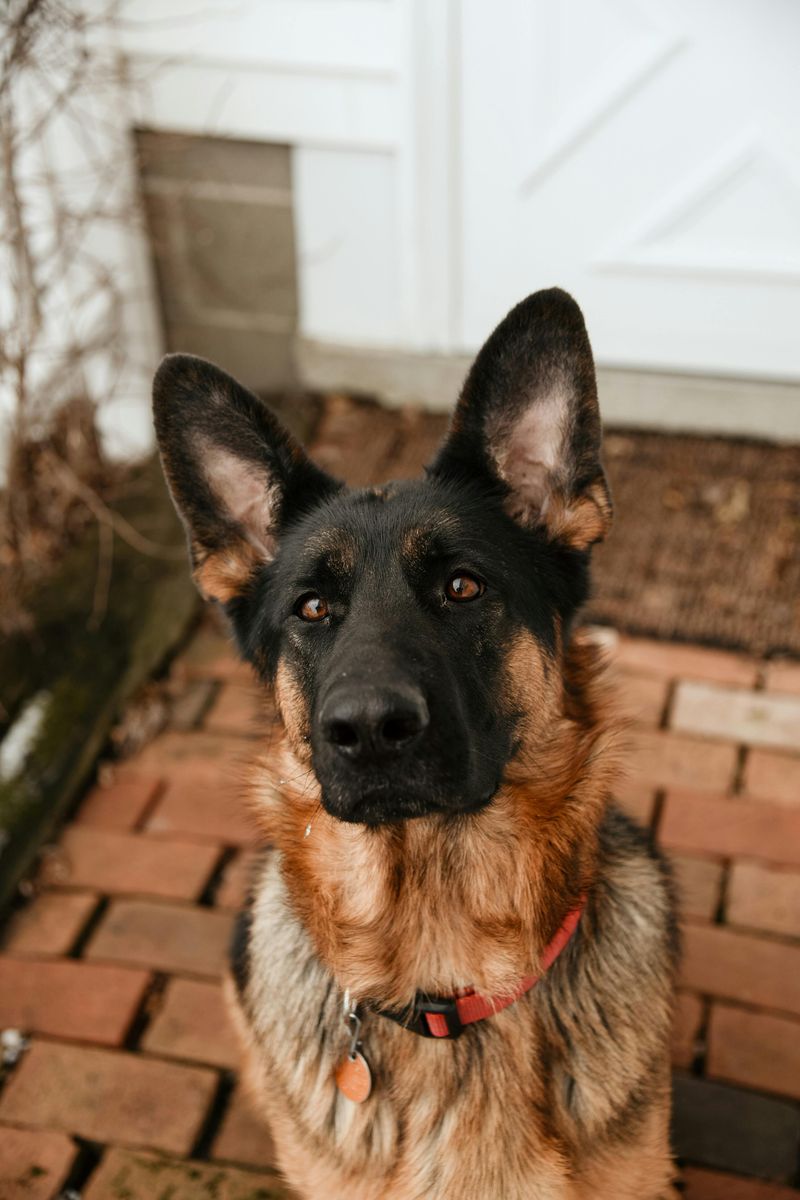
German Shepherds show up on warning signs because they look like security on four legs. Their intense focus and responsive nature make them natural patrol partners, whether at home or on a walk.
You will notice their curiosity first, then that quick shift to protective mode when a stranger lingers too long.
These dogs crave jobs, from obedience drills to scent games, or just structured fetch with rules. Without a program, they may invent their own, and that is rarely what you want.
Balanced socialization teaches them to read situations, not just react.
Invest in training, and you get a confident guardian who welcomes friends and holds the line for trouble. That smart brain loves clear, fair leadership.
Doberman Pinscher
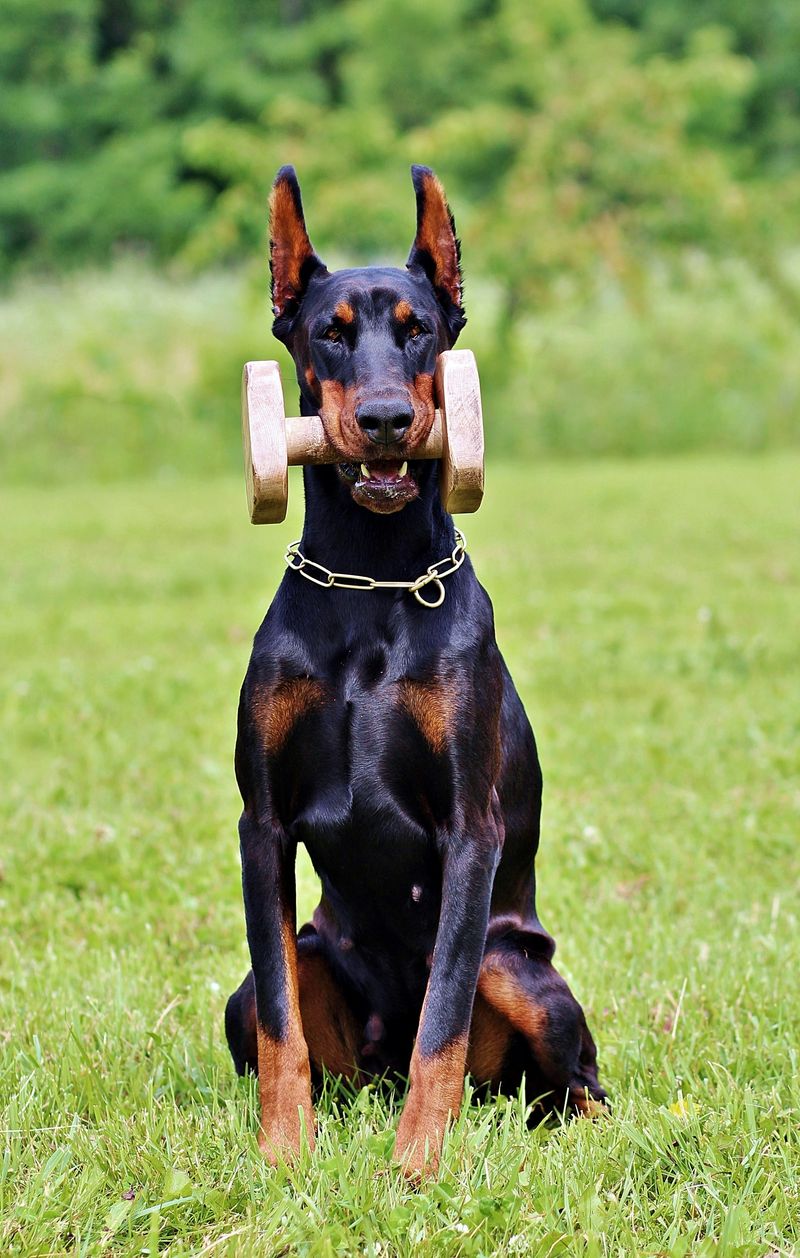
Dobermans carry a reputation that arrives before they do, thanks to that lean silhouette and laser attention. People post warnings because a Doberman will stand tall, watch quietly, and then move decisively if pushed.
Underneath, they are affectionate companions who bond deeply and look to you for direction.
They thrive on purposeful work, like heeling patterns, recall games, and impulse control around visitors. Skip that structure and the energy finds louder outlets, which neighbors will notice.
Consistent boundaries produce a velvet glove over a steel frame, turning drive into manners.
Socialize early, keep training fun, and make daily exercise nonnegotiable. You will earn a stylish bodyguard who reads the room and respects clear rules every day.
American Pit Bull Terrier
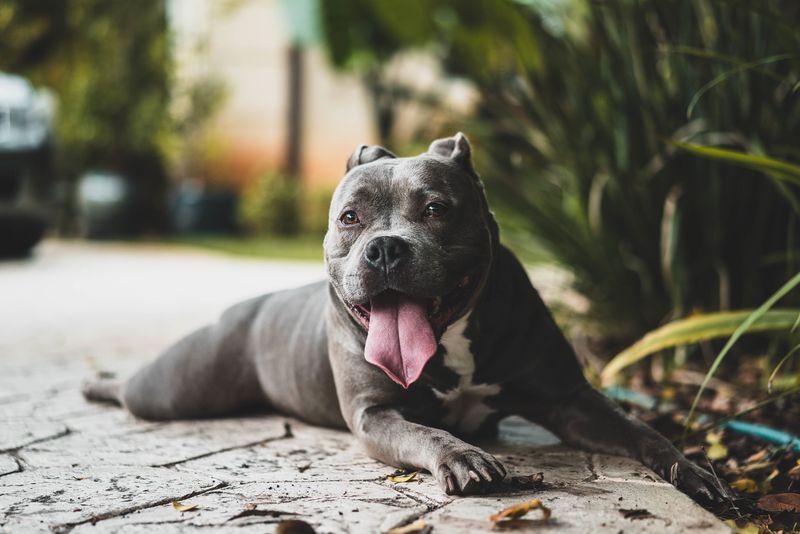
Pit Bulls often meet a sign before you meet the dog, largely because of public myths and uneven ownership. In reality, these dogs are strong, people oriented, and wildly eager to please when guided well.
Muscle and enthusiasm can be a lot, so communication and leash skills matter from day one.
Daily outlets like flirt pole sessions, controlled tug, and obedience reps keep excitement constructive. Supervise introductions and teach neutral greetings, since bouncy joy can overwhelm visitors.
Clear routines create predictability, which reduces arousal and mistakes.
Handle responsibility seriously, and you will showcase their affectionate core without chaos. A fair, structured lifestyle turns that posted warning into simple respect for strength, not a prediction of trouble.
Cane Corso
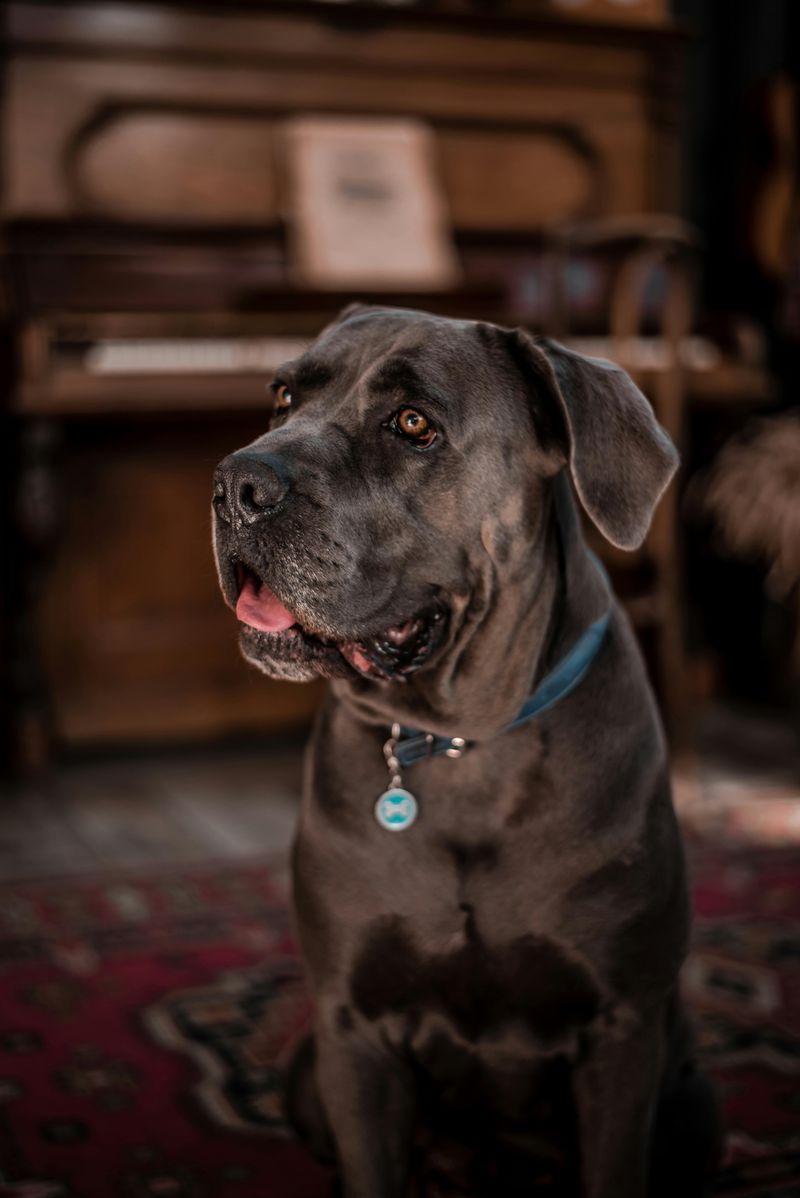
The Cane Corso brings serious presence, often enough to make strangers pause at the gate. They are steady guardians by design, bred to watch property and read intentions carefully.
That power demands early boundaries, respectful handling, and a lifestyle that channels confidence, not bravado.
Walks with structured heel, place training, and calm door routines give them useful jobs. Skipping manners invites pushiness because they naturally fill leadership gaps.
Socialize thoughtfully so they learn what normal looks like in your world, from mail carriers to guests.
With clarity and consistency, a Corso becomes a statuesque partner who settles quickly after assessing a situation. Treat them like a professional teammate, and they will meet your standards every single day.
Bullmastiff
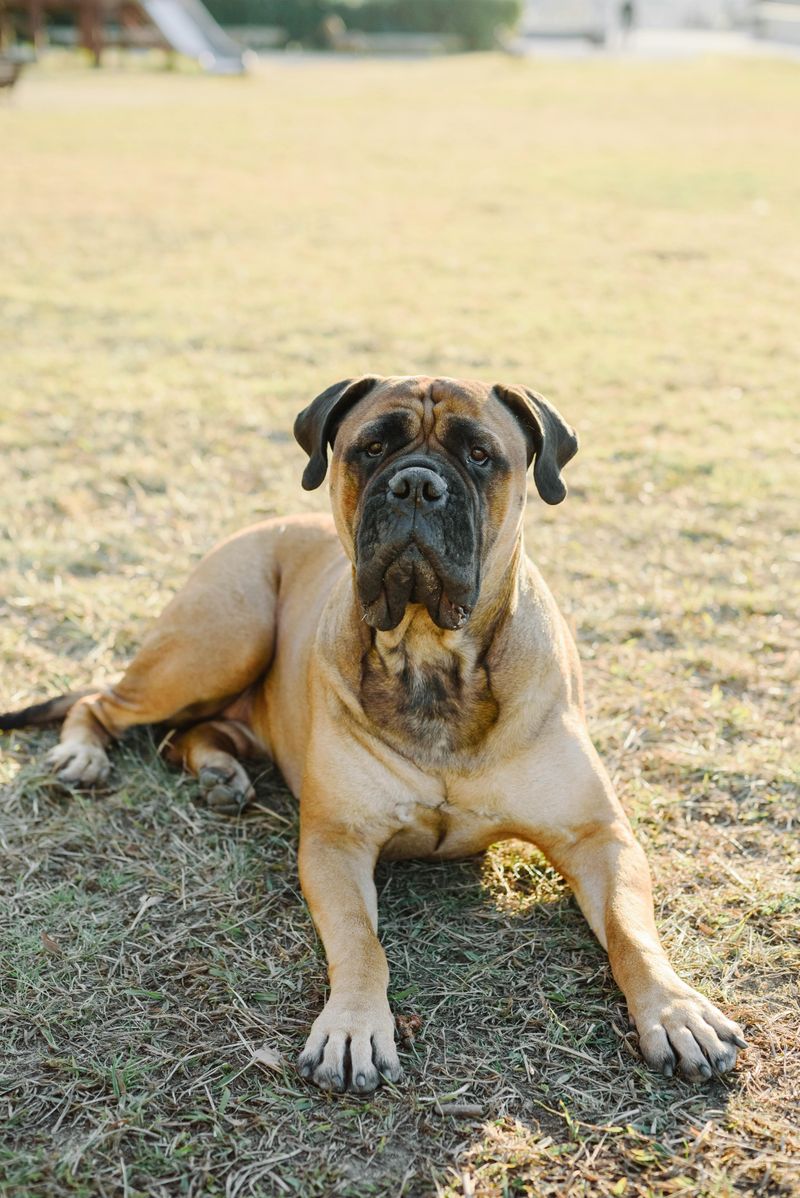
Bullmastiffs look like living boulders, and that alone explains many warning signs. They were developed to guard estates quietly, preferring body blocking over endless barking.
Calm outwardly, they still require training because size multiplies small mistakes into big problems.
Short structured sessions, impulse control at doors, and polite leash work keep them civilized. Manage greetings, since a gentle nudge from a giant can topple guests.
Mental work like scent games helps satisfy their thoughtful side without overexertion.
Respect joints, keep sessions brief, and focus on steady routines. When you pair kindness with firm expectations, a Bullmastiff becomes a mindful sentinel, happy to nap within earshot yet ready to rise when needed.
Belgian Malinois
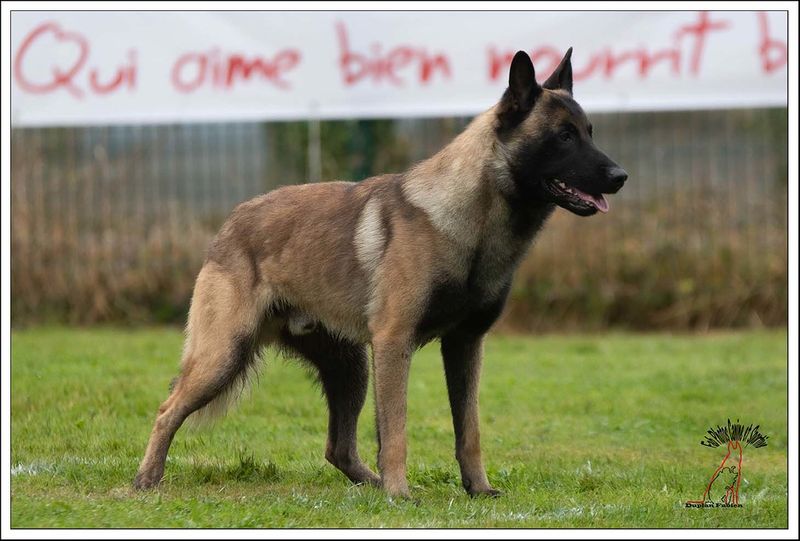
Belgian Malinois are the poster dogs for high drive, which is why warning signs feel almost standard. They scan, react fast, and crave tasks that soak up energy and sharpen focus.
Without a job, they invent one, and that can mean herding joggers or remodeling your fence.
Channel the fire into obedience, bite sports, agility, or scent work, even simple fetch with rules. Training every day is not optional for this breed.
Calm crate time and clear off switches protect your furniture and your sanity.
Handled well, a Malinois is breathtaking to watch, precise and eager. Handled casually, they overwhelm most homes.
Choose this breed only if you love structured work and daily purpose.
Akita
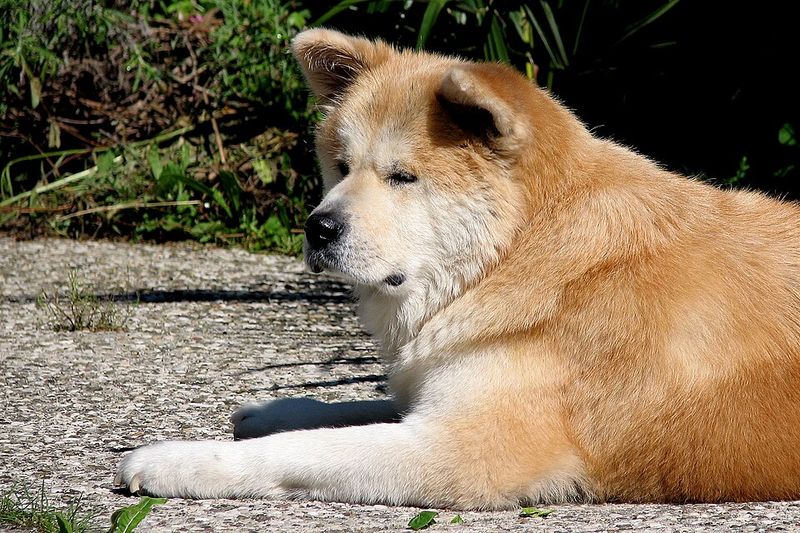
Akitas bring quiet dignity and a serious viewpoint to home security. They do not bark much, but when they make a decision, you will notice.
Many owners post signs to set boundaries early, protecting both guests and the dog’s comfort zone.
Socialize thoughtfully and avoid chaotic environments, since independence can turn to stubbornness when pressured. Reward calm choices and keep sessions brief yet consistent.
Grooming the dense coat doubles as a handling exercise, building trust during necessary care.
Akitas read energy, not chatter, so your calm presence matters most. Provide structure, space, and respect, and they repay you with steady, watchful companionship.
It is a relationship built on quiet agreements more than constant commands.
Chow Chow
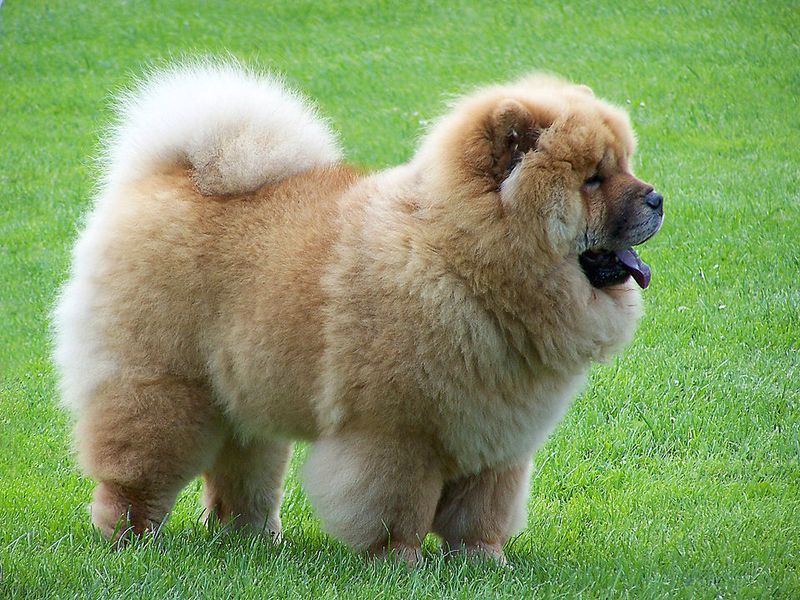
Chow Chows look regal and a bit aloof, which can read as unfriendly to passersby. Add that dense mane and steady stare, and many homes choose a warning for clarity.
These dogs value personal space and clear routines, especially around new people.
Early, positive handling around grooming is crucial, given all that coat. Teach consent cues for brushing and nail care, and reward cooperation.
Keep visits calm and predictable so the dog decides there is nothing worth guarding.
With patience, you reveal a loyal companion who prefers quiet loyalty over fanfare. Respect boundaries, socialize gently, and never force interactions.
The sign stays up, but your Chow will learn to relax as life unfolds smoothly.
Presa Canario
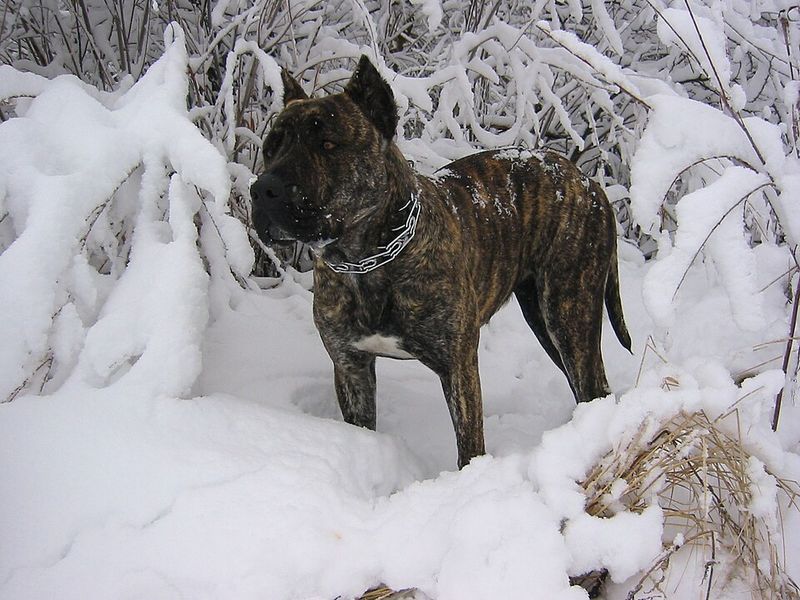
The Presa Canario is imposing by design, historically built for guarding and ranch work. That presence alone explains many warning signs before you meet the dog.
They need confident, ethical handling that channels intensity into obedience and calm living.
Focus on leash skills, neutrality around strangers, and rock solid recall. Practice threshold manners at gates and doors, since territory can heighten arousal.
Use structured exercise and mental tasks to drain stress and reinforce thoughtful choices.
When you set clear expectations, a Presa becomes a grounded protector with reliable judgment. Skip structure, and the dog may try to run the household.
Choose this breed with eyes open, time available, and a coachable mindset.
Dogo Argentino
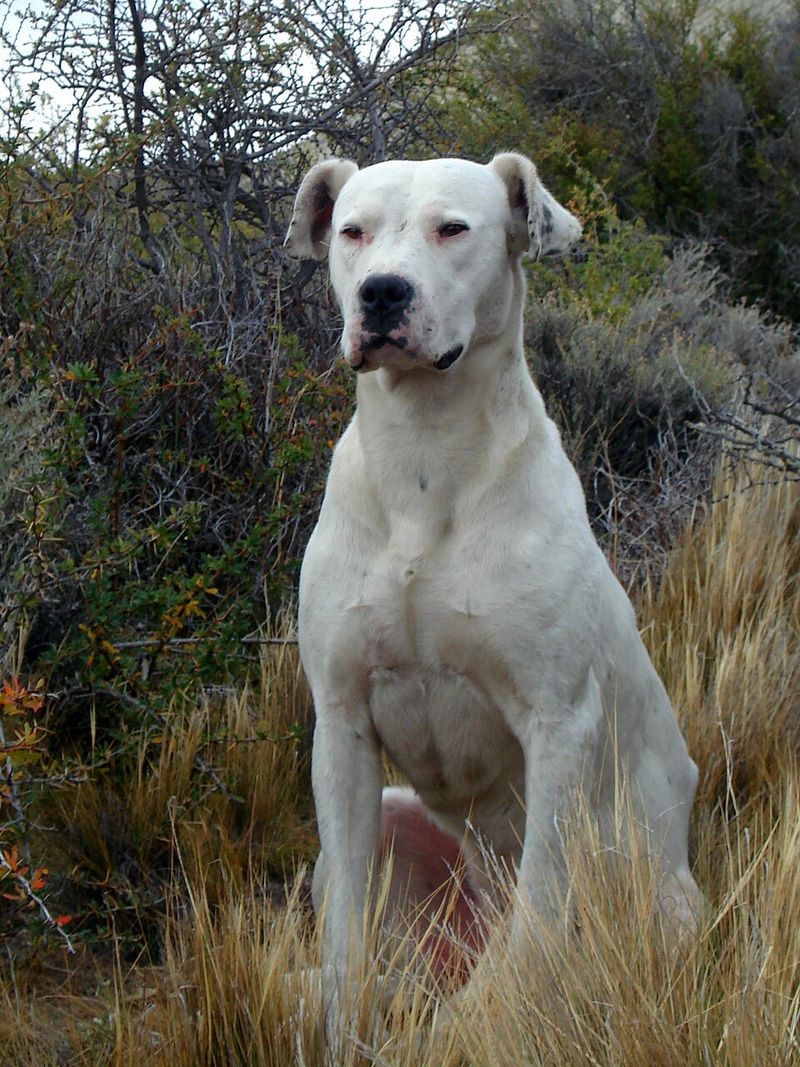
Dogo Argentinos combine athleticism with a clear, determined outlook that can feel intense to strangers. The sign often serves as a reminder that strong dogs need strong stewardship.
Athletic outlets and thoughtful rules keep that fire pointed in the right direction.
Train impulse control from puppyhood, reinforcing neutrality around wildlife, guests, and busy streets. Sport work, tracking, or long structured hikes provide healthy challenges.
Keep handling calm and confident so the dog draws composure from you.
With direction, a Dogo becomes a tuned instrument, powerful yet responsive. Without it, energy can spill into pushing boundaries, especially in stimulating settings.
Commit to training, social exposure, and daily purpose, and you will earn a steadfast partner.
Alaskan Malamute
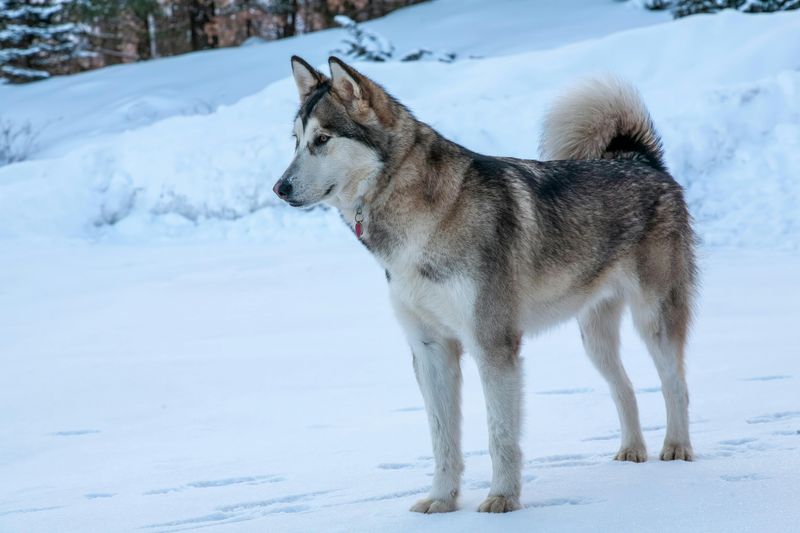
Alaskan Malamutes are friendly by nature, but size and wolfish looks can spook delivery drivers. Signs often exist to slow enthusiasm and protect visitors from a flying hug.
These working dogs love pulling, problem solving, and being part of your everyday routine.
Training should emphasize manners, recall, and calm greetings, because excitement stacks quickly. Give them jobs like weight pulls, backpacking, or scent games to keep minds settled.
Grooming time becomes training time, teaching patience during coat blow season.
Handled well, a Malamute becomes an outgoing ambassador who still respects thresholds. Teach door control, polite leash skills, and reliable stays.
That big smile pairs beautifully with good boundaries, keeping everyone safe and comfortable.
Staffordshire Bull Terrier
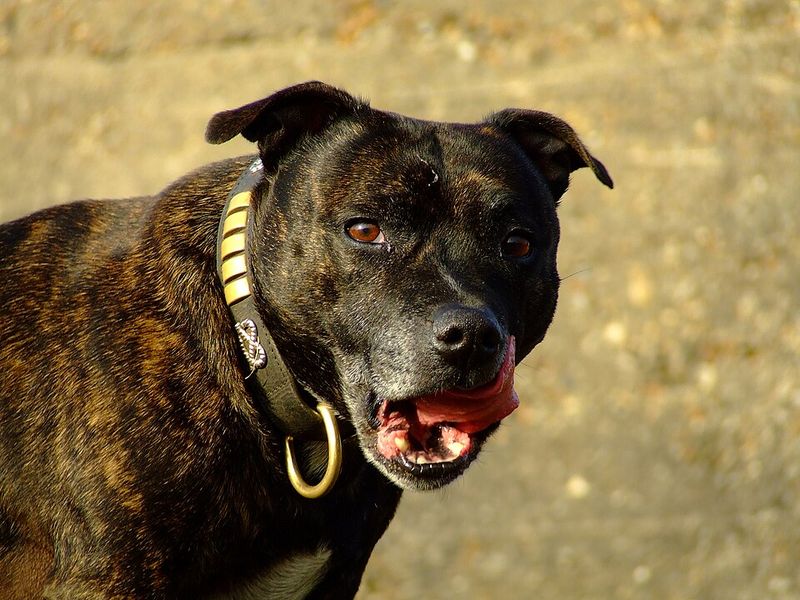
Staffordshire Bull Terriers are pocket powerhouses with big hearts and bigger grins. Some homes post signs to signal strength and prevent rough handling from strangers.
Sturdy and social, they still need impulse control so excitement does not spill into chaos.
Short, upbeat training sessions work best, polishing leash manners and door greetings. Tug with rules, fetch with outs, and trick training keep that eager mind engaged.
Early socialization builds confidence without encouraging wildness.
When you set clear boundaries, a Staffy becomes a joyful sidekick who understands on and off switches. They love people, but your structure helps them love politely.
That combination of muscle and manners is what earns neighborhood trust.