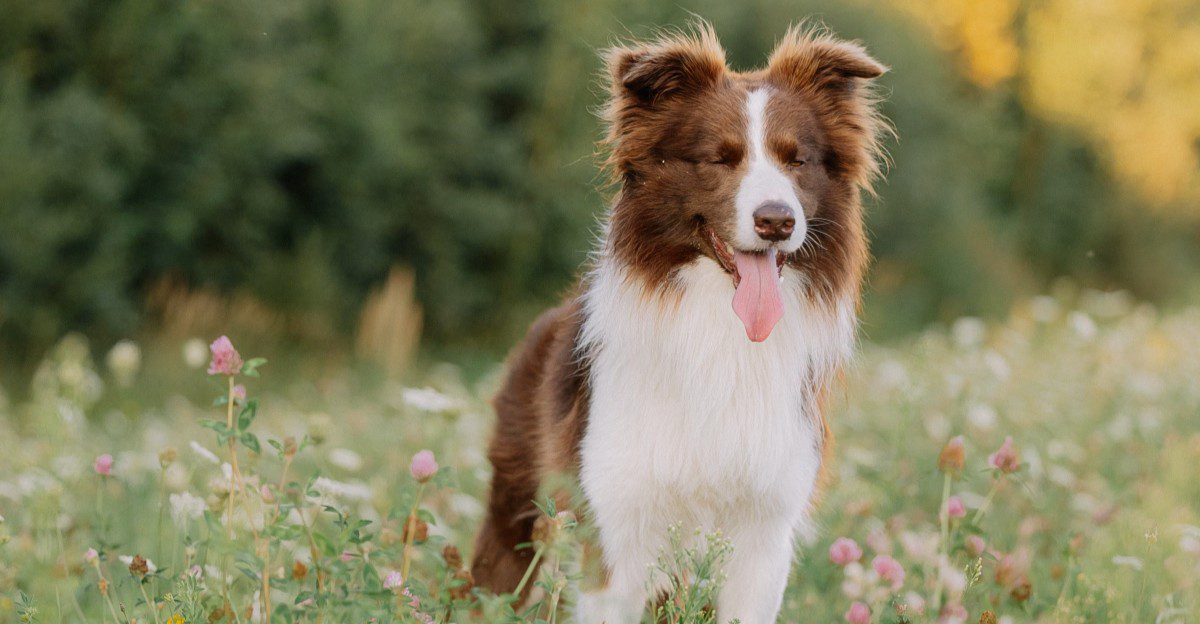
The fluffy coat that looked adorable in the puppy photos is now covering your couch, your car, and somehow your toothbrush. Many people pick a dog for one standout trait, only to discover that the exact same trait is what makes daily life hard.
A husky’s wolfish looks, a beagle’s famous nose, and a Dalmatian’s movie fame all come packaged with real needs. Here are 13 breeds where the reason people say yes is often the reason they later struggle, so you can choose with your eyes open.
Siberian Husky
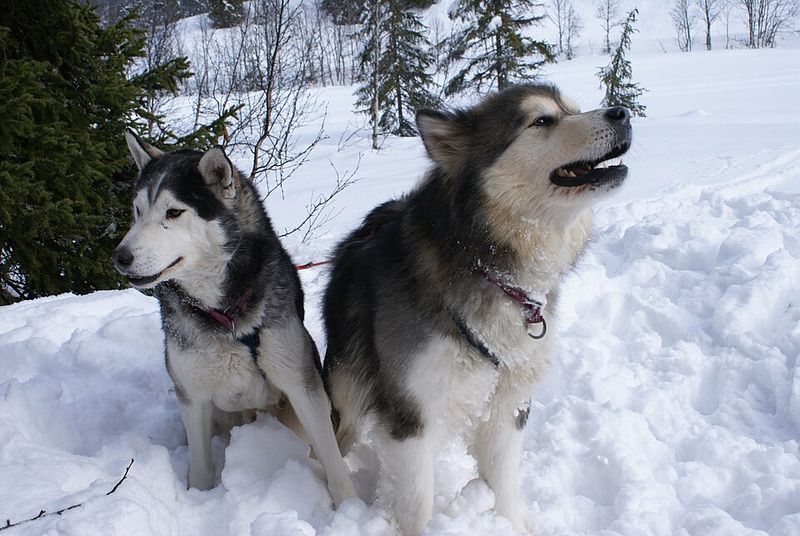
Those ice-blue eyes and wolf-like looks sell a lot of puppies. The trouble is that the same breed was developed by the Chukchi people of Siberia to pull sleds long distances in brutal cold.
A dog built for endurance does not switch off because it lives in a townhouse. Huskies often need serious daily exercise, and bored ones may dig, howl, or chew.
Many are also skilled escape artists, and the AKC notes their tendency to roam if given the chance.
That gorgeous double coat sheds heavily, especially during seasonal blowouts. People drawn to the striking look sometimes forget the dog underneath was made to run, not to pose.
Dalmatian
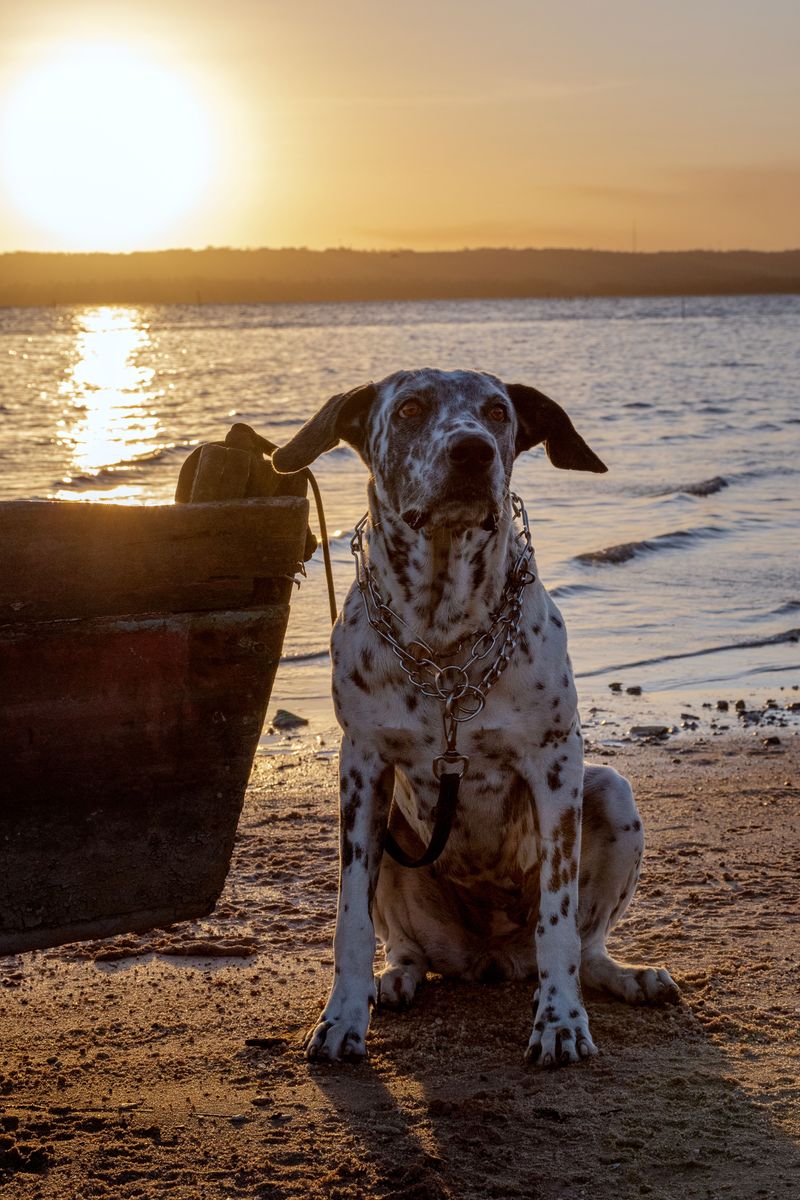
Blame the movies. After Disney releases, Dalmatian demand spiked, and shelters later saw many returned dogs once the novelty faded.
The spots come attached to a coaching dog, bred to trot beside horse-drawn carriages for miles. That history shows up as stamina that can overwhelm a casual owner.
Dalmatians also shed far more than their short coat suggests, and those white hairs cling to everything.
Here is a quirky detail worth knowing. Dalmatians have a unique uric acid metabolism that can raise their risk of urinary stones, so diet and water intake matter more than with many breeds.
Beagle
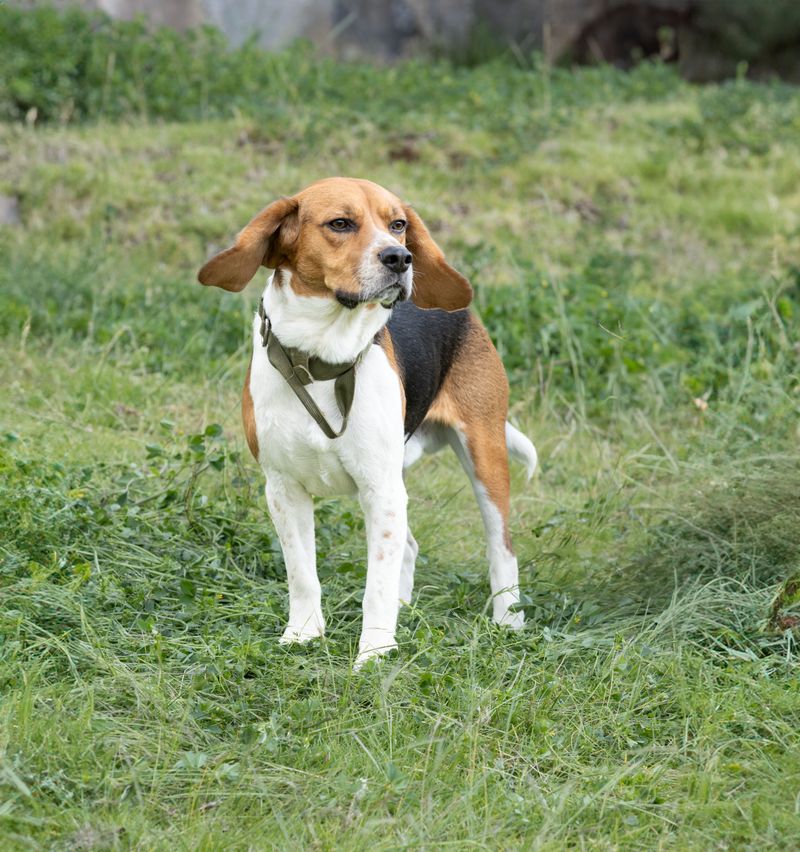
Compact, cheerful, and easy to carry, the Beagle looks like a starter dog. What people love is that happy, sniffing curiosity.
That curiosity is a hunting tool. Beagles were bred to follow rabbit scent in packs, so once a smell grabs them, your voice may fade into background noise.
Recall training takes patience, and many owners learn to keep a leash on in open areas.
Then there is the bay, a loud, musical howl meant to tell hunters where the pack went. Neighbors in apartments do not always find it as charming as you do.
Border Collie
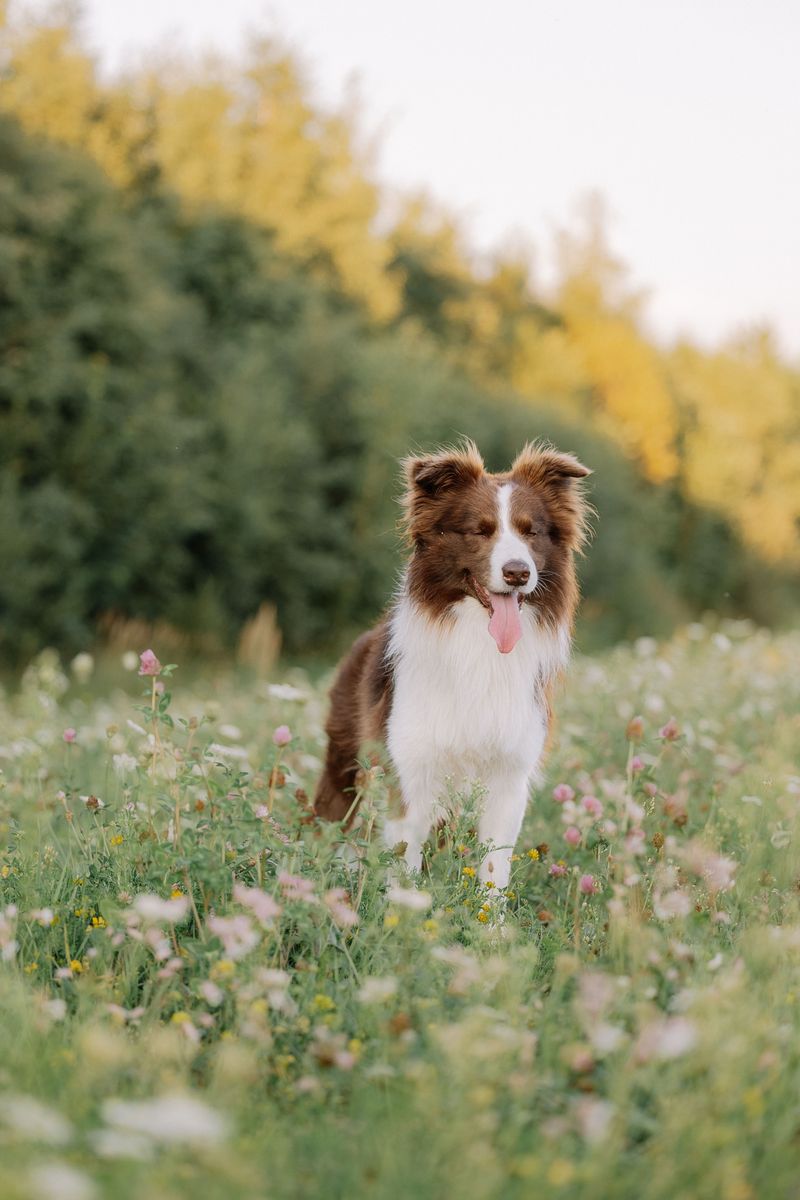
Brilliant is the word that gets people. Videos of Border Collies learning hundreds of toy names make the breed seem like a dream student.
A sharp working mind needs a job, though. Without one, some invent their own, such as circling kids, nipping heels, or staring at the cat for hours.
That famous herding eye is wired into many of them.
Short walks rarely satisfy this breed. Owners who thrive with Border Collies tend to enjoy training games, dog sports, or farm work, not just admiring a smart dog from the sofa.
Chow Chow
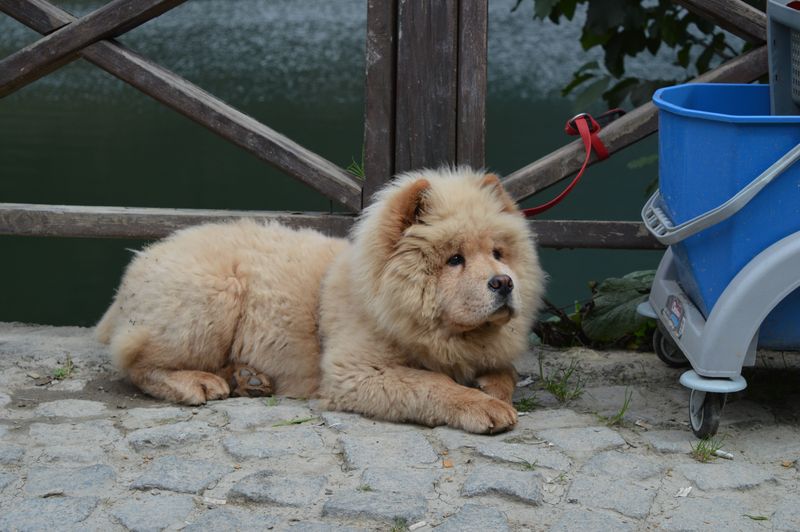
Picture a living teddy bear with a lion’s mane. Few breeds look more huggable than the Chow Chow.
Ironically, many Chows are not big fans of hugs. The breed is often described as reserved, dignified, and somewhat catlike, bonding closely with family while staying aloof with strangers.
Early, steady socialization helps a lot.
That plush coat also needs regular brushing to prevent mats, and the breed’s deep-set eyes and folded skin can be prone to certain issues. Fun fact: the blue-black tongue is a breed hallmark, shared mainly with the Shar-Pei.
Jack Russell Terrier
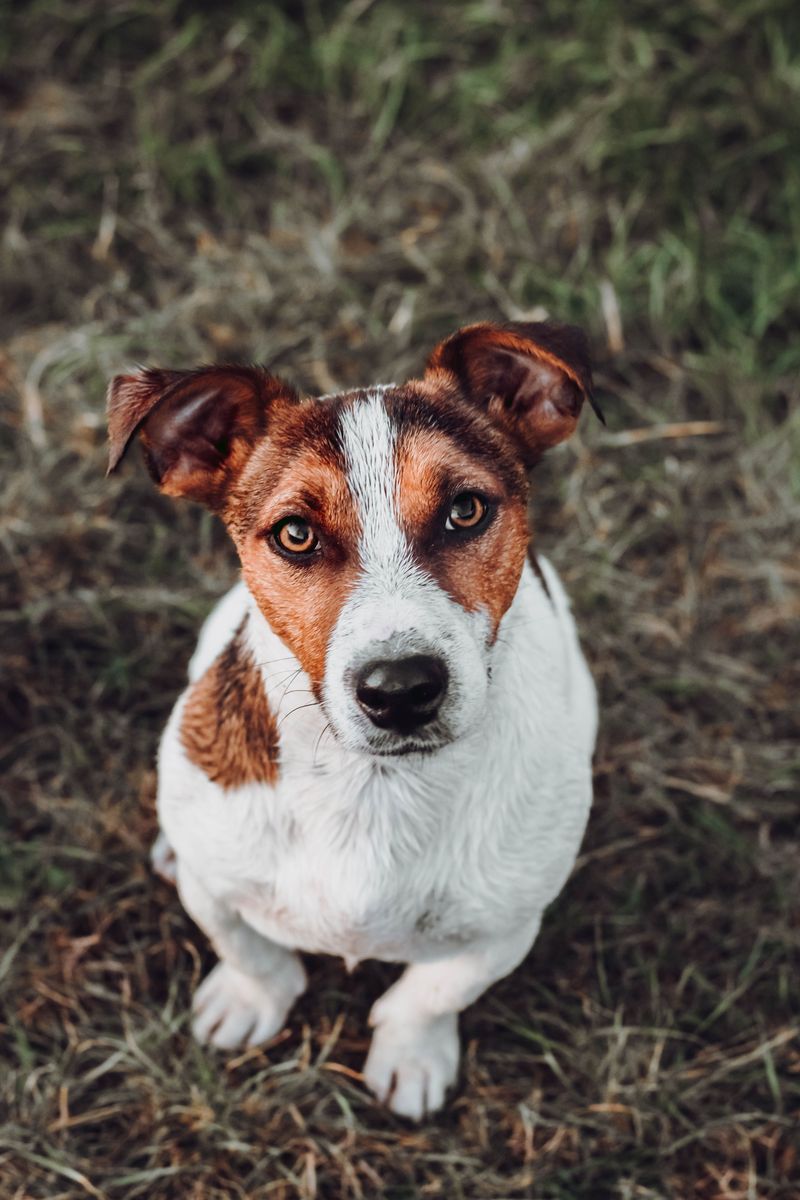
Small size, big spark. Plenty of people meet a Jack Russell on TV and assume it is an easy apartment pal.
These terriers were bred to chase foxes underground, which takes grit and a high drive. In a home, that can mean digging under fences, chasing squirrels, and sometimes clashing with other pets.
Their stamina often outlasts the owner’s.
The Jack Russell Terrier Club of America has long cautioned that the breed is not for everyone. For active people with secure yards, though, the same fire can be a joy.
Australian Shepherd
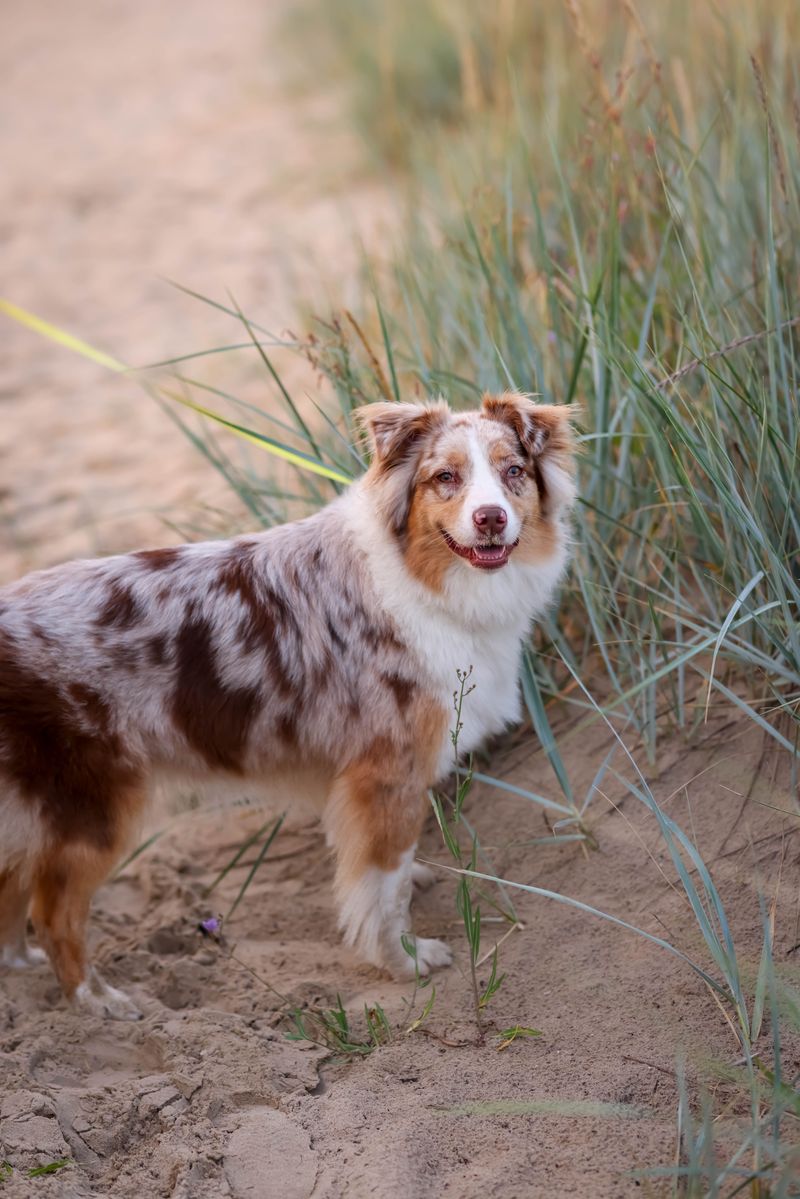
Merle coats and mismatched eyes make Aussies some of the most photographed dogs online. Looks, though, are only the wrapping.
Despite the name, the breed was refined on American ranches to move livestock all day. Many need hours of activity and mental challenge, and frustrated ones may herd children, bark, or pace.
Merle-to-merle breedings can also produce puppies with vision and hearing problems, which is why careful breeders avoid them. Picking a puppy for the rarest color can lead buyers toward the wrong breeder.
English Bulldog
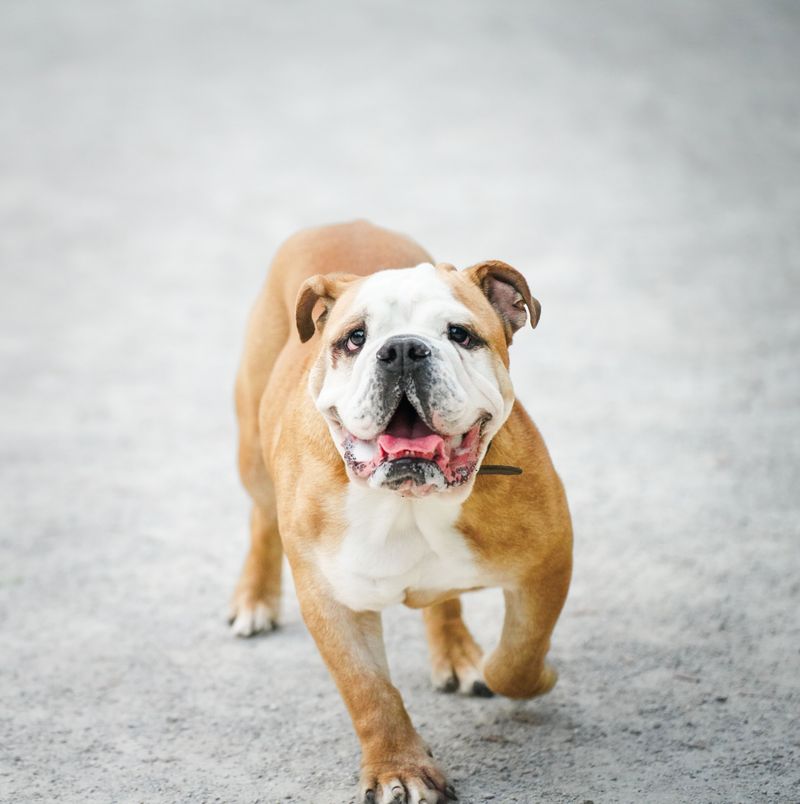
Lazy, snoring, and squishy faced. For many, the Bulldog’s mellow vibe is exactly the appeal.
The flat face behind that charm comes with a short airway, a condition vets call brachycephalic obstructive airway syndrome. Heat and exercise can be risky, and the breed often struggles in summer.
Skin folds need cleaning, and veterinary bills can climb. Royal Veterinary College research has found Bulldogs face higher odds of several common disorders than many other breeds.
A calm dog is great, but budgets need to match.
Weimaraner
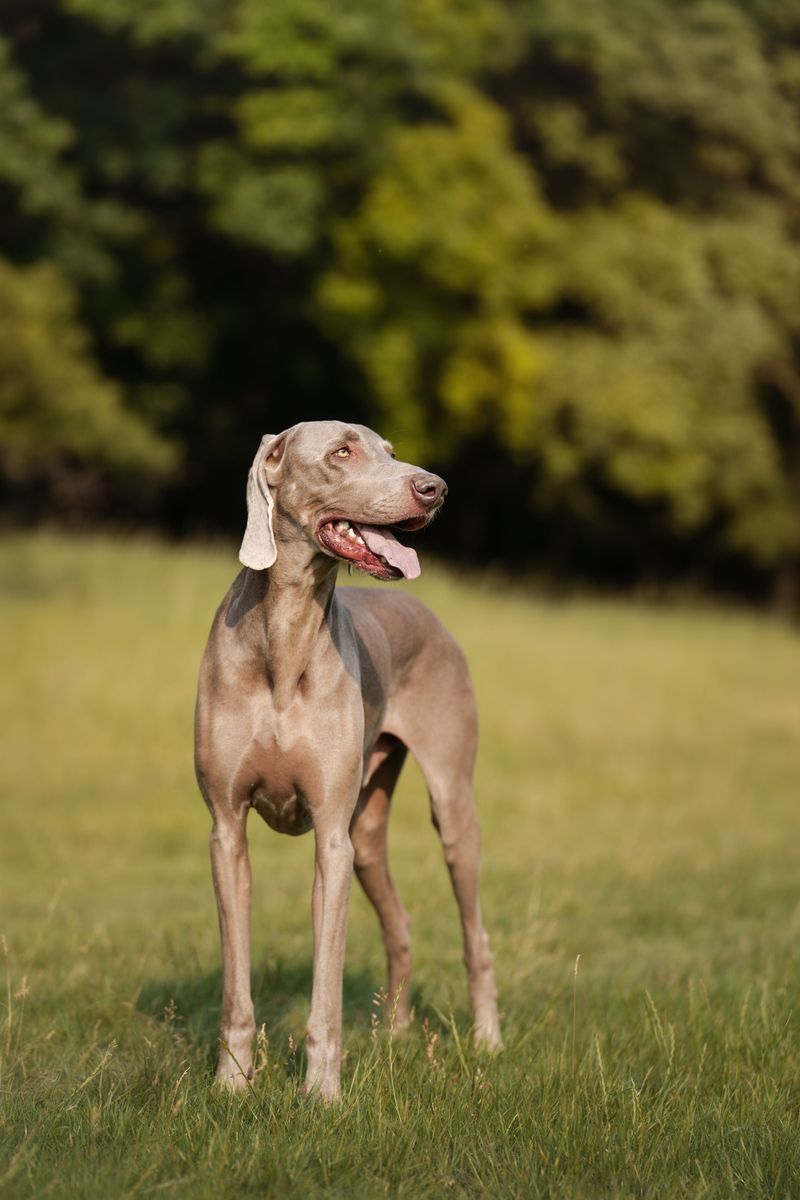
Sleek silver coat, glowing amber eyes, and a gallery-ready look. Weimaraners photograph like art.
Underneath is a German hunting dog with stamina to spare and a strong attachment to its people. That closeness is lovely, yet some individuals can be prone to separation stress, showing up as chewing or howling when left alone.
Nicknamed the Velcro dog, a Weim may follow you room to room. People expecting a cool, elegant statue sometimes get a clingy athlete instead.
Shiba Inu
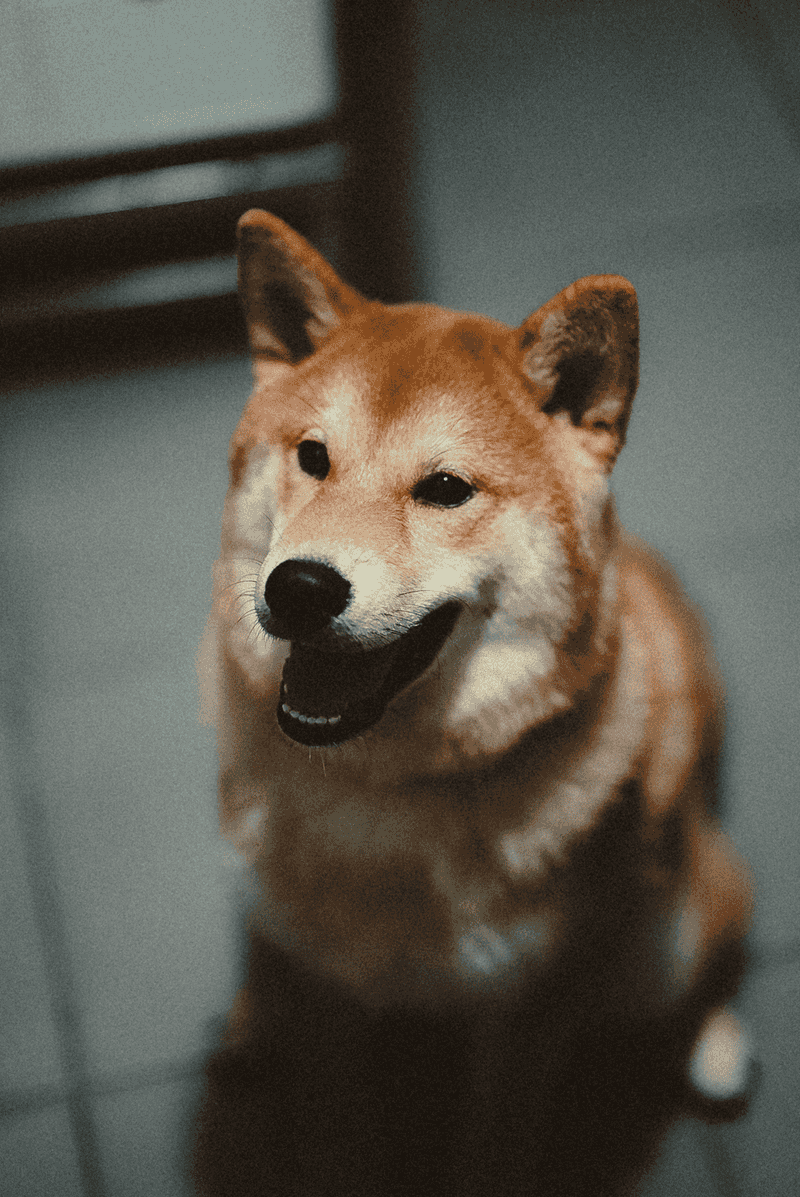
Thanks to internet memes, the Shiba Inu became a celebrity. That foxy grin promises fun.
Real Shibas are often independent and strong-willed, an ancient Japanese hunting breed that likes making its own choices. Off-leash reliability is famously hard, and many dislike being restrained or handled.
Owners also meet the Shiba scream, a dramatic vocal protest during nail trims or baths. It is funny online and less funny at the vet.
Cavalier King Charles Spaniel
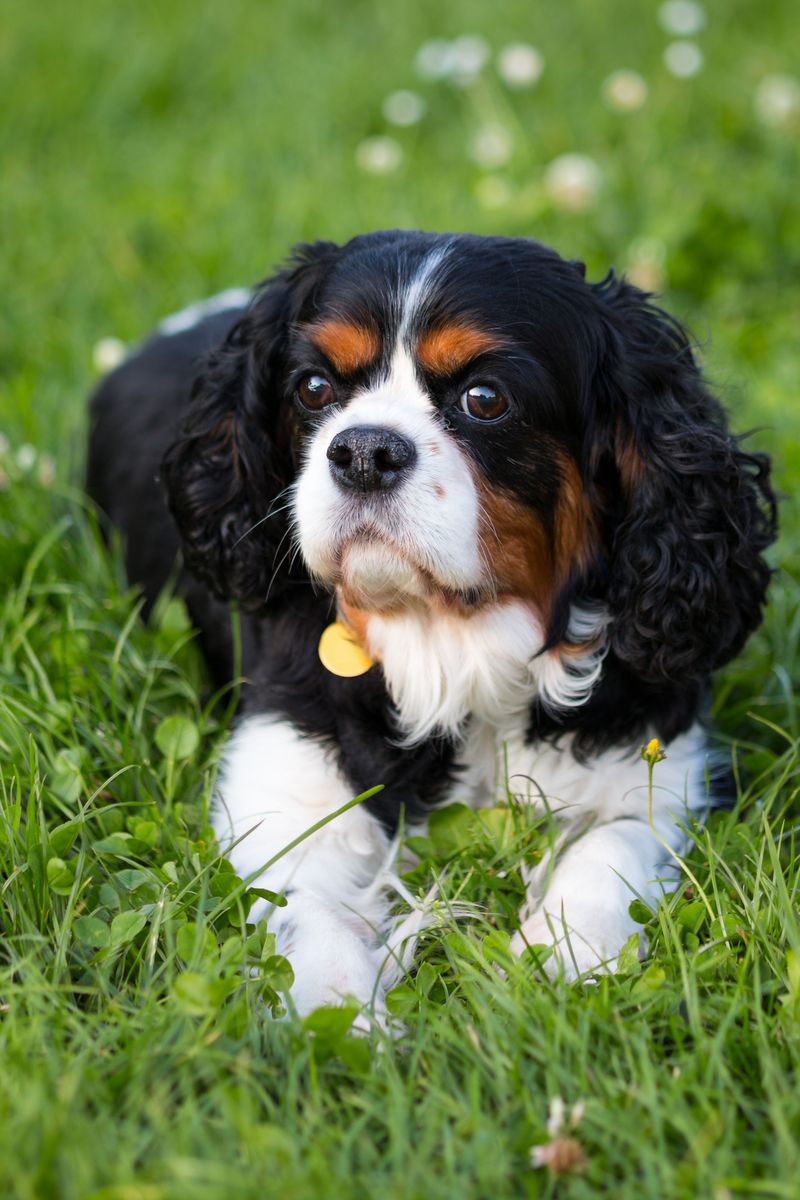
Sweet temperament really is the selling point here, and it is often accurate. Cavaliers are commonly gentle and people-focused.
The harder part is health. The breed carries a high predisposition to mitral valve disease, a heart condition that often appears earlier than in many dogs.
Syringomyelia, a neurological issue, is another concern in the breed.
Choosing a breeder who does heart and MRI screening matters. The same devotion that wins hearts can make illness extra painful for families who did not plan for it.
Belgian Malinois
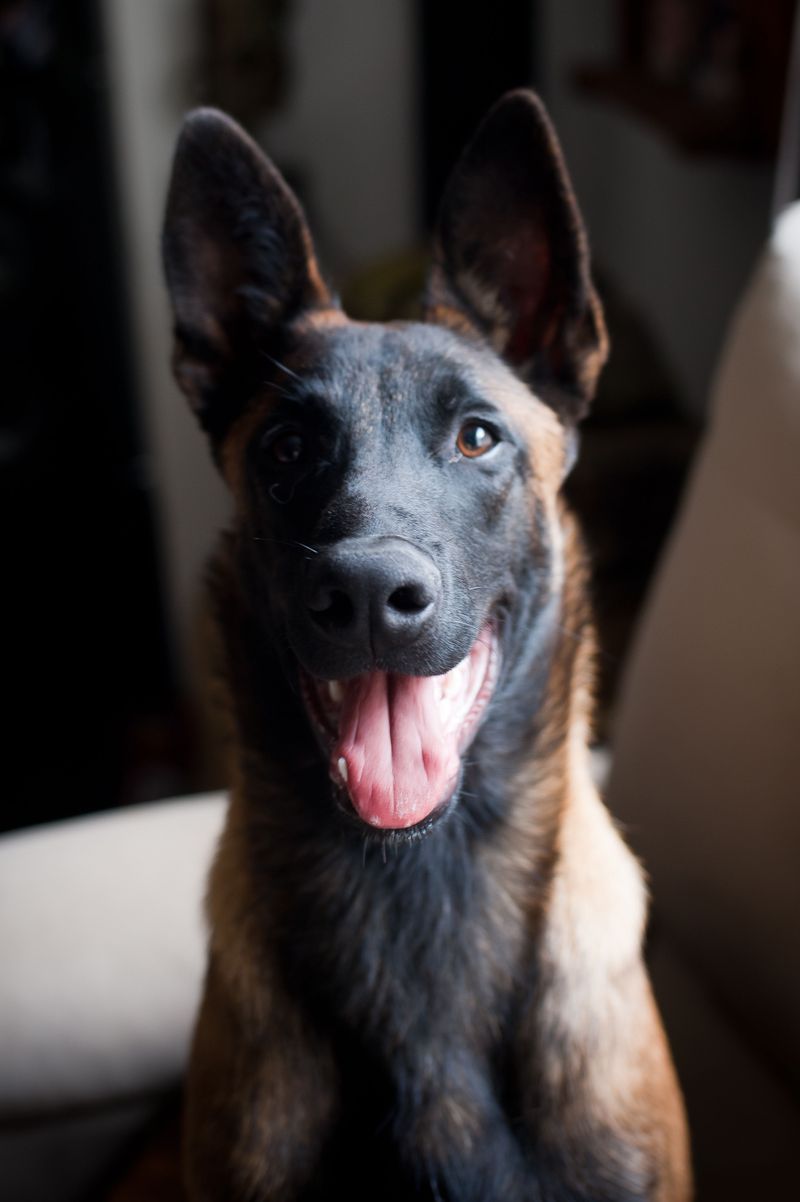
Military and police work made the Malinois famous. Watching one in action, many people want that drive at home.
That intensity is exactly the issue. Malinois are often bred for extreme work drive, and without structured daily outlets, some develop destructive or obsessive habits.
Rescue groups have reported rising surrenders as the breed’s popularity grew.
Experienced handlers with time for training and sports do best. For a typical household, a lower-octane breed is usually the kinder choice.
Samoyed
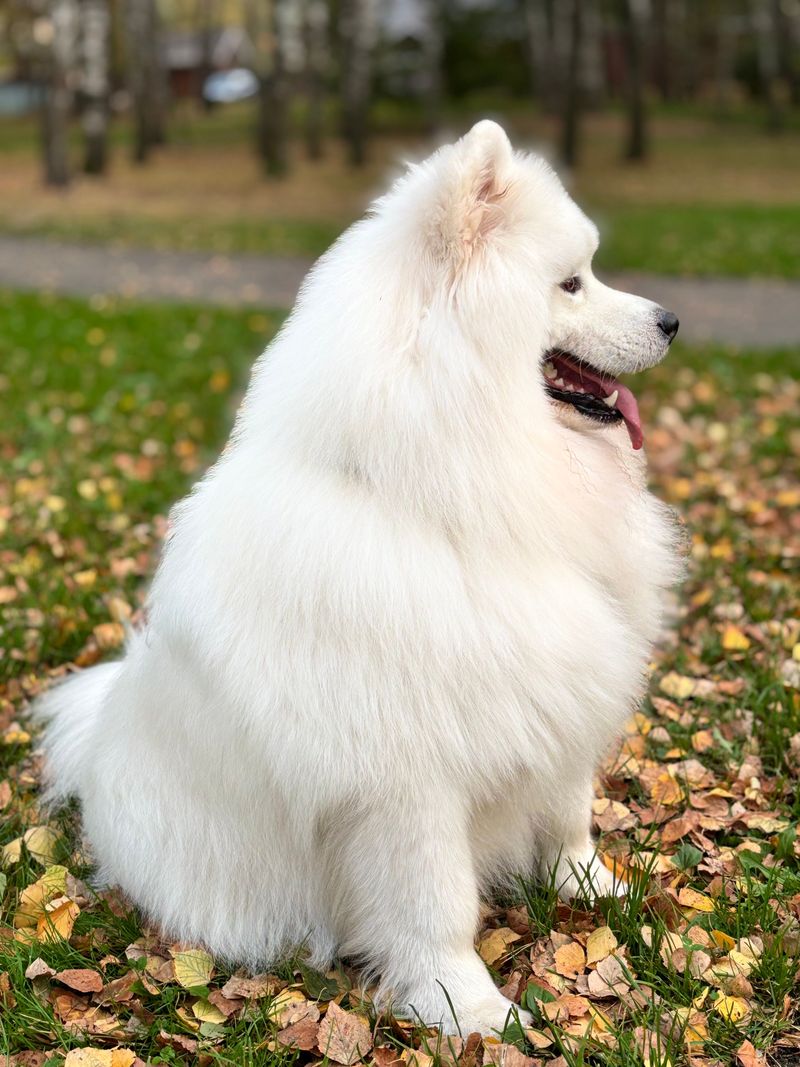
A white cloud with a permanent smile. The Samoyed’s famous grin makes it hard to resist.
Keeping that cloud white takes work. The thick double coat sheds a lot and needs frequent brushing, and seasonal blowouts can fill trash bags.
Warm climates also call for care.
Bred to herd reindeer and pull sleds in Siberia, Samoyeds are social and often vocal. Left alone too long, some bark or dig.
Smiles are real, but so is the vacuum.