Some dogs look like a perfect match until real life kicks in. You see the stunning photos and viral videos, then discover the energy, training, and management these breeds actually demand.
Before you bring one home, get the honest picture so you can plan for success and avoid heartbreak. If you are ready to put in the work, the right match can still be magic.
Siberian Husky
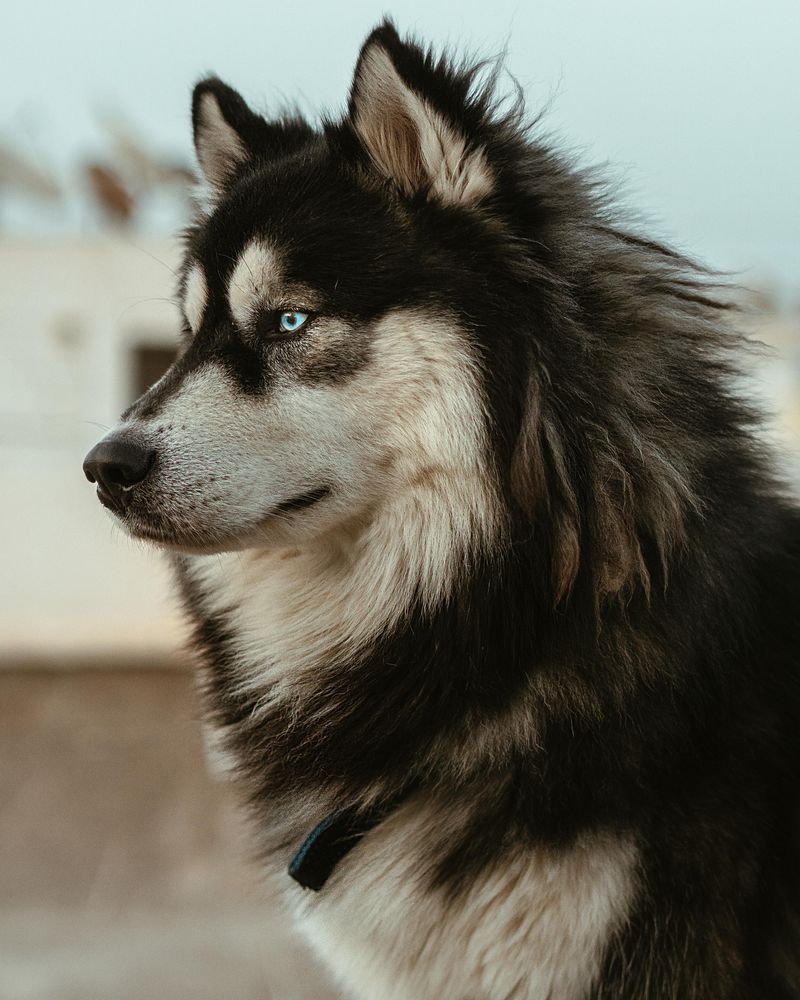
That stunning Husky coat and those blue eyes make hearts skip, but living with one is a workout. These dogs were bred to run for miles, so a quick neighborhood stroll will not cut it.
When bored, they sing, dig trenches, and practice creative escape artistry worthy of a magician.
You need daily vigorous exercise, puzzle games, and a secure yard with tall fences. Grooming is serious because that double coat sheds in blizzards during seasonal blowouts.
Training works best with patience, humor, and high value treats, or they will outsmart your plan and raid your fridge. Apartment life rarely satisfies their engine, and your neighbors might not love the wolfy yodels.
Consider skijoring, trail runs, or structured dog sports.
Belgian Malinois
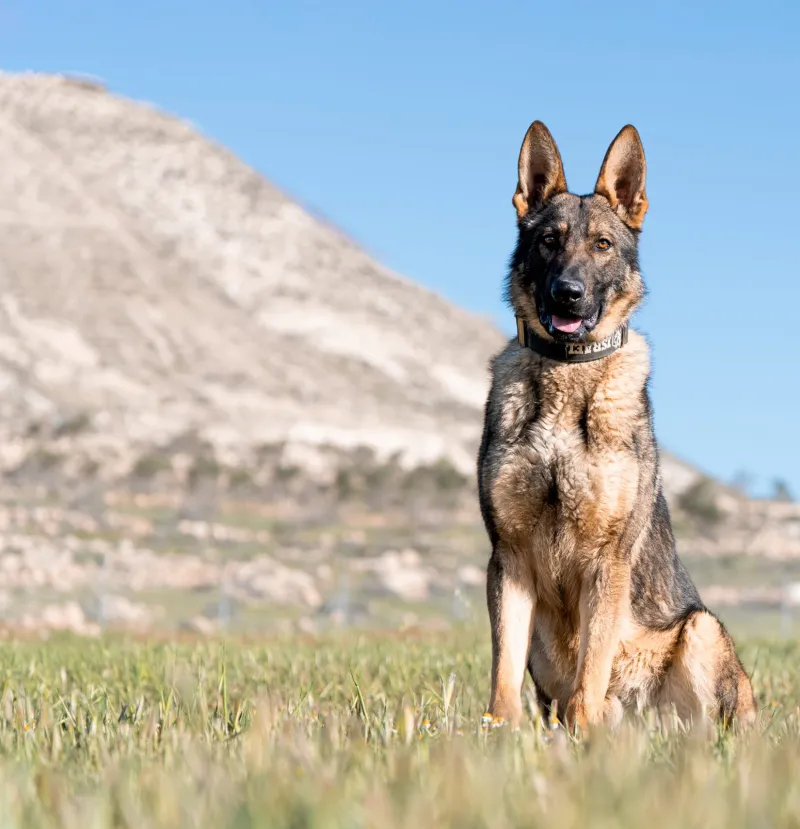
A Malinois looks like a slim German Shepherd, but the engine is on turbo. Police and military units prize them for stamina, bite work, and laser focus.
As pets, that intensity turns into pacing, herding kids, and shredding couches if the brain and body are underworked.
You need structured training, daily obedience reps, grip toys, and real jobs like tracking or sport. Off switches are taught, not natural, so calm behaviors must be reinforced early.
Without that plan, the dog builds their own hobby list, which usually includes wall remodeling and precision landscaping in your yard. If you crave a couch buddy, choose another breed, because this athlete wants goals, coaching, and measurable progress every single week.
Without fail daily.
Border Collie
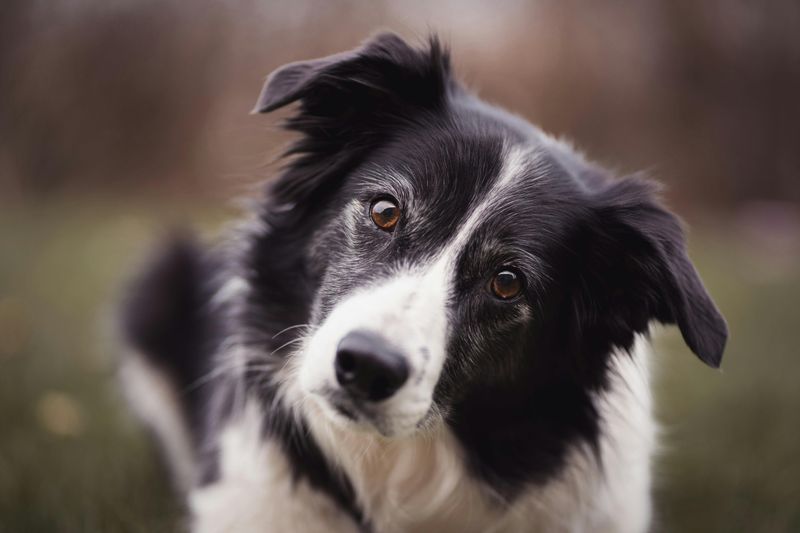
Border Collies are geniuses in fur suits, and genius gets bored fast. That piercing stare is for livestock, not your Netflix queue, so expect relentless motion.
Without complex tasks, they invent jobs like herding skateboards, shadow chasing, and obsessive ball demands that never end.
You will need brain games, scent puzzles, trick training, agility foundations, and real stock work or sport outlets. Walks are maintenance, not enrichment, so plan targeted sessions that teach impulse control.
Manage stimulation carefully, or anxiety can blossom into nipping, spinning, or endless fixations that frustrate both you and neighbors. If you love coaching and celebrating tiny breakthroughs, this brilliant partner will thrill you, but idle lifestyles will break hearts.
Choose wisely before adopting for life.
Dalmatian

Spotted coats draw attention, yet Dalmatians come with historic endurance and sensitivity. They were carriage dogs built to run beside horses, not nap beside laptops.
Without vigorous outlets, they can become restless, mouthy, and quick to react to chaotic households or inconsistent routines.
Expect daily runs, structured obedience, and careful socialization around noise and strangers. Grooming is easy, but the shedding is legendary, so lint rollers become accessories.
Deafness occurs in the breed, so screening matters, and training may need visual cues, patience, and creative games that reward calm choices. If your schedule is packed and patience thin, the pretty spots will not offset unmet needs.
Plan fitness, manners, enrichment, and teamwork before you bring one home for lasting harmony.
Akita
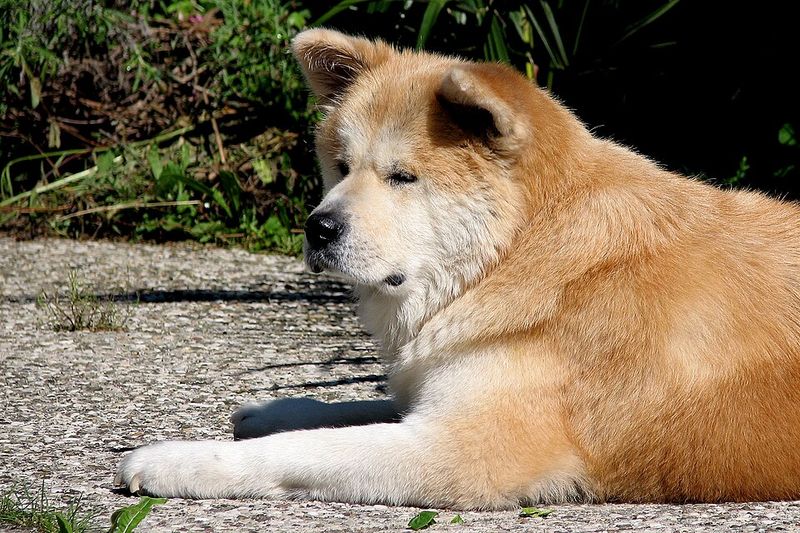
Akitas are imposing, loyal, and famously independent, which can feel aloof. Many are not dog park candidates, since same sex aggression and guarding tendencies are common.
Combine that with size, strength, and a stubborn streak, and novice owners quickly feel overwhelmed on busy sidewalks.
Early training, rock solid boundaries, and thoughtful socialization are essential for safety. Expect to manage introductions carefully and prioritize neutrality over forced friendliness.
Daily exercise, mental work, and respectful handling maintain harmony, but inconsistency invites pushback, resource guarding, or control battles that strain relationships. This breed shines with calm leaders who appreciate dignity, privacy, and rituals that keep arousal low.
If you want a social butterfly, think twice and plan management for every outing and holiday.
Chow Chow
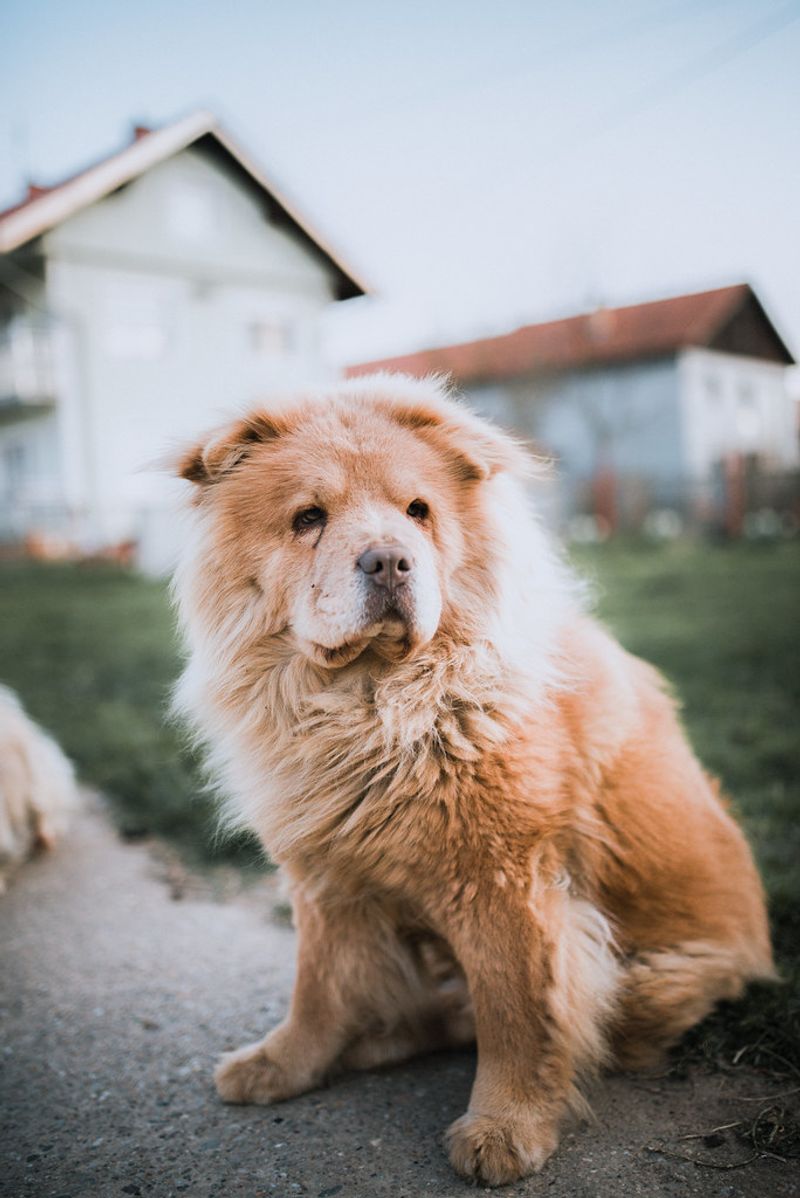
Chow Chows look like plush bears, yet they are dignified, catlike, and reserved. Many dislike rough handling and surprise hugs, especially from strangers.
That independence means training requires finesse, food motivation, and short sessions, not pushy techniques or loud corrections.
Grooming is serious, because that thick coat mats and traps heat without regular care. Exercise needs are moderate, but boredom breeds stubborn protests and selective hearing.
With clear routines, respectful boundaries, and careful socialization, a Chow can thrive, yet unprepared families often feel rebuffed by the aloof vibe. If your household loves constant cuddles and spontaneity, expectations will clash and frustrations grow.
Plan air conditioning, brushing routines, and consent based handling to keep trust during grooming and busy gatherings too.
Jack Russell Terrier
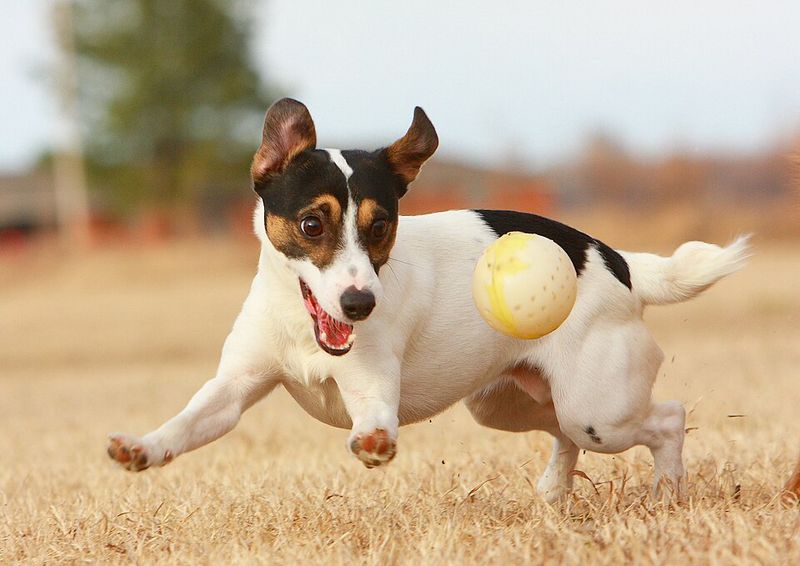
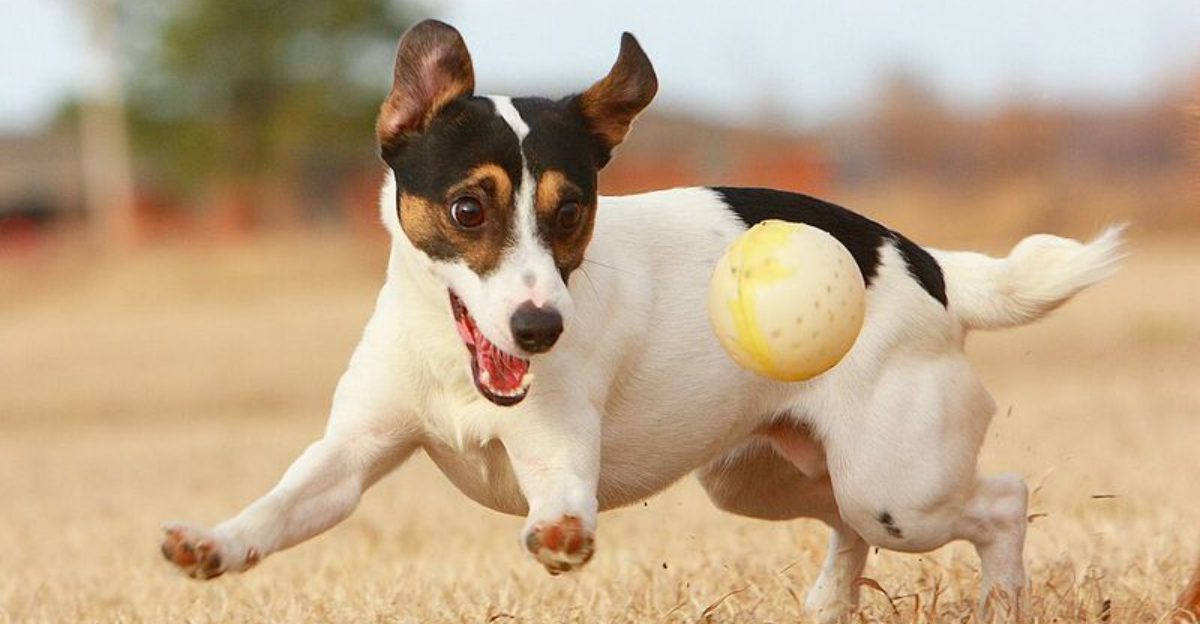
Small body, giant engine describes the Jack Russell perfectly. Bred for fox work, they sprint, dig, and vocalize like tiny athletes on espresso.
Without a mission, they dismantle cushions, scale fences, and argue with squirrels from dawn to bedtime.
You need secure fencing, tug and fetch outlets, scent games, and trick training that channels sass into skills. Calm mat work helps, but expect a spicy spirit that questions rules.
If your vibe is chill minimalism, this comedian will test patience unless you schedule real jobs and daily adventures. Dog sports like earthdog, flyball, or parkour provide structure, joy, and better sleep.
Use long lines, layered rewards, and humor when setbacks appear. Progress comes in bursts, so celebrate every win loudly.
Australian Cattle Dog
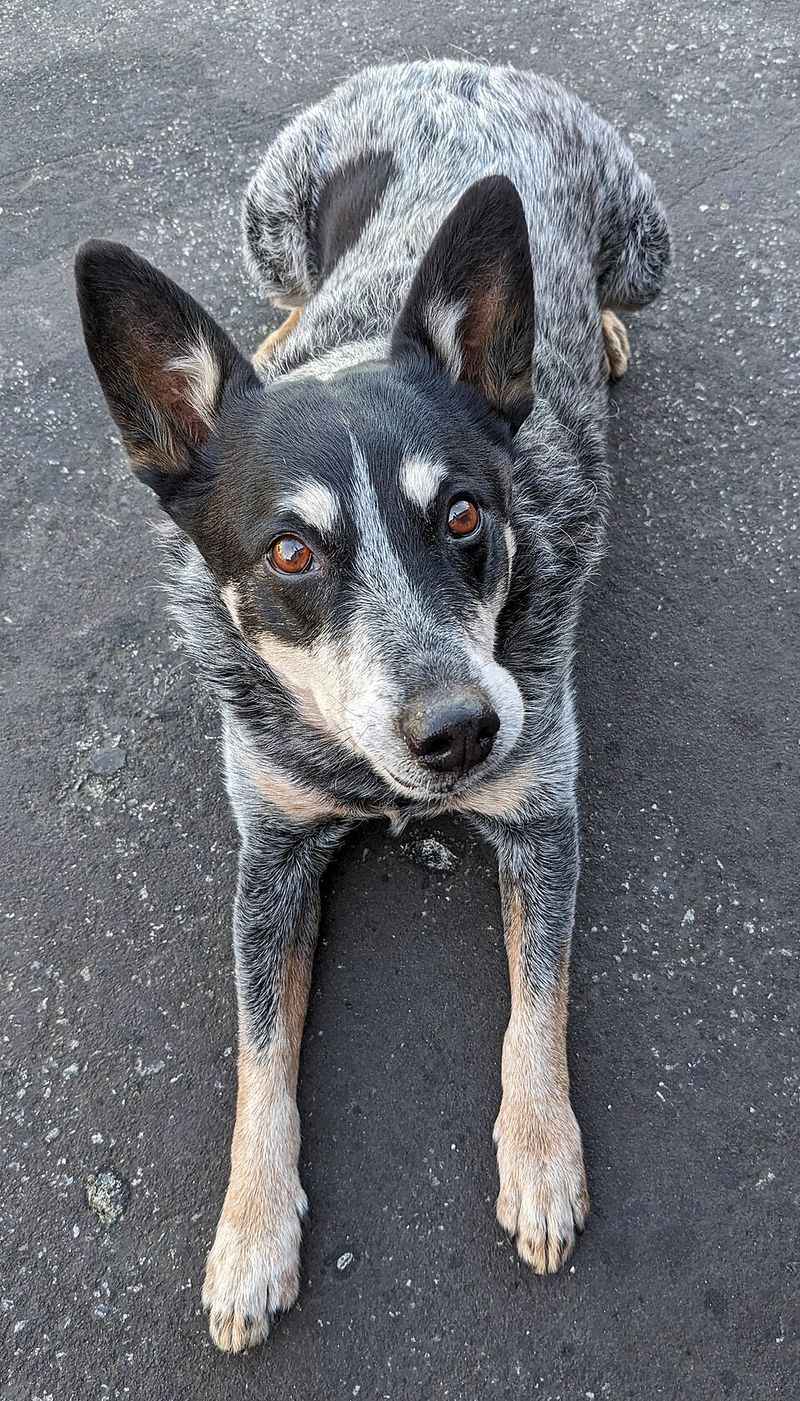
Heeler brains and grit pack a punch in a compact body. Australian Cattle Dogs were bred to drive stock, heel hard, and make independent choices across rough terrain.
In suburbia, that grit becomes nipping at heels, patio demolition, and boundary testing if leadership is inconsistent.
You will want herding lessons, structured fetch with rules, place training, and durable enrichment toys. Long hikes help, but targeted drills matter more than mindless mileage.
Socialization should prioritize neutrality around motion and bikes, or the chase program activates, and complaints from joggers follow quickly. Clarity, consistency, and fair consequences shape brilliance into partnership instead of conflict.
If boredom arrives, this worker rewrites your landscaping and schedules chaos. Plan jobs for every single day please.
Weimaraner
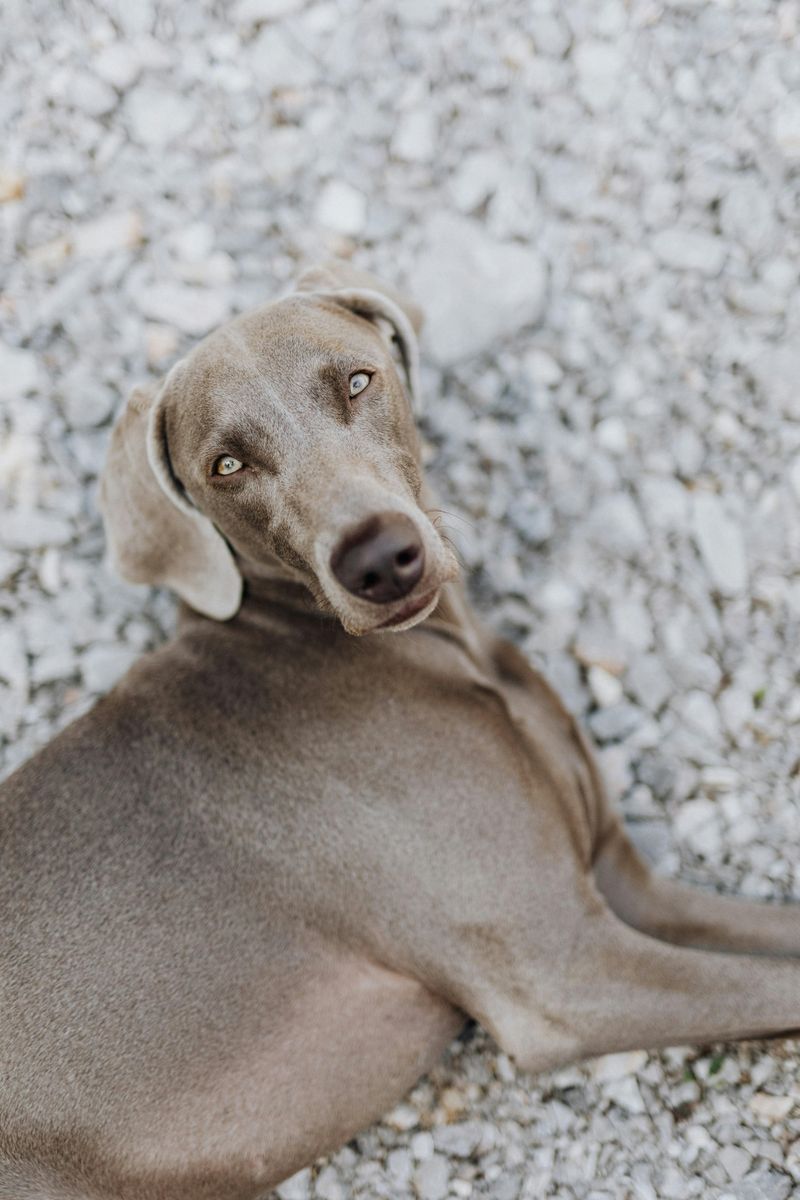
Silver gray glamour hides a sensitive, velcro athlete who hates being alone. Weimaraners crave closeness and action, so separation can spark howling and destructive scraping at doors.
Their prey drive is real, which means cats, squirrels, and open doors demand vigilant management.
Expect long runs, field games, and obedience with heavy use of rewards. Calm boundary training is crucial, or frantic greetings and counter surfing become the household soundtrack.
If you treasure serenity and minimal hair, think carefully, because this glorious shadow needs guidance, outlets, and patient crate training to truly settle. Hunting clubs, tracking, or canicross channel energy and build confidence with teamwork.
Left idle, they compose symphonies of woe for the entire neighborhood at sunset and dawn often.
Cane Corso
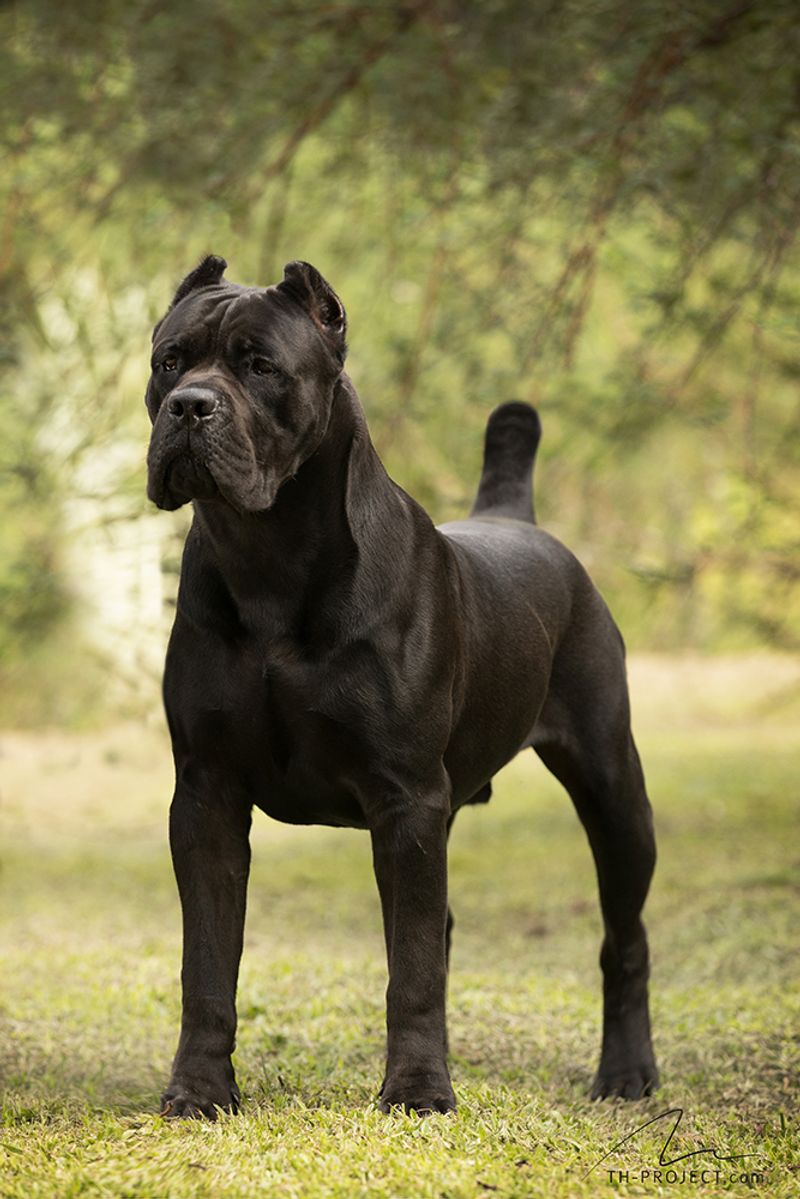
The Cane Corso is a powerful guardian with serious presence and big feelings. They bond deeply and may misinterpret strangers, delivery people, or rowdy guests as problems to solve.
Without early training and management, that protective instinct can outpace judgment and create risky moments.
Plan for professional coaching, neutrality drills, muzzle training, and bulletproof obedience before adolescence. Social skills must be rehearsed everywhere, from sidewalks to vet lobbies, so you can redirect confidently.
This breed thrives with structure and respect, but inconsistent households invite conflict, property damage, and liability nobody wants on their conscience. If adopting, secure insurance, sturdy fencing, and support from experienced mentors.
Choose calm breeding lines, and commit for the long haul with steady daily leadership always.
Alaskan Malamute
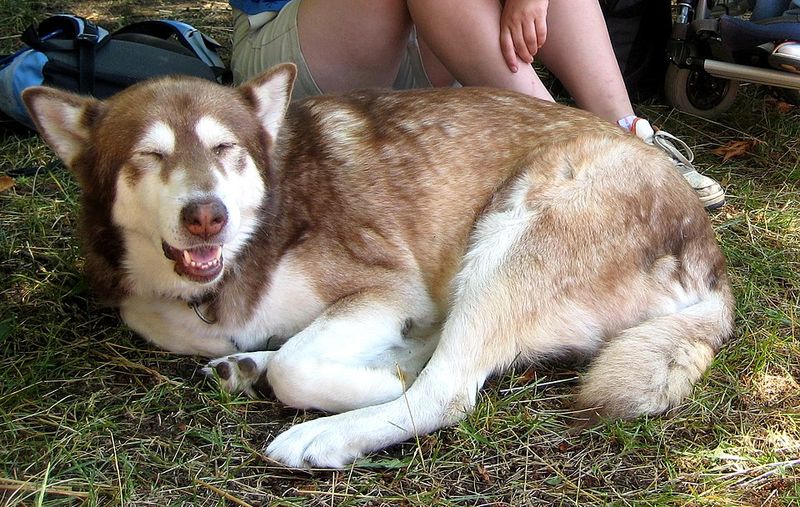
Majestic and strong, Malamutes are freight haulers with party energy and stubborn humor. They love people, but roughhouse like linebackers and forget their size on slick kitchen floors.
High prey drive and wanderlust mean leashes, tall fences, and ID tags are non negotiable.
Daily workouts, weight pulls, backpacking, and brain games keep chaos minimal. Grooming is serious, because blow coat season turns homes into snowglobes of fluff.
If you want a biddable learner, think twice, since Malamutes bargain creatively and deliver comic protest when pushed without fairness or choice. Channel that willpower with sled sports, flirt poles, and consent based handling.
Apartment living often fails, so plan space, and budget for industrial vacuum bags plus outdoor adventures year round together.
Basenji
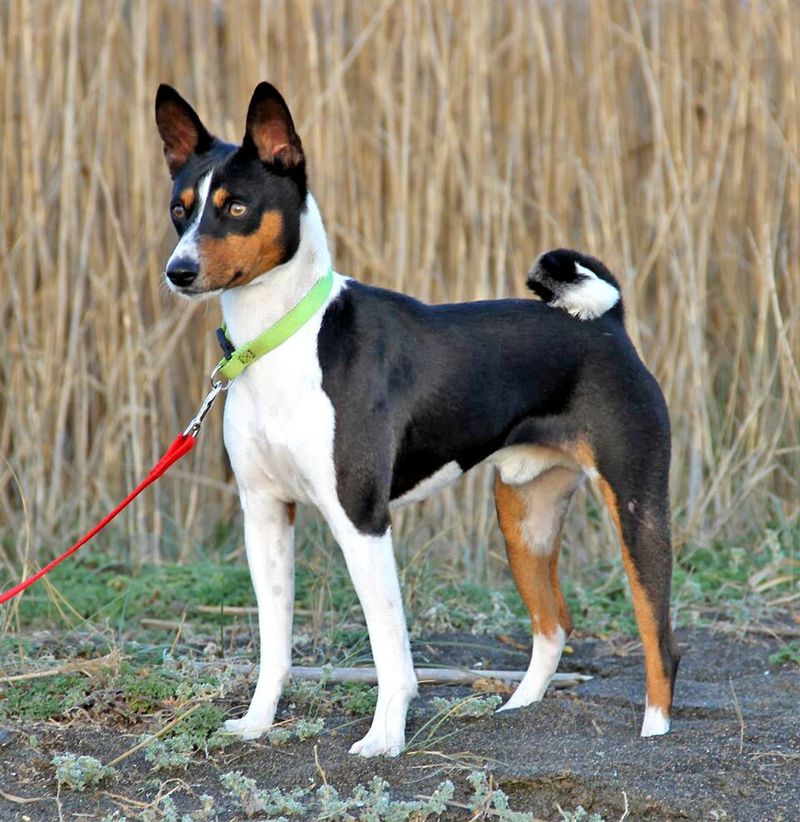
The barkless Basenji is quiet, but not low energy or low drama. Expect yodels, catlike independence, and a comedian who steals laundry for sport.
Strong prey drive and agile jumping make yards feel small, and recall can be a polite suggestion at best.
Short coats shed little, yet grooming still matters, because nails grow like talons. Training needs creativity, food play, and short sessions that end before boredom.
If confinement is sloppy, a Basenji becomes an escape artist extraordinaire, so reinforce gates, supervise doors, and value relationship over rigid control. Respect autonomy, add scent games, and laugh at mischief while guiding kindly.
Apartment neighbors will appreciate your planning, because the yodel travels through walls like radio at full volume sometimes.
Shiba Inu
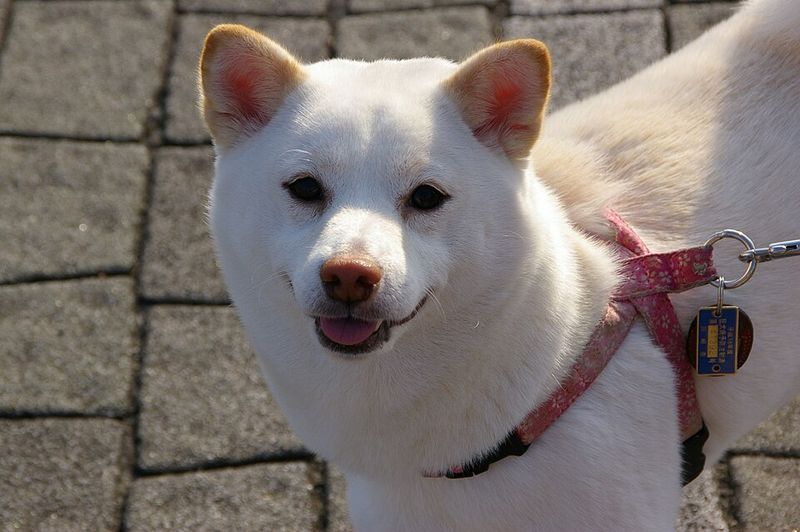
Shibas look like foxes and act like diplomats with personal agendas. They are tidy, clever, and dramatic singers when displeased.
Many dislike rough grabbing, so kids and chaotic greetings can spark the famous scream and nimble dodging.
Training must be respectful, food forward, and focused on choice. Off leash reliability is rare, so double leashes and secure yards save headaches.
If you want cuddly obedience on demand, prepare for negotiation, because the Shiba values autonomy, clean routines, and humor more than constant direction. Grooming is easy, but seasonal coat blowouts create fluff storms and dramatic selfies.
Early socialization, city walks, and chill cafe sessions build confidence without pressure. Bring treats, patience, and respect for no thank you moments too often.