Some dogs look perfectly composed at the cafe or dog park, then crumble the moment the door clicks behind you. If you have ever returned to scratched doors, chewed pillows, or heartbroken howls, you know the feeling.
The good news is you are not alone, and your dog is not being dramatic. Let’s explore the breeds that seem cool in public but need extra support when left solo, plus what you can do to help.
Vizsla

Vizslas parade confidence in public, greeting strangers with silky grace and a wag that melts hearts. At home alone, that confidence can unravel fast.
This breed bonds intensely, often shadowing you from room to room like a velvet-coated echo. When solitude hits, pacing, whining, or door-scratching may follow.
Their energy and sensitivity feed the spiral.
Prevent the meltdown by making departures boring and predictable. Use high-value chews, puzzle feeders, and crate training that feels like a den, never a punishment.
Prioritize daily exercise plus sniffy walks to drain mental batteries. Start with micro-absences and gradually lengthen time away.
Teach a solid place command for calm independence.
Weimaraner
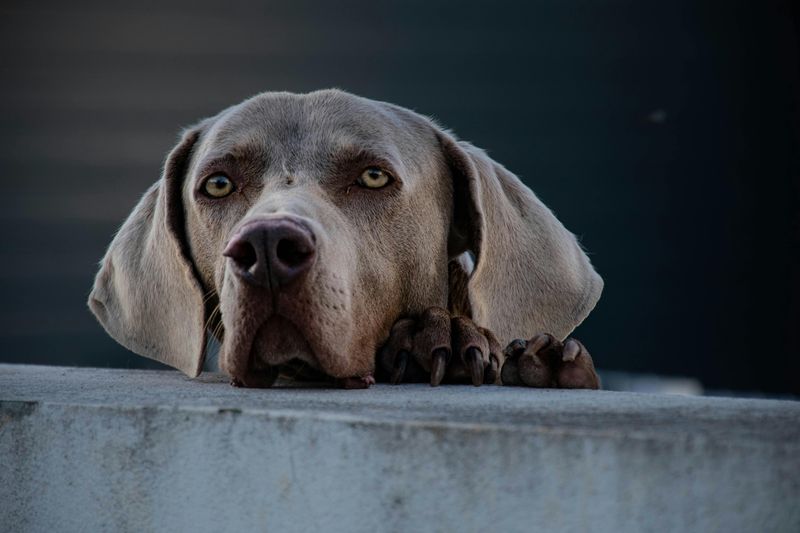
Weimaraners are striking showstoppers outdoors, but solo time can trigger dramatic distress. Bred as close-working hunting companions, they crave contact and purpose.
Without it, destructive chewing or frantic howling sometimes surfaces. You may notice them glued to you at home, then distraught the second you leave.
Their athletic brain needs real work.
Preempt issues with strenuous exercise, scent games, and structured obedience. Feed part of meals through puzzle toys to stretch independence.
Start departure rehearsals with short intervals and calm returns. Avoid overly affectionate goodbyes that spike arousal.
Consider crate training with cozy bedding and white noise. When in doubt, a certified trainer or vet can tailor a plan.
Italian Greyhound
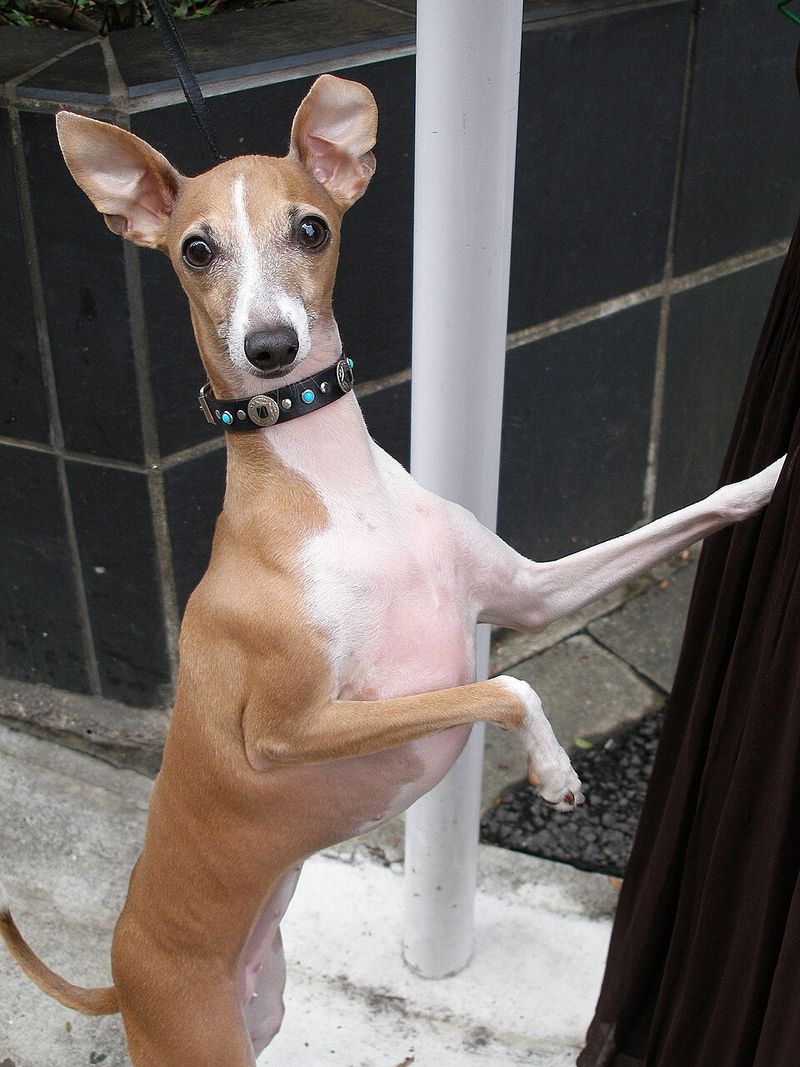
Italian Greyhounds charm everyone with delicate elegance and polite public manners. Alone, they can become trembly little shadows searching for comfort.
These sensitive dogs bond deeply and often dislike sudden changes. Scratching doors, restlessness, or accidents may sneak in when stress peaks.
Gentle handling is everything with this breed.
Warmth, routine, and soft bedding help them settle. Practice short absences paired with a safe chew or snuffle mat.
Keep exits low-key and calm. Teach place and settle behaviors using tiny rewards.
Consider a snug vest for comfort and stable room temperature. If anxiety persists, consult your vet about additional support.
Patience pays off for these tender souls.
Cavalier King Charles Spaniel
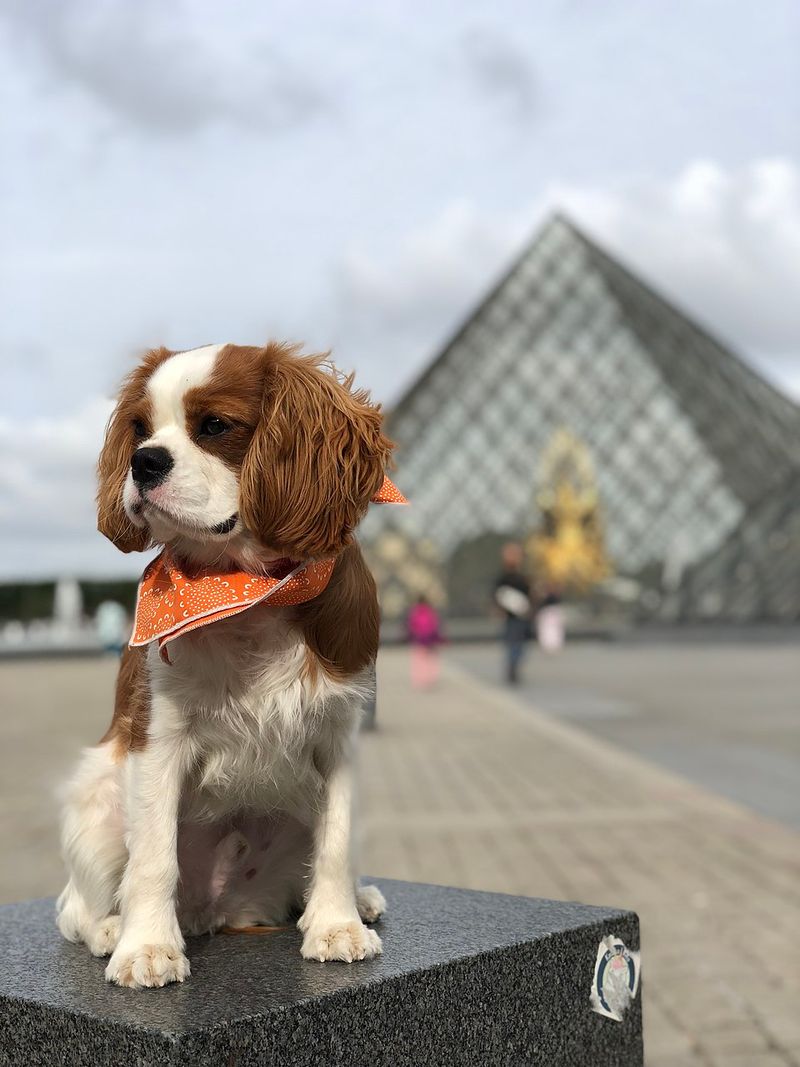
Cavaliers look perfectly composed visiting friends or strolling downtown. Alone, their soft hearts can shatter quickly.
This affectionate breed was made for laps and companionship. When left solo, you might see pacing, whining, or over-grooming.
They often follow you closely, which makes sudden silence extra tough. Gentle structure helps.
Build confidence with calm independence training. Place mats, scatter feeding, and mealtime puzzles extend focus.
Keep departures short and predictable at first. Enlist a midday walker or trusted neighbor if schedules run long.
Keep grooming and vet care comfortable to reduce overall stress. With patient practice and love, Cavaliers learn to self-soothe and wait for you peacefully.
Havanese
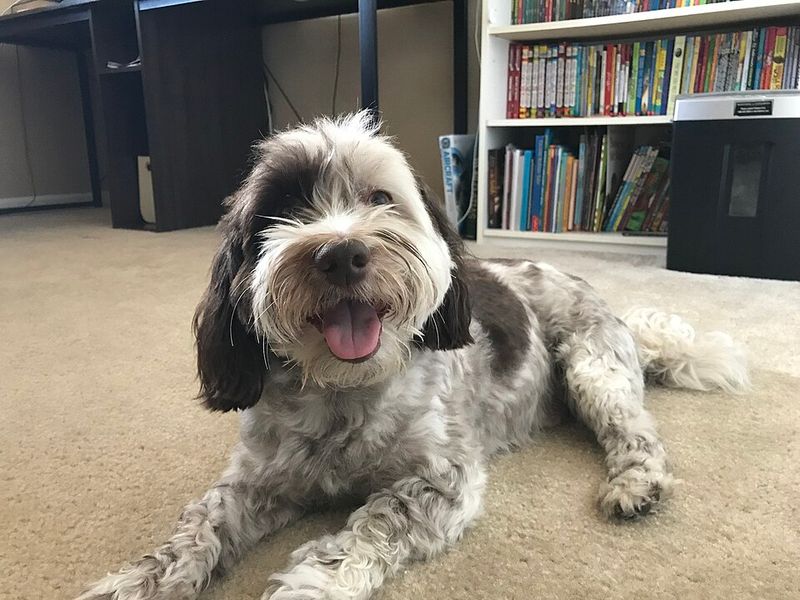
Havanese radiate joy in public, greeting admirers with bouncy charm. At home without you, that sparkle can dim.
This Velcro-prone companion breed thrives on closeness and routine. When left alone, some vocalize, pace, or dig at rugs.
Their social intelligence means they notice every departure cue. Soften the blow with smart structure.
Rotate puzzle feeders and safe chews to keep minds busy. Practice independence by rewarding relaxed behavior on a cozy mat.
Use brief, boring exits and equally boring returns. Try window film or white noise to reduce triggers.
Regular grooming and gentle handling maintain overall comfort. With consistency, Havanese learn that quiet time is safe time.
Bichon Frise
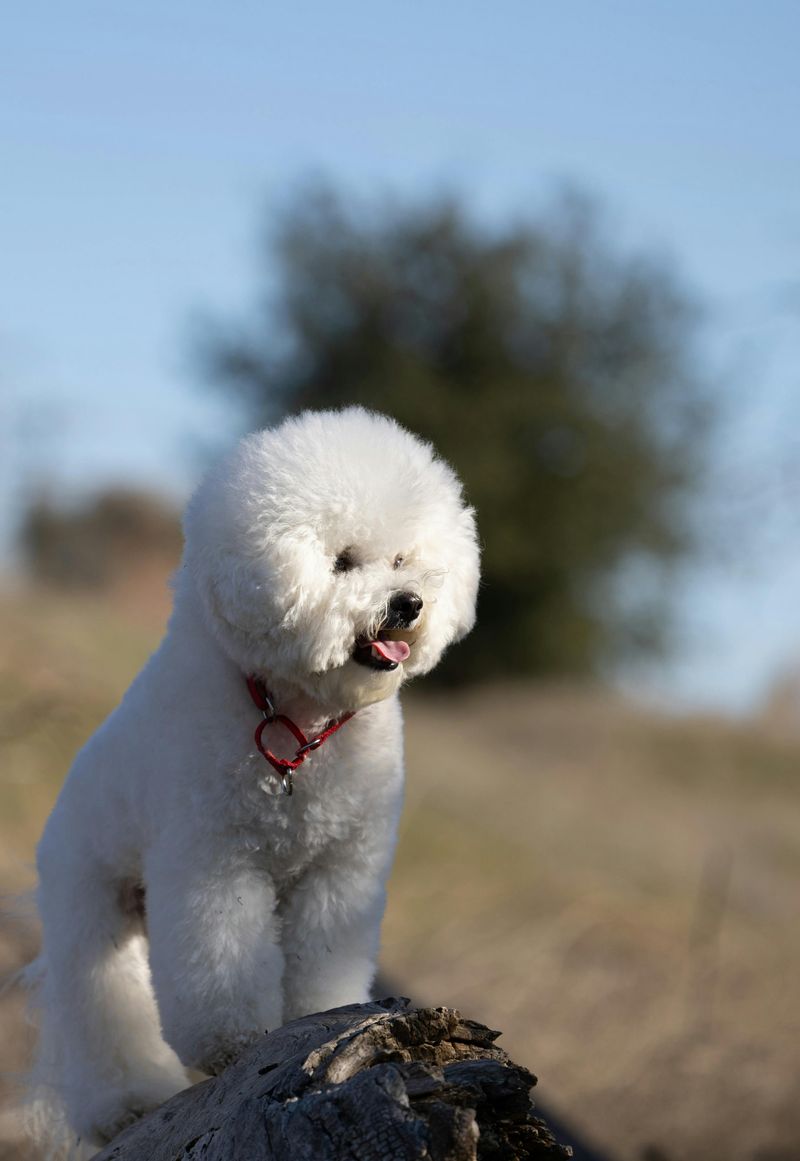
Bichons sparkle in social settings, soaking up attention like sunshine. When solitude arrives, the mood can flip quickly.
Sensitive and people-focused, they may bark, scratch, or nibble at furniture. Some even refuse food until you return.
Predictability and enrichment make a big difference for these cheerful clouds. Start small and steady.
Create a comforting station with a bed, chew, and scent-worn T-shirt. Feed breakfast through a slow puzzle while you step out briefly.
Avoid dramatic goodbyes that inflate worry. Daily walks, training games, and trick sessions build resilience.
Teach a settle routine so calm earns rewards. Over time, your Bichon will trust that alone time is temporary and safe.
Cocker Spaniel
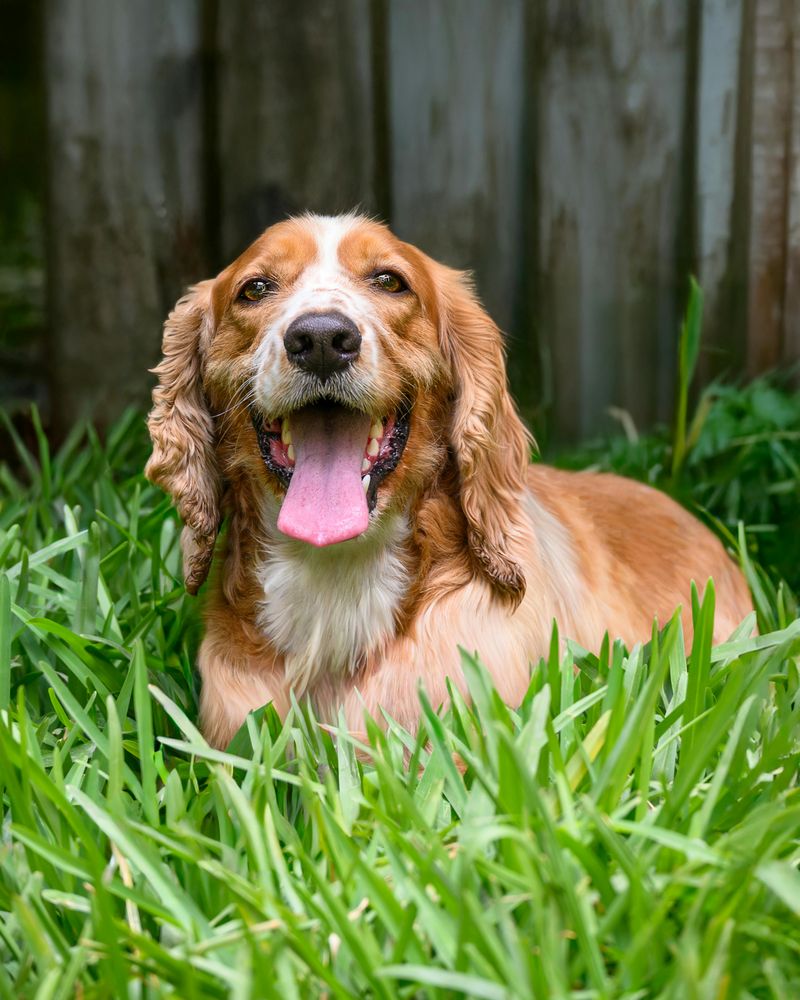
Cocker Spaniels win admirers with sweetness and steady public manners. Left alone, some struggle mightily.
Their eager-to-please nature and sensitivity can snowball into anxiety. You might notice whining, drooling, or destructive chewing.
Early independence practice keeps things balanced. They flourish with routine, exercise, and compassionate guidance.
Teach place and stay with small, successful steps. Offer long-lasting chews or lick mats when you leave.
Use white noise or calming music to mask hallway sounds. Keep walks rich with sniffing and simple obedience to burn mental energy.
If setbacks happen, shorten absences and rebuild. A patient plan helps Cockers relax and trust the quiet.
Papillon
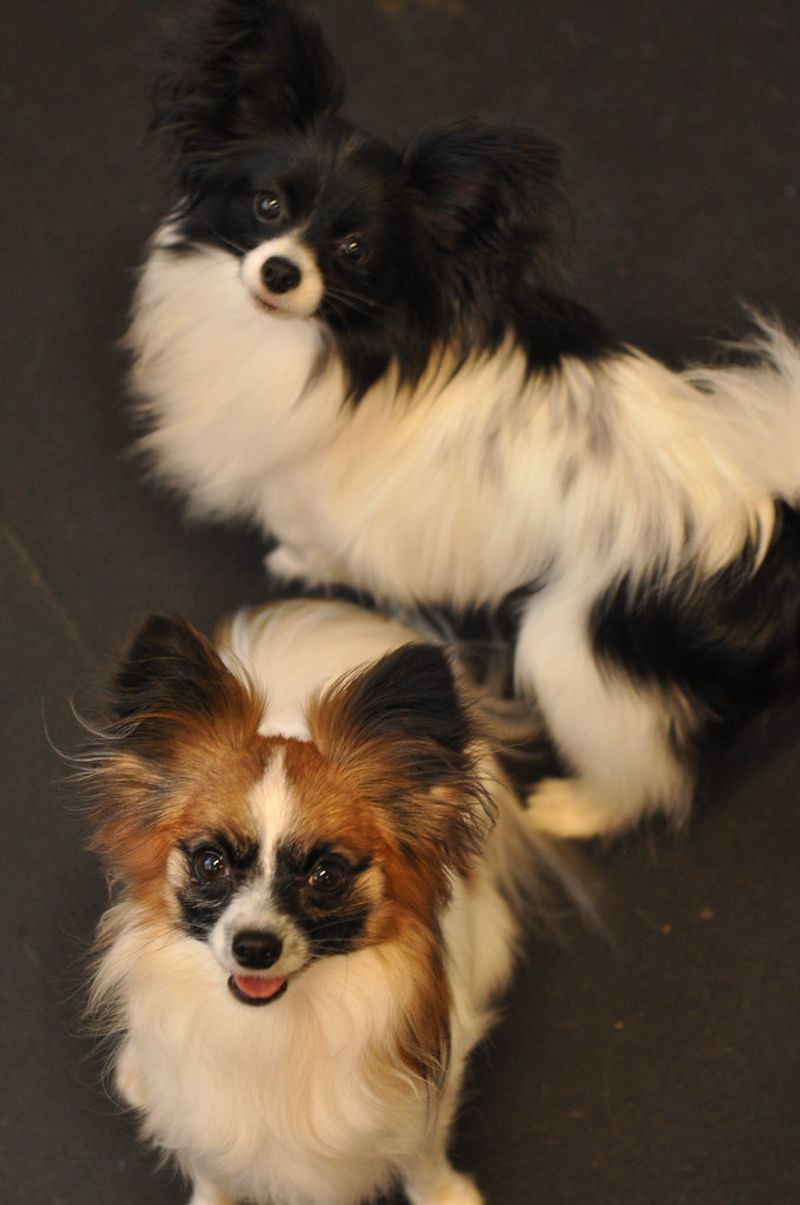
Papillons shine at agility demos and patios alike, but alone they can fret. Their sharp minds notice patterns fast, including your pre-departure routine.
Without a job, anxious barking or pacing can surface. They are tiny, yet their feelings are big.
Channel that intelligence so it works for you, not against you.
Use clicker games, scent work in muffin tins, and stuffed Kongs for solo focus. Normalize short exits several times a day.
Keep returns neutral and reward quiet, settled behavior. Rotate toys to maintain novelty.
Teach a drop on mat cue for confident relaxation. With mental workouts and steady expectations, Papillons learn to greet solitude like a puzzle, not a panic.
Toy Poodle
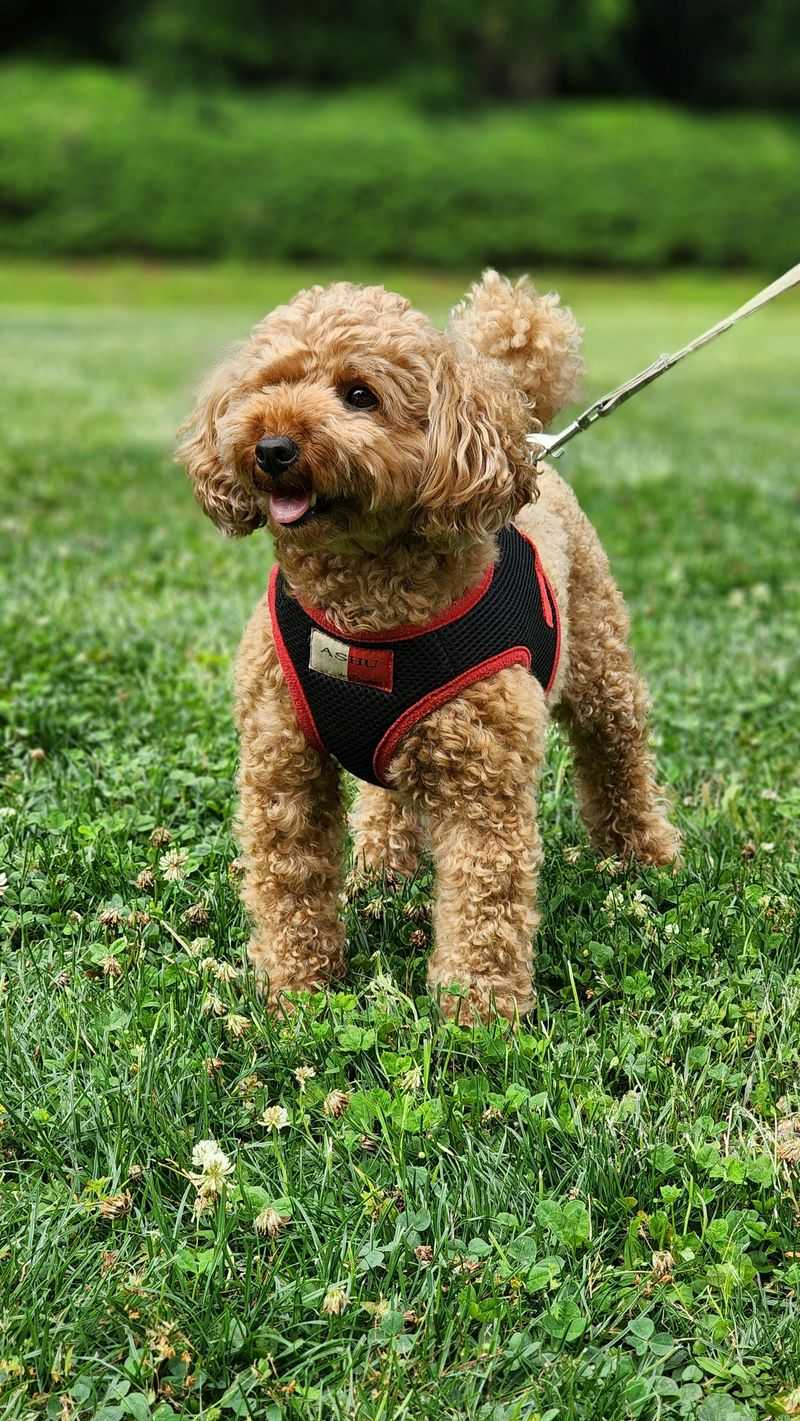
Toy Poodles look poised and brilliant in public. Behind closed doors, that brilliance can morph into overthinking.
They read your micro-expressions and anticipate departures, which can spark worry spirals. Barking, pacing, or clingy behavior may appear.
The key is proactive structure paired with brain work. Confidence grows through practice.
Schedule short training bursts and nosework to tire the mind. Feed portions via puzzle toys, saving special ones for alone time.
Pair exits with a consistent phrase and calm energy. Teach a stationing behavior on a mat and reinforce stillness.
Keep grooming low stress so overall resilience rises. With patience and play, Toy Poodles learn serene independence.
Miniature Schnauzer
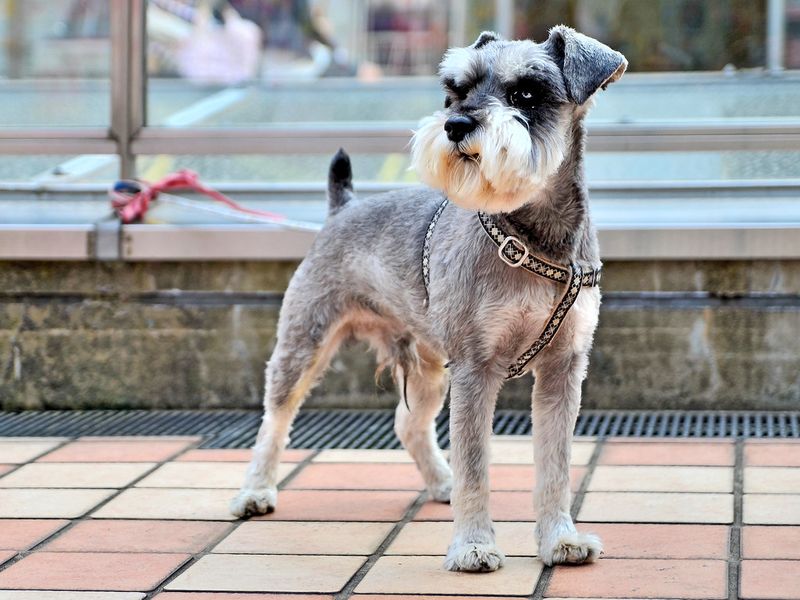
Miniature Schnauzers project bold confidence on walks, yet solo hours can rattle them. Their watchdog instincts make noises feel urgent, which fuels anxiety.
You might hear vocal protests or see door-focused pacing. Structured outlets for that alertness help enormously.
Keep training clear and consistent so predictability lowers stress.
Introduce crate or pen time as a safe retreat, not punishment. Try food puzzles, scatter feeding, and scent trails.
Practice tiny departures, then build duration calmly. Limit window access if sights trigger barking.
Offer chew options that last, and return calmly when they are quiet. Over time, your Schnauzer learns that being off-duty and alone is genuinely okay.
French Bulldog
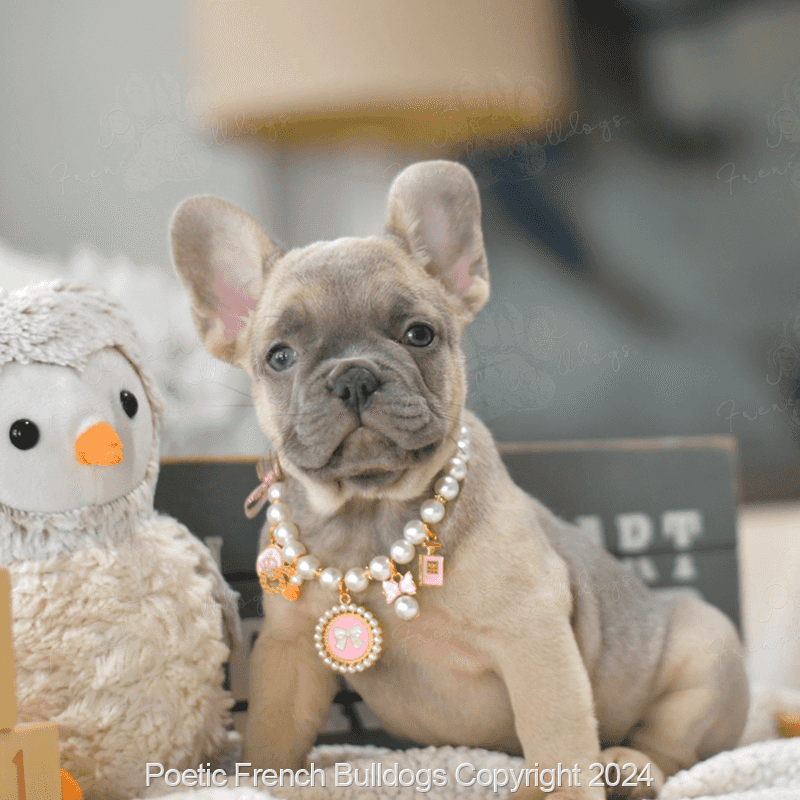
Frenchies are social comedians in public, collecting laughs and cuddles. Alone, they can feel lost and vocal.
Their people-centric nature and love of routine set them up for separation stress. Watch for whining, drooling, or restless pacing.
Heat and breathing concerns can compound anxiety, so comfort matters. Keep the environment cool and calm.
Use short, boring departures and high-value, vet-approved chews. Teach place and reinforce quiet.
Consider baby gates to define a safe zone. Add gentle brain games that do not overexert breathing.
If issues persist, consult your vet to rule out medical overlap. With steady routines and compassion, French Bulldogs can nap through your errands.
Boxer
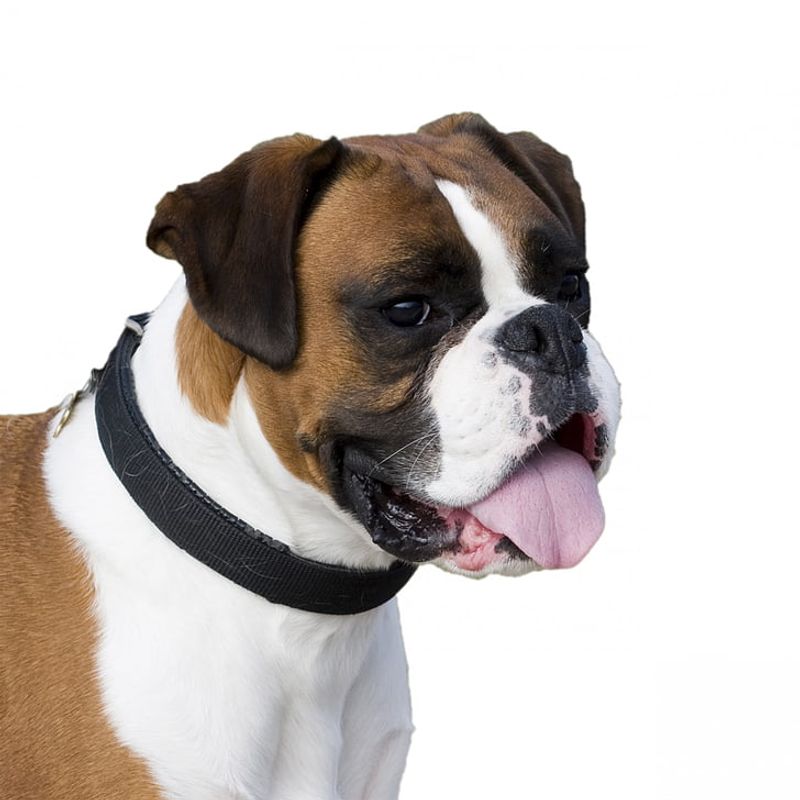
Boxers appear fearless and playful in public, then struggle when left behind. Their hearts are huge, and their energy bigger.
Without enough structure, anxiety can spill into chewing, digging, or door ramming. Predictable routines and exercise are your best allies.
Mental tasks matter as much as sprints and fetch.
Give a long walk or sniffari before absences. Use stuffed Kongs, durable chews, and frozen lick mats.
Train impulse control with sit-stays and place work. Start short departures and reward calm on your return.
Limit access to tempting destruction zones initially. A calmer Boxer learns solitude is just another game to win, then nap through.
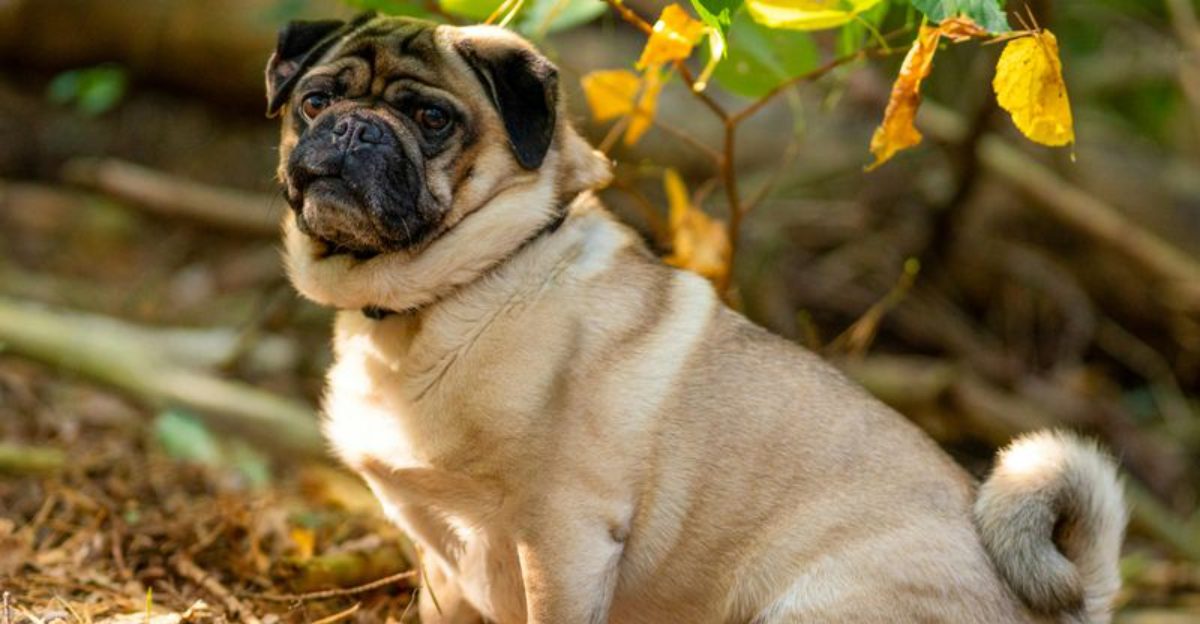
Pug
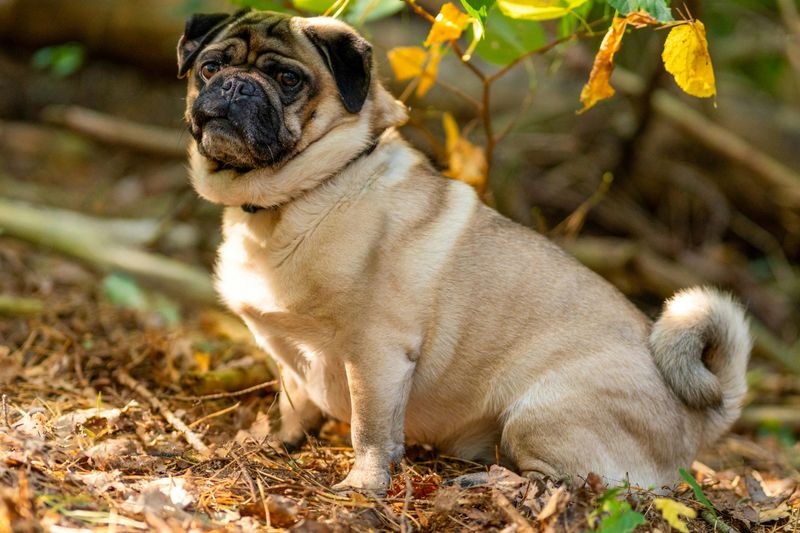
Pugs soak up attention everywhere and seem perfectly content in crowds. Alone, many turn into anxious worry-bugs.
Their expressive faces say everything when stress hits. You might hear sad vocals or find a shredded tissue trail.
Respiratory sensitivities mean keep calm, cool spaces. Gentle routines build confidence without overexertion.
Practice independence with easy puzzles and short, frequent exits. Use a comfy bed, white noise, and safe chews.
Avoid dramatic entrances that spike arousal. Reward quiet lounging and teach a settle cue.
Keep walks low intensity but richly sniffy. If anxiety lingers, your vet can rule out health factors.
With patience, Pugs discover alone time can be cozy snooze time.