
Some dogs never forget where they tucked away a squeaky ball or favorite plush. Their noses, memories, and problem-solving skills help them track treasures like tiny detectives.
Knowing which breeds have these talents makes playtime smarter and less stressful for everyone. Here are the star searchers and a couple of devoted collectors you will love.
Labrador Retriever
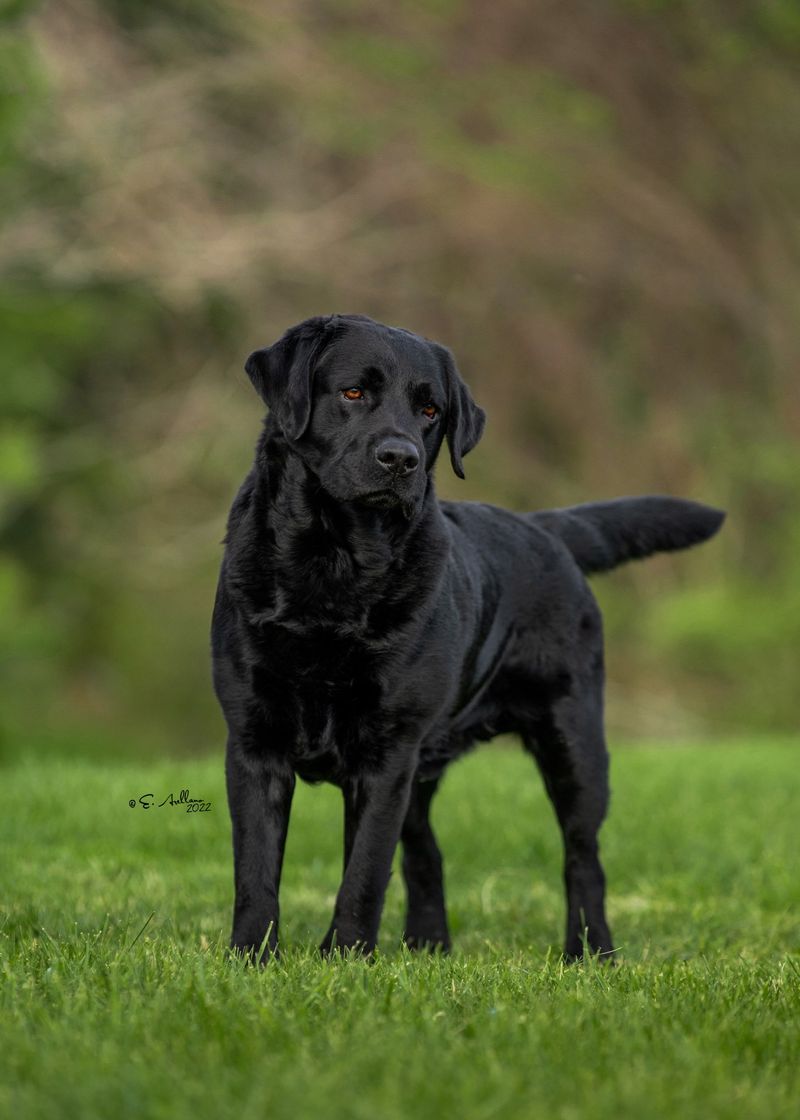
With tail-tapping confidence, a Lab can sniff out that tennis ball from three rooms away. Years of retrieving work trained them to remember spots, follow scent cones, and check likely hideouts first.
Make it fun with scent games. Rub the toy on a towel trail, then tuck it under a laundry basket.
Give a release cue and praise the moment they point the stash. Short, upbeat sessions keep their finder mindset sharp.
Golden Retriever
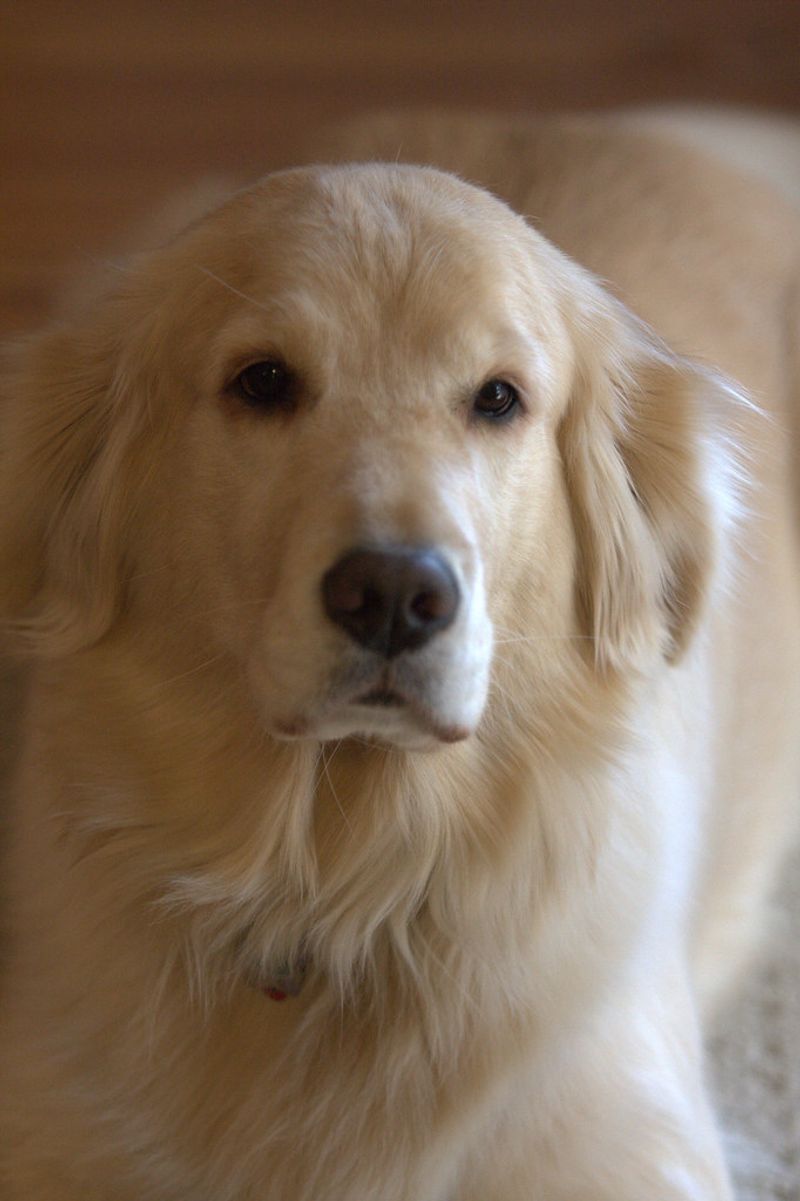
Soft eyes, sharp memory. Goldens often run a mental map of last-known toy locations, then sweep the area with a steady nose.
Their patient nature means they will check under blankets, behind chairs, and backtrack calmly.
Build a ritual: say “Find your duck,” point in a loose arc, and let them problem-solve. Rotate toys so the challenge stays fresh.
A quick jackpot of praise or a toss keeps their golden focus glowing.
Border Collie
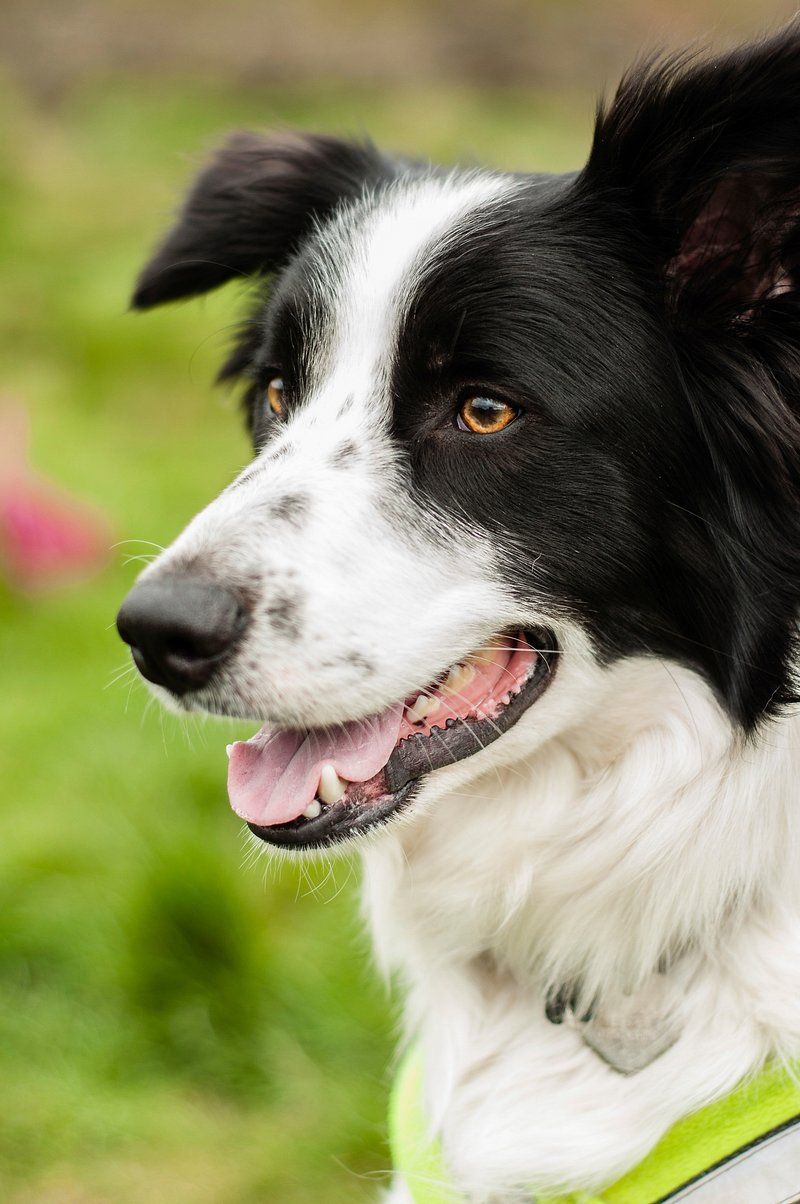
Brains like a puzzle champ, this herder watches where you put things, then uses sharp logic to retrieve them. Many will track toy paths by sight first, then switch to scent if needed.
Challenge that mind with layered hides. Place the toy in a box, then slide the box behind a chair.
Add a “seek” cue and let them attempt steps in order. Rotate furniture layouts to stretch their memory maps.
Australian Shepherd
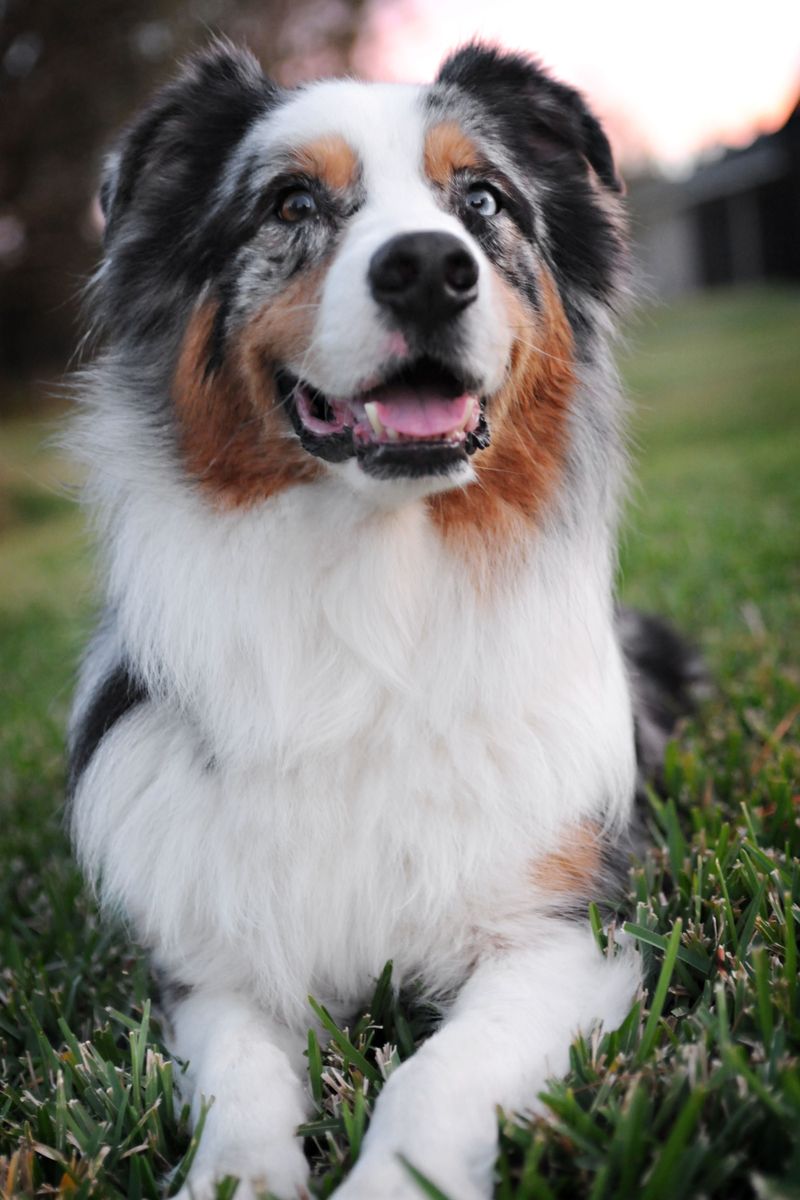
Energy meets curiosity. Aussies often patrol their homes like helpful hall monitors, noting exactly where toys go missing.
When asked, they trot straight to the stash point with confident body language.
Turn that drive into a game: hide the toy in a soft-sided bin, then cue “search.” Reward for nose touches, paw targets, and patient waiting. Add simple obstacles like a folded blanket to make small wins feel big and satisfying.
English Springer Spaniel
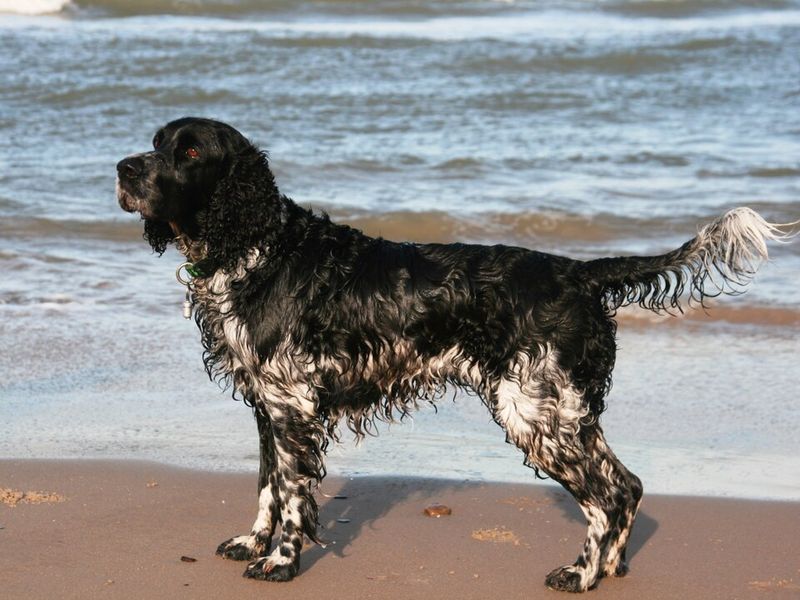
Nose-first enthusiasm defines Springers. Bred to flush birds from brush, they work corners, creases, and clutter with joyful focus.
That same method shines when tracking a hidden ball around boots and benches.
Practice with hallway searches. Roll the toy into sight, then hide it in a nearby nook.
Use a friendly “hunt up” cue and let their tail speak for them. Keep sessions brisk, then end with a calm settle to balance excitement.
Nova Scotia Duck Tolling Retriever
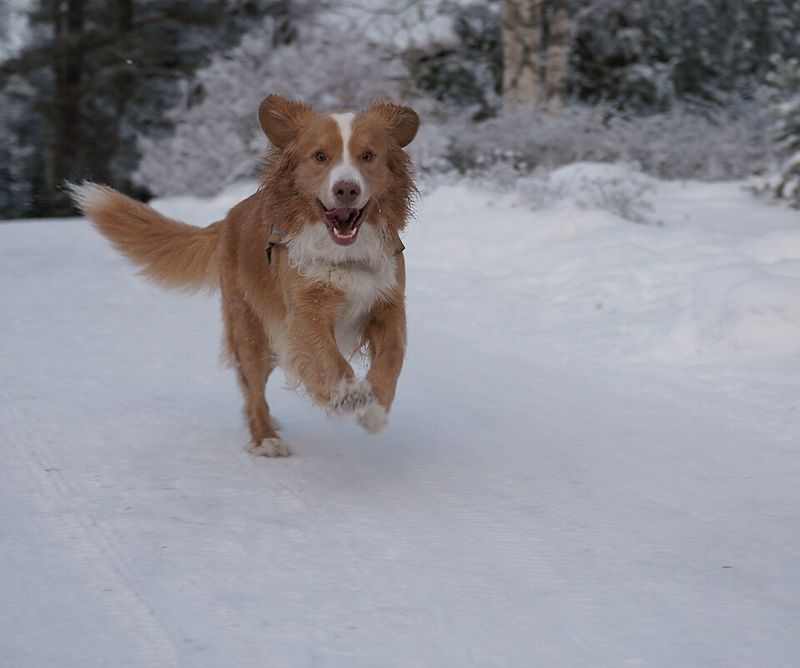
Small but unstoppable, Tollers pair sharp noses with playful intensity. Many remember exact hiding spots near doors, steps, and porch corners, then check those landmarks in a quick loop.
Use bright bumpers and a consistent cue like “bring your bumper.” Hide it near textured surfaces that hold scent, such as rough wood. Reward with a short toss into safe grass.
A few focused rounds work better than long marathons for this fiery finder.
Flat-Coated Retriever
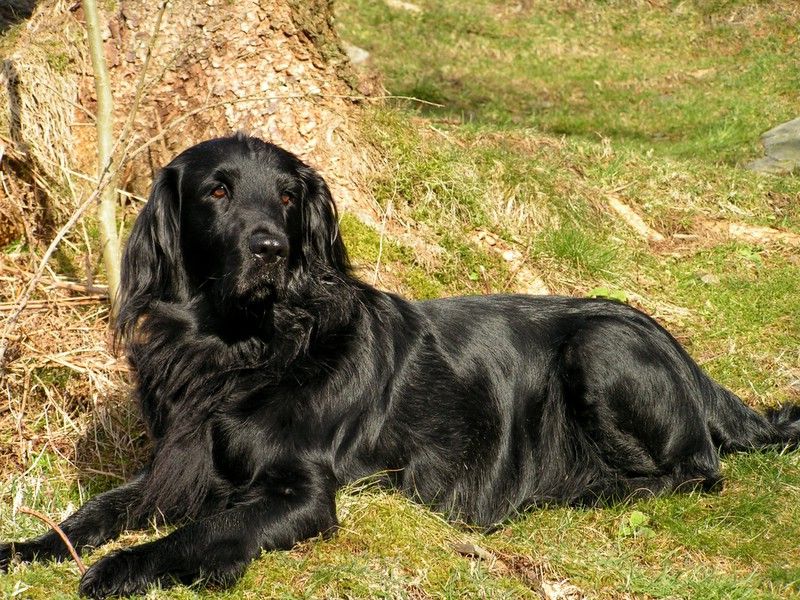
Known as forever-young clowns, Flat-Coats mix humor with keen recall. They often stash toys in playful spots, then parade back proudly when asked to fetch the secret prize.
Lean into their cheer. Hide the rope toy behind a curtain and cue “find rope.” Celebrate even small clues, like a quick nose bump.
If energy soars, alternate a find with a brief sit or hand target. That rhythm turns goofy excitement into effective searching.
Chesapeake Bay Retriever
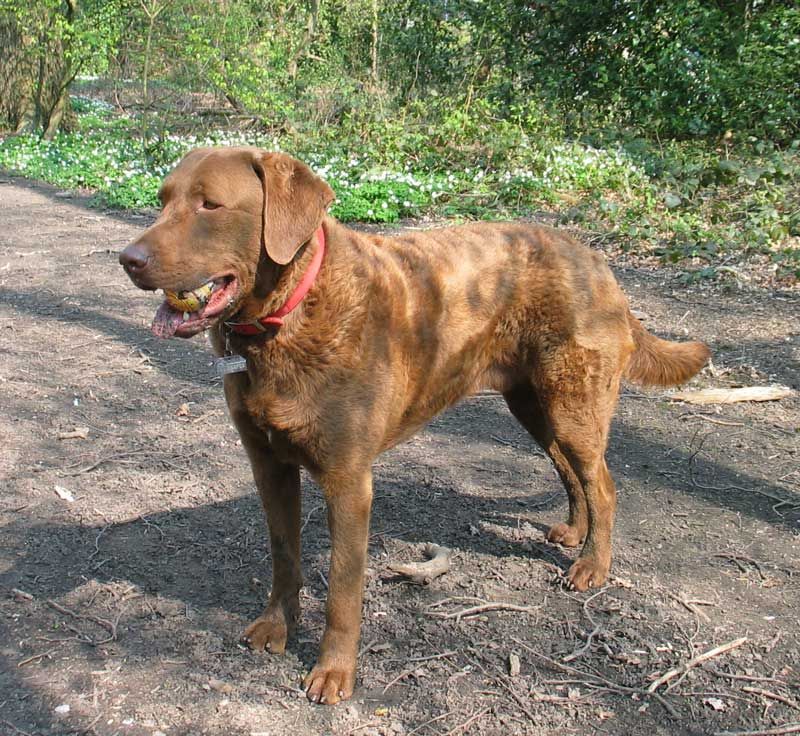
Grit and grit again. Chessies tackle tough hides with determination, using powerful noses and deliberate paws to uncover a toy wedged deep under a mat or bench.
Channel that intensity safely. Create durable hide spots that will not tear, like under a heavy mat with a raised corner.
Teach a “gentle” cue before the game. Reward persistence with a quick water play or tug.
Their proud, get-it-done attitude thrives on clear jobs and clear wins.
Portuguese Water Dog
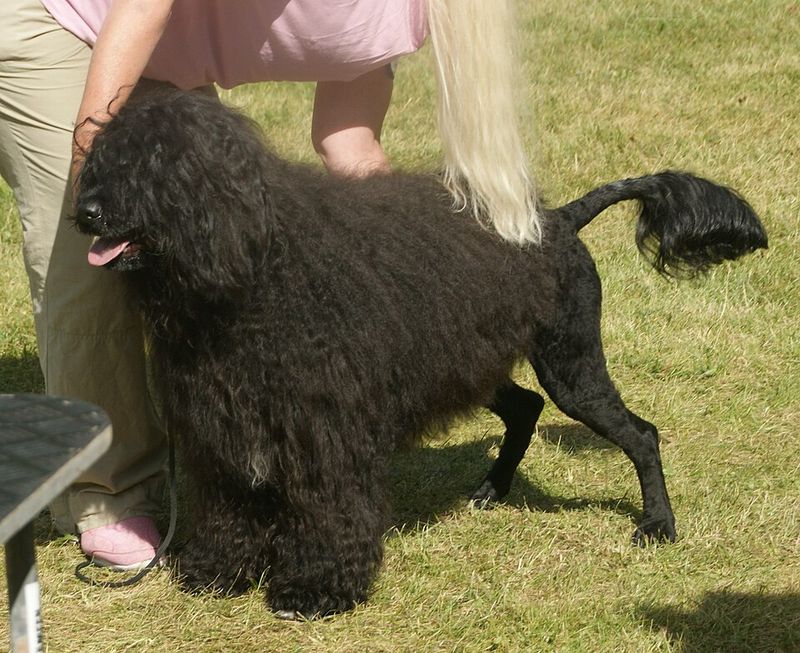
Born helpers, Porties love tasks. They notice where gear gets stored, especially anything related to water fun.
Ask for a toy, and they head to the cabinet like a confident teammate.
Give steps to the mission: “open,” “find,” and “bring.” Use safe, child-lock-free cabinets or a low basket. Rotate toys with different textures so scent and feel both guide them.
A quick splash in a kiddie pool afterward cements the happy routine.
Papillon
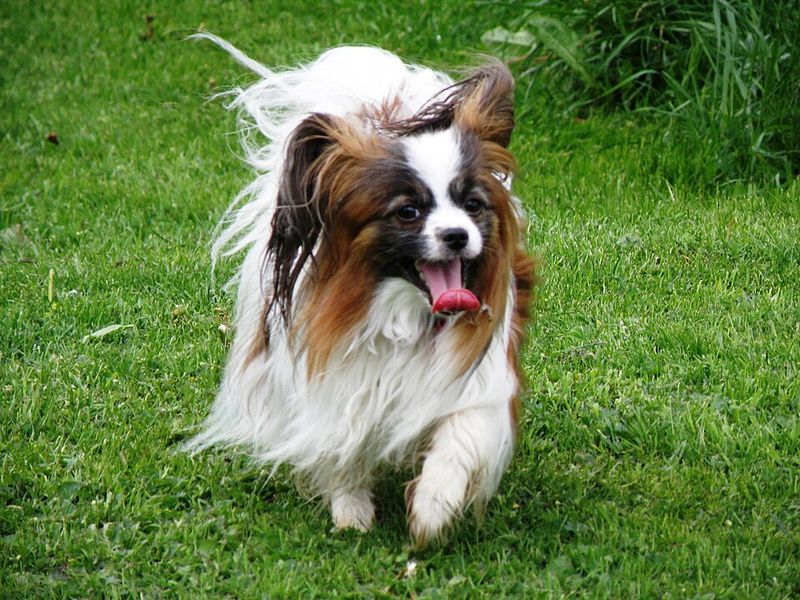
Tiny body, detective brain. Papillons watch human habits closely, then slip into narrow spaces to rescue little squeakers from cushion forts and blanket caves.
Keep tasks sized right. Hide mini toys in shallow spots that are safe for delicate necks.
Add a cue like “peek” to prompt gentle nose work. Short, cheerful rounds prevent frustration.
Treat jackpots can be a single crunchy nibble and praise. Their quick minds adore light, clever challenges over heavy lifting.
Miniature Schnauzer
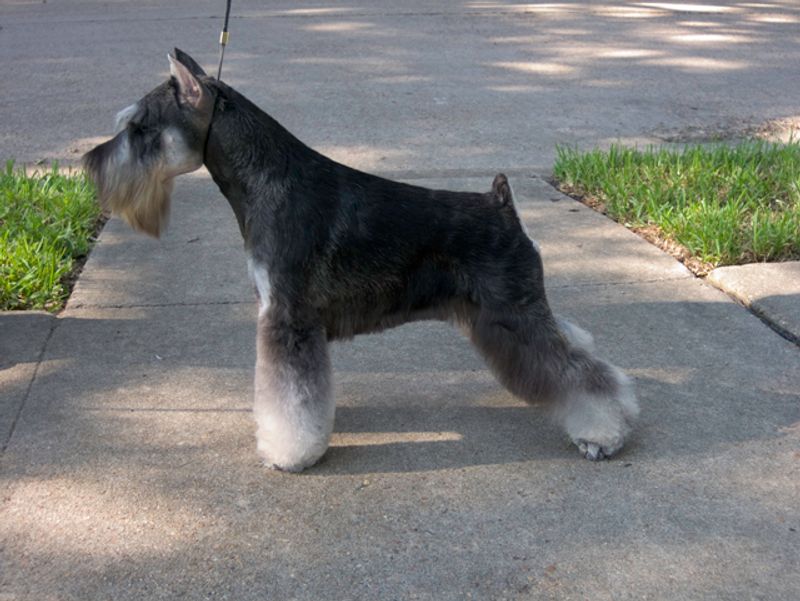
Those bold eyebrows are not just for show. Schnauzers approach toy quests like little inspectors, checking shelves, bags, and corners with a confident trot and a questioning head tilt.
Turn clutter into a course. Place the tug in a reachable shelf gap, then release with “go find.” Encourage a bark or sit as a signal upon discovery.
Mix in scent swabs to build skill. Their spunky grit makes every successful find feel like a solved case.
Cocker Spaniel
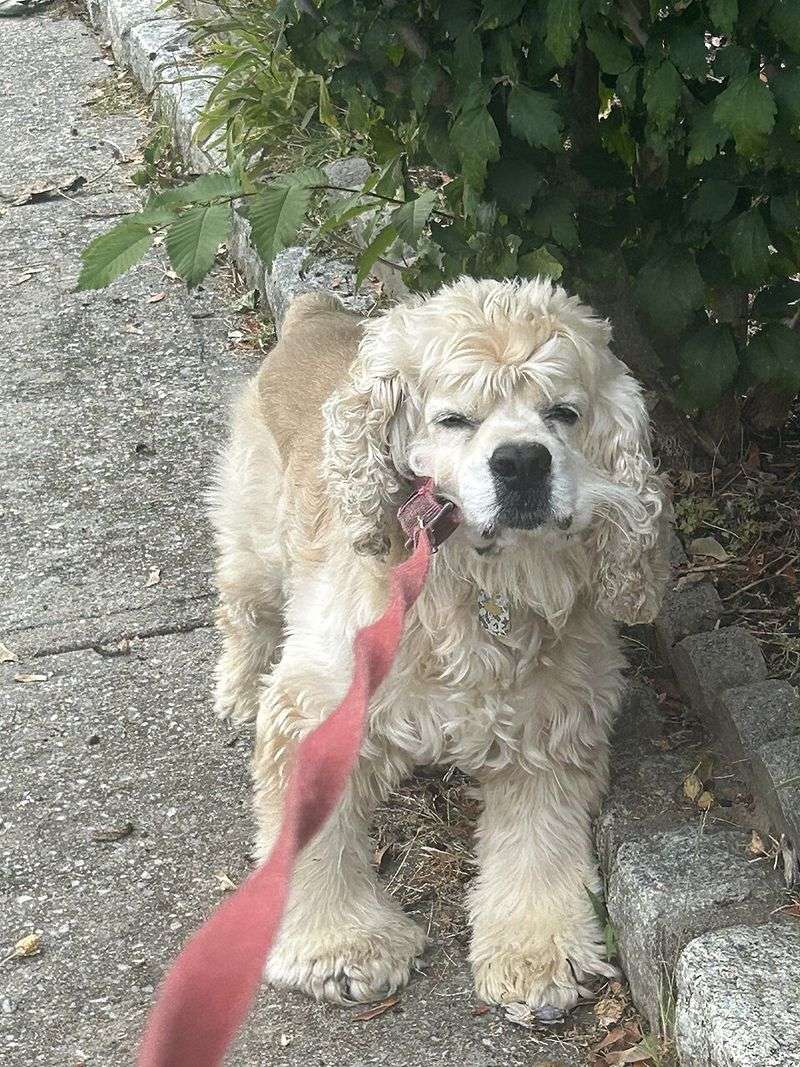
Sweet-nosed and thorough, Cockers work low edges and soft fabrics where scent lingers. Ask for a favorite rabbit and watch the flowing ears steer into action under the bed skirt.
Build confidence with easy wins first. Hide the toy halfway visible, then increase difficulty by tucking it deeper.
Use a calm “seek” cue and reward with petting plus a light game of fetch. Keeping energy balanced helps sensitive Cockers stay focused and happy.
Standard Poodle
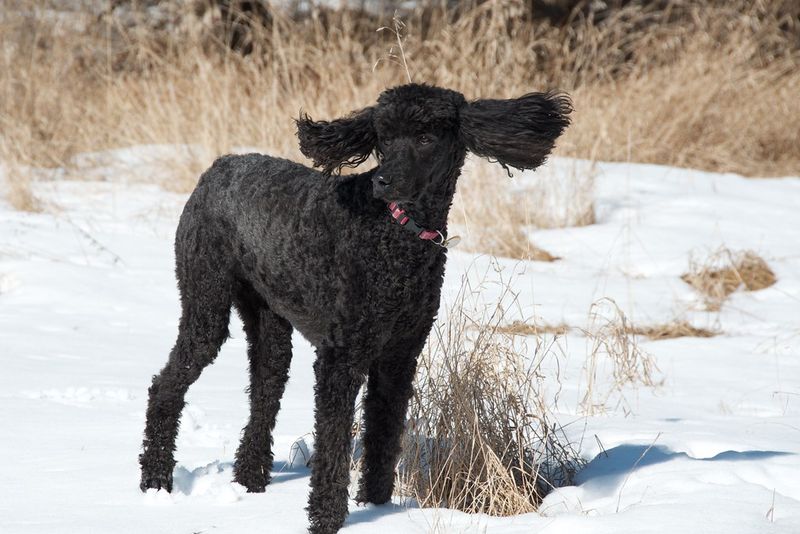
Elegance meets strategy. Poodles often choose the fastest route, using both memory and scent to pinpoint a toy’s most likely cache.
Many will pause, think, and only then move.
Stretch their smarts with steps: point to three cubes, then cue “which one.” Reward a correct nose target. Occasionally switch the location so they do not depend on routine alone.
Brainy games, brief and upbeat, keep their natural problem-solving crisp and confident.
Curly-Coated Retriever
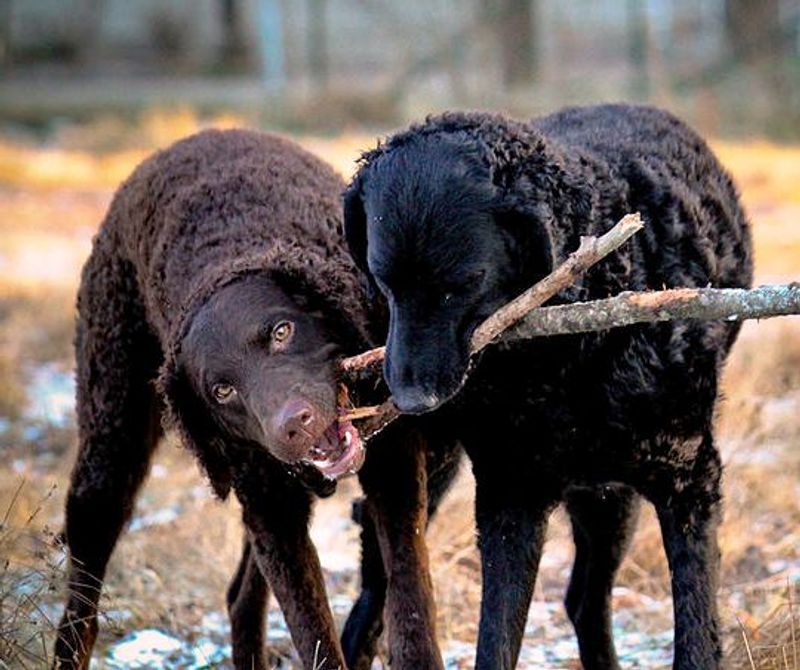
Collectors at heart, Curlies often gather and guard a tidy stash, remembering exactly where each treasure belongs. Ask for a specific toy, and they trot to the pile with purpose.
Encourage sorting games. Name toys, then cue “bring frog” or “bring ring.” Reward accurate picks and calmly return others to the stash.
Outdoor searches in gentle wind challenge their nose and recall. That combination of order and drive makes them standout curators of playtime.
Welsh Springer Spaniel
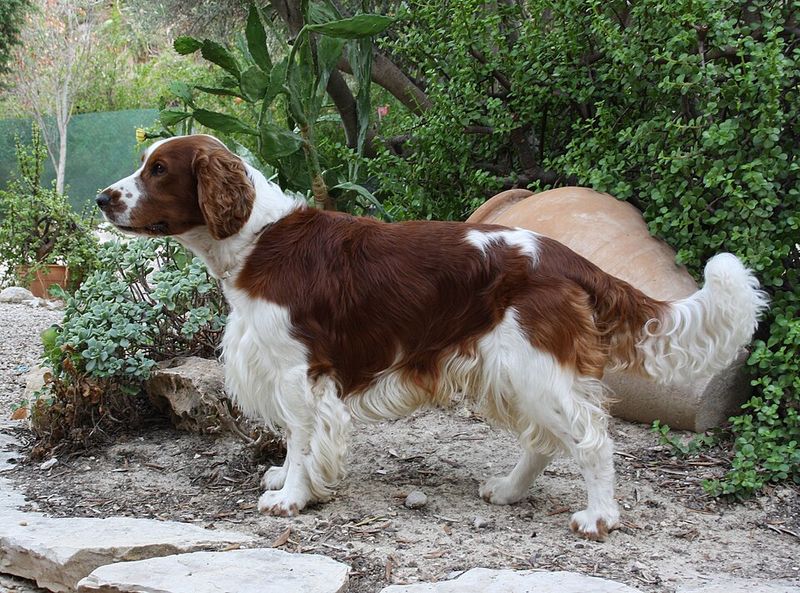
Steady and devoted, Welsh Springers often keep a personal basket of must-have toys, then fetch from it like proud librarians. Memory and gentle determination guide their choices.
Build names and routines. Place toys in the basket nightly, then cue a morning “choose one.” Praise calm delivery and a soft mouth.
Field-style searches in tall grass add variety, but the basket ritual keeps their collector spirit shining at home.