
Neutering is an important part of responsible pet care, but it can lead to weight gain in some dogs. Certain breeds are more prone to this ‘weight creep’ after the procedure. For each breed, we’ll explore ways to manage their weight effectively.
Clumber Spaniel
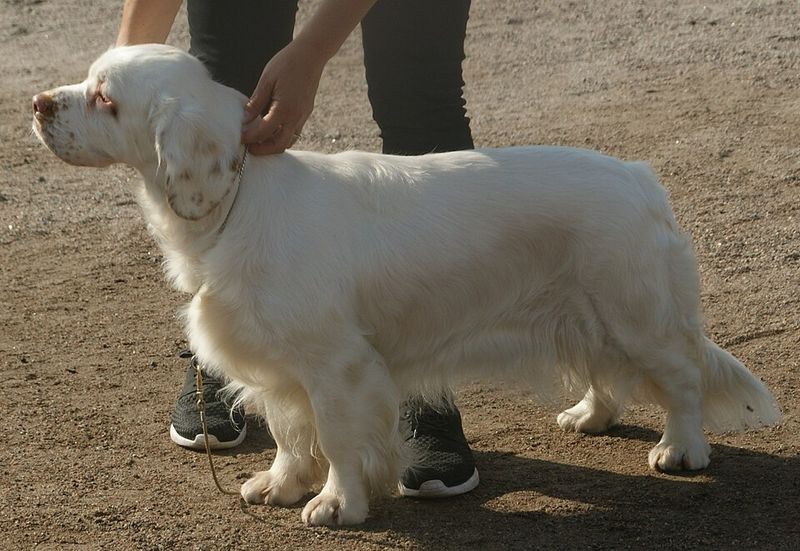
The Clumber Spaniel, with its soulful eyes and gentle disposition, tends to gain weight easily after neutering. These dogs love a good nap, which can lead to extra pounds if not monitored.
Regular walks and mental stimulation are key to keeping them fit. Owners should focus on portion control and low-calorie treats to prevent obesity.
A well-balanced diet rich in protein can also support their energy needs. Keeping their meals consistent and timely helps manage their metabolism effectively.
Sussex Spaniel
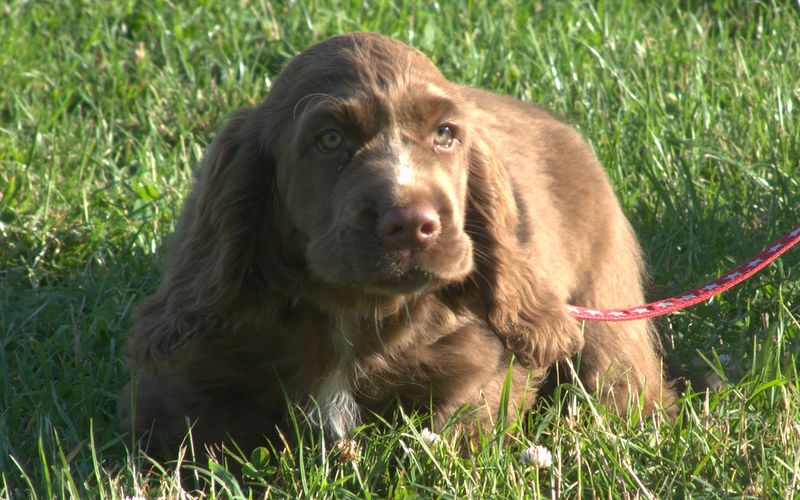
With their expressive eyes and merry nature, Sussex Spaniels often face weight challenges post-neutering. Their love for food and lounging makes them prime candidates for weight gain.
Incorporating playtime and interactive toys can keep them active. Adjusting their diet to include more fiber can help control hunger.
Regular vet check-ups will ensure they maintain a healthy weight. A mix of exercise and a controlled diet is essential for their well-being.
Field Spaniel
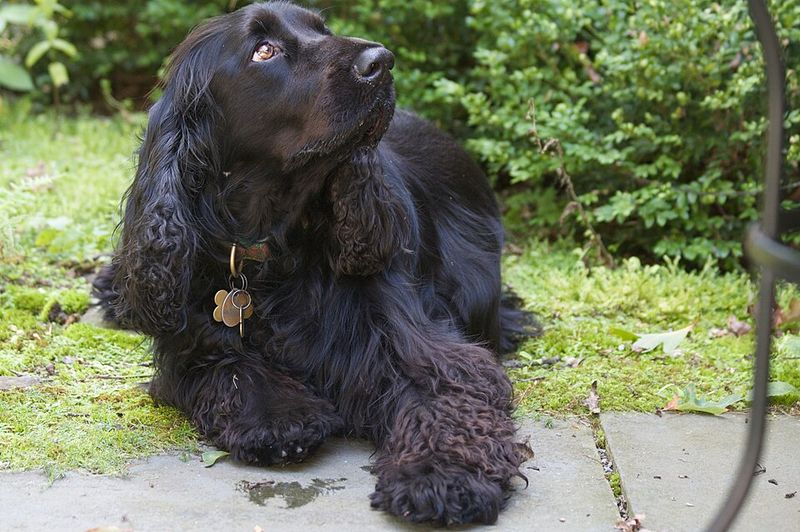
Field Spaniels, with their vibrant energy, need careful monitoring after being neutered. Despite their active nature, they can quickly add on pounds.
A structured exercise regimen, including both walks and play, can help maintain their weight. Switching to a high-protein, low-fat diet supports their active lifestyle.
Engaging them in agility training or fetch games can keep them fit and happy. Awareness and proactive management are key.
Skye Terrier
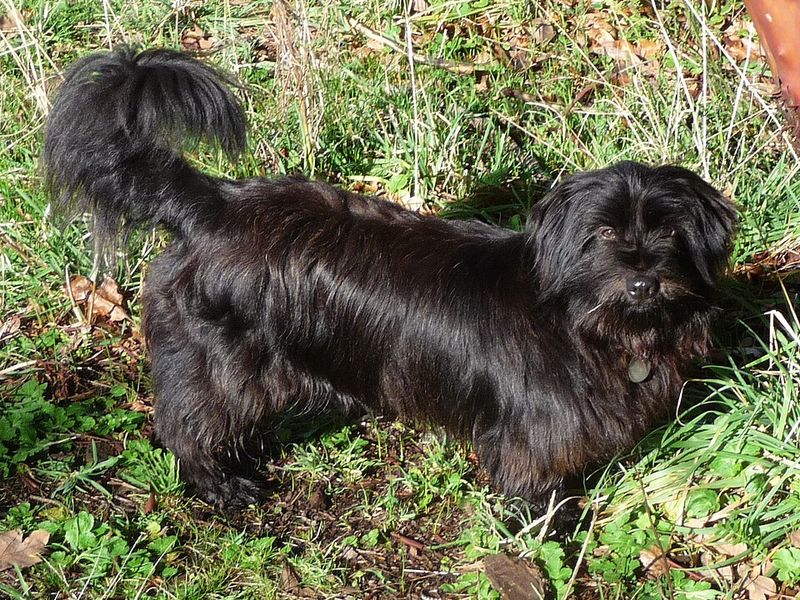
The Skye Terrier, known for its distinctive look, can be prone to weight issues after neutering due to their low activity preference.
Incorporating short walks and engaging toys can help manage their weight. Their diet should be monitored closely, focusing on portion control and healthy snacks.
Reducing table scraps and monitoring caloric intake ensures they stay trim. A balanced approach to feeding and exercise works wonders.
Sealyham Terrier
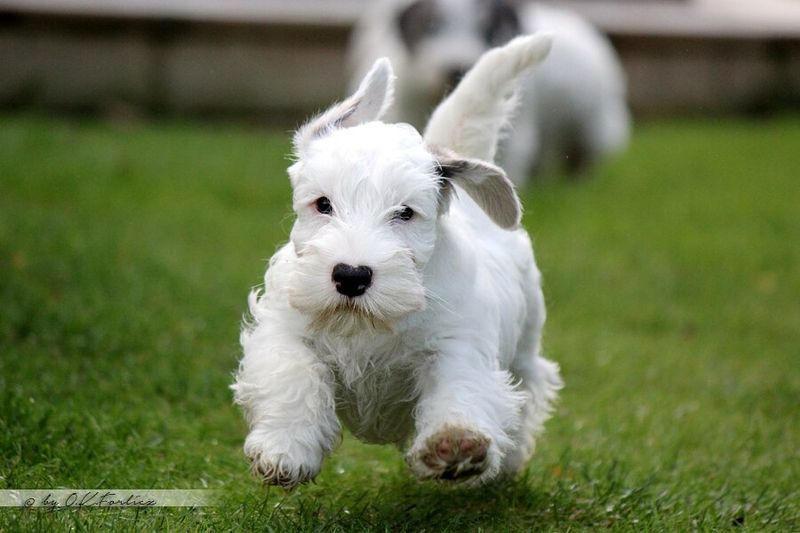
Sealyham Terriers, with their spunky demeanor, can find themselves gaining weight post-neutering. Their love for treats needs balancing with activity.
Daily walks and interactive play sessions are vital. Choosing a diet that emphasizes lean proteins and vegetables helps manage their weight.
Maintaining a consistent feeding schedule aids in preventing weight gain. Awareness and engagement are crucial for their health.
Tibetan Spaniel
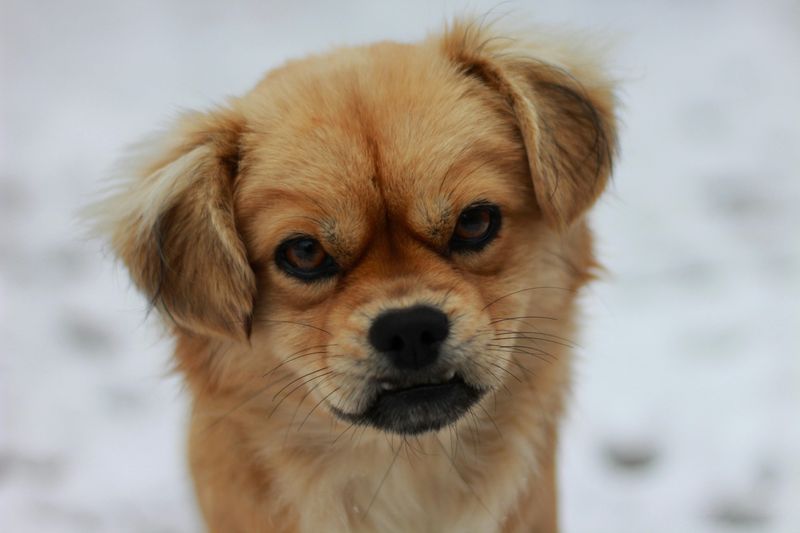
The charming Tibetan Spaniel, often seen as a lap dog, can easily gain weight after neutering due to their laid-back lifestyle.
Short, frequent walks combined with interactive play can encourage activity. A carefully measured diet rich in nutrients but low in calories supports their health.
Using puzzle feeders can add interest to meal times and prevent overeating. Consistency is the key to their weight control.
Lowchen
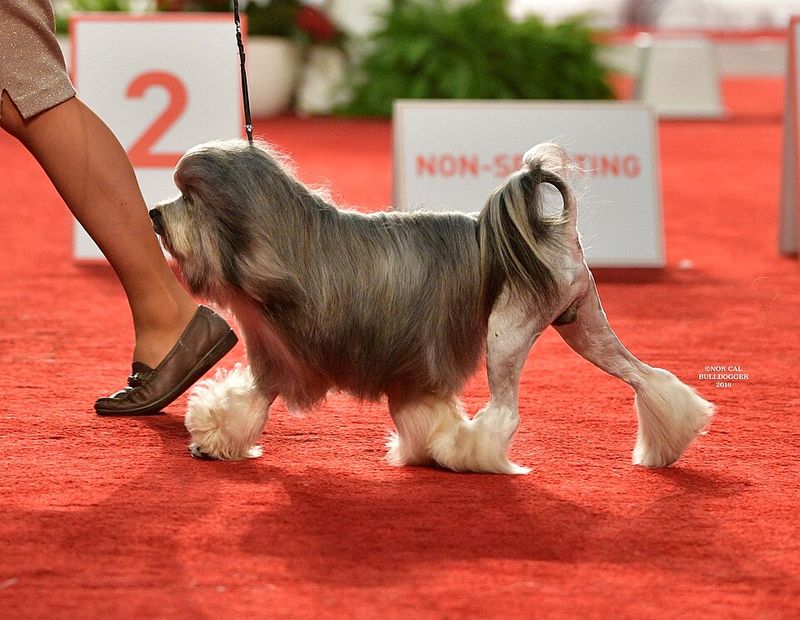
Little Lowchens, with their lively spirit, may struggle with weight gain after neutering. Their small size makes even a little weight increase noticeable.
Incorporating walks and fun agility exercises can keep them energetic. Monitoring portion sizes and choosing low-fat treats is crucial.
Maintaining an active lifestyle with varied activities helps keep them fit and happy. A thoughtful approach to diet and exercise makes a difference.
Kromfohrlander
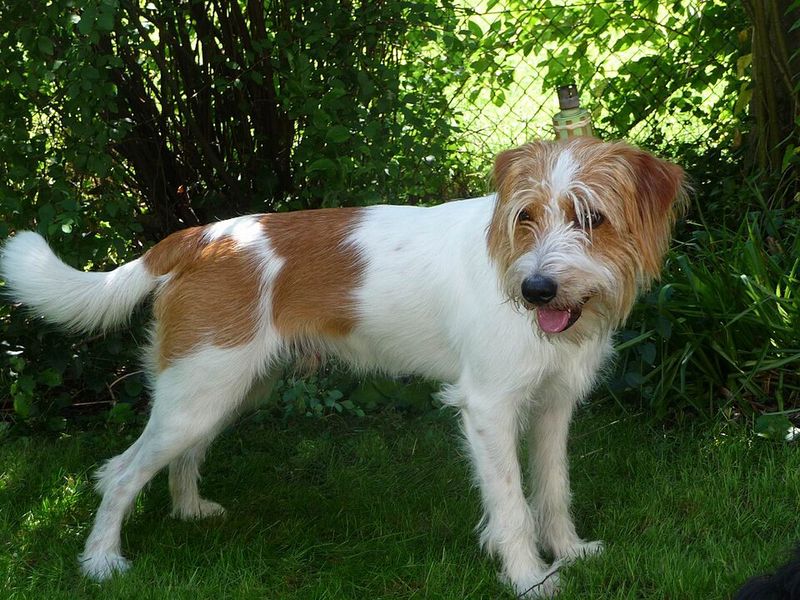
The Kromfohrlander, with its cheerful personality, might face weight issues post-neutering if not actively managed.
Incorporating diverse activities like hiking and fetch can keep them engaged and fit. Their diet should focus on lean proteins and fresh vegetables.
Regular assessments and adjustments to their feeding routine can prevent unwanted weight gain. Active involvement is key for this breed.
Nederlandse Kooikerhondje
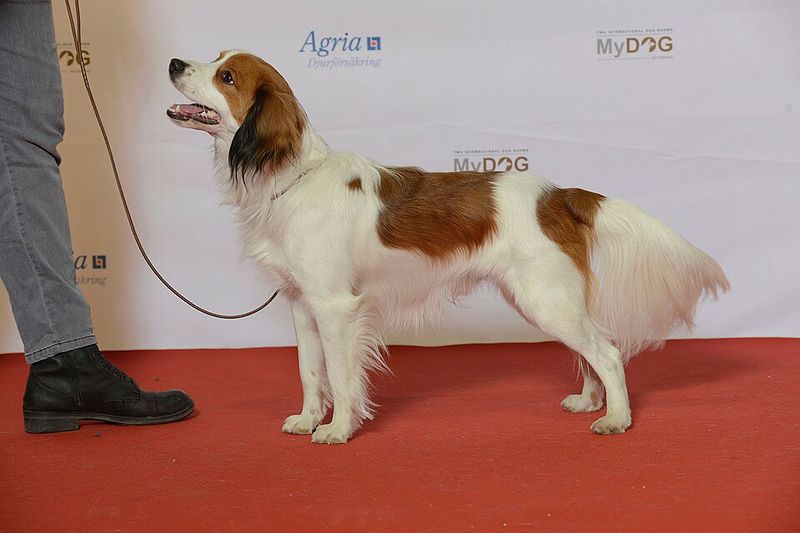
The Nederlandse Kooikerhondje, with its lively attitude, can still be prone to weight gain after neutering.
Frequent outings and water activities can maintain their fitness. A diet rich in lean proteins, with controlled portions, supports their health.
Monitoring snacks and avoiding high-calorie treats are essential. Consistent exercise and balanced nutrition help control their weight.
Entlebucher Mountain Dog
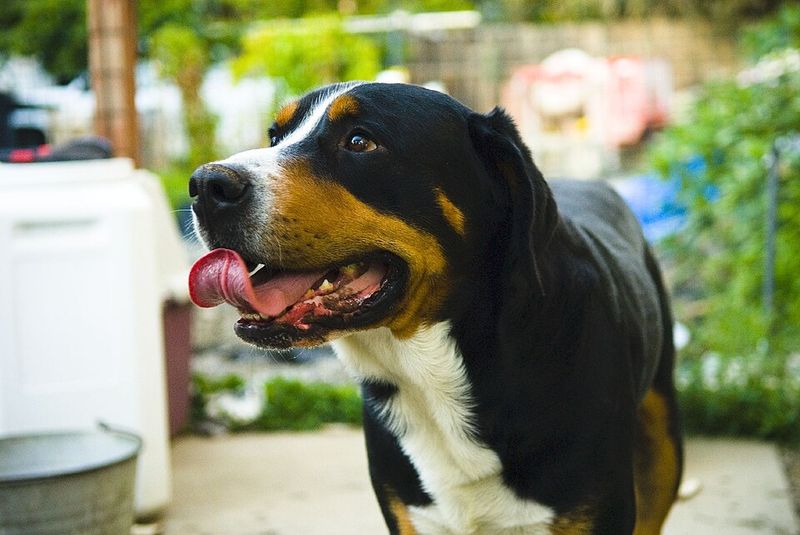
The Entlebucher Mountain Dog, known for its robust nature, requires careful weight management post-neutering.
Vigorous activities such as hiking and running help maintain their physique. Their diet should be balanced with plenty of protein and fiber.
Regular vet check-ups and proper portion control are essential to prevent obesity. Active engagement and a healthy diet keep them thriving.
Appenzeller Sennenhund
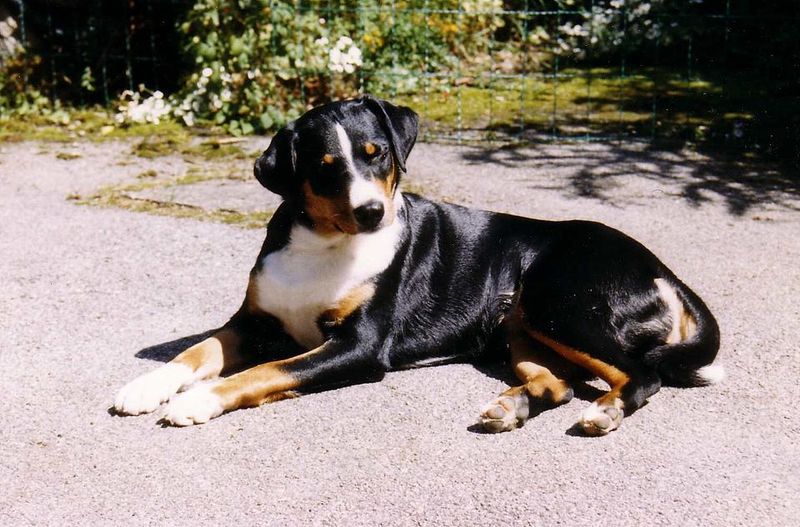
The energetic Appenzeller Sennenhund can face weight gain challenges after neutering if not properly exercised.
Structured activities like agility courses and regular walks are beneficial. Their diet should focus on high-quality proteins and limited treats.
Regular monitoring and adjustments to their diet prevent unnecessary weight gain. An active lifestyle and controlled diet are vital.
Greater Swiss Mountain Dog

The Greater Swiss Mountain Dog, with its substantial build, may experience weight issues after neutering if not managed well.
Engaging in long walks and outdoor activities can maintain their fitness. Diets rich in lean proteins and low in fats are effective.
Consistent portion control and monitoring meal times help maintain a healthy weight. An active and balanced approach to feeding is key.
American Eskimo Dog
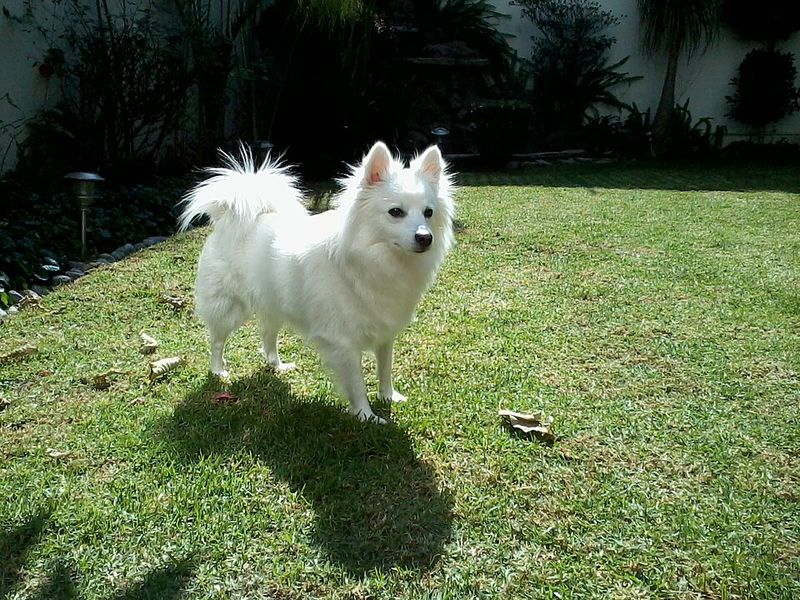
The American Eskimo Dog, with its playful nature, can face weight challenges after neutering due to decreased activity.
Incorporating brisk walks and games of fetch encourages movement. A diet high in fiber and low in unnecessary fats supports their health.
Regularly assessing weight and adjusting meal portions prevents obesity. An active and thoughtful feeding plan ensures their well-being.