
Some dogs are easygoing couch buddies, while others seem to have rocket fuel in their veins. Even people who have raised dogs for years can feel outmatched by certain breeds.
Knowing what makes these dogs tricky can save you stress, money, and a few chewed-up shoes. Here is a look at the breeds that test even the most experienced owners, plus tips to help you decide if one fits your life.
Belgian Malinois
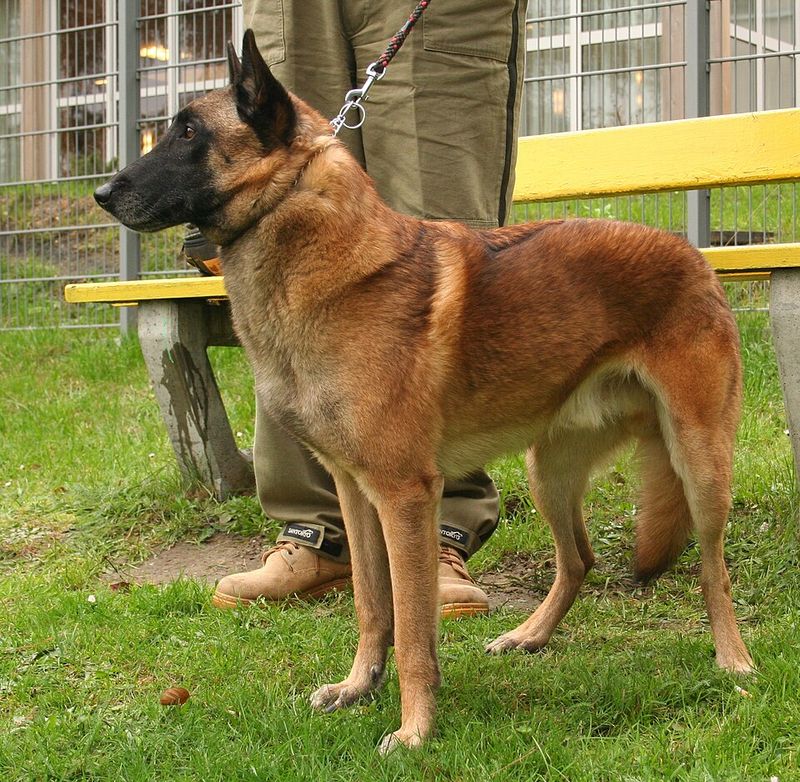
Police and military teams pick the Malinois for a reason. Picture a dog that never runs out of batteries and treats boredom like an emergency.
Without a real job, these dogs invent one, like herding the kids or chewing drywall. Daily training sessions, scent games, and long runs are not optional extras.
Owners who succeed usually join a dog sport club. If your idea of exercise is a slow stroll, choose another breed.
Cane Corso
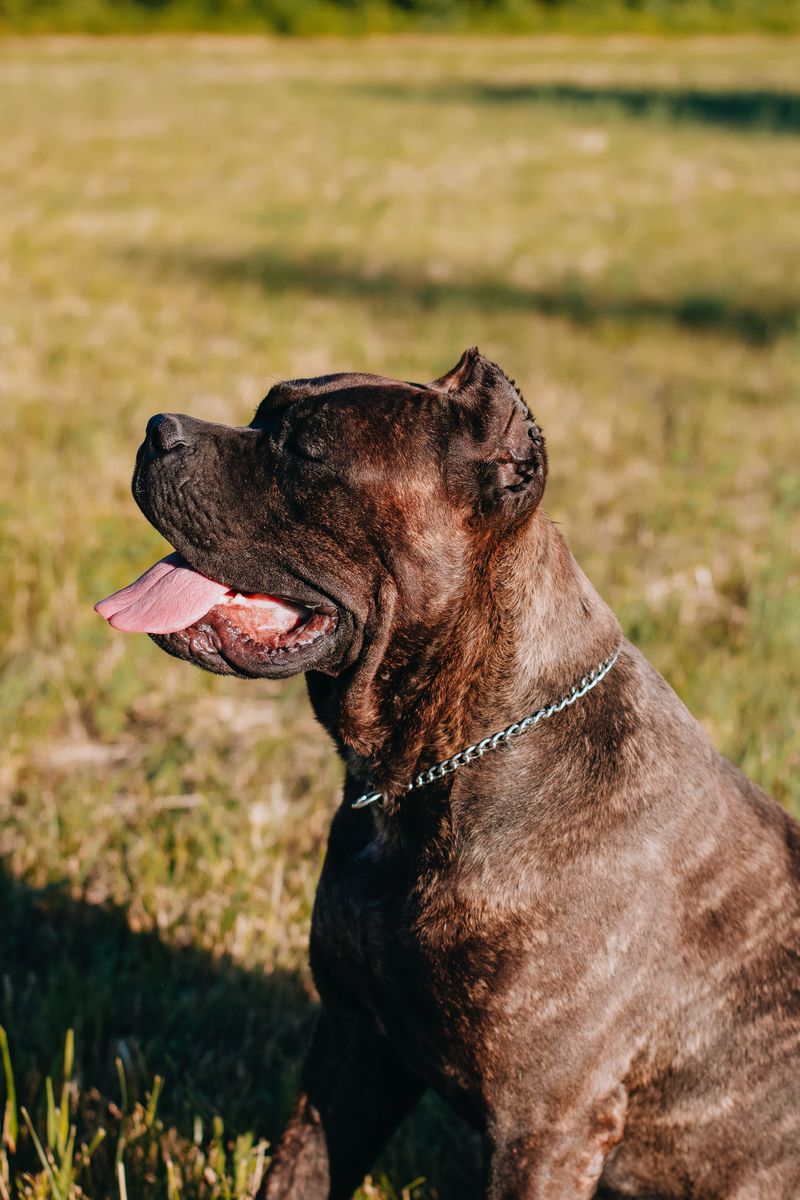
Ancient Romans used this mastiff to guard property and hunt wild boar. That history still shows up today in a dog weighing over 100 pounds.
A Corso is loyal and calm with family, but strangers may get a cold stare. Early socialization with many people, places, and sounds is a must.
Firm, fair leadership matters too. A dog this strong needs to listen on the first try, not the fifth.
Siberian Husky
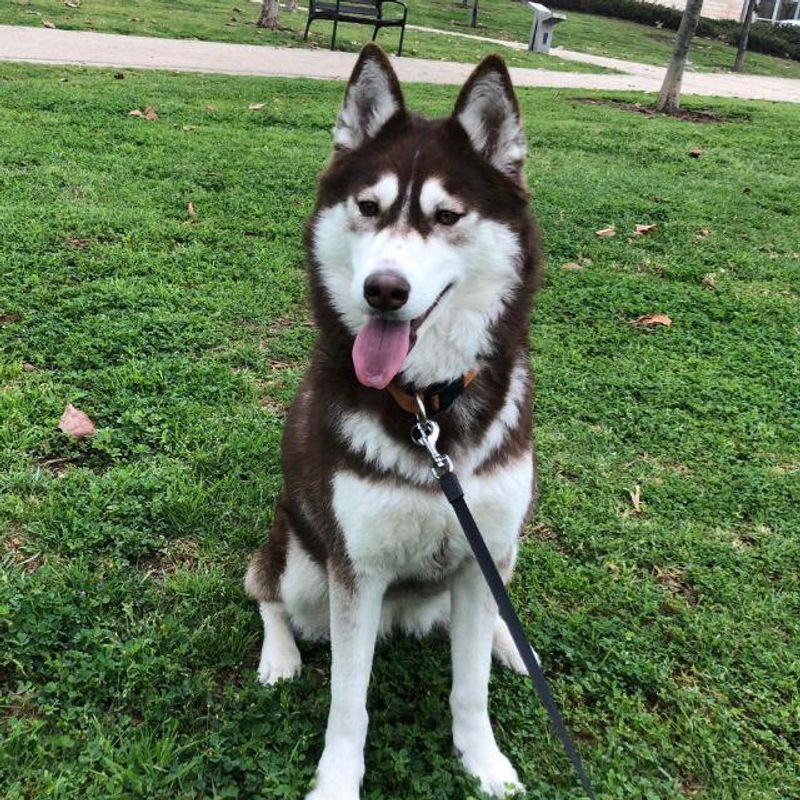
Ever heard a dog argue back? Huskies are famous for their dramatic howls and talky grumbles when told no.
Bred to pull sleds for miles, they have huge stamina and a strong urge to roam. Many escape by digging, jumping, or slipping out open doors.
Fun fact: they shed so much twice a year that owners call it blowing coat. Keep a good vacuum and a tall, secure fence ready.
Rottweiler
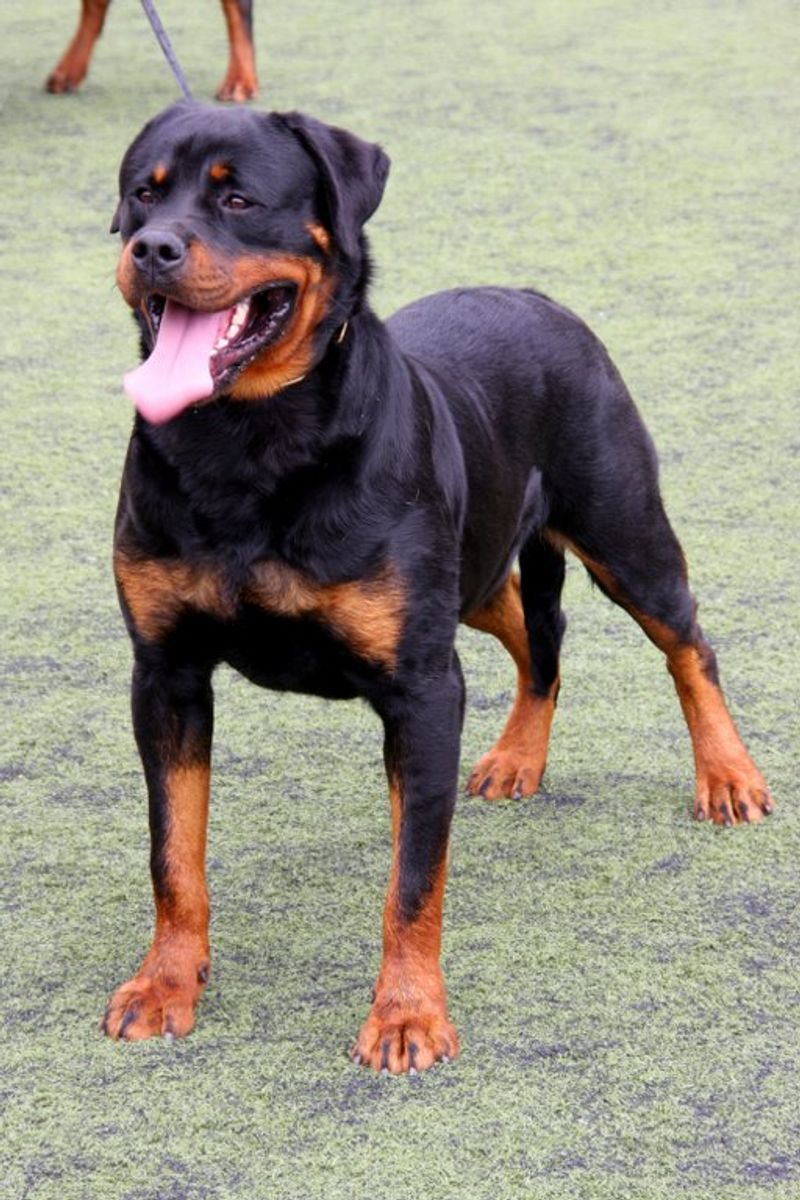
Long ago, Rottweilers pulled butcher carts through German towns. They are smart, brave, and very devoted to their people.
Trouble starts when owners skip training. A pushy, untrained Rottie can be hard to handle on a leash, and its size makes mistakes serious.
Puppy classes, steady rules, and plenty of positive praise turn this breed into a steady partner. Expect some insurance companies and landlords to ask questions too.
Jack Russell Terrier
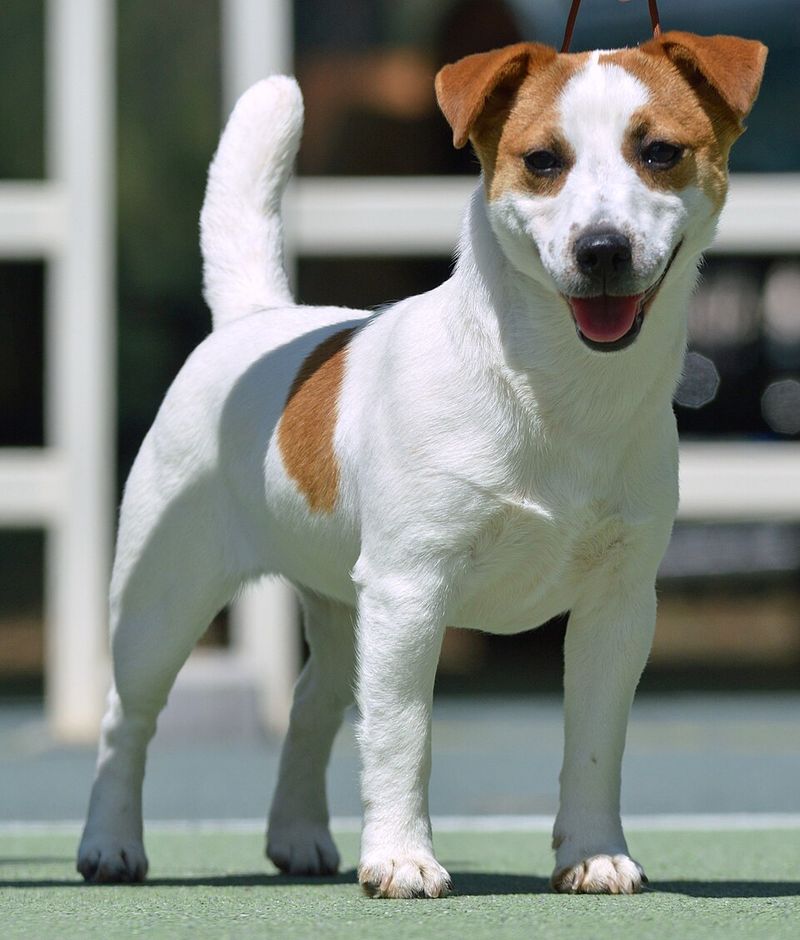
Small body, giant attitude. A Jack Russell can jump five times its own height and dig a crater in your garden before lunch.
Fox hunters created these terriers to chase prey underground, so squirrels, cats, and toys all look like targets. Their stubborn streak can make recall training tough.
Puzzle feeders, fetch sessions, and short, fun training games help burn off that wild spark. Never assume small means easy.
Akita
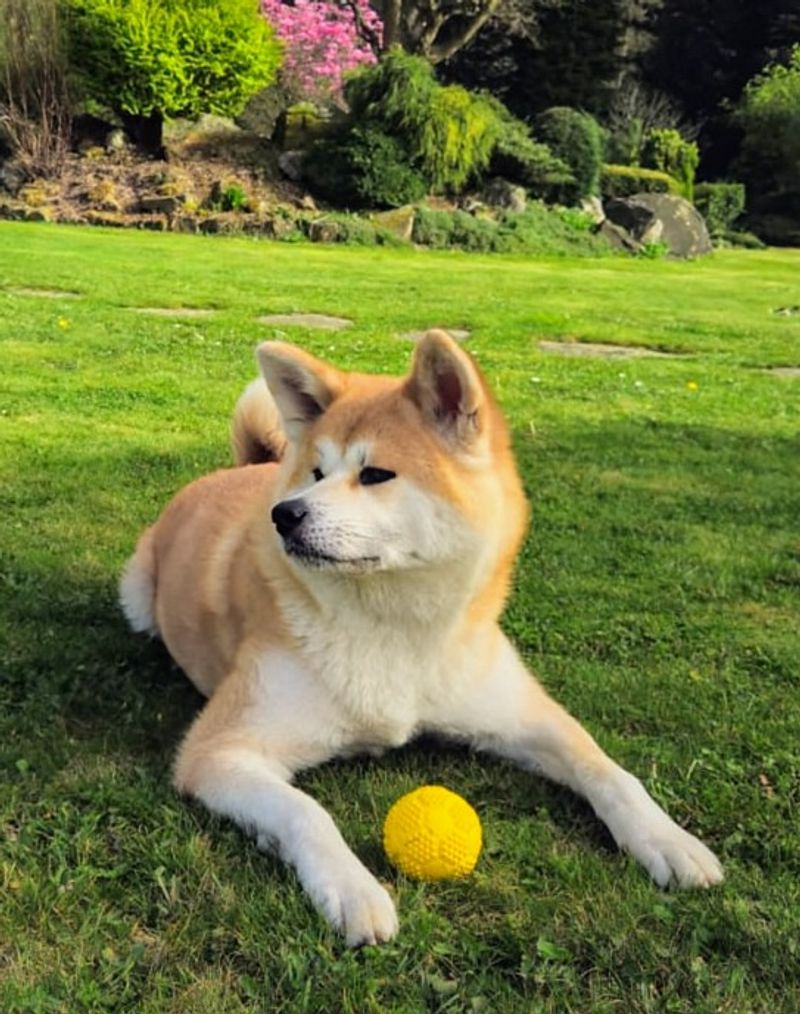
In Japan, the Akita stands for loyalty, thanks to the famous dog Hachiko who waited for his owner for years. That devotion is real, but it comes with a strong will.
Akitas can be aloof with visitors and often dislike other dogs, especially of the same sex. They prefer being the only pet.
Patient, respectful training works best. Harsh methods backfire quickly with this proud, independent thinker.
German Shorthaired Pointer
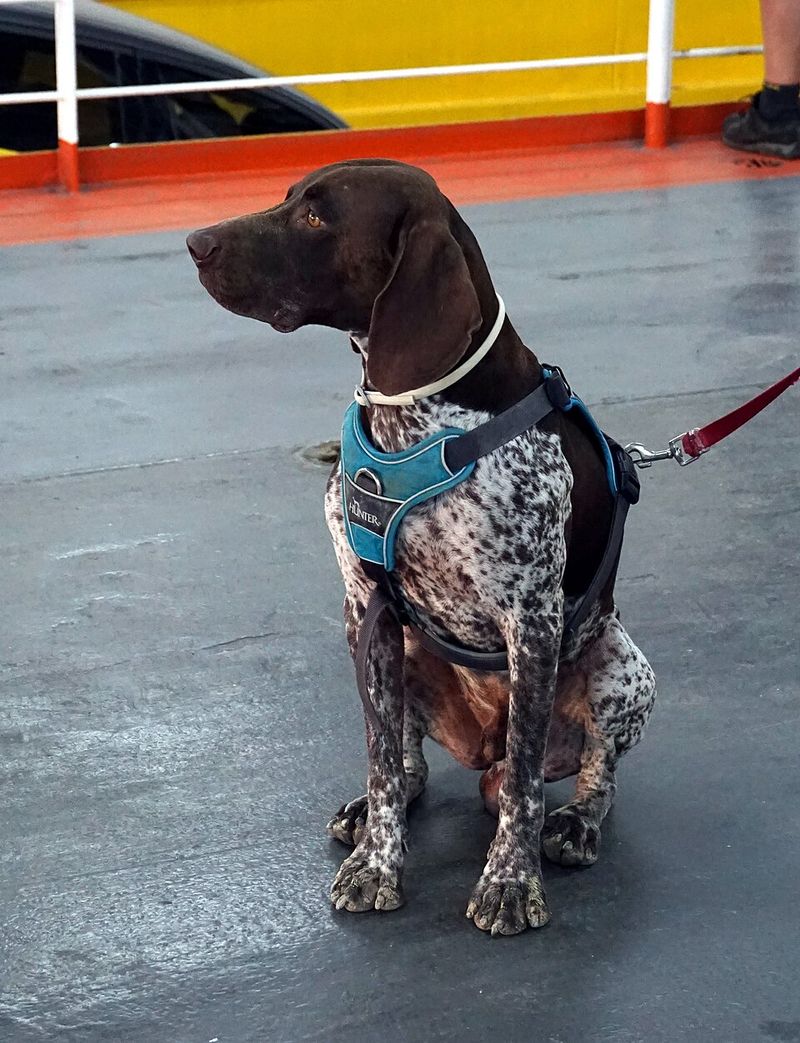
Here is a dog that thinks a two-mile walk is just a warm-up. Hunters love the GSP for tracking birds all day without slowing down.
At home, an under-exercised pointer may raid counters, bark nonstop, or bounce off the walls. They are friendly and goofy but need serious outlets.
Running, hiking, swimming, and nose work keep them happy. Active families who live outdoors will find a tireless buddy.
Great Pyrenees
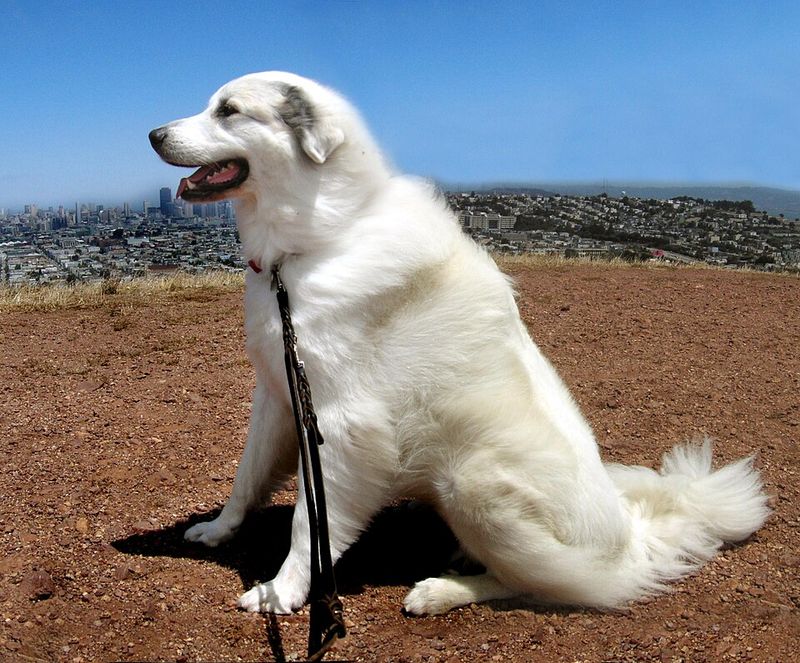
Calm and cuddly by day, a Pyr often turns into a barking night watchman once the sun goes down. Shepherds bred them to scare off wolves in the mountains.
They make their own choices, so obeying commands can feel optional. Off-leash time is risky because they love to wander and patrol.
Brushing that thick white coat is a weekly chore. Neighbors may also need warning about the nighttime noise.
Border Collie
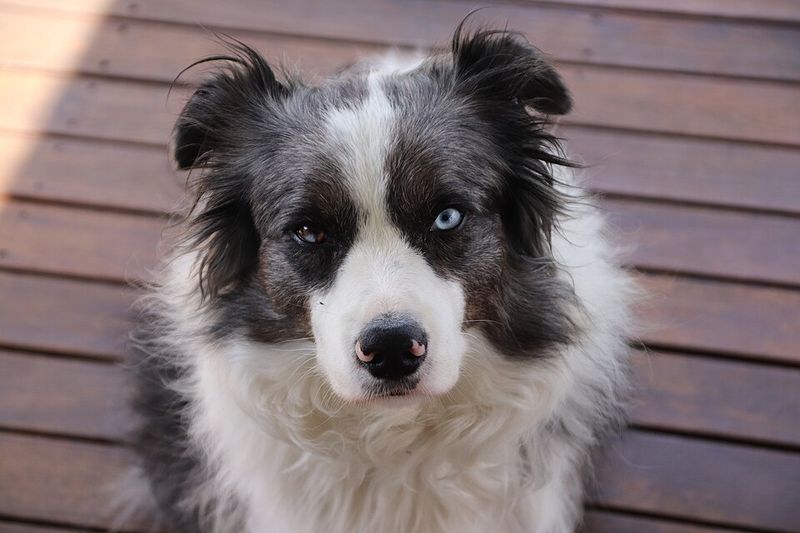
Scientists often rank the Border Collie as the smartest dog breed. Sounds great, right?
That big brain gets bored fast.
Owners report collies herding children, chasing cars, and staring at shadows for hours when they lack a task. Mental work matters as much as running.
Try agility, trick training, or herding lessons. A tired collie is a polite collie, while a bored one becomes a furry problem solver.
Bull Terrier
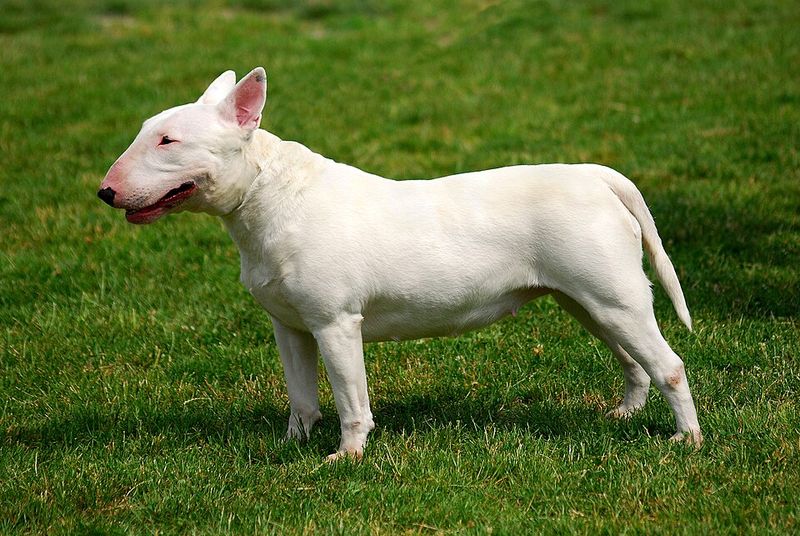
With that egg-shaped head and twinkly eyes, the Bull Terrier looks like a cartoon. Its behavior can be just as silly and stubborn.
Some chase their own tails for long stretches, and many treat training like a negotiation. They are strong, rowdy players who can knock over small kids.
Keep lessons short and full of rewards. Sturdy toys help, since flimsy ones last about five minutes with this clown.
Australian Cattle Dog
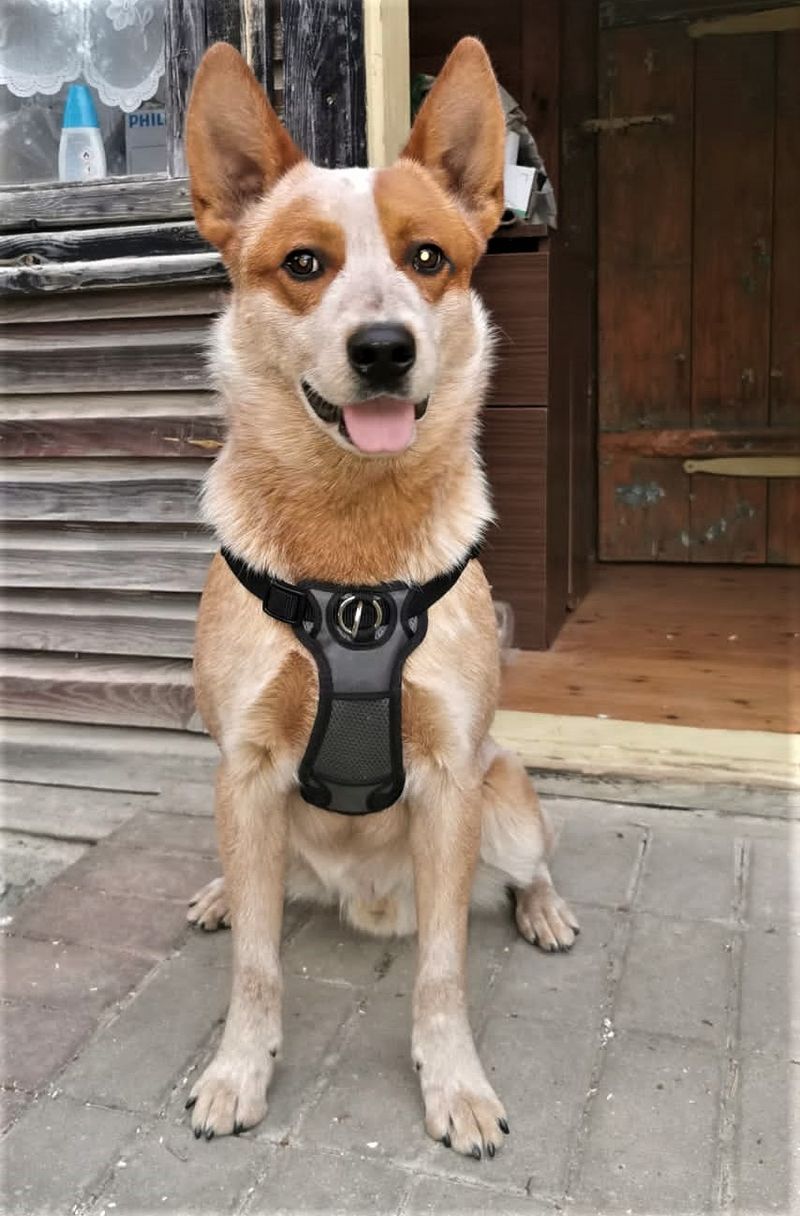
Ranchers in Australia needed a tough dog to move stubborn cattle over huge distances. They got the heeler, which nips at heels to get things moving.
That nipping habit can land on ankles at home. These dogs bond tightly with one person and may be wary of everyone else.
Give them jobs like fetching, frisbee, or carrying a backpack on hikes. Redirect nipping early with toys and calm training.
Weimaraner
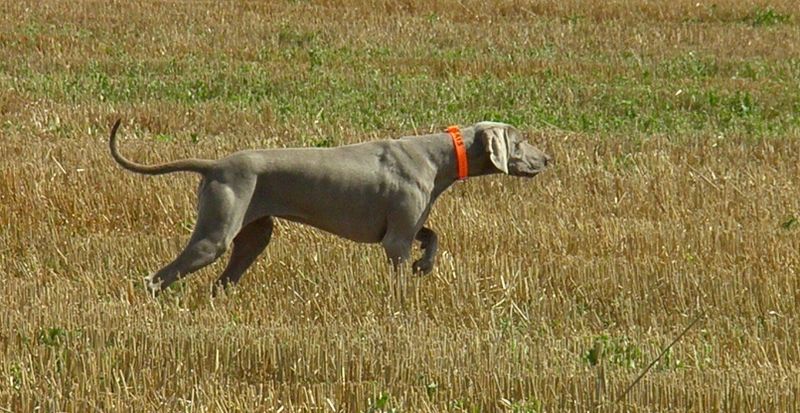
Nicknamed the gray ghost, this sleek hunter is more like a shadow that follows you everywhere. Bathroom trips included.
Weimaraners bond so closely that many suffer from separation anxiety. Left alone too long, they may chew doors, howl, or tear up couches.
Crate training and slowly building time apart can help. Lots of running is also key, since this breed was made to chase big game across German forests.
Giant Schnauzer
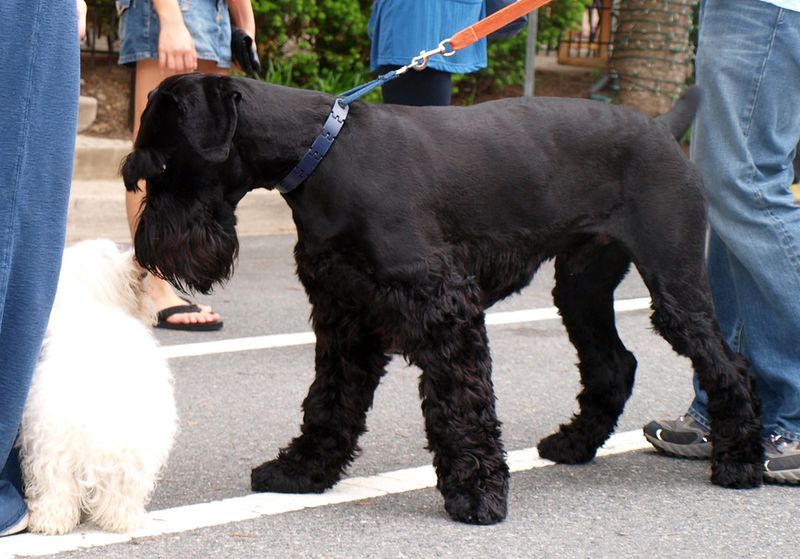
Think of a Mini Schnauzer, then imagine it supersized with a guard dog brain. Bavarian farmers used these dogs to drive cattle and protect breweries.
Giants are clever, protective, and full of energy. They test boundaries and can become bossy without consistent training.
That wiry coat needs regular trimming, which adds grooming costs. Owners who enjoy dog sports and structure often find a fiercely devoted, bearded sidekick.