
Some dog breeds show up in every movie, ad, and social media feed, and people can’t stop talking about how wonderful they are. But living with a dog every single day is very different from watching cute videos online.
Even the most loved breeds come with habits and needs that can surprise new owners. Knowing the real story before you bring a puppy home can save you stress and help your new friend thrive.
Labrador Retriever
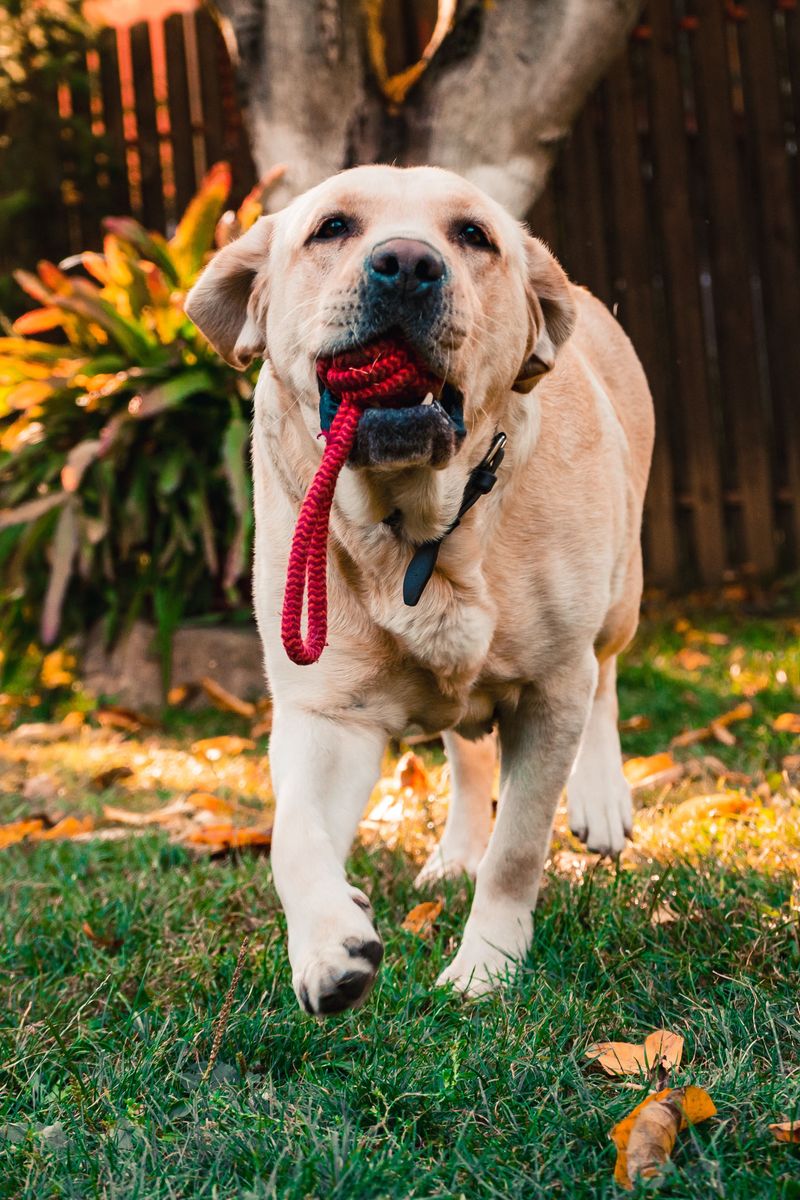
America loved the Labrador as its top breed for over thirty years, and it’s easy to see why. Labs are friendly, smart, and eager to please almost anyone.
Behind that sunny smile hides a bottomless stomach. Many Labs will eat socks, rocks, or a whole birthday cake if given the chance.
Keep food locked away and plan on lots of exercise. A bored Lab can turn a couch into confetti surprisingly fast.
Golden Retriever
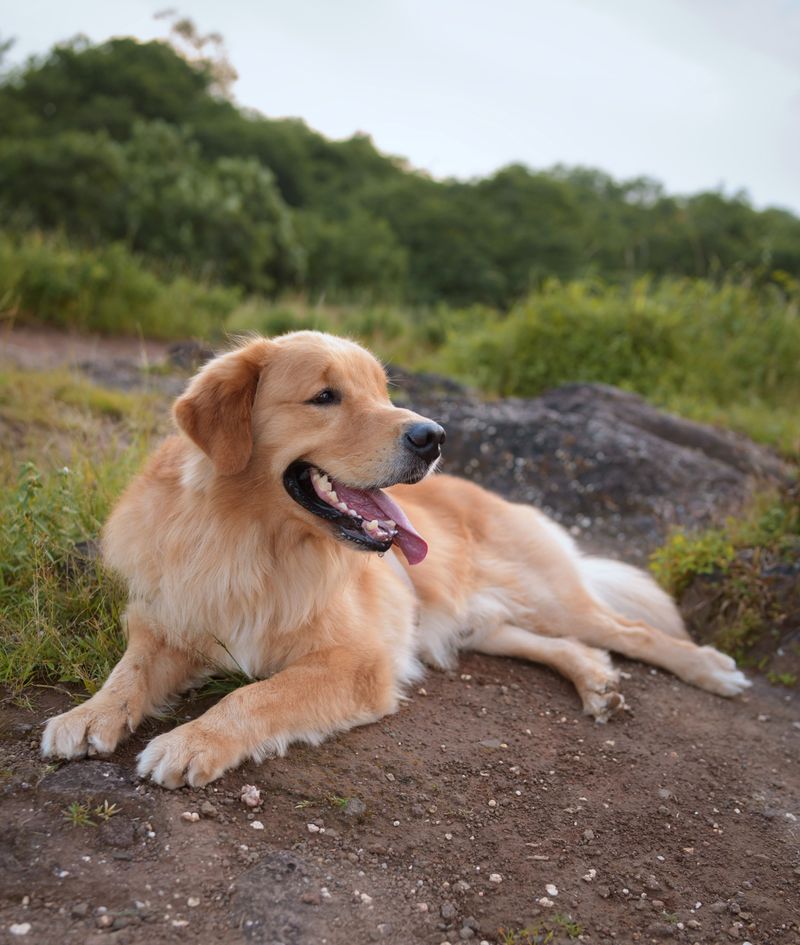
Picture a sweet family dog fetching a ball in the backyard. Odds are, you just imagined a Golden Retriever.
What the postcards skip is the fur. Goldens shed all year and blow their coats twice a year, leaving fluffy tumbleweeds in every corner of the house.
Sadly, the breed also has high cancer rates. Brush often, buy a strong vacuum, and keep up with regular vet checkups to catch problems early.
French Bulldog
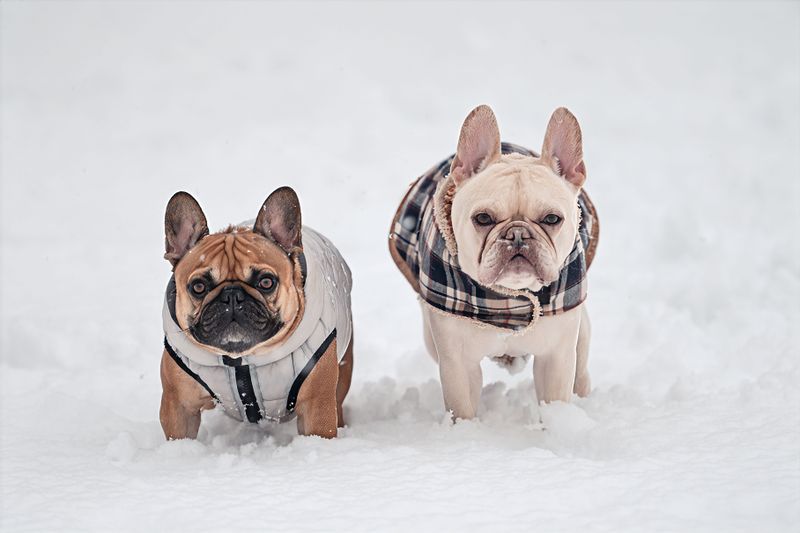
Those bat ears and squishy faces have made Frenchies a city favorite. They’re funny, cuddly, and fit nicely in small apartments.
Here’s the tough part. Their flat faces make breathing hard, especially in heat or during exercise, and many need surgery to breathe easier.
Vet bills can climb quickly, so pet insurance is a smart idea. On warm days, keep walks short and always bring water along for your little snorter.
Border Collie
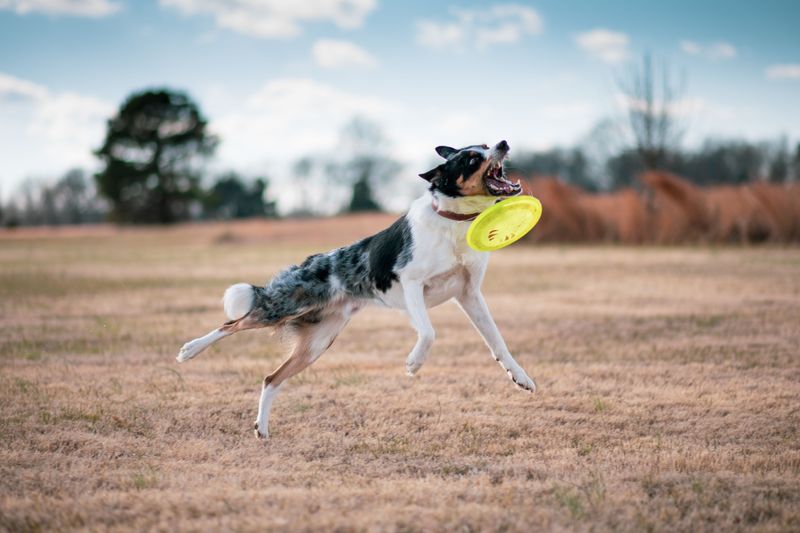
Did you know? A Border Collie named Chaser learned the names of over 1,000 toys.
That’s genius-level thinking for a dog.
All that brainpower needs a job, though. Without daily work or puzzles, these clever pups may herd kids, chase cars, or invent their own troublesome hobbies.
Families with busy schedules often struggle here. Try agility classes, herding lessons, or food puzzles to keep that sharp mind happy and out of mischief.
Siberian Husky
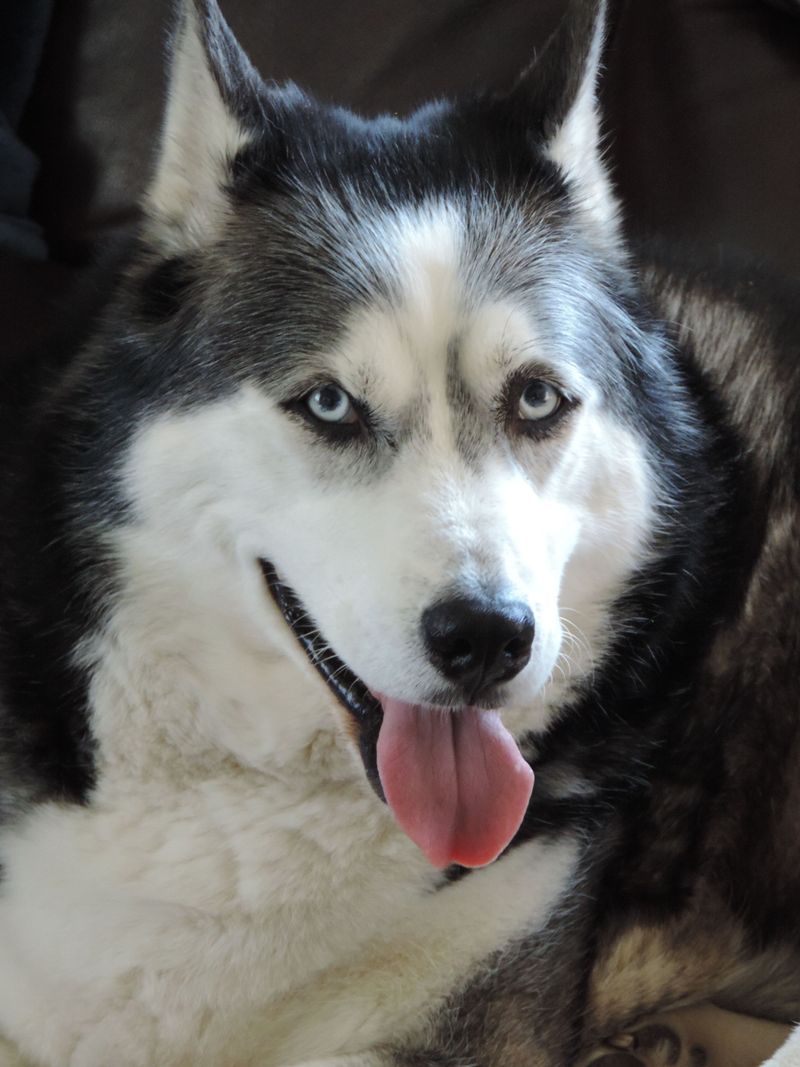
With ice-blue eyes and a wolfish look, the Husky practically stars in its own fantasy movie. Fans adore its playful, chatty spirit.
Owners know the other side. Huskies howl, dig, and escape like tiny furry magicians, often jumping fences or squeezing through gaps.
Bred to run miles pulling sleds, they need serious daily exercise. A tall, secure fence and a leash outdoors are must-haves, since recall is rarely their strong point.
German Shepherd
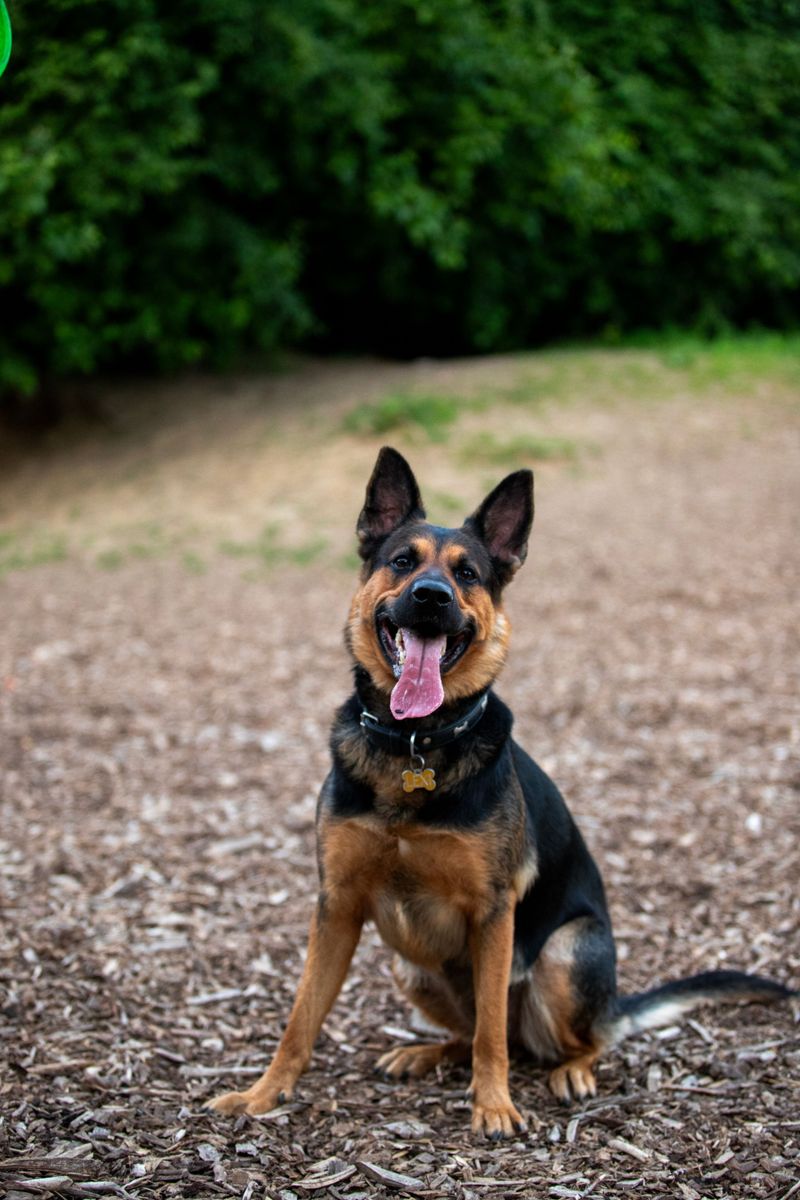
Police officers, soldiers, and search teams trust German Shepherds with tough jobs. Loyal and brave, they make protective family dogs too.
Still, that guarding instinct can turn into overprotection without early training and lots of social time with people and other pets.
Hip and elbow problems are common in the breed as well. Choose a careful breeder who tests parents, and start obedience classes while your pup is young and curious.
Dachshund
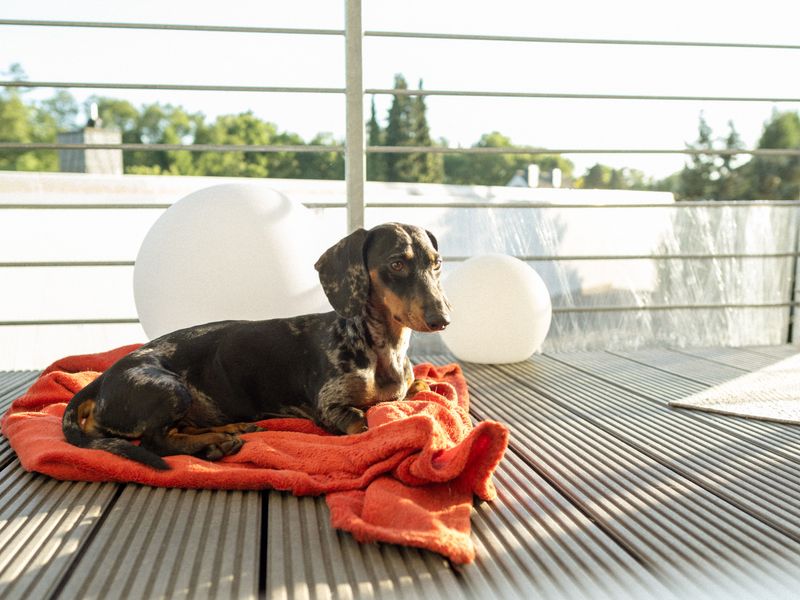
Hot dog, wiener dog, sausage pup, call it whatever you like. Everyone giggles at that long body and those short legs.
Unfortunately, that shape is hard on the spine. About one in four Dachshunds develops back disc problems, which can sometimes cause paralysis.
Protect your doxie by using ramps instead of letting it jump off couches. Keep weight healthy, too, since extra pounds put more pressure on that famously stretched-out back.
Beagle
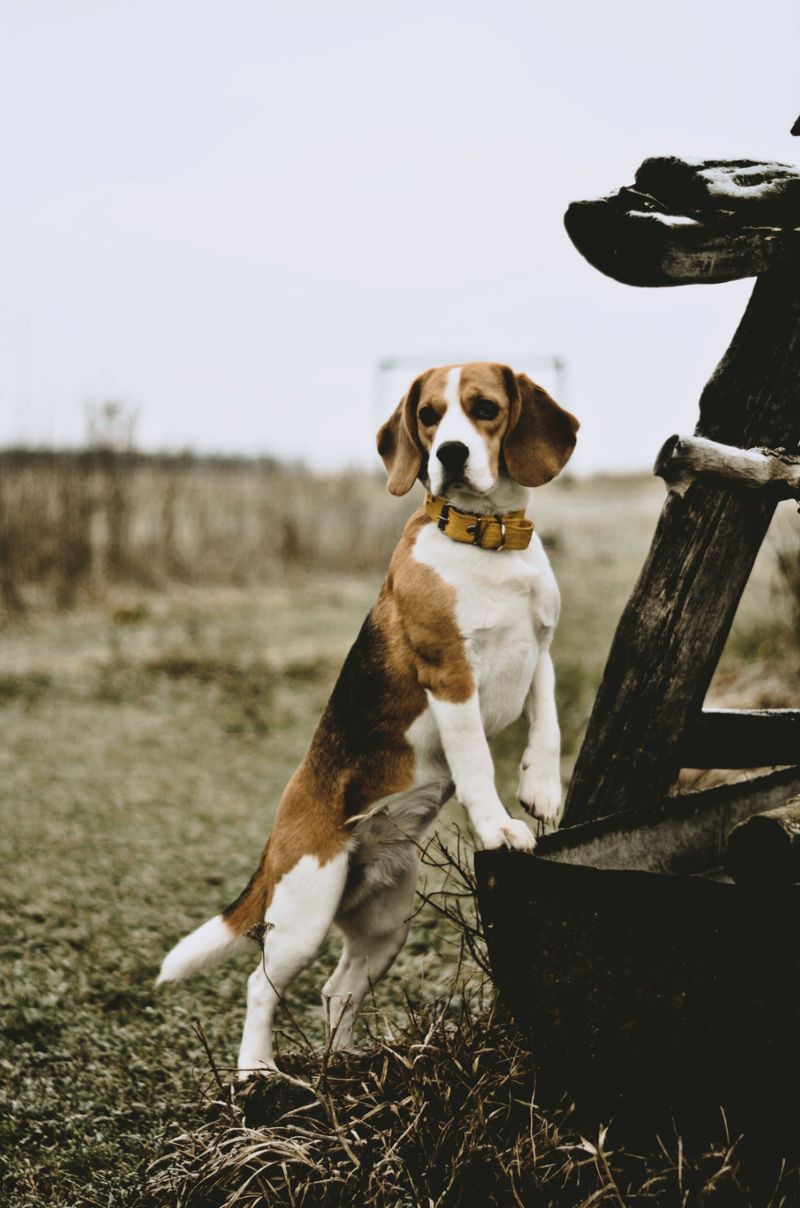
“My Beagle’s nose has a mind of its own,” laughs almost every owner. With around 220 million scent sensors, these hounds follow smells anywhere.
That nose often beats training. Beagles may wander off, ignore calls, and dig through trash looking for snacks.
Then there’s the baying, a loud, musical howl neighbors might not enjoy. Keep them leashed on walks and try scent games at home to satisfy those powerful sniffing instincts.
Cavalier King Charles Spaniel
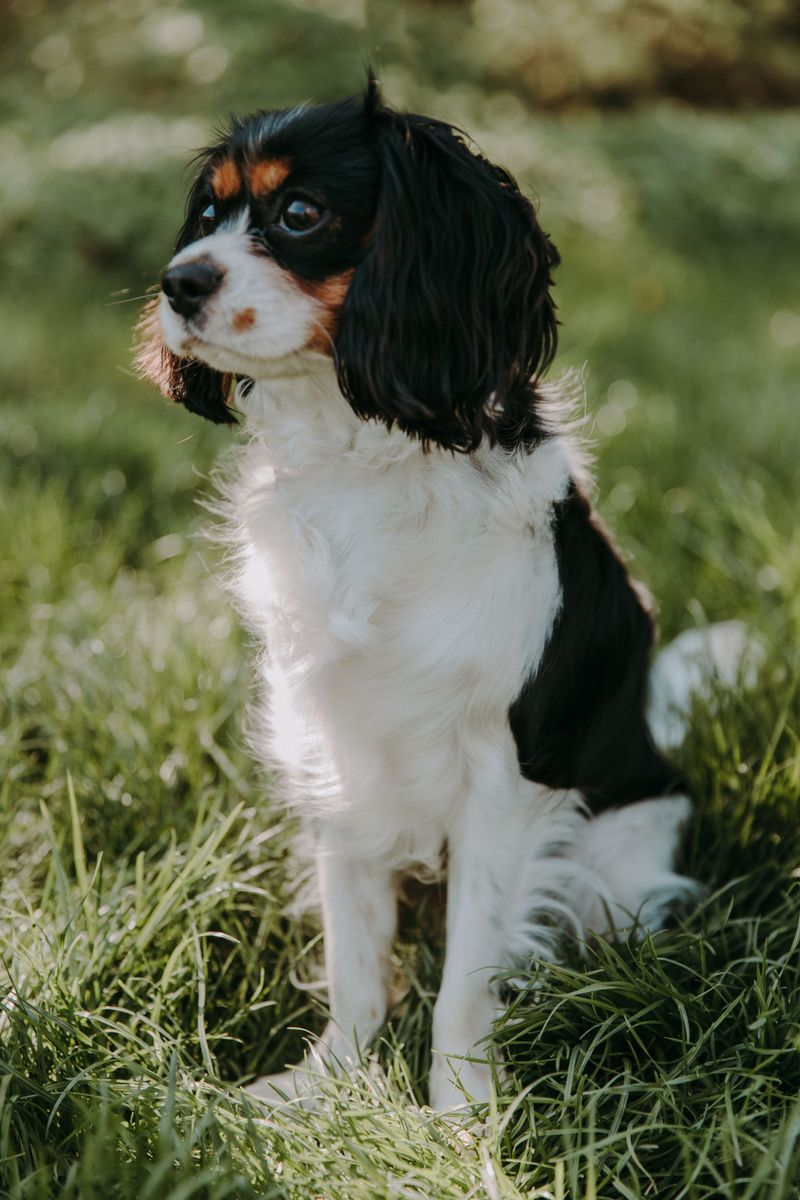
King Charles II reportedly loved these spaniels so much he brought them to royal meetings. Today, they’re still prized as sweet lap warmers.
Heartbreakingly, many Cavaliers develop a heart condition called mitral valve disease, sometimes before age five. Some also face a painful skull and spine issue.
Ask breeders for heart screening results on both parents. Yearly vet heart checks help spot trouble early, giving your affectionate cuddle buddy more happy years.
Australian Shepherd
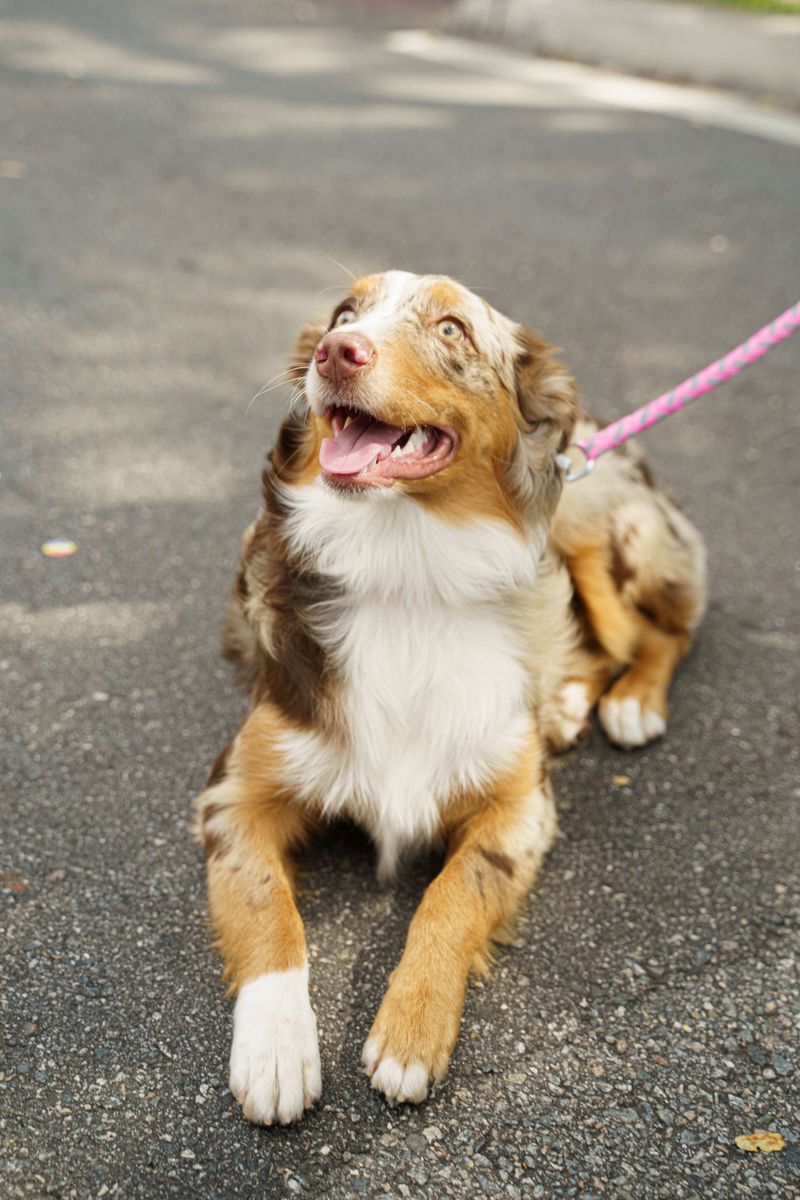
Ever seen a dog with one blue eye and one brown? There’s a good chance it was an Aussie, flashing that stunning merle coat.
Gorgeous looks attract lots of buyers, but these ranch workers are energy machines. A short daily walk barely warms them up.
Without enough activity, Aussies may nip heels, bark nonstop, or chew. Frisbee, hiking, and dog sports work wonders for burning off that endless fuel.
Pug
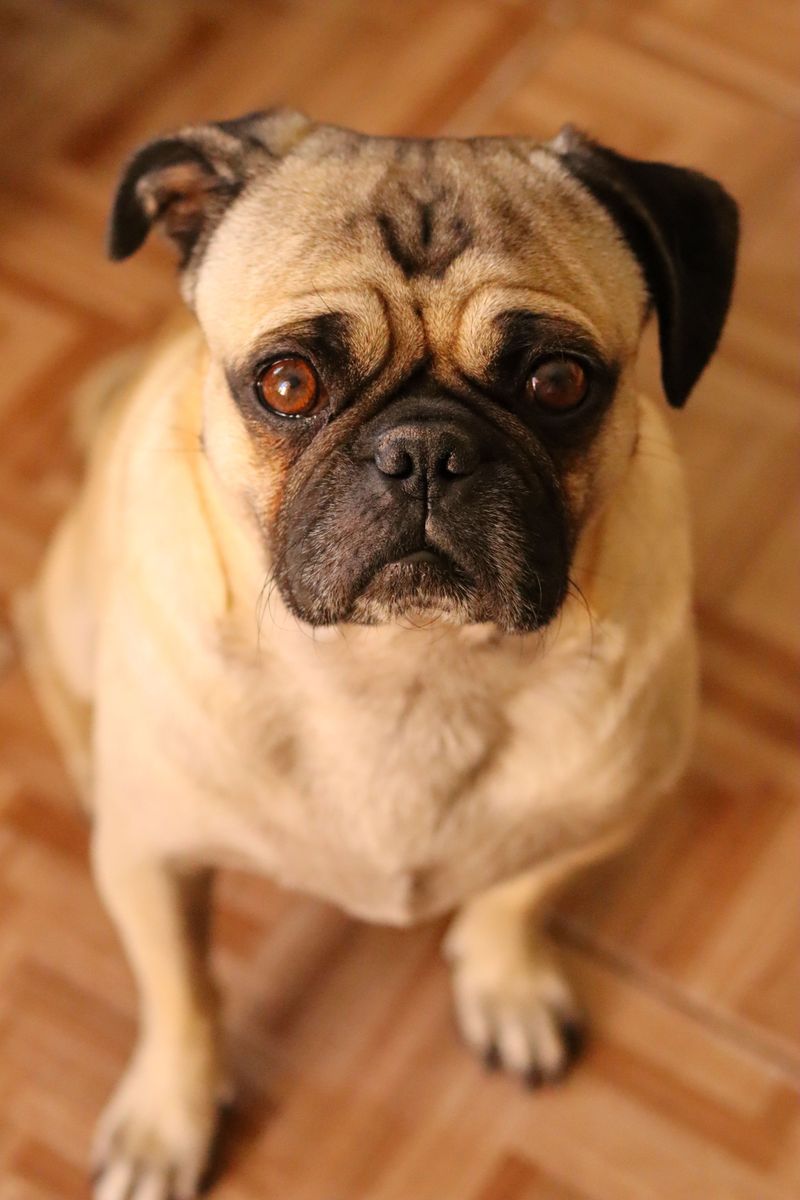
Pugs are little clowns in fur suits. They snort, wiggle, and make even the grumpiest person crack a smile.
Like Frenchies, their flat faces cause breathing struggles, and their bulging eyes can get injured easily. Skin folds also trap dirt and need regular cleaning.
Pugs love food a bit too much, so weight gain is common. Measure meals, wipe those wrinkles weekly, and skip long runs on hot afternoons.
Poodle
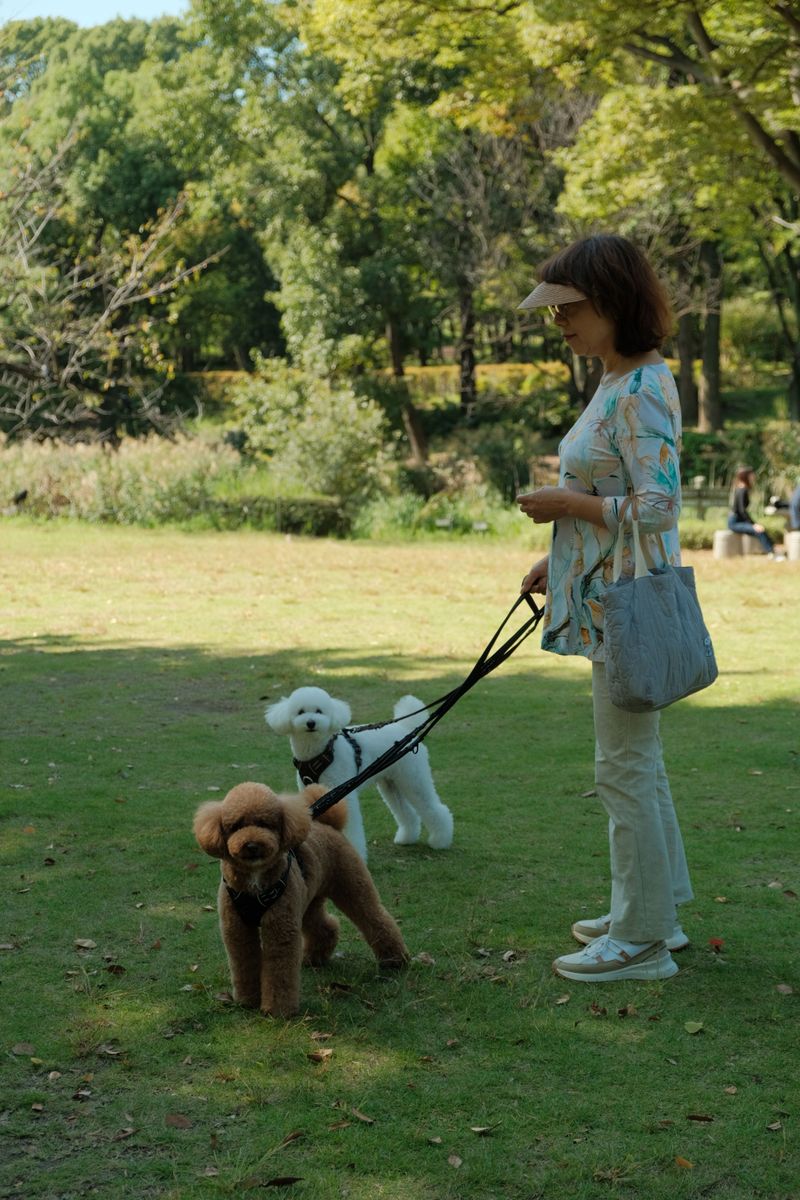
Forget the fancy show haircuts for a second. Poodles were originally tough water retrievers in Germany, and they’re among the smartest breeds around.
That curly, low-shedding coat sounds like a dream, yet it never stops growing. Most Poodles need professional grooming every four to six weeks.
Costs add up fast, sometimes over a thousand dollars yearly. Learning basic brushing at home prevents painful mats and keeps those curls soft between salon visits.
Great Dane
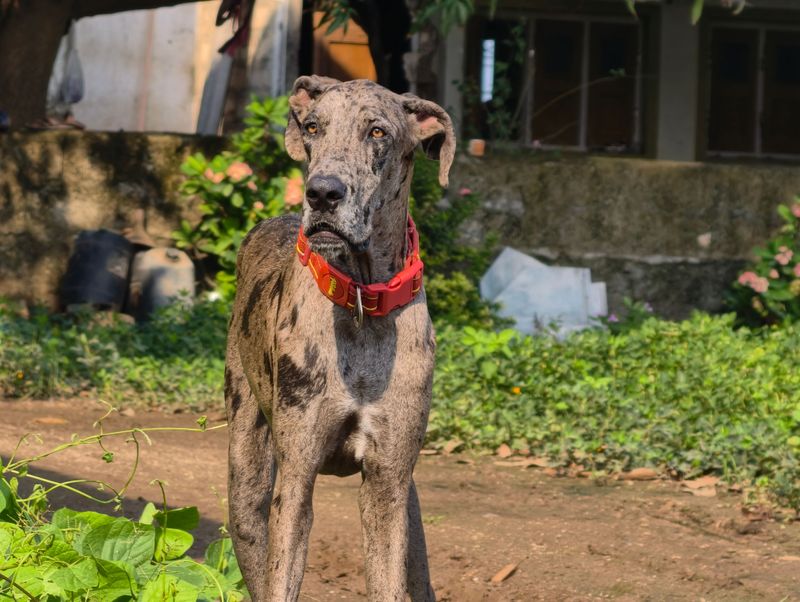
Scooby-Doo made Great Danes famous, and real ones are just as goofy. These gentle giants often think they’re lap dogs.
Size brings big challenges. Food costs are high, cars feel tiny, and a happy tail can sweep coffee tables clean in seconds.
Danes also have short lifespans, often seven to ten years, and face bloat, a deadly stomach twist. Feed smaller meals and avoid exercise right after eating to lower that risk.