
Many dog owners notice that their furry friends become more anxious after dinner. This phenomenon isn’t solely about the food but is often linked to the timing and routine surrounding meals. Understanding which breeds are more prone to after-dinner anxiety can help in managing their well-being.
Artois Hound
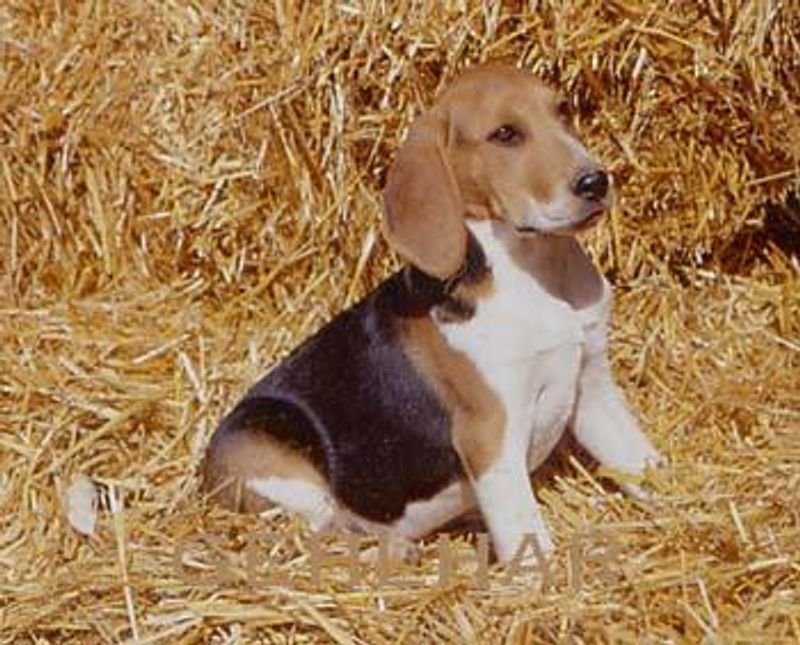
Legend has it, the Artois Hound, with its soulful eyes, can detect the faintest rustle in a field. This breed, known for its hunting prowess, surprisingly becomes more anxious after dinner. The excitement of the day winding down may unsettle them.
These hounds thrive on routine and feel secure with consistency. A sudden change in their post-meal environment can heighten their anxiety. While their past as hunters makes them resilient, they also crave companionship.
Establishing a calming evening ritual can help alleviate their stress. Consider a gentle walk or quiet time together to ease their transition.
Porcelaine
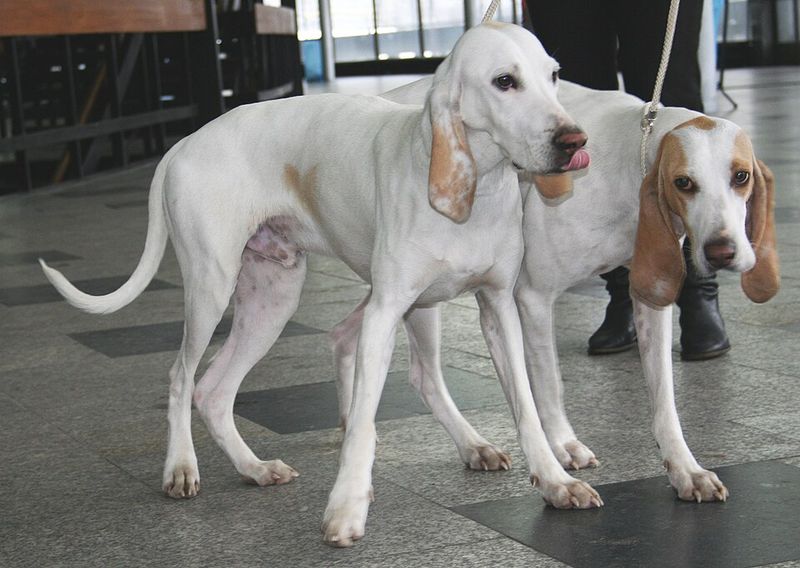
The Porcelaine, often called the “Royal Dog of France,” captivates with its elegant appearance. Despite its regal demeanor, this breed may exhibit signs of anxiety after dinner. Their sensitivity to energy makes them keenly aware of their surroundings.
As creatures of habit, any disruption in routine can lead to restlessness. Their history as scent hounds means they’re always on high alert. Evening noises often trigger anxiety, amplifying their unease.
To help them relax, consider engaging them in quiet playtime after meals. This breed benefits from structured environments that offer predictability.
Anglo-Français de Petite Vénerie
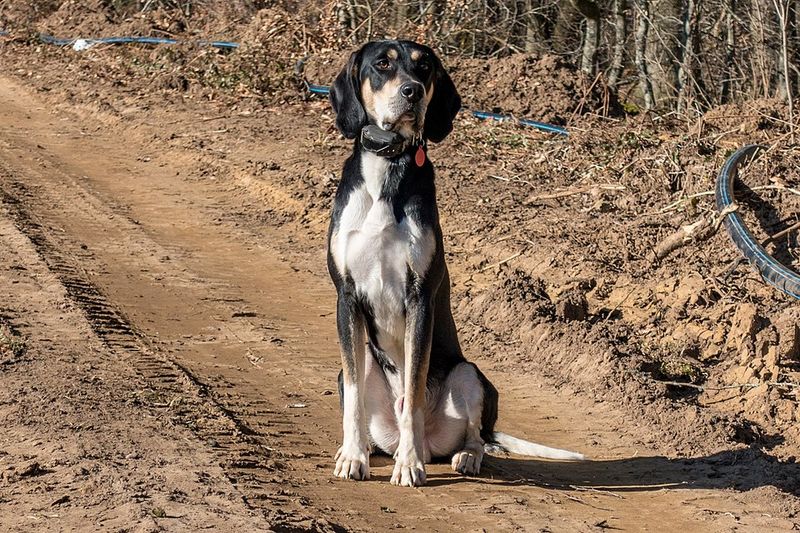
The Anglo-Français de Petite Vénerie possesses a keen sense of smell, which serves it well on hunts. However, after dinner, this breed can become anxious, craving more activity. Their history as pack hunters fuels their desire for social interaction.
This breed’s energy levels require an outlet, especially after meals. Without proper engagement, they may become restless or distressed. Evening strolls or light play can provide the necessary stimulation.
Understanding their need for companionship and movement is crucial. Maintaining a consistent post-dinner routine helps alleviate their anxiety and keeps them content.
Blue Gascony Griffon
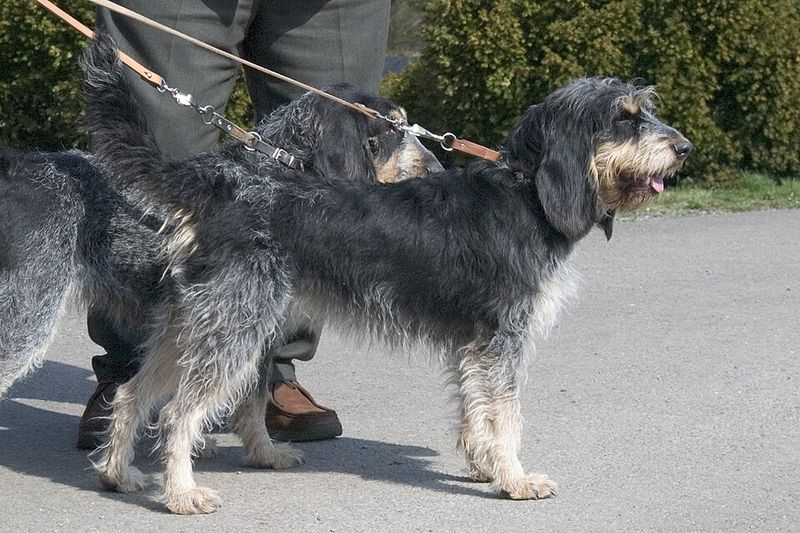
The Blue Gascony Griffon, with its distinctive coat, is a breed that loves exploration. Yet, after dinner, they may experience bouts of anxiety. Known for being sensitive and intelligent, they can be particularly affected by changes in their routine.
Evening times can be a challenge, as they may feel the day’s adventures ending too soon. Providing mental stimulation through puzzles or interactive toys can ease their minds.
These dogs thrive when given tasks that let them use their instincts. A stable environment and gentle engagement are key to keeping their anxiety at bay.
Smålandsstövare
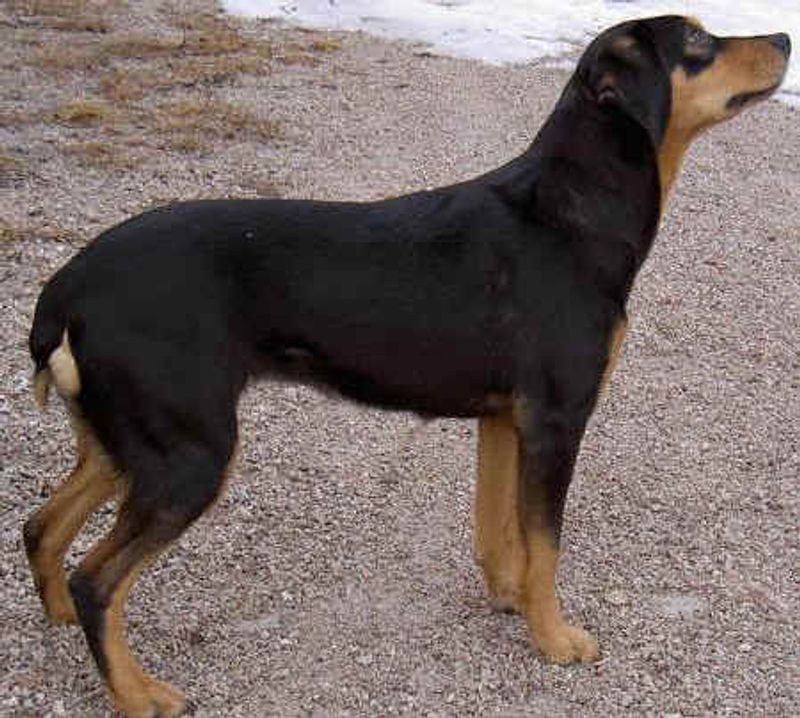
With its roots in Sweden, the Smålandsstövare is a breed that excels in adaptability. However, their adaptability doesn’t always extend to post-dinner relaxation. This breed can become more anxious as the day comes to a close.
Their strong hunting instincts mean they’re often alert and ready for action. As evening approaches, they may feel uneasy about the lack of activity.
Providing a calming routine, such as a gentle walk or quiet time, can help them transition smoothly. Their need for physical and mental engagement should be balanced to ensure their comfort.
Halden Hound
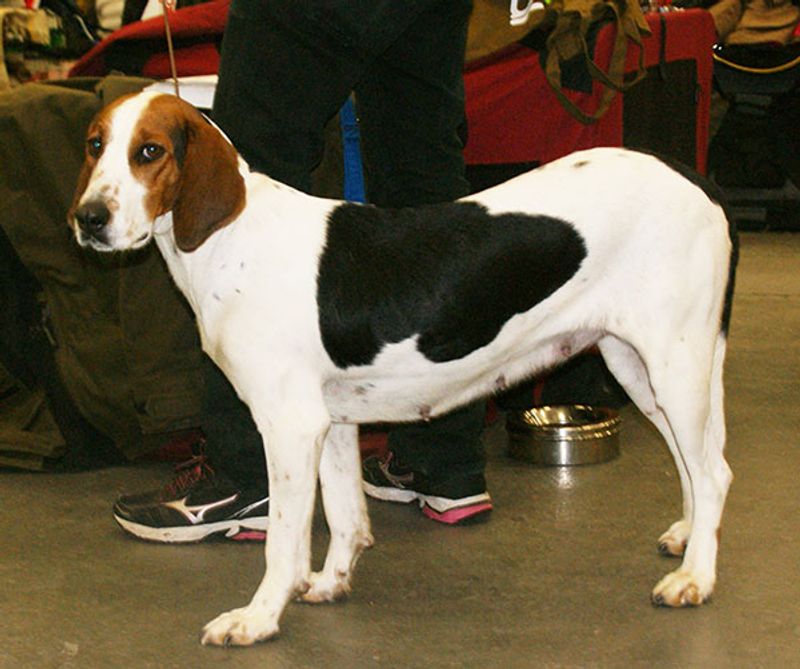
The Halden Hound is known for its gentle demeanor and resilience. Yet, after dinner, this Norwegian breed can become anxious. Their sensitivity to routine changes makes them particularly susceptible.
Evening times can induce stress, as they often associate the end of meals with a lack of activity. Providing a calm and predictable environment is crucial.
Incorporating quiet moments or soft music can help ease their anxiety. These hounds appreciate a soothing routine that allows them to unwind naturally, ensuring a peaceful evening for all.
Hygen Hound
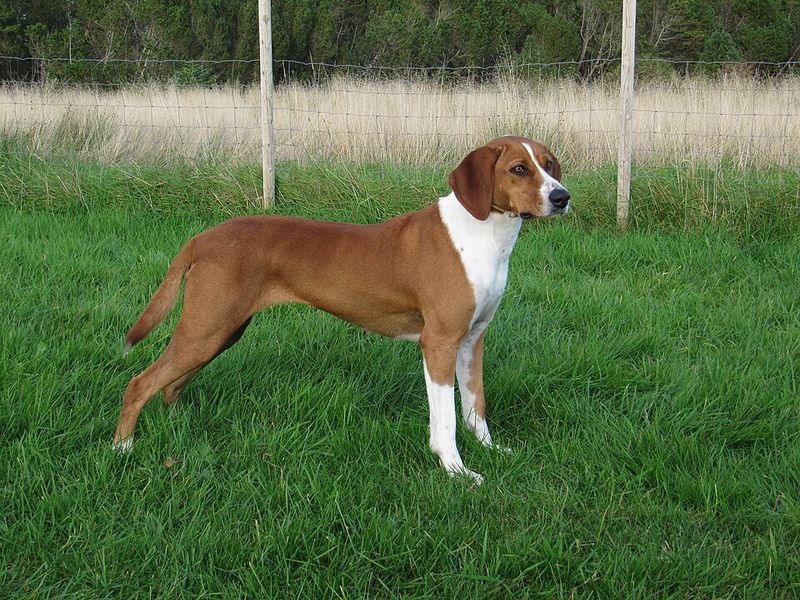
The Hygen Hound, noted for its stamina, often finds itself restless after dinner. This breed’s high energy levels can lead to anxiety if not properly managed. Their keen senses keep them alert and aware.
Evenings can be challenging, as they crave more engagement than typical post-dinner relaxation offers. Physical activities can help channel their energy constructively.
A structured routine that includes light play or a short walk can benefit them greatly. Understanding their need for movement and mental stimulation aids in reducing their anxiety.
Montenegrin Mountain Hound
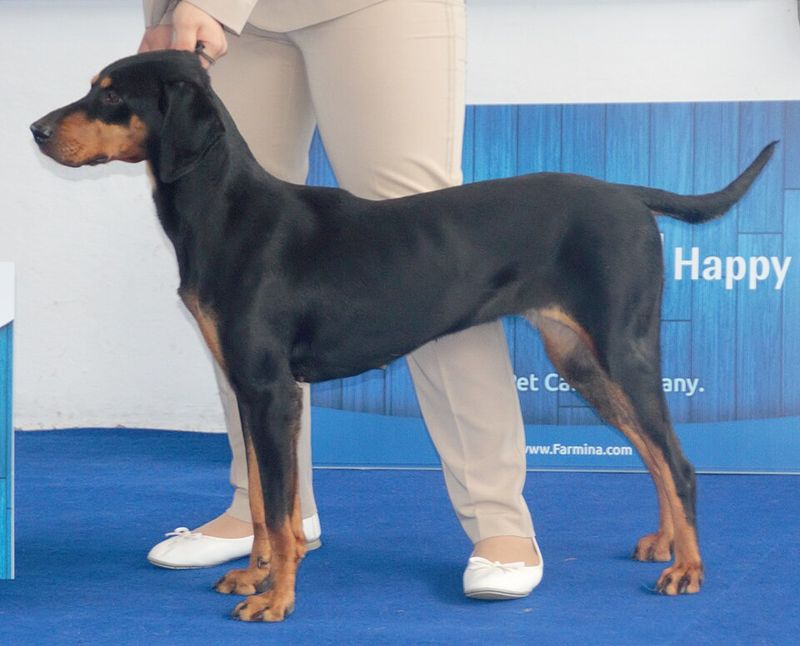
The Montenegrin Mountain Hound, with its robust build, is a breed that often experiences anxiety following meals. Despite their strength, they are sensitive to changes in their surroundings.
Post-dinner times can be unsettling, as they may feel a sudden lack of purpose. Establishing a calming routine is beneficial in addressing this anxiety.
These hounds respond well to environments that offer consistency. Gentle activities and quiet companionship can help them transition smoothly from active to restful periods.
Serbian Hound
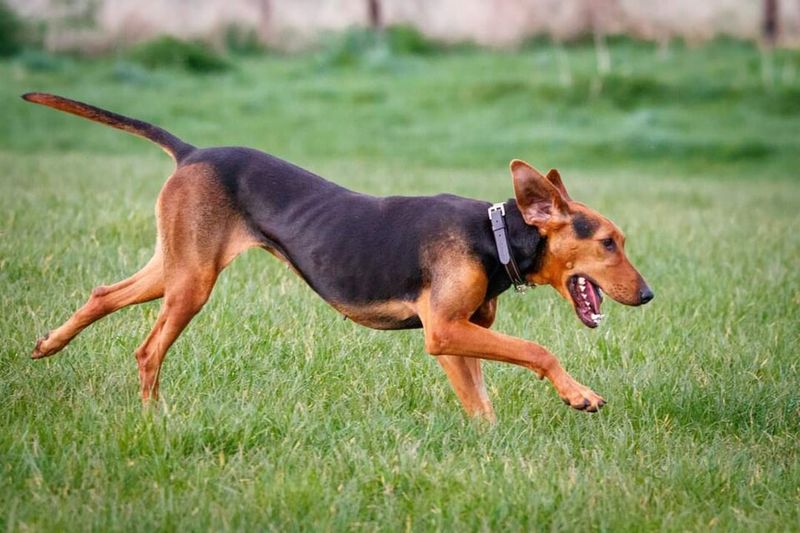
The Serbian Hound, known for its persistence, can become anxious after dinner. Their natural drive and energy require outlets, especially as the day winds down.
This breed may struggle with evening times when activity decreases. Providing structured engagement helps them manage their energy and reduces anxiety.
Interactive toys or training sessions can offer mental stimulation and keep them occupied. Consistent routines foster a sense of security, allowing them to relax and enjoy their evenings.
Bosnian Coarse-Haired Hound (Barak)
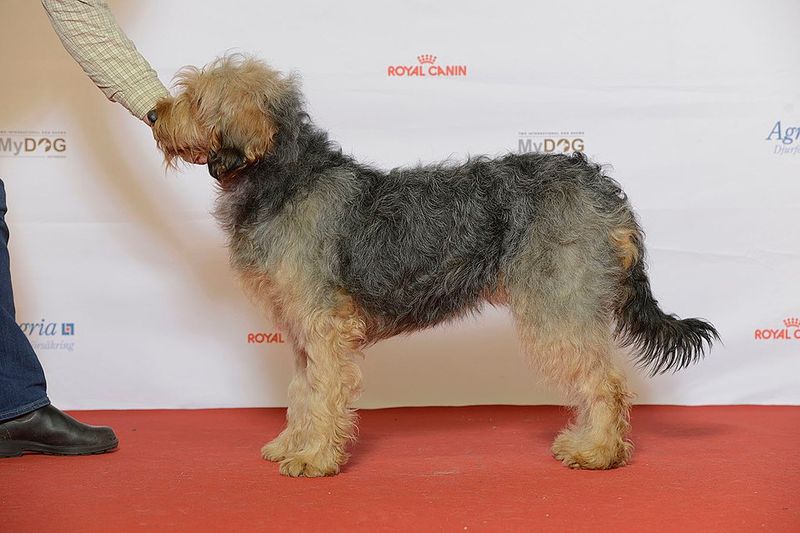
The Barak, with its coarse coat, is a breed that can become anxious after meals. Known for its sensitivity, this hound often benefits from a predictable routine.
Evening times can be challenging, as they sense changes in energy levels. Engaging them in light activities can help ease their anxiety.
Consistency is key for these dogs, as they thrive in stable environments. Offering quiet companionship and gentle interactions aids in their transition from active to restful periods.
Dunkerstövare
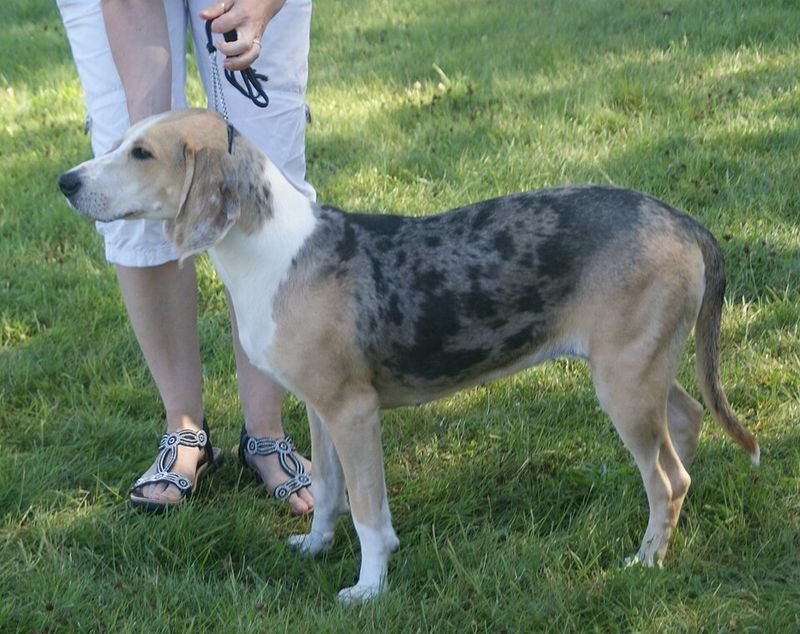
The Dunkerstövare, with its calm demeanor, can surprisingly become anxious after dinner. This breed, known for its resilience, may find the quiet of evening unsettling.
Providing a consistent routine helps them feel secure. Activities like gentle play or storytelling can offer comfort.
Maintaining a predictable environment allows them to relax and enjoy their evenings. Understanding their need for stability is crucial in managing their after-dinner anxiety.
Posavac Hound
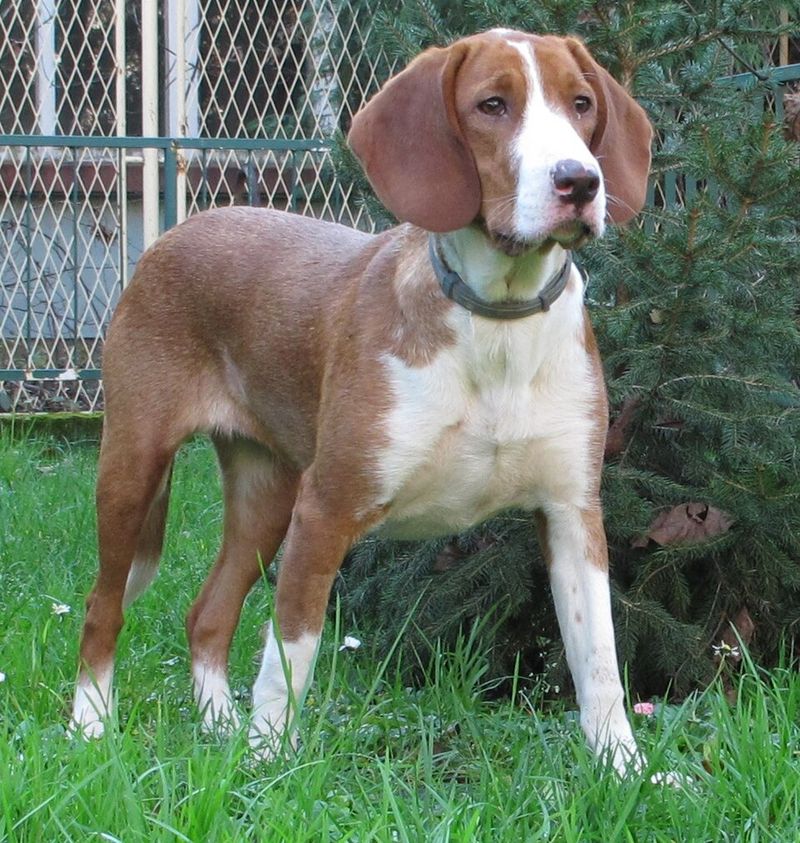
The Posavac Hound, with its harmonious nature, may struggle with anxiety after meals. Known for their keen senses, they are often alert to changes in their environment.
Evening times can be challenging, as they crave more activity than typically provided. Engaging them in light play can help ease their minds.
Structured routines that offer predictability are beneficial. Providing a soothing environment helps them transition from active to restful states, reducing anxiety.
Dalmatian
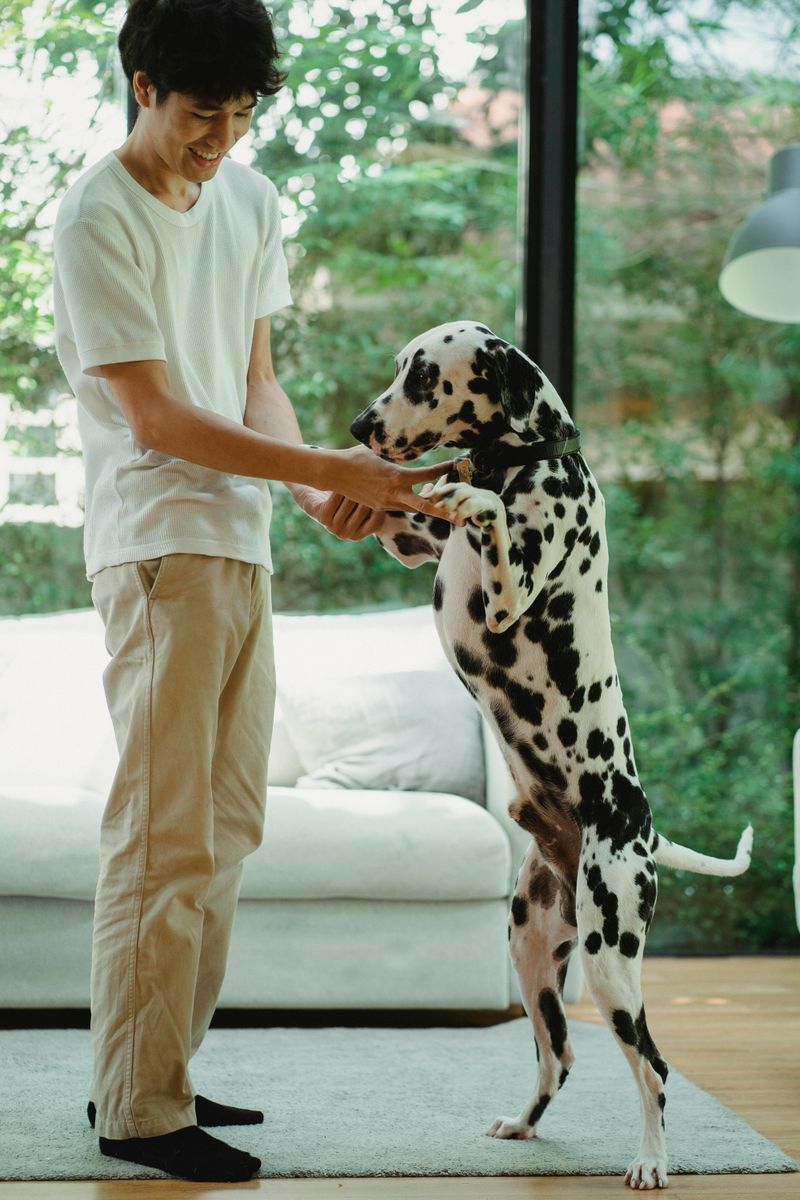
The Dalmatian, with its iconic spots, is known for its high energy and sociable nature. After dinner, this breed might become more anxious, especially if not adequately engaged.
Their need for activity often conflicts with typical evening routines. Providing interactive toys or light exercise can alleviate their restlessness.
Understanding their need for stimulation and companionship is key. Establishing a consistent, engaging routine ensures they remain content and reduces anxiety.