
Some dogs feel like a handful until the right plan reveals their genius. With structure, patience, and the right outlets, those wild edges turn into breathtaking partnership.
This guide shows you how specific training strategies transform challenging breeds into steady, joyful teammates. Ready to unlock your dog’s best self and actually enjoy the process?
Belgian Malinois
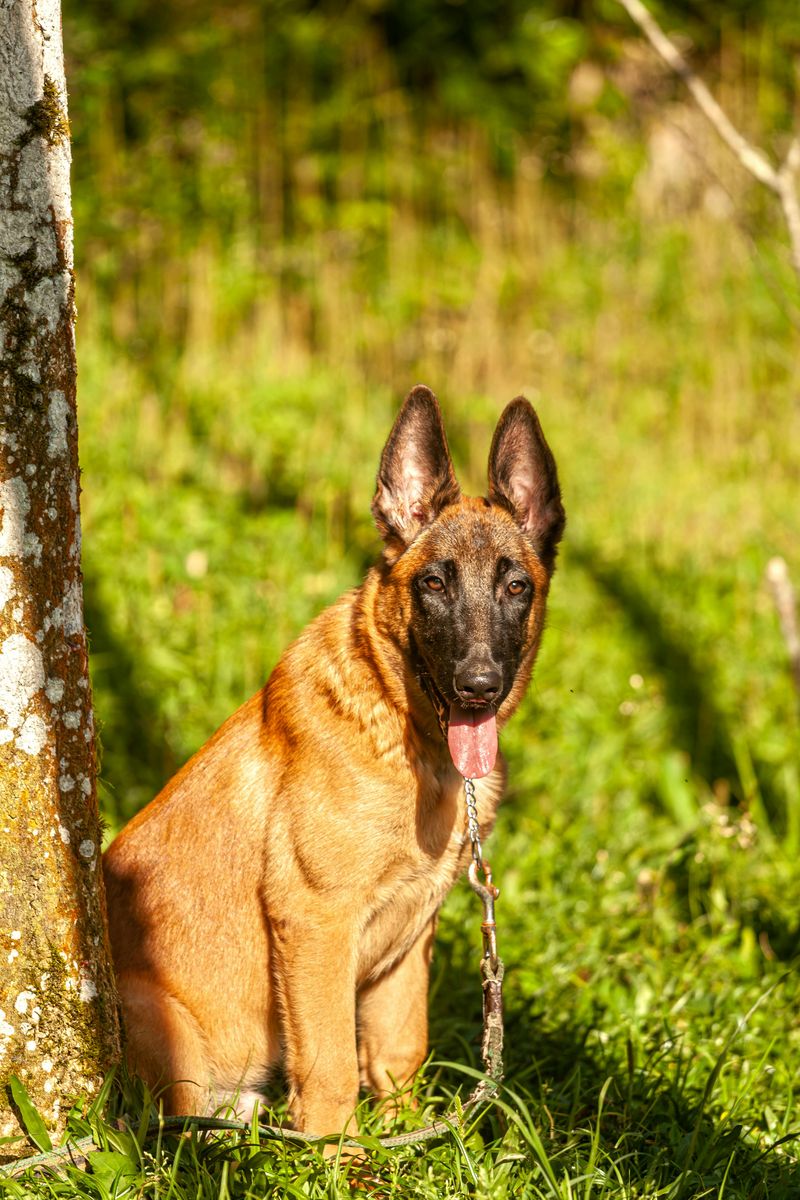
High drive defines the Belgian Malinois, which overwhelms many first-time owners. Give that energy a job, and the brilliance becomes breathtaking.
Start with structured routines, impulse control games, and daily scent or fetch drills.
You will need rock-solid management in the house, plus calm tethering during downtime. Teach neutral exposure to people and dogs, then reward focus back to you.
With clarity, consistency, and bite-size challenges, the Malinois transforms into a devoted partner.
Channel sprinting urges into flirt pole sessions and controlled tug, ending every game with relaxation rituals. Rotate puzzle feeders, platform training, and off-switch cues so excitement predicts calm, not chaos, at home.
Do this patiently for months, and you will witness quiet confidence replace frantic reactivity in public.
Cane Corso
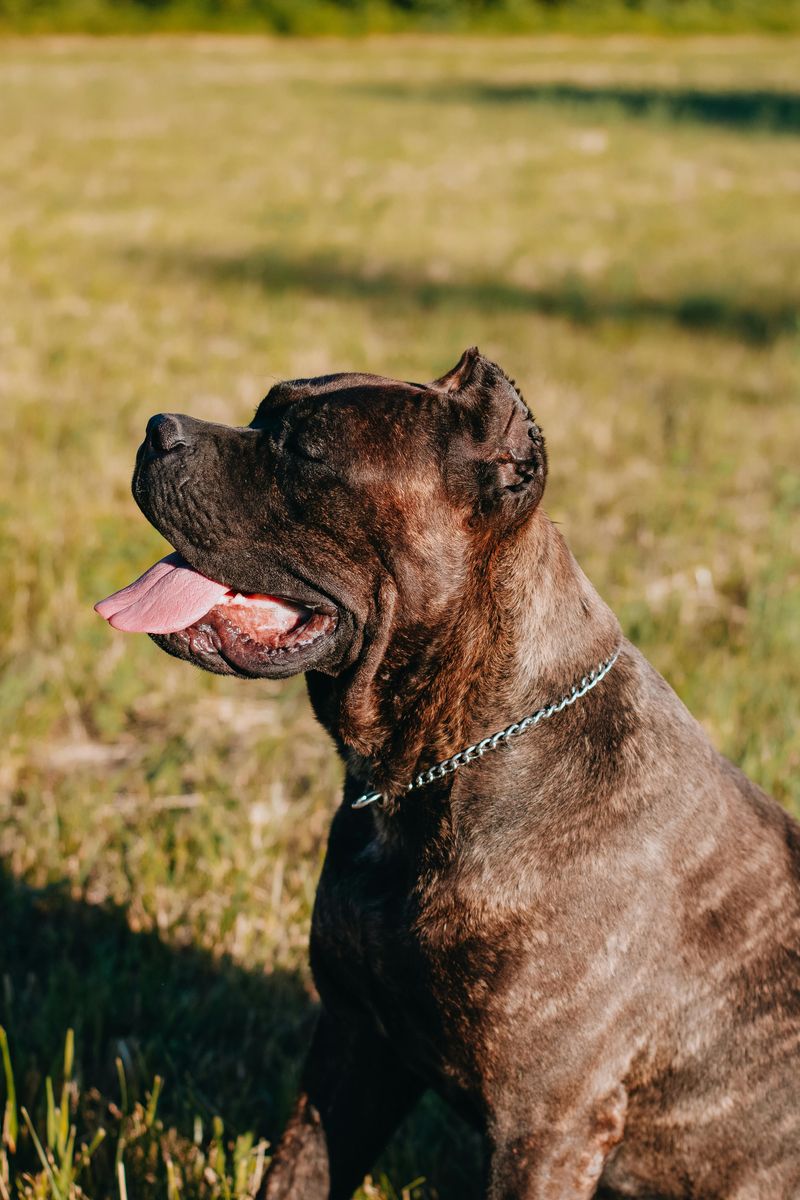
The Cane Corso is powerful, sensitive, and intensely observant, which can feel intimidating. Without clear leadership, boundaries blur and pushy behaviors escalate quickly.
With structured guidance, that same intensity becomes loyal steadiness and remarkable impulse control.
Create predictable routines, supervised greetings, and rock solid place training for visitors. Teach quiet confidence by reinforcing relaxed body language and calm eye contact.
Resource guarders thrive when you trade, pattern feed, and rehearse cooperative care.
Practice heelwork around distractions, then allow decompression walks so stress chemistry can normalize after big sessions. Invite controlled social exposure, pairing distance with food, and slowly shrink space as tolerance grows, gradually.
Over months, your Corso will read you beautifully and relax before choosing any reaction in crowds.
Akita
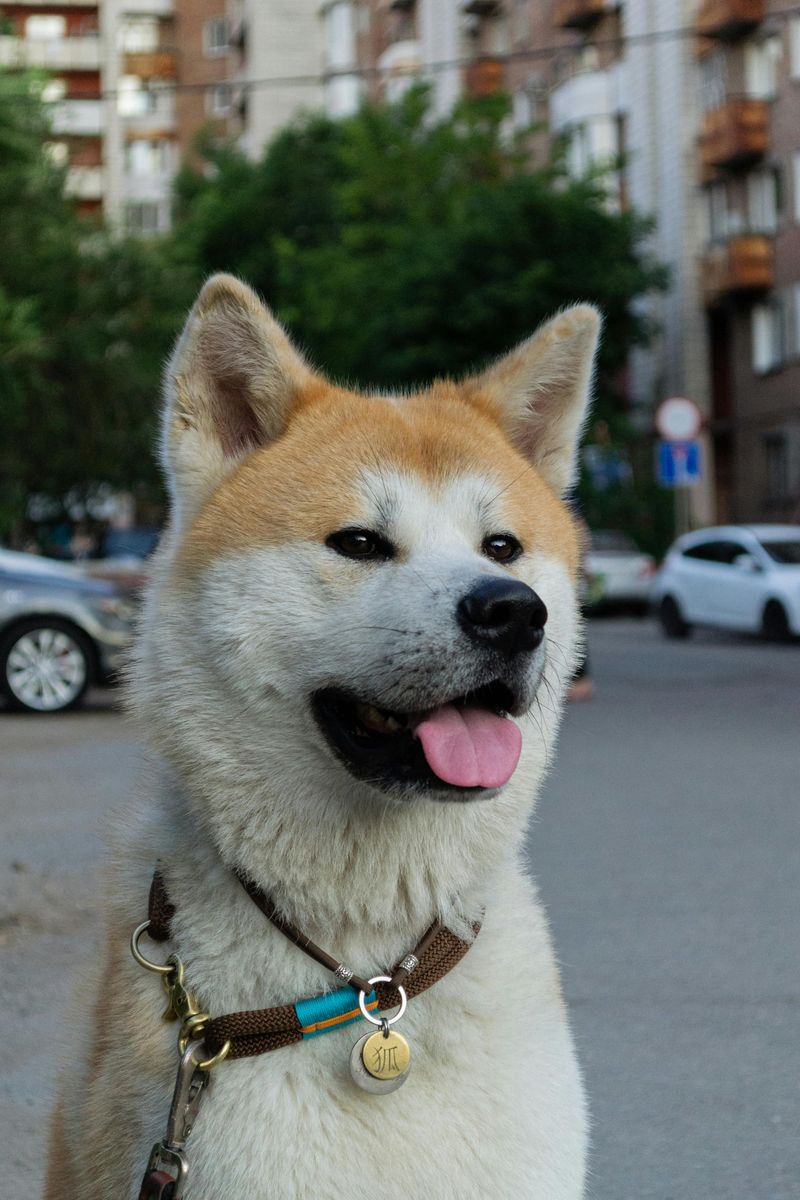
Independent and dignified, the Akita often tests rules while staying emotionally reserved. This can look stubborn, yet it is usually thoughtful caution.
With respectful guidance, the breed shines with quiet loyalty and polished manners.
Prioritize consent-based handling, slow introductions, and solid recall built through games. Reward eye contact, loose leash choices, and calm check-ins around strangers.
Guarding instincts soften when you structure predictable routines and protect personal space.
Use long lines in open fields, letting curiosity blossom while preventing rehearsals of selective hearing during training. Teach a rock solid place cue so guests enter calmly and your dog feels secure indoors.
With patience, neutrality, and fair boundaries, the Akita becomes a serene, deeply devoted companion for life with gentle guidance.
Doberman Pinscher
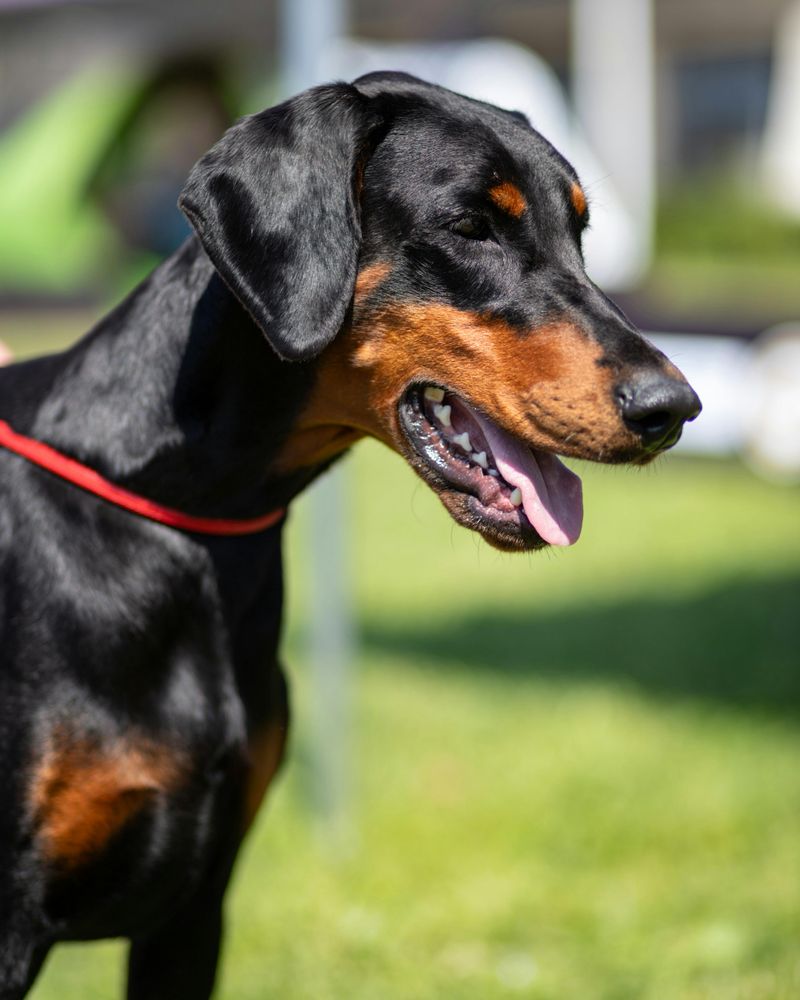
Dobermans are tuned to humans, sensitive to tone, and quick to mirror your emotions. That sensitivity can spiral into reactivity without clear structure and decompression.
Give fair rules and purposeful work, and you unlock athletic grace with velvet manners.
Use pattern games, stationing, and calm tethering to teach off-switch skills. Reinforce attention under pressure with look at that games and breathing resets.
Build confidence through cooperative care, touch consent, and predictable handling at the vet.
Alternate sprint drills with nosework to balance arousal, then finish every session with stillness practice. Teach a reliable middle position for crowded spaces, celebrating calm choices with rich rewards generously.
With time and empathy, the Doberman becomes courageous, steady, and elegantly attuned to you everywhere.
Weimaraner
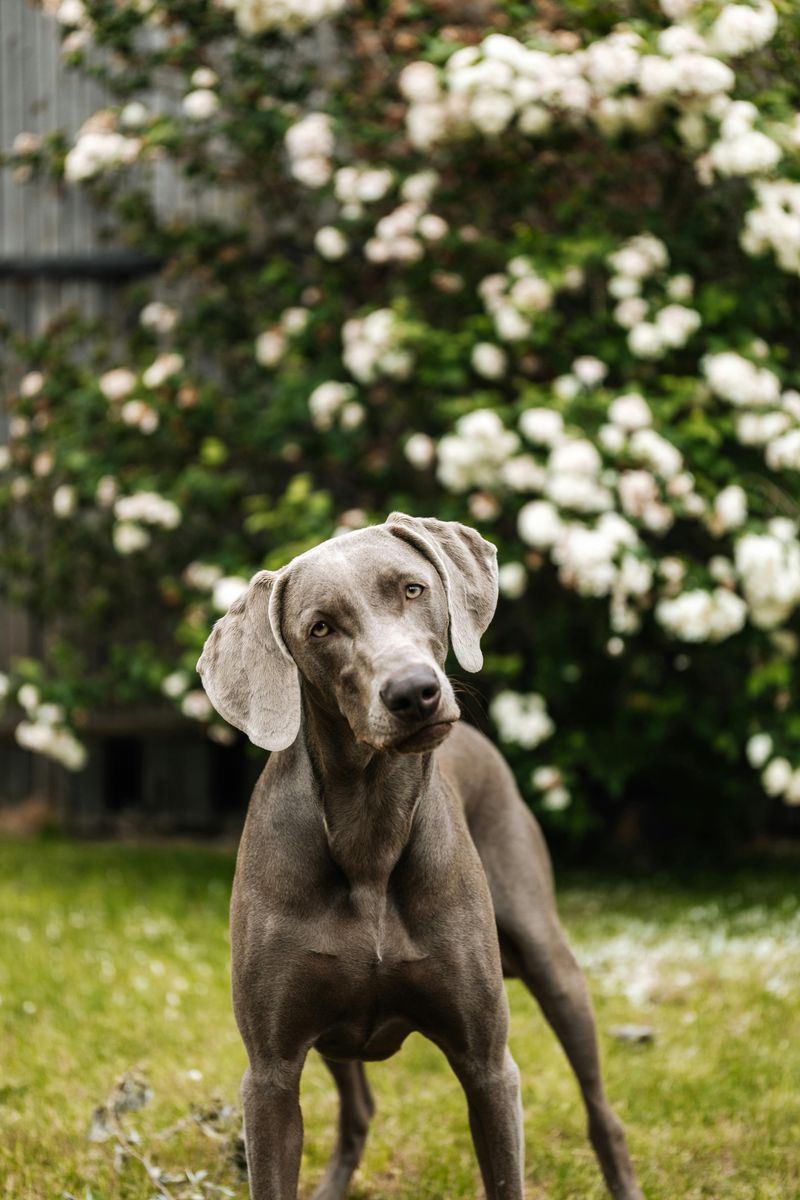
Weimaraners are gorgeous whirlwinds powered by curiosity, movement, and constant social connection. Left unsupported, they invent chaos and anxiety fueled mischief.
With thoughtful structure, their eagerness channels into brilliant problem solving and sticky recall.
Schedule long sniffaries, pattern feeding, and crate time paired with chews for decompression. Teach independent settling on a mat while you move between rooms.
Practice recall with chase resistant games, like restrained releases and strategic hiding.
Rotate field searches for tossed food, then layer in whistle cues that predict jackpots during real outings. Reinforce calm greetings by rewarding sit, looking away, and breathing before any approach on every walk.
With patience and humor, your Weimaraner becomes biddable, athletic, and joyfully attached to you at long last.
Giant Schnauzer
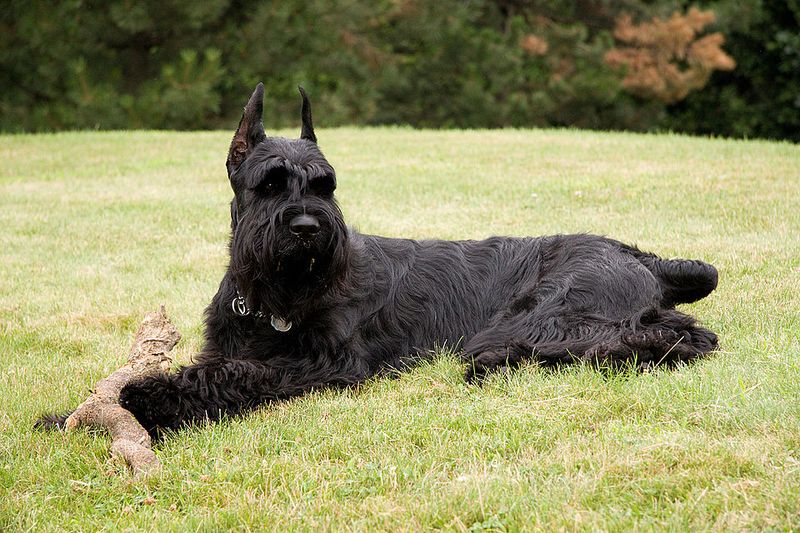
The Giant Schnauzer is brilliant, busy, and naturally suspicious without clear leadership. Left to guess, they patrol, bark, and bulldoze boundaries.
Channel that engine into sports, scent games, and meaningful household jobs.
Teach impulse control with door drills, food bowl manners, and station training near windows. Grooming cooperation builds trust, so trade, brush, and reward calm stillness.
Social skills improve when you pair distance, curiosity, and delicious reinforcement.
Alternate urban walks with trail time, practicing focus around bikes, runners, and clattering carts near busy storefronts too. End workouts with snuffle mats and chin rests so arousal can drain predictably after big challenges nicely.
Commit to fairness, variety, and daily brain work, and this giant becomes wonderfully civilized at your side.
Australian Cattle Dog
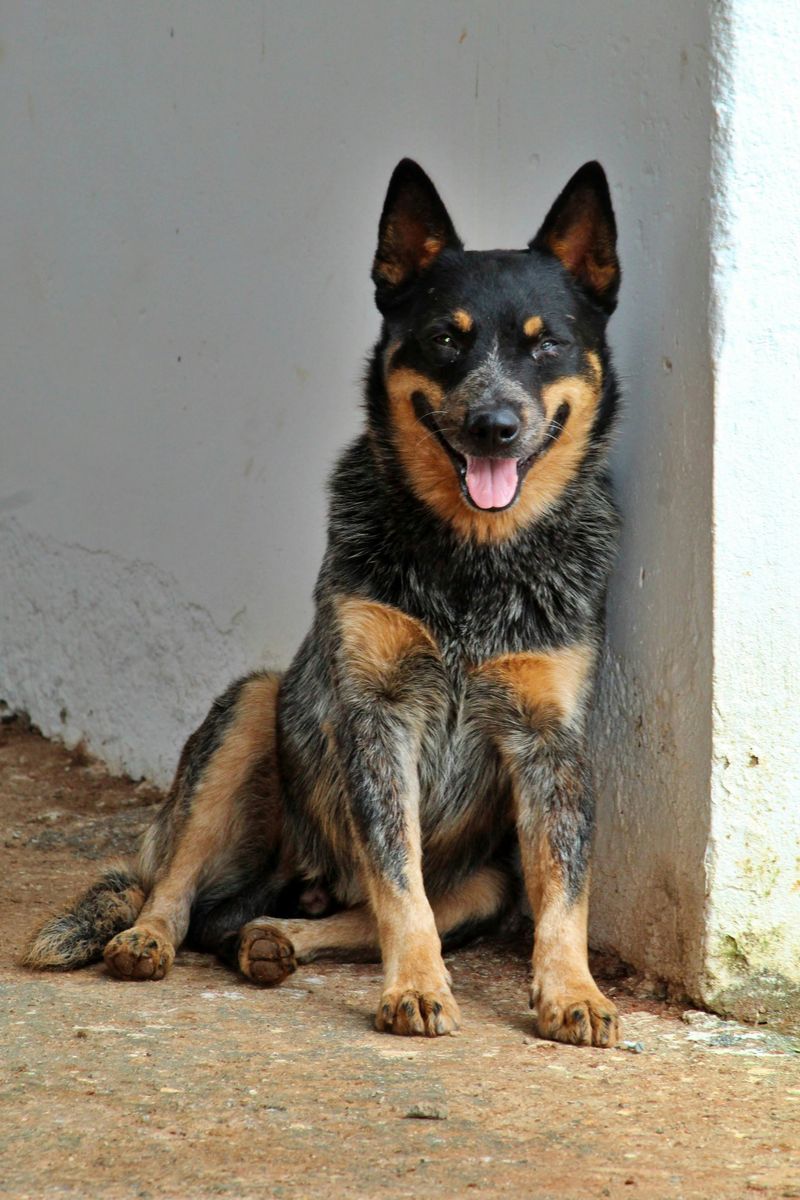
Heelers arrive buzzing with intensity, intelligence, and a legendary work ethic. Without outlets, nipping, herding feet, and frustration barking explode.
Directed well, that fire becomes cooperative grit and athletic brilliance.
Build fetch rules, off-switch cues, and excellent toy trades to prevent conflict. Use platforms to teach precision while keeping sessions short and intensely rewarding.
Daily sniff walks and scatter feeding help bleed off excess arousal.
Rehearse calm around livestock or bikes by rewarding stillness, then release to controlled work when you ask politely. Introduce cooperative care for paws and tail, since body handling can trigger defensiveness during exciting moments at home.
With fairness, patience, and miles of enrichment, this spark plug becomes a phenomenal teammate wherever you two roam together.
Rhodesian Ridgeback
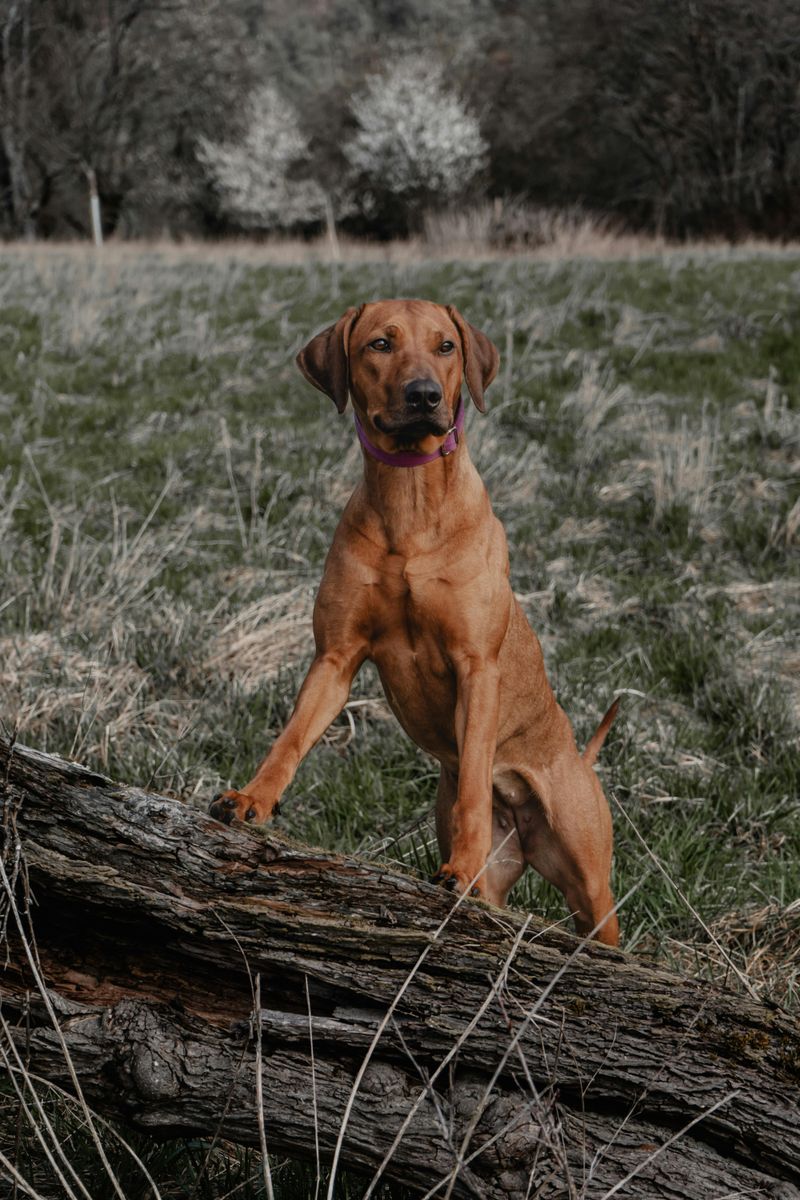
Ridgebacks are stoic hunters with big feelings hidden under a cool exterior. They can seem aloof while quietly escalating if pressured.
Respectful training unlocks their humor, sensitivity, and impressive self control.
Prioritize recall on long lines, pairing rabbit level treats with chase resistant games. Teach place for doorways, guests, and patio lounging so stimulus predicts relaxation.
Practice neutrality around dogs, rewarding disengagement and a loose, easy walk.
Alternate endurance hikes with brainy scent puzzles, preventing endless go-go-go from hijacking rest between busy social days thoughtfully. Build cooperative care for nails and ears, using consent cues and slow breaks to reduce tension consistently.
Soon you will notice a mellow athlete who chooses calm first, then power when asked by your side.
Beauceron
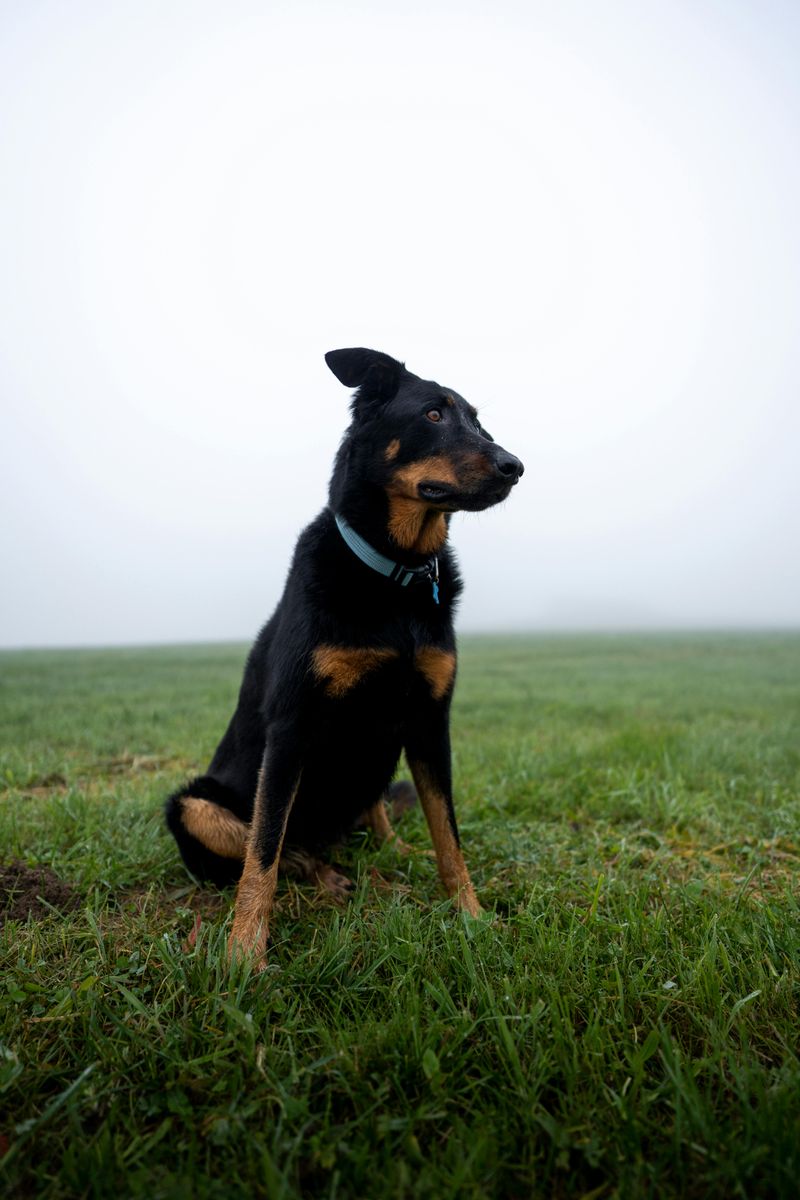
The Beauceron blends guardian seriousness with herding sensitivity and a fast brain. Left bored, they pace, mouth, and patrol everything.
With direction, you get a steady problem solver who loves purposeful work.
Teach flexible obedience using platforms, position changes, and place for visitors. Layer in scent games to satisfy their tracking curiosity and boost confidence.
Reward neutrality around livestock, skateboards, and sudden noises.
Use long hikes for exercise, then finish with quiet chewing so arousal drains rather than lingers at your campsite. Practice cooperative care for feet and teeth, paying generously for small voluntary choices during grooming in bright rooms often.
With patience and humor, the Beauceron matures into a confident, versatile, utterly reliable partner in everyday family life everywhere.
Dutch Shepherd
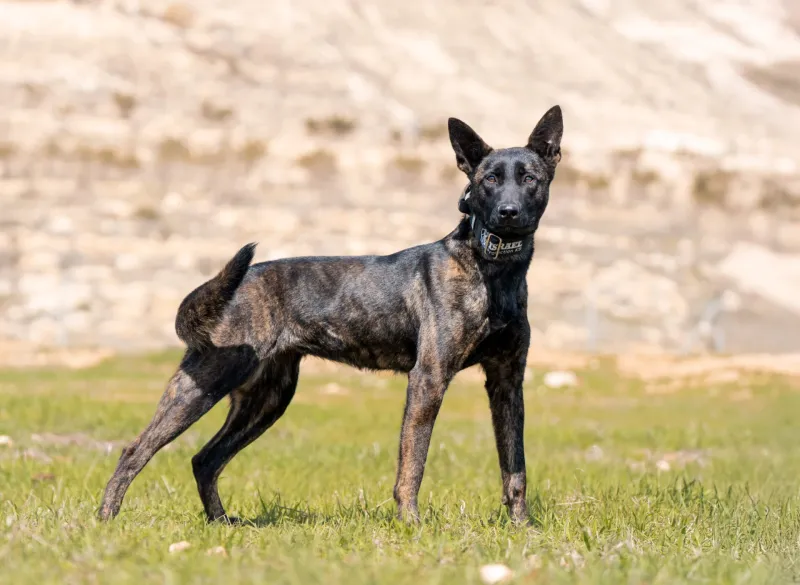
Dutch Shepherds are quick, agile thinkers born to work with intensity. They can overwhelm homes without tight structure and meaningful jobs.
Channeled well, you get laser focus, joyful drive, and generous trainability.
Build clarity through markers, short sessions, and frequent decompression with snuffle mats. Reinforce stillness using place, chin targets, and settle on leash.
Social neutrality grows when you reward disengagement and easy movement past distractions.
Alternate explosive tug with nosework, finishing every game with breathing and smooth body language before resuming household life. Teach a middle position for crowded paths, then layer recall through calm choices during real world pressure situations.
Over time, that intensity softens into attentive partnership that feels effortless in daily routines at your side always.
German Shepherd
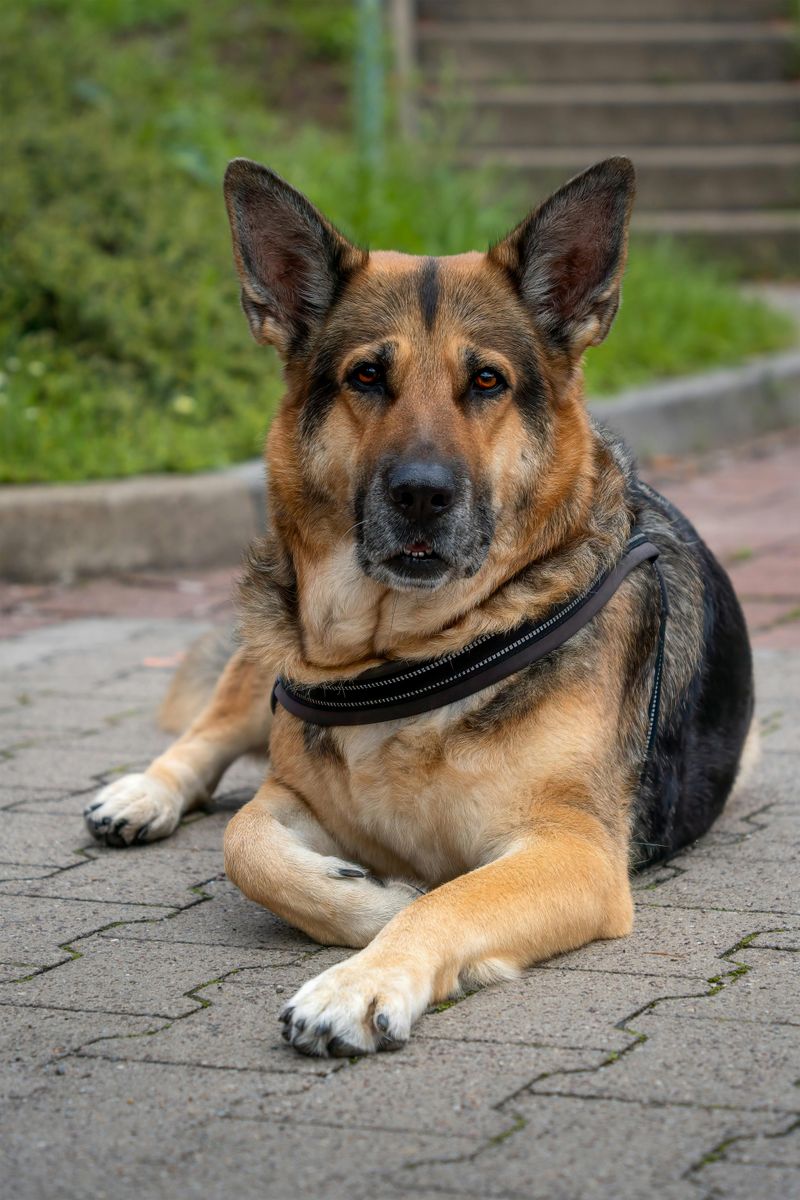
German Shepherds combine biddability with big feelings, which can tip into reactivity. Anxious lines struggle without thoughtful exposure, structure, and decompression.
Given support, they deliver courage, sensitivity, and a work ethic that dazzles.
Use pattern games to rehearse focus while gradually shrinking distance from triggers. Teach settle on a mat, boundary games, and loose leash choices.
Practice cooperative care so handling predicts snacks, not startle or conflict.
Blend tracking, obedience, and free running to balance brain and body, then finish with stillness at home nightly. Reward looking away from triggers, then request heel as a choice, not compulsion during neighborhood walks often.
With time, your Shepherd becomes stable, thoughtful, and beautifully synced to your life across every setting imaginable together.
Boxer
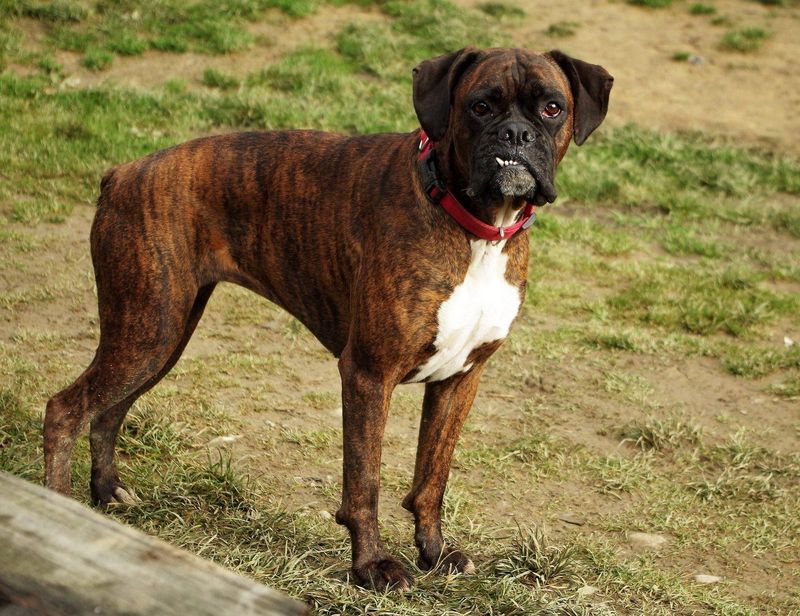
Boxers are comedians with springs for legs and enormous hearts. That enthusiasm can flood training unless you install brakes.
With games and structure, they become polite, athletic family guardians.
Teach impulse control through sit to greet, food bowl pauses, and mat work. Channel goofiness into tug, fetch, and short cardio bursts followed by calm sniffing.
Practice cooperative care so vet visits and nail trims feel predictable.
Reward four paws on the floor while guests enter, then release to greet politely when invited only first. Introduce settle in busy cafes, pairing quiet breathing with treats and gentle massage during real life outings frequently.
With patience, your Boxer becomes affectionate, mannerly, and resilient during everyday adventures by your cheerful side always everywhere.
Brittany
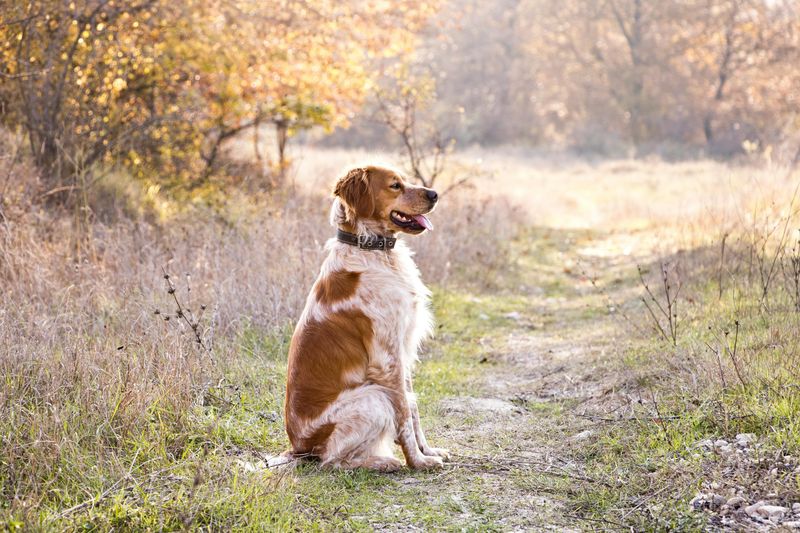
The Brittany is a birdy, sensitive athlete that craves connection and movement. Left unsupported, they ping between clingy and frantic, especially outdoors.
With gentle structure, they become thoughtful, biddable partners who relish teamwork.
Use long lines, whistle recall, and hidden food searches to teach check-ins. Reinforce rest after runs by pairing crate time with chews and calm music.
Build tolerance for stillness through place, chin targets, and massage.
Practice bird safe steadiness using sit, then release to play so impulse control grows happily over time. Greet people by focusing on you first, rewarding eye contact and relaxed posture before any petting begins.
Soon the Brittany reveals sparkle and serenity, a joyful explorer who listens beautifully while staying close outside always.