
Navigating the teenage phase in dogs can be challenging, as certain breeds exhibit more intense behaviors during this time. Understanding their unique traits can help you manage this stage effectively. Here, we explore 13 dog breeds that often hit their “teen phase” harder than others and offer tips to get through it without losing your mind.
Belgian Malinois
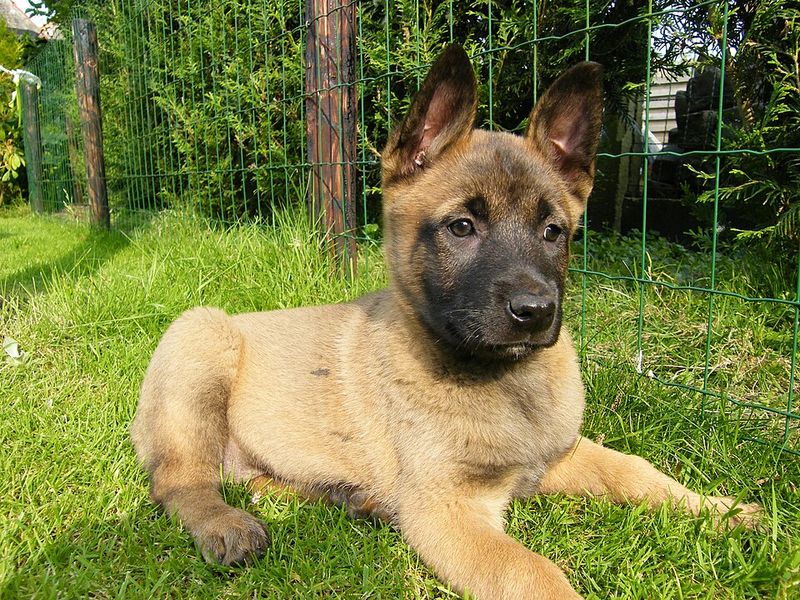
Known for their incredible drive and intelligence, Belgian Malinois are often compared to perpetual motion machines. During their “teen phase,” they can exhibit heightened energy and stubbornness.
Training these dogs requires patience and consistency, as they may test boundaries more frequently. Socialization and mental stimulation are key to managing their exuberance.
Fun Fact: The Belgian Malinois is often employed in military and police work due to its keen sense of smell and agility. They’re truly remarkable workers, but they need just as much dedicated attention at home.
Border Collie
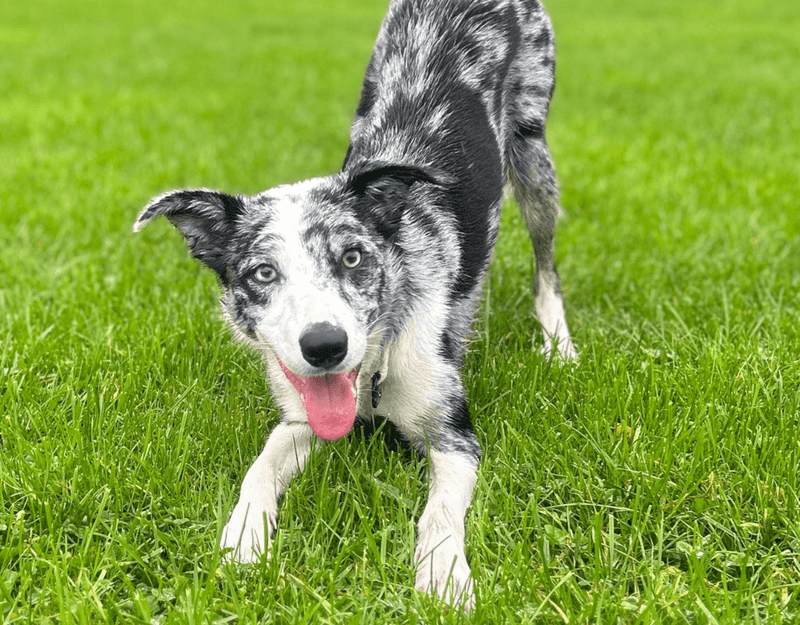
Border Collies are renowned for their extraordinary intelligence and herding instincts. During adolescence, they can become more intense and focused, often engaging in herding behaviors even without sheep.
This breed thrives on tasks and challenges, so incorporating puzzle toys and training sessions can help channel their energy. They can become restless without proper outlets.
Did you know? Border Collies are often considered the smartest dog breed, excelling in agility and obedience competitions. Their brilliance can be both a challenge and a joy during the teen phase.
Australian Shepherd
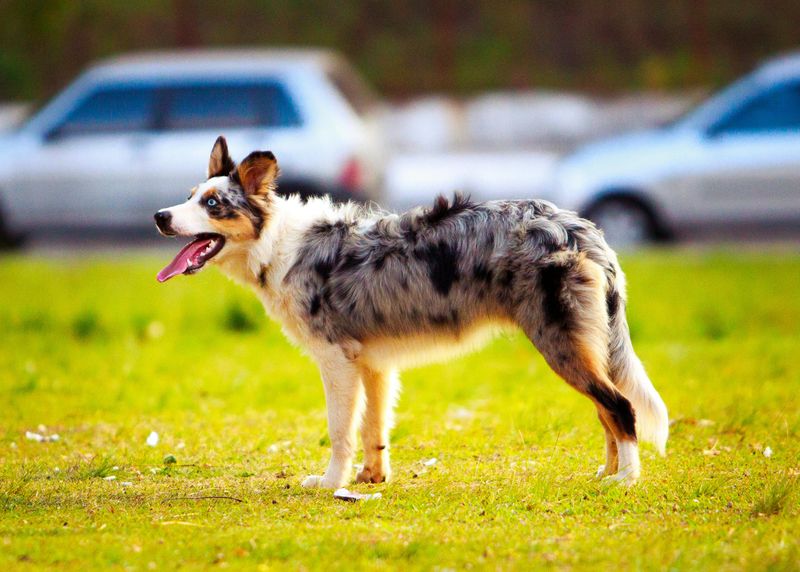
With their striking coats and sharp minds, Australian Shepherds are dynamic dogs that often have a pronounced “teen phase.” This stage can be marked by an abundance of energy and curiosity.
To manage this, regular exercise and engaging activities are crucial. They excel in agility sports and benefit from interactive play.
Despite their name, Australian Shepherds were developed in the United States and often worked with cowboys. Their rich history is reflected in their hardworking nature and spirited personality.
German Shepherd
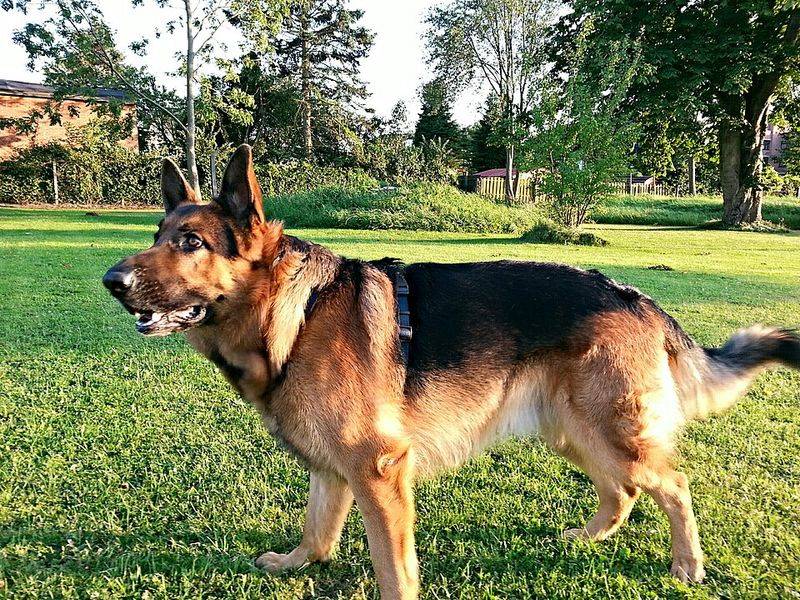
German Shepherds are loyal and intelligent, but during their teenage years, they can be particularly assertive. This breed can become protective and may require consistent training to ensure well-mannered behavior.
They need plenty of physical and mental stimulation to keep their sharp minds occupied. Socialization is also key to preventing overprotective tendencies.
Fun Fact: German Shepherds were originally bred for herding but became famous as police and service dogs due to their versatility and reliability.
Siberian Husky
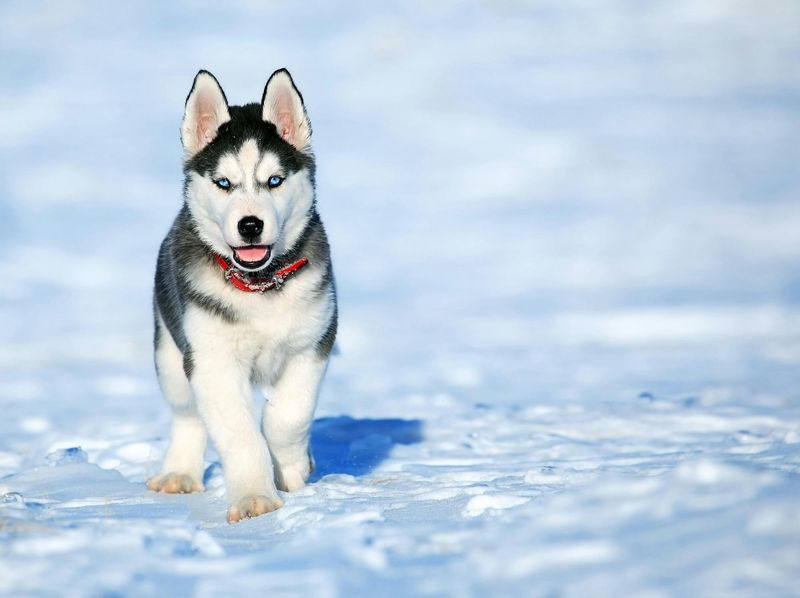
Siberian Huskies are known for their striking appearance and adventurous spirit. During their adolescent phase, they may display an increase in independence and stubbornness.
Channeling their energy through regular exercise and training is essential. They love to explore, so secure environments are important to prevent escapes.
Did you know? Huskies have a rich history as sled dogs, thriving in cold climates. Their independent nature is part of what makes them so captivating yet challenging during their teenage years.
Weimaraner
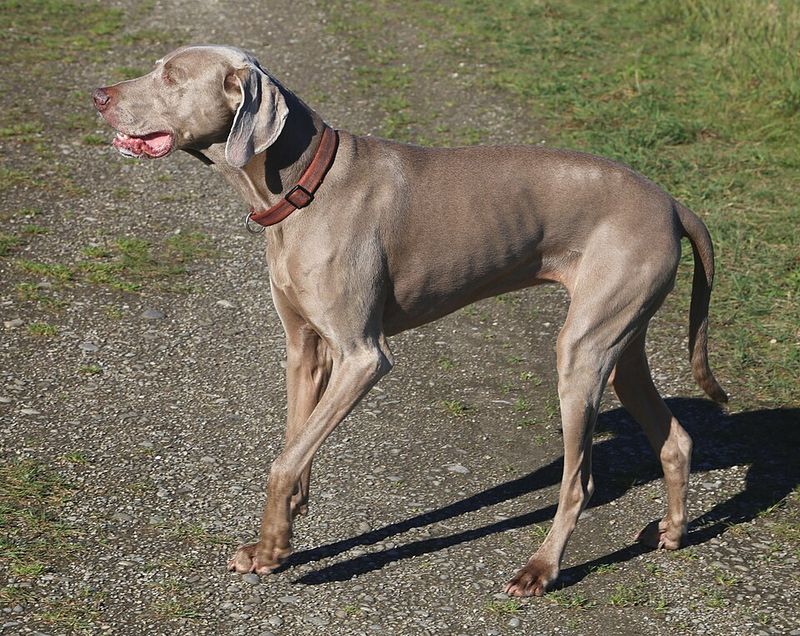
With their sleek, silver coats, Weimaraners are elegant dogs that often exhibit an intense “teen phase.” This period is often characterized by a playful yet demanding nature.
They require ample exercise and mental challenges to satisfy their curious minds. Without these outlets, they may become anxious or destructive.
Fun Fact: Weimaraners were initially bred for hunting in Germany and are known as the “Gray Ghost” due to their distinctive coat color and stealthy movements.
Vizsla
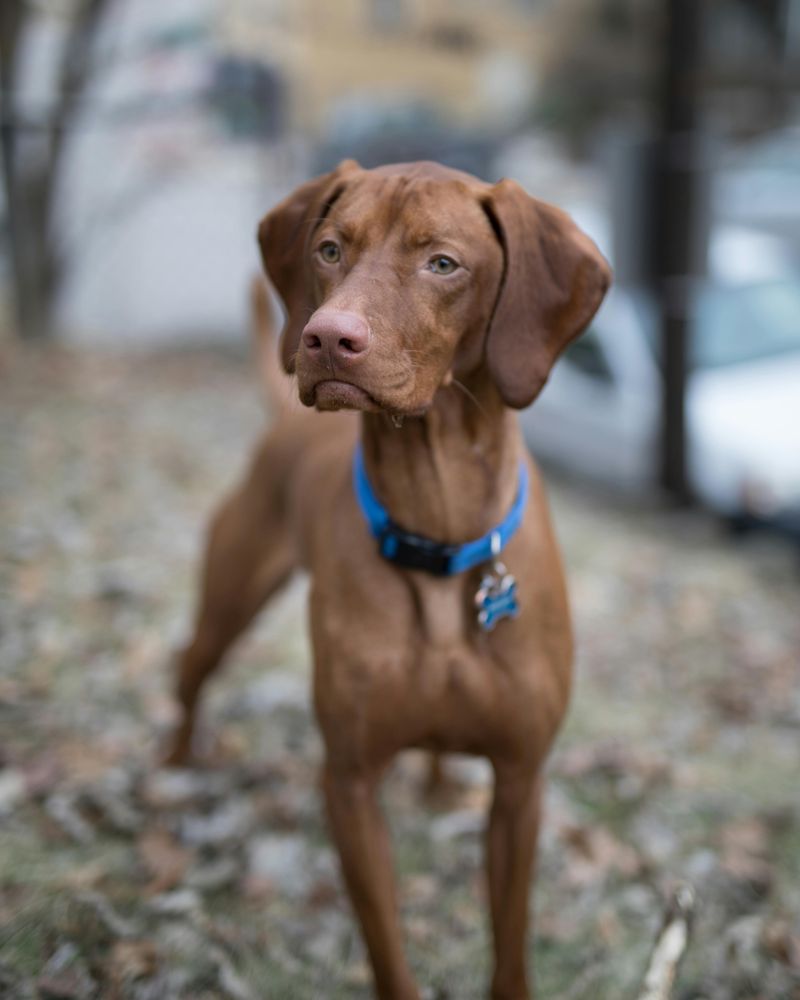
The Vizsla, with its striking rust-colored coat, is known for being affectionate and energetic. During their teenage phase, they can become more demanding of attention and exercise.
This breed thrives on physical activity and companionship. Lack of engagement may lead to restlessness or unwanted behavior, so consistent interaction is essential.
Despite their noble appearance, Vizslas are often called “Velcro dogs” due to their desire to be close to their human companions.
Jack Russell Terrier
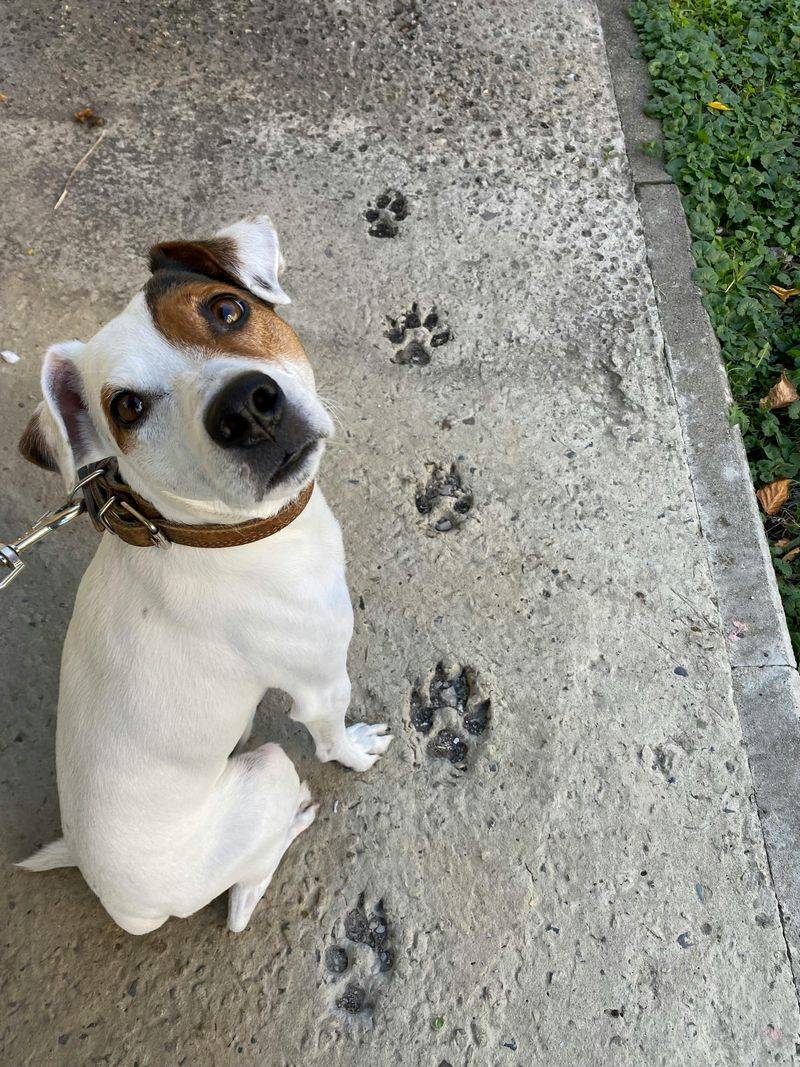
The Jack Russell Terrier is small but mighty, with a spirited personality that shines during their teenage years. This phase often brings an increase in curiosity and mischief.
They require both mental and physical challenges to keep their sharp minds occupied. Agility and obedience training can help channel their energy positively.
Did you know? Jack Russells were bred for fox hunting, and their tenacious nature still reflects that heritage today.
Dalmatian
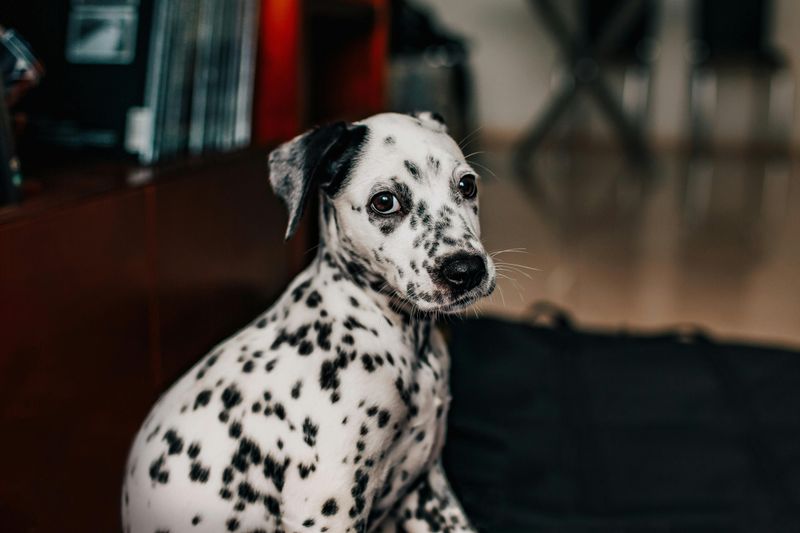
Dalmatians are known for their distinctive spots and vibrant energy. During their adolescent phase, they may become more excitable and require careful guidance.
Providing structure and routine is essential to manage their lively nature. Regular exercise and training can help balance their exuberance.
Fun Fact: Dalmatians were historically used as carriage dogs, running alongside horse-drawn carriages, which explains their stamina and need for activity.
Standard Poodle
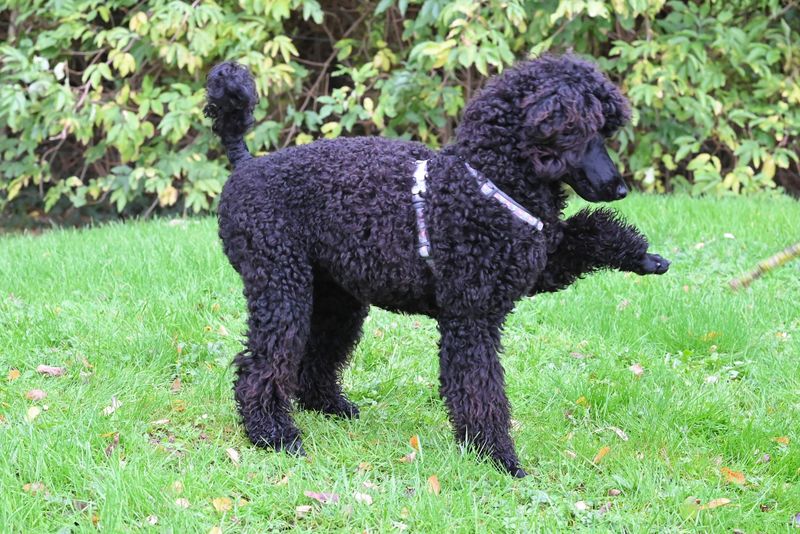
Standard Poodles are known for their intelligence and elegance, but during the teen phase, they may exhibit more independent thinking. This period often requires patience and creativity in training.
They thrive on mental challenges and interactive play. Grooming and structured routines can also help manage their lively personality.
Did you know? Poodles were initially bred as water retrievers and their name comes from the German word ‘Pudel,’ meaning ‘to splash in water.’
Doberman Pinscher
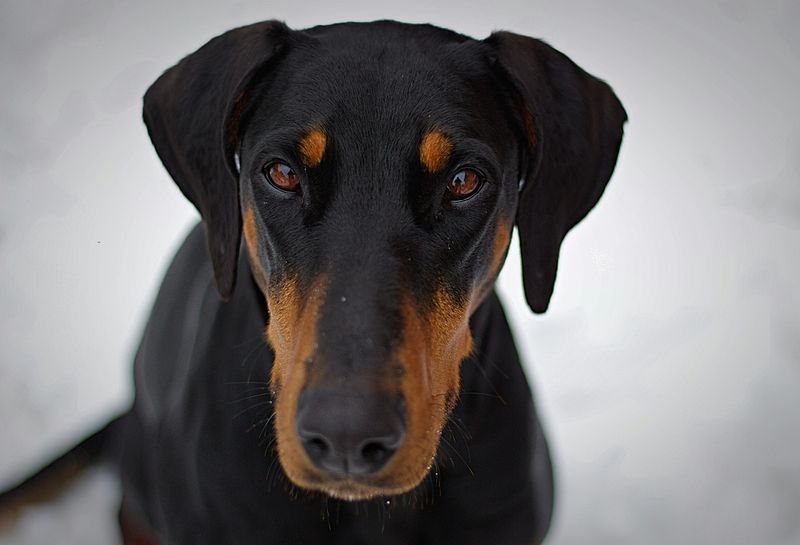
Doberman Pinschers are known for their loyalty and intelligence. During their teenage phase, they may test boundaries with increased assertiveness.
These dogs benefit from consistent training and clear rules. Providing mental stimulation and exercise helps to maintain their focus and manners.
Fun Fact: Dobermans were originally developed in Germany for protection and were named after their creator, Karl Friedrich Louis Dobermann.
Labrador Retriever
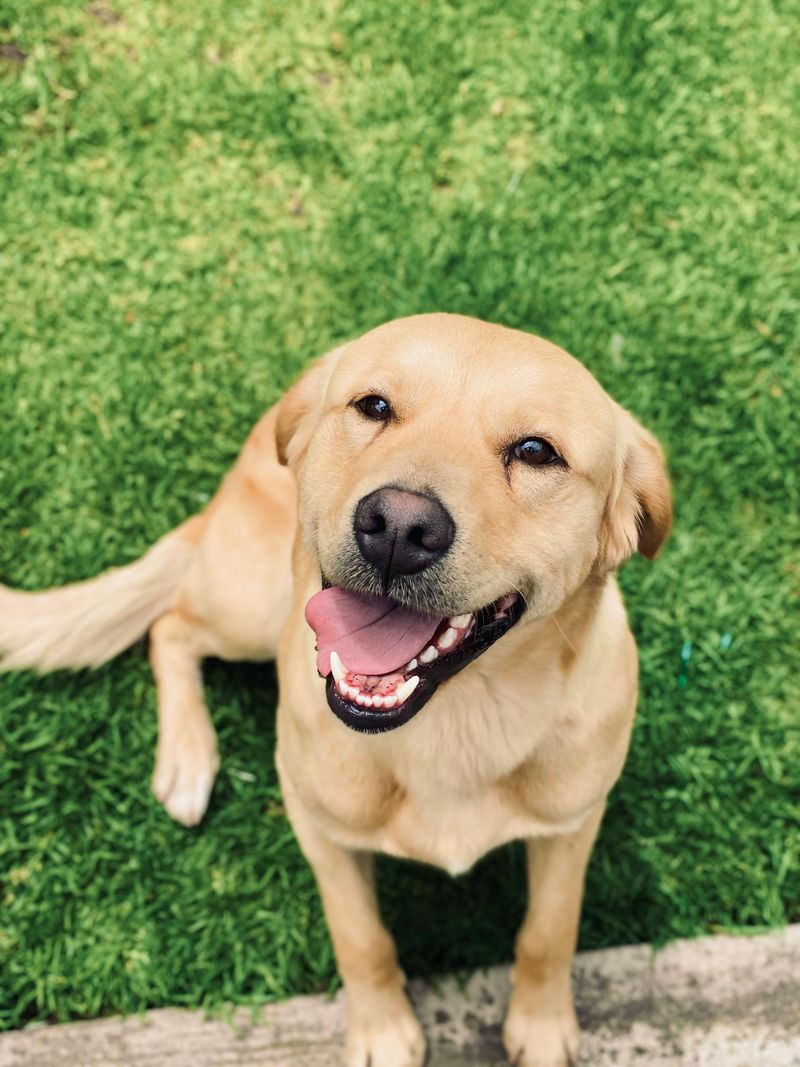
Labrador Retrievers are often adored for their friendly nature, but during adolescence, they can become more rambunctious and excitable.
Regular exercise and playtime are crucial to manage their energy. They respond well to positive reinforcement techniques during training.
Did you know? Labradors were originally bred as fishing dogs in Newfoundland, prized for their love of water and retrieving ability.
Rhodesian Ridgeback
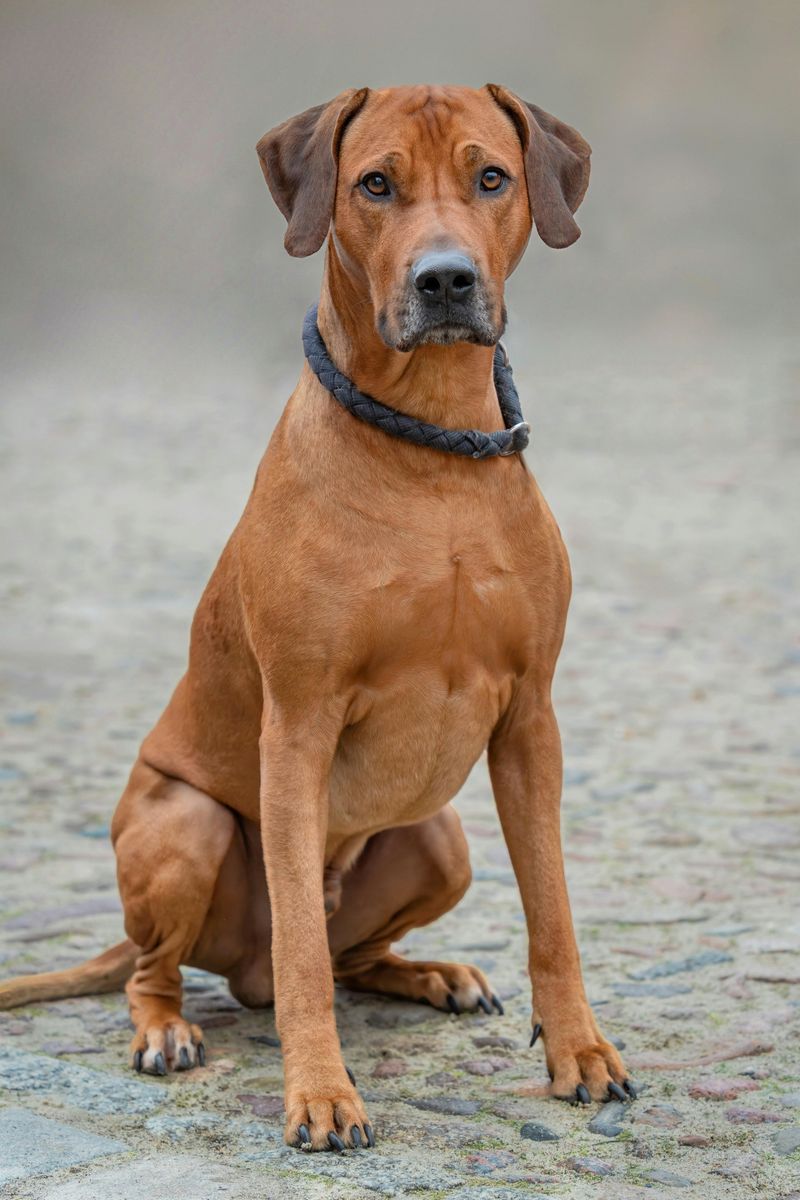
Rhodesian Ridgebacks are known for their independence and strength. During their teenage phase, they may exhibit increased stubbornness and curiosity.
They require balanced training and socialization to manage their assertive nature. Regular exercise is vital to prevent boredom.
Fun Fact: Ridgebacks were originally bred in Africa to hunt lions, requiring both bravery and resilience, traits that can be seen during their teenage years.