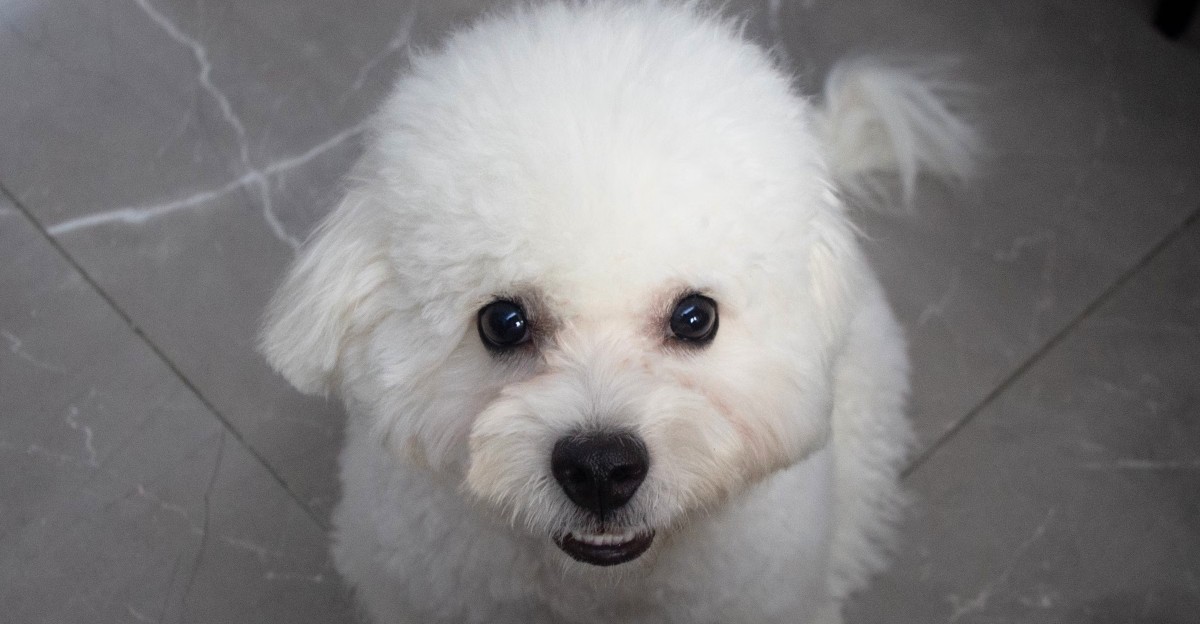
Some dogs look like they walked straight out of a cartoon, with fluffy coats, big eyes, and tiny wiggly tails. But behind many of those sweet faces is a stubborn streak that can make training a real challenge.
Knowing which breeds tend to test the rules can help you pick the right pet and prepare for the work ahead. Here are some adorable pups that love to do things their own way.
Shiba Inu
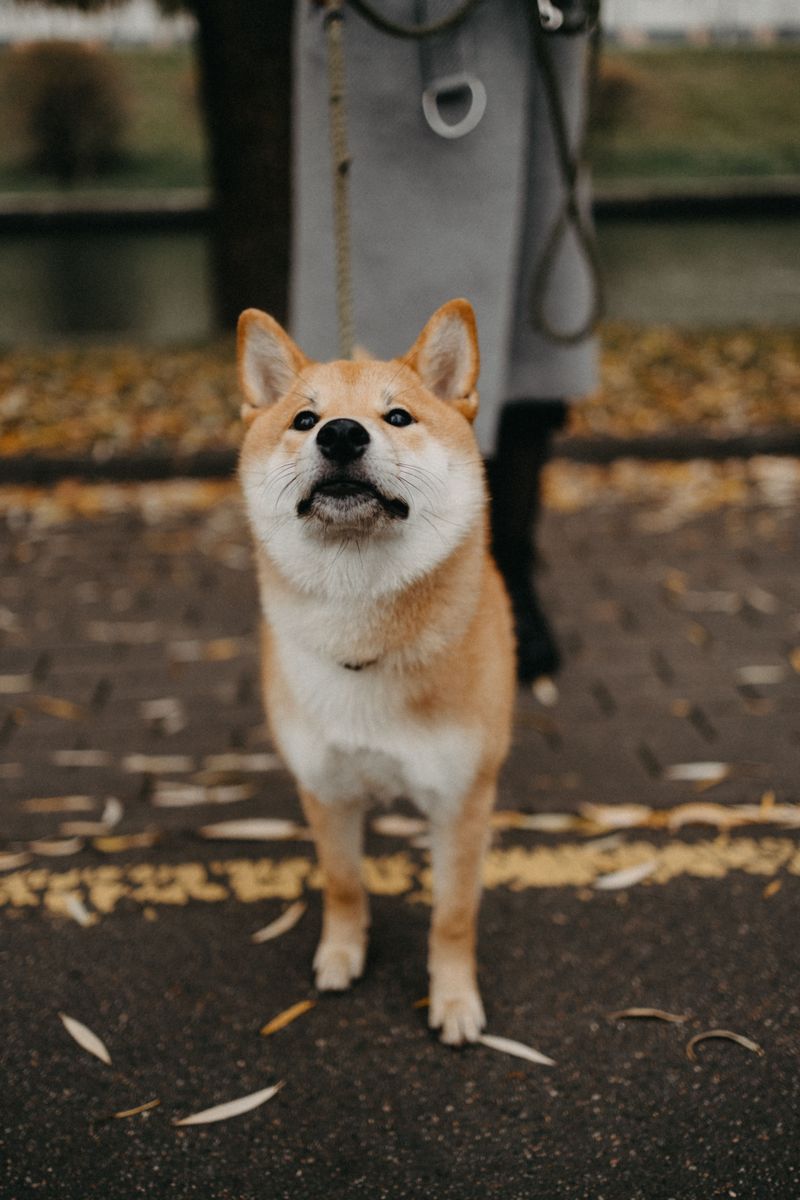
Picture a fox that decided to become a house pet, and you have the Shiba Inu. Their smiling faces fool everyone at the dog park.
Shibas are famous for the Shiba scream, a dramatic howl they let out when they disagree with you. Many owners say training feels like a negotiation, not a lesson.
Short, upbeat sessions with tasty rewards work best. Keep a leash on outdoors, since recall is rarely their strong point.
Dachshund
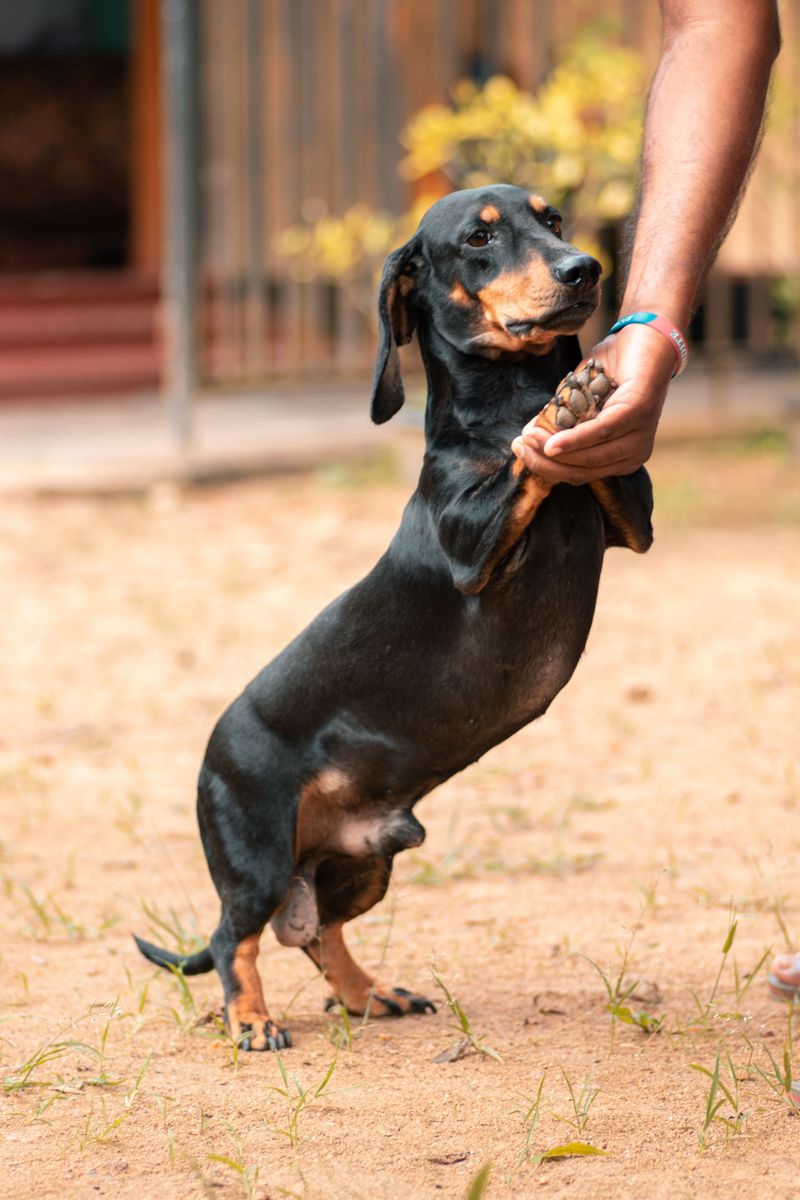
Did you know Dachshunds were bred in Germany to chase badgers into underground tunnels? That brave hunting job explains a lot about their bold attitude today.
These long little hot dogs decide for themselves when a command is worth following. Housetraining can take extra months, so patience matters.
Try a consistent potty schedule and lots of praise. Also protect that long back by limiting jumps off couches and beds.
Beagle
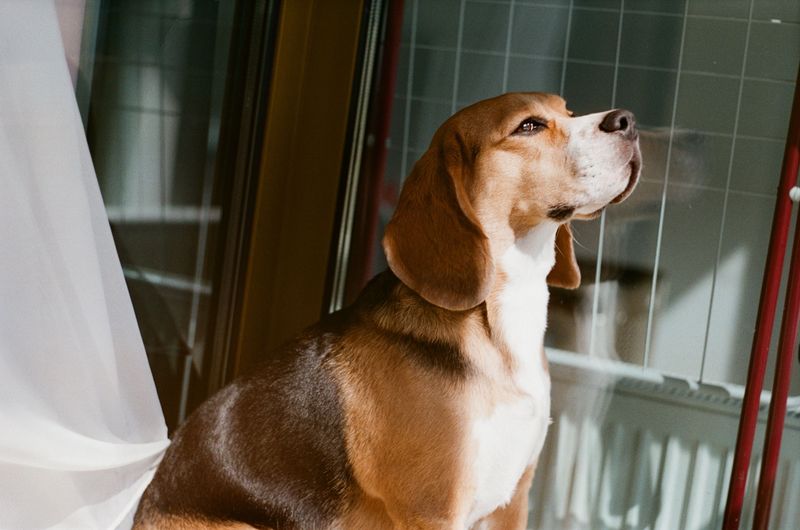
Once a Beagle catches an interesting smell, your voice basically turns into background noise. Those sweet brown eyes hide a nose with around 220 million scent receptors.
Beagles were bred to follow rabbits for miles, so wandering off is part of their wiring. They also love to howl and raid trash cans.
Use smelly treats as rewards and turn walks into sniffing games. A secure fence is an absolute must for this curious explorer.
Siberian Husky
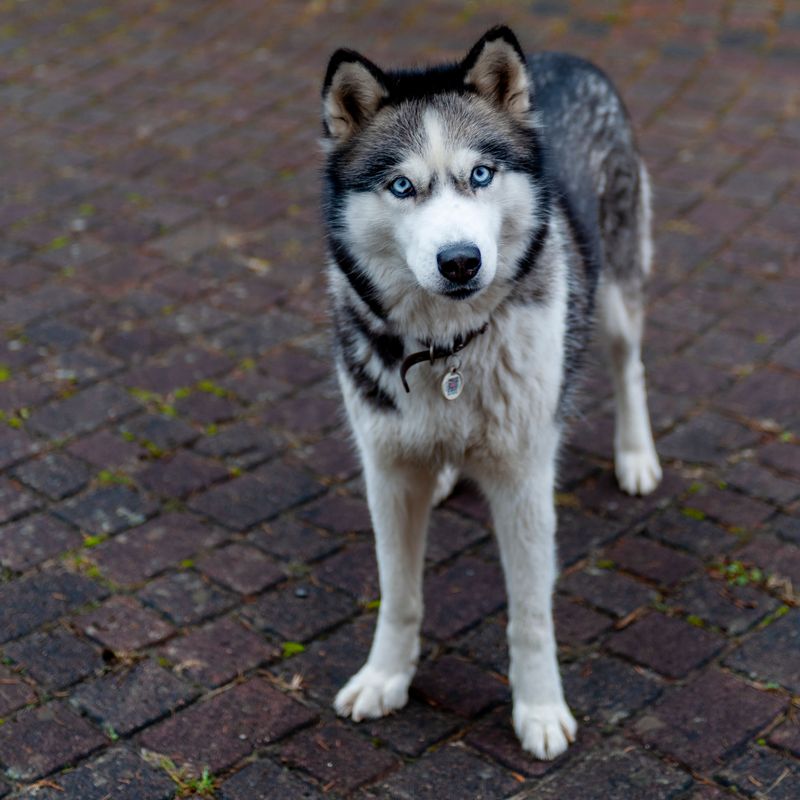
Ask any Husky owner about talking back, and you will hear plenty of stories. These wolf-like beauties literally argue with yelps, howls, and grumbles.
Built to pull sleds across Siberia, Huskies have endless energy and an independent mind. A bored Husky may dig escape tunnels or chew through your furniture.
Daily running, puzzle toys, and firm, fun training are key. Never trust them off-leash in open areas, because they love to roam.
Chihuahua
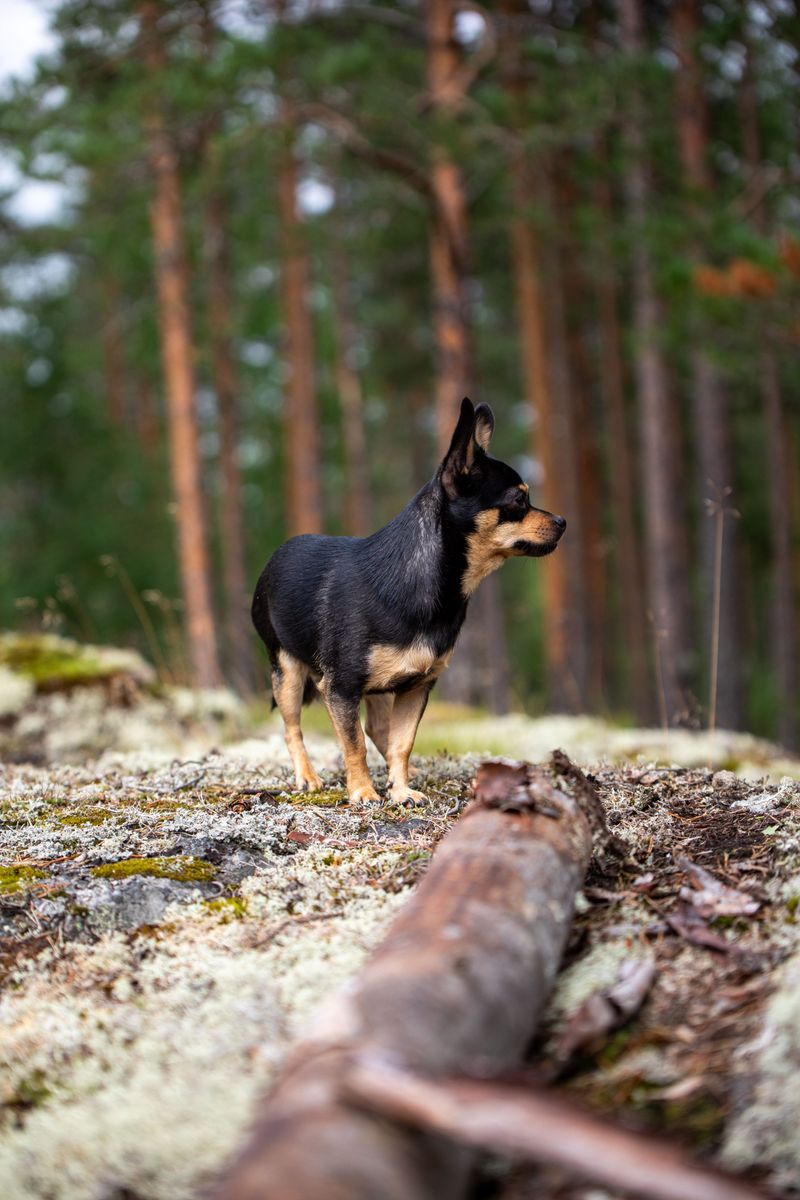
Small body, giant opinions. The Chihuahua weighs about six pounds but often acts like the boss of the whole block.
Because they are so tiny, owners sometimes let bad habits slide, like nonstop barking or snapping at visitors. That cute pocket pup can quickly turn into a little tyrant.
Treat training just as seriously as you would with a big dog. Early socialization with people and pets helps build a calmer, friendlier attitude.
Pekingese
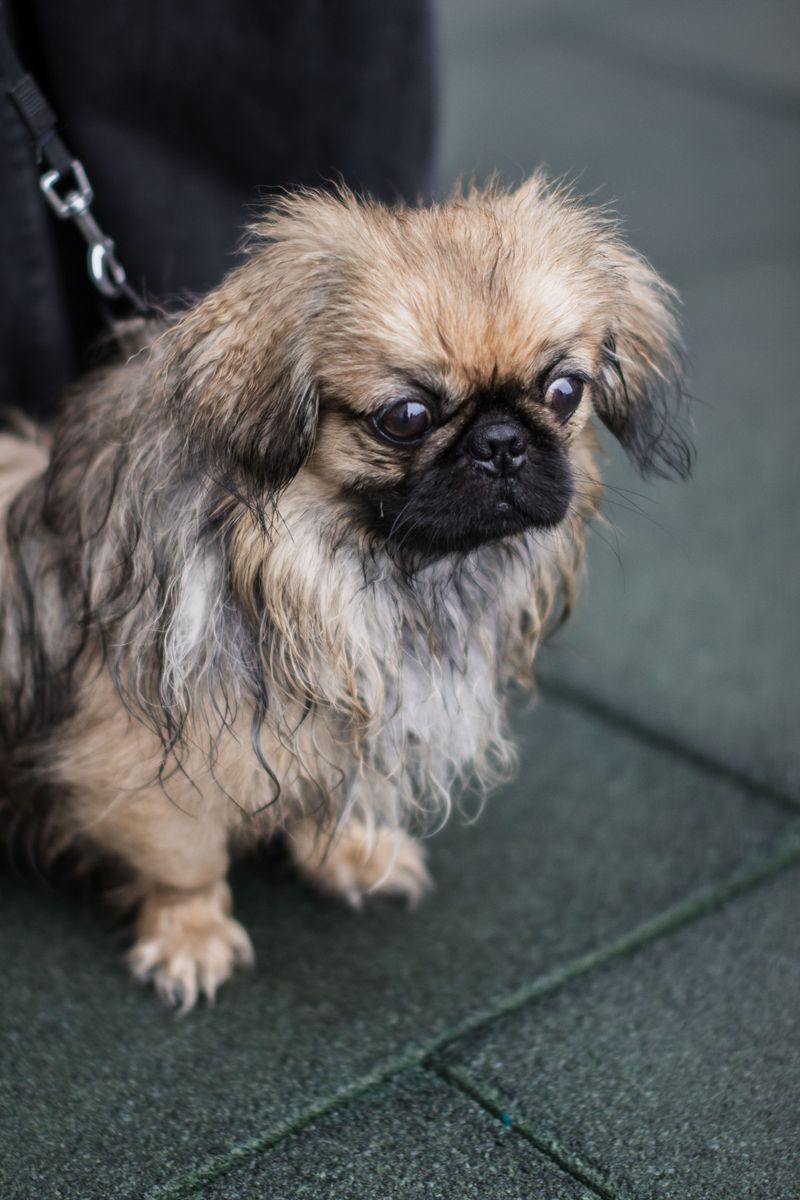
Ancient Chinese emperors kept Pekingese as palace dogs, and honestly, they still expect royal treatment. Their lion-like mane and squished face make hearts melt instantly.
Asking a Pekingese to do something it finds pointless usually earns you a calm, unbothered stare. They are loyal, yet proudly independent.
Gentle consistency wins here, not pushing. Keep exercise light, because their flat noses make breathing harder in heat or during long walks.
Basset Hound
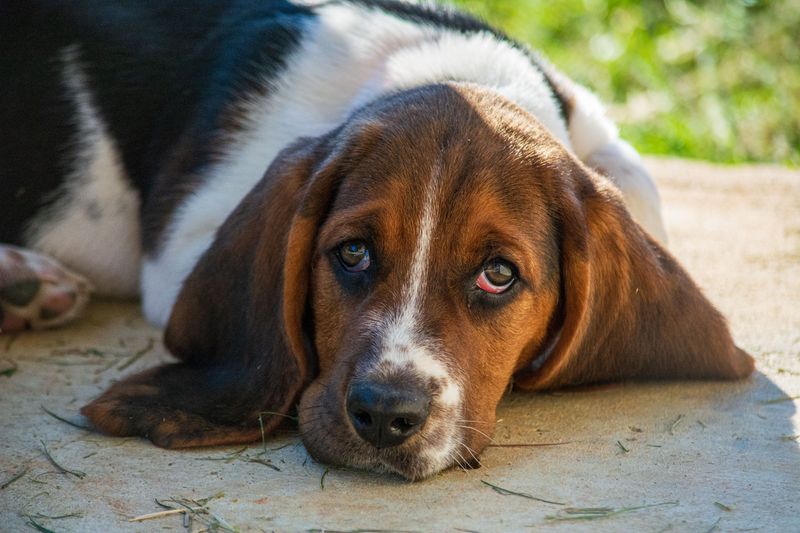
Few things are funnier than a Basset Hound flopping onto the sidewalk and refusing to take another step. Those droopy ears and sad eyes make it hard to stay annoyed.
Like Beagles, they follow their noses first and listeners second. Their laid-back style can look like laziness during training.
Food motivation is your best friend. Just measure portions carefully, since Bassets gain weight easily and extra pounds strain their short legs.
Pomeranian
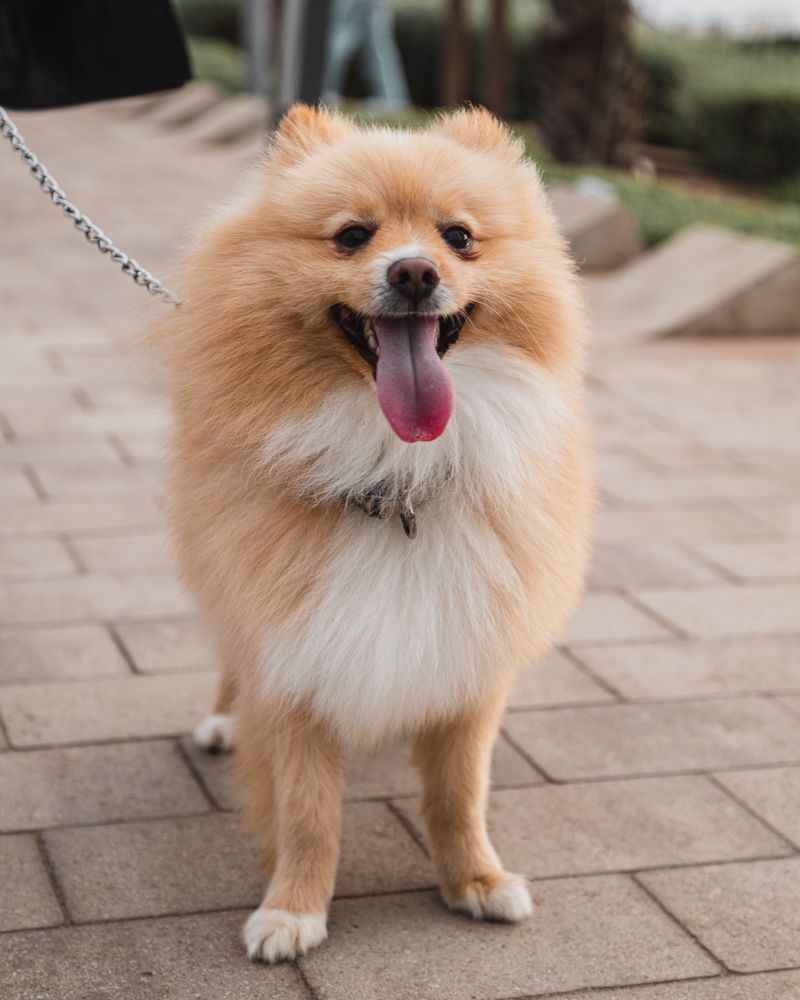
Queen Victoria adored Pomeranians, and that royal fan club helped shrink the breed to its tiny, fluffy size. Today they look like walking cotton balls.
Poms are smart, but they are also loud and bossy. Doorbells, squirrels, and leaves blowing by can all trigger a barking concert.
Teach a quiet command early and reward calm moments. Potty training may take longer, so a puppy pad routine can really help.
Chow Chow
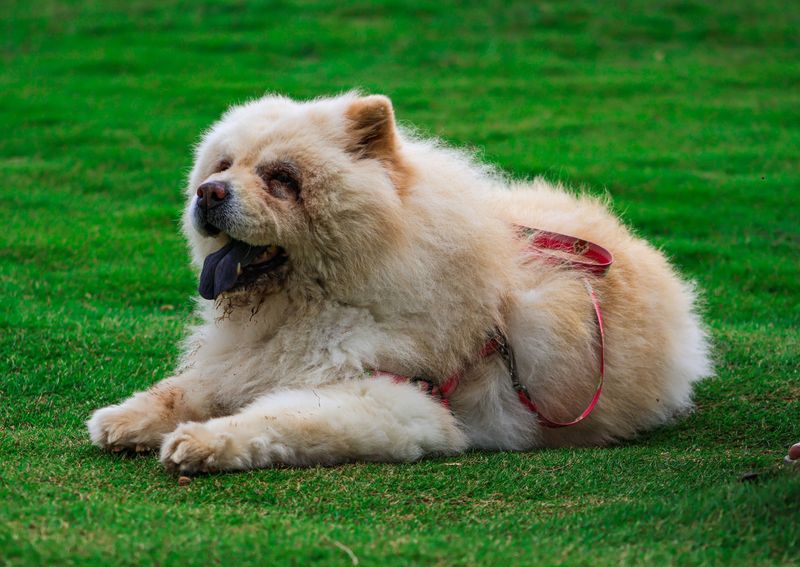
With a fluffy mane and a blue-black tongue, the Chow Chow looks like a giant teddy bear. Cuddles, however, happen strictly on their terms.
Chows are serious, watchful, and slow to trust strangers. They often act more like cats than eager-to-please pups.
Start socializing as early as possible, and keep lessons calm and respectful. Harsh methods backfire fast.
Earn their trust, and you gain a deeply devoted guardian.
Jack Russell Terrier
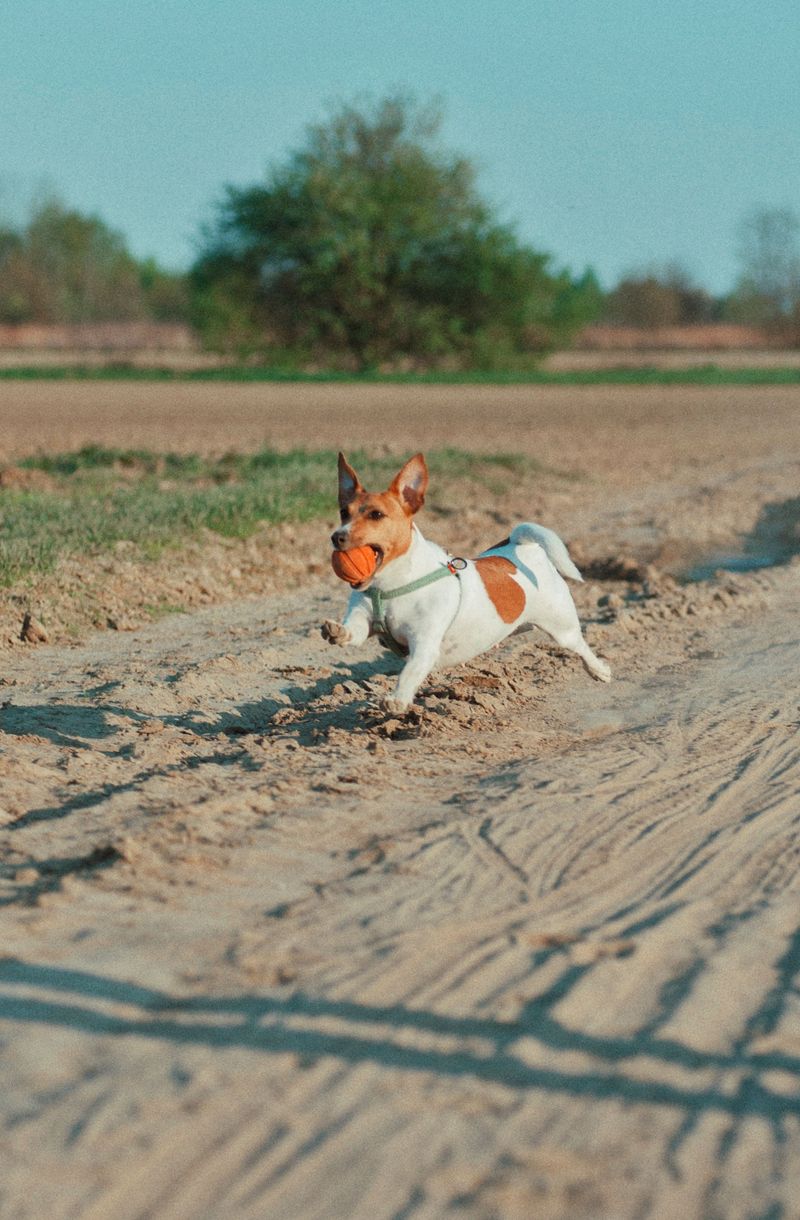
Imagine a toddler who drank three sodas. That is roughly the energy level of a Jack Russell Terrier on a normal Tuesday.
These clever pups were bred to hunt foxes, so they dig, chase, and jump with zero hesitation. A bored Jack Russell will invent its own fun, usually destructive.
Agility classes, fetch, and brain games keep them happy. Plan for at least an hour of active play every day.
Lhasa Apso
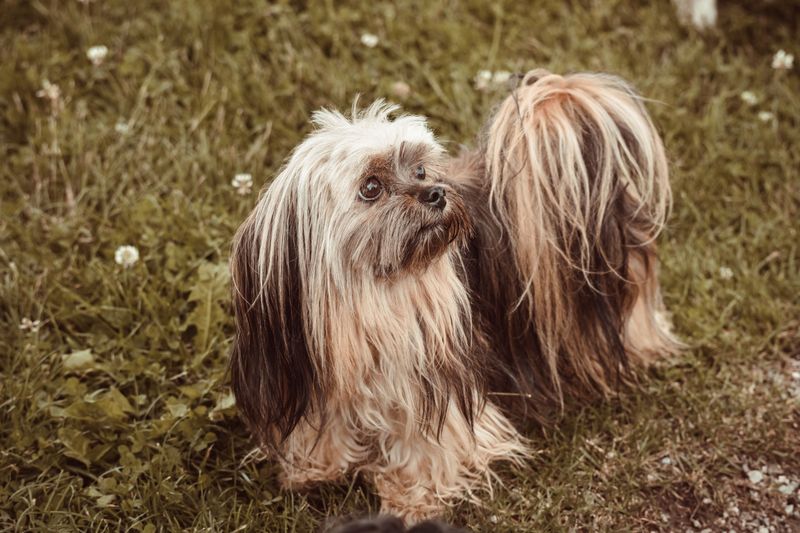
Tibetan monks once used Lhasa Apsos as indoor sentinels, warning of strangers inside monasteries. That watchful job still shows up in their modern personality.
Behind the silky coat is a dog who thinks carefully before obeying. Repeating commands too often just teaches them to ignore you.
Say it once, reward quickly, and keep things interesting. Regular grooming sessions also double as great handling practice for this proud little guard.
Shih Tzu
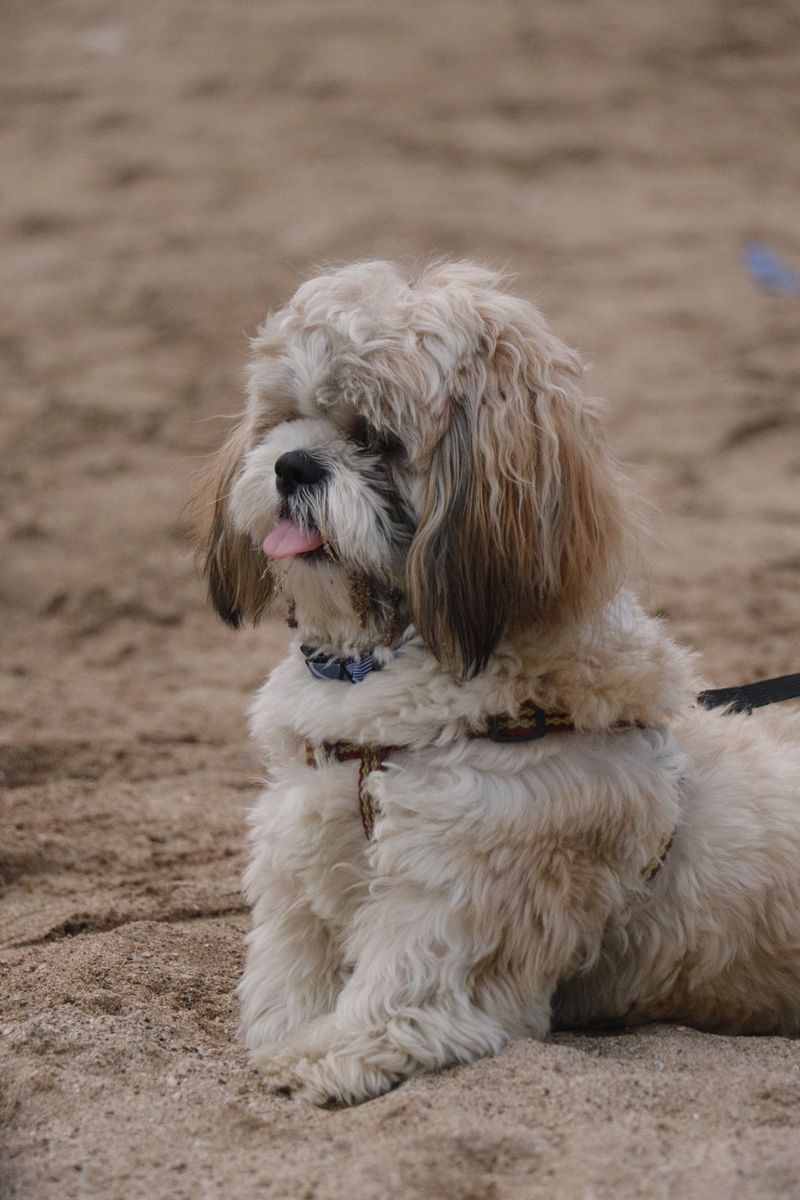
Shih Tzu means little lion in Chinese, though most of them act more like pampered couch royalty. Their friendly faces win over almost everyone.
The tricky part is housetraining. Many Shih Tzus resist potty schedules, especially in rainy or cold weather.
Crate training and frequent bathroom trips make a huge difference. Keep praise cheerful and avoid scolding, because these sensitive pups may simply shut down and stop trying.
Bichon Frise
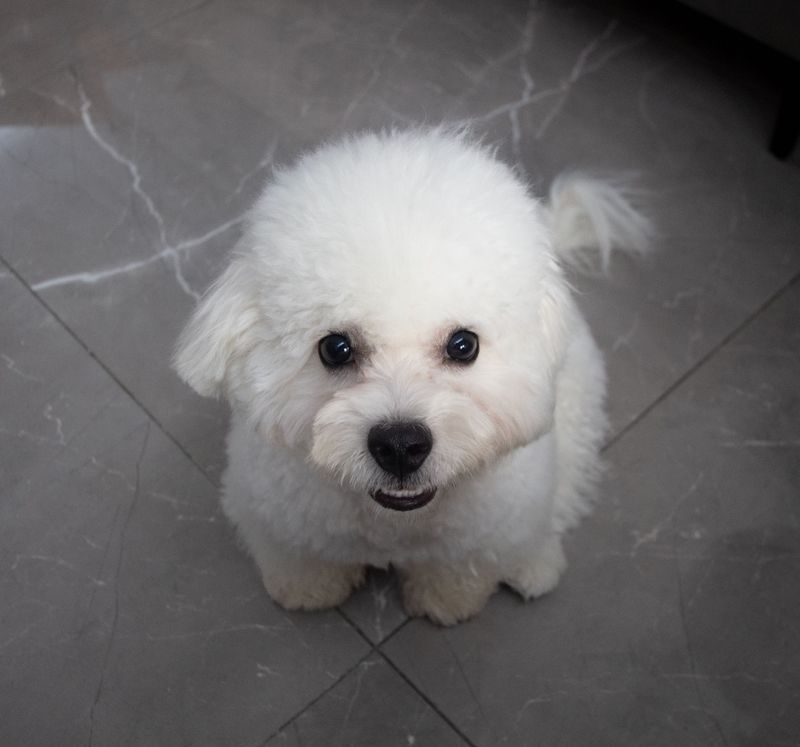
Ever seen a Bichon do zoomies? It looks like a cloud racing around the living room at top speed.
Bichons were once circus performers in Europe, so they love attention and tricks. Yet they can be surprisingly slow to master potty habits and may struggle being left alone.
Practice short alone-time sessions to prevent separation stress. Teach fun tricks too, since this happy showoff learns best when training feels like a performance.