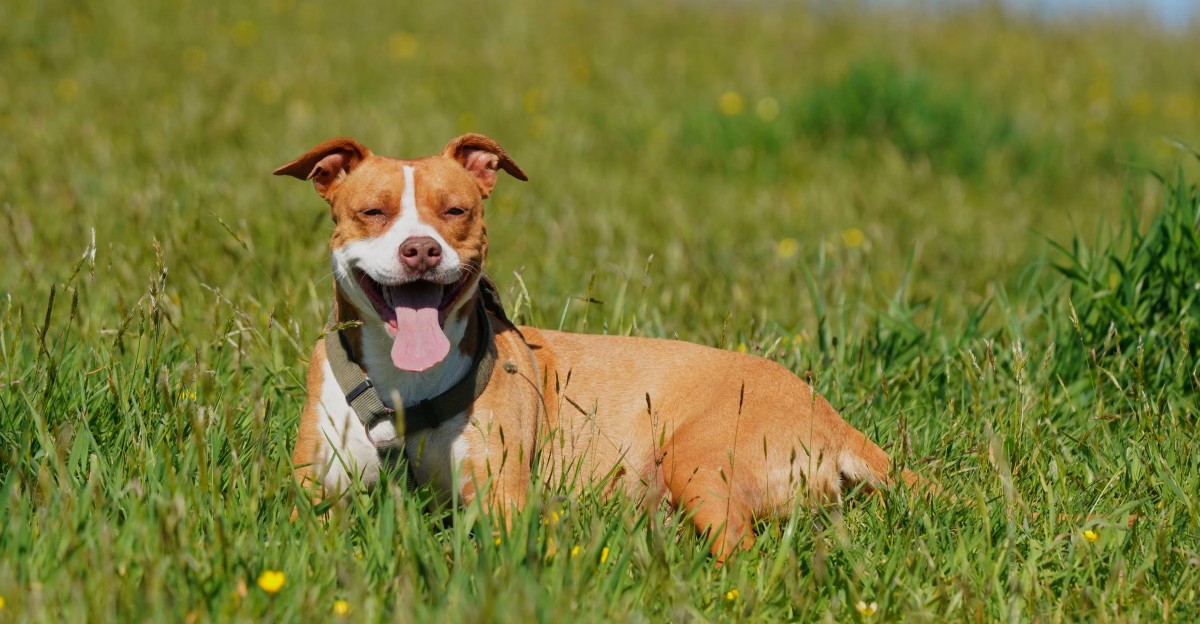
Some dogs get called stubborn, wild, or just plain bad, but the truth is often very different. Many of these pups are bored, stressed, or missing something they truly need.
When we learn what each breed was made to do, their so-called problems start to make sense. Understanding the struggle behind the behavior can turn a frustrating pet into a happy best friend.
Siberian Husky
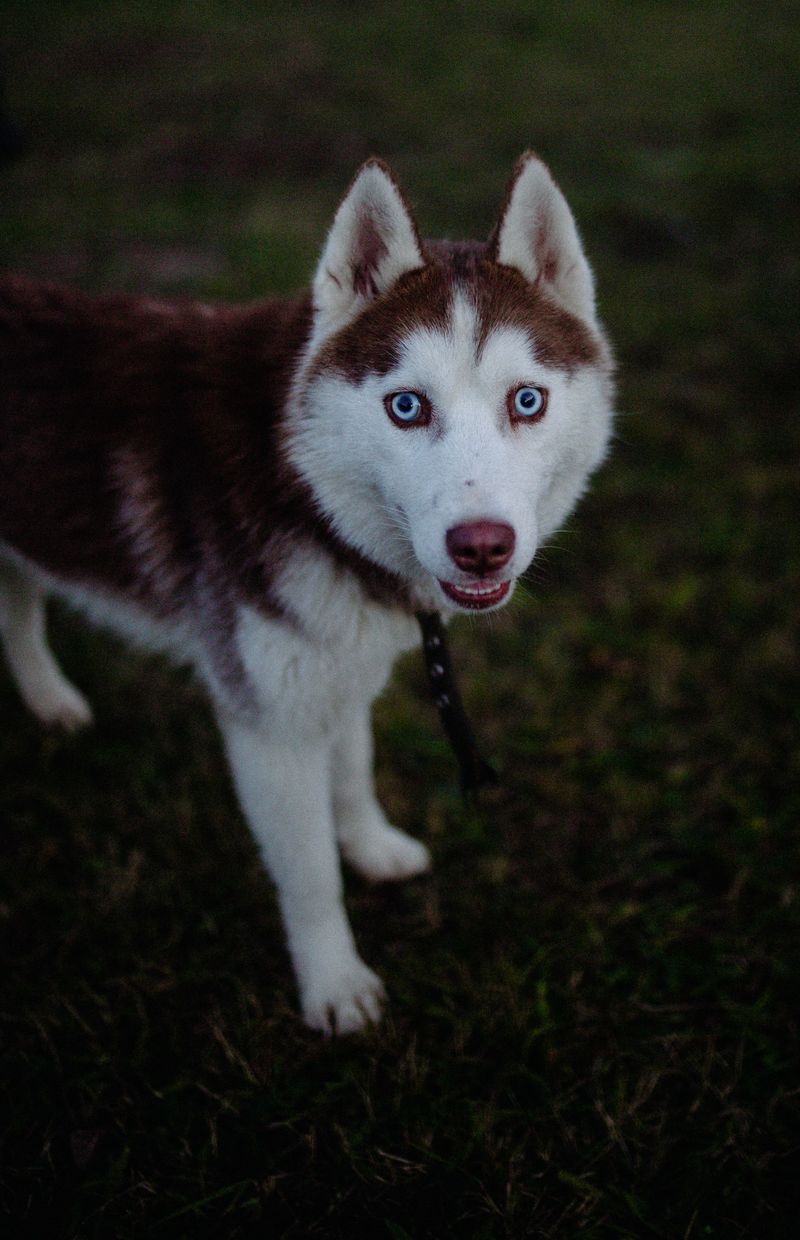
Picture a sled dog built to run miles across frozen land, now stuck in a quiet apartment all day. No wonder Huskies howl, dig, and escape!
People often call them stubborn or destructive. Really, they are bursting with energy that has nowhere to go.
Long runs, pulling games, and puzzle toys can change everything. A tired Husky is usually a calm Husky, and a much happier roommate for the whole family.
Border Collie
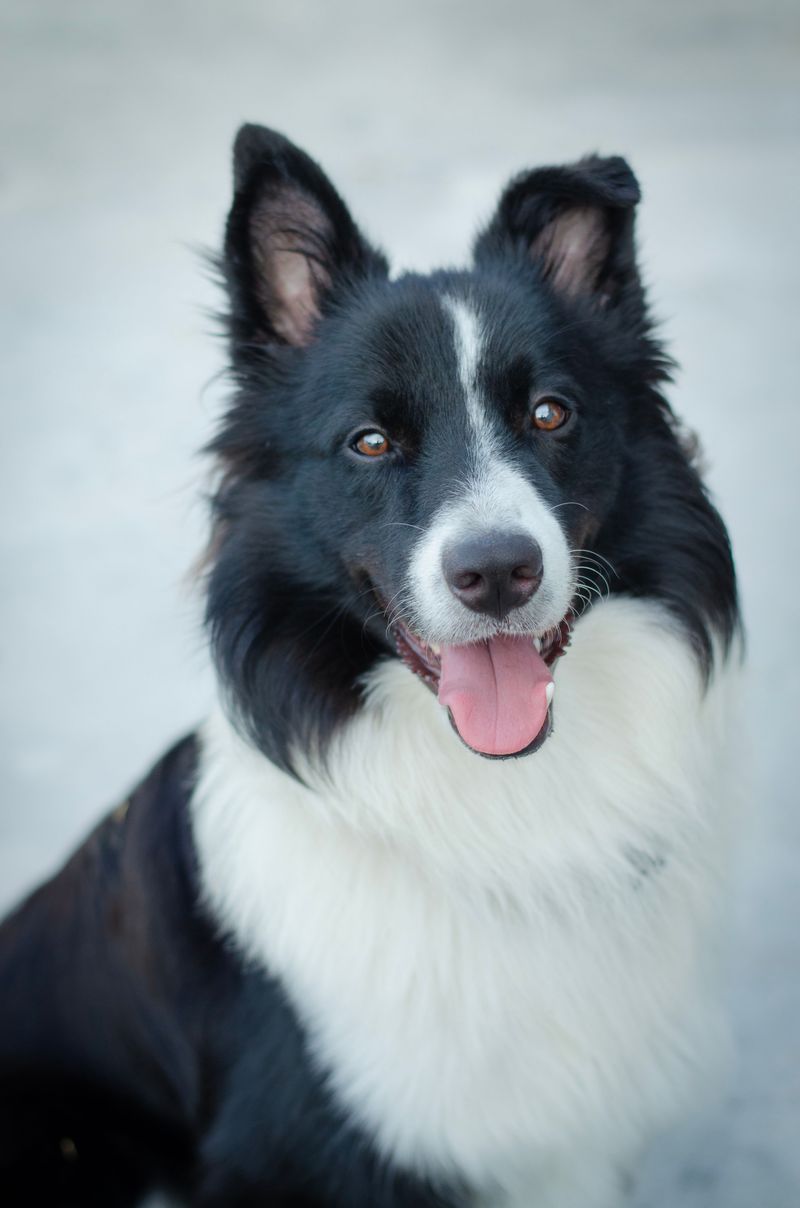
Ever met a dog that seems smarter than you? Border Collies were bred to herd sheep for hours, solving problems the whole time.
Without a job, that sharp brain gets restless. Owners may see nipping, circling kids, or chasing cars and think the dog is out of control.
Give this genius work instead. Trick training, agility courses, and herding balls offer the mental challenge a Border Collie truly craves every single day.
Chihuahua
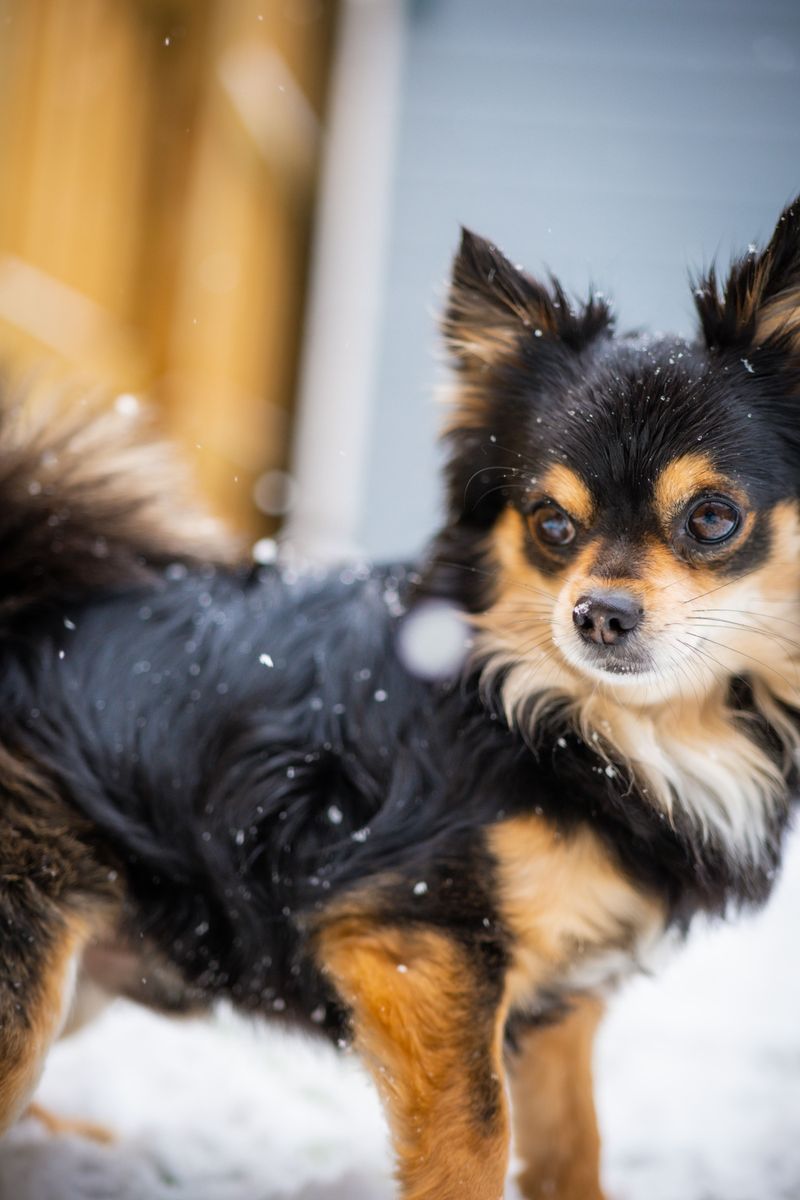
Tiny body, giant attitude, right? Not so fast.
Many Chihuahuas snap because the world feels huge and scary from down near the floor.
Being scooped up without warning or stepped near by big feet can make anyone jumpy. Their growling is often fear, not meanness.
Try letting them come to you. Gentle socializing, safe hiding spots, and treating them like real dogs instead of handbags can build surprising confidence.
Beagle
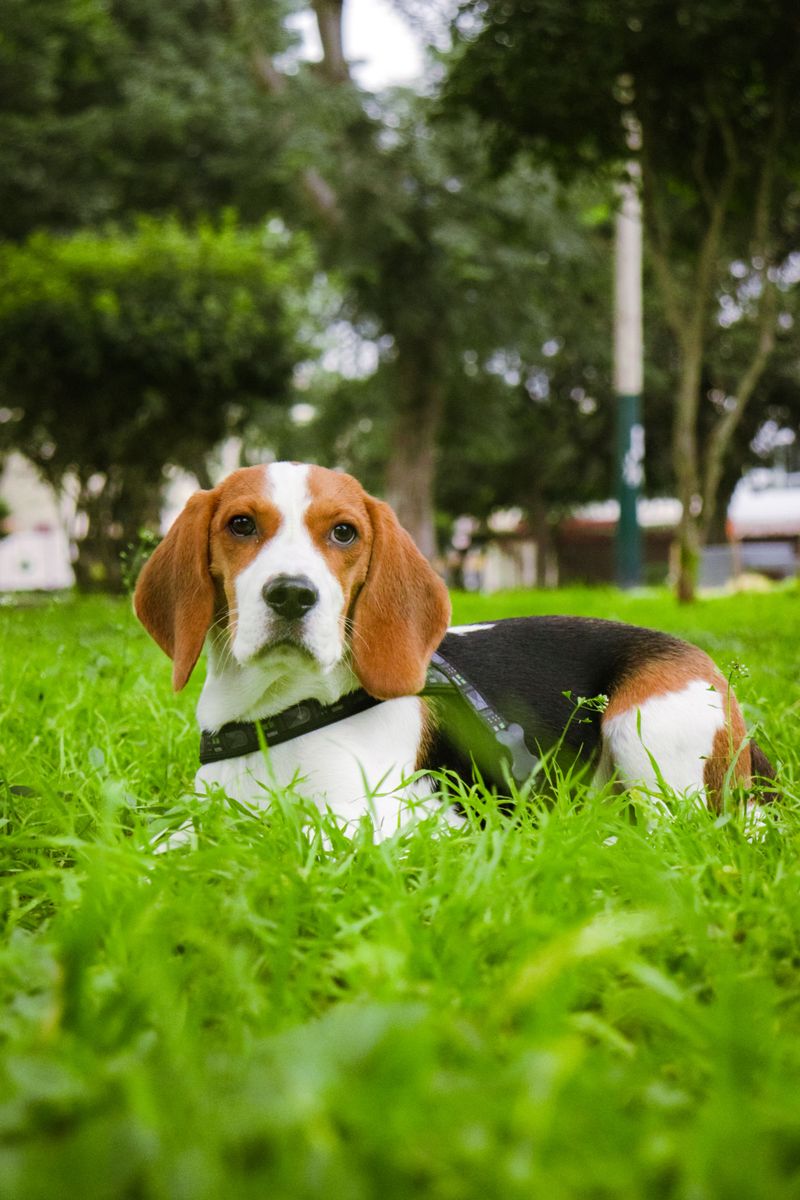
Fun fact: a Beagle’s nose has around 220 million scent receptors. That super sniffer explains a lot about their famous selective hearing.
When a Beagle ignores you on a walk, it is not being rude. A fascinating smell simply drowned out your voice.
Scent games, snuffle mats, and hiding treats around the house let that nose do its job. Recall training works best with very tasty rewards and lots of patience.
Pit Bull Terrier
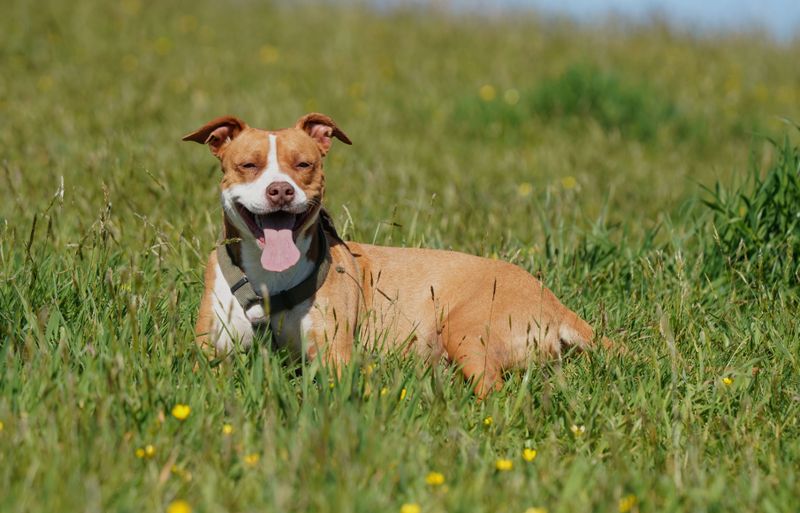
Few dogs carry a heavier reputation than the Pit Bull. Many shelters are full of them, often waiting longer than other breeds for a home.
Stress from kennels, past neglect, or rough handling can show up as pulling or overexcitement. That is a cry for structure, not proof of danger.
Calm routines, positive training, and plenty of play help these affectionate, people-loving dogs show who they really are underneath the unfair headlines.
Dachshund
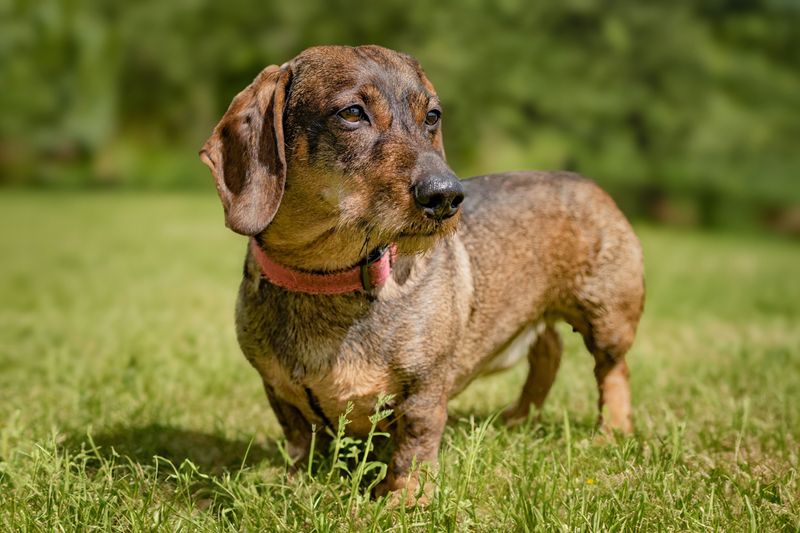
Bred to chase badgers into tunnels, the little Dachshund has the courage of a much bigger dog. That bravery can look like bossiness.
Barking at every sound and guarding toys are old hunting instincts at work. Back pain can also make them cranky, since their long spines are delicate.
Watch for signs of discomfort, use ramps instead of letting them jump, and reward quiet moments. A comfortable doxie is usually a sweeter doxie.
Belgian Malinois
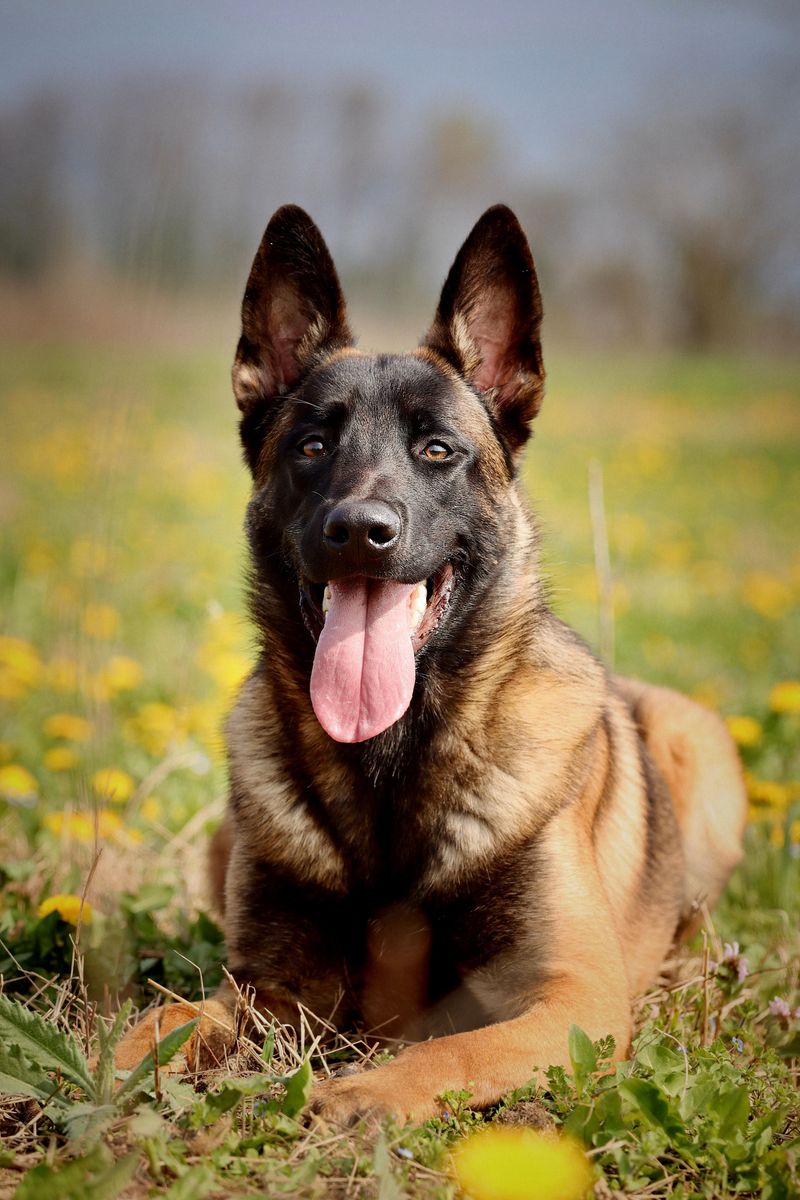
Police and military teams adore the Malinois for good reason. These dogs have drive that almost never switches off.
In an average home, though, that energy can turn into spinning, chewing walls, or biting at clothes. Families sometimes give them up, thinking they got a broken dog.
The real issue is usually a mismatch. Daily training sessions, tug games, and real tasks give a Malinois the purpose it desperately needs to settle down.
Shiba Inu
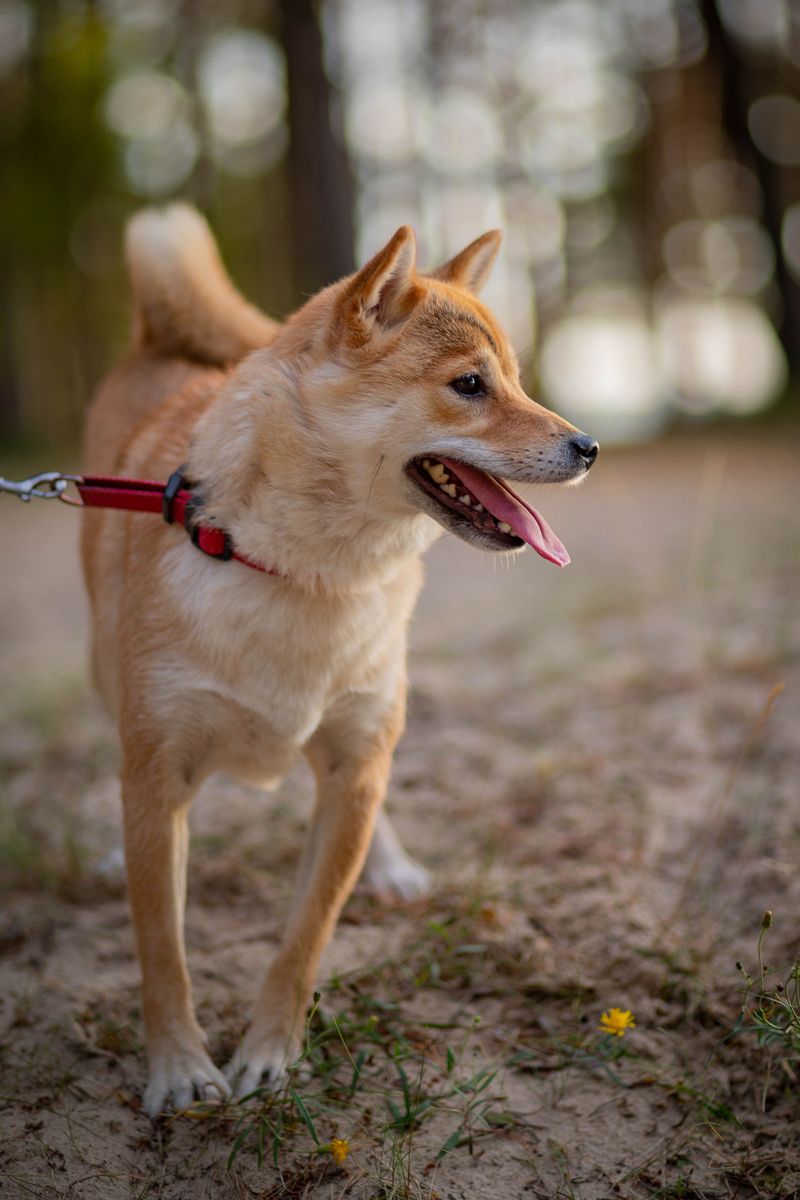
Shiba owners joke about the famous Shiba scream, a dramatic shriek during baths or nail trims. It sounds awful, but it is mostly protest.
Shibas are independent thinkers, almost catlike. Forcing handling or rushing them makes them feel trapped, which looks like defiance.
Slow, respectful training works wonders. Pair grooming with treats, give choices when possible, and let trust grow at its own pace.
Earned loyalty from a Shiba feels extra special.
Australian Cattle Dog
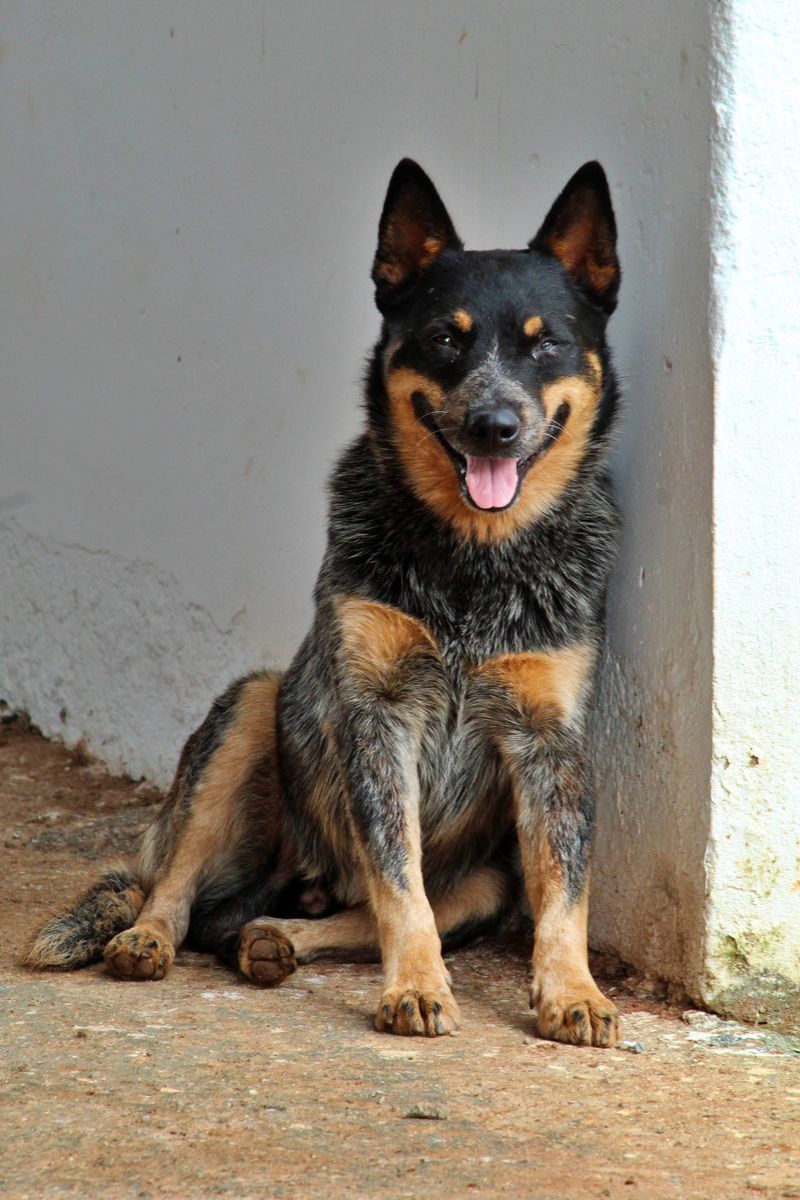
Heel nipping kids at a birthday party? Blame the job description.
Australian Cattle Dogs were made to nip at the heels of stubborn cows.
Without herding work, that instinct pops out at the wrong moments. Add boredom, and you get a pup labeled pushy or aggressive.
Redirect the urge with flirt poles, fetch, and training games. Teaching a strong settle command also helps this hardworking breed learn when the day is done.
German Shepherd
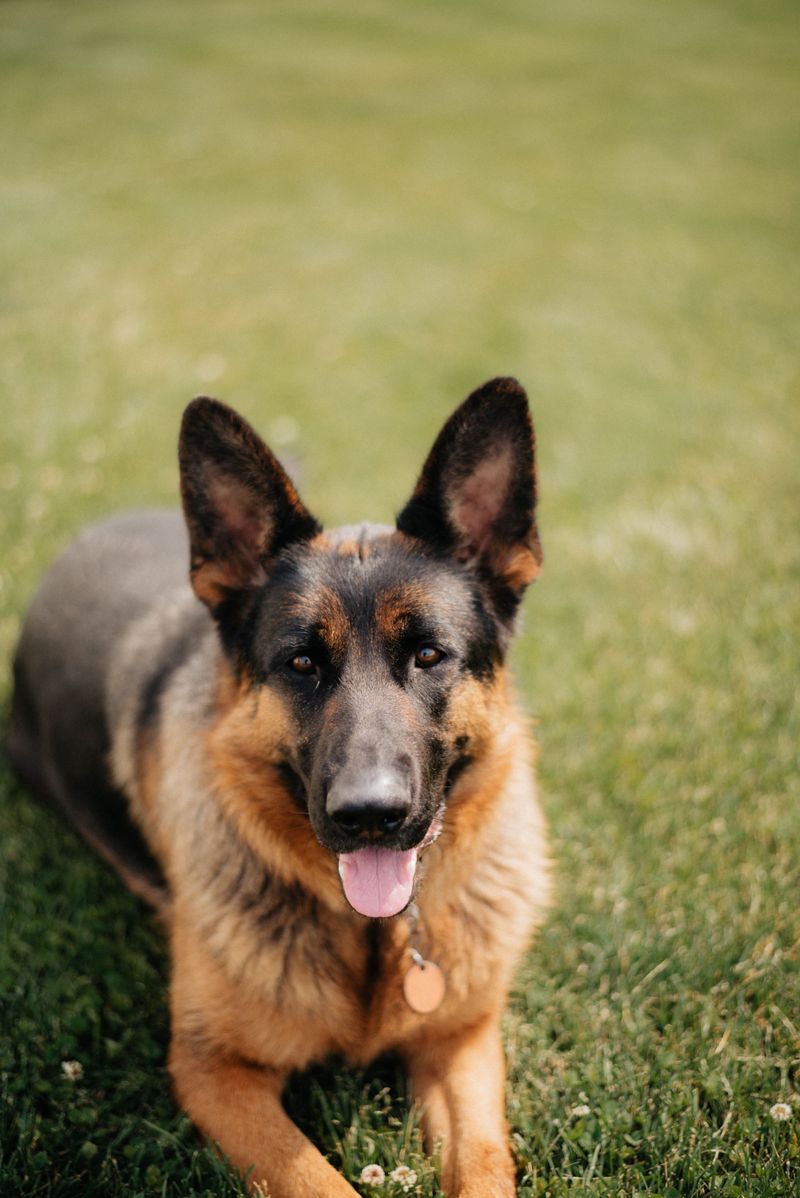
Loyal to the bone, German Shepherds bond deeply with their people. Sometimes that loyalty tips over into worry.
Reactive barking at strangers or panic when left alone can seem like aggression. Often, the dog simply feels anxious and unsure how to protect its family.
Early socializing, confidence building, and practice being alone for short stretches really help. A secure Shepherd turns into a steady, thoughtful partner who reads your mood like a book.
Jack Russell Terrier
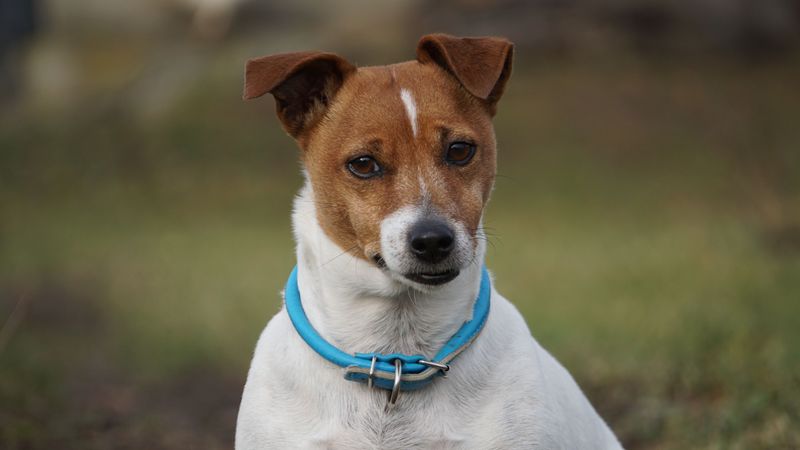
Think of a Jack Russell as a tiny tornado with a tail. These terriers were bred to hunt foxes and still bounce like springs.
Owners who expect a lap dog get a surprise. Digging, jumping, and barking pile up fast.
Here is the secret: they are not naughty, just underworked. Try digging boxes, fetch sessions, and short training bursts throughout the day.
Burned off energy makes room for snuggles later on.
Rottweiler
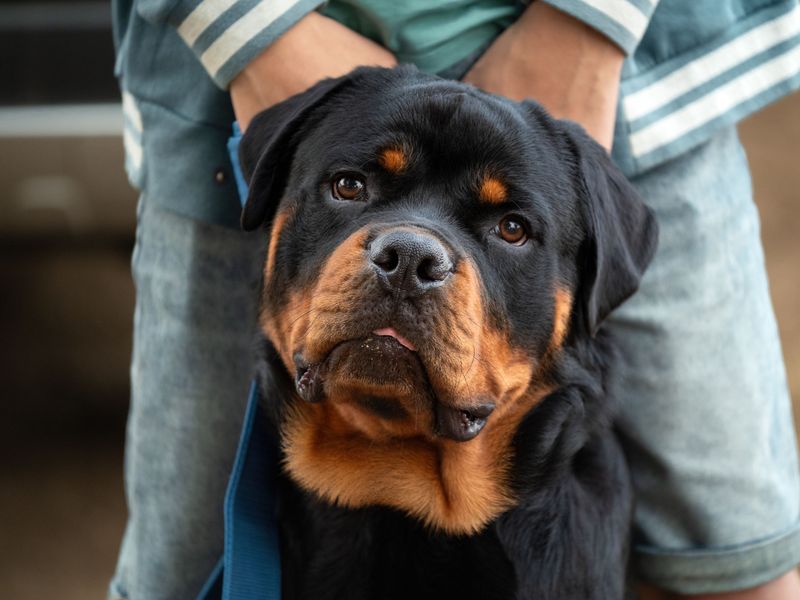
Big, dark, and serious looking, Rottweilers often get crossed to the other side of the street. Inside, many are giant goofballs who lean on their people.
Problems show up when they lack guidance. A strong, smart dog without clear rules may test limits or guard too much.
Consistent, kind training from puppyhood matters most. Once a Rottie understands what you want, you will meet one of the most devoted, cuddly friends around.
Dalmatian
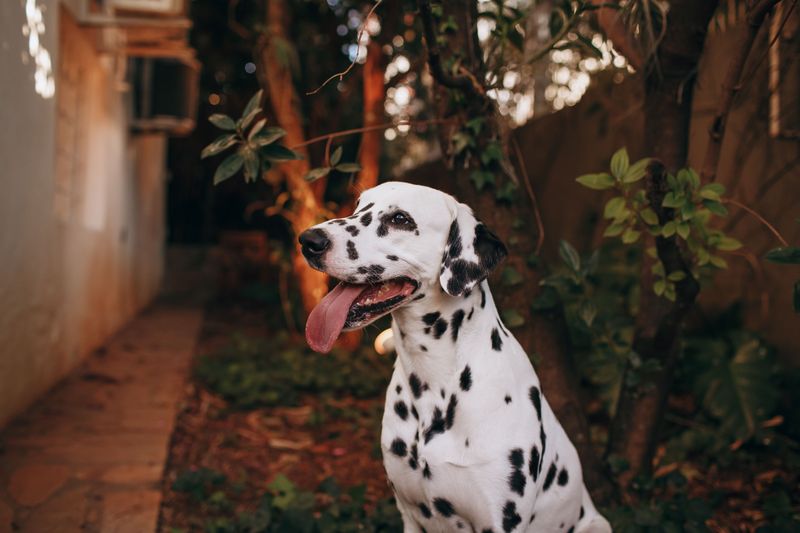
Did you know Dalmatians once ran beside horse-drawn fire wagons for miles? That history explains their huge stamina.
After popular movies, many families bought spotted puppies without knowing this. Bored Dalmatians grew hyper and pushy, and the breed earned a bad name.
Some are also born deaf, which can cause startle reactions that look like grumpiness. Hearing tests, hand signals, and long daily jogs can transform a frustrated Dalmatian into a joyful one.