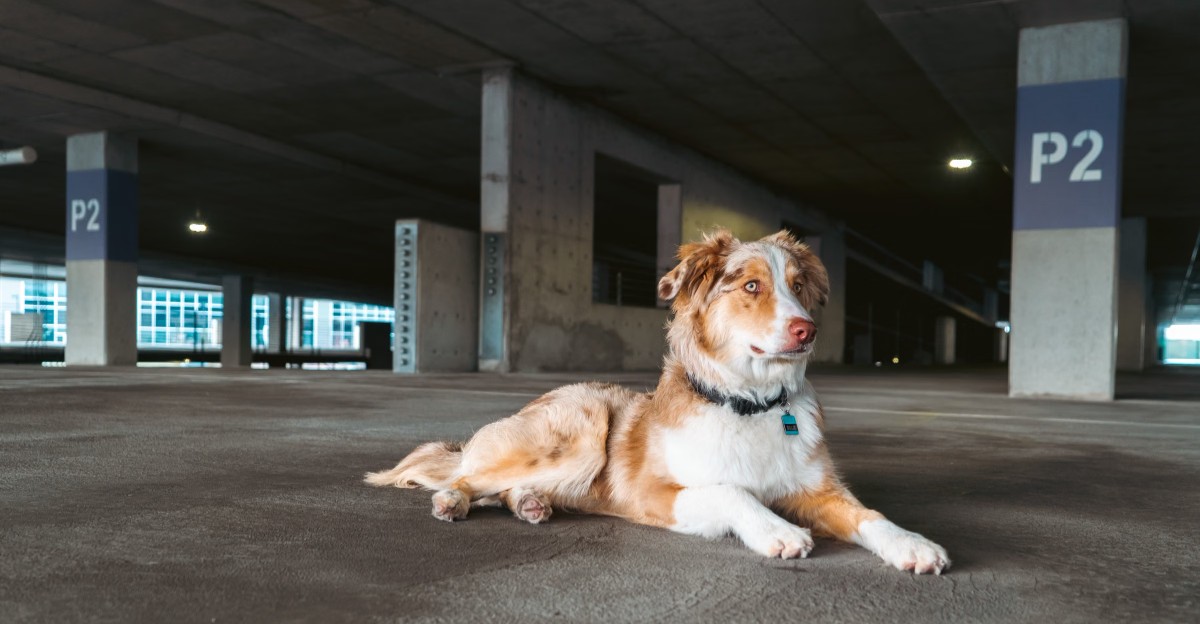
Every dog owner dreams of a pup that waits politely at the door and leaves the couch cushions alone. Good manners at home rarely happen by luck, though.
They grow from the same rules, the same words, and the same rewards, repeated day after day. Some breeds really shine when their people stick to a steady routine, and you might be surprised which ones made the list.
Labrador Retriever
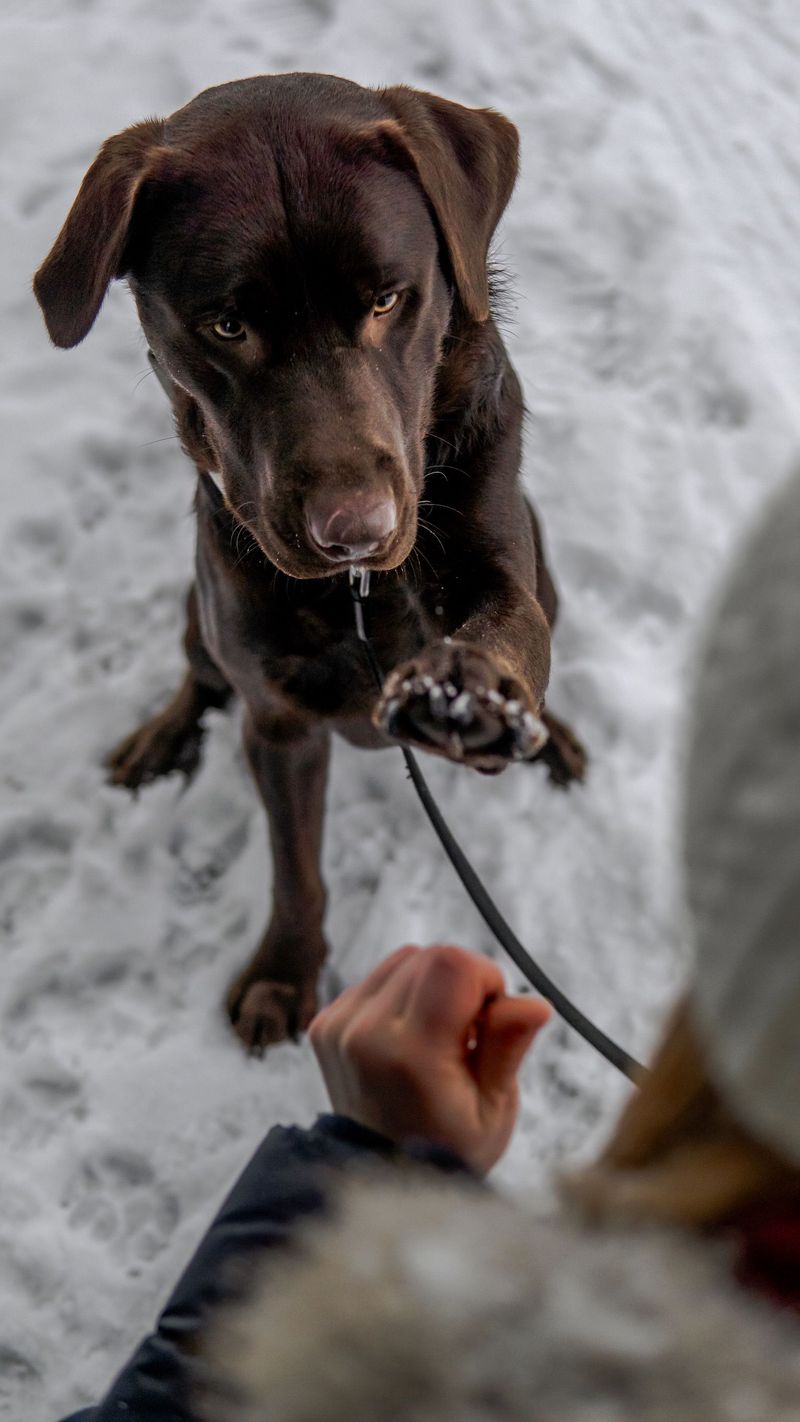
Food can turn a sweet Lab into a counter-surfing bandit in seconds. That big appetite, though, is also your best training tool.
Labs learn fast when rewards show up for the same behaviors every time. If one family member allows begging at dinner and another does not, your pup gets confused and keeps trying.
Agree on house rules together. Within a few weeks, many Labs settle onto their bed while the family eats.
Golden Retriever
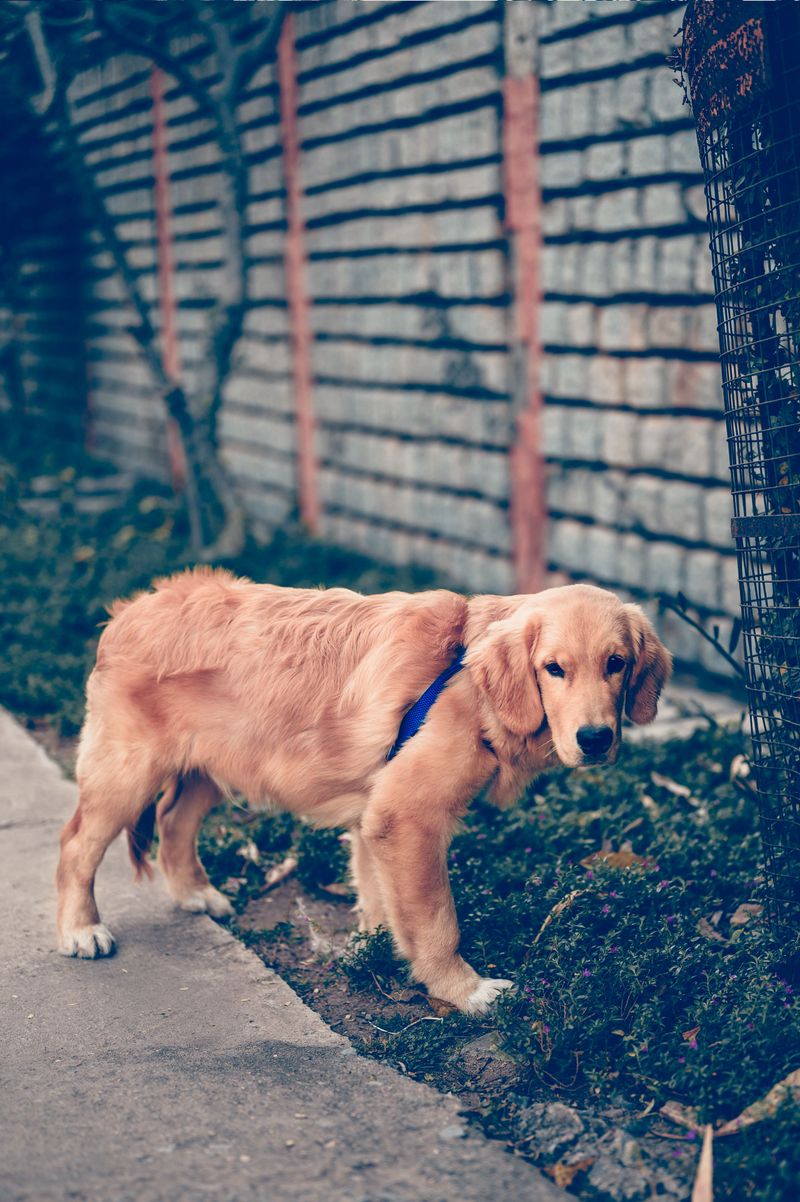
Picture a fluffy shadow that follows you from room to room, carrying a sock like a trophy. Sounds like a Golden, right?
These eager pleasers want to know exactly what earns praise. Clear, repeated cues help turn that sock-stealing habit into a fun fetch game with approved toys.
Fun fact: Goldens were first bred in Scotland in the 1800s to retrieve birds softly. That soft mouth makes teaching gentle play surprisingly easy.
Border Collie
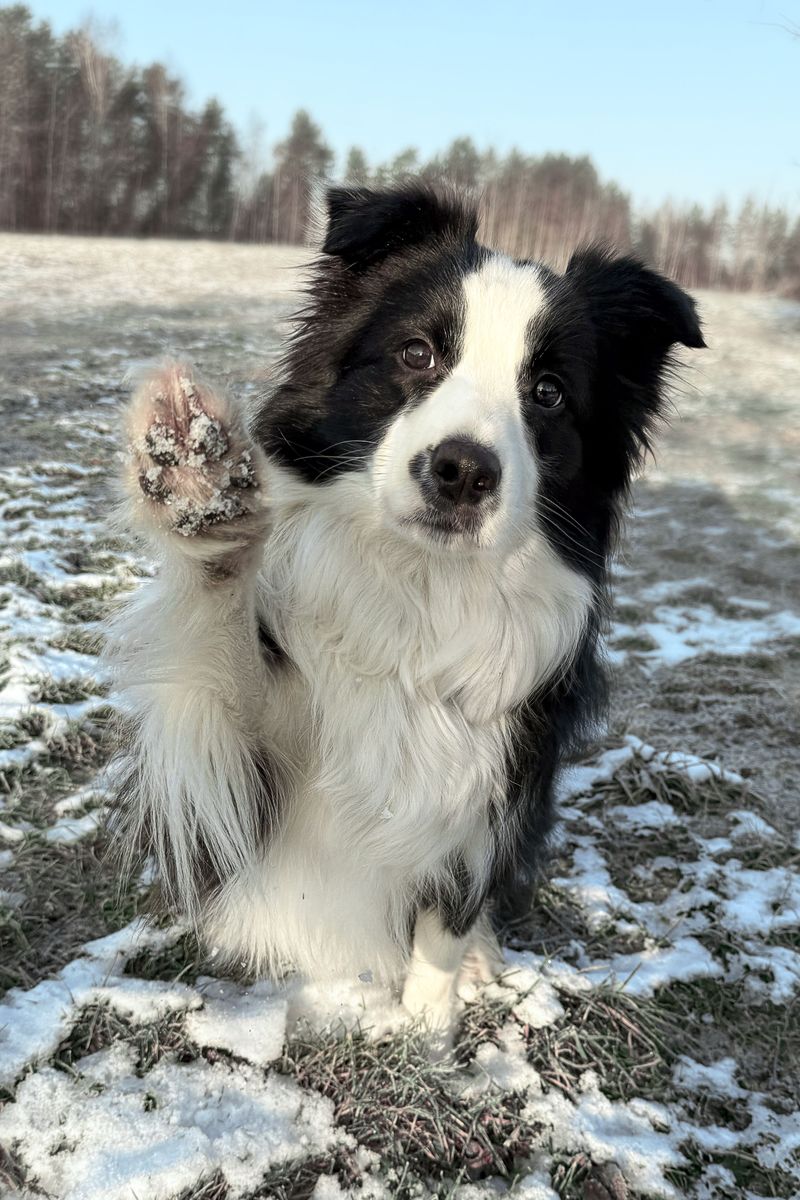
Ever met a dog who seems smarter than you? Border Collies often top intelligence rankings, and they know it.
A bored Collie may herd the kids, chew baseboards, or invent new mischief. Consistent daily training sessions give that busy brain a job, which keeps destructive habits away.
Try short practice bursts of five minutes, a few times each day. Pair them with puzzle toys, and your clever herder will happily relax indoors afterward.
German Shepherd
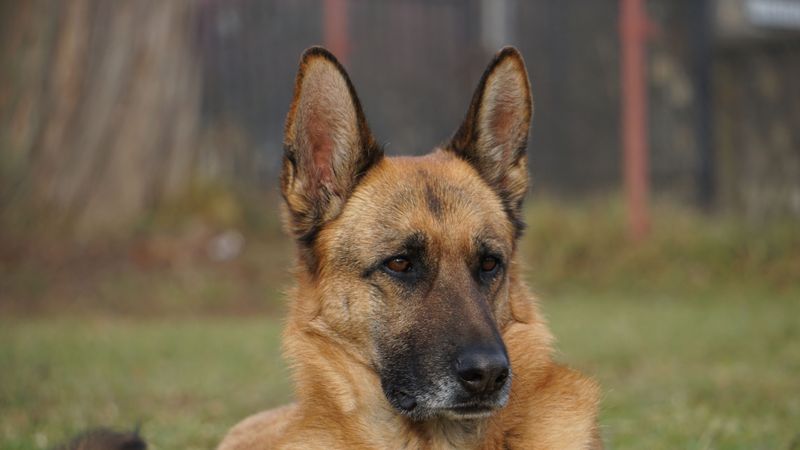
Loyal, protective, and a little bit bossy at times, German Shepherds thrive on knowing who leads the pack.
Mixed signals can make them pushy or anxious. When the rules stay steady, like always sitting before the door opens, they relax and trust your guidance.
Many police departments choose this breed because it responds so well to structure. You do not need a badge, though.
Just stay calm, firm, and predictable every single day.
Poodle
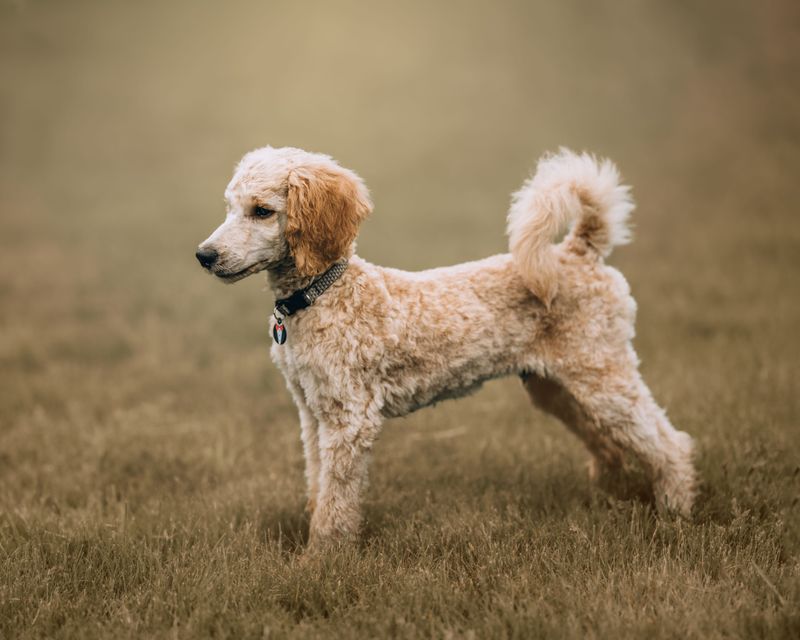
Behind that fancy haircut hides a seriously sharp mind. Poodles, whether toy, miniature, or standard, pick up new habits quickly, both good and bad.
Let a Poodle jump on guests once, and it might decide jumping is the new greeting. Consistency stops that lesson before it sticks.
Here is a quirky bit of history: Poodles started as water retrievers in Germany. Their famous pom-pom cut once kept their joints warm while swimming.
Beagle
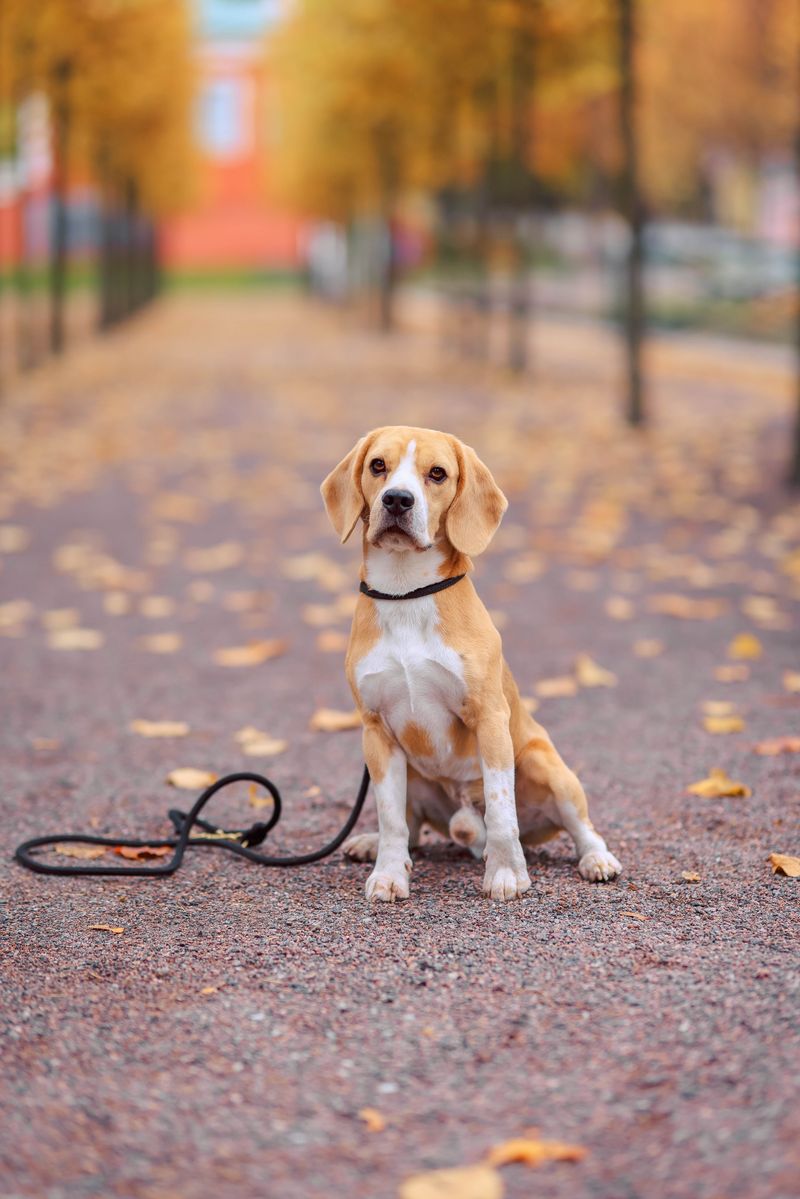
Nose first, ears flapping, the Beagle explores your home like a tiny detective searching for snacks. Trash cans rarely stand a chance.
Stubborn streaks are common in scent hounds, so patience matters. Use the same command words each time, and reward instantly when your Beagle chooses to leave something alone.
Secure lids and steady routines work together. Over time, many Beagles learn that ignoring the garbage pays off better than raiding it.
Shetland Sheepdog
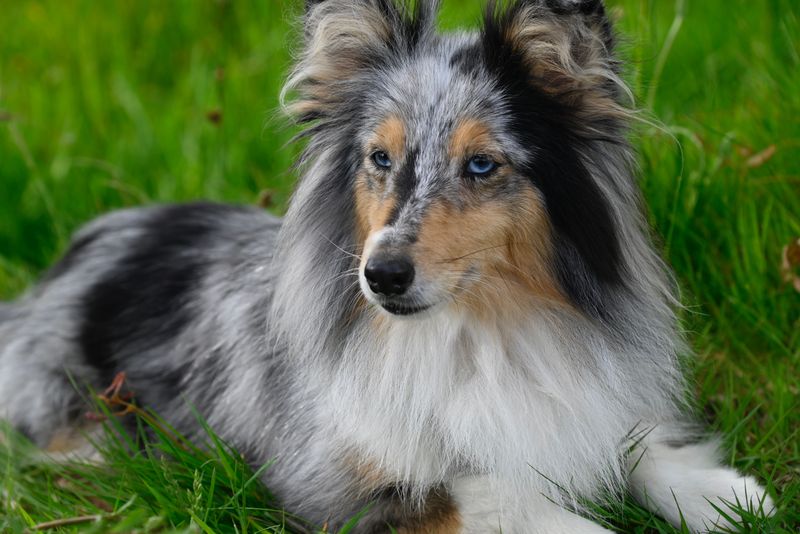
Sheltie owners joke that their dogs could bark at a falling leaf. That alert voice comes straight from their herding roots on Scotland’s Shetland Islands.
Luckily, these sensitive pups respond beautifully to gentle, repeated teaching. A simple quiet cue, practiced the same way every time, can tame the window watch.
Skip yelling, since Shelties may take it to heart. Kind words and tiny treats help them feel secure and calm.
Cavalier King Charles Spaniel
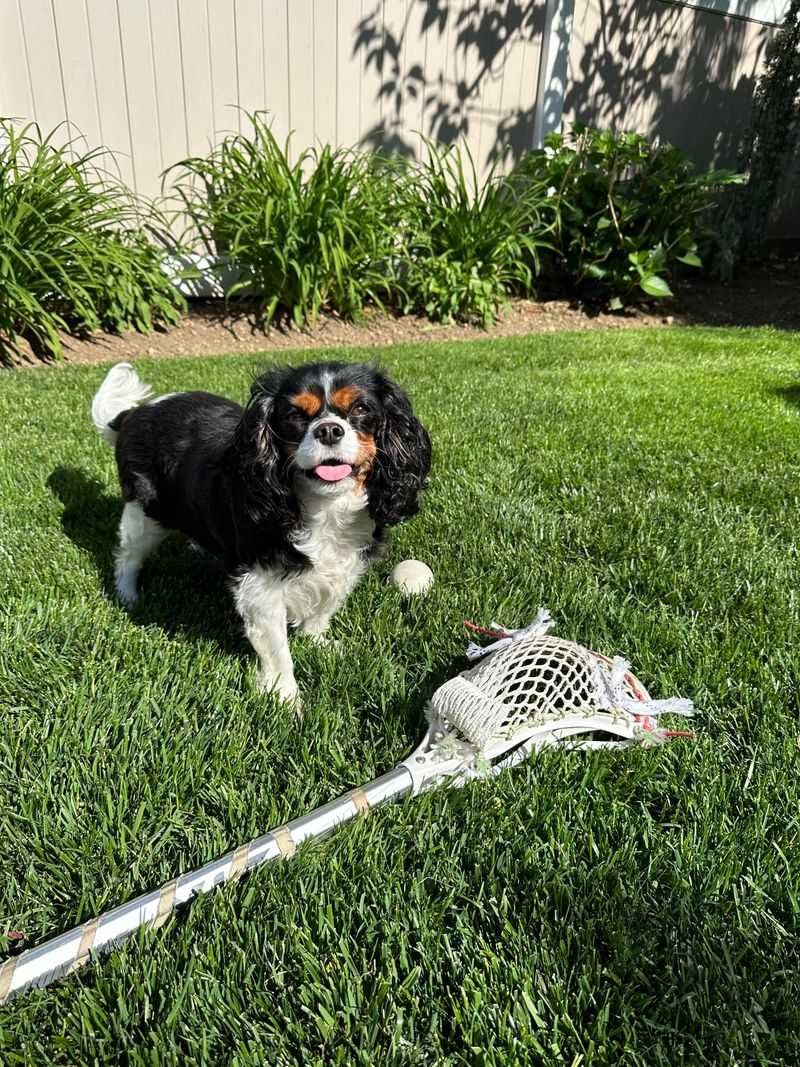
Royal lap warmers since the 1600s, Cavaliers adore being near their people. Sometimes a little too much.
Separation stress can lead to whining or accidents indoors. A predictable schedule for meals, potty breaks, and alone time helps these affectionate spaniels feel safe.
Start small by leaving for just a few minutes. Return calmly, without a big fuss.
Gradually, your Cavalier learns that you always come back, and home habits improve.
Boxer
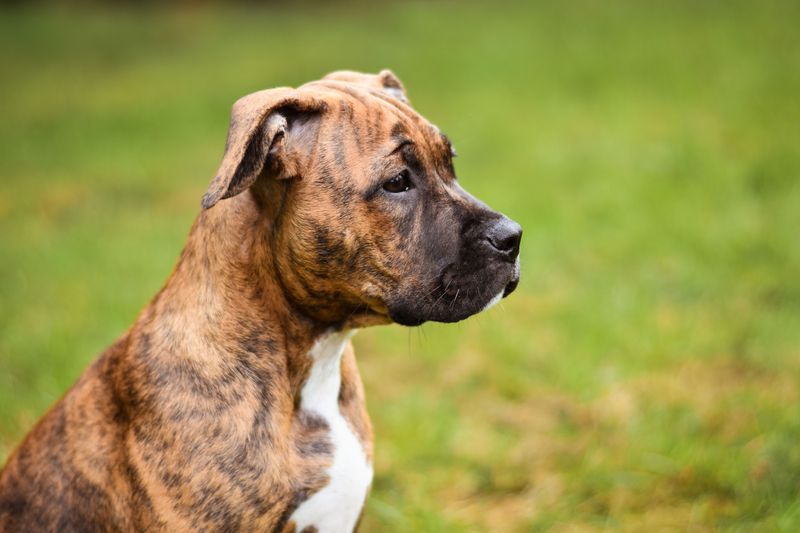
Bouncy, goofy, and full of wiggles, a Boxer greets the world like every day is a party. Guests may get a full-body hello.
Steady rules teach this clown some manners. Turn away when they jump, and reward four paws on the floor.
Everyone in the house must do the same.
Plenty of exercise helps too. A tired Boxer is a polite Boxer, ready to snooze instead of zoom around.
Australian Shepherd
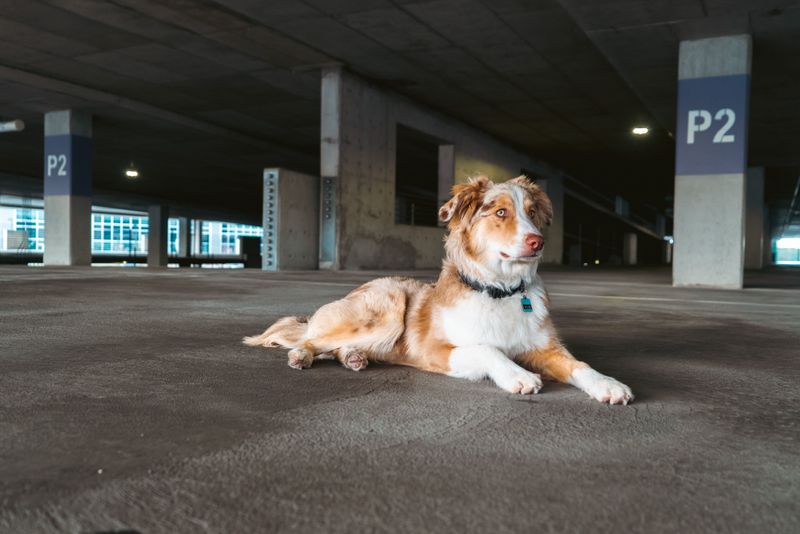
Despite the name, Aussies were actually developed in the American West. They worked long days on ranches, and that drive still lives inside them.
Without clear structure, these energetic herders may nip heels or pace the hallway. Daily training routines channel their focus into useful skills like settling on a mat.
Teach a reliable place command. Practice it at the same times daily, and your Aussie learns when it is time to chill.
Dachshund
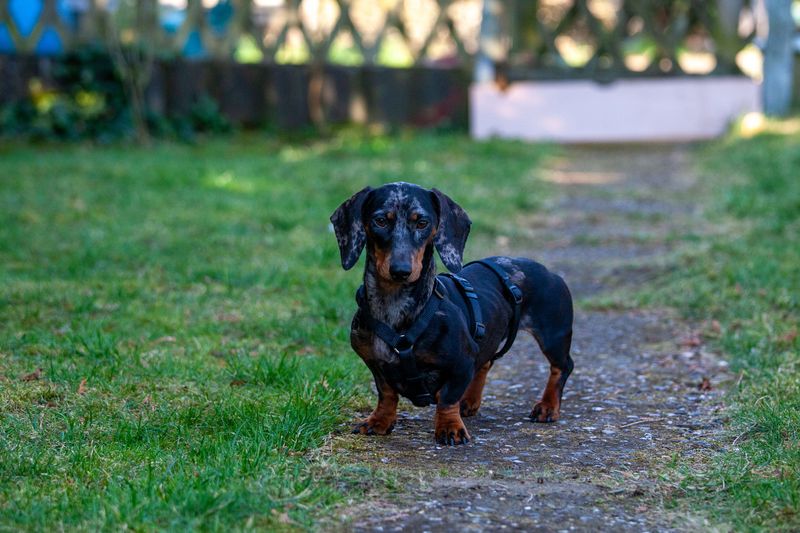
Short legs, big attitude. Dachshunds were bred to chase badgers, so they bring plenty of courage and stubbornness indoors.
Potty training can test your patience with these little hot dogs. Taking them out at the same times, using the same door and phrase, builds reliable habits.
Celebrate every success with a happy voice and a treat. Rainy days might bring protests, but consistency usually wins out in the end.
Doberman Pinscher
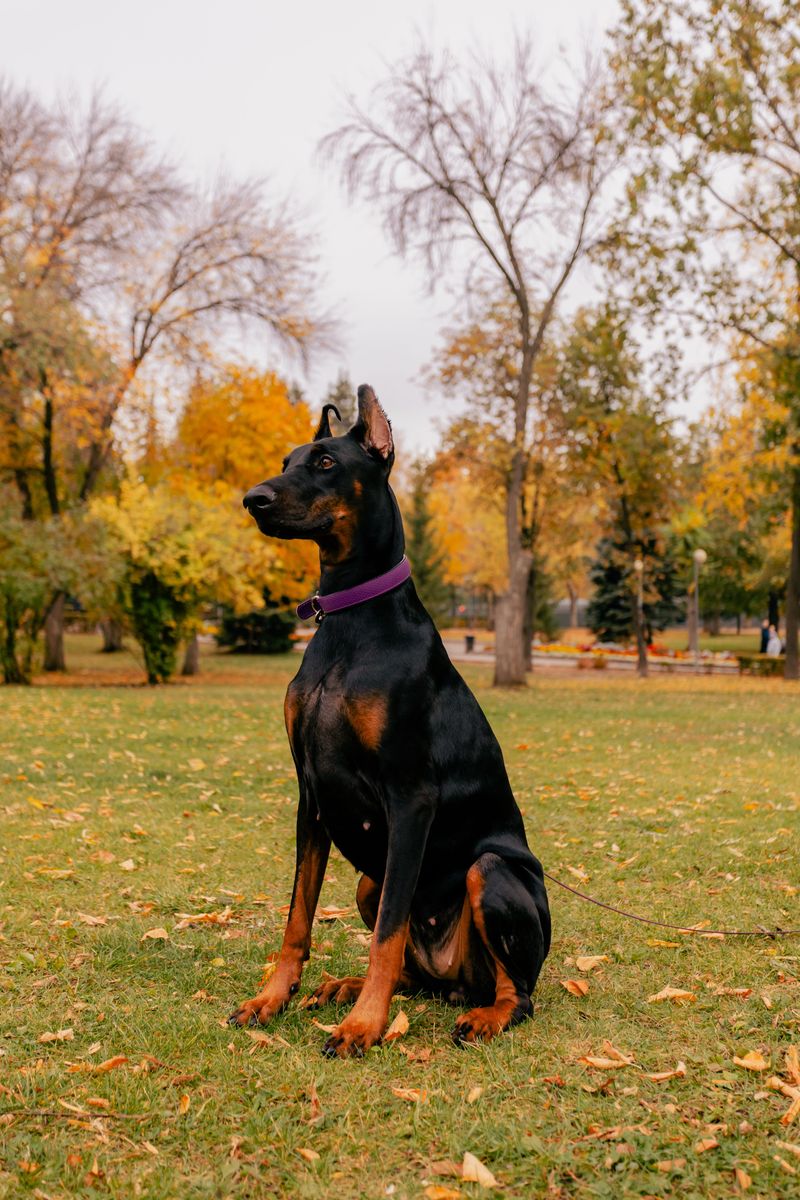
A tax collector named Louis Dobermann created this breed in Germany to keep him safe on his rounds. Talk about a bodyguard.
Dobermans are sleek, sensitive, and highly trainable. They notice tiny changes in your rules, so steady expectations keep them confident instead of jumpy.
Practice calm behaviors, like lying down when the doorbell rings. With regular repetition, your Doberman becomes a graceful, well-mannered housemate rather than an anxious alarm system.
Papillon
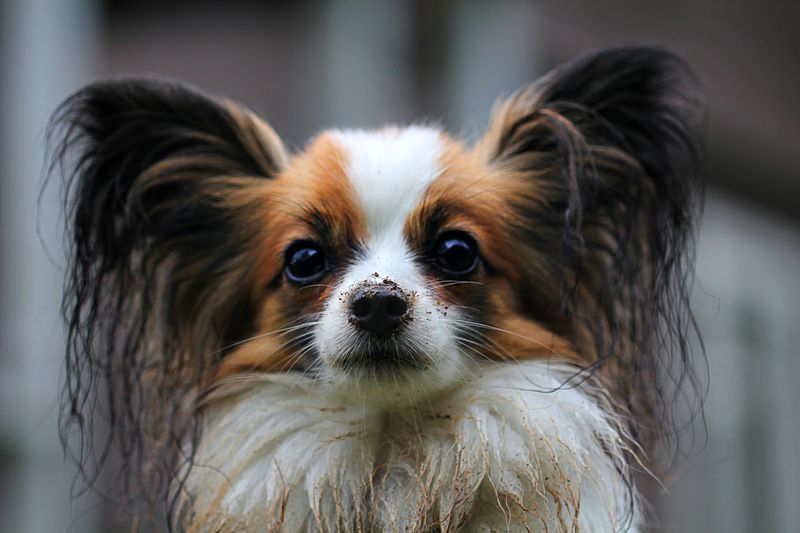
Those butterfly ears are more than cute. Papillon actually means butterfly in French, and these tiny dogs have giant brains to match.
Small breeds often get away with bad habits because owners find them adorable. Hold Papillons to the same standards you would a big dog, and they rise to the challenge.
They love learning tricks, too. Short, upbeat lessons help them master manners like waiting before jumping on furniture.