
Some dogs look like the ideal pet in photos, movies, or at a friend’s house. Once they come home, though, many owners discover these breeds need far more time, training, and energy than expected.
Knowing the hard parts ahead of time helps families pick the right dog and keeps more pets out of shelters. Here are the breeds that surprise people most, and what it really takes to raise them well.
Dalmatian
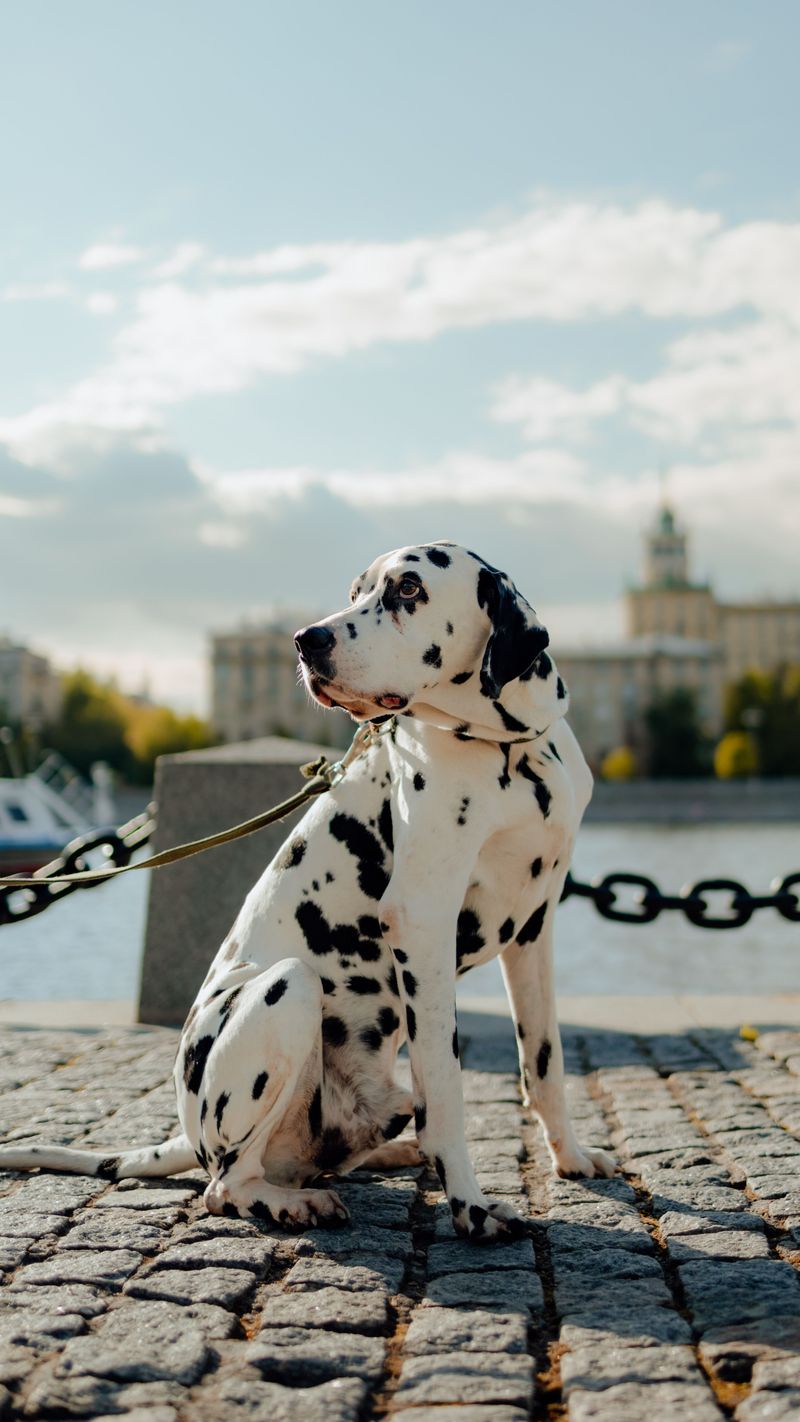
Blame the movies. After every big Dalmatian film, shelters fill up with spotted pups whose owners felt overwhelmed.
Built to jog beside horse carriages for miles, these dogs need serious daily exercise. Without it, they can turn bored, pushy, and destructive.
They also shed constantly, and many are prone to deafness and bladder stones. Plan for long runs, steady training, and a really good lint roller.
Boxer
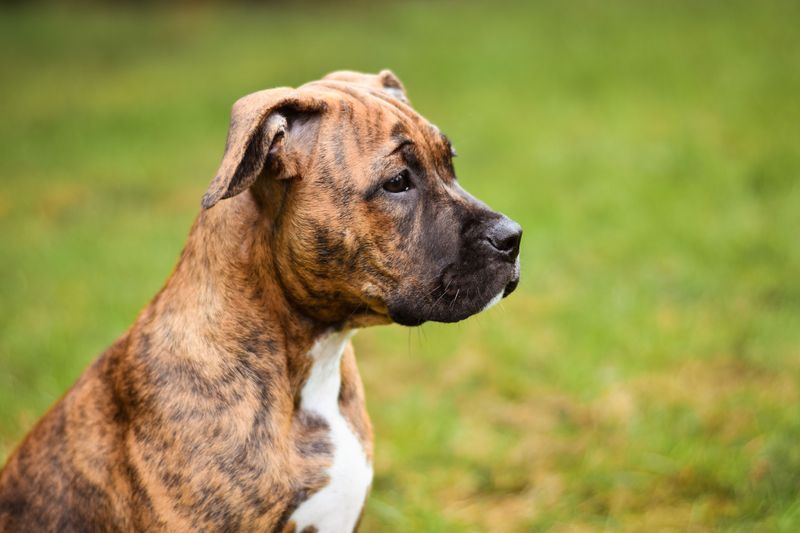
Imagine a toddler in a muscular, 65-pound body. That is basically a Boxer, and owners adore them for it.
The trouble is that goofy energy lasts for years. Boxers mature slowly, jump on guests, and can knock over small kids without meaning to.
Early obedience classes help a lot. Also watch for heat, since their short noses make hot days risky, and keep daily play sessions on your calendar.
Siberian Husky
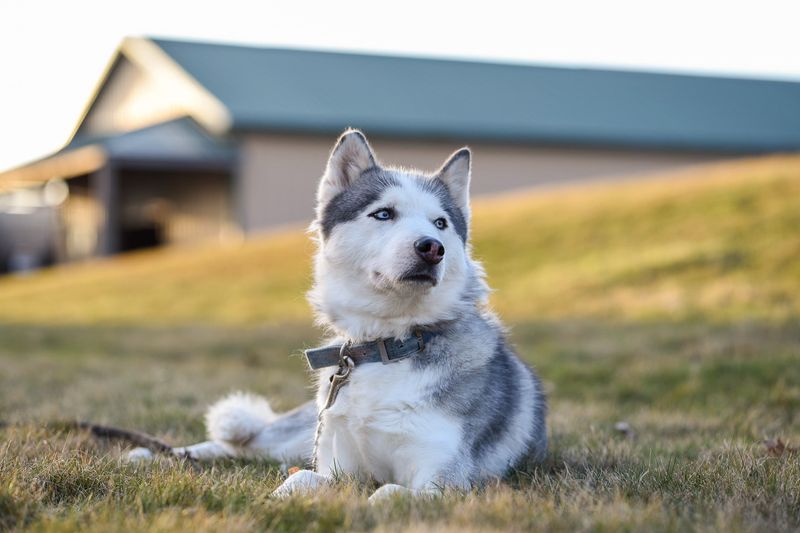
Those icy blue eyes have won over millions of hearts. What the photos don’t show is the howling, digging, and escaping.
Bred to pull sleds across Siberia, Huskies were made to run, not to sit politely. Many will dash off the second a gate opens, so secure fencing is a must.
Get ready for heavy shedding twice a year, too. Some owners joke it snows indoors every spring.
German Shepherd
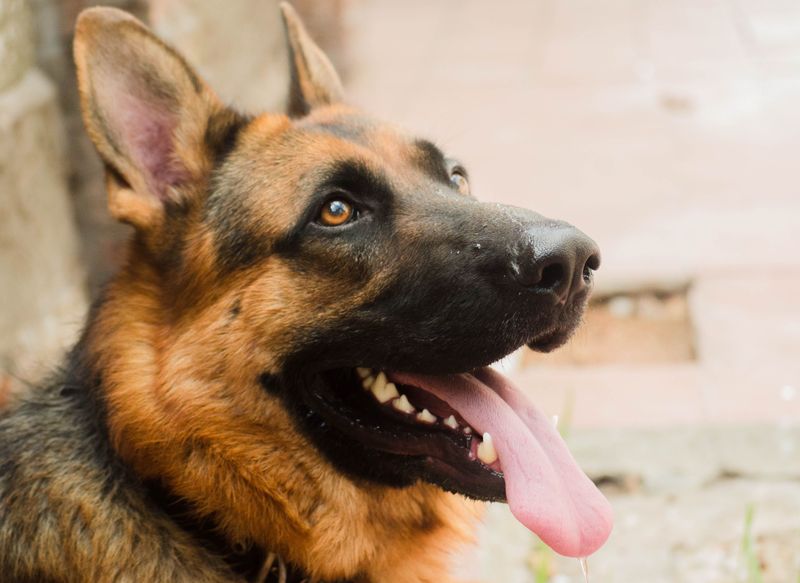
Police officers, guide dog trainers, and search teams all trust this breed. So why do some families struggle?
German Shepherds are brilliant and loyal, but they need a job. Without mental challenges and firm training, they may become anxious, overprotective, or noisy.
Socialize them early with many people and places. Brush often as well, because their nickname, the German Shedder, is well earned.
Beagle
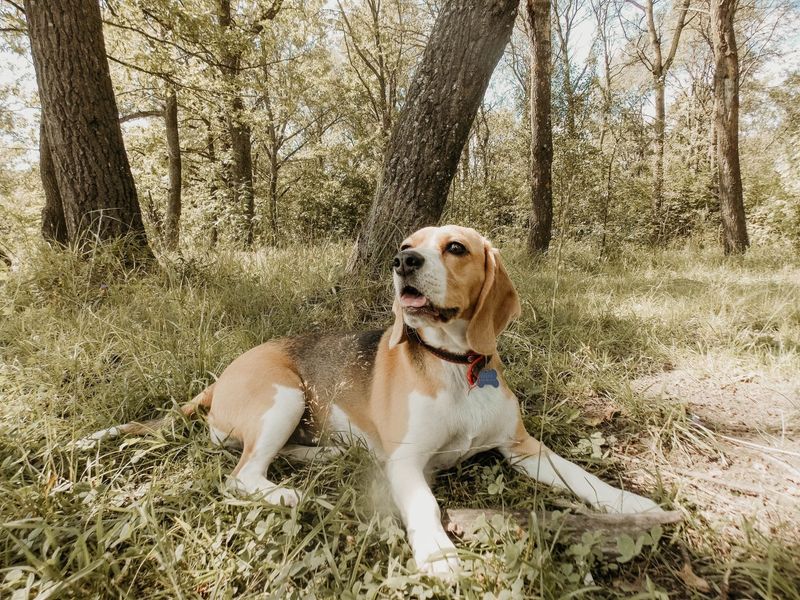
Small, cheerful, and adorable, the Beagle seems like an easy starter dog. Then the nose takes over.
With about 220 million scent receptors, Beagles follow smells anywhere, ignoring your calls completely. They also bay loudly, which neighbors may not love.
Food is their weakness, so lock trash cans and pantry doors. Training works best with tiny treats, lots of patience, and a leash on every walk.
Australian Shepherd
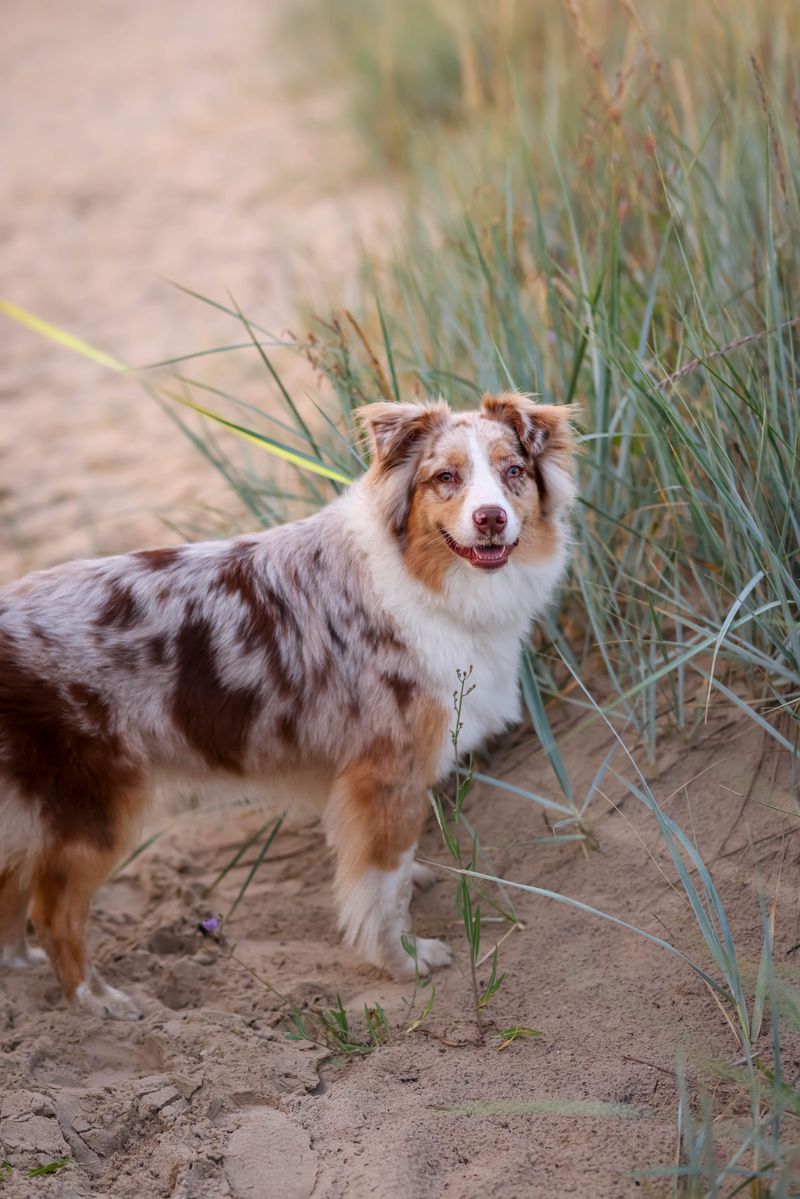
Fun fact: despite the name, this breed was developed on American ranches, not in Australia.
Aussies are stunning, with swirling merle coats and bright eyes. Yet they are herding machines that may nip at kids’ heels or circle the family cat.
A short walk will not satisfy them. They thrive with agility, fetch, puzzle toys, and real tasks.
Give them work, or they will invent their own chores.
Cane Corso
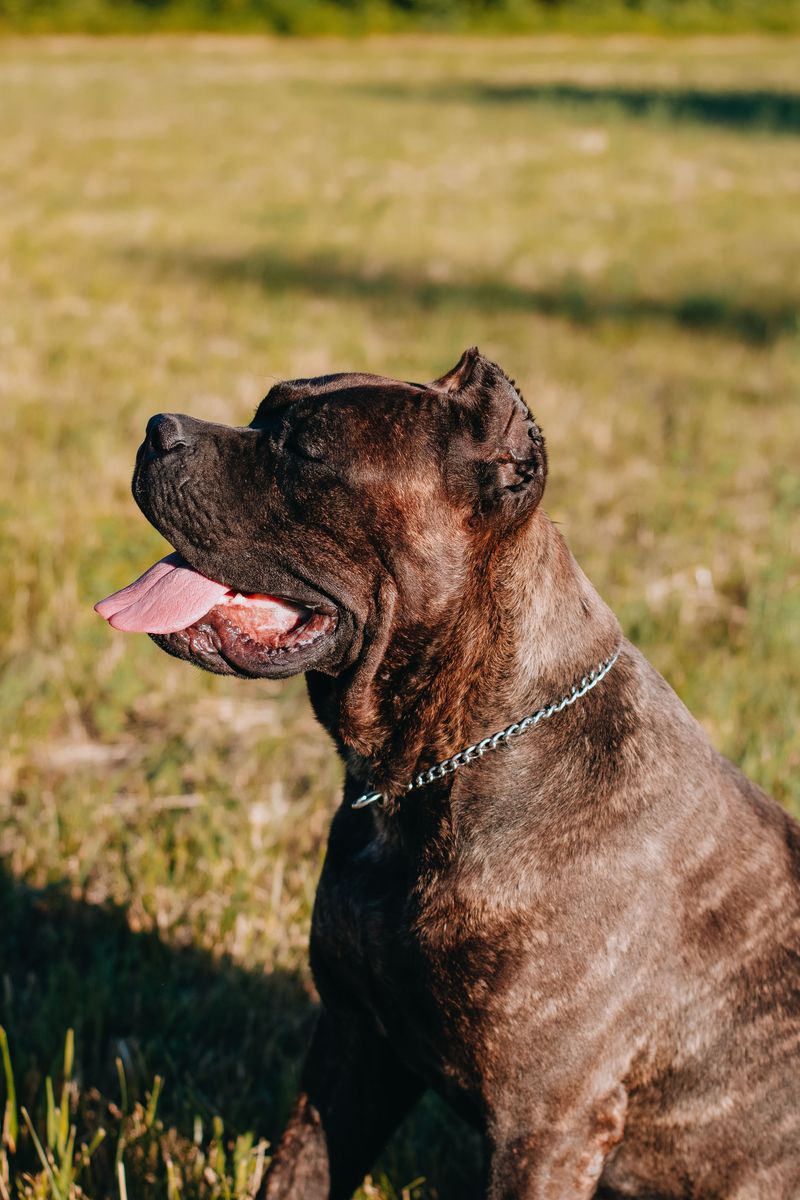
Calm and majestic, a Cane Corso looks like a statue guarding a castle. Social media has made the breed wildly popular.
Still, this is a powerful Italian guardian that can top 110 pounds. Owners need confidence, experience, and a clear training plan from day one.
Without wide socialization, protectiveness can turn into suspicion of strangers. Budget for big food bills and possible joint problems as well.
French Bulldog
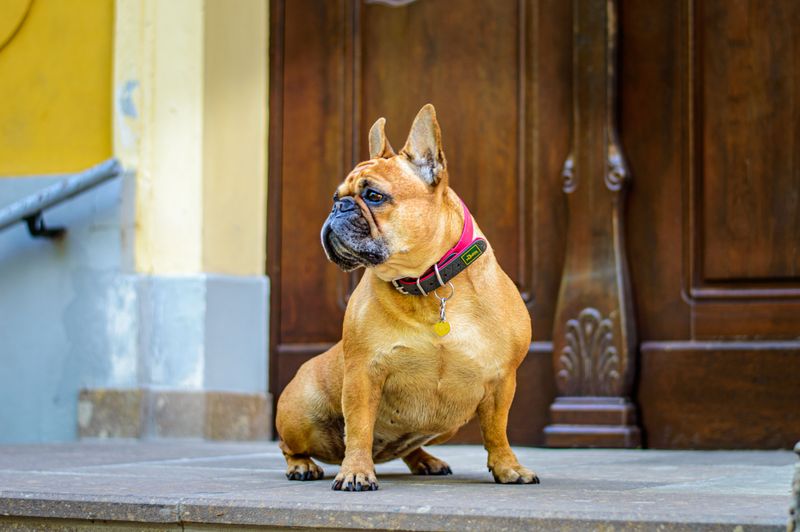
Bat ears, a squishy face, and a chill attitude make Frenchies a favorite for apartment living. Who could resist?
Your wallet might. Their flat faces often cause breathing troubles, and many need surgery, allergy care, or spine treatment.
They overheat fast and cannot swim well, so pools and summer walks need caution. Pet insurance and a trusted vet are smart moves before bringing one home.
Pembroke Welsh Corgi
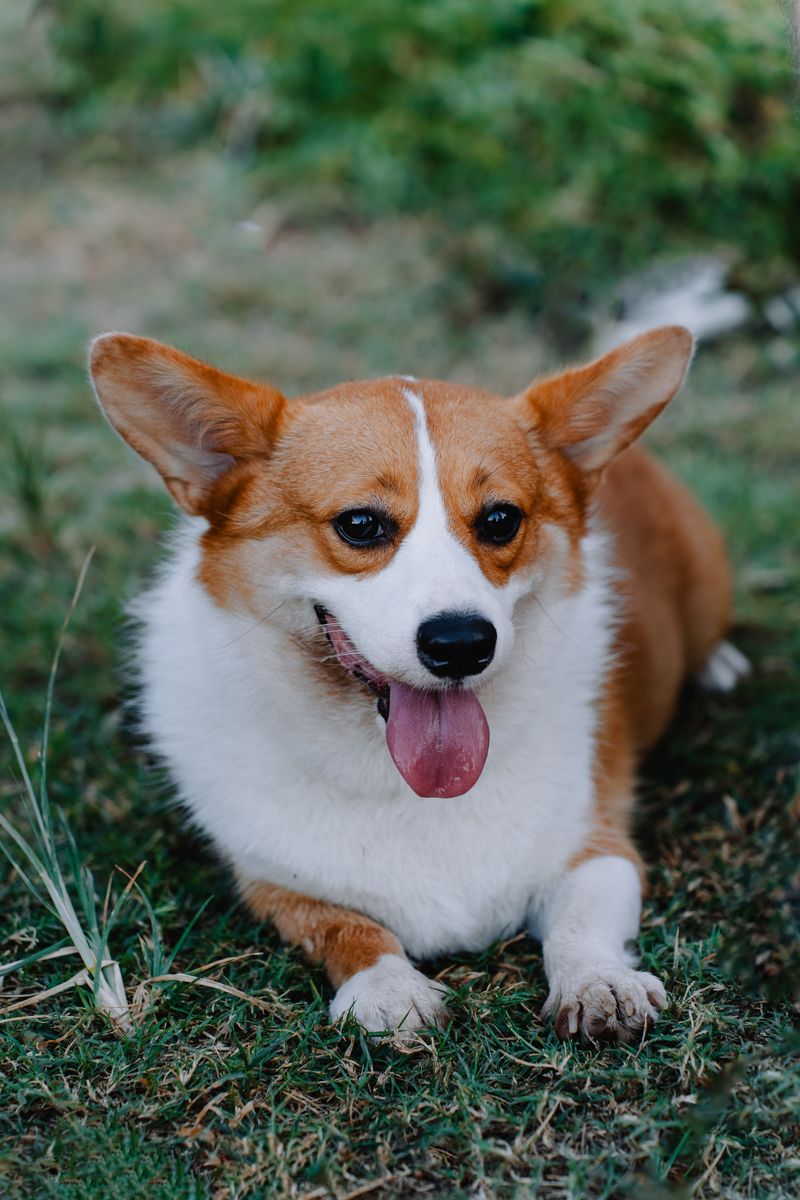
Queen Elizabeth II owned more than 30 Corgis, so they must be royal and easy, right? Not quite.
Under those short legs is a bossy cattle herder. Corgis bark a lot, may nip ankles, and can be surprisingly stubborn.
They shed heavily and gain weight easily, which strains their long backs. Measure meals carefully, keep them active, and teach a firm quiet command early.
Weimaraner
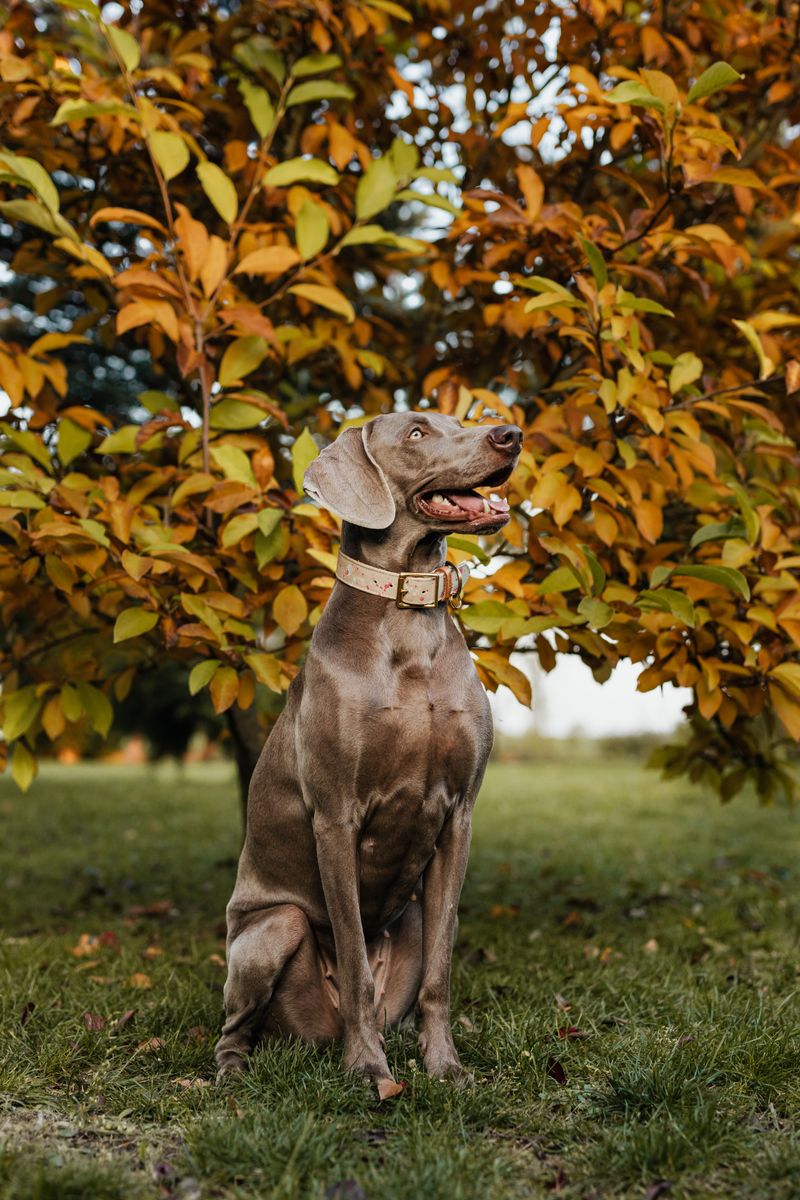
Nicknamed the Gray Ghost, the Weimaraner has a sleek silver coat that looks almost magical.
Behind that elegance is a clingy hunting dog with endless stamina. Many follow owners from room to room and panic when left alone, chewing doors or furniture.
Separation anxiety is common, so build alone time slowly. Two solid exercise sessions daily keep this velcro dog calm and happy.
Jack Russell Terrier
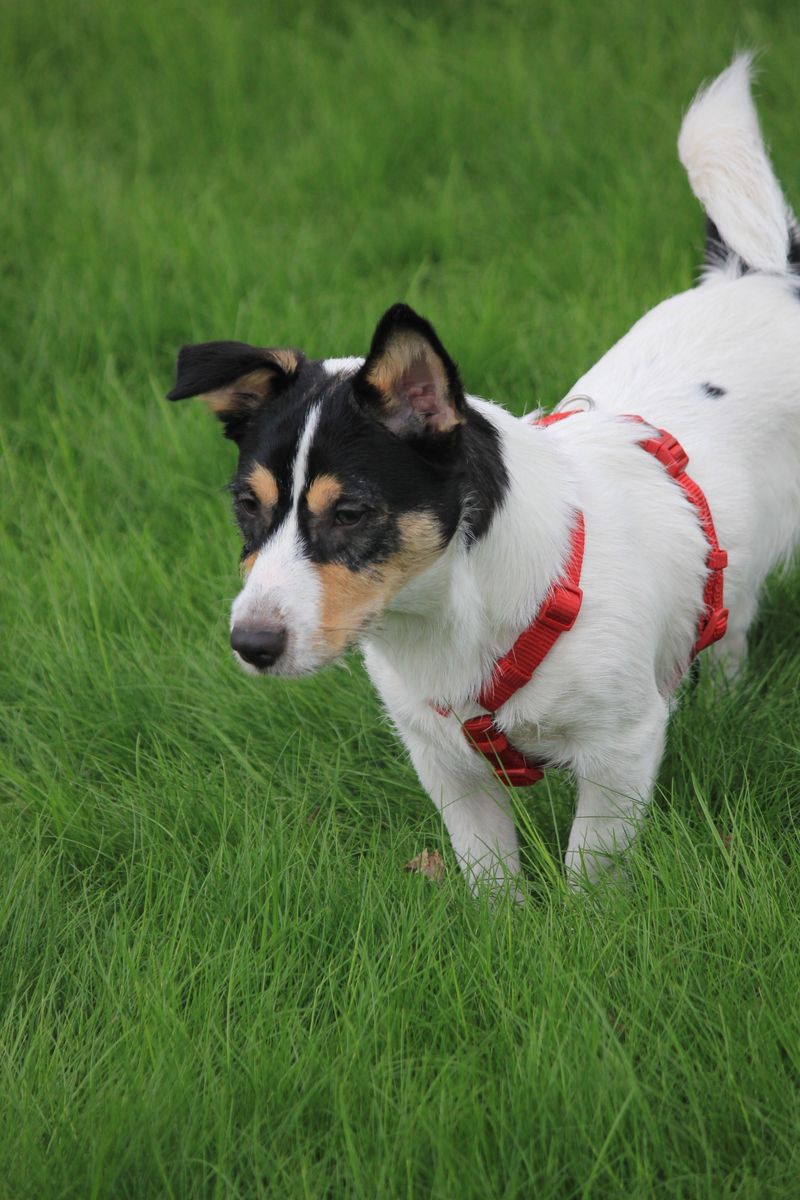
Picture a dog that can jump five times its own height. Now picture it bored in your living room.
Jack Russells were bred to chase foxes underground, and that fearless drive never switches off. They dig, chase squirrels, and challenge bigger dogs.
Small size fools people into thinking they need little exercise. In truth, they need tons of play, smart games, and a very secure yard.
Rottweiler
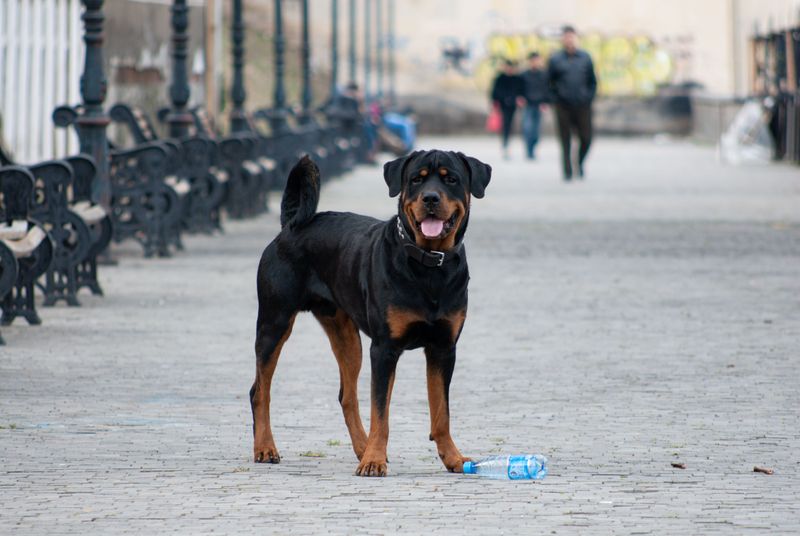
Ask any Rottie fan and you’ll hear about a big softie who loves cuddles. That side is real.
Rottweilers are also strong, confident guardians that test boundaries as teens. Without steady leadership, they can become hard to handle on a leash.
Start puppy classes early and keep training going for life. Some insurance companies and rentals restrict the breed, so check your housing rules first.
Border Collie
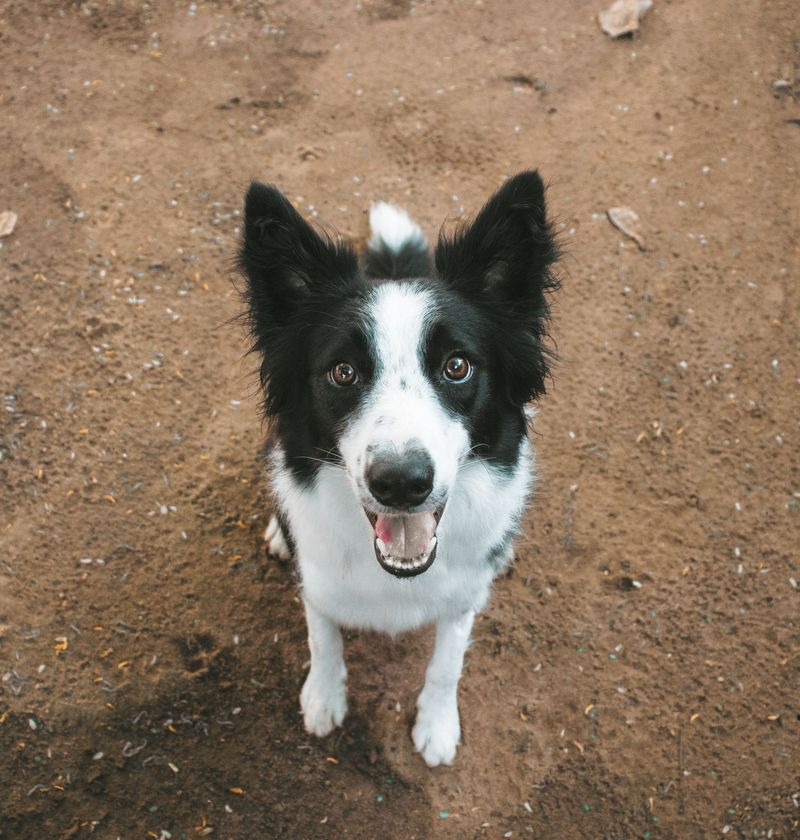
Scientists often rank the Border Collie as the smartest dog breed. One famous collie named Chaser learned over 1,000 words.
That brain is a blessing and a challenge. A bored Border Collie may herd cars, chew walls, or stare at shadows for hours.
These dogs need hours of activity and fresh puzzles every day. They are best for active families who enjoy training, sports, or farm life.