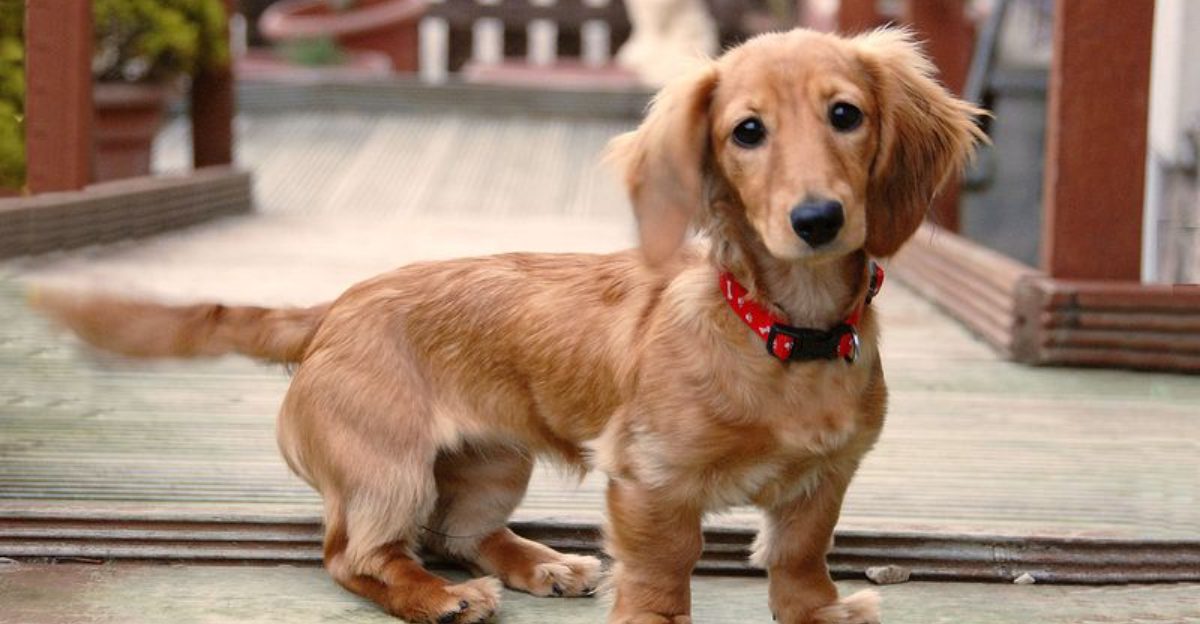
Anal gland issues are a common concern for many dog breeds. These small sacs located near the anus can cause discomfort if they become blocked or infected. Understanding which breeds are prone to these issues and how to manage them is crucial for any dog owner. Below, we explore 13 breeds that often face these challenges and what you can do to help.
Chihuahua
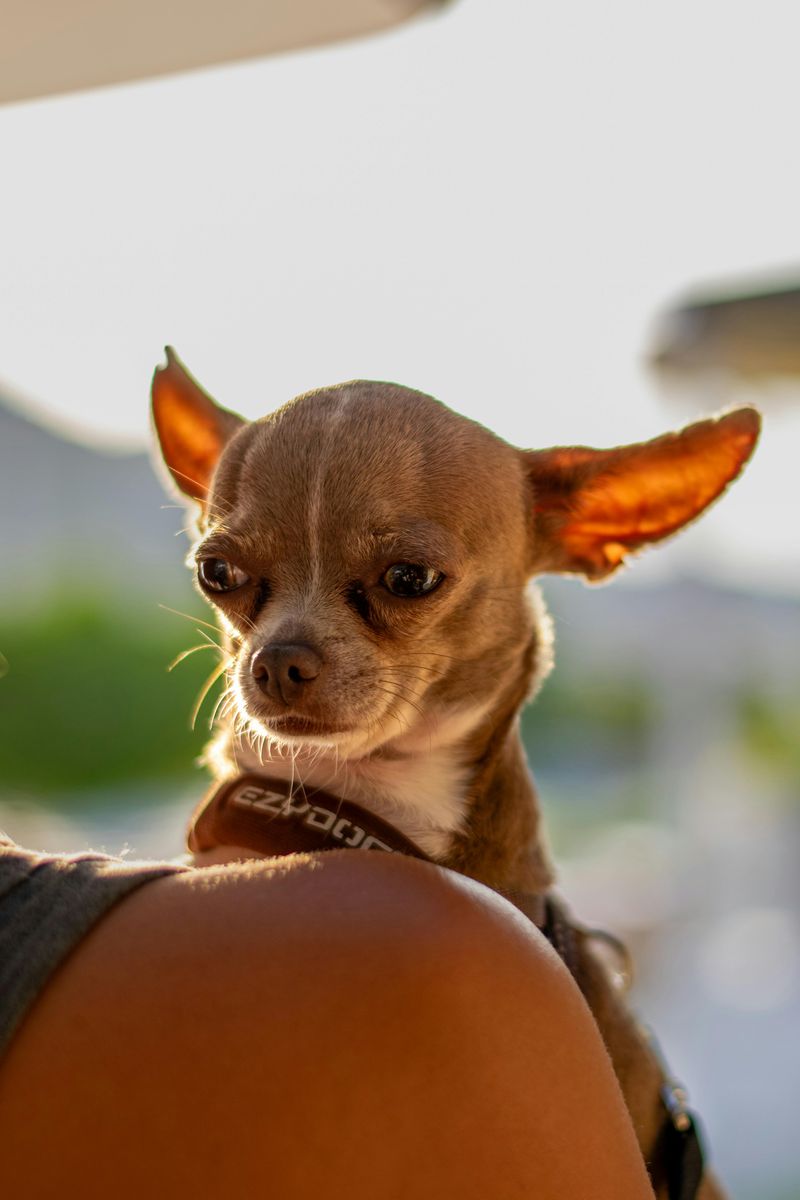
Tiny but full of personality, Chihuahuas often captivate with their spirited nature. However, their small size can lead to anal gland problems, often overlooked by owners.
Regular grooming and monitoring are essential. Many owners miss subtle signs like excessive licking or scooting.
A balanced diet can help manage their sensitivity. Did you know? This breed is named after the Mexican state of Chihuahua. Their roots trace back to ancient companion dogs, cherished by Aztecs for their loyalty.
Toy Poodle
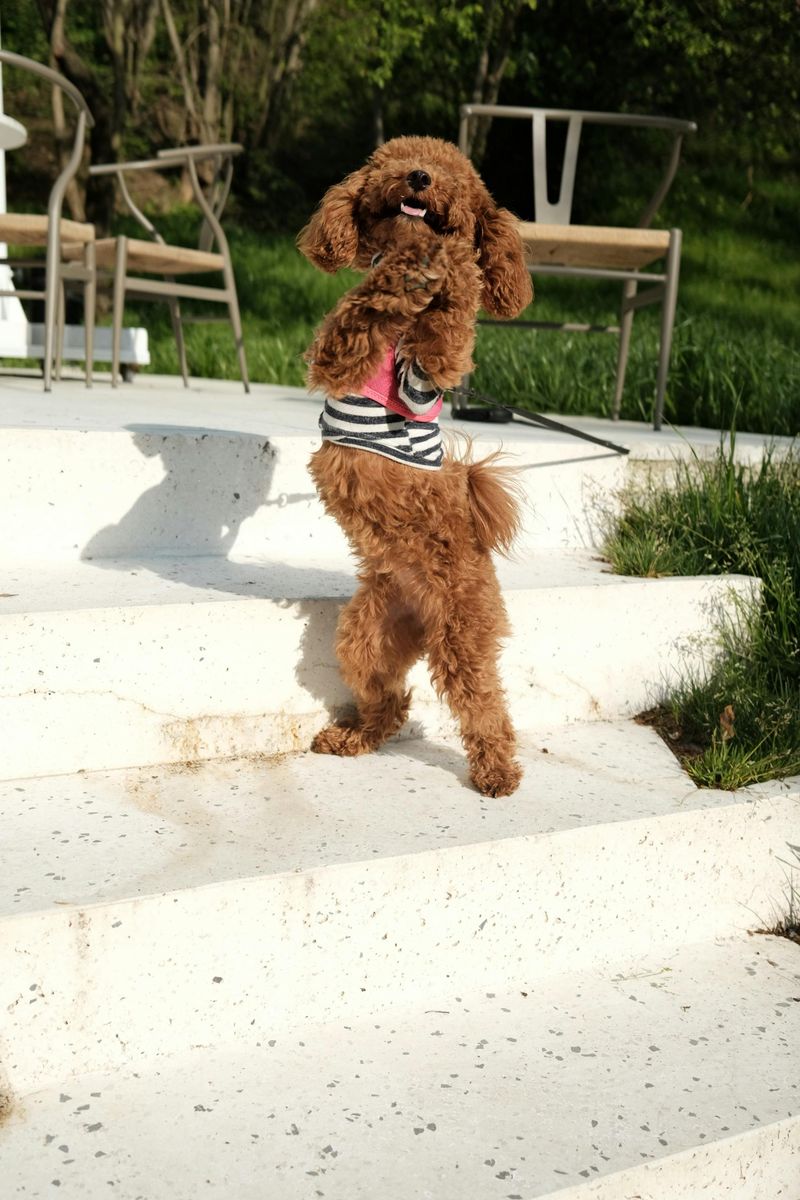
Toy Poodles are known for their intelligence and elegance. Yet, their delicate skin makes them prone to anal gland discomfort.
Many owners may not recognize symptoms like scooting or whimpering. Routine grooming and vet check-ups can prevent issues.
Interesting fact: Toy Poodles were once used as circus performers due to their trainability. Their history of entertaining goes back centuries, earning them a special place in French culture.
Miniature Poodle
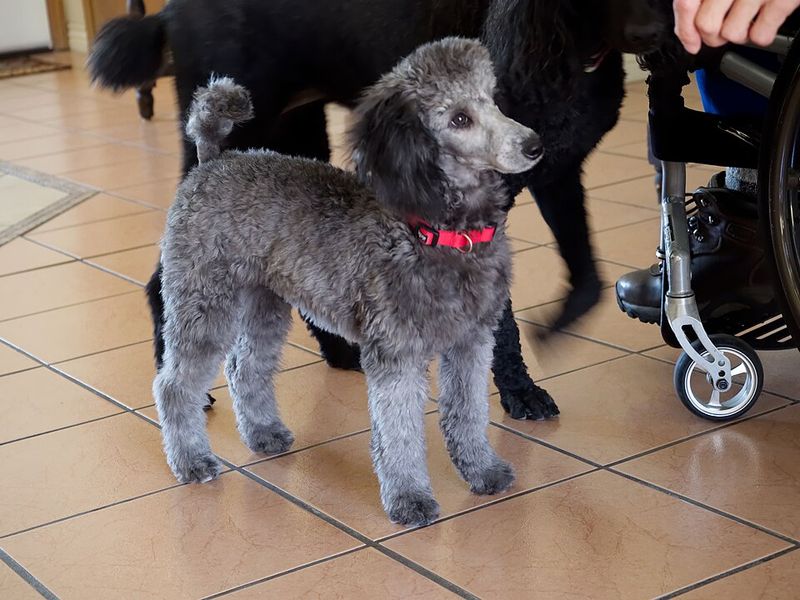
With their lively spirit, Miniature Poodles bring joy to any household. However, they may experience anal gland challenges due to their sensitive systems.
Keeping an eye on their behavior helps detect issues early. Regular vet visits are vital for maintaining their health.
These dogs were originally bred for water retrieval. Their adaptability and intelligence made them popular pets worldwide.
Yorkshire Terrier
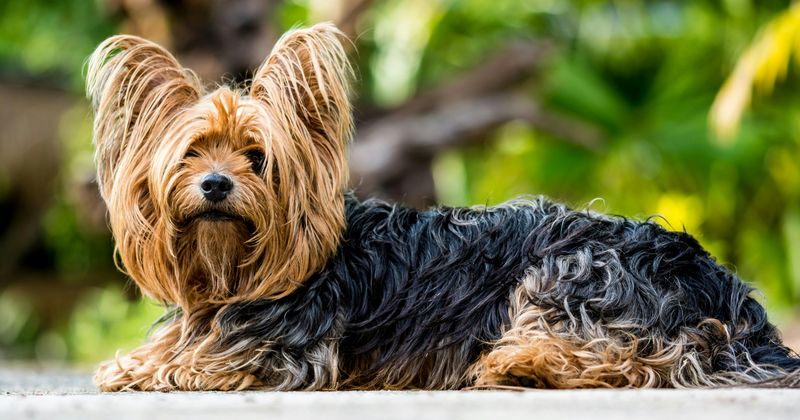
Yorkshire Terriers, with their glamorous coats, often steal the spotlight. Though beautiful, they face potential anal gland problems.
Owners sometimes miss the signs of discomfort, such as restlessness or chewing at the tail. Consistent grooming helps prevent complications.
A curious fact: Yorkies were initially bred for catching rats in clothing mills, showing their brave side behind the elegance.
Dachshund
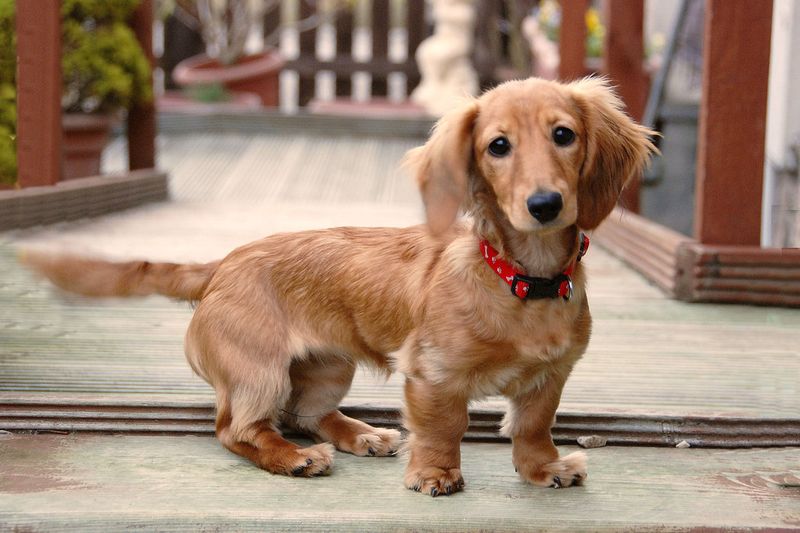
Dachshunds, with their distinctive long bodies, are full of charm. They are prone to anal gland issues due to their unique build.
Recognizing symptoms like dragging their rear can help catch issues early. Their diet plays a crucial role in gland health.
Fun fact: Known as “sausage dogs,” Dachshunds were bred for hunting badgers, showcasing their tenacity and courage.
Shih Tzu

Shih Tzus are known for their luxurious coats and sweet disposition. Yet, their sensitive digestion can lead to anal gland concerns.
Owners might overlook discomfort signs, like scooting or unusual odors. A diet rich in fiber helps prevent problems.
Did you know? Shih Tzus were cherished by Chinese royalty as lap dogs, embodying elegance and grace.
Lhasa Apso
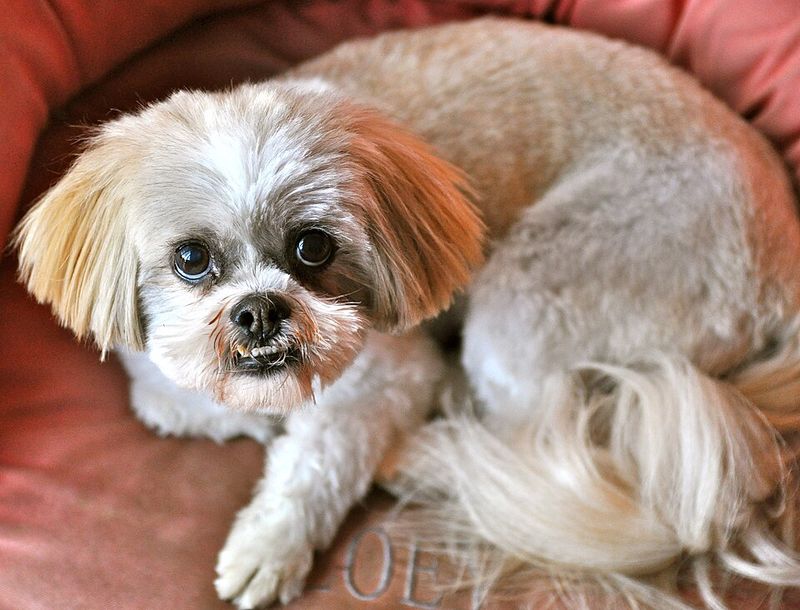
Lhasa Apsos are independent and alert, often reflecting their Tibetan heritage. Their full coats can mask anal gland issues.
Signs like scooting or excessive licking might be overlooked. Regular checks ensure comfort and health.
Fun history: Lhasa Apsos were once guardians of Tibetan monasteries, valued for their keen senses and loyalty.
Bichon Frise
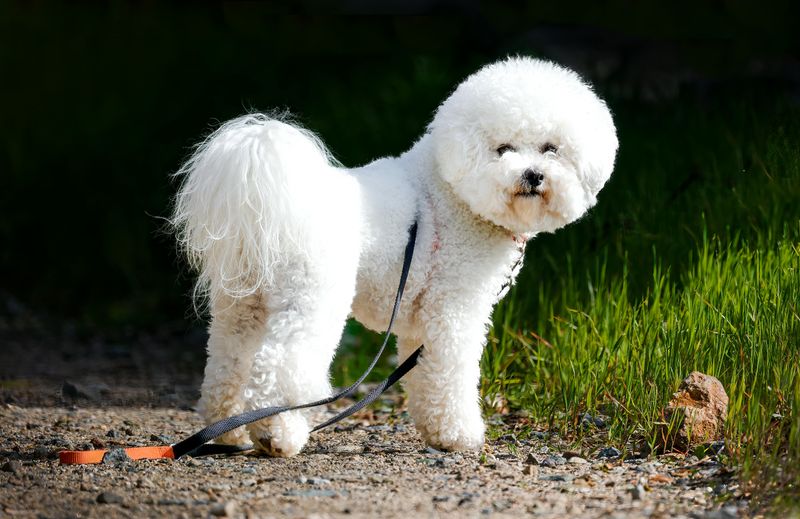
Bichon Frises are cheerful and affectionate, known for their fluffy coats. However, their sensitive skin often leads to anal gland problems.
Owners may not notice subtle signs of discomfort, like scooting or biting. A balanced diet aids in managing their health.
Fun tidbit: Bichons were popular among French nobility, celebrated for their charm and playful nature.
Pomeranian
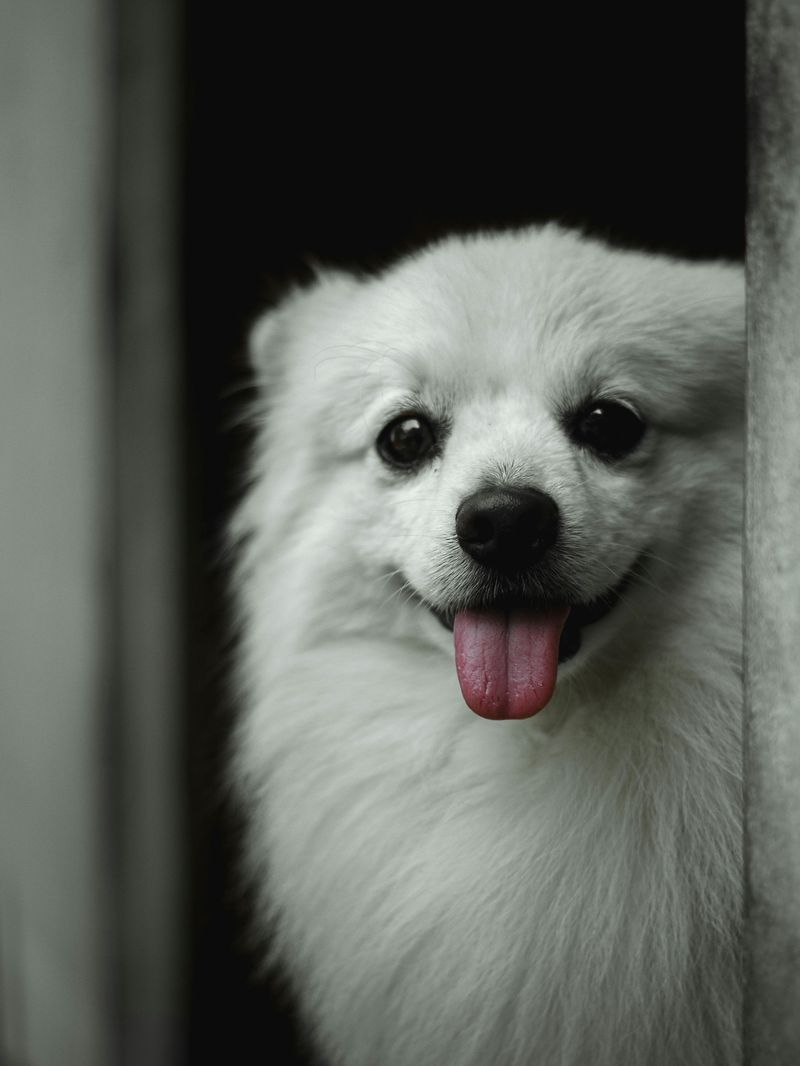
Pomeranians are small but full of pride, with their fluffy coats and lively nature. Their compact size makes them susceptible to anal gland issues.
Signs like scooting are sometimes missed by owners. Regular grooming and dietary adjustments help manage their health.
Did you know? Pomeranians descended from large sled dogs but were bred down to their current size in Europe.
Cocker Spaniel
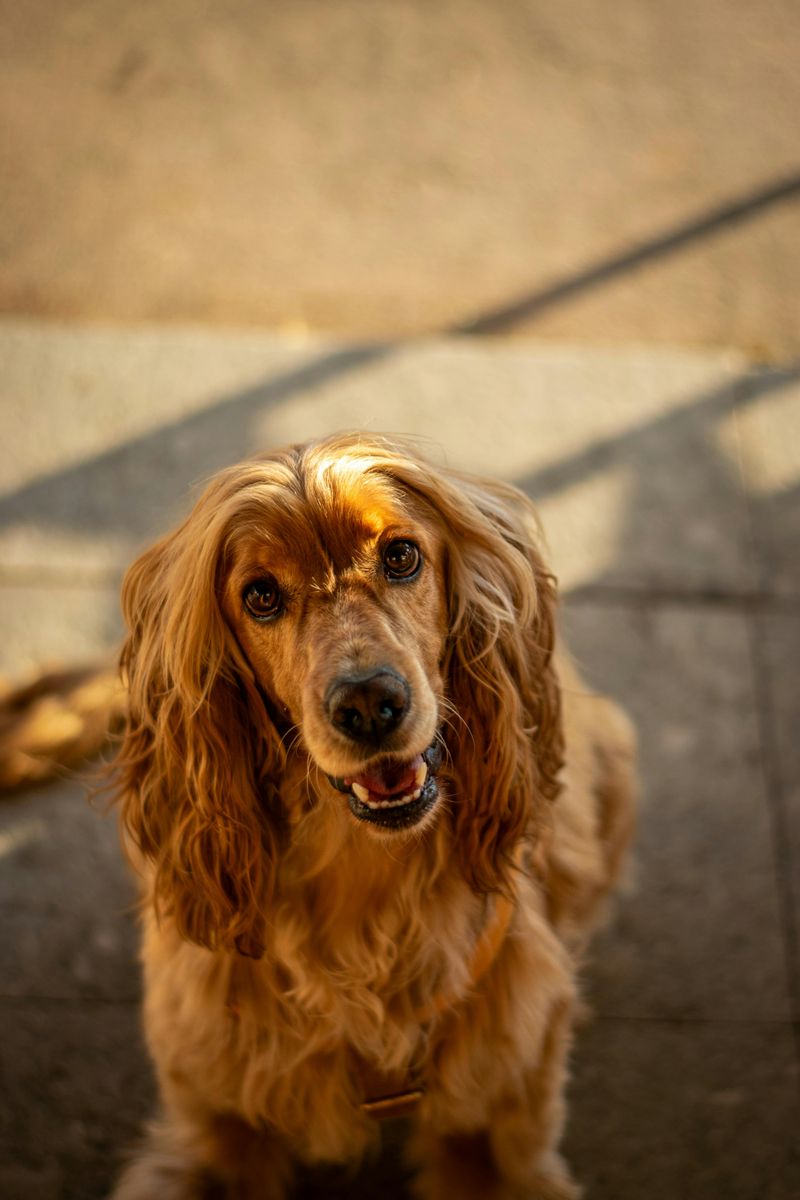
Cocker Spaniels, with their soulful eyes and silky ears, often face anal gland issues due to their sensitive skin.
Owners might overlook symptoms like scooting or biting their tail. Regular vet visits help maintain their well-being.
Interesting fact: Cocker Spaniels were originally hunting dogs, known for their keen senses and friendly nature.
Cavalier King Charles Spaniel
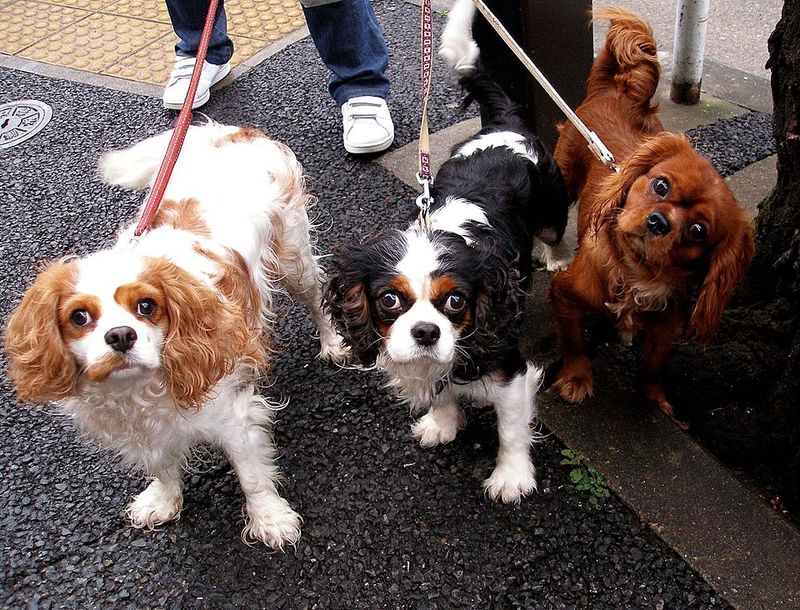
Cavalier King Charles Spaniels exude elegance and warmth, yet they frequently encounter anal gland problems.
Owners should monitor for unusual behaviors like scooting. Routine grooming is essential to prevent discomfort.
Did you know? These Spaniels were favored by King Charles II, who couldn’t bear to be without them, even during official duties.
Pug
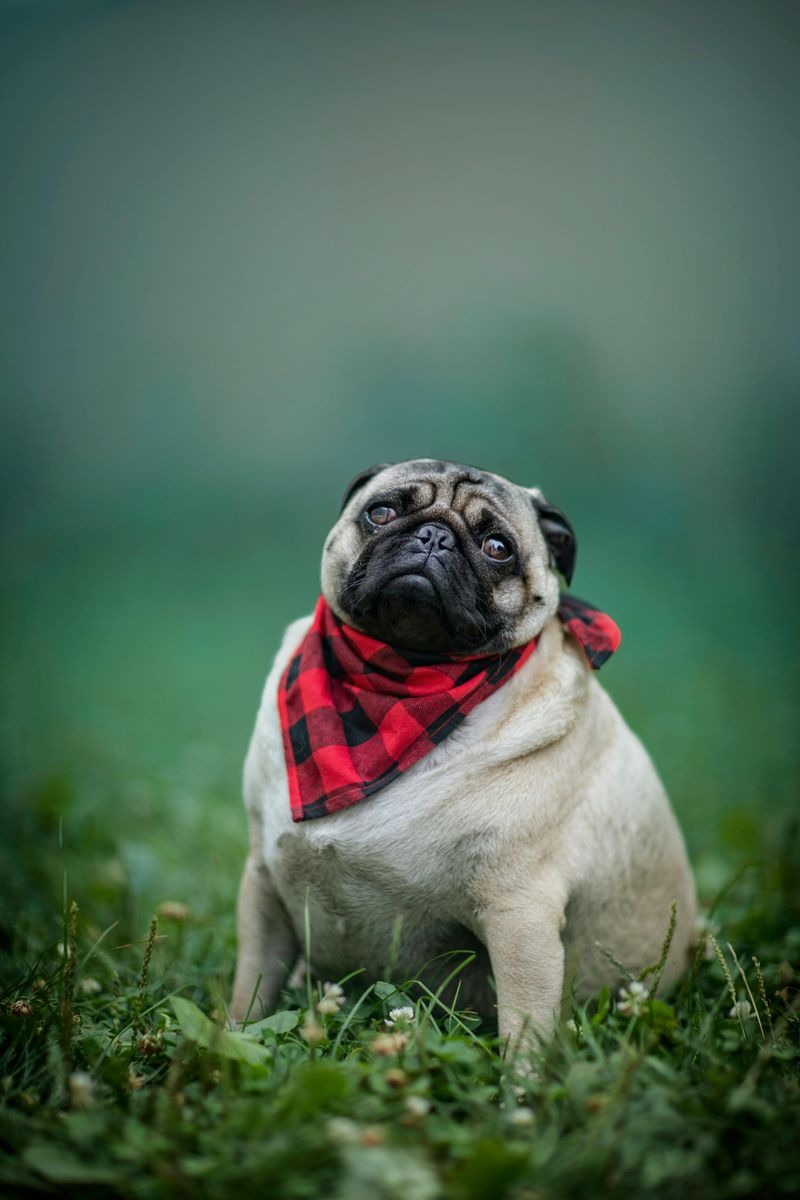
Pugs, with their wrinkled faces and playful antics, are prone to anal gland issues due to their compact bodies.
Owners may not notice the signs, like scooting or licking. Regular care and attention to their diet are key.
Fun history: Pugs originated in China and were bred to be companions, adored by emperors for their amusing personalities.
French Bulldog
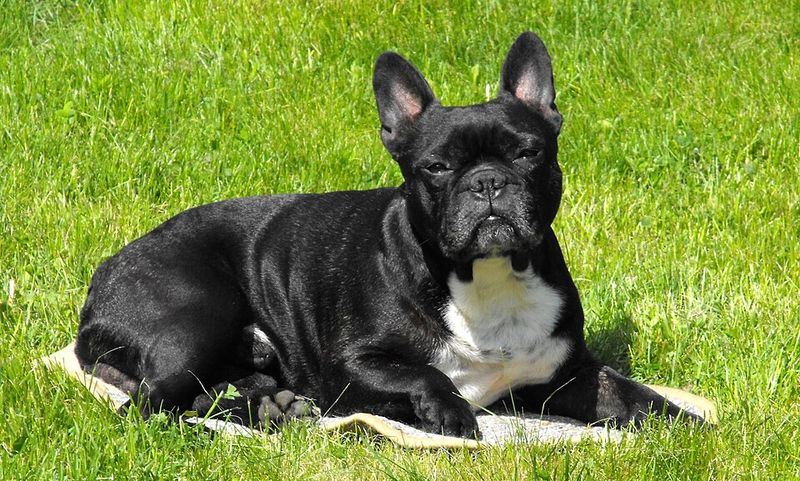
French Bulldogs are beloved for their bat-like ears and friendly demeanor. However, their anatomy makes them susceptible to anal gland issues.
Owners might miss symptoms such as scooting. Regular vet check-ups and a proper diet help manage these concerns.
Did you know? French Bulldogs were bred in England but found popularity in France, becoming the mascot of Parisian cafes.