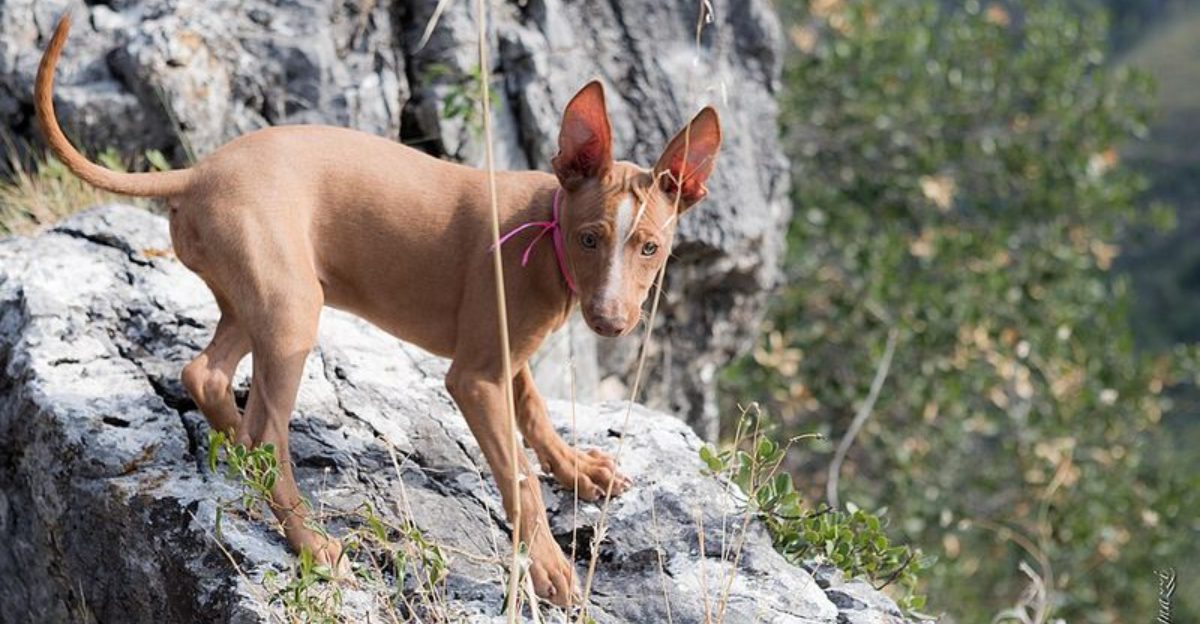
Sometimes, a beloved canine companion can suddenly turn their nose up at a favorite meal. Understanding the breeds that might do this can provide insights into their unique behaviors and needs. Here are 10 dog breeds that might suddenly refuse a favorite food, and why you shouldn’t ignore this pattern.
Shiba Inu
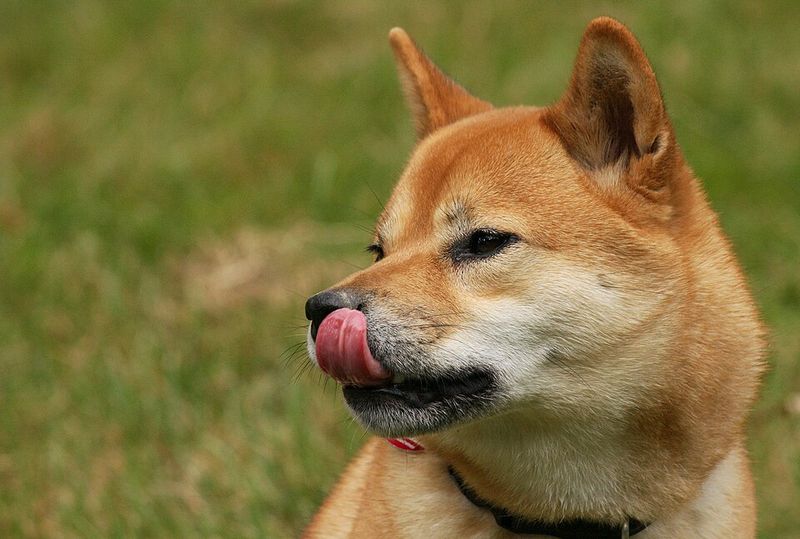
With an independent spirit, the Shiba Inu often surprises owners with its selective palate. Known for its cat-like personality, this breed can suddenly refuse a favorite dish, puzzling even the most attentive pet parents.
Understanding their needs requires patience and a keen observation of environmental changes. This refusal might be a sign of stress or a simple mood change.
Did you know? The Shiba Inu is Japan’s most popular companion dog, cherished for its spirited nature and striking appearance, which may contribute to its culinary whims.
Basenji

Silent yet expressive, the Basenji communicates its food preferences in unique ways. This breed, often described as “barkless,” might refuse food due to boredom or lack of variety.
Their instinctive behaviors, rooted in hunting, can lead to such quirks. Owners should consider rotational feeding to maintain their interest.
Interestingly, the Basenji has ancient origins, tracing back to African tribes who valued its keen hunting skills and quiet demeanor, a legacy that influences its modern-day habits.
Finnish Spitz
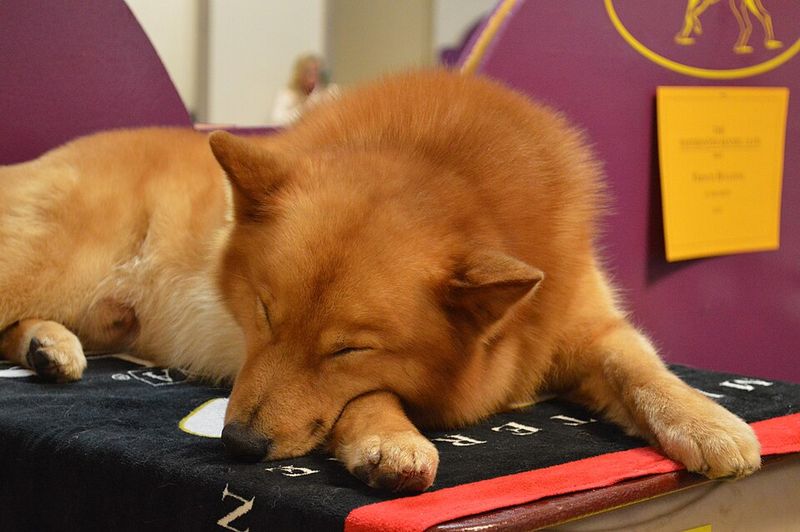
With its fox-like appearance, the Finnish Spitz is both vocal and vibrant. Occasionally picky, they might refuse food when their keen senses detect something amiss.
These dogs thrive on outdoor adventures, and changes in routine or environment might trigger their selective eating habits.
Fun fact: This breed is Finland’s national dog, celebrated for its hunting prowess and distinct barking, an essential trait that historically helped hunters locate game in dense forests.
Kooikerhondje
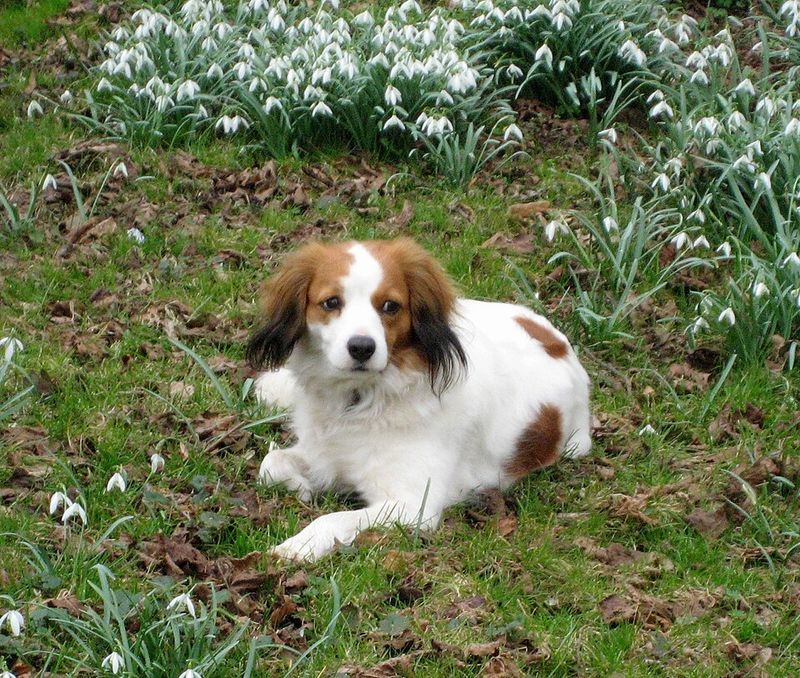
Charming and versatile, the Kooikerhondje may refuse food due to a sensitive stomach. Known for their agility and intelligence, they require a diet that matches their active lifestyle.
Changes in routine can lead to food refusal, often alleviated by maintaining a stable feeding schedule.
This breed was popular in the 17th-century Netherlands, assisting hunters by luring ducks into traps, a testament to their clever and adaptive nature.
Lagotto Romagnolo
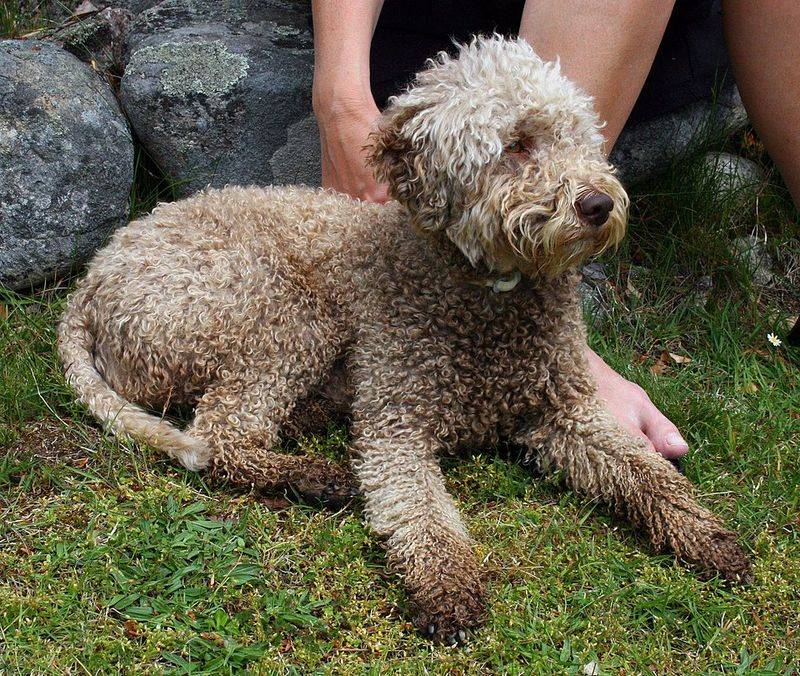
Bred for truffle hunting, the Lagotto Romagnolo has a keen sense of smell that influences its dietary preferences. They might refuse food if it lacks appealing scents or flavors.
Their heritage as working dogs means they benefit from diverse, high-quality diets. This refusal can be addressed by introducing new, aromatic ingredients.
Did you know? This breed’s curly coat and cheerful disposition make it a favorite not only among truffle hunters but also families seeking affectionate companions.
Portuguese Podengo
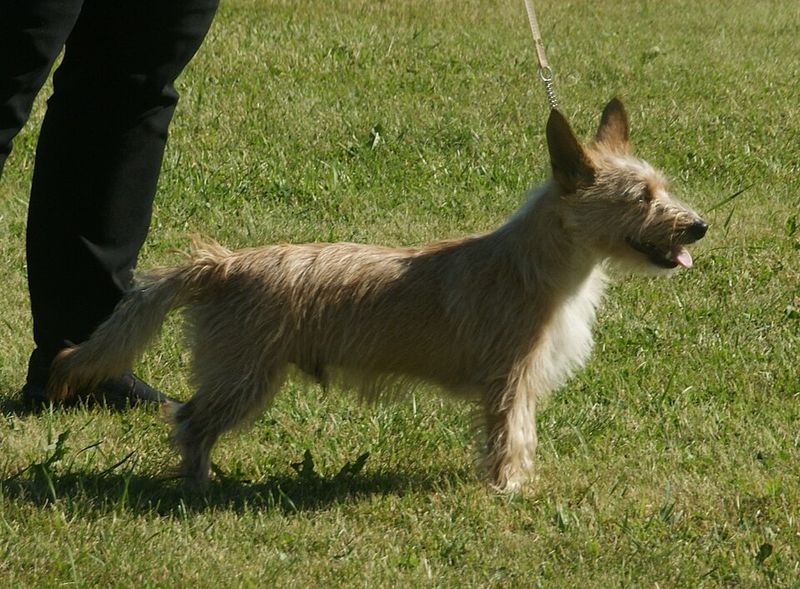
Agile and spirited, the Portuguese Podengo may turn away from food due to stress or lack of exercise. As a breed accustomed to a bustling environment, they thrive on activity and mental stimulation.
Their food refusal might be a call for more engagement and interaction. This breed is celebrated in Portugal for its hunting skills and lively nature.
Fun fact: The Podengo comes in three sizes and is known for its versatility and energy, which makes them both excellent hunters and playful companions.
Cirneco dell’Etna
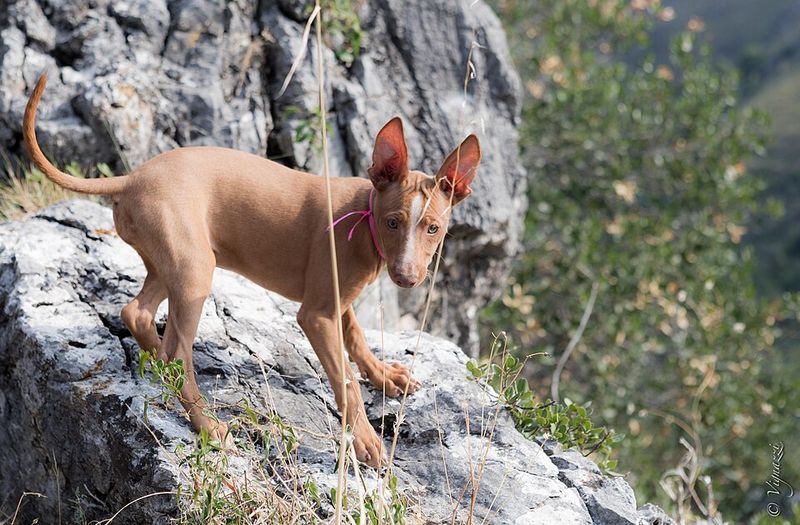
With an elegant silhouette, the Cirneco dell’Etna often surprises with its food selectiveness. This ancient Sicilian breed, known for its endurance, may refuse a meal if it senses a lack of variety.
Owners can stimulate their interest by introducing diverse flavors. The Cirneco’s ancient lineage as a rabbit hunter speaks to its intelligence and adaptability.
Did you know? This breed has been depicted in Sicilian art for centuries, valued for its speed and keen senses in the challenging terrain of Mount Etna.
Tibetan Spaniel
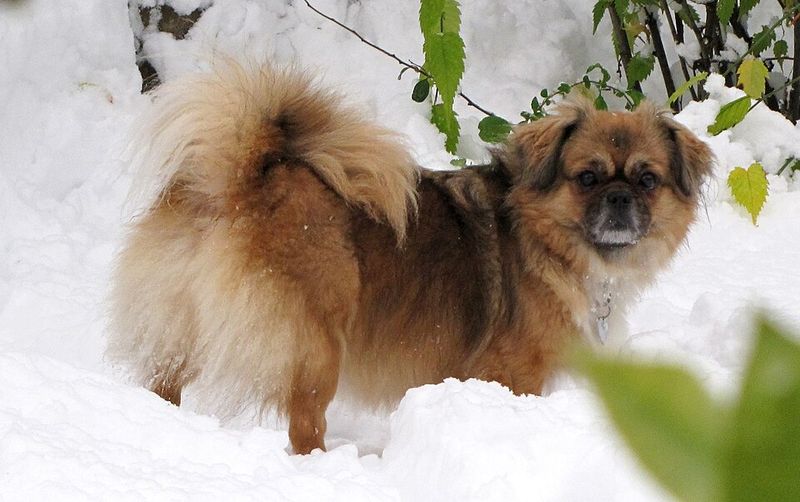
With an alert expression, the Tibetan Spaniel might refuse food due to its discerning taste. Known for its gentle demeanor, this breed is sensitive to changes in diet and environment.
Their refusal could indicate discomfort or stress, often alleviated by consistent routines and careful observation of their preferences.
This breed’s history as a companion to Tibetan monks highlights its adaptability and loyalty, traits that influence its selective eating habits.
Japanese Chin
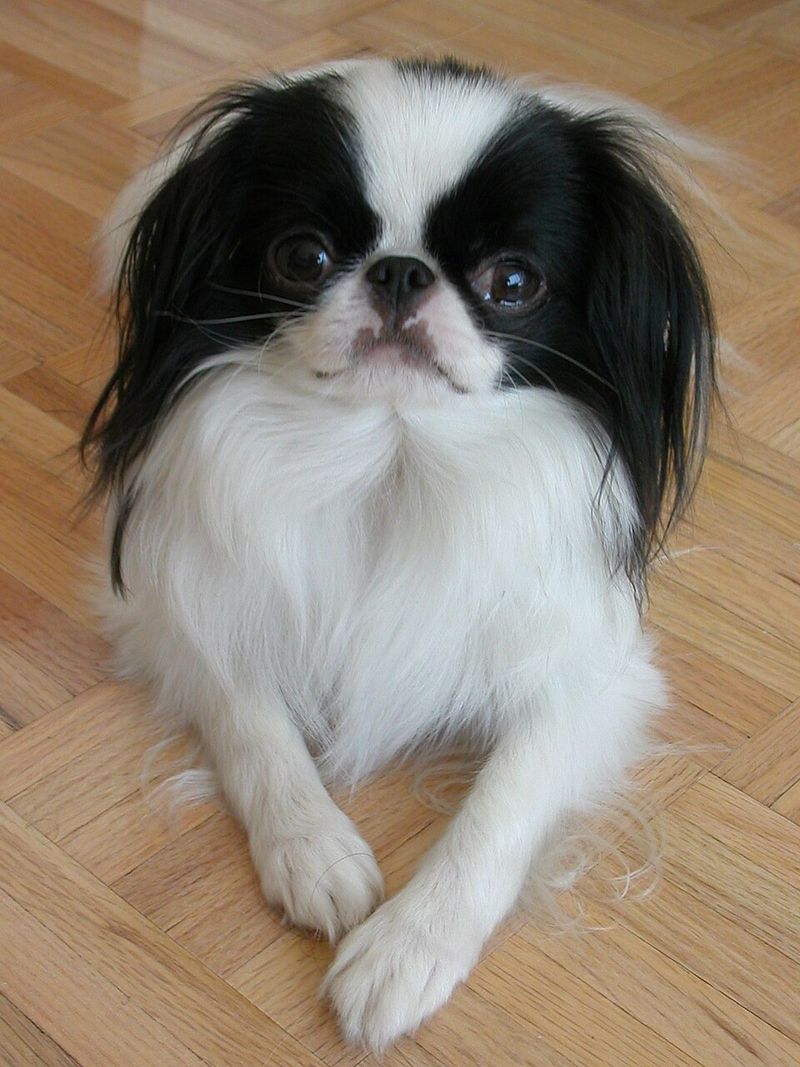
Graceful and regal, the Japanese Chin may refuse food when feeling neglected or anxious. This breed, often described as “cat-like,” appreciates routine and stability.
Owners should monitor changes in their behavior, as food refusal can signal emotional needs. Historically, Japanese Chins were favored by nobility for their elegance and charm.
Fun fact: This breed’s origins are intertwined with Japanese royalty, where they were treasured as companions and symbols of status.
Schipperke
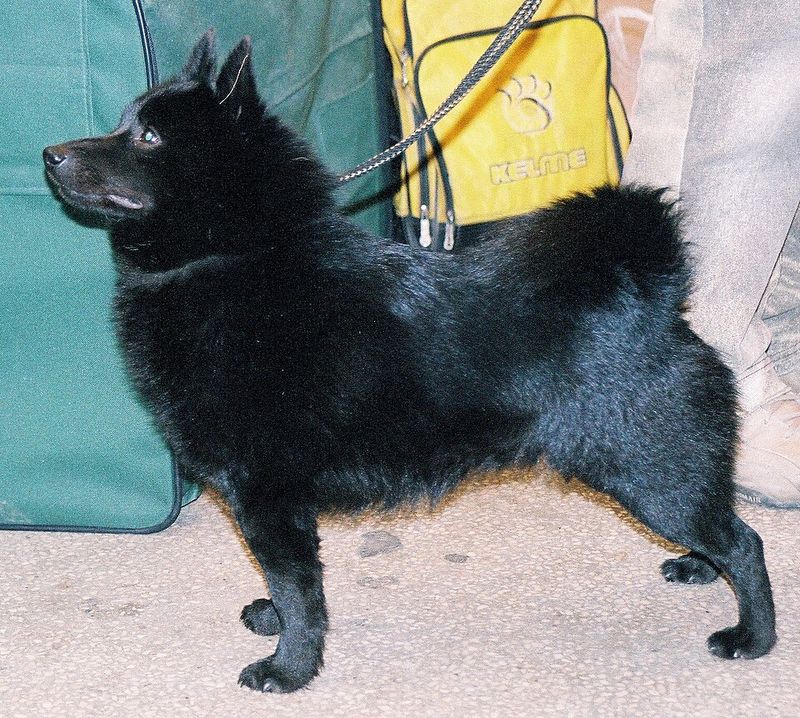
With its curious and adventurous nature, the Schipperke might refuse food due to boredom or lack of exercise. Known as the “little captain,” this breed thrives on activity and mental stimulation.
Food refusal may indicate a need for more engagement, solvable by interactive play. The Schipperke’s heritage as a shipboard guard dog speaks to its energetic and inquisitive temperament.
Did you know? Historically, they were cherished by Belgian canal boat captains for their vigilance and lively nature, traits that continue to define them today.