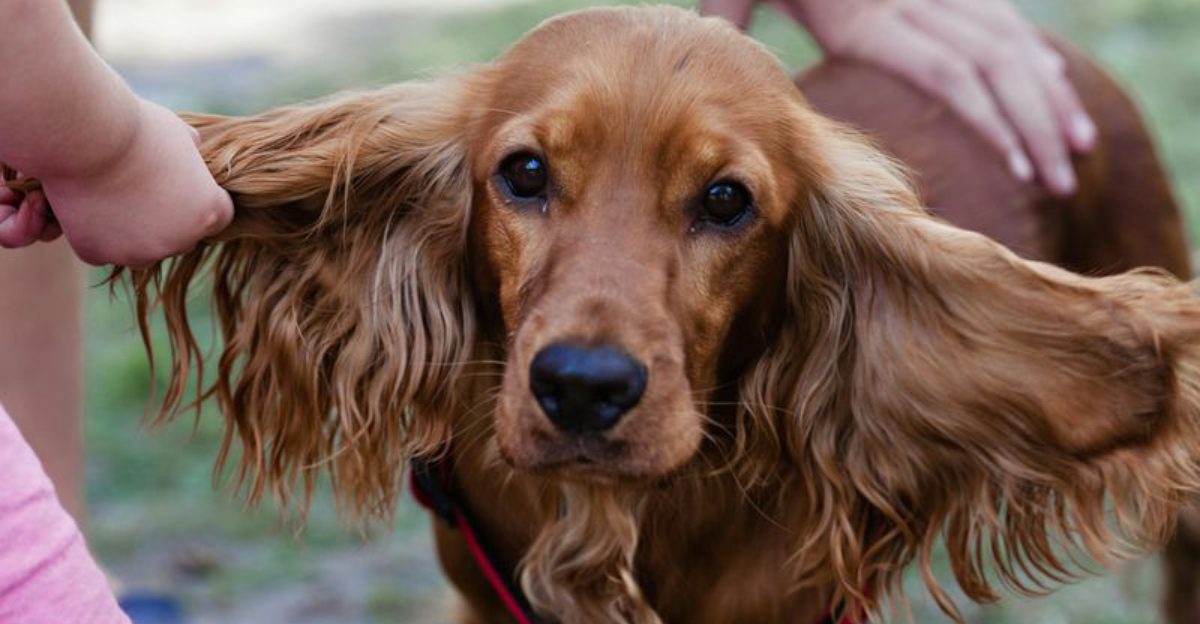
Some dogs handle alone time like champs, while others unravel the moment you grab your keys. If your pup shadows you from room to room, you might be living with a breed that feels absence more intensely than most.
Understanding why certain dogs struggle can help you prevent barking, chewing, or stress-fueled escapes. Let’s explore the breeds most likely to miss you hard and how to make goodbyes easier.
Vizsla

Vizslas are famously called velcro dogs for good reason. This sensitive sporting breed bonds intensely and thrives on constant companionship, exercise, and purpose.
Leave them bored and alone, and you might find pacing, whining, or creative redecorating with pillows.
Daily stamina drains are essential: long runs, off-leash fetch, and scent games calm their minds. Enrichment boxes, stuffed chews, and frozen lick mats bridge short absences.
Crate training with positive associations can feel like a den, not a jail.
Practice short departures that start easy and grow slowly. Pair exits with a special chew they only get when you leave.
When you return, keep greetings low-key, so calm becomes the norm instead of drama.
Weimaraner
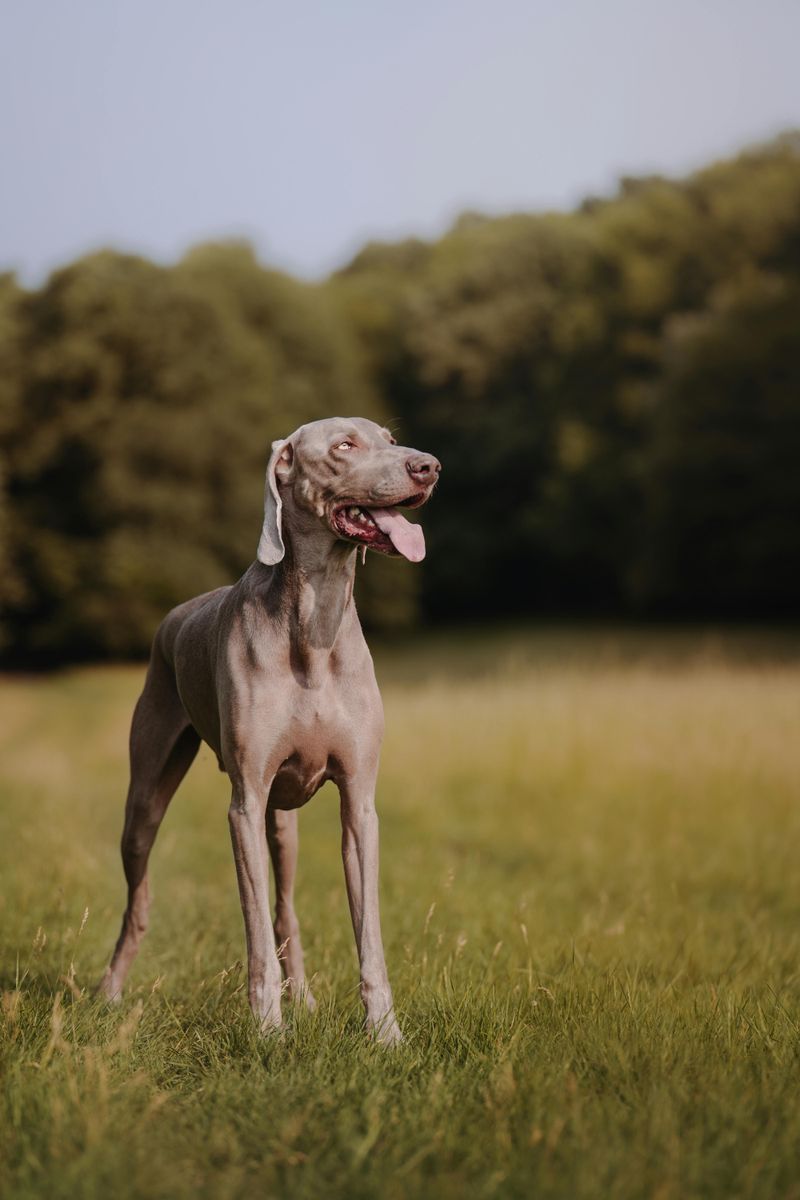
Weimaraners are high-drive hunters with massive brains and hearts. They were bred to work beside people all day, which means solitude feels unnatural.
Without structure, they can howl, dig, or shred from frustration rather than spite.
Channel energy into nosework, long hikes, and problem-solving toys that challenge persistence. Teach place and settle behaviors so relaxation becomes a skill.
Rotate tough chews and puzzle feeders to keep novelty alive when you step out.
Gradual desensitization matters: keys, coats, and doors should stop predicting abandonment. Use background noise and blackout curtains to reduce outside triggers.
A dog walker or daycare a few days weekly can prevent the pressure cooker from building.
German Shepherd
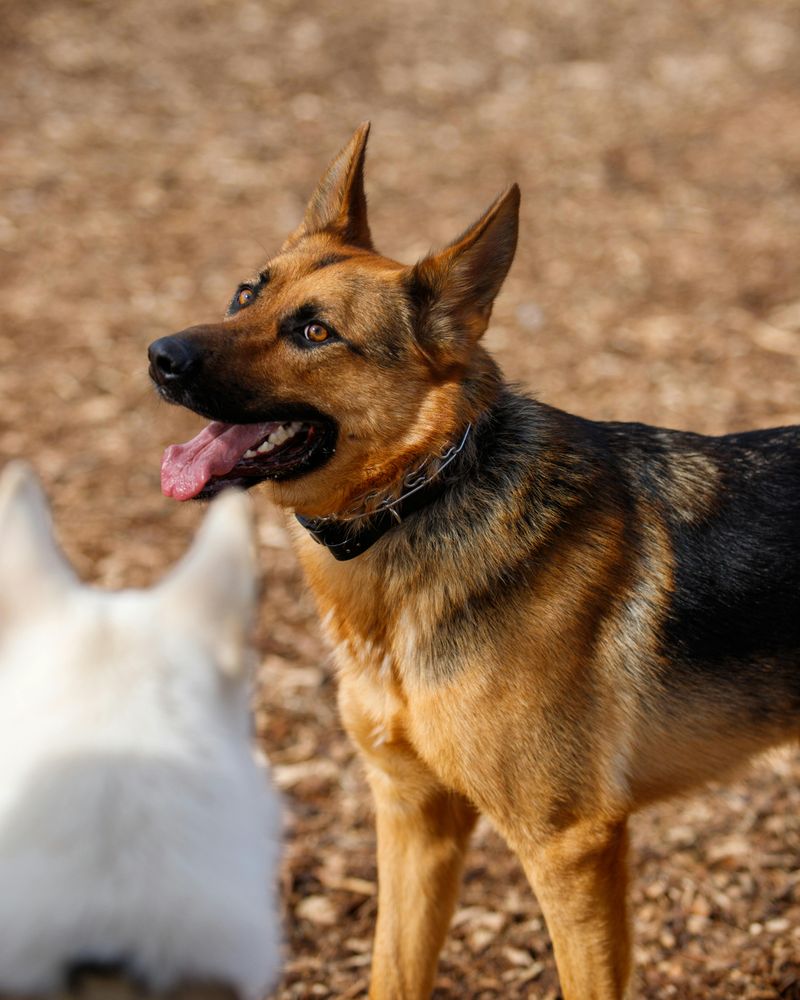
German Shepherds are loyal problem-solvers that monitor every detail. When you vanish, their mission loses clarity, and anxiety can fill the gap.
Vocalizing, door scratching, or patrolling windows often stems from protective instincts redirected by stress.
Give them jobs: scent articles, obedience drills, and structured tug before departures. Mental work tires these dogs more than miles.
Teach a rock-solid down-stay with calm rewards, and leave robust chews that occupy jaws and minds.
Reduce pre-departure cues by mixing routines and practicing fake exits. Frosted window film can block visual triggers.
If anxiety persists, consult a trainer who uses reward-based methods, and discuss supplements or medications with your vet as a humane option.
Labrador Retriever
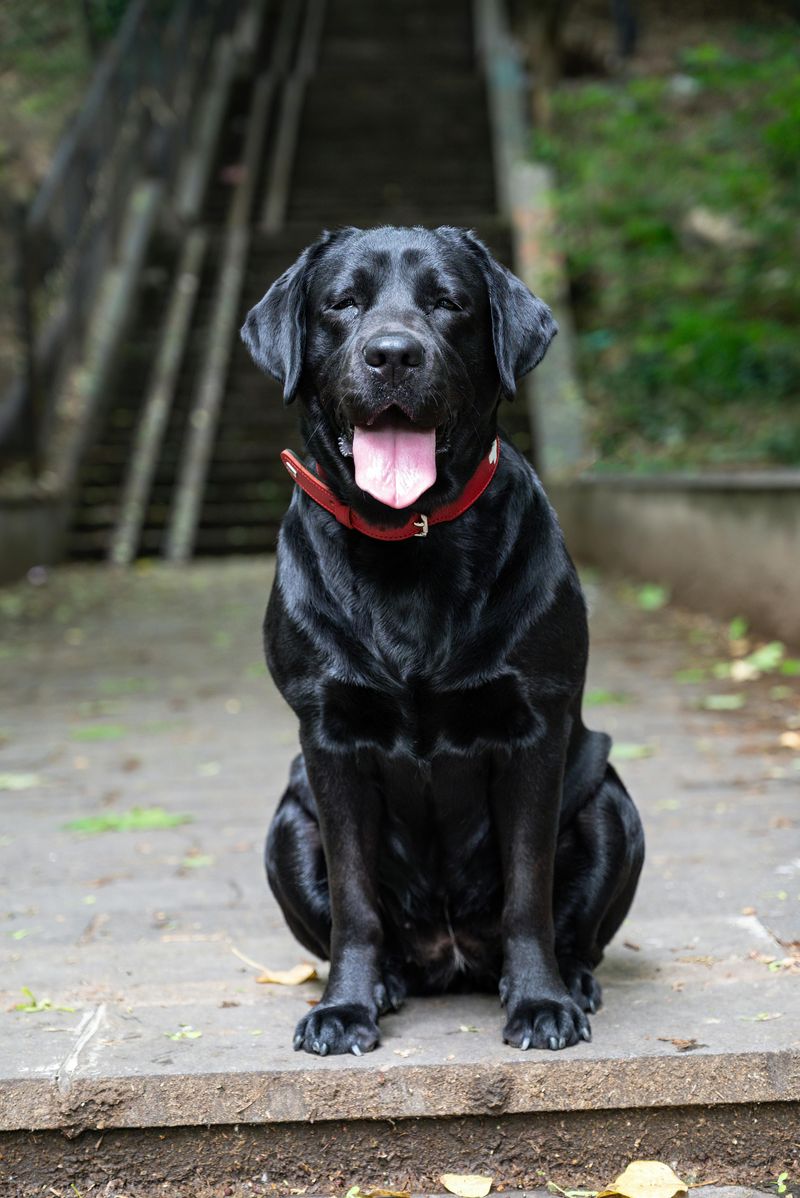
Labs adore people and routines, which makes sudden quiet feel loud. Many struggle when activity stops, trading wagging enthusiasm for whining or door focus.
Their mouthy nature can turn to chewing if energy and needs go unmet.
Before leaving, satisfy them with fetch, scent games, or a sniffari walk that tires the brain. Offer filled Kongs, braided chews, or snuffle mats to extend calm time.
Crate or pen training can provide predictable boundaries.
Keep exits boring and returns neutral, so the emotional swing stays small. Rotate enrichment to prevent boredom plateaus.
If your Lab is still stressed, film departures to see triggers, then tweak routine length, chew difficulty, and training steps accordingly.
Golden Retriever
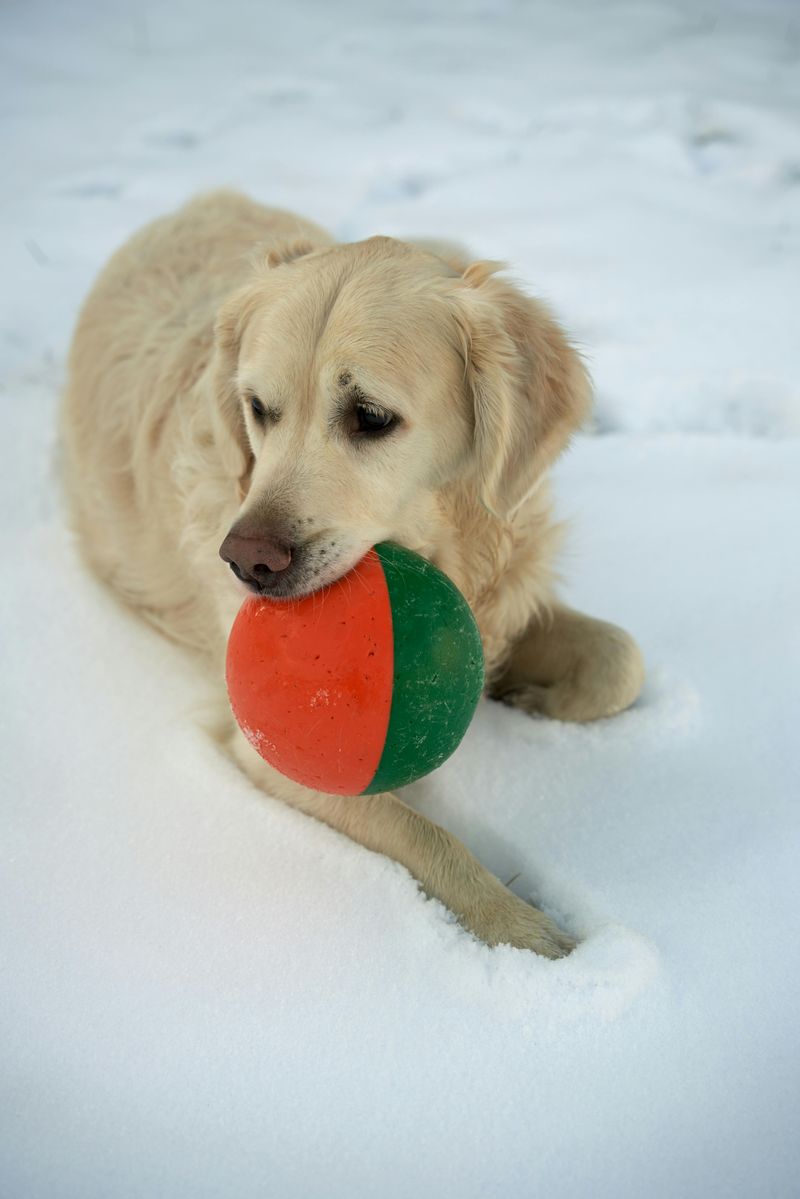
Goldens are affectionate diplomats who read your mood like a book. That empathy makes them incredible companions but also prone to worry when you disappear.
Signs include shadowing, door hovering, and surprised destruction during longer absences.
Work their brains with retrieve games that include holds, searches, and directional casts. Teach alone-time skills early: relax on a mat, chew on cue, and settle with soothing music.
Use baby gates to practice short separations within the house.
Build duration gradually, varying the time so your pattern stays unpredictable. Provide long-lasting chews reserved only for departures.
If needed, seek a positive reinforcement trainer to tailor a step-by-step plan that keeps your Golden confident and composed.
Italian Greyhound
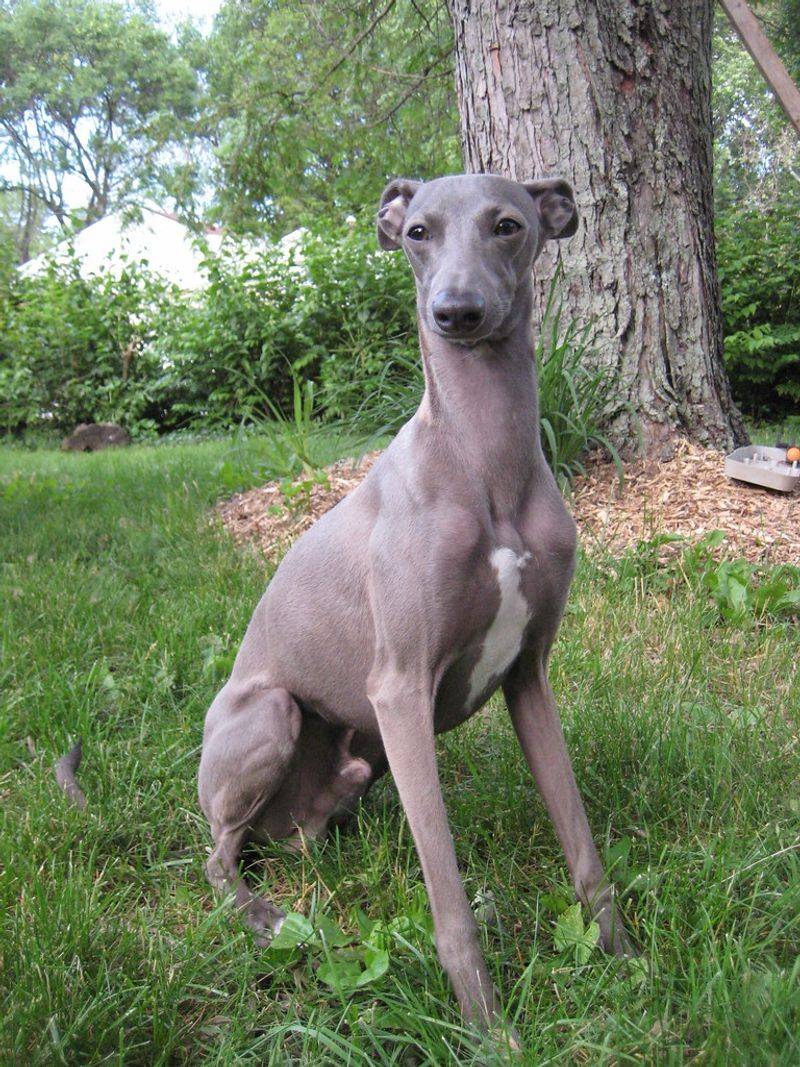
Italian Greyhounds are sensitive, chilly, and deeply bonded. Their spindly elegance hides a tender temperament that dislikes change.
Alone, they may tremble, vocalize, or skip meals, especially in new environments.
Warmth and routine help: a cozy sweater, heated bed, and consistent schedule create security. Practice micro-absences behind a gate while they lick a stuffed toy.
Keep departures quiet, with gentle lighting and calming sounds.
Elevate confidence using tiny training wins: touch targets, easy tricks, and short sniff walks. Protect fragile legs by avoiding frantic greetings on slippery floors.
For apartments, block hallway noises and sunlight flashes that trigger startle, so your Iggy can rest between your comings and goings.
Cavalier King Charles Spaniel
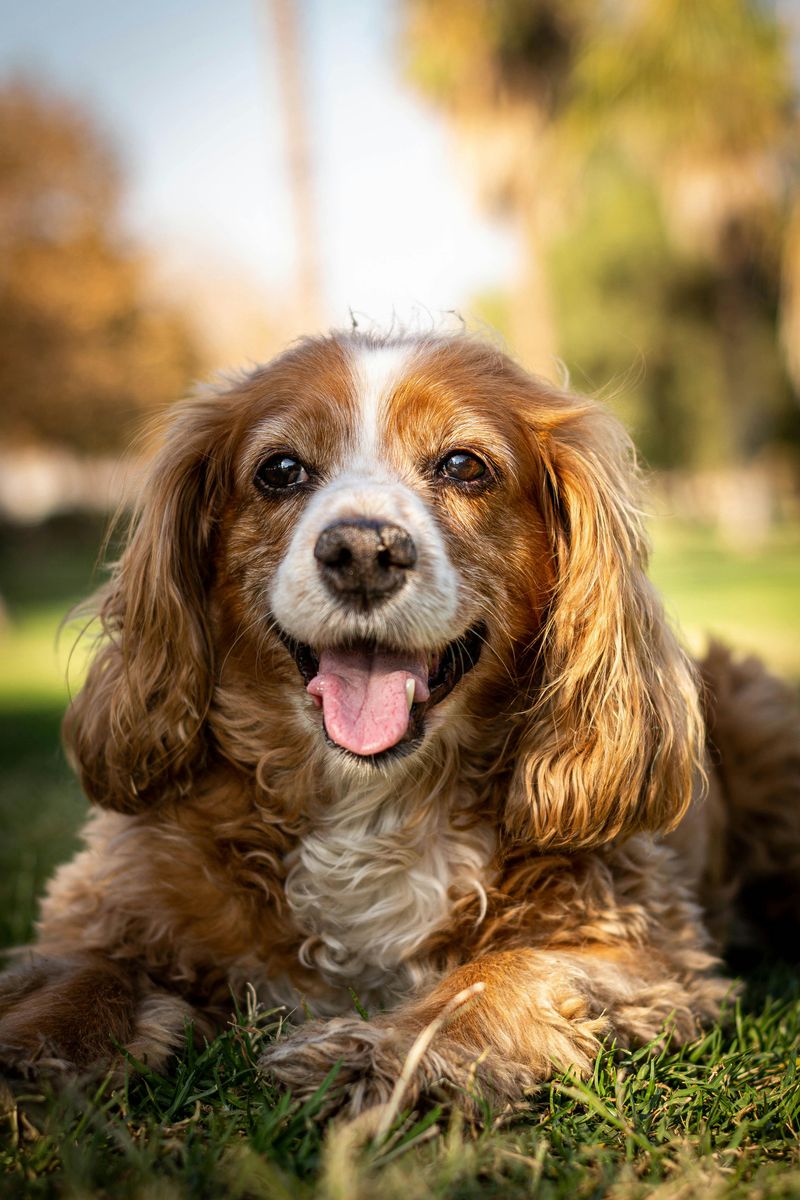
Cavaliers were bred as lap companions, and they still excel at that full-time job. Time apart can feel confusing, and their polite sadness often shows as quiet whining or clingy behavior.
They respond beautifully to gentle, predictable routines.
Practice stationing on a comfy mat with chews while you move around. Short, frequent training bursts build independence without stress.
Sniffy walks and slow puzzle feeders help regulate arousal before departures.
Be careful with big, emotional reunions that spike adrenaline. Keep returns calm, offer a bathroom break, then cuddle.
Because some Cavaliers have heart or respiratory sensitivities, talk with your vet before intense exercise, focusing instead on soft enrichment and confidence-building games.
Border Collie
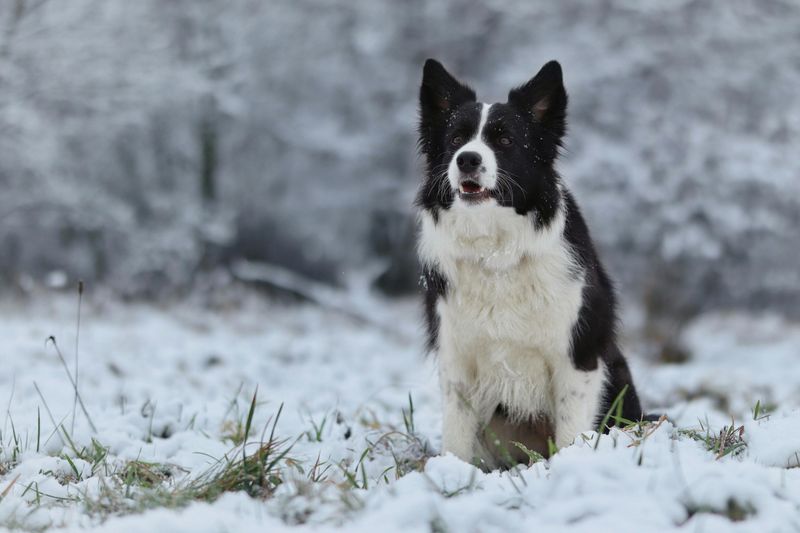
Border Collies are wired for work, reading tiny cues and anticipating your next move. Without jobs, that sharp mind can spiral into anxiety, vocalization, or escape artistry.
Boredom is their worst enemy and your sofa’s too.
Give structured challenges: scent discrimination, directional fetch, and trick chains. Pre-departure decompression matters, like sniff walks or foraging to discharge energy.
Teach an off-switch with mat work and reinforcement for calm.
Randomize departure length so patterns stop predicting stress. Obscure windows to limit stimuli, and provide rotating puzzle toys that require real problem-solving.
If anxiety escalates, consult a force-free trainer who understands drivey herding breeds and can layer desensitization with enrichment smartly.
Australian Shepherd
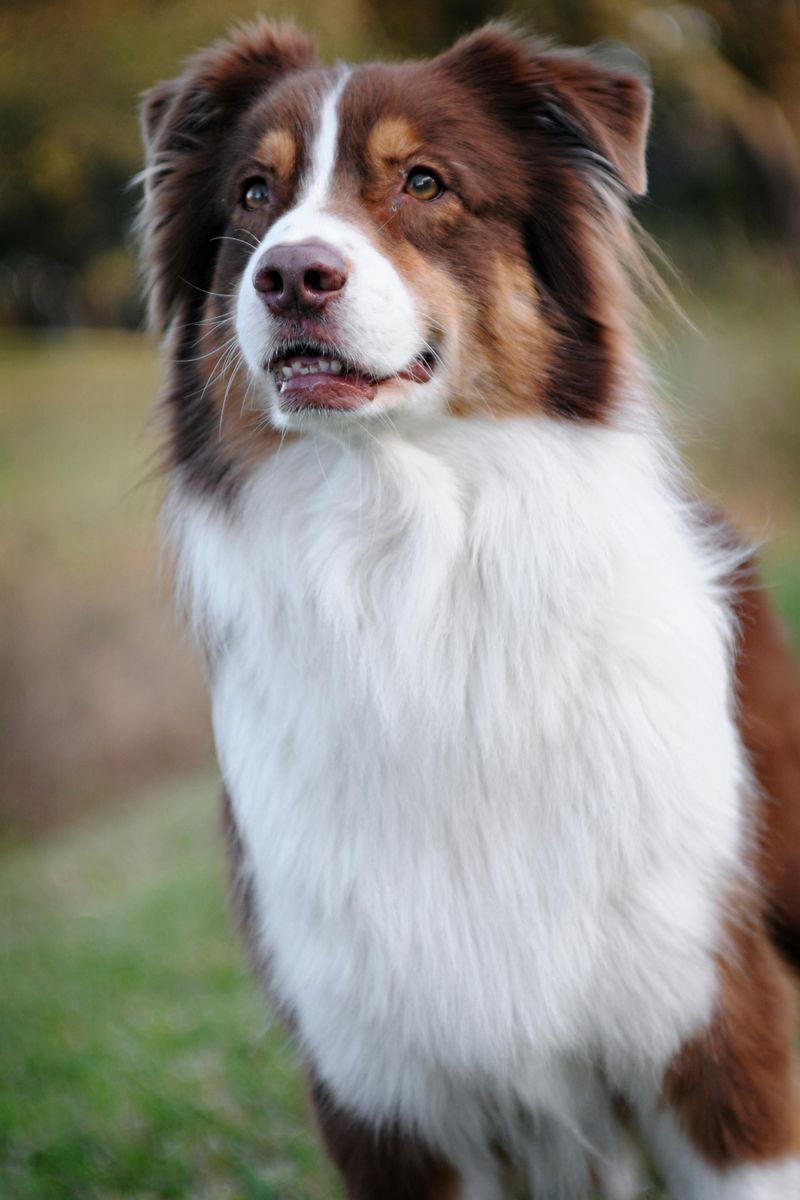
Australian Shepherds bond hard and love supervising the household. When left alone, some default to herding the windows, barking at ghosts, or nibbling trim.
Their brains need outlets and their bodies need purposeful movement.
Plan daily work: agility drills, pattern games, and hide-and-seek retrieves. Teach calm behaviors like stationing and relaxed chin rests.
Offer heavy-duty chews and food puzzles that take effort, not just luck.
Break up long days with a walker or safe daycare. Use white noise to mask outside triggers and rotate resting spots so independence feels normal.
Start departures after training and sniffing to lower arousal, then keep goodbyes uneventful and predictable.
Doberman Pinscher
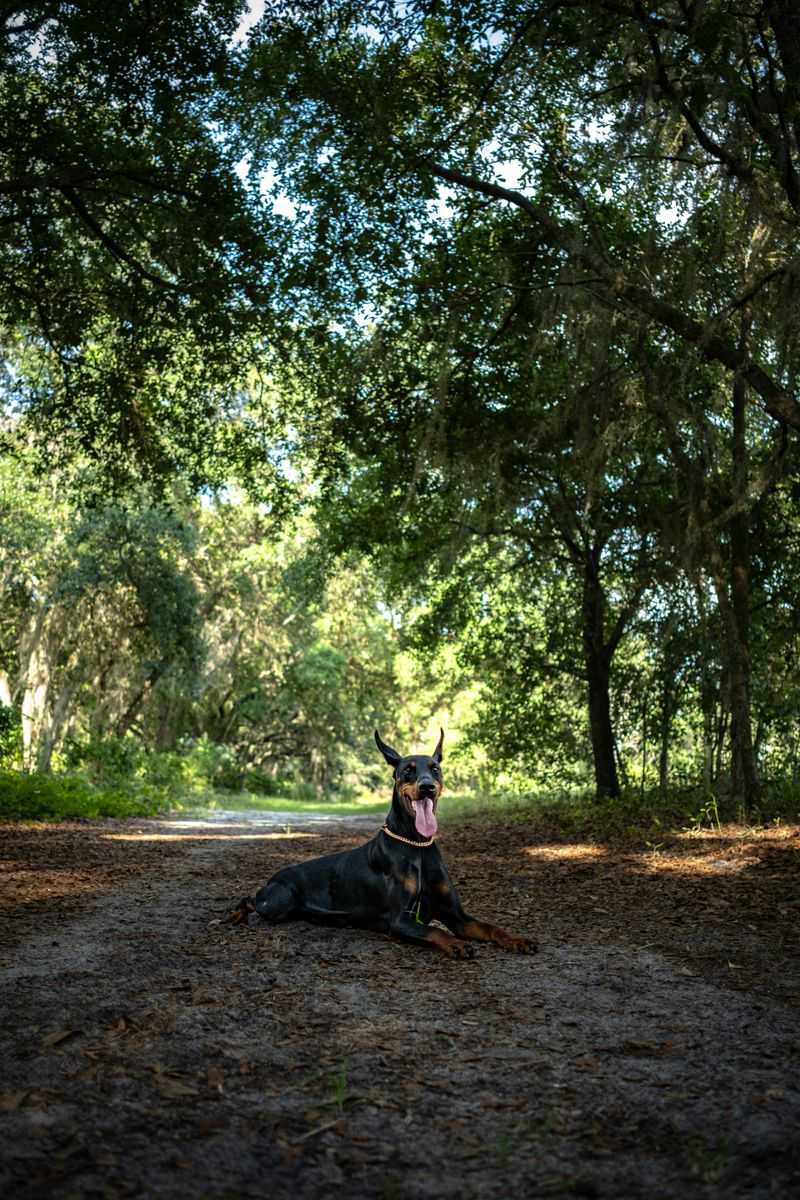
Dobermans are people-focused guardians that read you like a headline. Solo time can feel like mission failure, showing up as pacing, drooling, or door fixation.
They thrive with clarity, exercise, and calm leadership grounded in kindness.
Give pre-departure outlets: tug with rules, tracking games, and obedience that pays well. Teach boundary skills and place work with steady reinforcement.
Durable chews and long-lasting stuffed toys keep jaws busy while minds settle.
Desensitize exit cues and vary routines to reduce predictability. Block visual triggers, and consider a snug-fitting anxiety wrap if your vet approves.
If intensity persists, partner with a veterinary behaviorist to craft a plan that protects welfare and preserves your bond.
Havanese
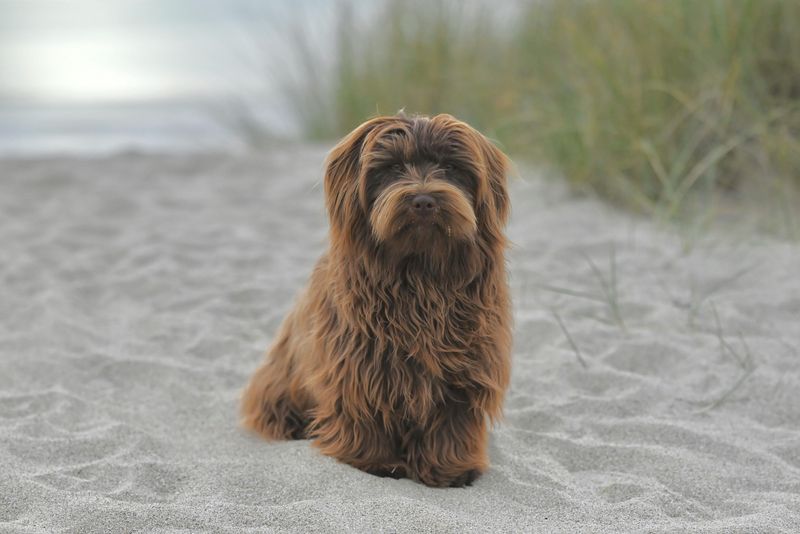
Havanese are social butterflies bred to entertain and accompany. They often dislike solitude, expressing it with yips, door dancing, or potty regressions.
Their sensitive nature responds best to gentle, upbeat training and consistent routines.
Use gradual alone-time practice with food puzzles and scatter feeding. Teach settle on a mat while you move about the house.
Short sniff walks and play sessions help release jitters before you go.
Keep greetings soft to avoid big emotional spikes. For apartments, buffer hallway sounds with fans or music.
If separation struggles linger, video your routine, then adjust timing, enrichment difficulty, and desensitization steps to keep progress smooth and compassionate.
Chihuahua
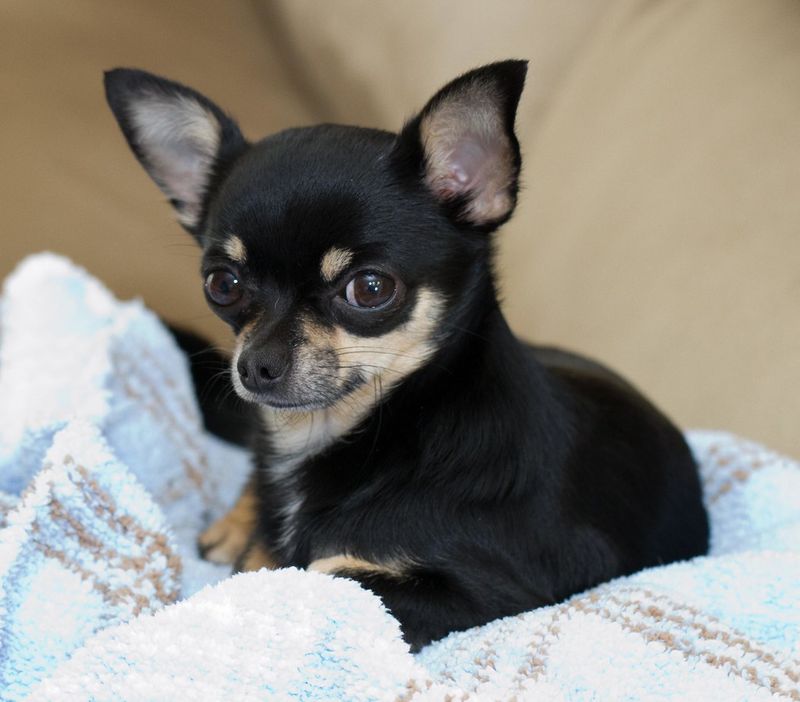
Chihuahuas are brave little shadows who attach fiercely to their person. Alone, they might bark, scratch, or burrow frantically, especially in noisy buildings.
Their small size masks big feelings, so training must be kind and consistent.
Build independence with short gated separations while they enjoy high-value chews. Warm, cozy nests help them relax, and background noise can hide startling sounds.
Practice calm exits and neutral returns to flatten emotional peaks.
Use gentle handling to avoid creating cling through constant carrying. Teach simple tricks to boost confidence, then pair departures with special food toys.
If anxiety remains high, seek support from a reward-based trainer familiar with tiny-dog needs and sensitivities.
Cocker Spaniel
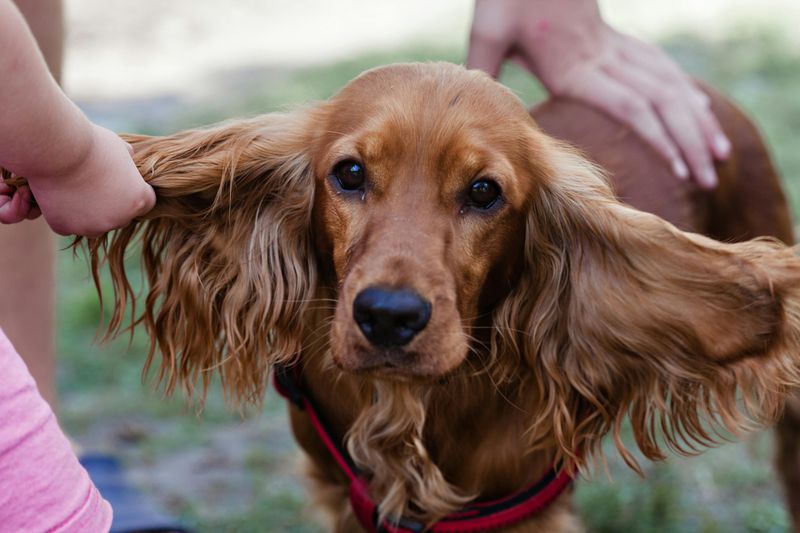
Cocker Spaniels are affectionate, sensitive, and eager to please. That sensitivity can flip into distress when routines change and rooms go empty.
Early signs include whining, shadowing, and mild chewing that escalates with longer absences.
Daily sniff walks, gentle retrieve games, and grooming rituals create calming predictability. Teach mat relax with gradual distance and time.
Provide stuffed chews and snuffle activities that last past your exit.
Desensitize keys and coat sounds until they become background noise. Keep reunions low-key and offer bathroom breaks before affection.
If your Cocker struggles, a vet check for ears or pain is wise, since discomfort can amplify anxiety and coping behaviors.