Some of the most popular dogs in the world started out as helpers on small farms, in quiet villages, or inside royal palaces. Over time, people everywhere fell in love with them, and their fame spread far beyond home.
Learning where these breeds came from helps you understand their habits, needs, and quirks. Get ready to meet the pups that went from hometown heroes to worldwide stars.
Yorkshire Terrier
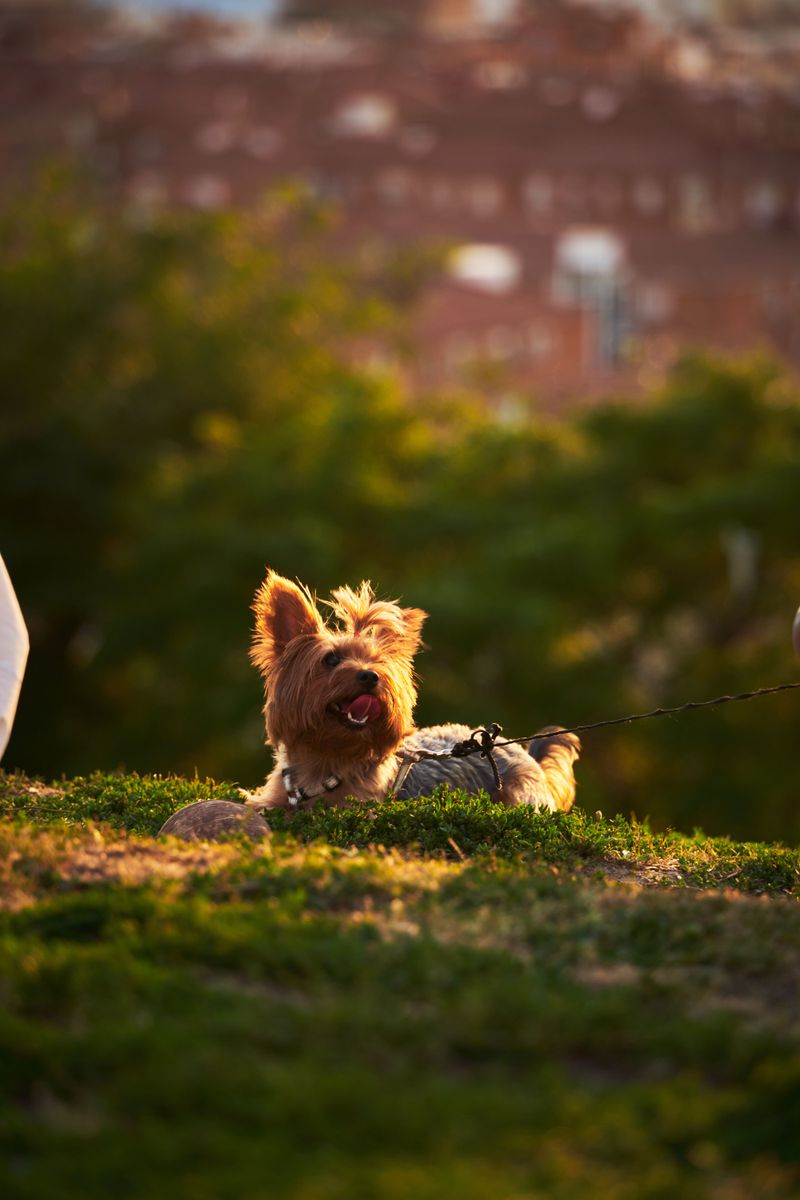
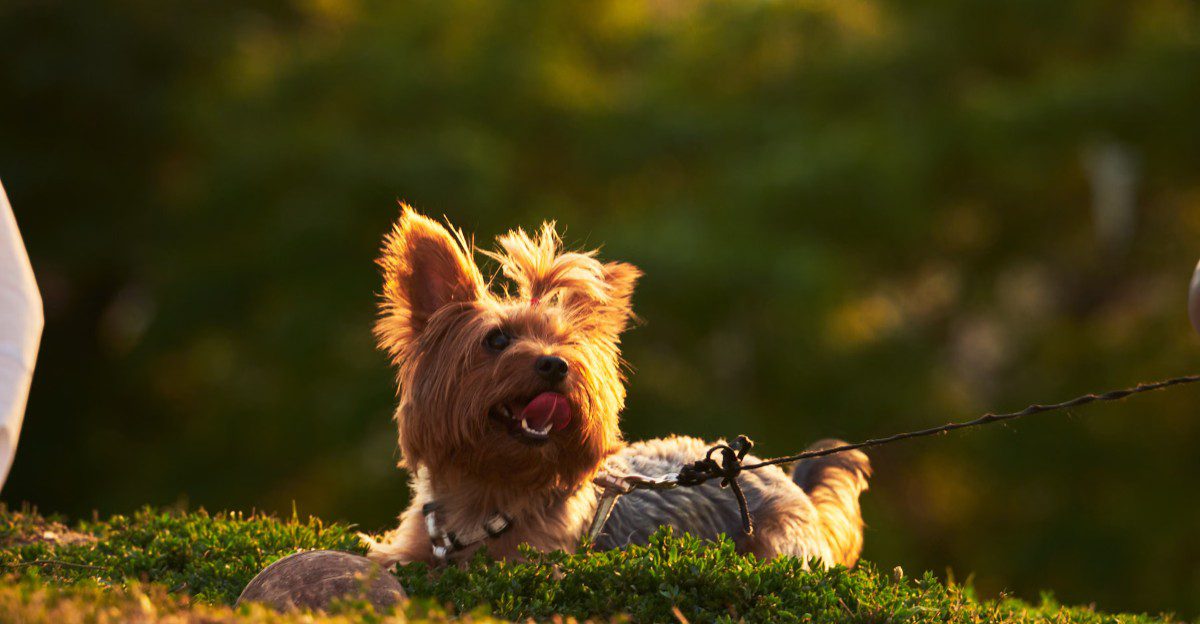
Picture a tiny dog chasing rats through a noisy cotton mill in northern England. That was the Yorkie’s first job in the 1800s.
Factory workers needed a small, brave hunter, and this little terrier delivered.
Fancy Victorian ladies soon adopted them as fashion pets, and the rest is history. Today, Yorkies live in apartments worldwide.
Tip: their silky hair grows like human hair, so plan for regular brushing or a short puppy cut.
Chihuahua
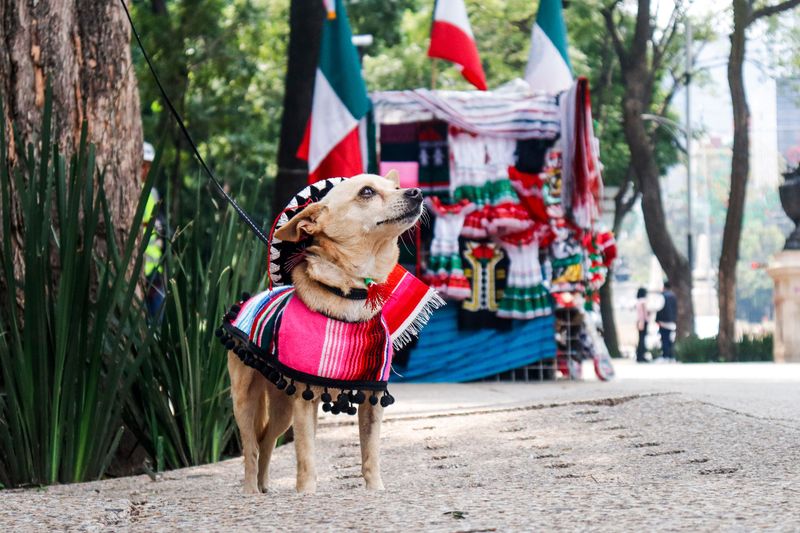
Named after a Mexican state, the Chihuahua may be the smallest breed around, but nobody told the dog that. Many experts believe it descends from the Techichi, a companion dog kept by the ancient Toltec people.
American travelers brought them north in the late 1800s. Movies and celebrities did the rest.
Got one? Keep a sweater handy.
Their tiny bodies lose heat fast, so chilly walks can feel like arctic adventures.
Poodle
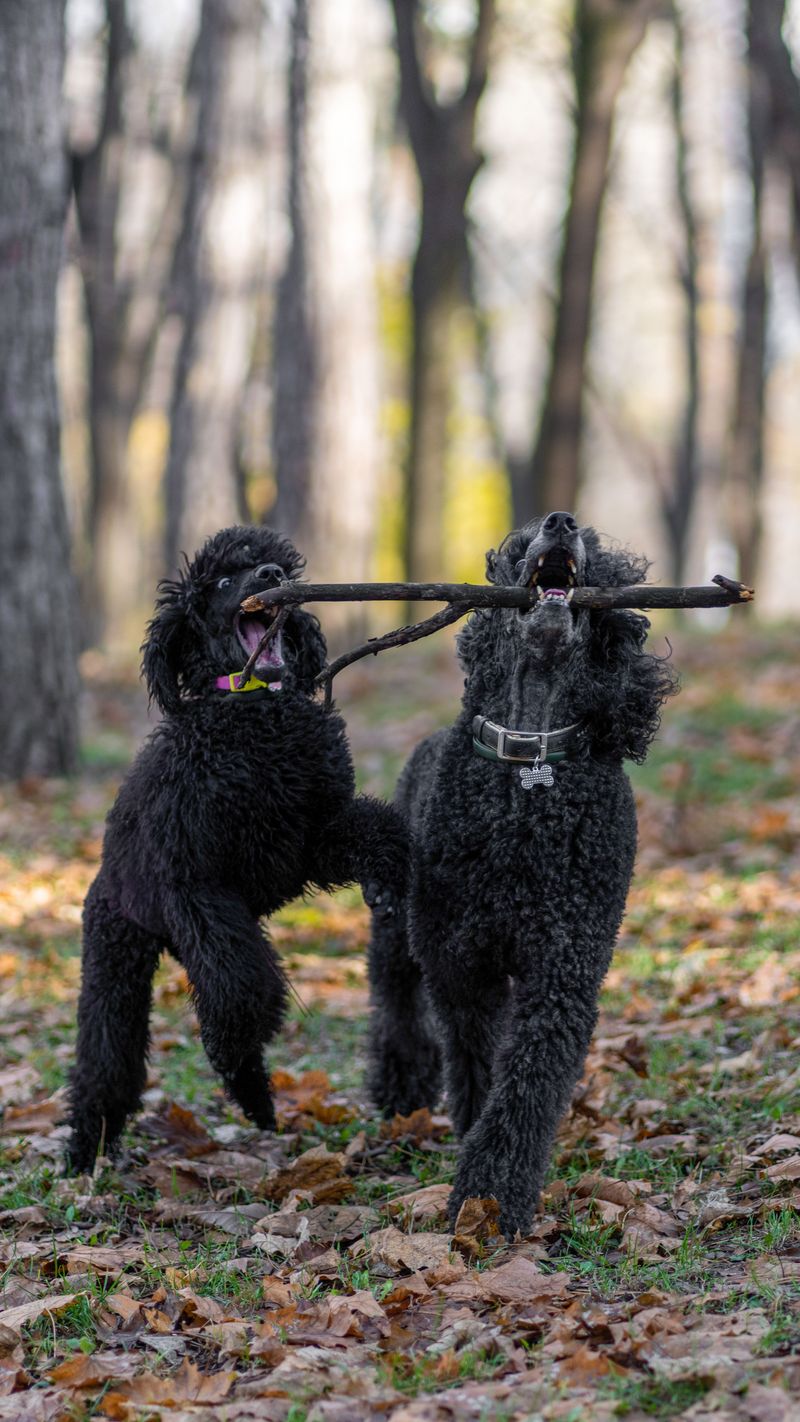
Fun fact: the Poodle is not really French. It began in Germany as a duck-retrieving dog, and its name comes from the German word pudel, meaning to splash.
France adopted the breed so warmly that it became their national dog. Those fancy haircuts once kept joints warm in icy water.
Poodles rank among the smartest breeds alive. Give them puzzle toys and training games, or they will invent their own mischief.
Boxer
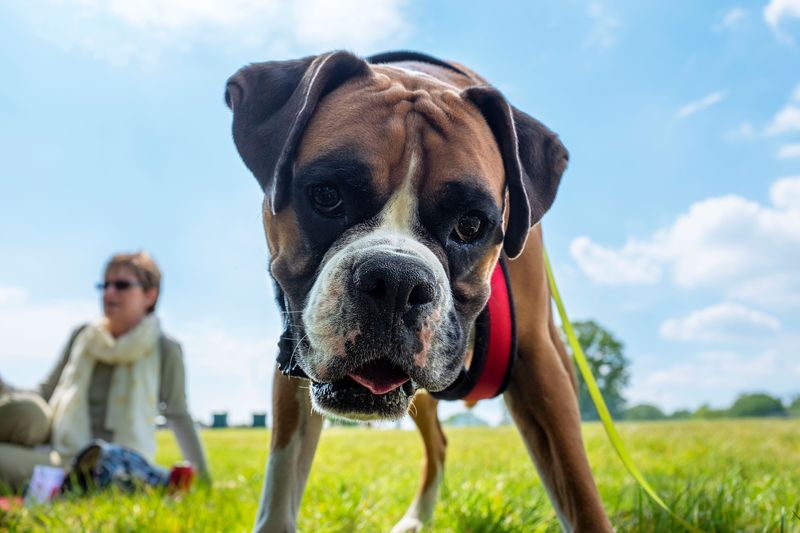
Ever seen a dog do the kidney bean dance? Happy Boxers curl their bodies into a wiggly C shape when excited, and it never gets old.
Bred in Munich during the late 1800s, Boxers worked as guard dogs and even served as messengers in World War I. Soldiers returning home spread the word about them.
Expect lots of energy well into adulthood. A long daily walk keeps this goofball calm indoors.
Shih Tzu
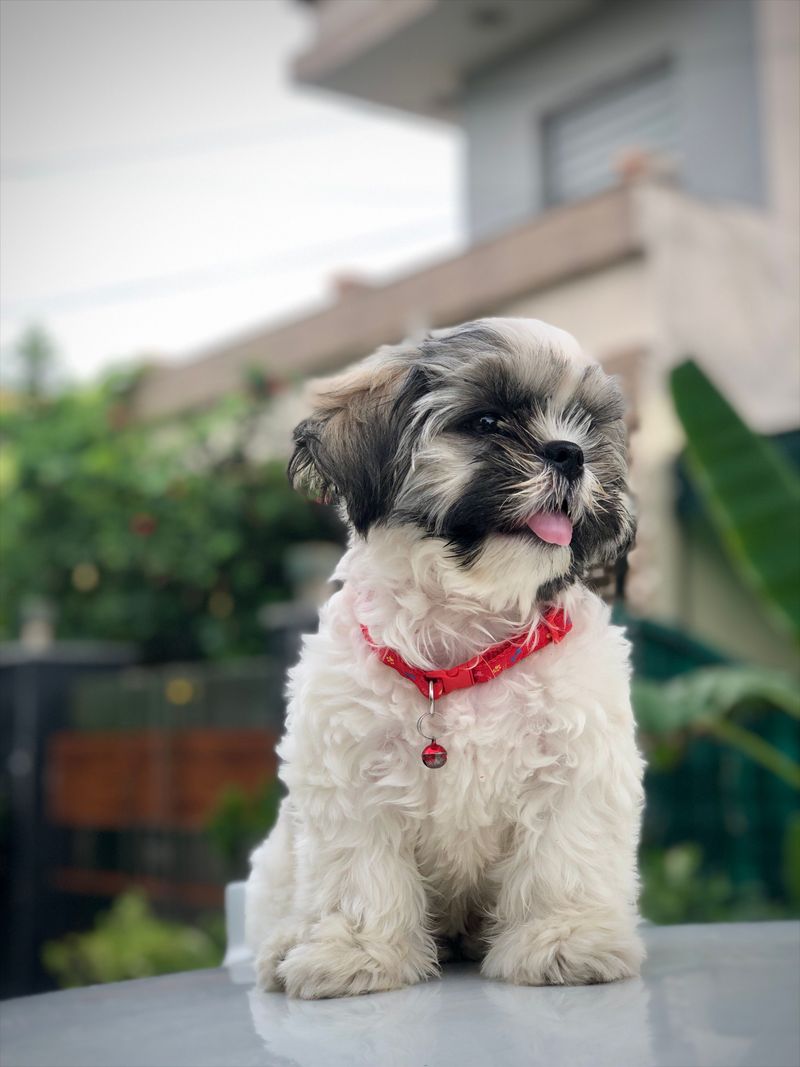
Chinese emperors once kept these fluffy pups hidden inside the Forbidden City. Shih Tzu means little lion, a fitting name for a dog with such a royal attitude.
After the palace fell, the breed nearly vanished. Just fourteen dogs helped rebuild it, and soldiers later carried them to Europe and America.
Shih Tzus were bred purely for cuddling. They love company, so they suit families who are home often.
Beagle
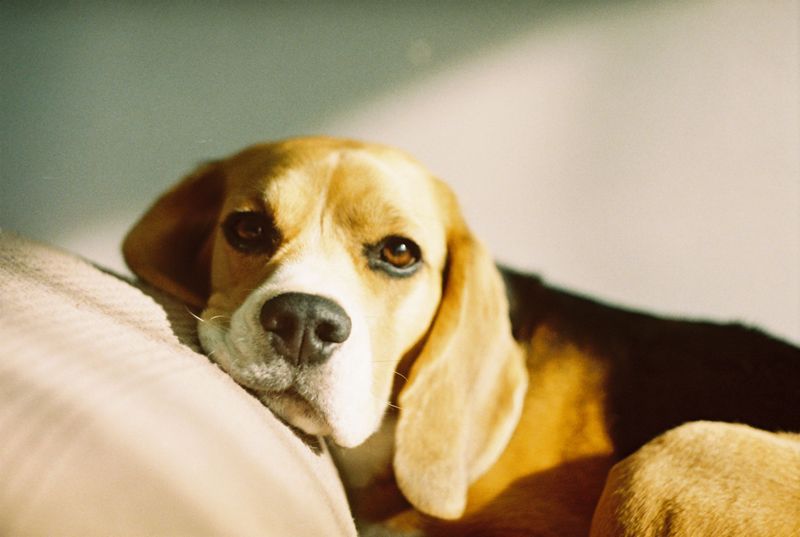
With around 220 million scent sensors, a Beagle can sniff out snacks you forgot you had. English hunters used packs of them to track rabbits across the countryside.
Then came Snoopy, the cartoon star who made Beagles famous everywhere. Airports even hire them to find hidden food in luggage.
Owners, beware. That nose leads them into trouble, so use a secure fence and keep trash cans tightly closed.
Doberman Pinscher
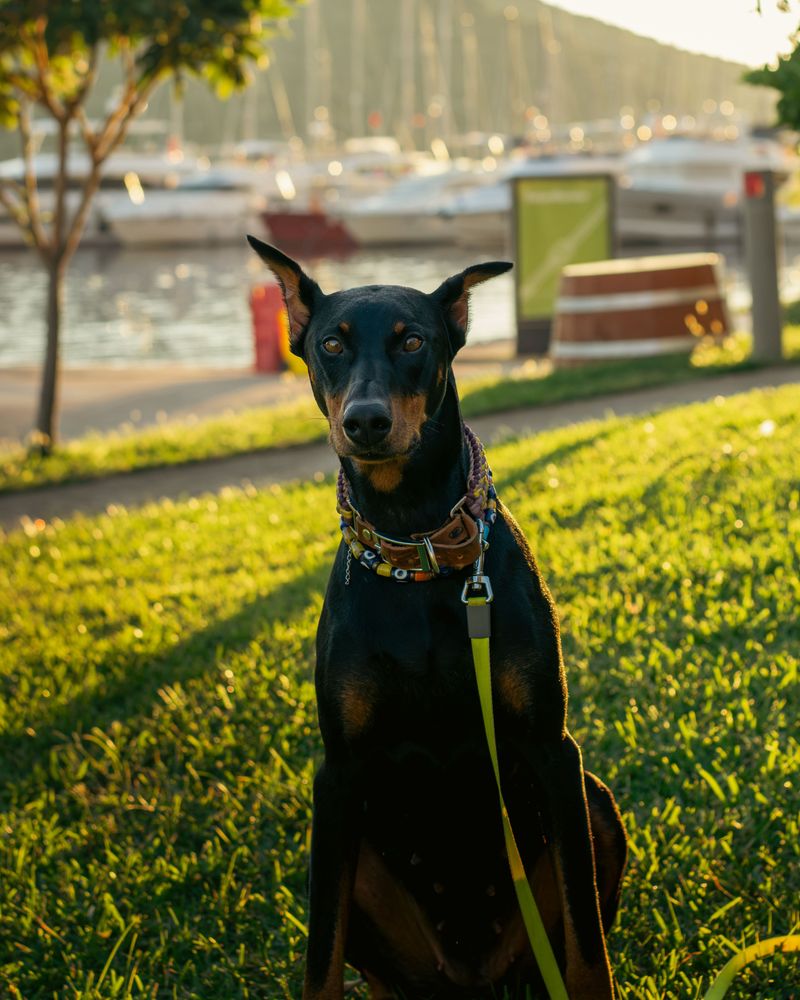
Here is a strange origin story. Louis Dobermann, a German tax collector in the 1890s, wanted a loyal dog to protect him while carrying money around town.
So he created one. The result was sleek, fast, and fiercely devoted.
Today, Dobermans work as police dogs, service animals, and loving family pets worldwide. Despite their tough reputation, many are big softies who want to sit on your feet all evening.
Australian Shepherd
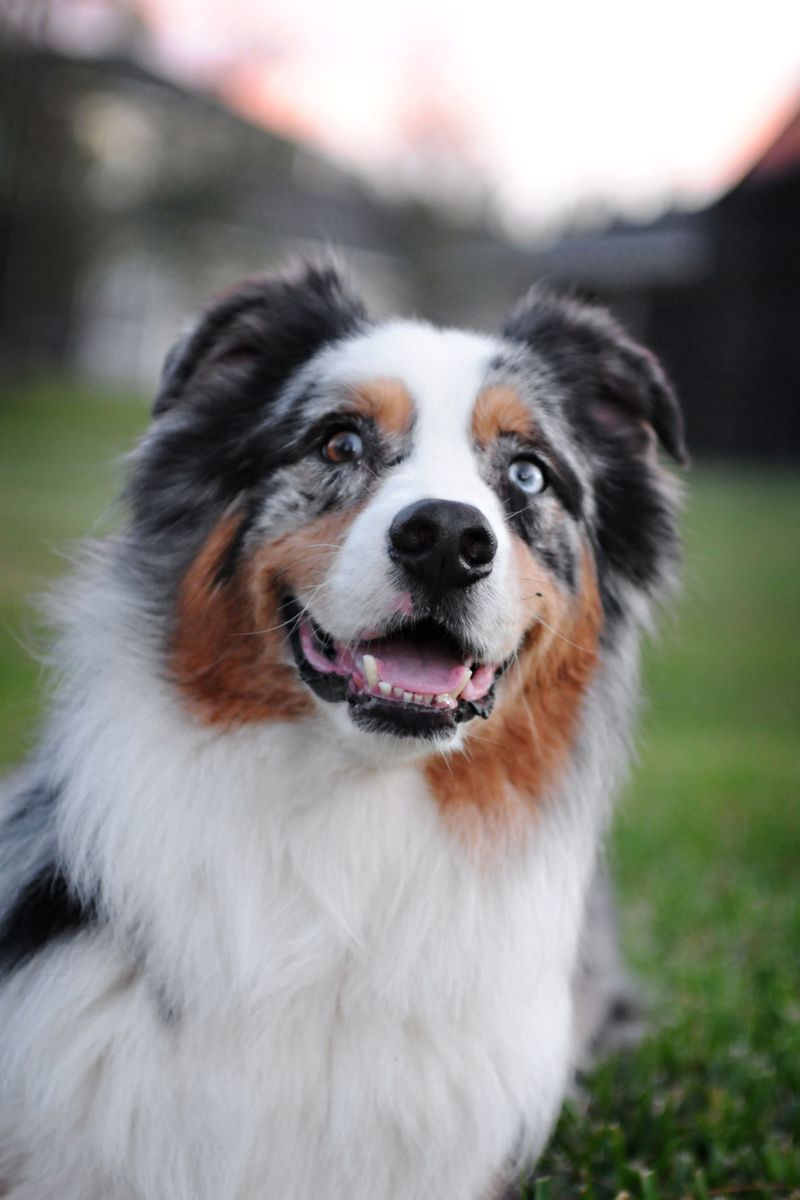
Surprise! The Australian Shepherd was actually perfected on ranches in the American West.
Its name likely comes from sheep shipped from Australia, along with their herding dogs.
Rodeo shows in the 1950s turned Aussies into stars, thanks to their clever tricks.
These brainy workers need a job. Without exercise and challenges like agility or frisbee, they may start herding your kids, cats, or even the vacuum cleaner.
Pomeranian
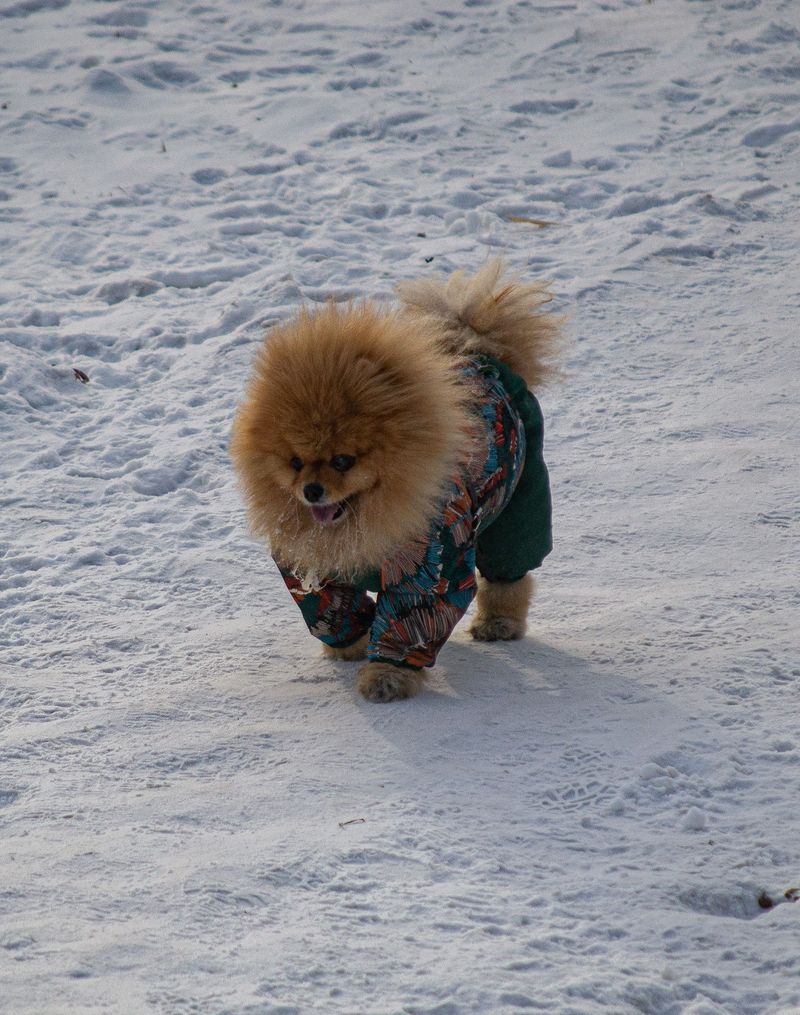
Believe it or not, early Pomeranians weighed around thirty pounds and pulled sleds. They came from the Pomerania region along the Baltic Sea.
Queen Victoria adored small ones, and breeders shrank them to fit her taste. Her love made them famous across the globe.
Now these puffballs weigh only a few pounds. They bark at everything, so early training helps keep your neighbors happy and your home peaceful.
Cocker Spaniel
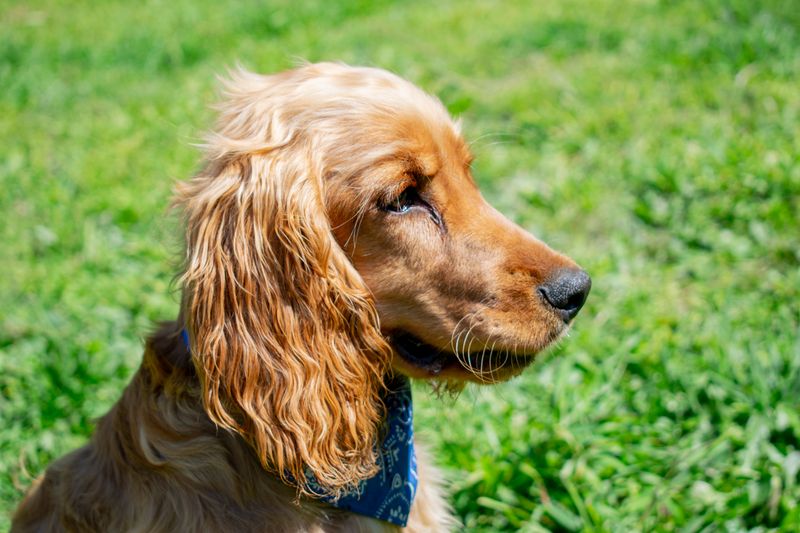
Lady from Lady and the Tramp made millions of kids beg for a Cocker Spaniel. Before the movie fame, though, these dogs flushed woodcock birds for hunters in Britain.
That is where the name cocker comes from.
For years, they ranked as America’s most popular breed. Those beautiful long ears trap dirt and moisture, so check and clean them weekly to prevent painful infections.
Your spaniel will thank you.
Rottweiler
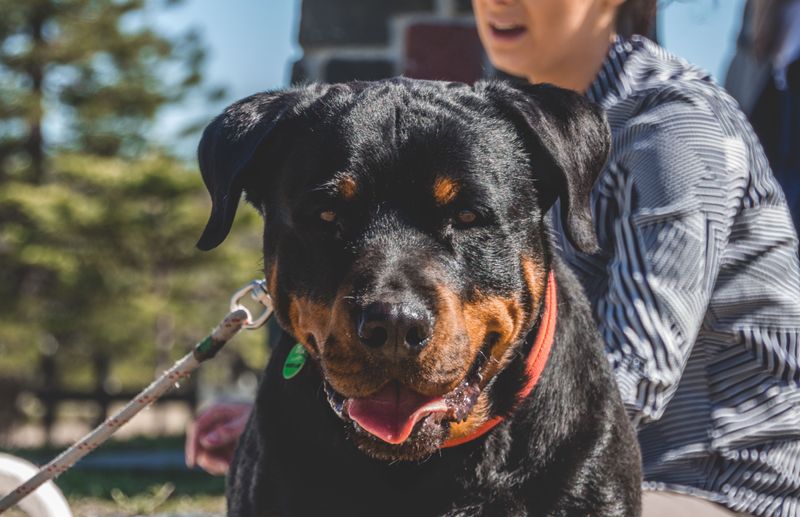
Long ago in the German town of Rottweil, butchers tied money pouches around their dogs’ necks. No thief dared to grab them.
These powerful dogs also drove cattle to market. When trains replaced cattle drives, Rotties almost disappeared, until police work brought them back.
Calm, confident, and loyal, Rottweilers thrive with firm, kind training. Start socializing early so their protective instincts grow into steady, friendly confidence.
Dalmatian
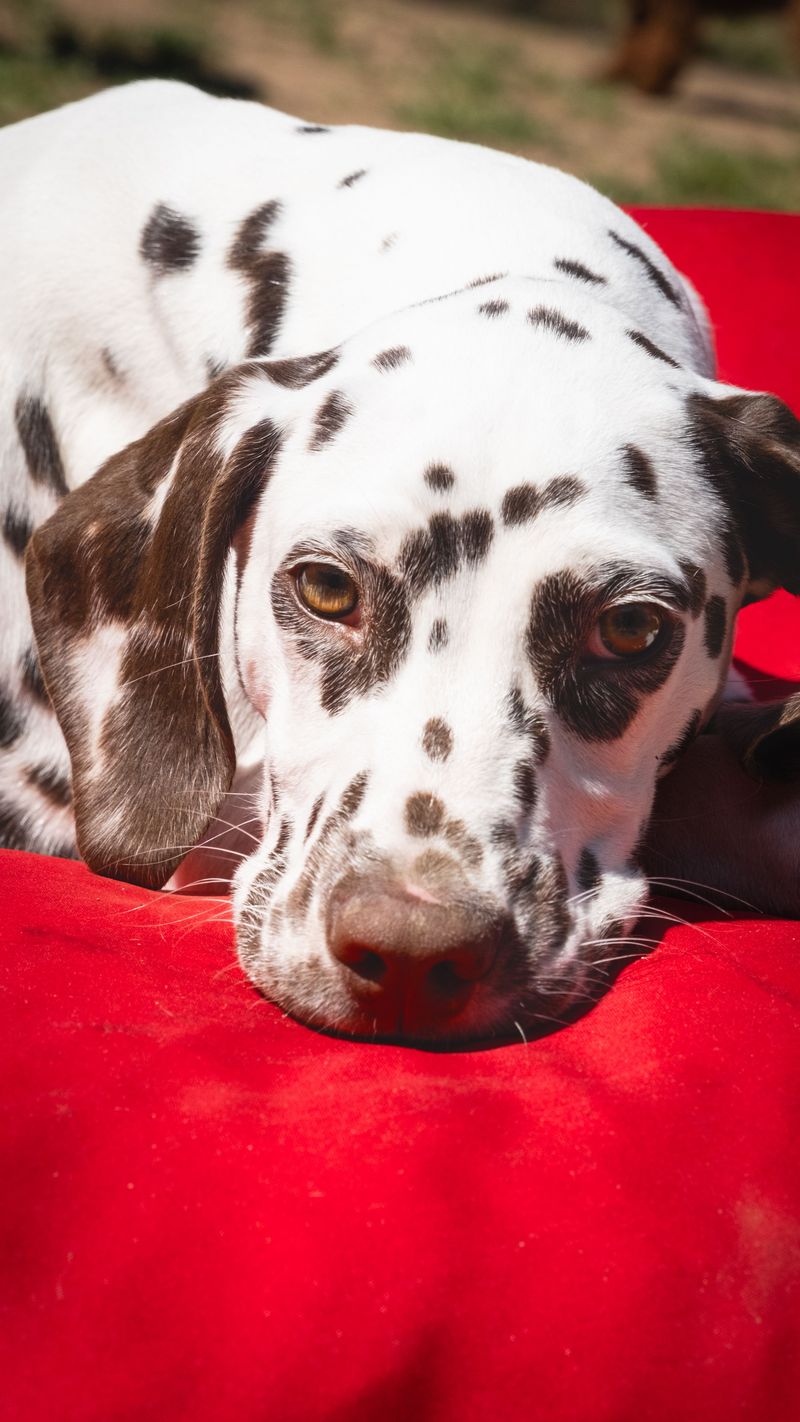
Spots, sirens, and a famous movie. The Dalmatian got its name from Dalmatia, a coastal region in Croatia.
In the 1700s and 1800s, they ran beside horse-drawn carriages and fire wagons, guarding horses and clearing the road. Then 101 Dalmatians made them worldwide icons.
Here is something cool: puppies are born pure white. Spots appear after a couple of weeks.
Just remember, they need tons of running time.
Akita
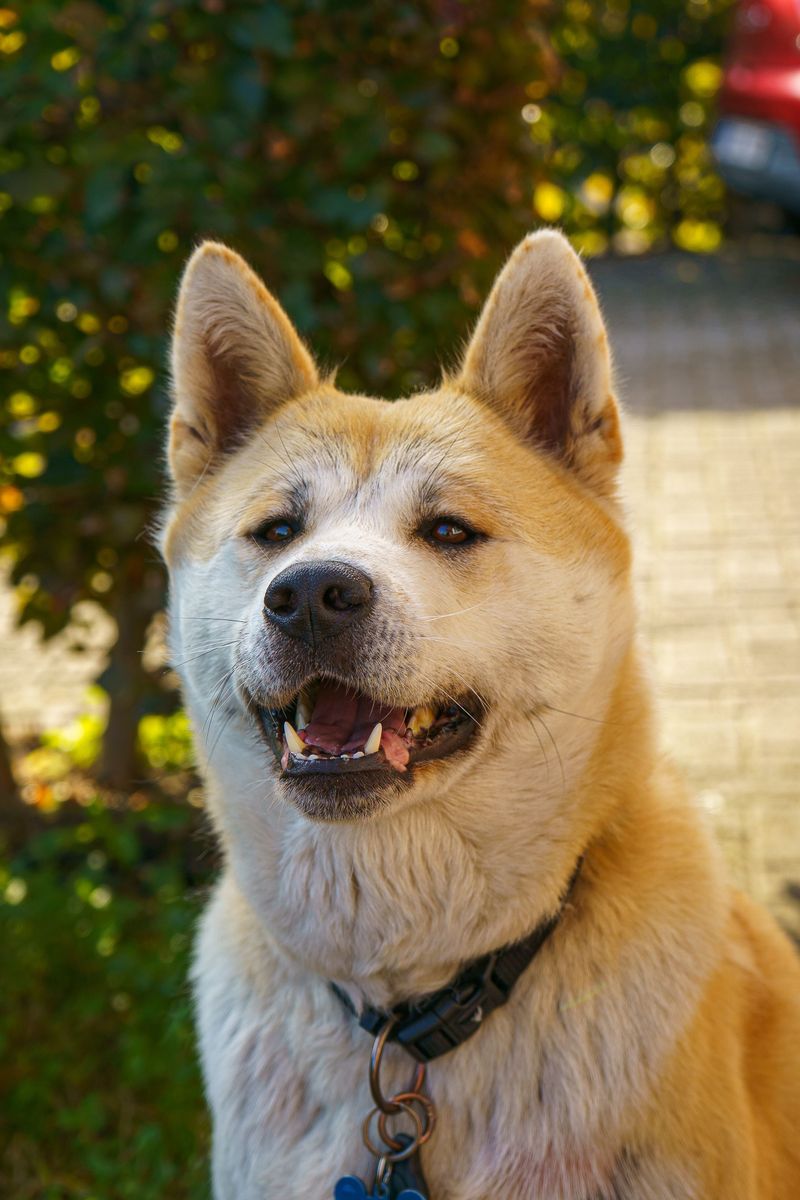
Every day for nearly ten years, an Akita named Hachiko waited at a Tokyo train station for his owner, who had passed away. His story touched hearts across the planet.
Originally from the snowy mountains of northern Japan, Akitas guarded homes and hunted large game.
Helen Keller brought the first one to America in 1937. Akitas are dignified and independent, so patient training works much better than strict commands.