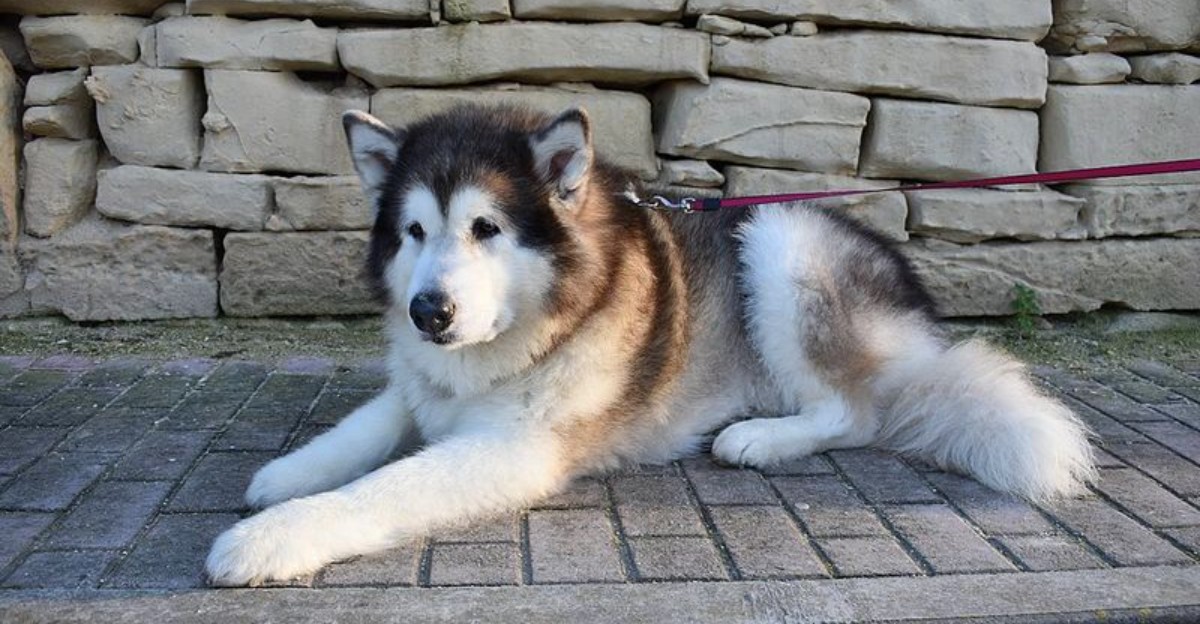
Some dogs were bred to make smart choices on their own. They guarded sheep at night, searched for prey underground, or led teams across ice and snow.
Knowing which breeds think independently helps families set better rules, games, and jobs. If you like a dog with its own mind, this list is for you.
Great Pyrenees
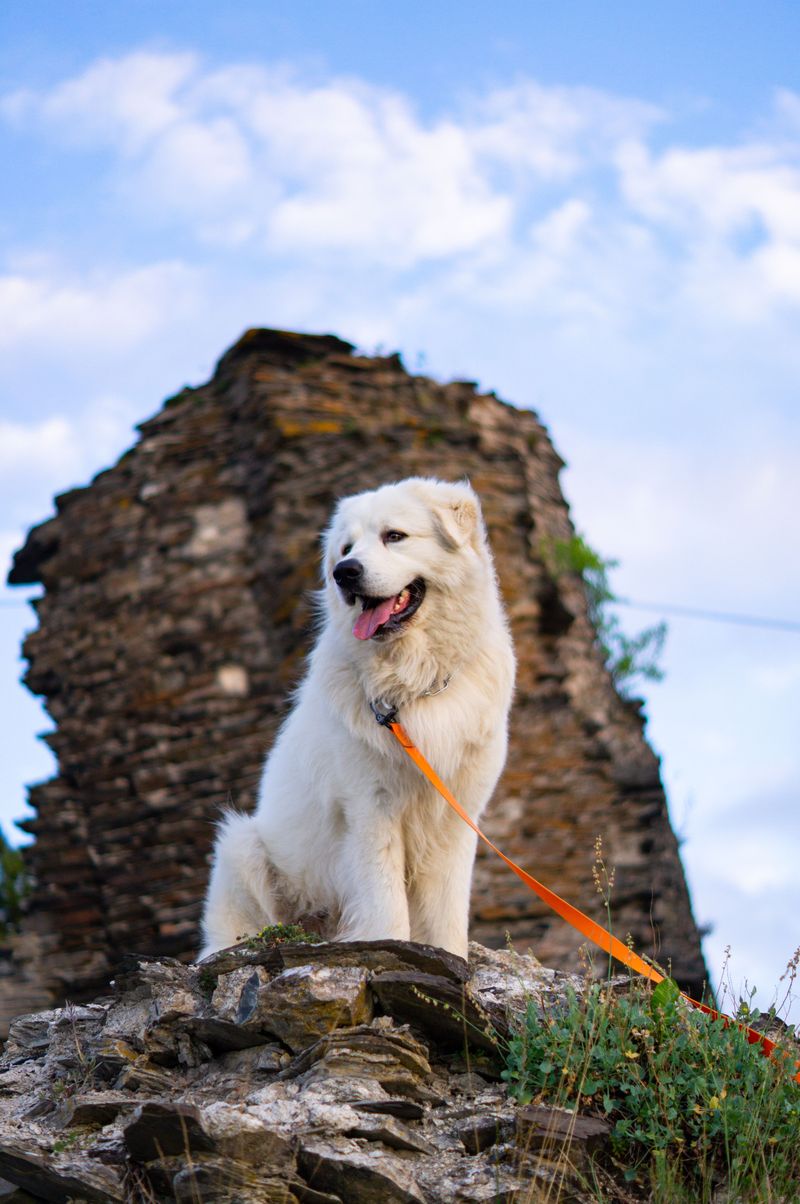
Night after night, this calm mountain guardian makes choices without waiting for you. Bred to watch sheep on rugged hills, Great Pyrenees scan, listen, and respond to threats on their own.
They pair a soft manner at home with strong patrol instincts outdoors.
Give clear boundaries, steady routines, and work for their mind, like perimeter walks and quiet place training. Solid fencing matters, since they roam to check territory.
Fun fact: double dewclaws help them grip snowy slopes.
Anatolian Shepherd Dog
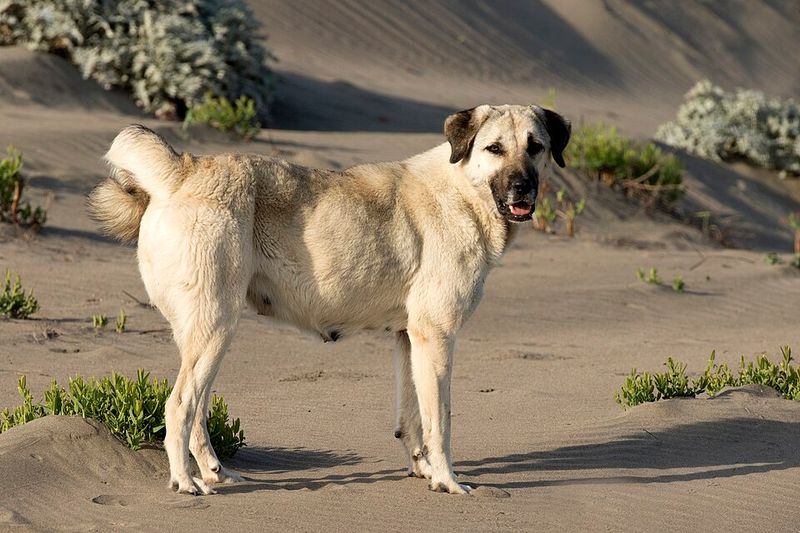
Out on windy plains, an Anatolian decides first and asks questions later. Livestock protection shaped a breed that studies body language, weighs risk, and acts fast.
You get a thoughtful partner that prefers solving problems over performing tricks.
Channel that judgement with boundary games, moving place commands, and calm exposure to new sights. Respect their dislike of rough play with strangers.
History note: ancestors guarded herds along the Silk Road and worked under blazing sun and starlight.
Maremma Sheepdog
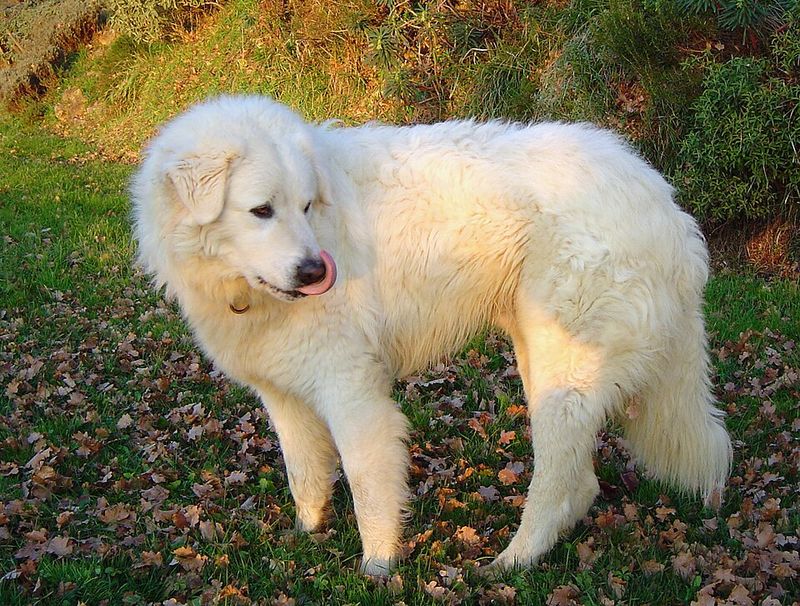
Picture a white sentinel gliding along a fence line at dusk. Maremma Sheepdogs were trusted with flocks while shepherds slept, so independence is their default setting.
They bond deeply to territory, not just people, and quietly deter trouble before it starts.
Plan for early social time, reliable recall games, and jobs like watching free-range chickens. Expect alert barking in the evening.
Curious detail: Italian farmers still use Maremmas to guard penguin colonies in Australia.
Kuvasz
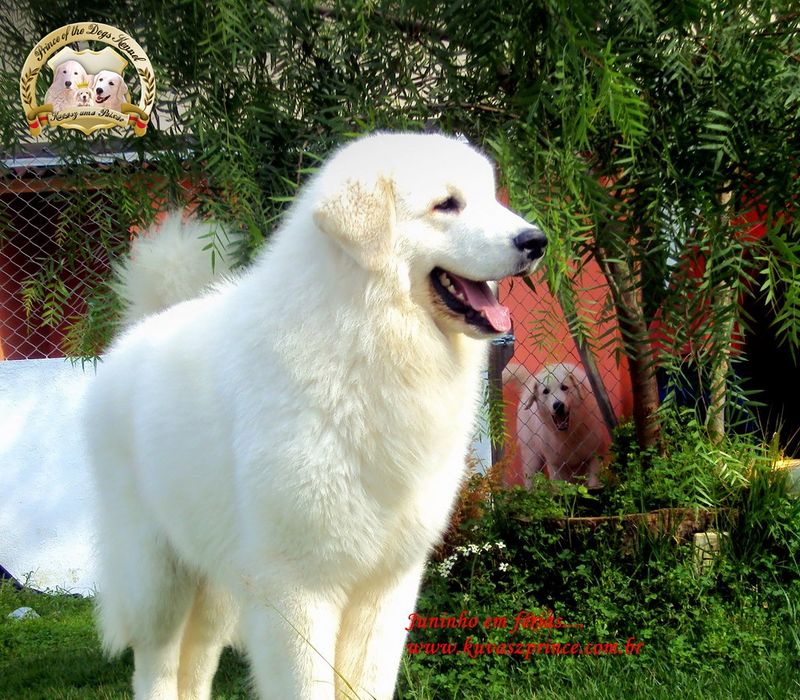
Centuries of royal and farm duty tuned the Kuvasz to think on the fly. Instead of seeking constant cues, they sample the environment and take charge when needed.
At home, they are watchful, affectionate, and surprisingly playful in short bursts.
Keep training calm and fair, with short sessions and clear choices. Provide a sturdy yard and meaningful tasks, like escorting kids between rooms.
Did you know many served as night guardians for Hungarian nobility and merchants?
Komondor
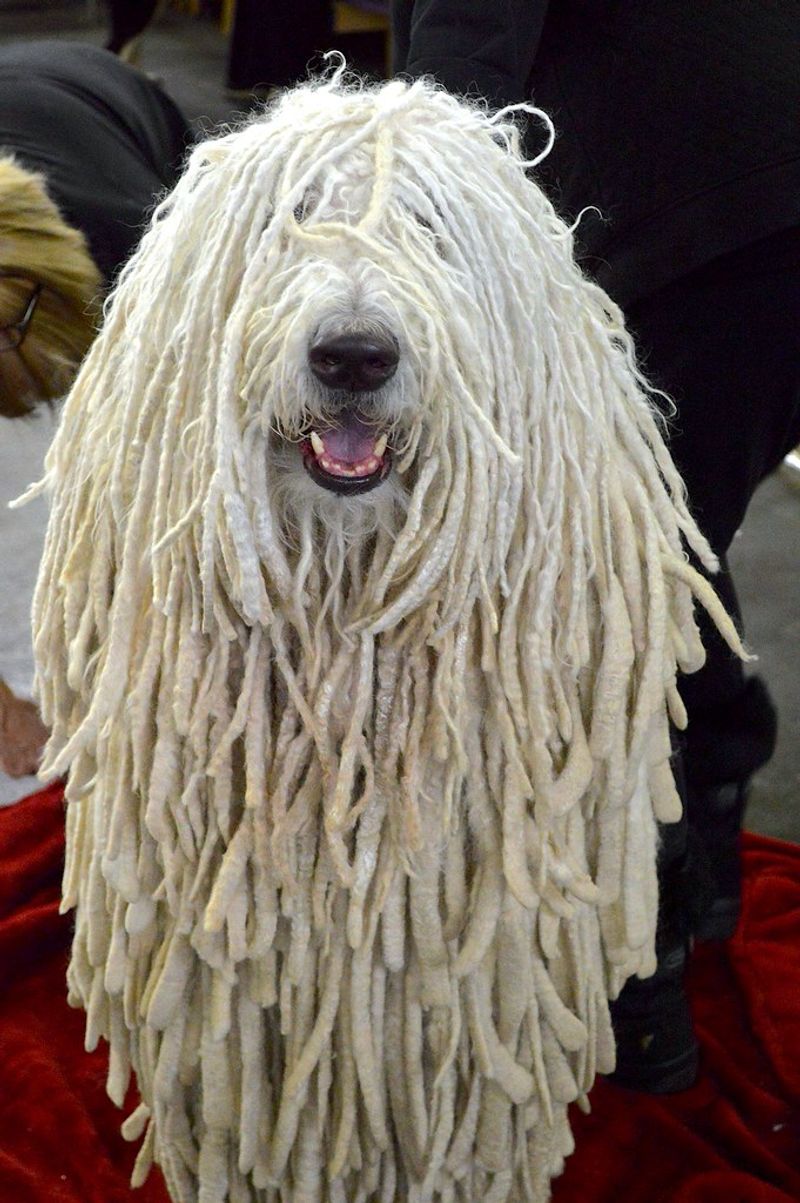
Those famous cords hide a sharp, patient mind. Komondorok were bred to blend with flocks, wait, and then act without a handler nearby.
Their calm baseline flips to powerful defense if a real threat appears, which is why structure matters.
Teach polite greetings, steady place work, and quiet neighborhood walks. Grooming takes planning, so start handling early.
Trivia: the coat is not just a look, it helps with weather and tooth protection during livestock defense.
Australian Cattle Dog
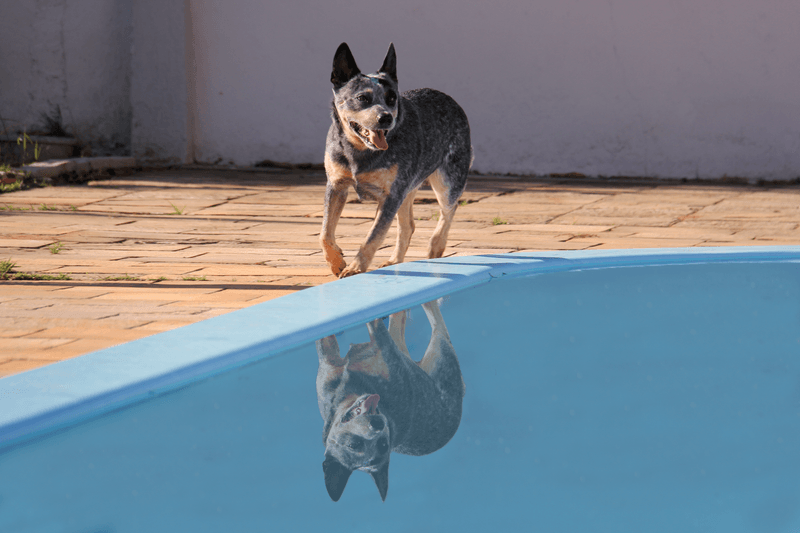
Heelers have a spark that never really quits. Bred to push stubborn cattle over long distances, Australian Cattle Dogs make quick choices and keep working when you are far away.
Their brains crave puzzles as much as their legs crave mileage.
Use moving sits, directional games, and fetch with rules to tire body and mind. Rotate jobs like yard checks and car-loading drills.
Fun fact: early breeders crossed dingoes with herding dogs to handle Australia’s heat.
Siberian Husky
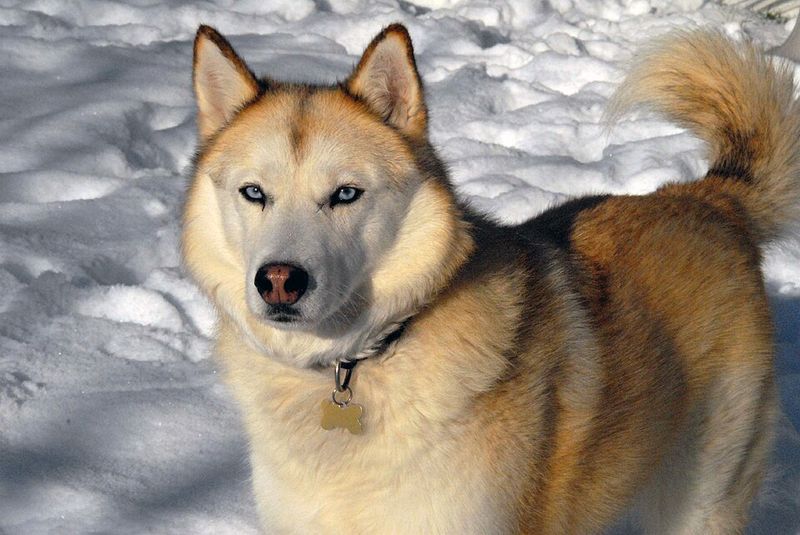
Stories from the trail say a smart Husky can read ice better than a map. In teams, they balance driver commands with on-the-spot judgment about snow, wind, and footing.
That blend of independence and teamwork still shows in family life today.
Plan daily runs, sniffy walks, and brain games like hide-and-seek recalls. Secure latches because many are skilled escape artists.
History bonus: Chukchi people developed them for travel between coastal villages in extreme cold.
Alaskan Malamute
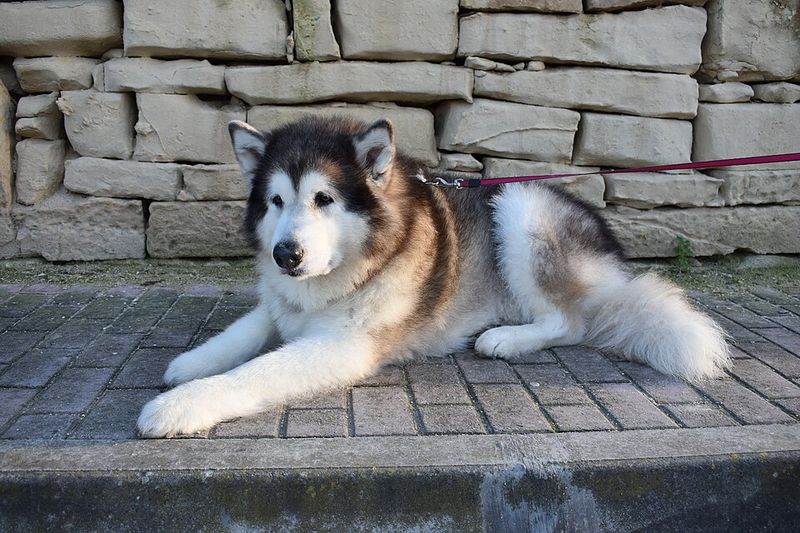
Power first, finesse second, the Malamute is built to move loads with steady focus. Out on a trail, they problem-solve ruts, glare ice, and shifting snow without handholding.
That same grit shows up at home as persistence, curiosity, and a love of jobs.
Give cart work, weighted walks, and scent games to channel strength. Practice impulse control with slow door exits.
Fun tidbit: their name comes from the Mahlemut people of Alaska’s northwest coast.
Jack Russell Terrier
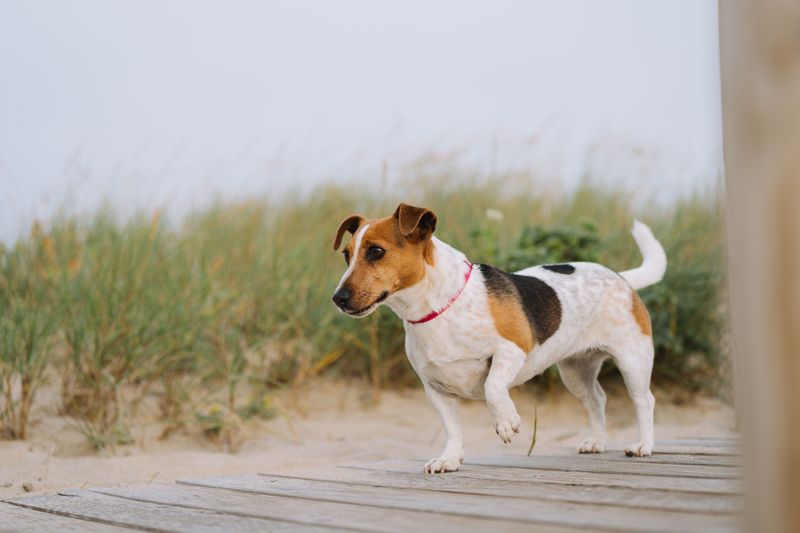
A small body with a big idea, the Jack Russell lives to chase trouble underground. Foxes and rats required a fast thinker who darted, barked, and worked out of sight.
Expect springy movement, sharp observation, and a hint of mischief in daily life.
Plan dig boxes, flirt pole play, and scent tubes to satisfy hunting urges. Keep training upbeat and brief.
Bonus: Reverend John Russell shaped the line for fearless, independent quarry work.
Border Terrier
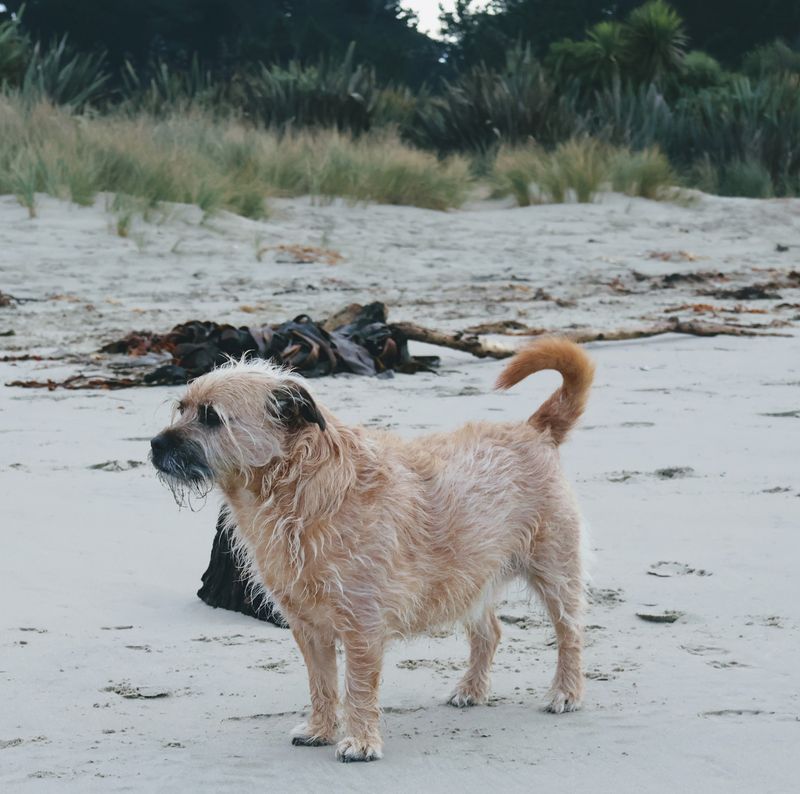
Farmers once needed a dog that could slip through hedges and tackle fox trouble without delay. Border Terriers handled the job with grit and practical smarts, often working beyond shouting distance.
Their wiry coat and cheerful eyes hide a strong, can-do attitude.
Offer controlled digging spots, rolling ball searches, and calm crate time to reset energy. Keep social outings steady and positive.
Fun note: the breed hails from the rocky borderlands between England and Scotland.
Cairn Terrier
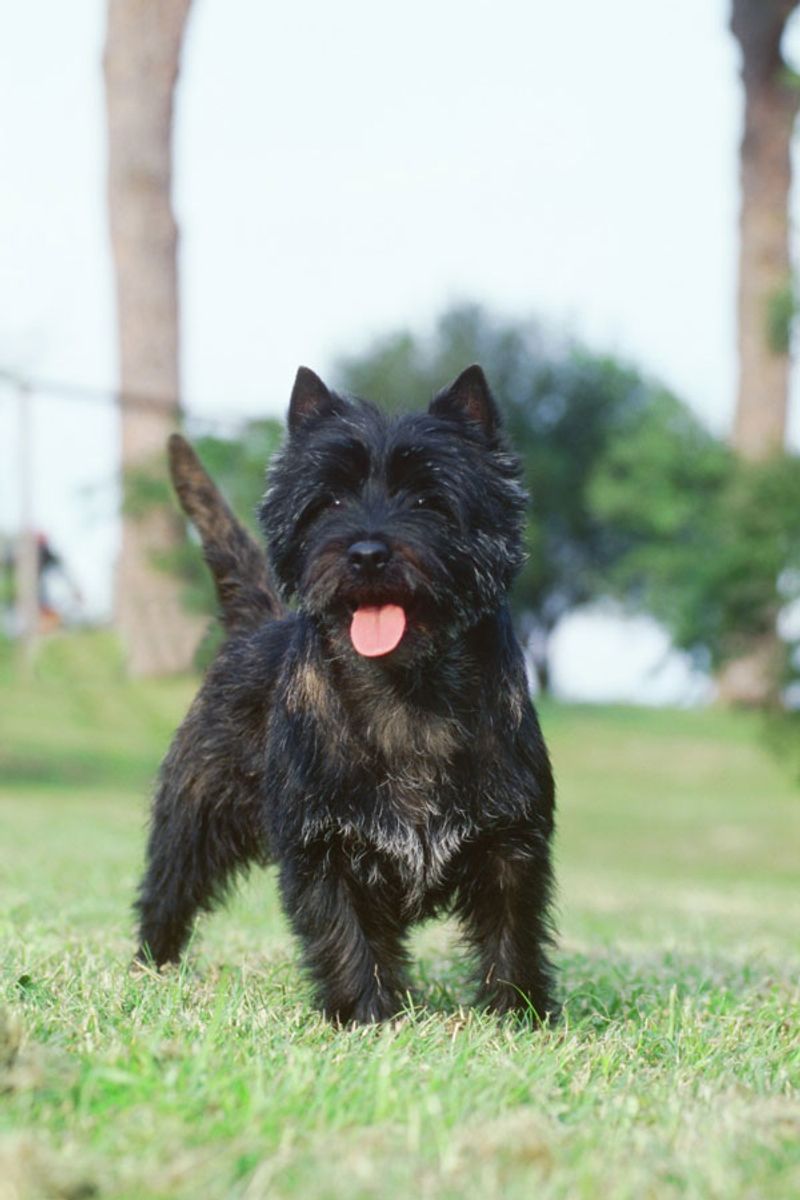
If you have seen a Cairn squeeze into a stone wall, you know their mission. They were made to root out pests without a handler guiding every move.
Bold, busy, and surprisingly cuddly after work, they bring lively charm to a home.
Set up puzzle feeders, supervised digging zones, and short, focused training bursts. Prevent nuisance chasing with leashes and long lines.
Movie tip: a famous Cairn played Toto in The Wizard of Oz.
Beagle
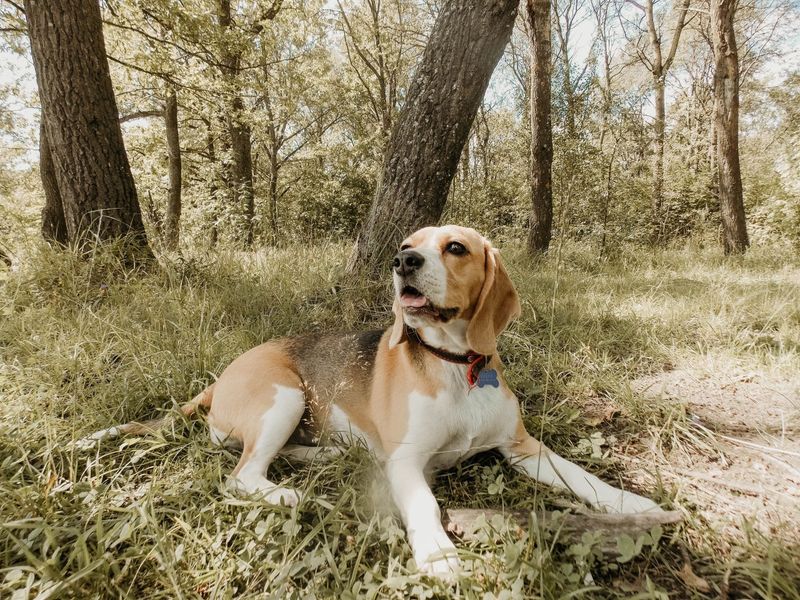
Nose first, ears second, a Beagle follows scent like a moving storybook. On a trail, they often tune out chatter and stick with the plot until the end.
This trait made them reliable rabbit hunters who did not need constant reminders.
Use long-line hikes, scent trails in the yard, and food puzzles to meet their needs. Practice check-ins with high-value treats.
Extra detail: that musical howl carried through fields so hunters could track progress.
Dachshund
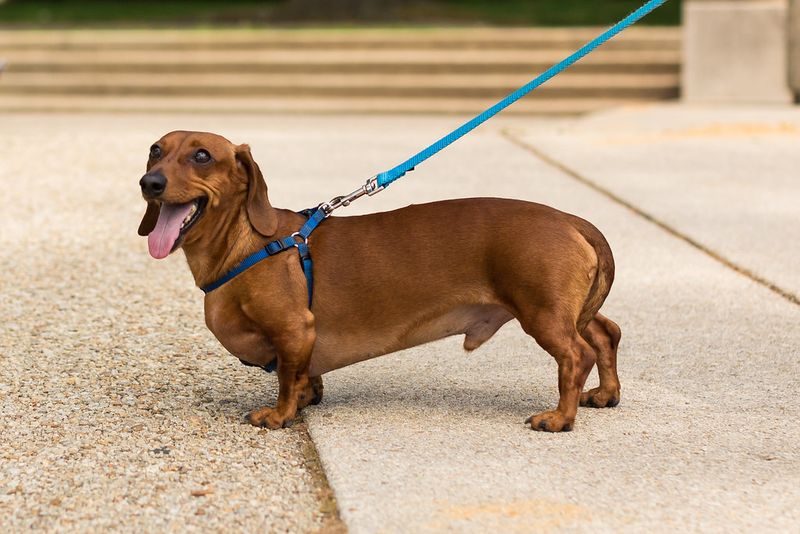
Short legs, giant courage, the Dachshund was born to argue with burrowing prey. Hunters needed a dog willing to go solo into tight tunnels, make decisions, and push game toward people.
That determination shows up today as stubbornness mixed with clownish humor.
Plan scent games, low-impact agility, and controlled digging to honor instincts. Protect backs with ramps and careful lifting.
History gem: their name means badger dog in German, and many lines worked in forests for centuries.