
New dog owners are often surprised when a playful pup suddenly battles gas, diarrhea, or scary bloating. Some breeds are simply more sensitive, and the signs can appear right after you switch kibble or share a rich snack.
The good news is that small changes to feeding routines and smart vet guidance go a long way. Here is how to spot issues early and keep that tummy calm before a minor upset turns into a major scare.
French Bulldog
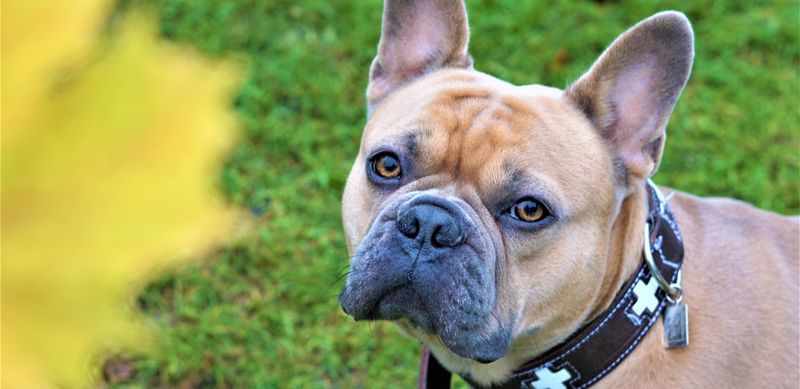
French Bulldogs look easygoing, but their stomachs can be stubborn. Short muzzles mean they gulp air while eating, which leads to gassy evenings and loud burps.
You might notice loose stools after rich treats, dairy, or sudden food changes.
Keep meals small, slow, and consistent, and choose a limited ingredient diet with easily digestible proteins. A slow feeder bowl helps reduce air swallowing, while probiotics can soothe sensitive guts.
If you see persistent vomiting, mucus in stool, or painful bloating, call your vet right away. Allergies are common too, so track ingredients in a journal and introduce new foods very slowly.
Ask your vet about hydrolyzed diets, pancreatic support, or testing for parasites if flareups keep returning during stressful times.
Bulldog
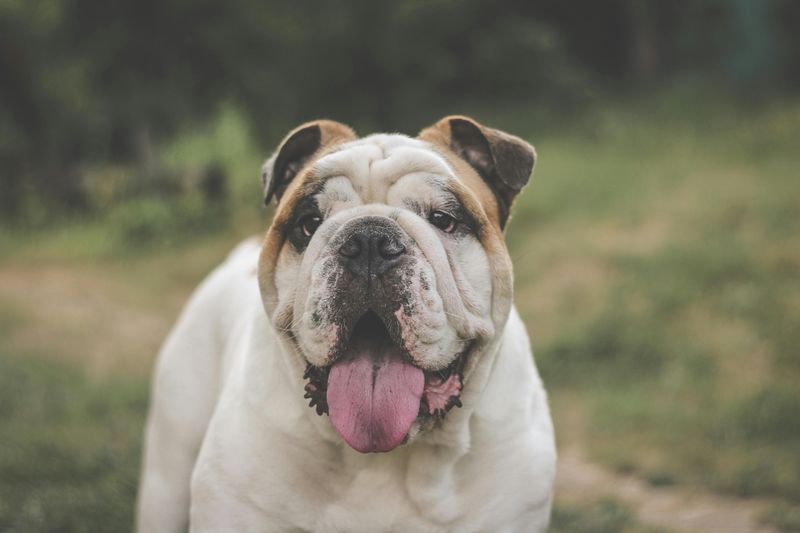
Bulldogs are lovable clowns, yet their digestion can be a serious project. Many are prone to food intolerances, heavy gas, and reflux after gulping fatty scraps.
Skin fold irritation often hints at underlying diet issues that also bother the gut.
Feed smaller, predictable portions and avoid greasy table food that triggers overnight discomfort. A raised stand and a slow feeder bowl encourage calmer eating, while omega 3s and probiotics may support balance.
If stools become pudding like or you notice repeated lip licking, consider a sensitive skin and stomach formula. Keep fresh water available and stay consistent around exercise after meals.
When in doubt, ask the vet about elimination trials to identify triggers without endless guesswork.
Boxer
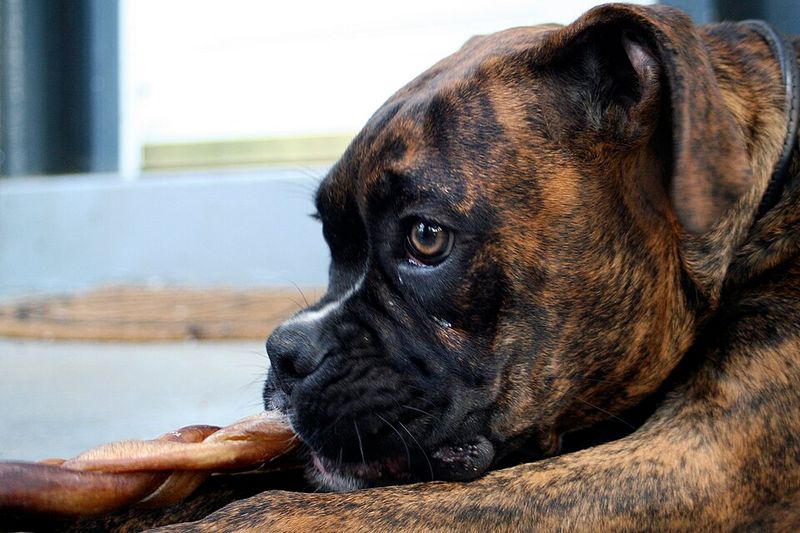
Boxers bring energy and goofy charm, but they can develop tummy upsets fast. You might see intermittent diarrhea, noisy gut sounds, or grass eating after a sudden food switch.
Some Boxers are sensitive to chicken or grains, so watch labels closely.
Offer a simple, highly digestible diet and introduce changes over ten days, not two. Probiotics and fiber from pumpkin can help firm stools without harsh ingredients.
Avoid heavy exercise immediately after meals to reduce vomiting risk. If episodes repeat, ask your vet about inflammatory bowel disease screening or a hydrolyzed trial.
Track treats, chews, and table scraps in a journal so patterns jump out. Staying patient and structured helps their athletic spirit thrive without constant stomach drama.
German Shepherd
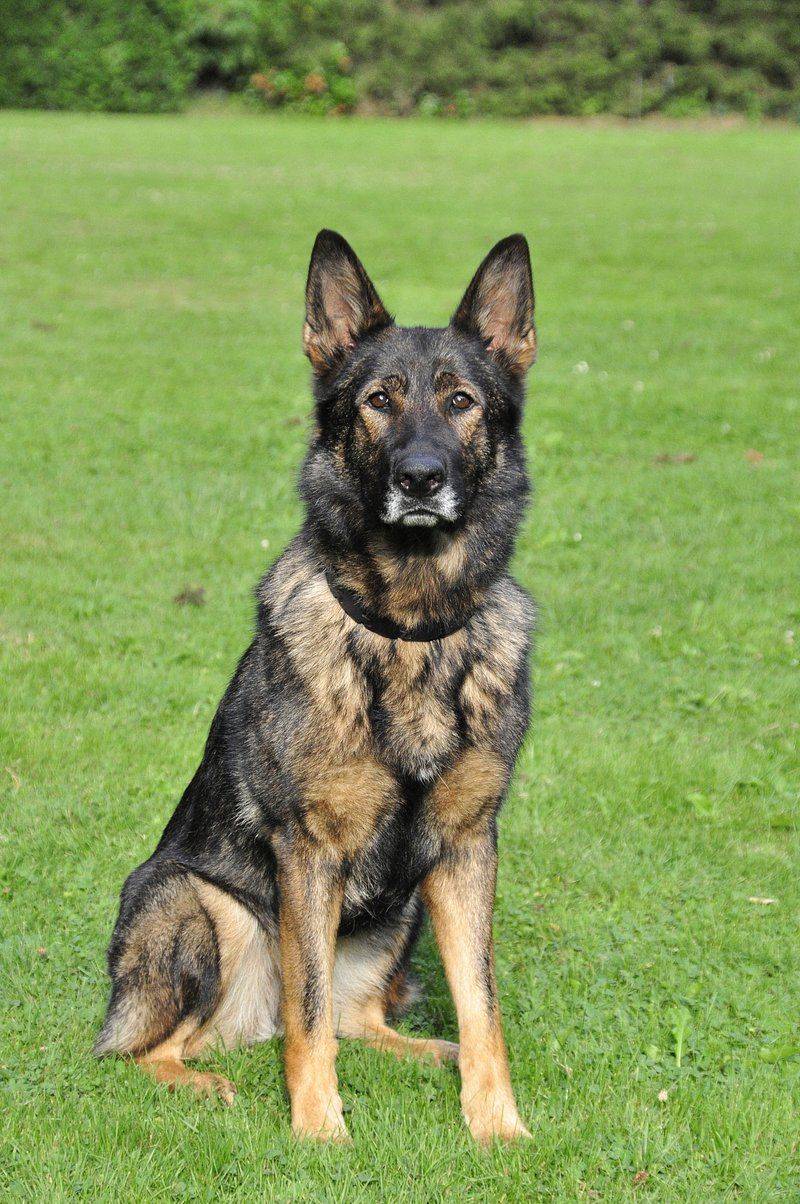
German Shepherds are brilliant and loyal, but their guts can be complicated. Loose stools, gas, or weight loss may point to food sensitivities or malabsorption.
Some develop exocrine pancreatic insufficiency, where the pancreas fails to provide needed enzymes.
If your dog is ravenous yet skinny with large, pale stools, ask the vet about EPI testing. Enzyme powders, B12 support, and a digestible diet can turn things around quickly.
For milder issues, transition foods slowly and keep treats very simple. Probiotics and prebiotic fiber may stabilize stools over time.
Avoid constant brand hopping, and monitor stress because anxious days can upset digestion. With structure and timely vet input, that legendary Shepherd focus returns without frequent bathroom emergencies.
Great Dane
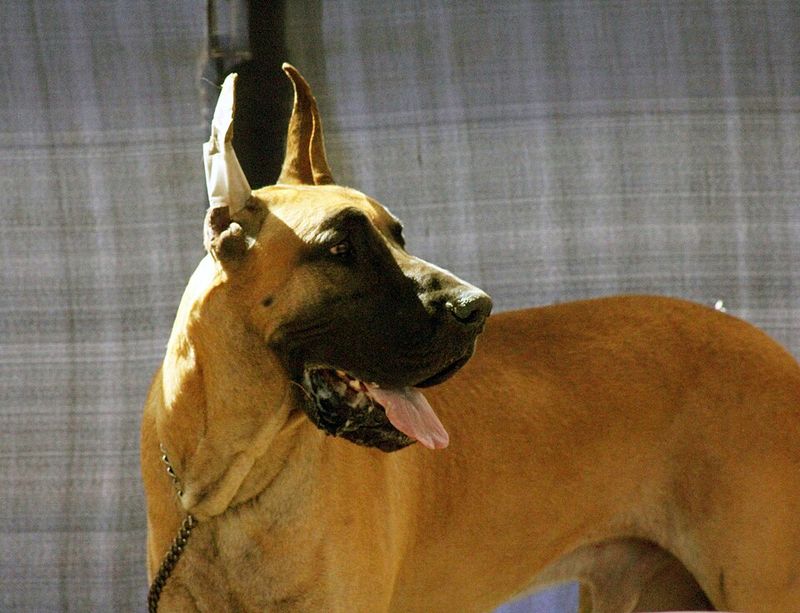
Great Danes are gentle giants whose stomachs need thoughtful routines. Their size raises the risk of bloat and gastric torsion, emergencies that strike quickly.
You might notice drooling, restlessness, or a distended abdomen after rapid eating or rough play.
Use measured meals, slow feeders, and avoid vigorous exercise around feeding times. Some owners split daily food into three portions to minimize gulping.
Talk to your vet about gastropexy, a preventive surgery that can save a life. Choose a digestible, balanced diet and keep water available, but not chugged all at once right after meals.
Gas, retching without producing vomit, or sudden collapse are red flags. When something feels off, act quickly and call the vet immediately.
Labrador Retriever
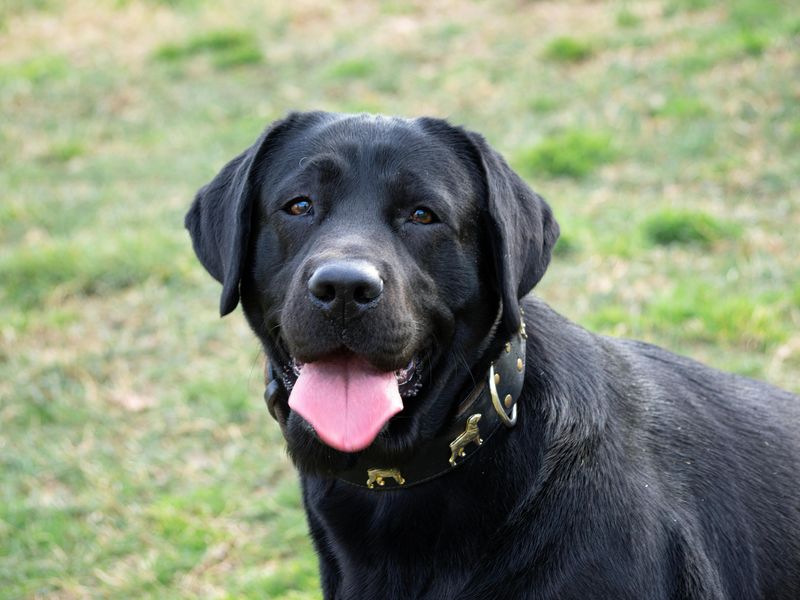
Labradors love food so much that their stomachs often pay the price. Garbage snacking, counter surfing, and sudden diet changes can trigger diarrhea and dramatic gas.
Rich bones or greasy leftovers often backfire overnight, leaving you cleaning at dawn.
Stick to measured portions, secure trash lids, and introduce new foods gradually. A puzzle feeder slows meals while giving that busy brain a job.
If stools swing between soft and normal, consider a gentle fiber boost with vet guidance. Keep high fat treats to a minimum and bring bland rations when traveling.
Persistent vomiting or dark, tarry stools demand a prompt vet visit. With boundaries and routine, Labs stay enthusiastic without the post dinner regrets that upset their cheerful bellies.
Golden Retriever
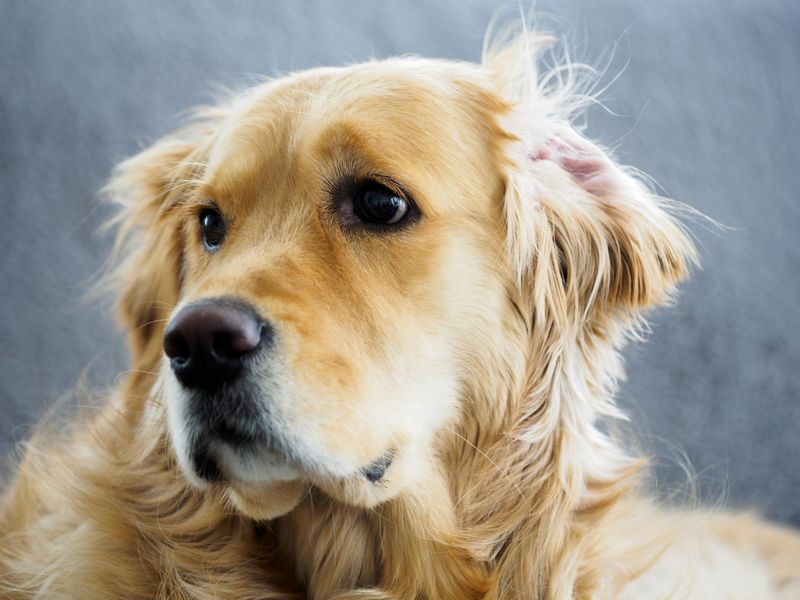
Golden Retrievers wear their hearts on their sleeves and sometimes their stomachs do too. Stress, rich treats, and common allergens like chicken or wheat can upset digestion.
You may notice ear itching or paw licking alongside tummy troubles, hinting at food sensitivities.
Choose a limited ingredient formula with novel proteins if flareups keep returning. Transition over ten days and keep a simple treat list so patterns stand out.
Probiotics, omega 3s, and gentle fiber can help firm stools while supporting skin. If vomit or diarrhea persists beyond a day, call your vet and bring a stool sample.
Calm routines, predictable meals, and steady training make Goldens shine. Your consistency turns that tender stomach from a guessing game into smooth sailing.
Pug

Pugs are charming comedians, but their short muzzles invite air gulping and gas. Rapid eating can trigger belching, hiccups, and occasional vomiting after play.
Many Pugs react to rich snacks or dairy, and sudden kibble changes often produce loose stools.
Offer small, frequent meals in a slow feeder to cut down on air swallowing. Keep high fat treats rare and pick simple ingredient snacks.
If reflux shows up at night, ask about timing dinner earlier and using slightly elevated bowls. Probiotics or a sensitive stomach formula may smooth things out.
Watch for noisy breathing paired with bloating, and call the vet if discomfort escalates. With patient routines and gentle choices, your Pug’s belly becomes as content as that lovable face.
Shar Pei
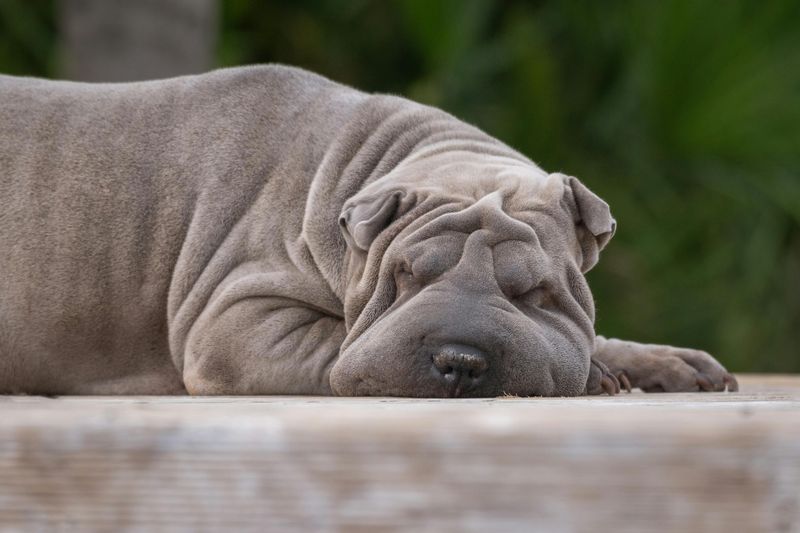
Shar Peis have distinctive skin, and their digestion can be equally finicky. Food sensitivities and inflammatory conditions may cause soft stools, skin flareups, or ear issues together.
You might see tummy gurgles after chicken, beef, or common fillers.
Work with your vet on an elimination diet that uses novel or hydrolyzed proteins. Keep a careful journal of every treat, chew, and snack to reveal triggers.
Probiotics and fish oil can help soothe both gut and skin. If diarrhea becomes frequent or bloody, seek immediate care to rule out infections.
Consistency beats guesswork, so resist quick switches after a single off day. With structured feeding and thoughtful ingredients, that famously serious face hides a comfortable, dependable stomach.
Dachshund
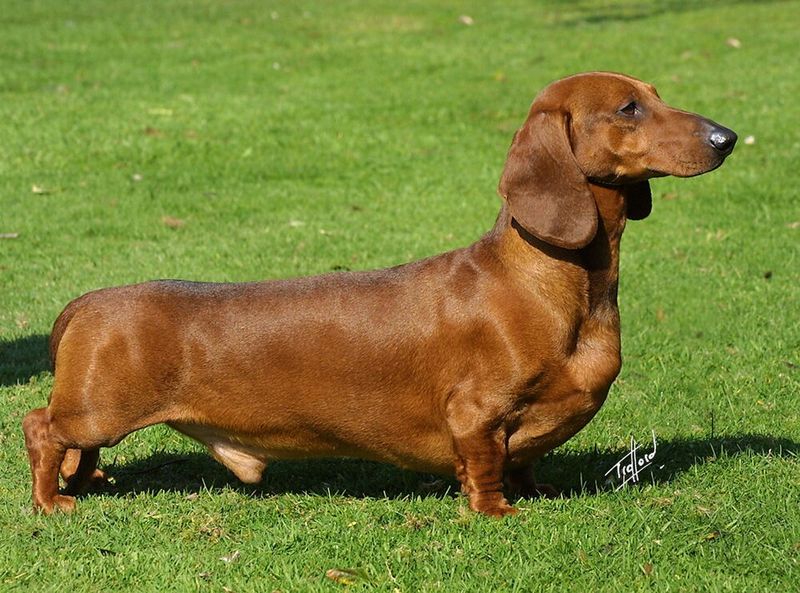
Dachshunds are brave little explorers with surprisingly sensitive bellies. Rapid food changes, fatty scraps, and stress can all send stools sideways.
Their long backs also mean pain can look like tummy trouble, so watch posture carefully.
Use small, regular meals and keep exercise gentle after eating. A simple, digestible formula with steady protein helps reduce flareups.
Probiotics and pumpkin may firm stools without harsh additives. If your dog hunches, trembles, or refuses food, call the vet, because back pain can mimic stomach issues.
Avoid bones and heavy treats that linger in the gut. With measured routines, your Doxie can patrol the house confidently, minus the late night bathroom sprints that catch new owners off guard.
Cavalier King Charles Spaniel

Cavaliers are gentle companions who often have delicate digestion. Stressful days, rich snacks, and sudden food changes can bring on gurgles and loose stools.
You might notice picky eating paired with occasional vomiting after excitement or travel.
Try a calm routine with measured, predictable meals and limited ingredient options. Probiotics and a modest fiber boost may help stabilize things without upsetting appetite.
If your Cavalier has a heart condition, ask your vet about sodium and fat considerations that also impact digestion. Keep treats simple and avoid greasy leftovers that linger overnight.
When diarrhea lasts beyond a day, bring a stool sample to the appointment. With patience and structure, that sweet, silky friend keeps cuddling instead of racing for the yard.
Weimaraner
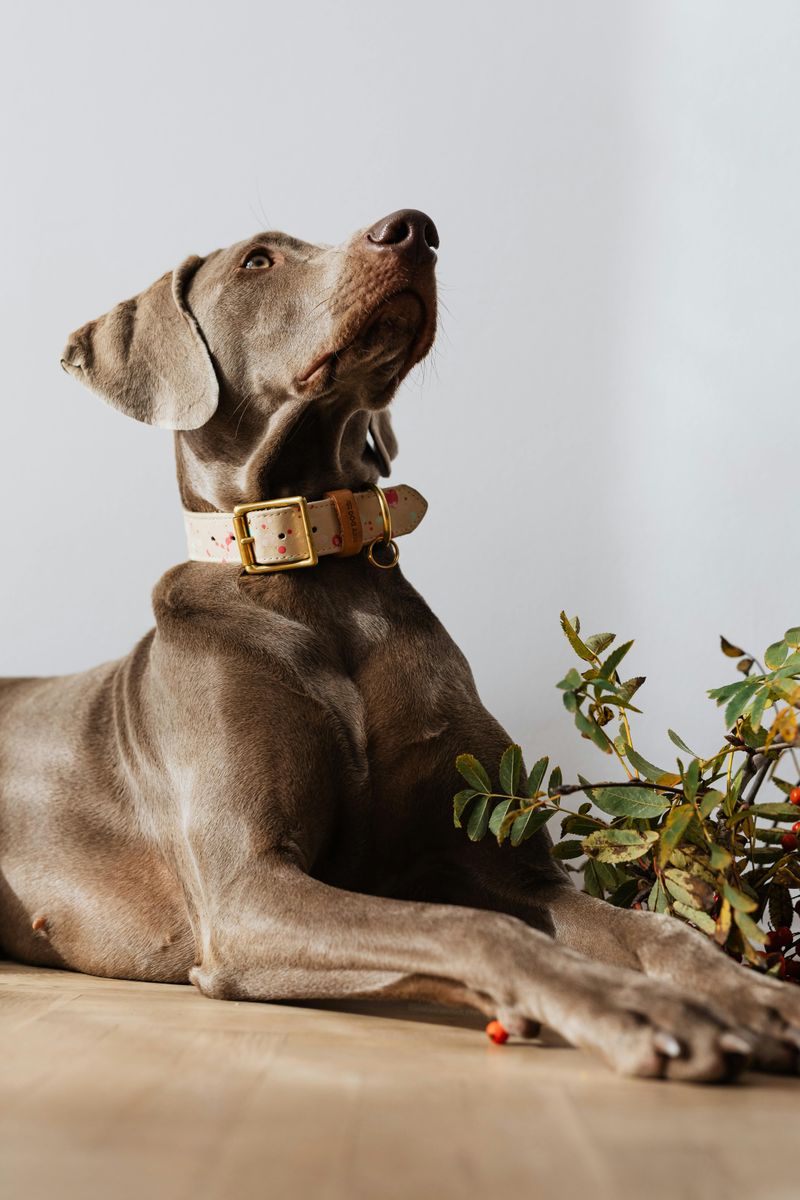
Weimaraners are athletic and sensitive, which can translate to unsettled stomachs. Excitement, fast eating, and intense workouts near mealtime often trigger vomiting or gas.
Some Weims are picky yet still get diarrhea after quick diet switches.
Feed smaller portions more frequently and separate meals from vigorous exercise. Slow feeders help tame that eager pace, while probiotics and gentle fiber may add consistency.
Limit spicy or fatty table scraps that boomerang overnight. Keep a food and symptom diary to spot repeat offenders faster.
Watch for signs of bloat, including restlessness or trying to vomit without producing anything. When patterns repeat, discuss a limited ingredient or hydrolyzed plan with your vet so those elegant runs end with content bellies.
Irish Setter
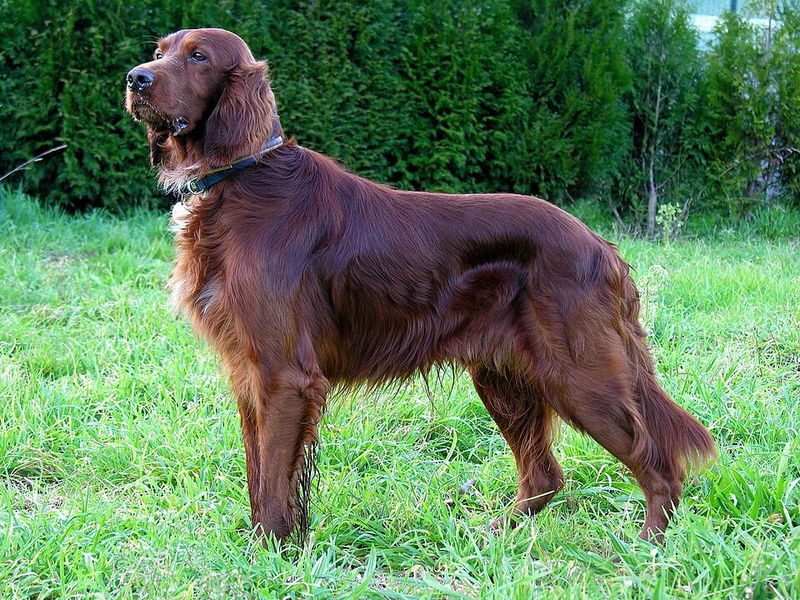
Irish Setters glow with enthusiasm, but their intestines can be temperamental. Loose stools often follow rich foods, roughhousing after dinner, or sudden diet changes.
Some develop chronic sensitivities that make travel days especially tricky for digestion.
Stick to predictable meals and bring a bland backup ration on trips. Use slow transitions for any new formula, and keep treats minimal during training bursts.
Probiotics, omega 3s, and gentle fiber can steady things without sapping energy. If diarrhea persists or you notice weight loss, ask about fecal testing and a food trial.
Pay attention to bloat risks in deep chested breeds and avoid hard exercise near mealtime. With calm routines, that flame coated athlete stays joyful without the surprise midnight cleanups.