
Some dogs thrive on routines that pull you outside and into the elements. When those habits become shared rituals, the bond that forms feels unbreakable.
From sunrise trail loops to snowy fetch sessions, these breeds come alive when there is a plan, a path, and a purpose. Ready to build connection through fresh air, steady movement, and a little grit?
Norrbottenspets
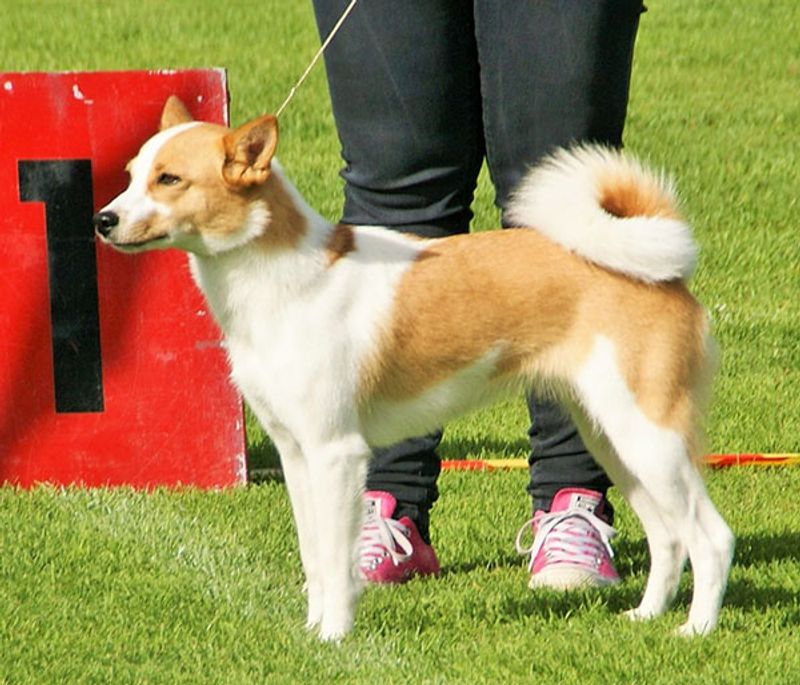
The Norrbottenspets bonds best through consistent, outdoorsy rituals that spark its hunting heritage. Try dawn walks along quiet trails, using short whistle cues and check-ins to channel focus.
Mix in scent games like find the hidden treat across a piney path, reinforcing returns with calm praise.
Weekends can feature structured exploration: twenty minutes of brisk hiking, a sit-and-watch break, then another leg. That cadence keeps excitement manageable while building trust.
The dog learns your pace, and you learn to read its tail curls and ear flicks.
Cold weather suits this spitz, so layer up together. Keep sessions short but frequent, logging progress in a simple notebook.
Over time, those patterned outings create a confident partner who looks to you for the next adventure.
Jämthund
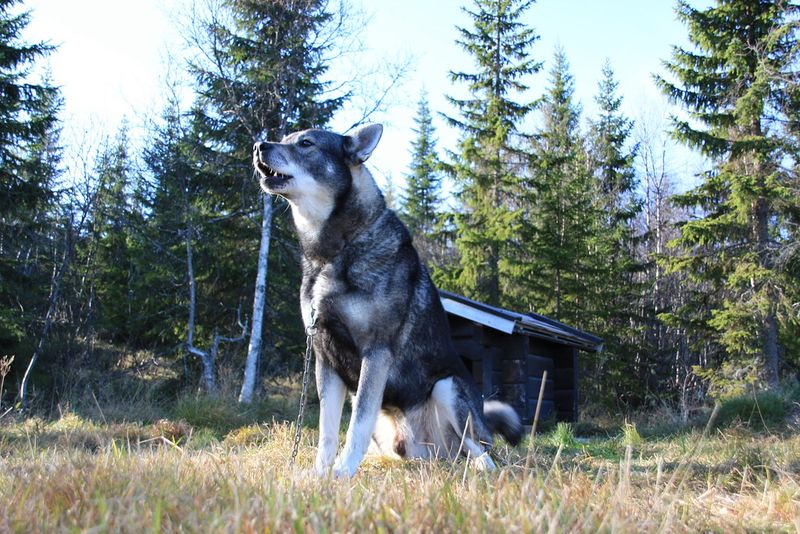
The Jämthund thrives on purposeful movement, so plan steady hill hikes and snow treks. Start with a warmup loop, then alternate incline climbs with flat recovery segments.
Add backpack carries at low weight, teaching calm starts and controlled halts.
Because this breed is thoughtful and driven, build a routine that includes observation. Practice long down-stays at overlooks, rewarding quiet focus on birds or distant hikers.
That stillness lets energy settle and deepens your shared communication.
Rotate jobs: pulling an empty sled, dragging a lightweight line, or pacing beside a bike at a safe trot. Predictable cues and post-outing decompression matter.
When your patterns repeat, trust grows, and the Jämthund leans into teamwork eagerly.
Karelian bear dog
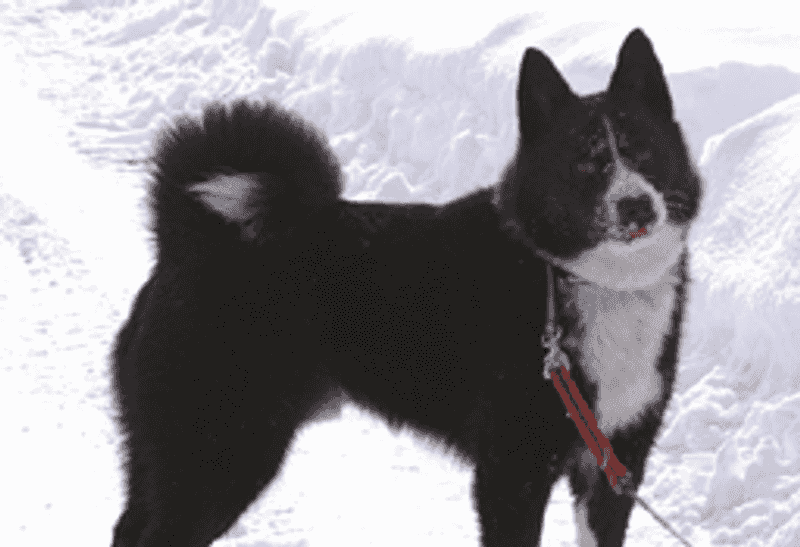
The Karelian bear dog demands structure that channels bold instincts. Create a consistent route beside water or woodland, then integrate scent drags that end in a calm sit.
Keep the line long, offering responsibility with safety.
Bonding grows when you set clear jobs: tracking a glove, circling back to heel, then waiting before release. Alternate these tasks with power hikes to ease intensity.
Teach a reliable recall using progressive distance and high-value rewards.
Finish every outing with decompression on a quiet path, letting curiosity unwind. Log conditions, wind direction, and success rates so your routine evolves thoughtfully.
With repetition and fair leadership, this brave partner learns that working together is the ultimate prize.
Finnish spitz
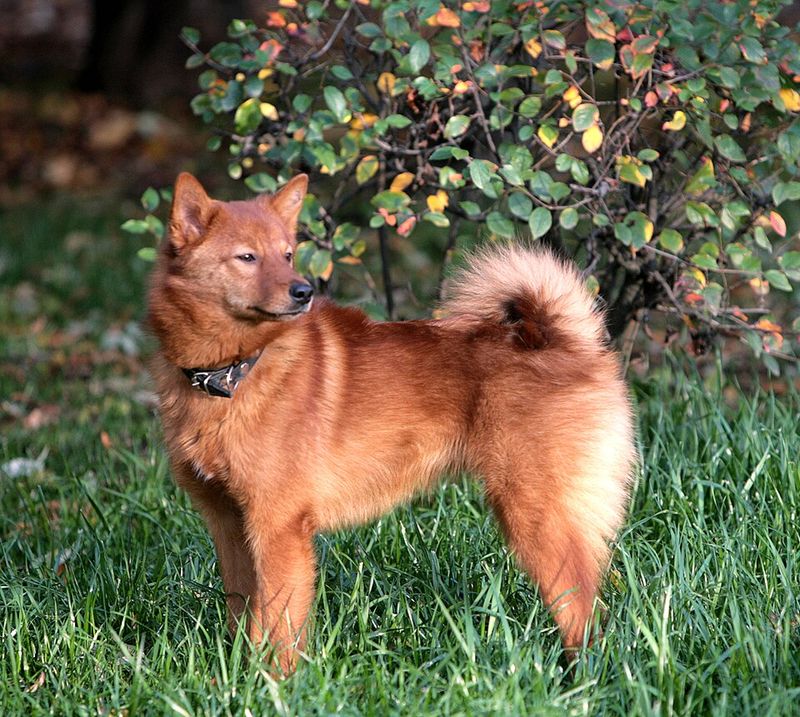
The Finnish spitz shines with upbeat, vocal energy, so outdoor routines should feel playful yet focused. Try interval jogs on soft trails, sprinkling in quiet sits to reset excitement.
Build a sniff-and-search ritual where you hide tiny targets under leaves.
Because this breed can alert-bark, add a cue that marks discovery silently, then celebrate with movement. Use whistle patterns to guide pace changes, rewarding quick turns and returns.
Short, frequent sessions curb overstimulation and tighten teamwork.
End with a calm survey of the woods, standing together and listening for birds. That shared pause becomes your anchor.
Over weeks, the predictability of routes, signals, and cool-downs nurtures trust and channels spark into joyful cooperation.
Norwegian buhund
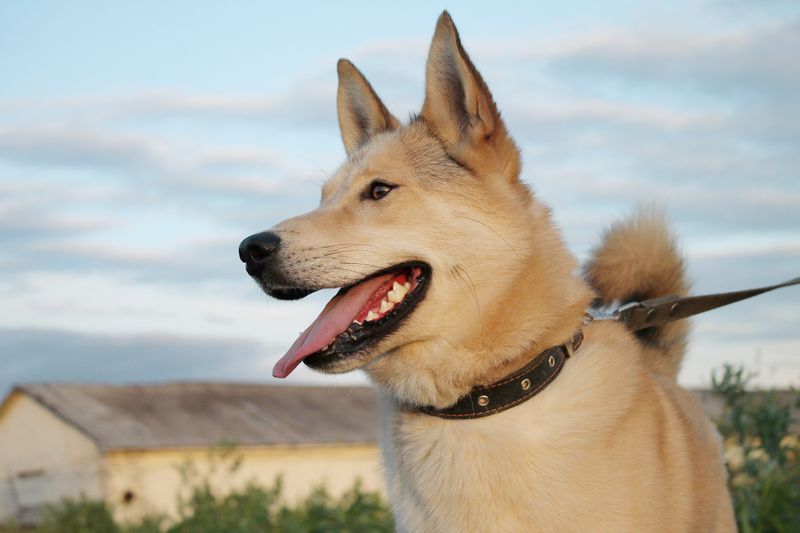
The Norwegian buhund bonds through lively, structured fun. Design a beachside or meadow loop that includes short sprints, directional changes, and simple jump cues.
Use a lightweight long line to encourage confident exploration with easy check-ins.
Introduce micro-agility outside: hop over driftwood, weave around bushes, and pause on rocks for balance work. Mark accurate efforts with upbeat praise.
Keep segments short so enthusiasm stays bright, then offer a sniff break to reset.
Because buhunds are social problem-solvers, invite occasional group walks with clear rules. Practice polite passing, side-by-side trotting, and synchronized sits.
The repeating pattern of movement, task, and rest turns scattered energy into partnership, strengthening your connection every single outing.
Norwegian elkhound
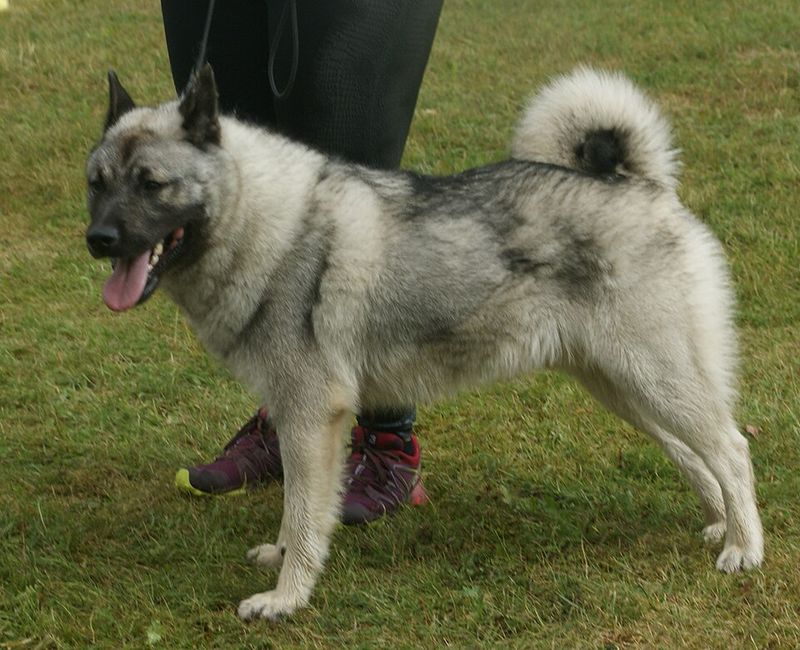
The Norwegian elkhound loves steady work and crisp air. Build a ridge-walk routine with firm footing and gentle elevation.
Start with a cadence: ten minutes brisk, two minutes sniff, then a checkpoint sit where you scan the horizon together.
Leverage that independence by assigning jobs: carry a small pack, hold a down during photo breaks, or lead on wide paths then yield at narrow passes. Reward clean transitions.
Consistency makes expectations clear and respectful.
Cool down along water or soft moss paths, checking paws and brushing out debris. Track mileage and rest days to prevent overexertion.
With repetition, the elkhound learns your rhythm, and you earn reliable attention despite wind, wildlife, and wide Nordic views.
Icelandic sheepdog
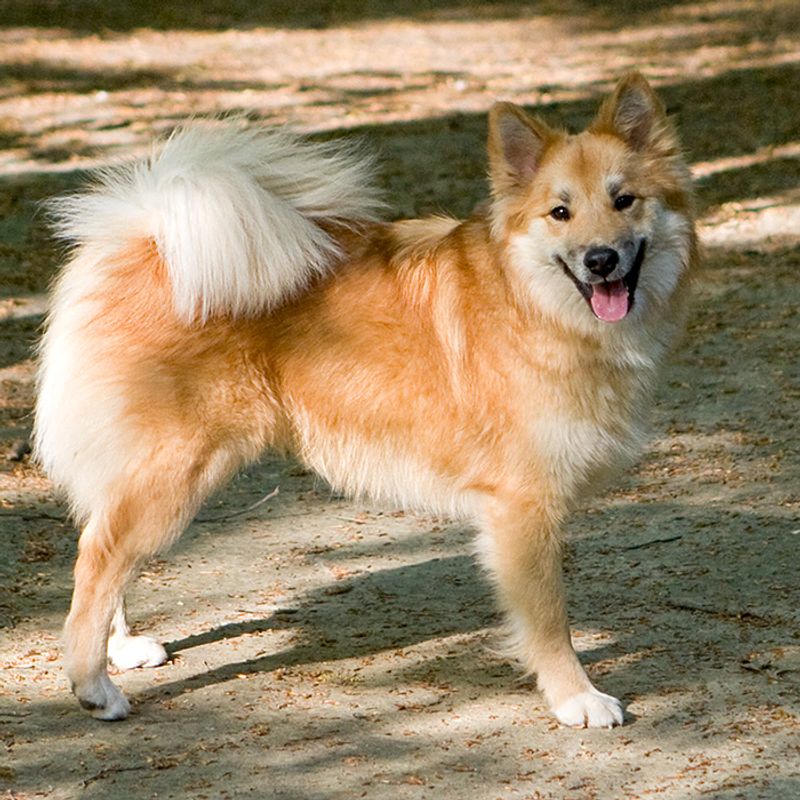
The Icelandic sheepdog bonds through nimble patterns and cheerful communication. Build a looping path across varied terrain, then practice flanks around markers like rocks or posts.
Use clear verbal cues partnered with hand signals to keep things upbeat and predictable.
Mix in quick recalls, settles, and platform pauses on flat stones. Reward with tug or a brief chase after a tossed toy.
Keep sessions breezy and frequent so excitement stays productive.
Finish with a shared lookout, breathing together while watching clouds sweep by. That quiet moment reinforces teamwork after zippy work.
Over time, your consistent sequence of movement, skills, and reflection helps this bright herder tune into you beautifully outdoors.
Finnish lapphund
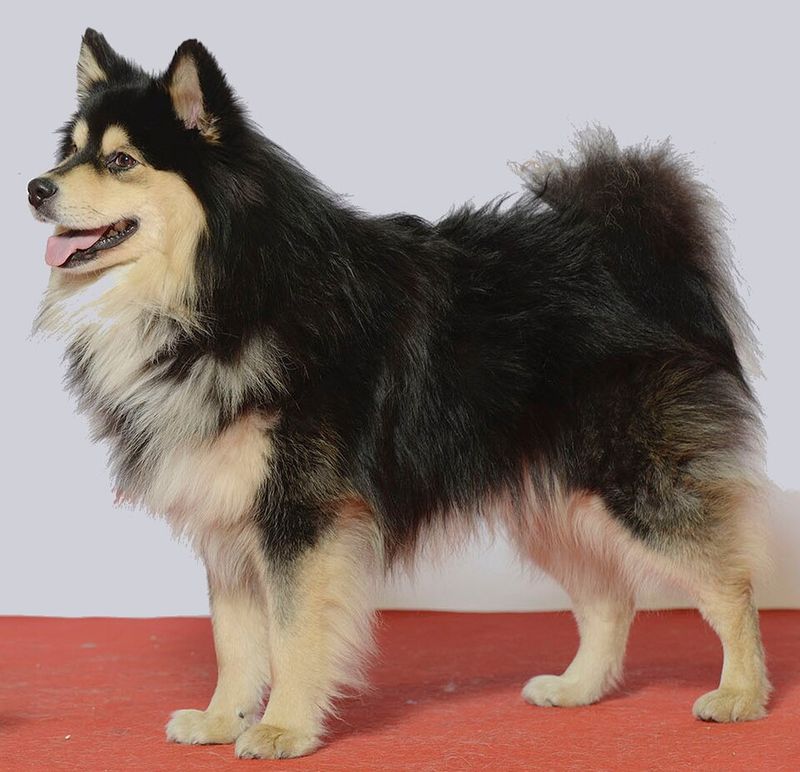
The Finnish lapphund connects through calm structure and warmth. Create a snow-walk routine with soft starts and predictable checkpoints.
Practice nose touches to your palm at waypoints, then a brief heel to reset excitement.
Incorporate simple rally-style moves: 180 turns, sits, and downs beside trail signs. Use gentle praise and snacks that work in the cold.
Keep fur dry, monitoring paws for ice buildup.
Wrap up with a cuddle and brush-down at the trailhead, turning care into ritual. Document temperatures, distance, and mood so you can tailor effort.
This thoughtful pacing keeps the lapphund confident and eager, and your shared winter habits become the heartbeat of your bond.
Lapponian herder
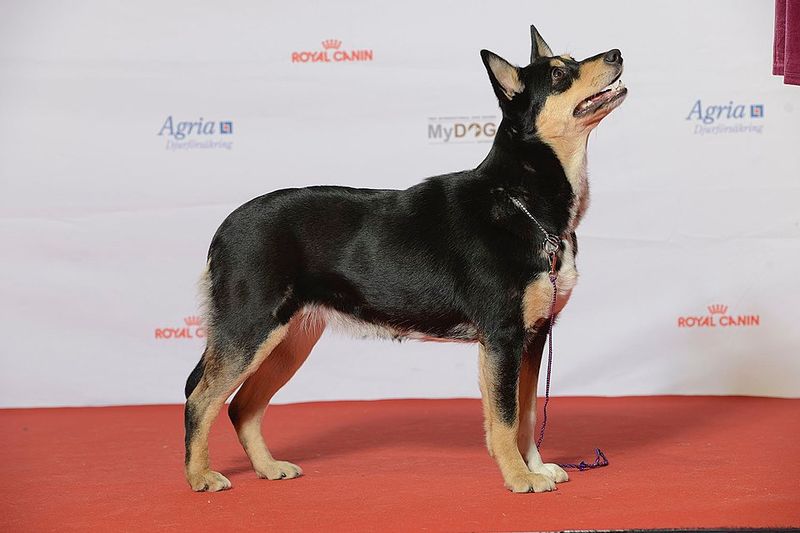
The Lapponian herder thrives on brainy tasks within steady mileage. Map a tundra-style loop and place cones for figure-eights, flanks, and outruns.
Keep cues crisp and let the dog collect itself at each marker before release.
Alternate working zones with relaxed sniffing stretches so pressure stays healthy. Practice impulse control at wildlife scents, rewarding eye contact and thoughtful choices.
Progress gradually, tracking success in a simple log.
End with stretching and a warm-down trot back to the car. You will feel communication sharpen as patterns repeat and expectations stay kind.
This balance of structure and freedom turns ambitious energy into reliable partnership that lasts beyond the trail.
Swedish lapphund
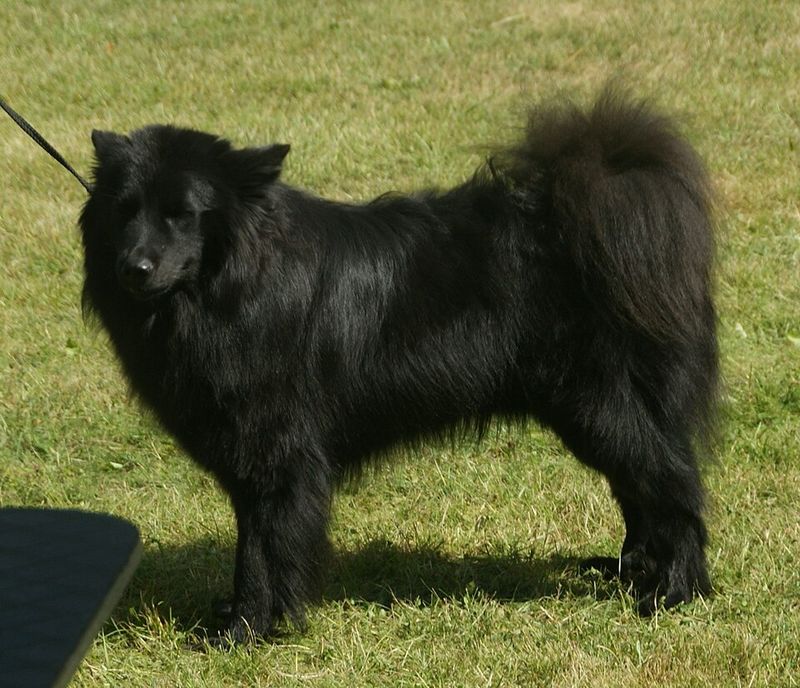
The Swedish lapphund is people-focused and expressive, which makes scent-centric routines a perfect fit. Choose a shady forest loop and stage easy hides along the way.
Mark finds softly, then share a joyful trot to the next station.
Between searches, sprinkle in manners practice at trailheads and picnic spots. Calm greetings, loose-leash walking, and polite passes pay off.
Keep your voice gentle, letting consistency do the heavy lifting.
Close with a quiet rest on a blanket, brushing and checking paws while you sip water. That care ritual seals the outing emotionally.
Over weeks, your dog starts anticipating the flow, and the bond strengthens through reliable, kind repetition outdoors.
Yakutian laika
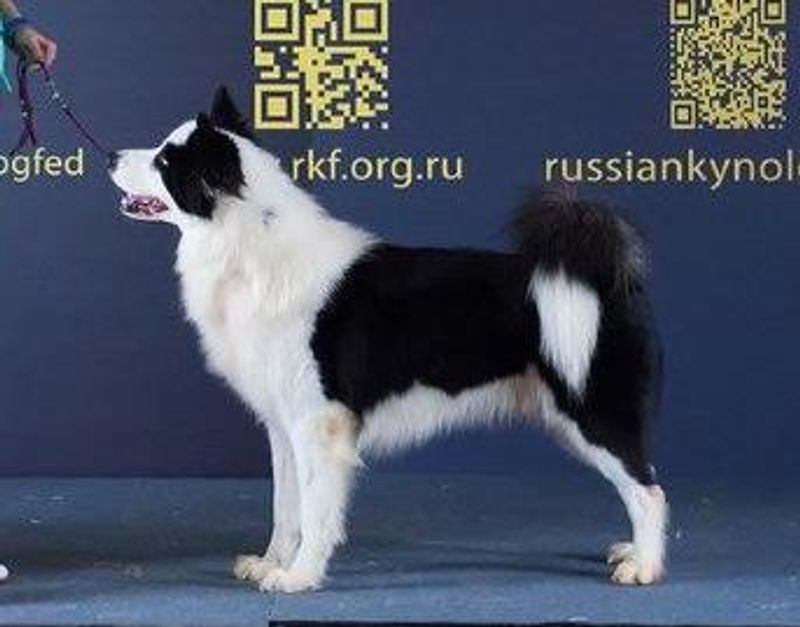
The Yakutian laika bonds through purposeful winter work. Start with brisk snow walks, then add short runs beside a kicksled or skier at an easy pace.
Teach clear start and stop cues, plus a centered wait before each release.
Rotate tasks: hauling an empty pulk, practicing directionals, and doing post-run cool-downs. Keep surfaces safe and check for ice between toes.
Reward with warmth, water, and a calm voice.
Journal distances and rest days, adjusting for conditions. This routine acknowledges heritage while honoring modern safety.
The rhythm of effort, listening, and recovery builds deep mutual trust, and your laika will watch you for the next green light.
Greenland dog
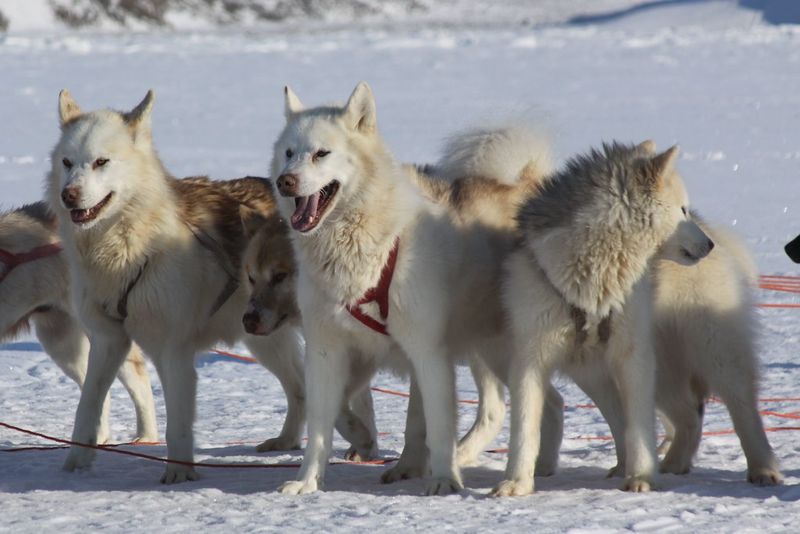
The Greenland dog excels when outdoor routines respect endurance. Build progressive mileage with clear benchmarks and generous rest.
Start with moderate pulls on packed snow, teaching steady lines and patient hooks at stops.
Incorporate teamwork drills: two-dog pairs learning synchronized starts, then larger configurations. Practicing patience before launch strengthens impulse control and trust.
Keep hydration warm and frequent.
Off-duty, add loosening walks and gentle stretching to protect muscles. Track weather, wind chill, and route surfaces carefully.
Over time, your dependable cadence and fair expectations create a partnership that thrives in tough elements and celebrates every clean, quiet stop together.
Canadian eskimo dog
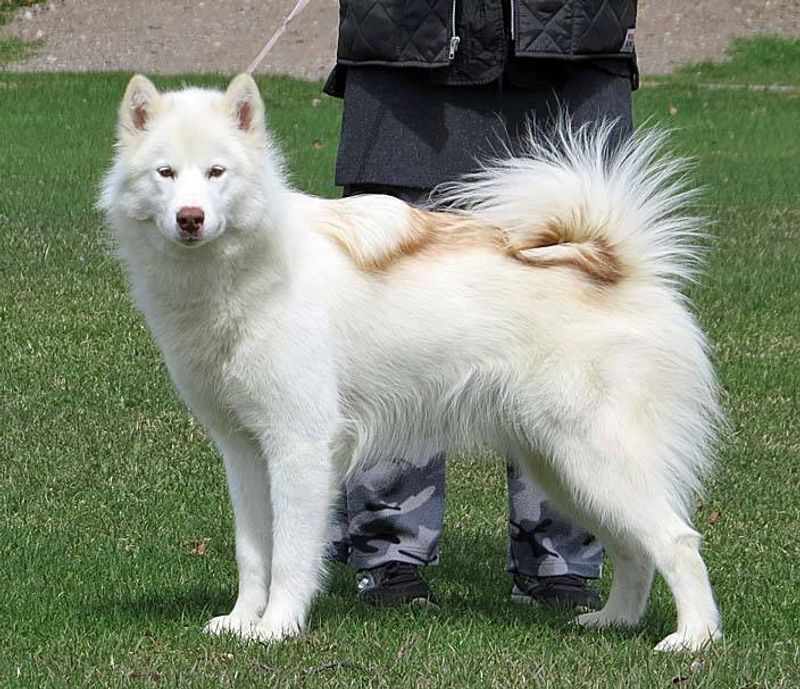
The Canadian eskimo dog bonds through honest work and ritual. Begin each outing with a gear check and calm harnessing sequence, then practice a firm line-out before movement.
Keep early runs short and steady to reinforce rhythm.
Rotate in mental tasks: holding a down while others pass, turning on voice cues, and waiting patiently at checkpoints. Reward with warmth, calm touch, and measured praise.
Safety checks for paws and shoulders should be routine.
Cool down on wind-sheltered paths, letting the nervous system settle. Record distances, conditions, and behavior so your plan evolves intelligently.
With repeating patterns and kind leadership, this dignified worker becomes a loyal teammate who reads you effortlessly outdoors.