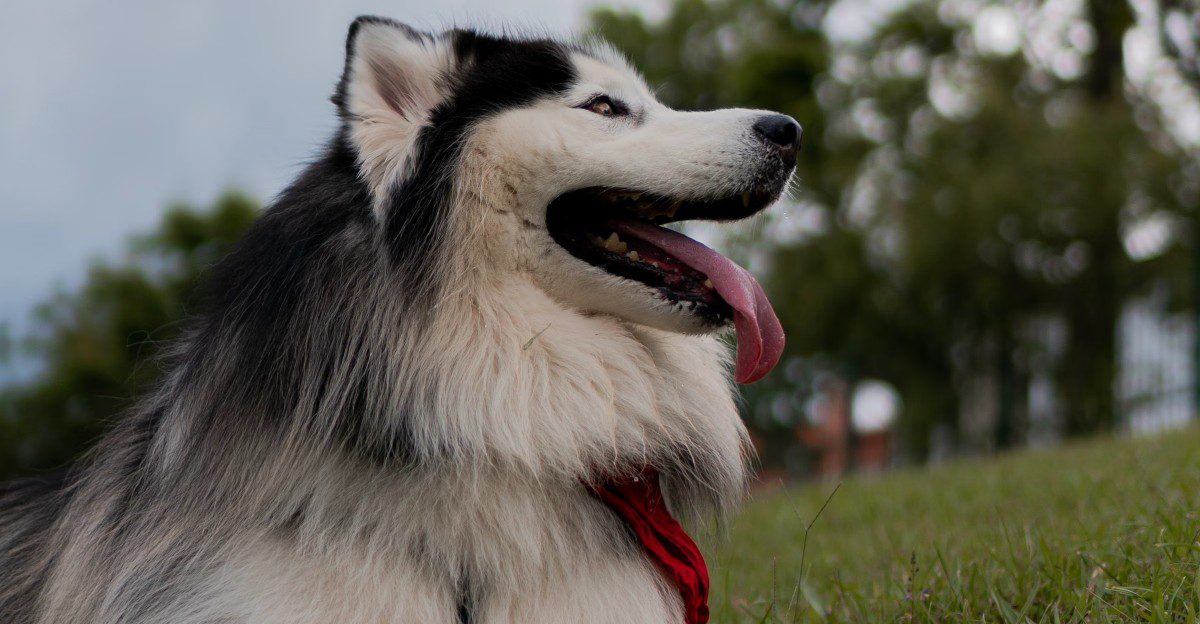
Some dogs learn sit and stay in a single afternoon, while others look at you like you asked them to do math. Stubborn breeds are not dumb at all.
Many were bred to think for themselves, hunt alone, or pull sleds without waiting for orders. Once you discover what truly excites your dog, training can go from frustrating to fun.
Beagle
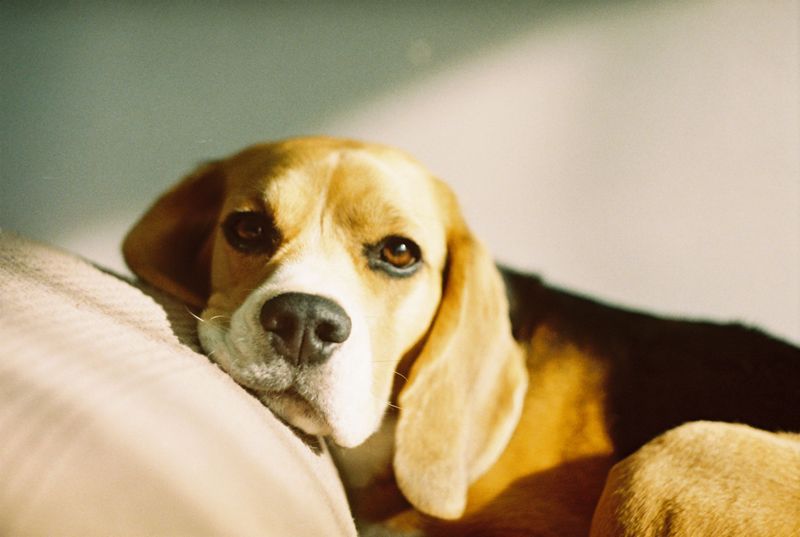
Ever called a Beagle while it was following a smell? You probably got ignored.
That famous nose was built for tracking rabbits across fields, and it often wins over your voice.
Food is the golden key here. Tiny, smelly treats like chicken or cheese can grab attention fast.
Try short sessions, around five minutes, and use scent games as rewards. Hiding treats for your Beagle to find turns its biggest distraction into your best teaching tool.
Dachshund
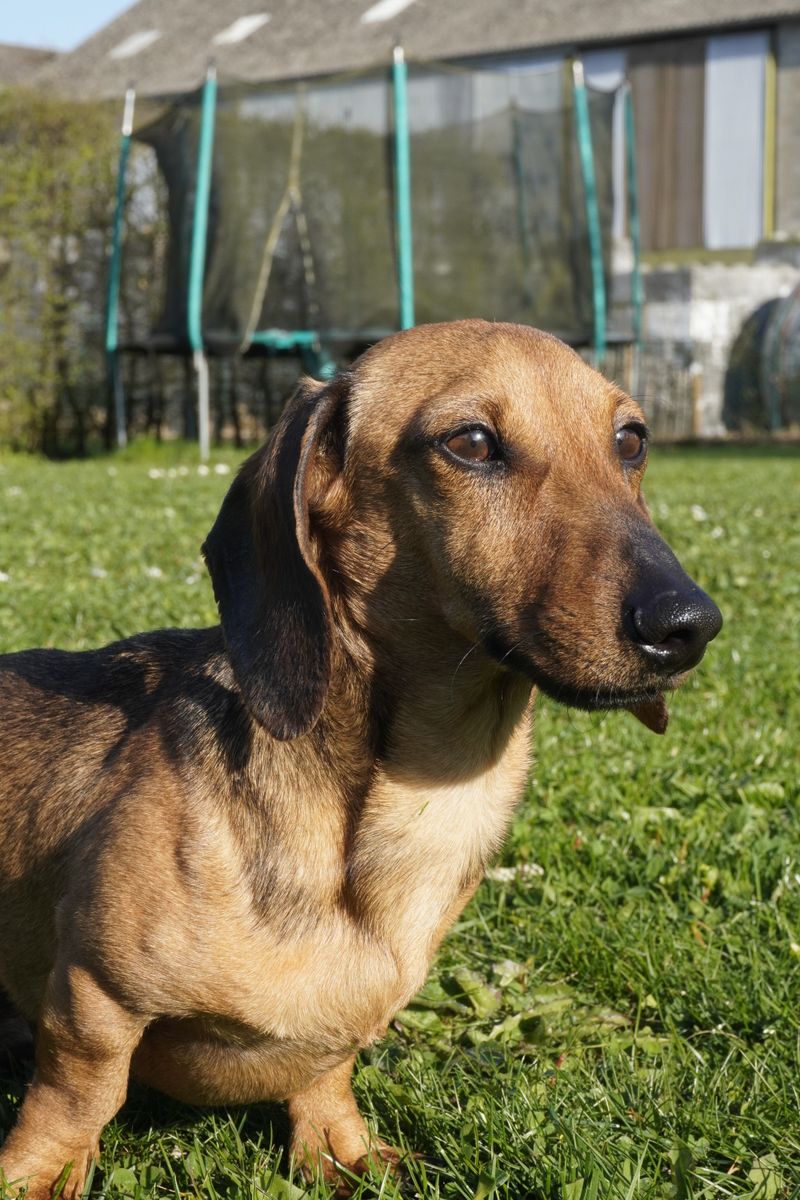
Small body, giant opinions. Dachshunds were bred in Germany to chase badgers into tunnels, a job that required serious courage and zero hesitation.
That bold spirit can make a wiener dog act like the boss of the house. Harsh words usually backfire and create a sulky pup.
Instead, keep things upbeat with praise, a favorite squeaky toy, and lots of repetition. Potty training may take extra time, so stick to a steady schedule and celebrate every success.
Siberian Husky
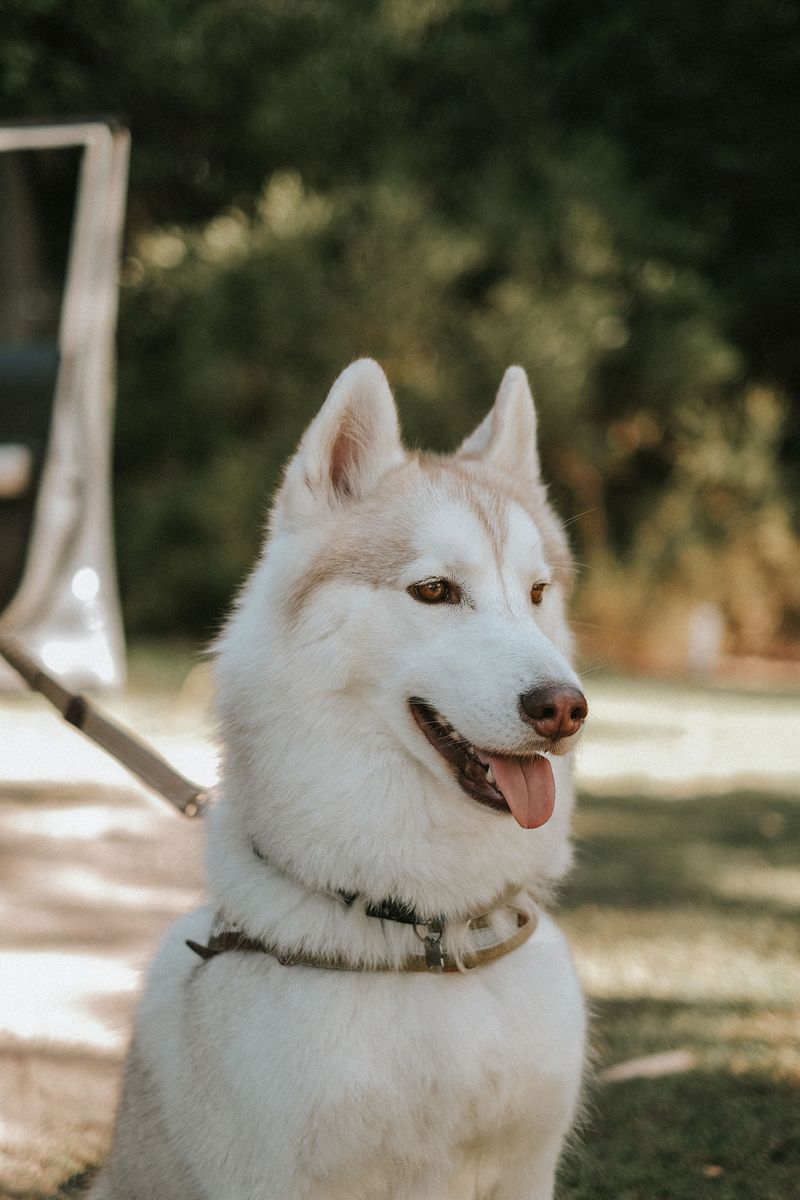
Picture a dog that talks back, literally. Huskies howl, grumble, and “argue” when they disagree with your plan.
Bred to run long distances pulling sleds in Siberia, they have endless energy and an independent mind. A bored Husky will invent its own fun, like escaping the yard.
Exercise first, train second. A long run or game of tug before lessons helps a lot.
Mix up commands often so your clever pup never feels stuck in a boring routine.
Shiba Inu
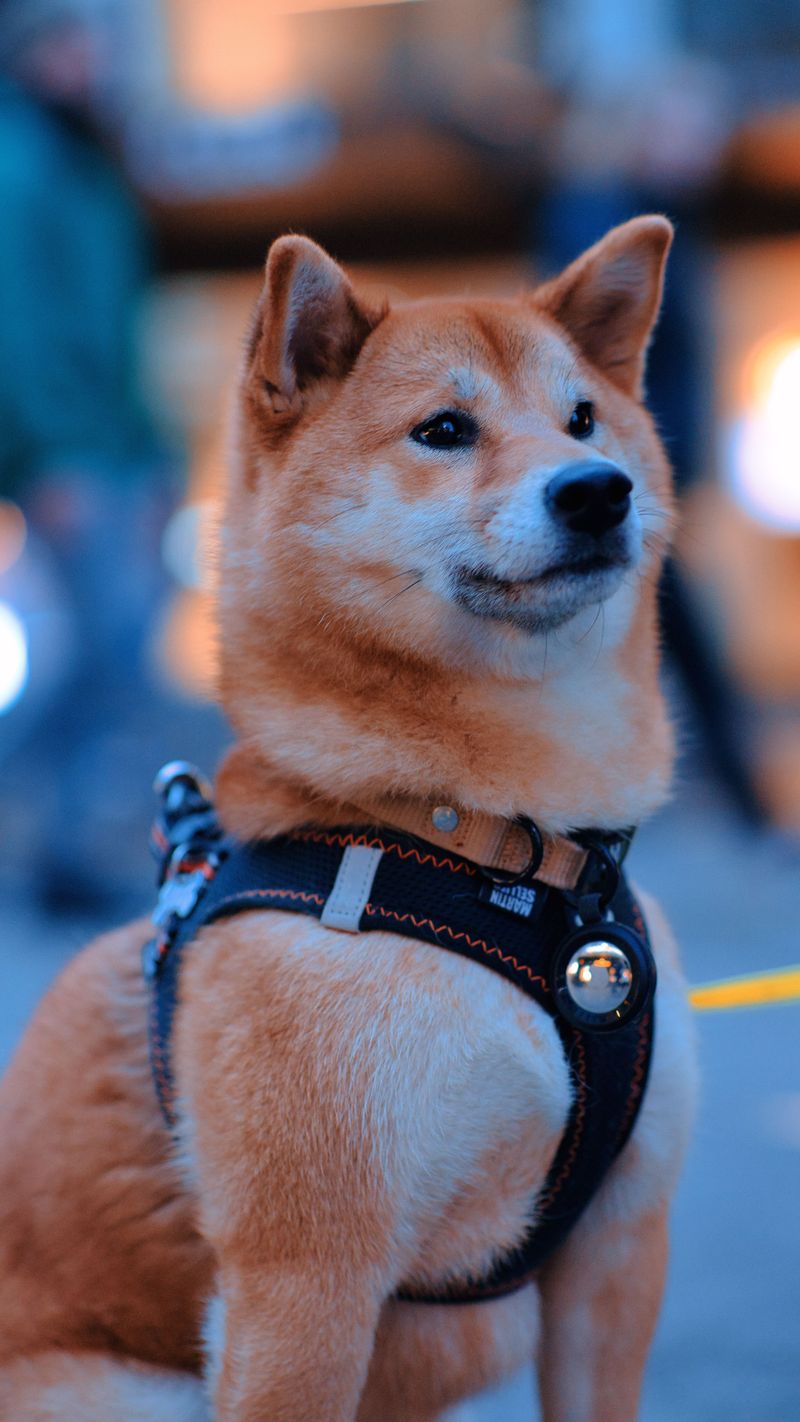
Did you know the Shiba Inu is one of Japan’s oldest breeds? These foxlike dogs carry themselves with catlike pride and decide for themselves when to listen.
Many owners joke that Shibas treat commands as polite suggestions. They also hate being handled, so grooming and nail trims need slow practice.
Respect works better than pressure. Offer high-value rewards, keep lessons calm, and never force cuddles.
Trust built over weeks pays off with a loyal, surprisingly cooperative friend.
Basset Hound
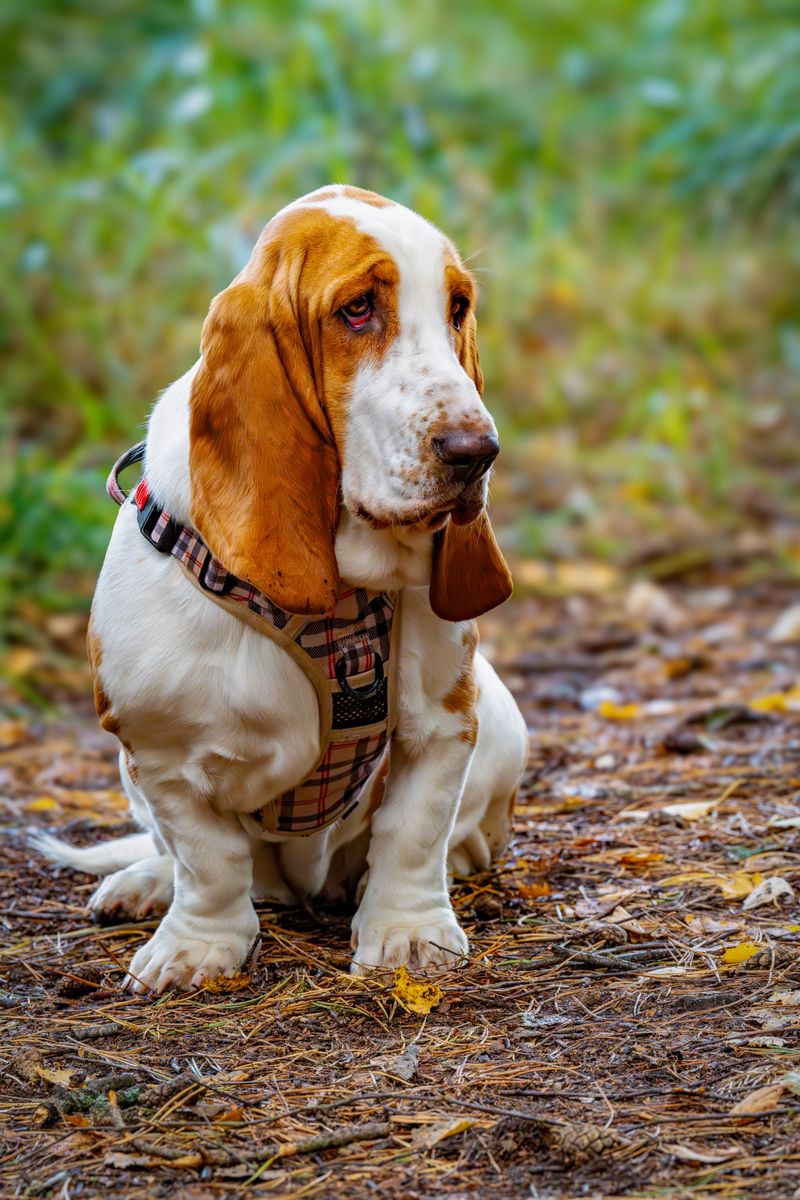
Those sad, droopy eyes can melt anyone. Behind them, though, lives a laid-back hound who would rather nap than practice heel.
Bassets were bred in France to track scents slowly and steadily. Rushing them simply does not work.
Their long ears even help sweep smells toward the nose.
Patience and snacks are your best friends. Use small portions, since this breed gains weight easily.
Keep training gentle and cheerful, and your couch potato will eventually shuffle along happily.
Jack Russell Terrier
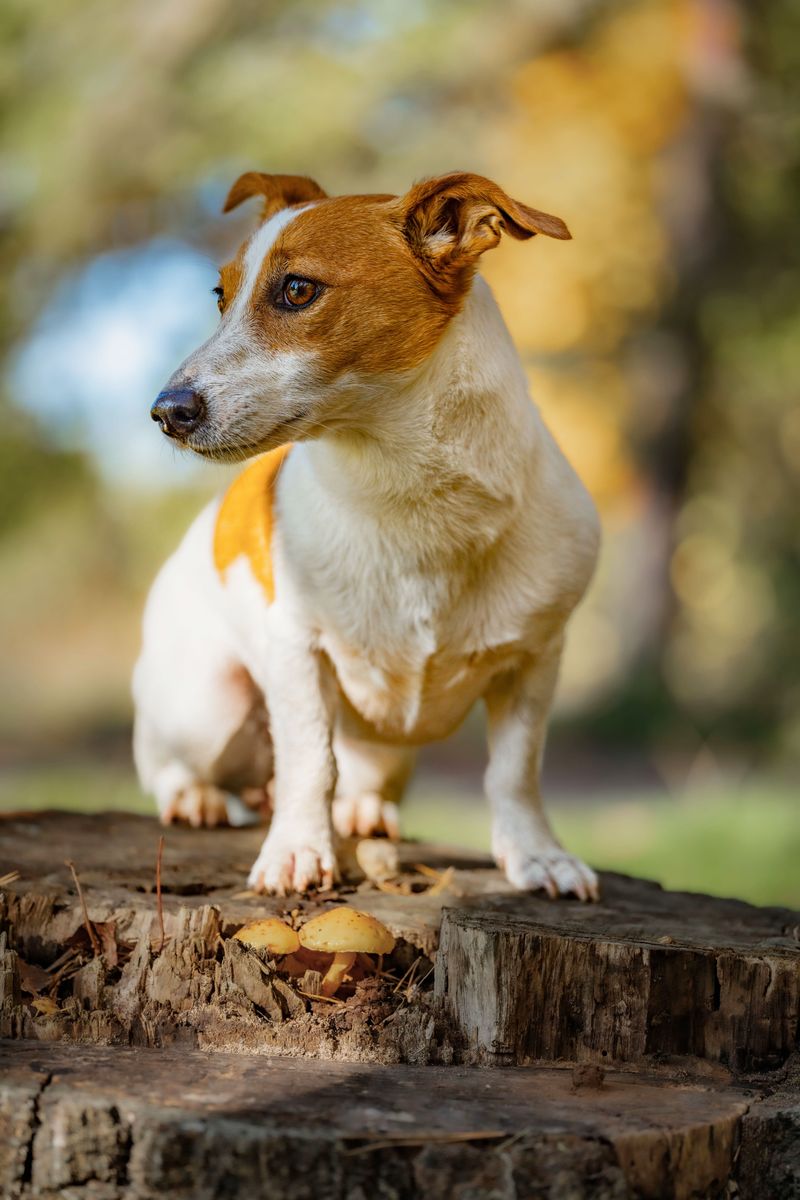
Bounce, bark, dig, repeat. Living with a Jack Russell feels like hosting a tiny tornado with a brain.
The trouble is not intelligence. These fox-hunting terriers learn fast, maybe too fast, and get bored of repeating the same trick.
Channel that wild energy into games. Fetch, agility tunnels, and puzzle toys make excellent rewards.
Teach a new trick every week to keep things fresh. A tired Jack Russell is a much better listener than a restless one.
Scottish Terrier
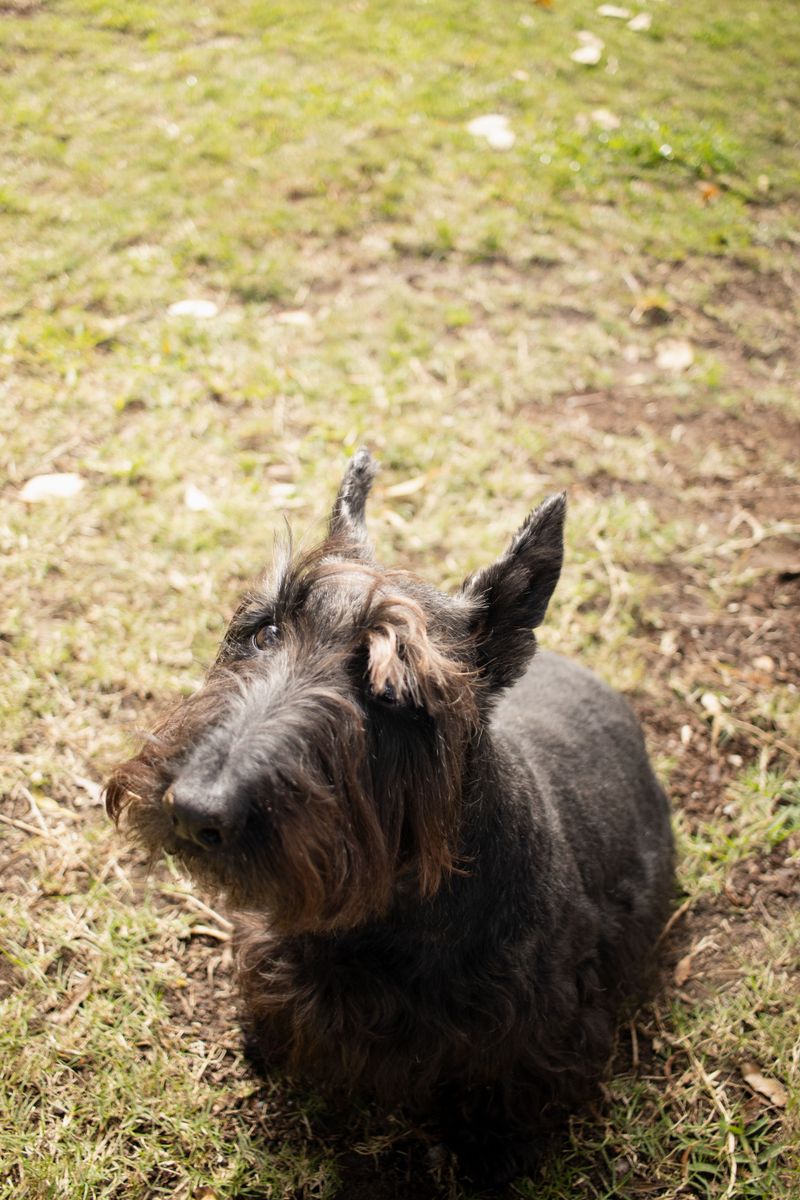
Nicknamed the “Diehard,” the Scottie earned its reputation for grit in the rocky Highlands of Scotland, where it hunted foxes and badgers.
That toughness shows up during training. A Scottie may simply sit down and refuse to budge if it thinks your idea is silly.
Gain respect by being fair and consistent. Short lessons, firm but kind rules, and tasty rewards work wonders.
Once a Scottie decides you are worth following, its loyalty runs incredibly deep.
Chihuahua
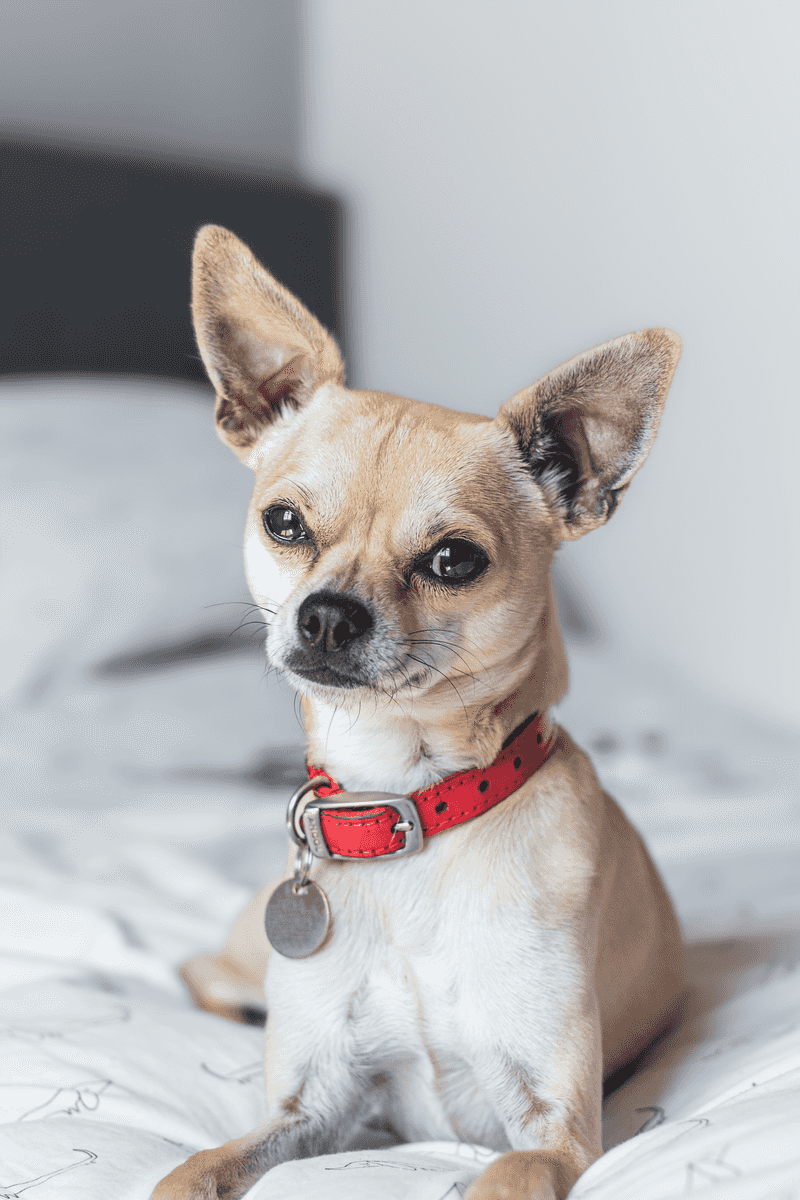
Weighing just a few pounds, a Chihuahua somehow believes it is the size of a lion. That big attitude can make lessons tricky.
Owners often skip training because the dog is so small. Unfortunately, that leads to yappy, bossy behavior.
Treat your Chihuahua like any other dog. Teach sit, stay, and quiet using tiny treats and lots of praise.
Get down to its eye level, too. Feeling safe helps this little one focus much better.
Pekingese
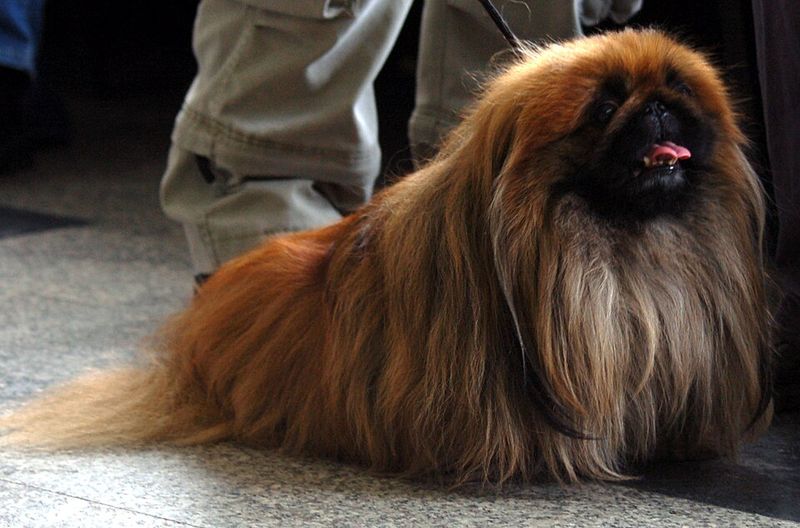
Once owned only by Chinese royalty, the Pekingese still acts like it lives in a palace. Legend even says it came from a lion who fell in love with a monkey.
Royal pups do not enjoy being bossed around. Expect a dignified stare when you ask for a trick.
Flattery helps. Calm praise, gentle petting, and favorite treats make a Peke feel honored to cooperate.
Keep sessions brief, especially in warm weather, since that flat face overheats easily.
Bull Terrier
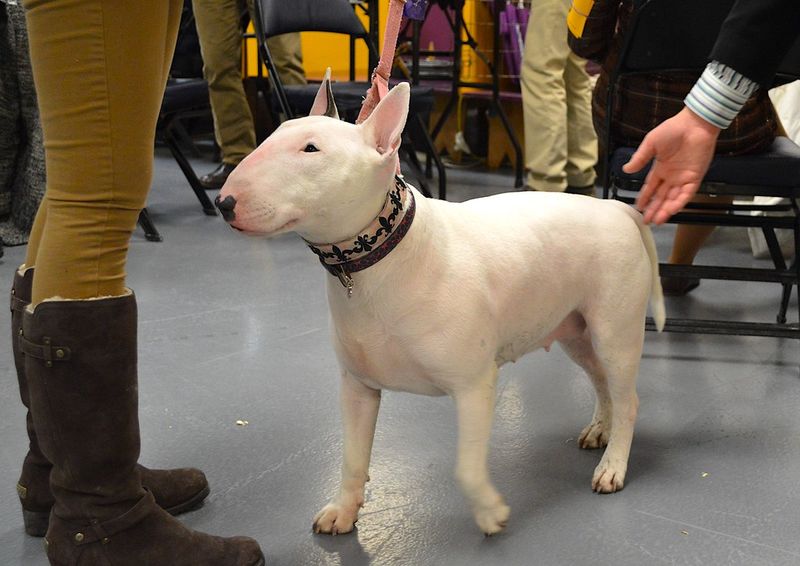
Goofy grin, egg-shaped head, and a mischievous streak a mile wide. Bull Terriers are the class clowns of the dog world.
Their playful nature means they often turn training into a joke. Some even chase their own tails for fun.
Make that silliness work for you. Use toys, tug games, and plenty of laughter as rewards.
Stay patient but consistent with rules. Early socialization matters a lot, helping this muscular jokester stay friendly around other pets.
Akita
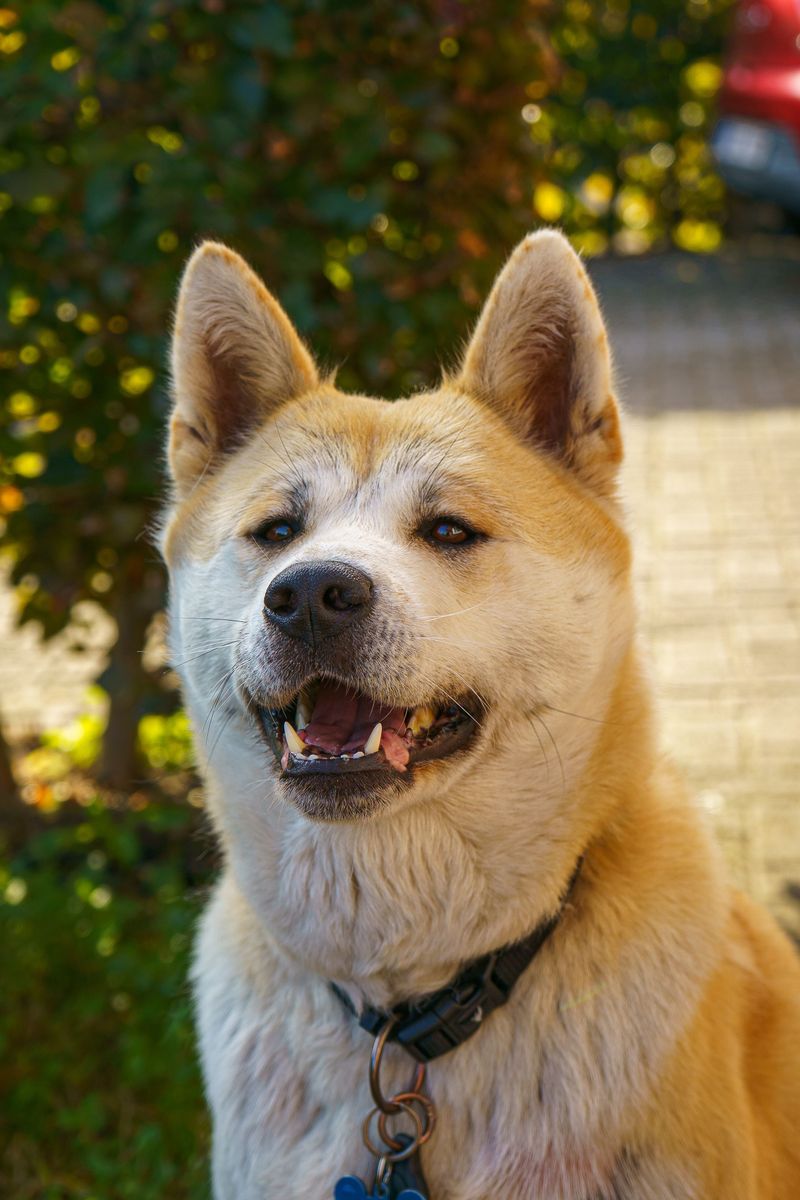
Hachiko, the famous Akita from Japan, waited at a train station for his owner every day for nearly ten years. That story shows the breed’s amazing devotion.
Loyalty, however, does not mean obedience. Akitas are strong, serious, and very independent thinkers.
Earn trust early with calm leadership and steady routines. Rewards should feel meaningful, like special treats or one-on-one time.
Professional classes can help first-time owners handle this powerful, protective dog safely.
Chow Chow
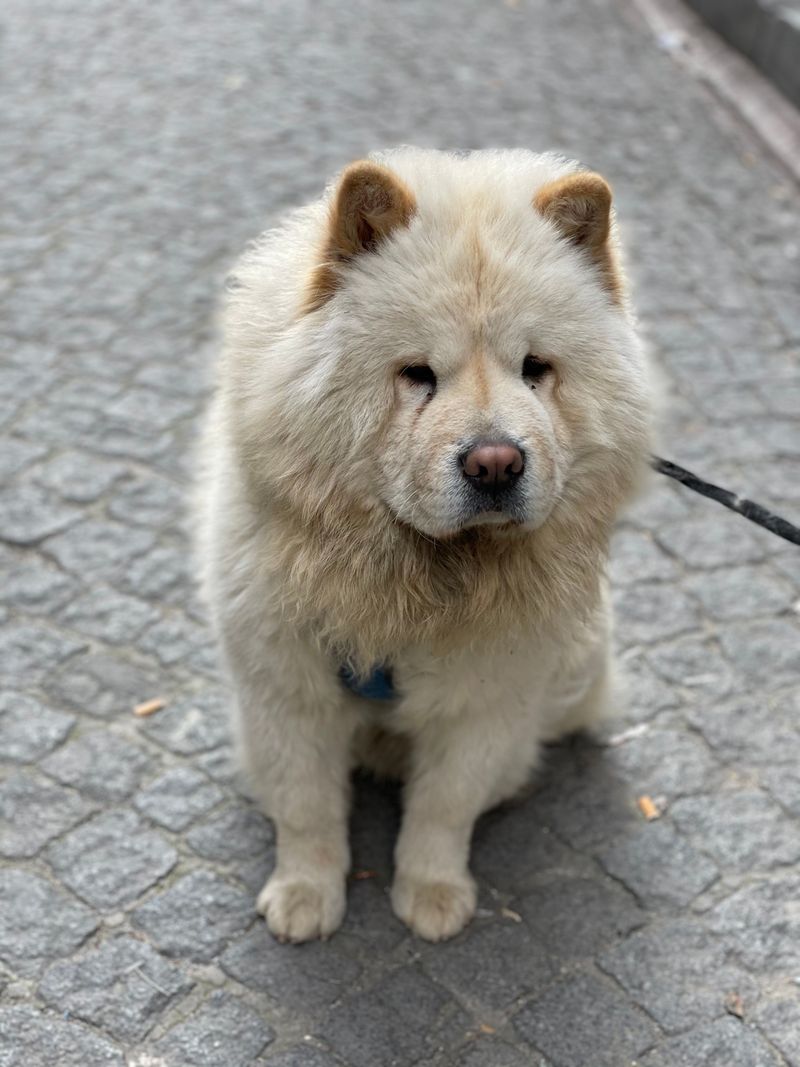
A blue-black tongue and a lion’s mane make the Chow Chow hard to forget. Its personality?
Quiet, proud, and a little aloof.
Chows often bond with just one person and may ignore everyone else. Silly tricks rarely interest them.
Focus on useful manners instead of fancy commands. Start socializing as a puppy, keep your tone calm, and reward good choices with treats.
Over time, this reserved dog shows a sweet, gentle side.
Alaskan Malamute
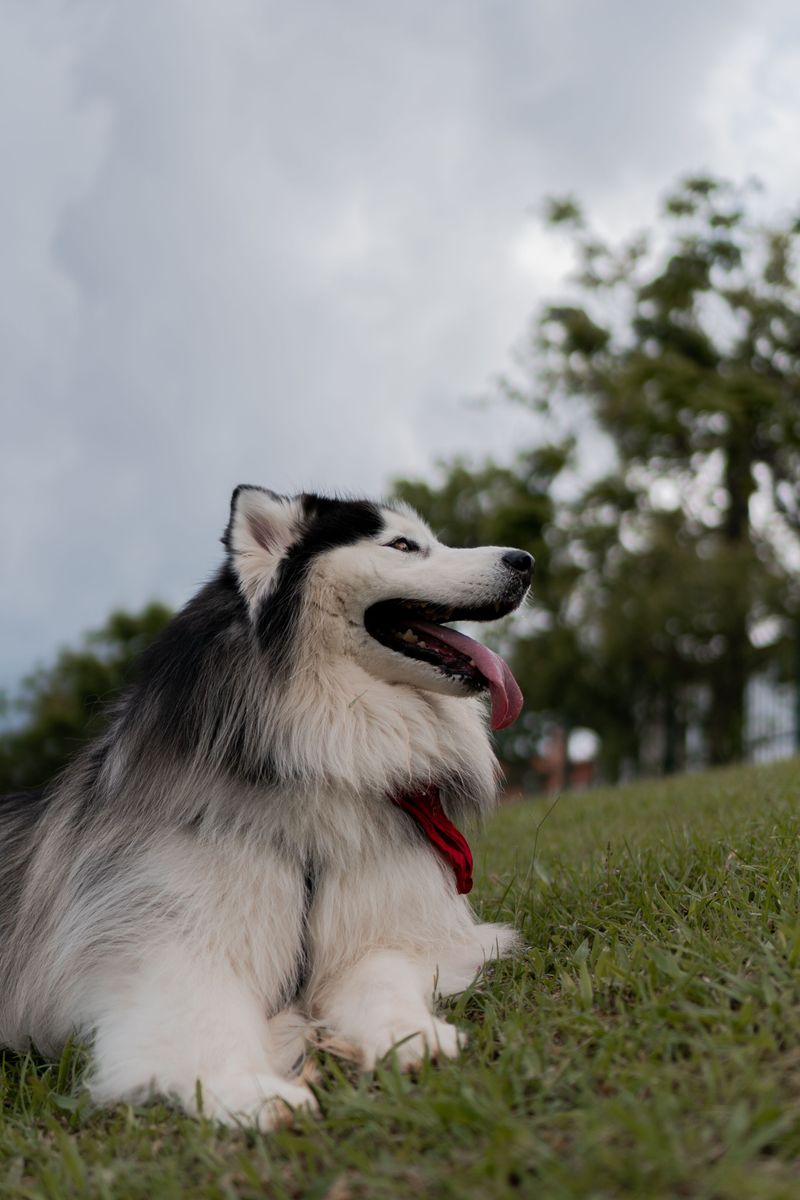
Strong enough to haul heavy freight across frozen Alaska, the Malamute was built for hard work, not sitting pretty on command.
These fluffy giants are friendly but famously stubborn. Ask for the same trick too many times and you may get a dramatic “woo-woo” in reply.
Give them a job. Hiking, pulling a cart, or carrying a dog backpack builds focus.
Pair that work with food rewards, and your Malamute becomes a willing partner.