
Some dogs melt your heart yet make life tricky for your guinea pigs, bunnies, or feathered friends. Prey drive is not misbehavior so much as instinct, and certain breeds feel that pull far more strongly.
With the right management, many households still find a safe rhythm. Let’s explore which dogs may not mix well with smaller pets, plus three that demand extra caution.
Siberian Husky
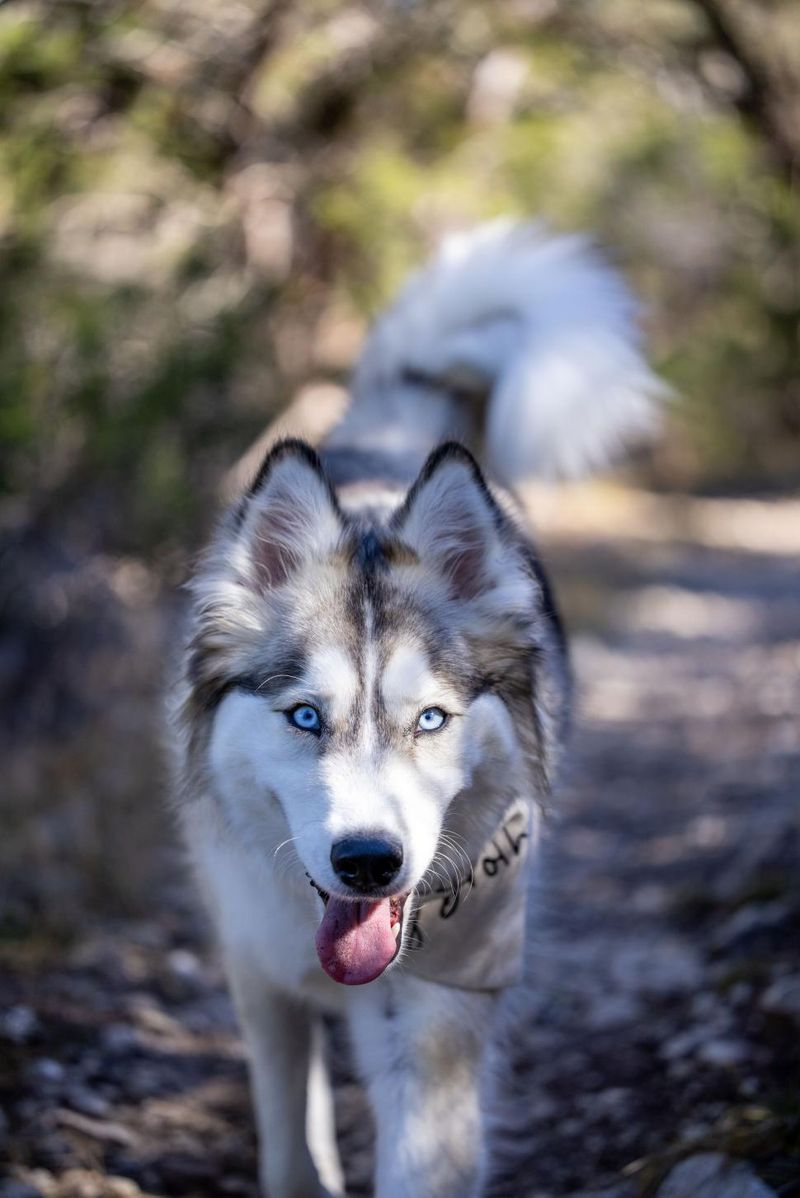
Huskies are stunning athletes, but that beauty hides a strong prey drive that can fixate on cats and pocket pets. Bred to run for hours, they see quick darting movement as an invitation to chase, not a request to play.
Even well trained Huskies sometimes struggle with impulse control around hamsters, rabbits, and free ranging chickens.
If you love the breed, plan for management like secure fencing, sturdy leashes, and reliable baby gates inside. Structured exercise and enrichment outlets can lower frustration, yet they rarely erase a hardwired chase response.
Many families choose careful separation or meet and greet routines only through crates and barriers when small pets are present. Supervised time together is brief, structured, and never guaranteed safe.
Alaskan Malamute
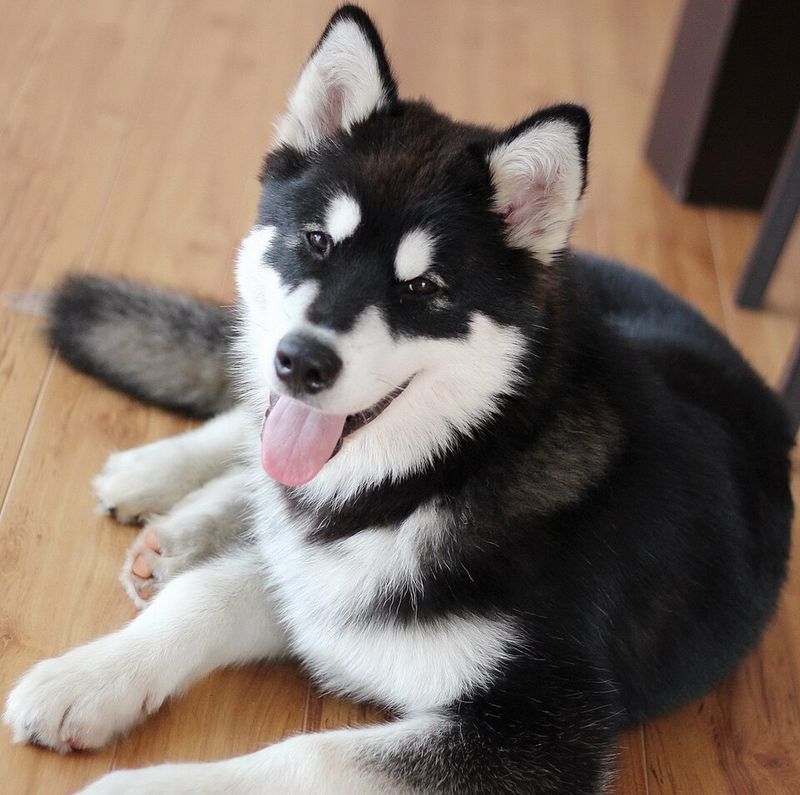
Malamutes are powerhouse freight dogs with a pronounced prey drive that can activate around rabbits, rats, and backyard chickens. Their strength magnifies risk if chasing begins, and recalls often falter when movement triggers instinct.
Even affectionate individuals may view small scurrying shapes as quarry rather than housemates.
Success hinges on layered management, not wishful thinking. Use tall fencing, double leashing on outings, and robust crates for any close quarters.
Daily work outlets like carting, weighted pulls, and sniffing games help curb frustration, yet they do not rewrite genetics. Expect to keep little pets in separate zones with locked doors and visual barriers.
When in doubt, choose prevention over testing boundaries.
Jack Russell Terrier
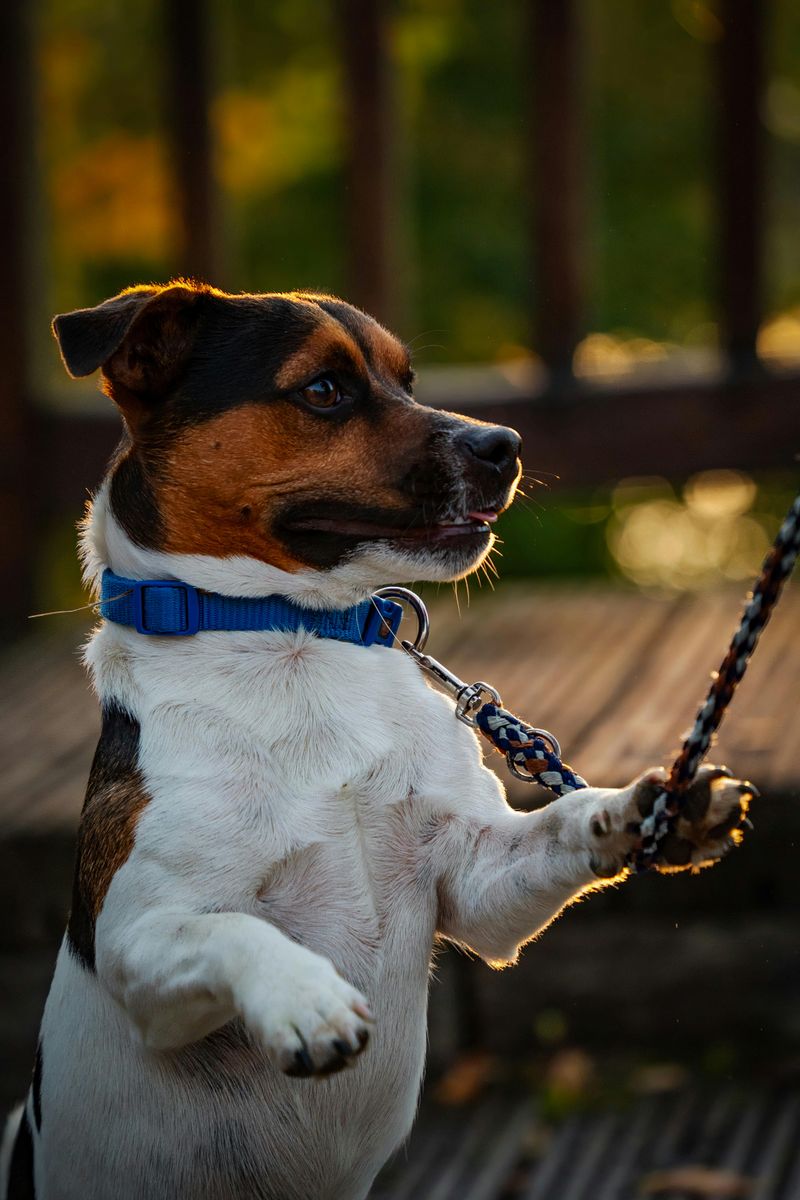
Jack Russells were bred for fox work and earthdog tasks, which means relentless determination toward small prey. That tenacity shows up in the home with hamsters, gerbils, and birds.
Many will dig, climb, or squeeze into spaces you thought were secure, driven by curiosity and instinct.
These dogs need serious mental and physical outlets. Think structured fetch, scent puzzles, and controlled agility to redirect focus.
Even then, coexistence with tiny companions often depends on strict separation and secure caging far from canine access. Baby gates alone rarely suffice because Jack Russells exploit gaps and jump heights impressively.
Always assume barriers need reinforcement, and supervise any hallway crossings like a safety drill.
Shiba Inu
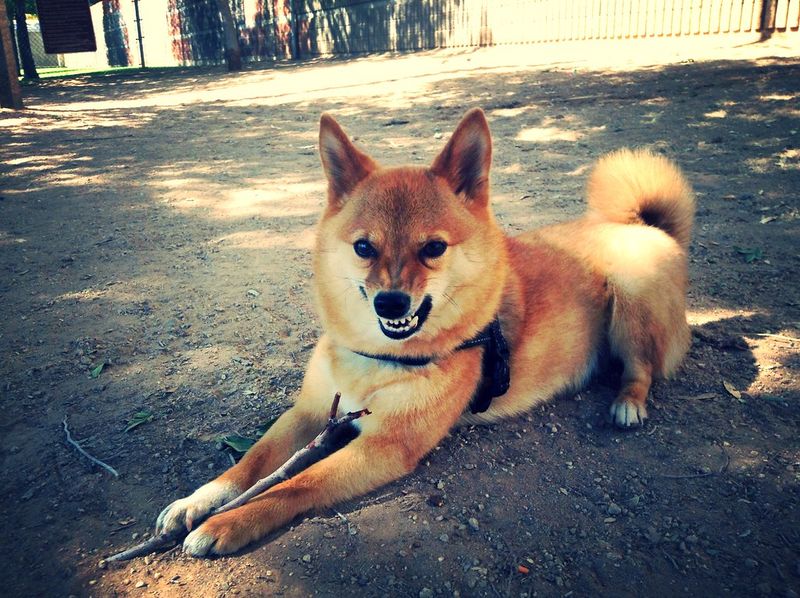
Shibas have a sharp, catlike independence and a quick trigger for movement. Small pets that dart can flip a switch, turning curiosity into chase.
Many Shibas combine speed, agility, and problem solving, so flimsy enclosures or open playrooms are not enough.
Focus on management and predictable routines. Use closed doors, covered enclosures, and leashes indoors during transitions.
Confidence games and clicker training can build impulse control, yet instinct usually outpaces training when a hamster scurries. You will likely maintain separate territories for life.
If you own birds or pocket pets, position habitats high, latched, and away from traffic lanes. Consistency keeps everyone safer, and calm exits prevent sudden ambush moments.
Akita
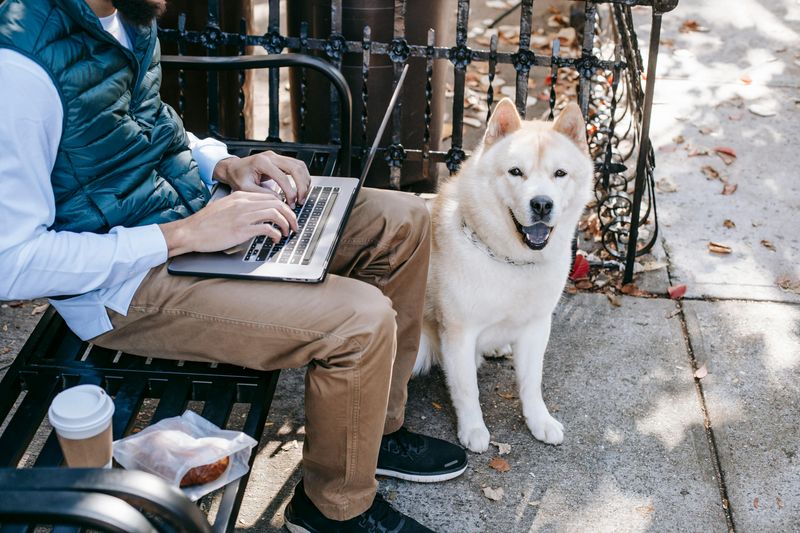
Akitas are dignified guardians with a serious streak that can complicate life with smaller pets. Their prey drive may emerge suddenly, especially with erratic movement from rabbits or ferrets.
Coupled with strength and confidence, one mistake can have high stakes.
Training matters, but management is the foundation. Expect solid doors, anchored enclosures, and strict leashing during room changes.
Enrichment like scent work, flirt poles, and obedience drills builds control without promising total harmony. Many homes find parallel living arrangements work best, using crates and visual screens to reduce arousal.
If you want predictability, plan proactively and do not rely on hopeful introductions. Safety protocols beat second chances every time.
Greyhound
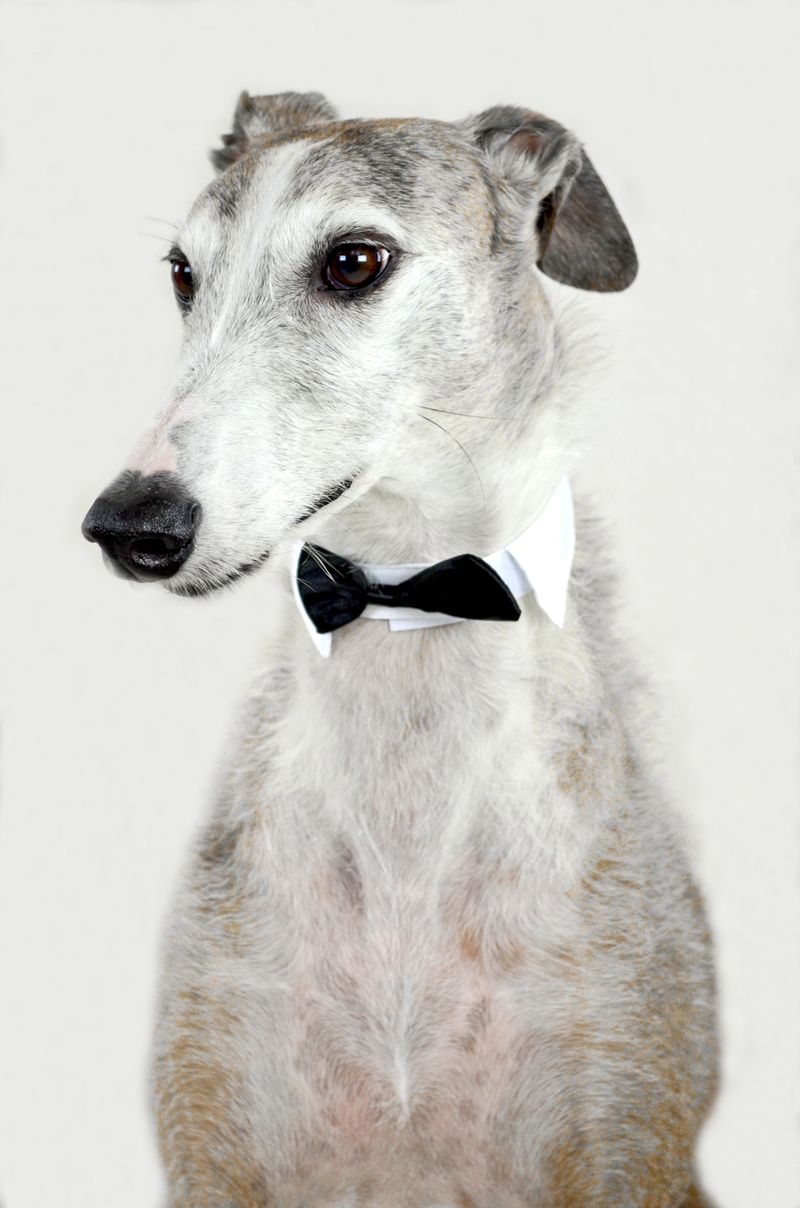
Greyhounds are sight hounds that lock onto fast movement at great distances. Many are gentle couch potatoes indoors, yet a rabbitlike dash can override calm habits instantly.
Retired racers may carry strong chase habits that resurface in unpredictable bursts.
Slow, structured introductions to cats sometimes work, but tiny pets are far riskier. Use muzzles during early management, pair with leashes, and practice patterned relaxation near barriers.
Offer daily sprints in safe, fenced areas to reduce pent up energy. Remember, arousal builds quickly with visual triggers.
Keep small animals in separate rooms, and treat open doors as red alert moments where planning and placement matter.
Whippet
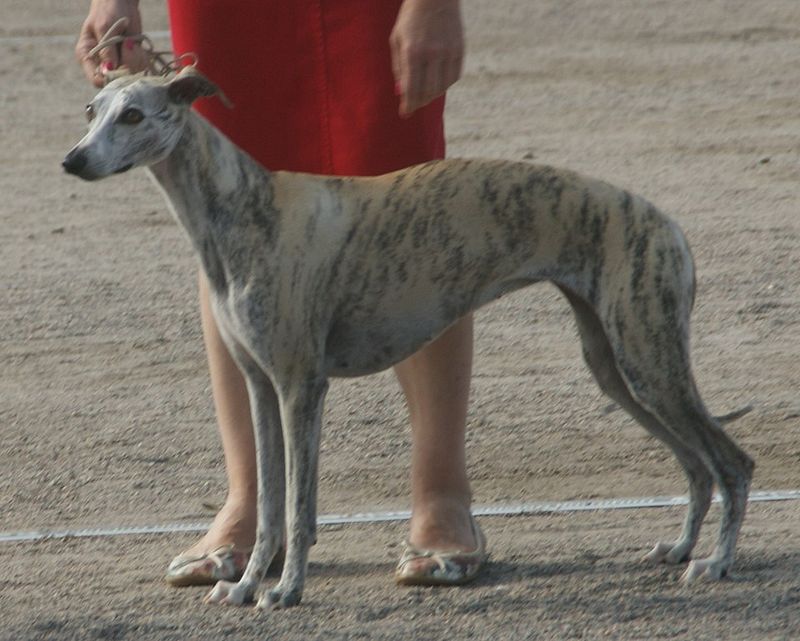
Whippets share the sight hound heritage, tuned to chase first and ask questions later. Their gentle nature with people can mislead owners about risk with small pets.
A quick flutter from a parakeet or a sprinting rat can flip the chase switch.
Plan around prevention. Leash indoors during transitions, use baby gates plus closed doors, and never rely on recall mid chase.
Provide legal outlets like flirt pole sessions, sprint games, and nosework to satisfy instincts. Even so, set expectations that tiny roommates live in separate zones.
Calm coexistence with cats is sometimes possible, yet pocket pets remain high risk. Keep routines boring and controlled to reduce impulsive lunges.
Weimaraner
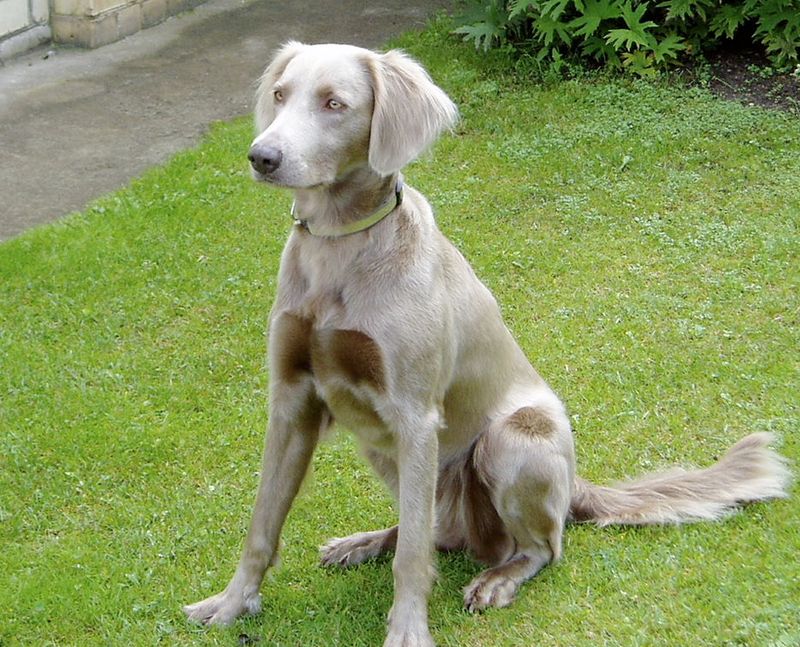
Weimaraners are versatile gun dogs bred to track and dispatch game, which does not translate kindly to small housemates. High energy plus curiosity creates plenty of chase opportunities.
Their athleticism means weak latches and low perches will fail under pressure.
Channel that drive into structured work. Daily field style retrieves, tracking games, and obedience under distraction build impulse control.
Still, tiny animals are best housed separately behind closed doors, ideally in reinforced enclosures. Teach rock solid place cues and door manners to prevent door darting.
Expect management during parties or deliveries when doors open unexpectedly. With smart routines, accidents become far less likely, and everyone breathes easier.
Beagle
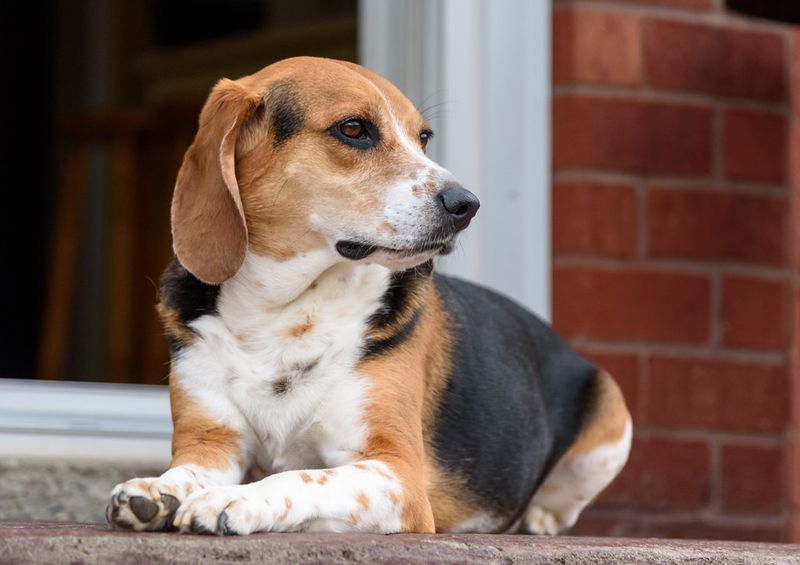
Beagles are scent hounds, and following trails is their superpower. That same nose draws them directly to cages, enclosures, and sneaky hideouts of small critters.
Persistent sniffing can stress delicate pets, even if no chase occurs.
To keep peace, manage access thoughtfully. Use closed doors, cover enclosures, and employ calming mats or place cues when curiosity spikes.
Scent based games and structured searches provide an outlet so the nose works on permission, not impulse. Because Beagles can be vocal, consider white noise near small pet rooms to reduce arousal.
Consistency teaches that interesting smells do not always equal action. Supervision stays non negotiable, particularly during cleaning or feeding routines.
Rhodesian Ridgeback
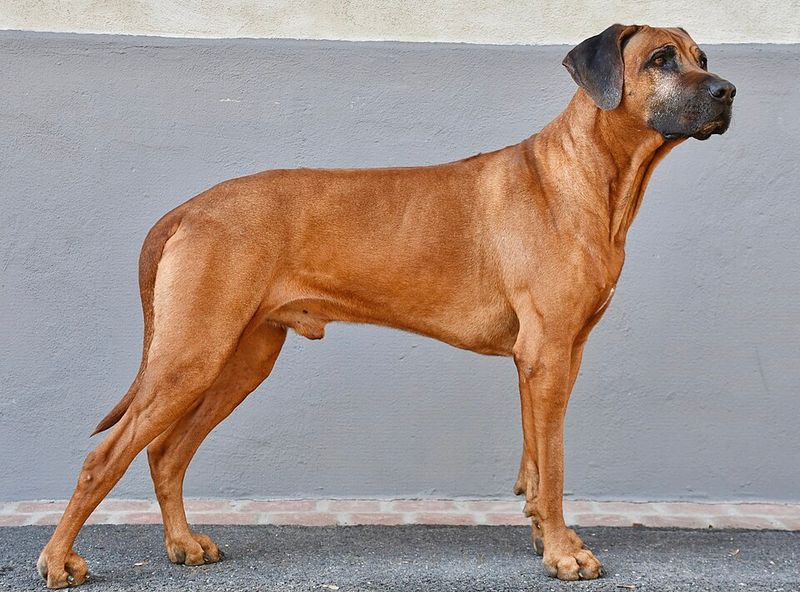
Ridgebacks carry guardian grit and hunting heritage, which can spell trouble for tiny housemates. Their power and stride cover ground quickly, turning a playful dash into a serious chase.
Even steady individuals may switch gears if a small pet flees.
Build structure from day one. Keep little pets behind doors, supervise hallways, and practice calm stationing with leashes on indoors.
Outdoor time should be fenced and distraction managed. Mental workouts like tracking lines and controlled tug can drain edge without fueling arousal near small animals.
Plan for long term separation as the default. Introductions, if attempted, happen through crates and gates, not free floor meetings.
Basenji
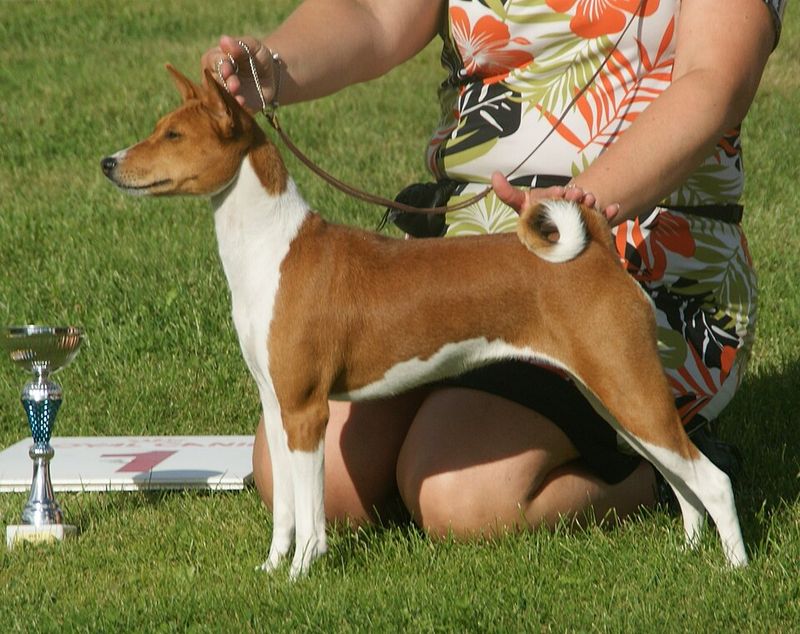
Basenjis bring ancient hunting instincts and catlike agility, making them crafty around small pets. Silence is not safety, since their quiet nature can mask intent.
Quick movements and fluttering wings often trigger stalking or pouncing.
Management beats optimism here. Enclosures should be sturdy, latched, and ideally elevated, with rooms closed and traffic minimized.
Enrichment like lure style chases in safe spaces and scent puzzles helps satisfy needs without risky rehearsals. Teach pattern games for calm near thresholds, and reward disengagement heavily.
Many households choose lifelong separation with pocket pets, accepting that prevention is kindness. Supervised time, if any, remains short and structured.
Dachshund

Dachshunds were bred to go to ground after badgers, bringing boldness and persistence in small packages. That drive often redirects toward hamsters, rabbits, and even backyard chickens.
Their low profile and digging talent let them access spaces you considered safe.
Respect the hunting heritage. Use secure, chew resistant enclosures, add locked doors, and supervise every transition.
Provide dig boxes, nosework, and short tracking games so instincts get legal outlets. Keep routines consistent to prevent opportunistic dashes.
If small pets must travel through shared areas, stage controlled passages with leashes and treats. Calm structure protects relationships and reduces stressful arousal for everyone involved.
Australian Cattle Dog
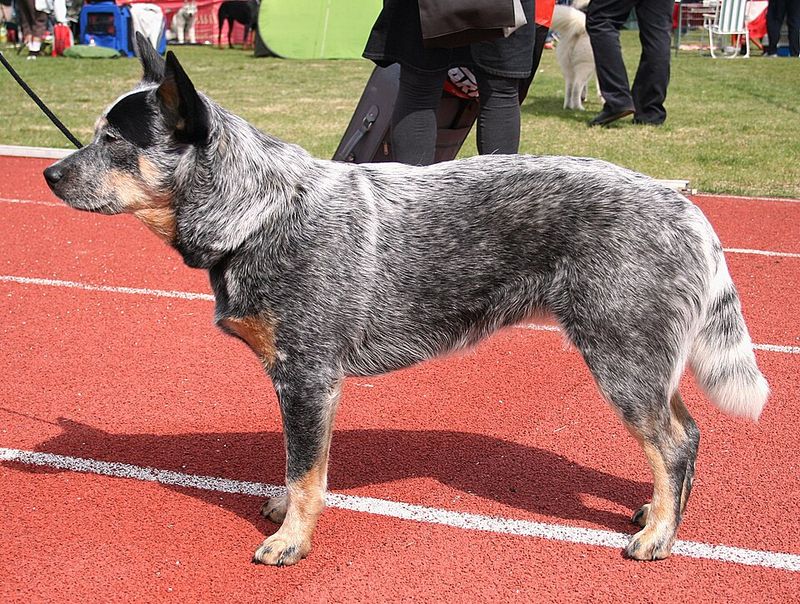
Australian Cattle Dogs are intense workers with herding instincts that can morph into chasing or gripping. Small pets that skitter or flock can trigger control behaviors that feel scary or unsafe.
Their energy and problem solving make flimsy barriers unreliable.
Channel drive into jobs. Structured herding games, obedience under distraction, and long line hikes help bleed off steam.
Still, tiny companions are safest behind solid doors in sturdy habitats. Teach release cues, mat work, and door etiquette to lower impulsive moves.
Plan household traffic to avoid collisions during feeding and cleaning. With practical management, you can enjoy the breed’s brilliance while keeping little animals protected.
Cane Corso
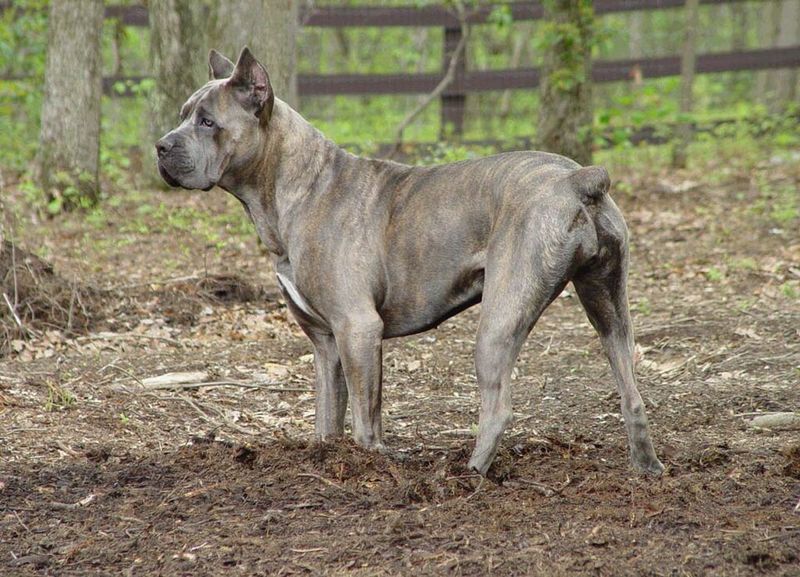
Extra caution: Cane Corsos combine size, guarding instincts, and considerable jaw strength. Even curiosity can create danger around tiny, fragile pets.
A startled dash may escalate before you can intervene, and barriers must be robust.
Prioritize management and training from day one. Use solid doors, anchored crates, and leashes indoors during transitions.
Reinforce calm with pattern games and structured obedience, but assume separation is the long term plan. Provide controlled outlets like tug with rules, scent work, and mobility drills to build control.
Guests and kids need clear instructions about doors and enclosures. Safety is not negotiable with this breed’s power and presence.
Belgian Malinois
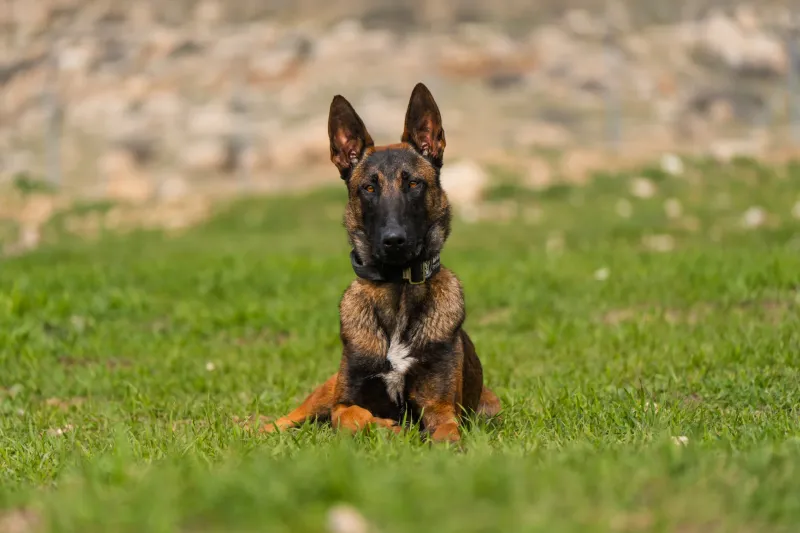
Extra caution: Malinois are high drive working dogs bred for speed, control, and commitment. Their arousal escalates quickly with movement, turning small pets into risky triggers.
Even skilled handlers rely on management to prevent unfortunate rehearsals.
Structure is everything. Use crates, closed doors, and indoor leashes during transitions.
Build impulse control through obedience under heavy distraction, scent detection games, and precise toy play with clean releases. Expect small pets to live in separate, secured rooms.
Reinforce thresholds and calm on mats before any door opens. With a Malinois, your plan must be smarter than instinct, every single day.
Dogo Argentino
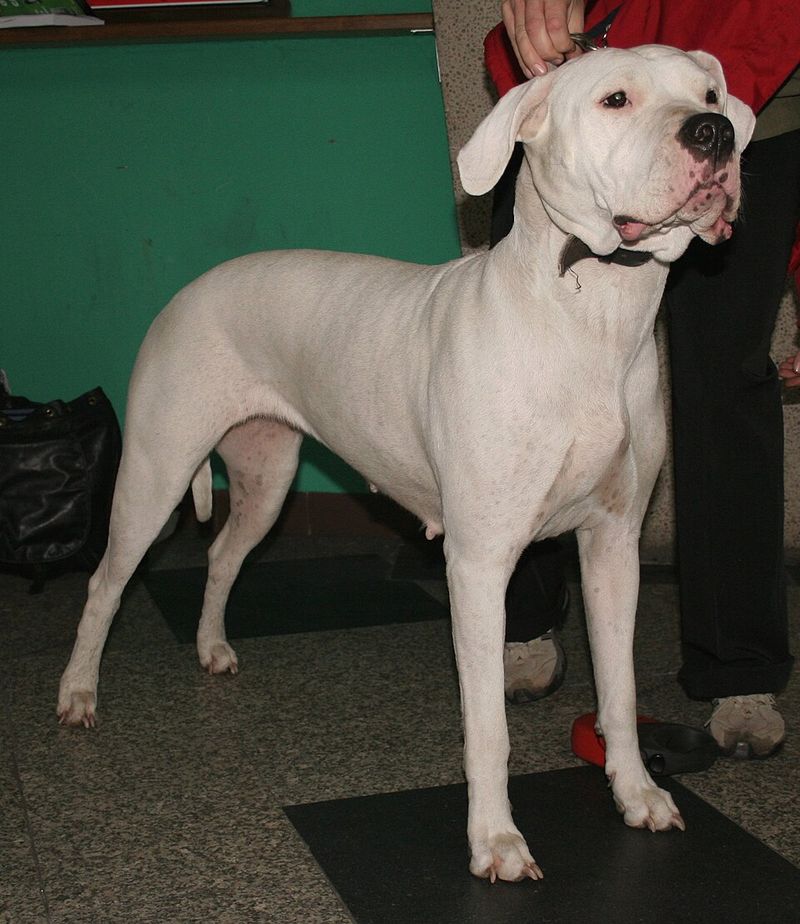
Extra caution: The Dogo Argentino was developed for big game pursuits, bringing intense determination and athleticism. That heritage creates serious risk for small pets, where a split second chase can turn catastrophic.
Even well trained dogs require airtight management.
Plan for separation as a baseline. Use heavy duty enclosures, locked doors, and leashes indoors during movement between zones.
Provide outlets like tracking, scent games, and structured tug to channel energy without rehearsing chase. Teach rock solid recalls, but never rely on them when little animals are present.
Family members should follow door rules religiously. With clear protocols, you can respect the breed while keeping vulnerable pets safe.