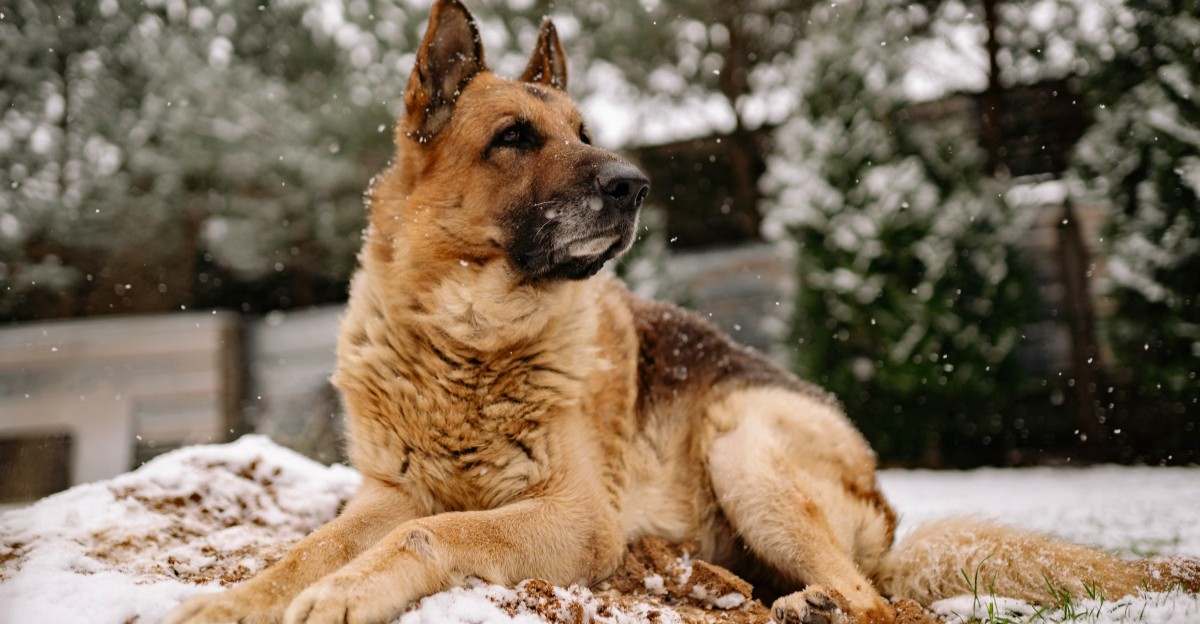
Some dogs bloom when they feel safe and understood. Instead of strict control, they respond to steady routines, kind guidance, and chances to make good choices.
Building trust can ease stress, reduce pushy moments, and bring out calmer manners. Here are breeds that often improve when friendship comes first.
German Shepherd – the thoughtful guardian
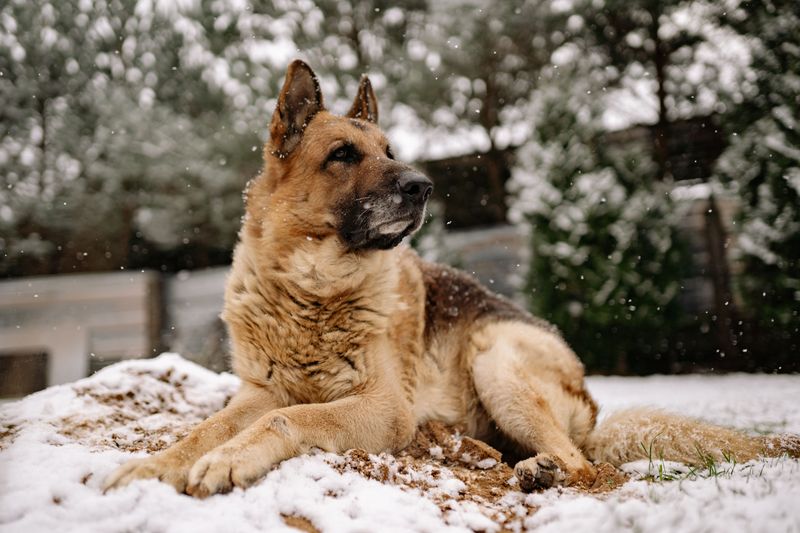
With watchful eyes and a quick mind, the German Shepherd reads people well. When handled with patience and clear choices, this breed relaxes and stops guessing wrong.
Trade harsh commands for calm routines, steady cues, and fair boundaries. Add sniff walks, food puzzles, and short training games to build trust, and tricky behaviors often fade.
Pair rest with clear outlets for guarding instincts, like boundary games and structured greetings.
Border Collie – the eager problem solver
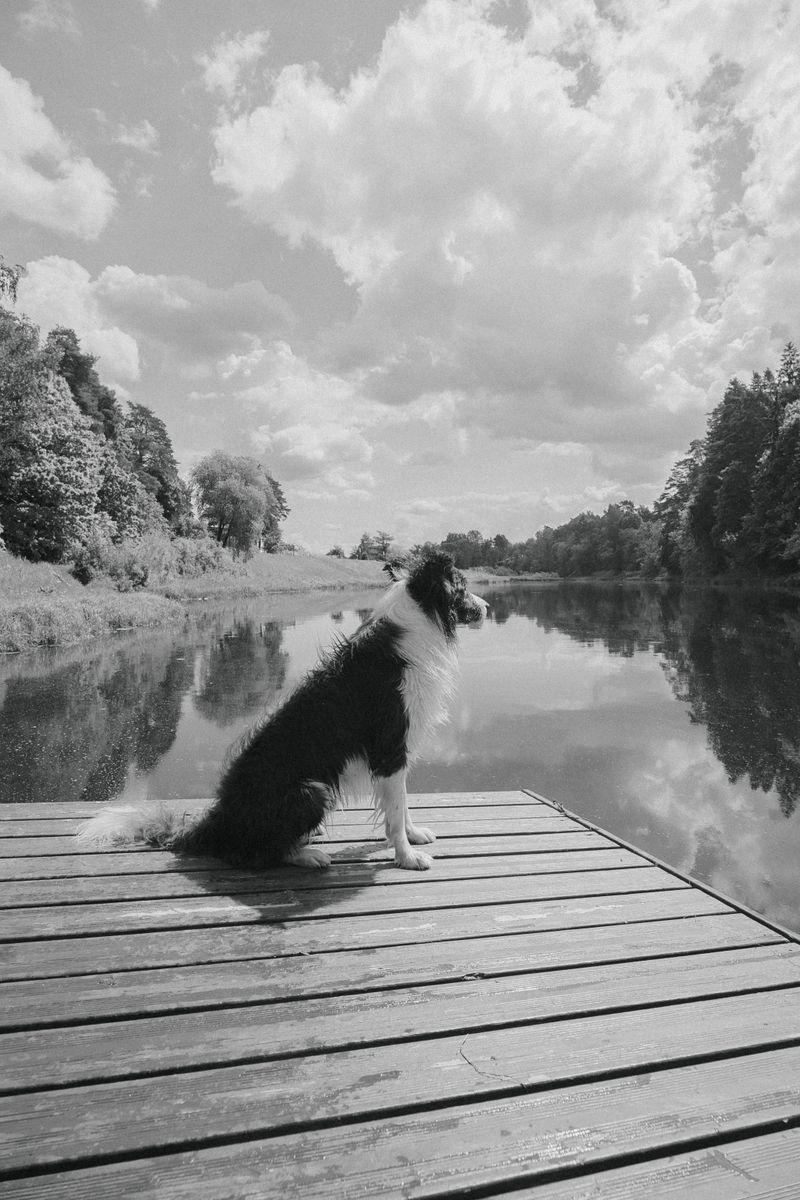
Energy meets puzzle-loving brains in the Border Collie. When pressure gets high, control can backfire and create frantic spinning or stubborn stares.
Offer choices, like asking for a hand target or a down as a way to earn play. Use herding-style games, scent work, and short bursts of training with lots of breaks.
Trust grows when the dog predicts kindness and clarity, and the busy mind settles into thoughtful work.
Siberian Husky – the friendly free spirit
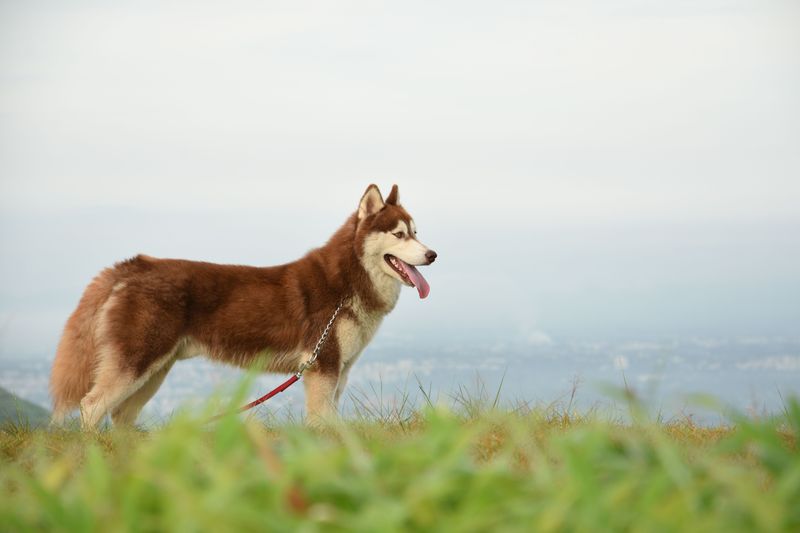
Stories about escape artists usually include a Husky. Heavy control often sparks more pulling, yelling, and frustration on both ends of the leash.
Shift to trust by using long lines, predictable check-ins, and rewards for choosing you over distractions. Provide runs, canicross, or wheeled pulls to meet that go-go engine.
When needs are met and pressure is lower, the Husky often returns with a grin, ready to listen without a tug-of-war.
Shiba Inu – the independent thinker
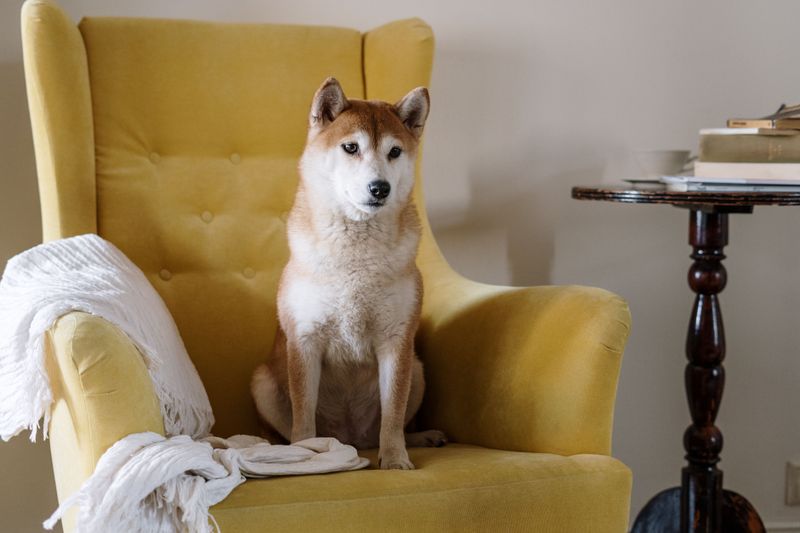
Ask a Shiba to obey, and you may get a side-eye. Offer a fair deal, and you get a sly smile and better choices.
Use touch consent, cooperative care routines, and simple games that let the dog opt in. Pay well for recalls and handling, and skip power struggles.
With steady respect and space, the Shiba’s cool confidence softens. What looked like stubbornness often becomes calm cooperation wrapped in fox-like charm.
Akita – the dignified protector
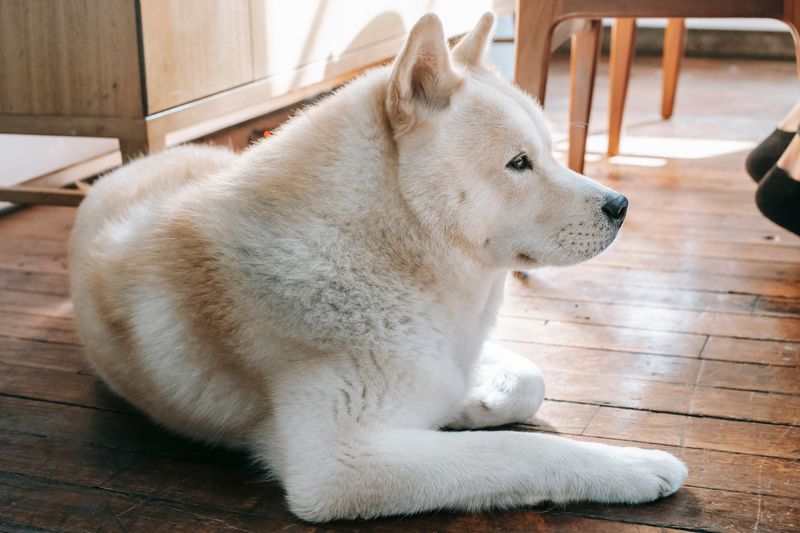
Pride shows in every step of an Akita. Hard pressure can spark pushback, while fairness earns deep loyalty.
Focus on clear routines, structured greetings, and generous space from triggers. Teach hand targets and calm check-ins to replace body blocking.
Confidence grows with respectful handling and predictable choices. Once trust is built, the Akita often settles into steady companionship, watching the world without needing to control it.
Belgian Malinois – the driven athlete
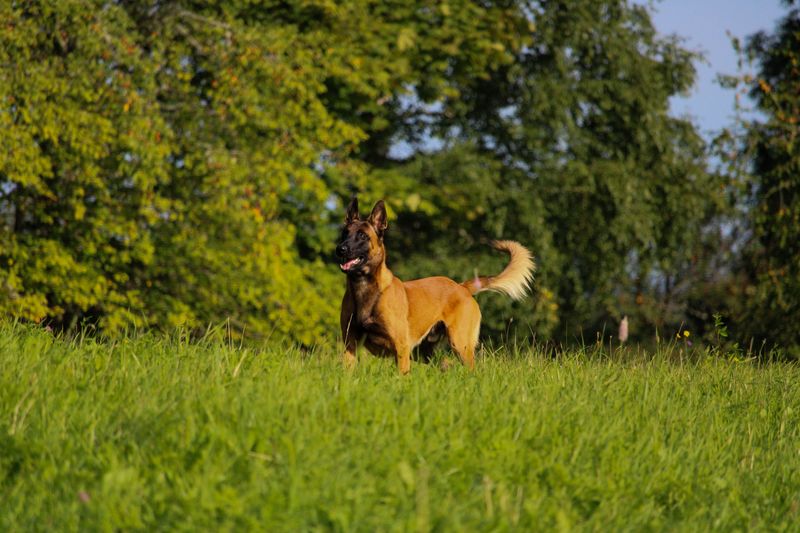
Built like a rocket, the Malinois can outpace any plan. Over-control often fuels frantic behavior and nipping at sleeves.
Channel that fire into bite-safe tugs, scent puzzles, and brief training sprints with clear starts and stops. Give frequent decompression walks and predictable rest.
Trust grows when the dog learns that choosing calm earns exciting work. The result is a keen partner who listens because the partnership feels good, not because of pressure.
Doberman Pinscher – the steady teammate
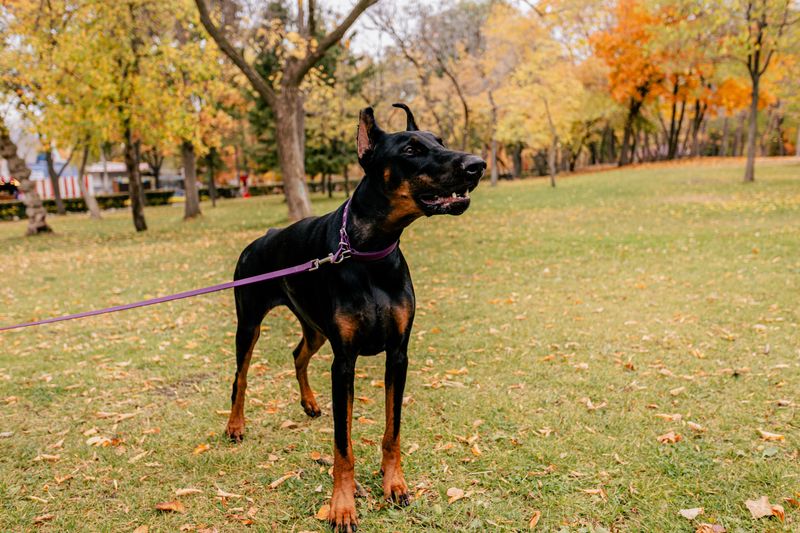
Under the sleek look, Dobermans often carry big feelings. Heavy-handed control can turn that sensitivity into reactivity or worry.
Practice calm exposures with distance, slow breathing, and paid check-ins. Use simple patterns like sit-look-treat and figure-eight walks to build confidence.
Add problem-solving games and cooperative handling for nail trims. With trust leading the way, the Doberman learns that you make safe choices together, and manners follow naturally.
Rottweiler – the kindly powerhouse

Strong body, big heart. When pushed hard, a Rottie may push back or shut down, which can confuse even seasoned owners.
Trade micromanaging for clear jobs, like carrying a pack, holding a place mat, or practicing calm door routines. Reward early eye contact and soft body language.
Consistent kindness shows the dog that power is safest when guided, not forced. Many rough edges then melt into reliable, gentle strength.
Great Pyrenees – the thoughtful night watch
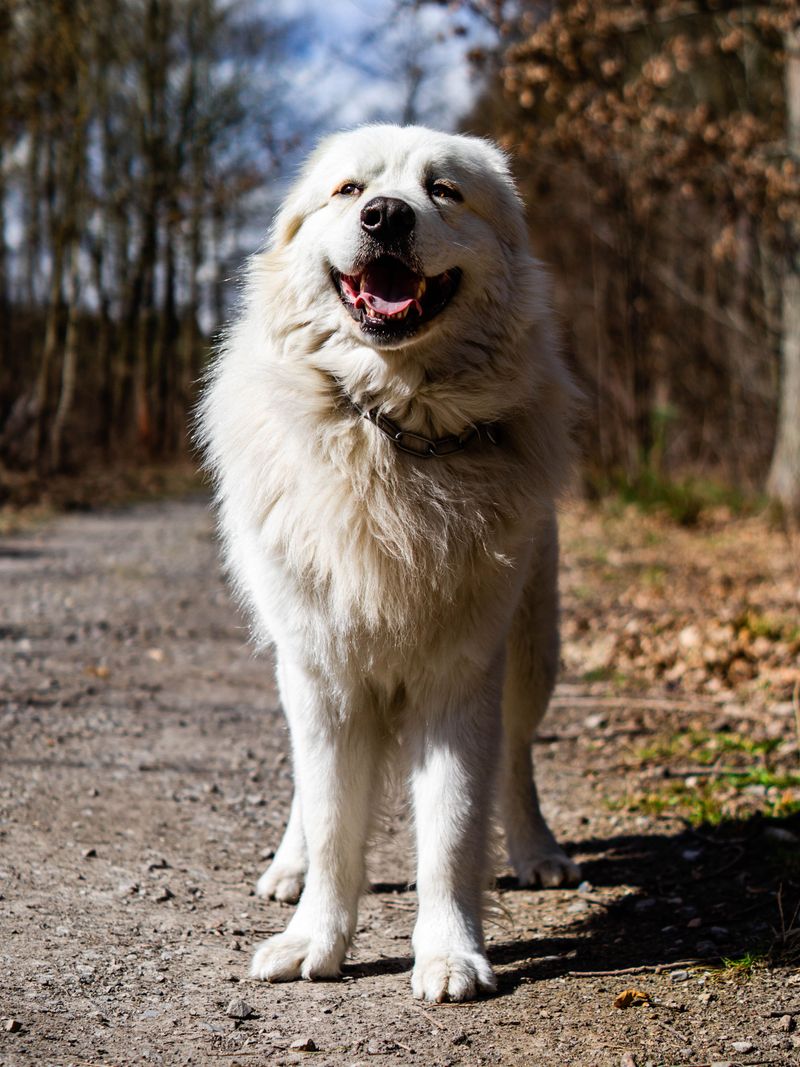
Bred to make solo decisions, the Great Pyrenees values calm leadership. Tight control can create stubborn standoffs or endless barking.
Offer trust with long lines, quiet praise, and predictable check-ins. Give a real job, like boundary walks at dusk and supervised yard time.
Use soft introductions to visitors. When given room to think, this gentle giant often chooses quiet confidence over noise, guarding with a cool head.
Basenji – the catlike comic
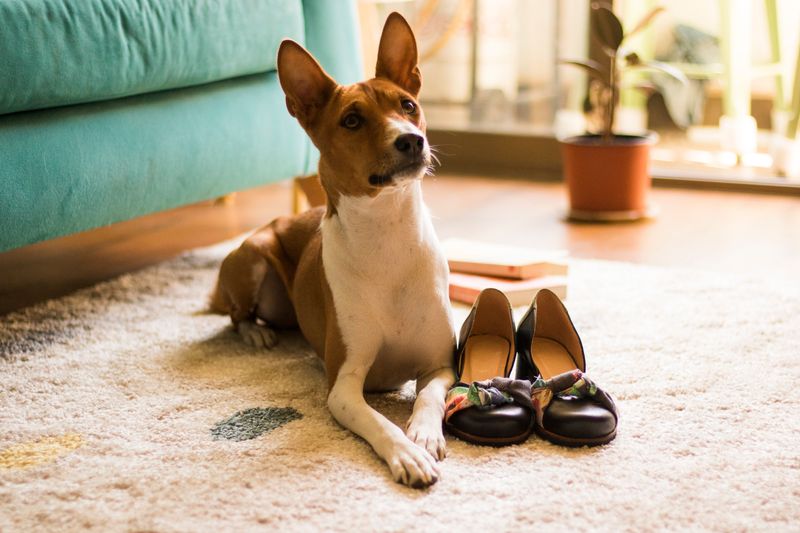
Silence is golden, and so is this little thinker. Demanding obedience can spark mischief, while curiosity-guided training unlocks cooperation.
Play choice games, like pick-a-station or find-it, and reward check-ins. Keep sessions short, use gentle handling for collars and harnesses, and skip shouting.
Trust helps the Basenji trade chaos for clever teamwork. Fun fact: the breed yodels instead of barking, which makes success sound like a happy song.
Beagle – the nose-led buddy
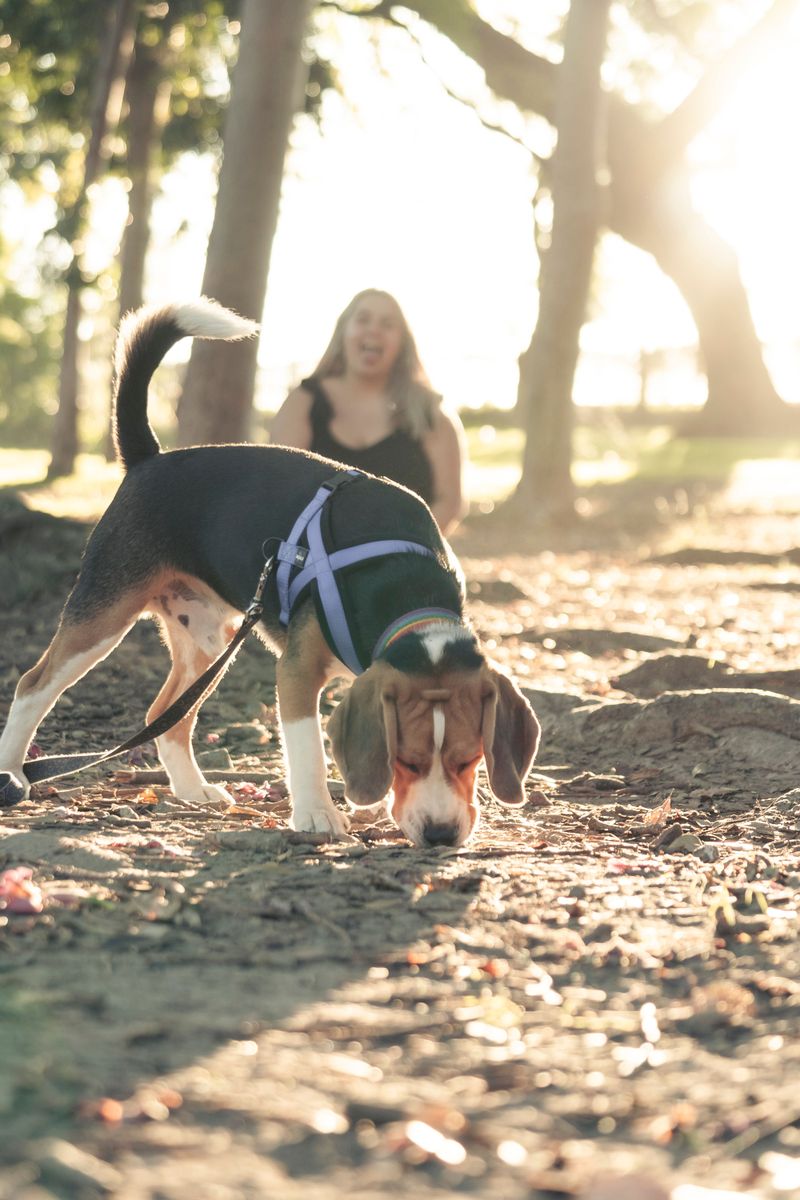
Noses first, everything else second. Fighting a Beagle’s sniffing urge often turns walks into tugging contests.
Build trust by turning scent into a reward. Use long-line sniff walks, call the dog off a trail for a treat, then release back to sniff.
Add scatter feeding and hide-and-seek at home. Choice and payoff teach the Beagle that listening brings more sniff time, and leash manners improve without a battle.
Dachshund – the bold explorer
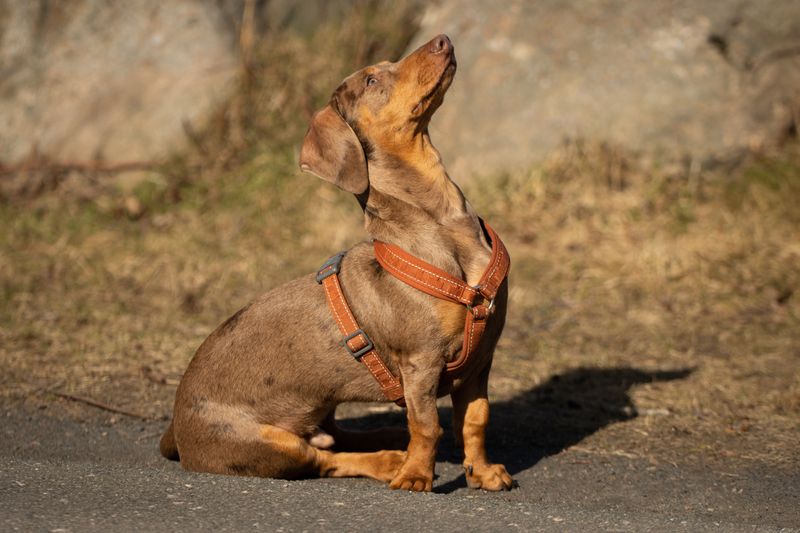
Small body, big courage. When over-controlled, many Dachshunds bark more or refuse to budge.
Invite partnership with gentle harness handling, step-by-step introductions to new people, and fun digging outlets like a sandbox. Teach a solid come-when-called using high-value rewards.
Trust shows the dog that bravery can be thoughtful, not noisy. The little explorer then channels grit into cheerful cooperation.
Vizsla – the velcro athlete
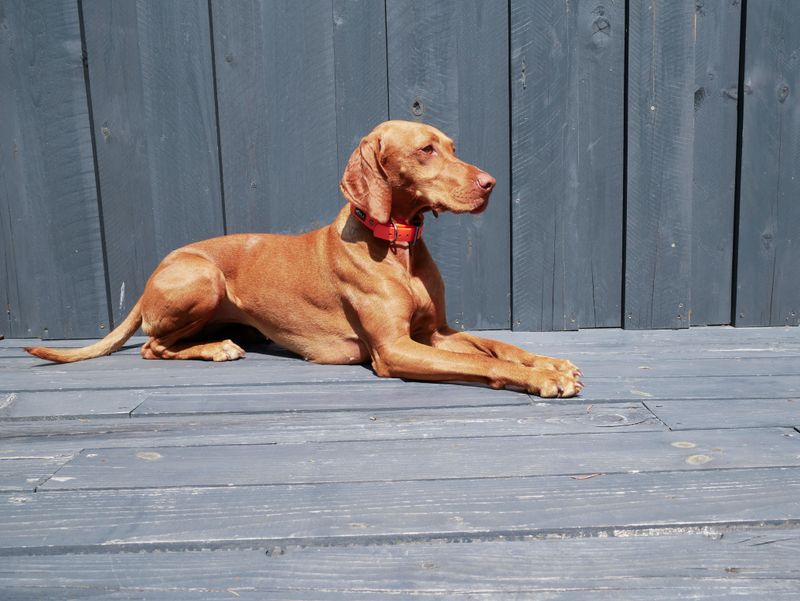
Some call the Vizsla a shadow with paws. Harsh handling can rattle this sensitive soul and create clingy or jumpy habits.
Choose connection first with soft voice, predictable routines, and exercise that ends before exhaustion. Practice brief separations, scatter feeding, and place training to build confidence.
When trust replaces worry, the Vizsla offers eager focus and smooth manners, staying close because it feels safe, not because of pressure.