
Some dogs can go from calm to confrontational in a heartbeat, and it is not always easy to see it coming. Subtle stress signals, stacked triggers, and breed tendencies all play a role.
With the right handling, management, and training, you can prevent most surprises and keep everyone safer. Let’s walk through breeds that need extra awareness and how to stay ahead of trouble.
Akita
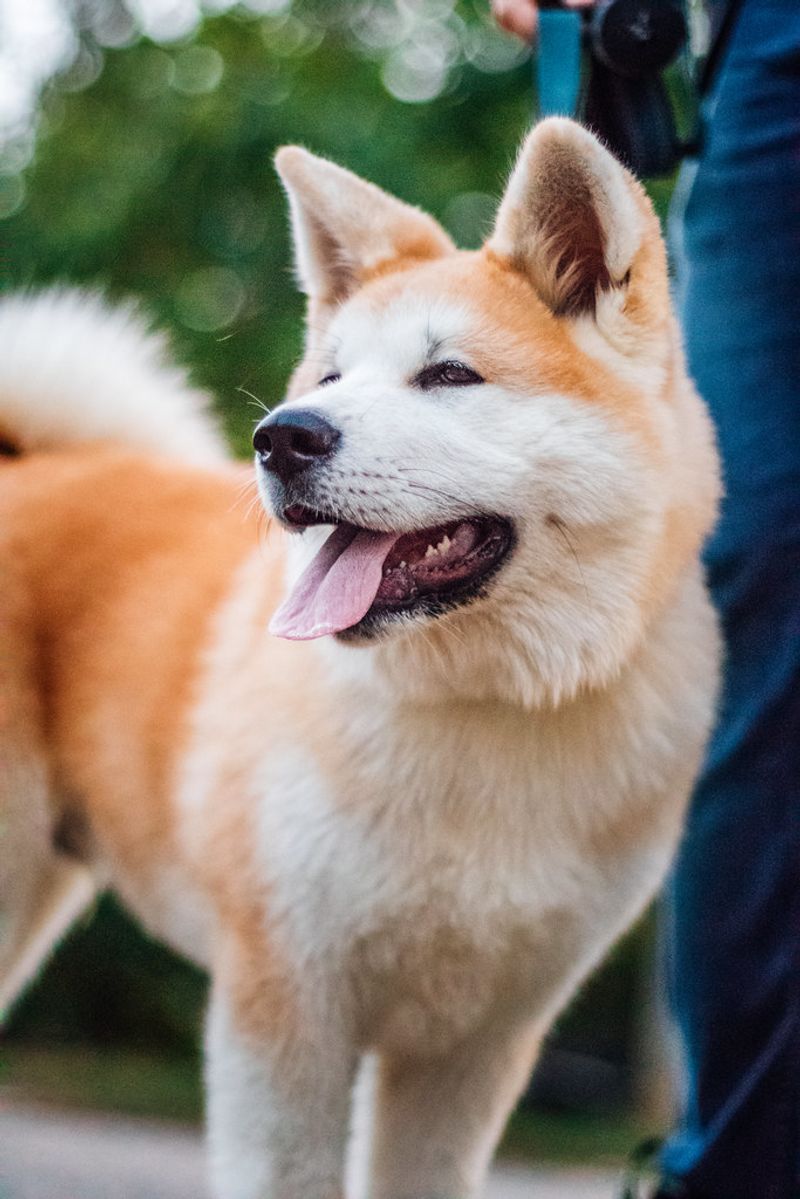
Akitas are dignified guardians with a calm face that can mask rising tension you might miss until it erupts. They are independent, territorial, and strongly loyal, which means sudden resource guarding or stranger sensitivity can surface quickly.
If you skip early socialization, tight management, and fair boundaries, stress stacking can turn play into a hard correction.
Watch for stillness, a closed mouth, whale eye, and a stiff tail carried high, then redirect before escalation. Use consent-based handling, structured decompression after arousing events, and muzzle training so safety never depends on luck.
Pair impulse control games with breed-respectful outlets like scent walks and bear-strong tug, and consult a certified behavior professional for a tailored plan and realistic expectations.
Chow Chow
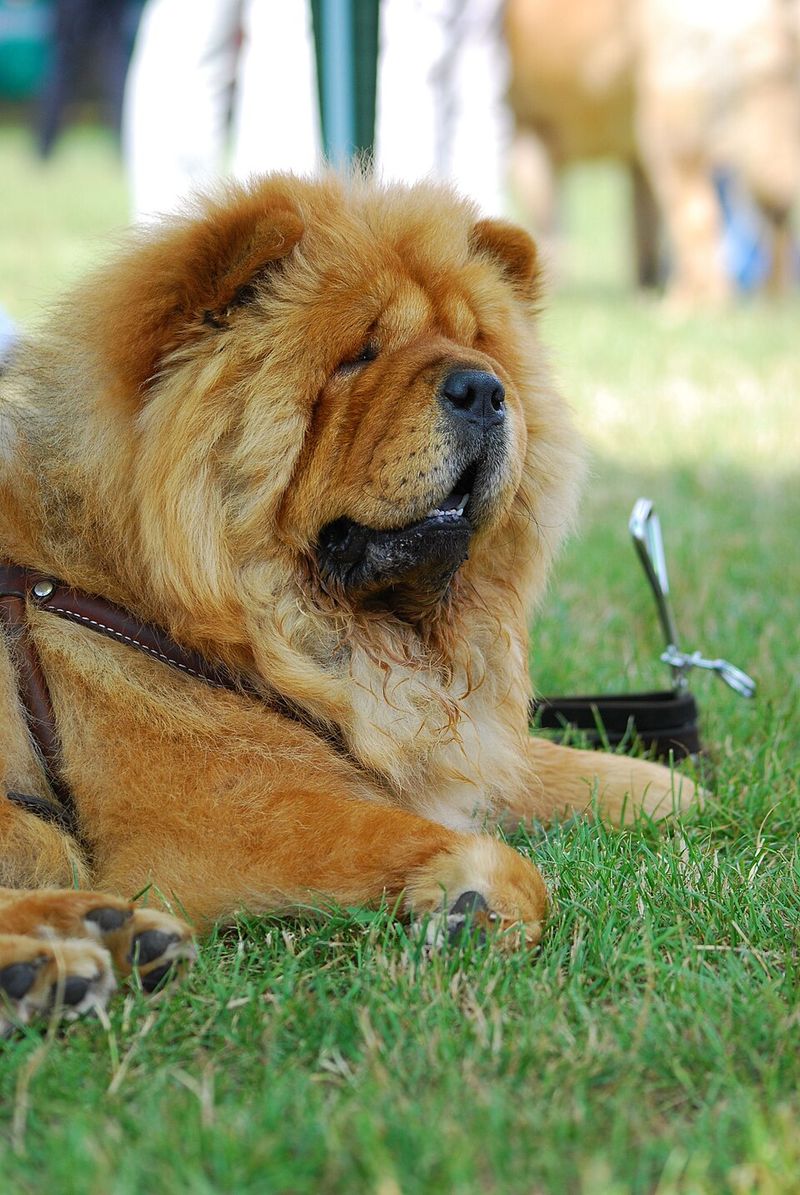
Chow Chows look like plush bears, yet their aloof nature and low tolerance for pushy greetings can flip quickly. They are intensely property focused and may challenge unfamiliar dogs or hands reaching over their ruff to pet.
When corners feel tight, pain is present, or grooming gets rushed, you might see a fast freeze followed by a snap.
Teach a voluntary chin rest, cooperative brushing, and clear off-switch cues so your dog can opt out safely. Prioritize parallel walks over face-to-face meetings, and manage thresholds with gates, leashes, and predictable routines.
Early social exposure, steady handling, and high-value reinforcement build trust that prevents those sudden defensive outbursts around resources and busy entryways, too. Practice muzzle conditioning early.
Basenji
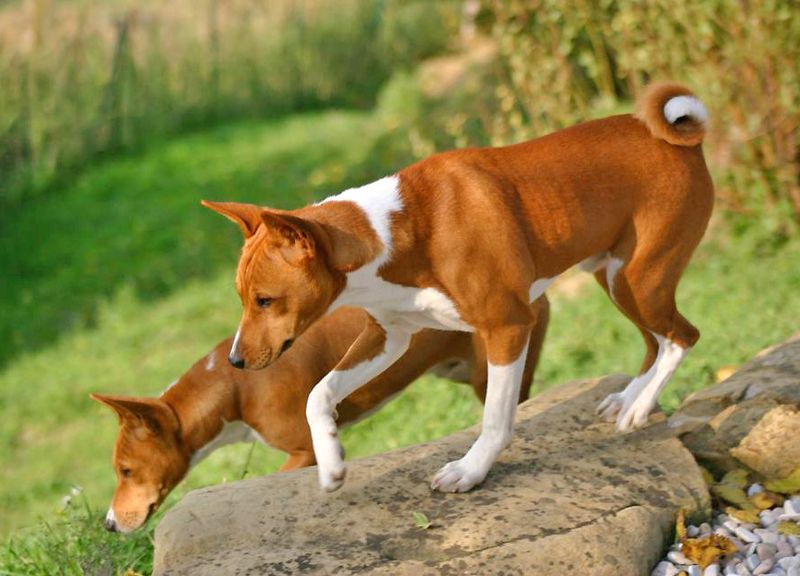
Basenjis are catlike, clever, and motion-triggered, so small animals, scooters, or sudden movement can ignite chase and frustration. They are quiet until they are not, and their conflict style can jump from stillness to sharp protest.
Add tight spaces, resource guarding, or rough handling, and you get snap-prone moments that feel out of the blue.
Focus on pattern games, predictable routes, and long-line decompression to keep arousal below the tipping point. Teach a strong scatter cue, reinforce quiet, and reward voluntary check-ins before they laser on a target.
Vet rule-outs for pain, add enrichment that satisfies foraging and shredding needs, and integrate muzzle skills without drama. Short, upbeat training bursts beat long drilling sessions every time.
Afghan Hound
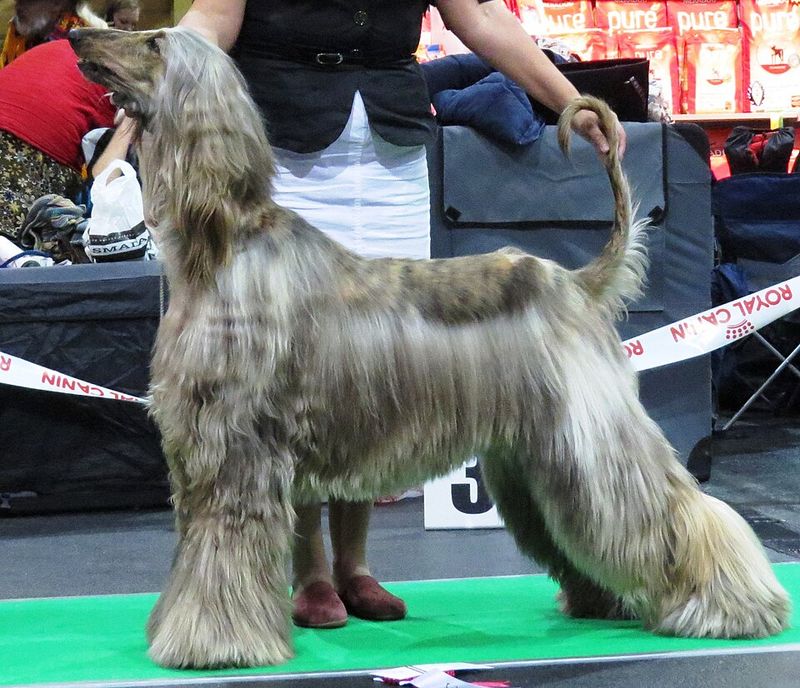
Afghan Hounds are sensitive sighthounds with strong prey interests and a glamorous coat that hides subtle stress signals. They can appear detached, but pressure, rough grabs, or cornering during grooming can spark defensive reactions.
Fast approaches from children or off-leash dogs often push them past threshold before you notice the body go still.
Protect space, teach cooperative care, and use high-value rewards for tolerating brief, predictable handling sessions. Give sprint outlets on secured fields and follow with sniffy cooldown walks and calming mats.
A well-fitted muzzle, thoughtful introductions, and pain screenings reduce those surprising spikes that feel impossible to predict. Practice recall games with flirt pole distractions at low intensity before raising criteria.
Start far.
Shiba Inu
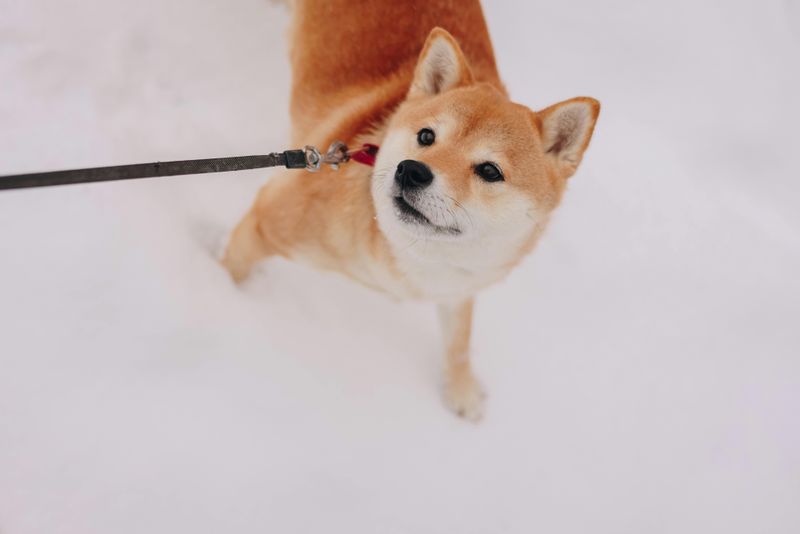
Shiba Inus pack big opinions into small bodies, and their intolerance for restraint can surprise new owners. Grabby hands, intrusive dogs, or nail trims without practice often create a fast bitey protest that feels unpredictable.
They are alert, vocal, and quick, so management needs to be planned, not reactive.
Teach cooperative handling, mat relaxation, and a rock-solid trade cue for guarding around chews or stolen items. Harness up before opening doors, and use long lines in open spaces to avoid risky chasing spirals.
Reward calm choices, keep sessions short, and condition a muzzle so vet visits are smooth, safe, and kinder. Plan decompression daily with sniff walks and puzzle feeders.
Skip dog parks. Advocate early.
Belgian Malinois
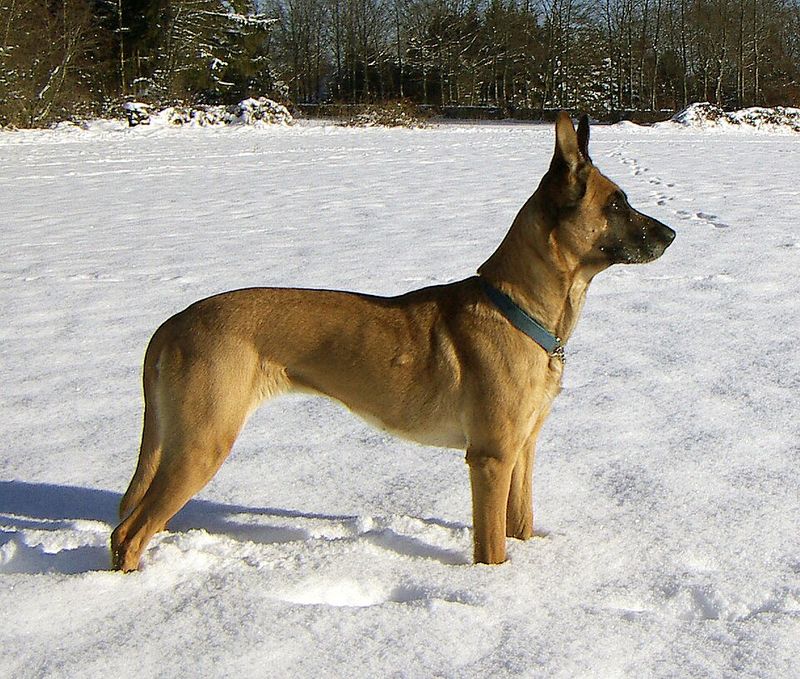
Belgian Malinois are intense working athletes, bred to notice everything and react fast, which can look like unpredictability. Overstimulation, frustration from restraint, or unmet drive needs often spill into grabbing, herding nips, or redirection onto you.
Stacked triggers add up, then a small mistake becomes a fight with the environment or a dog nearby.
Invest in bite-safe outlets like tugs, controlled spring pole work, and clear on-off switches. Structure decompression, pattern games, and settle training as seriously as sport skills and obedience.
Use protective equipment, split criteria finely, and collaborate with a trainer who understands arousal management and functional reinforcement. Channel brilliance without burning the fuse by prioritizing rest.
Muzzle train early, too. Plan supervision.
Cane Corso
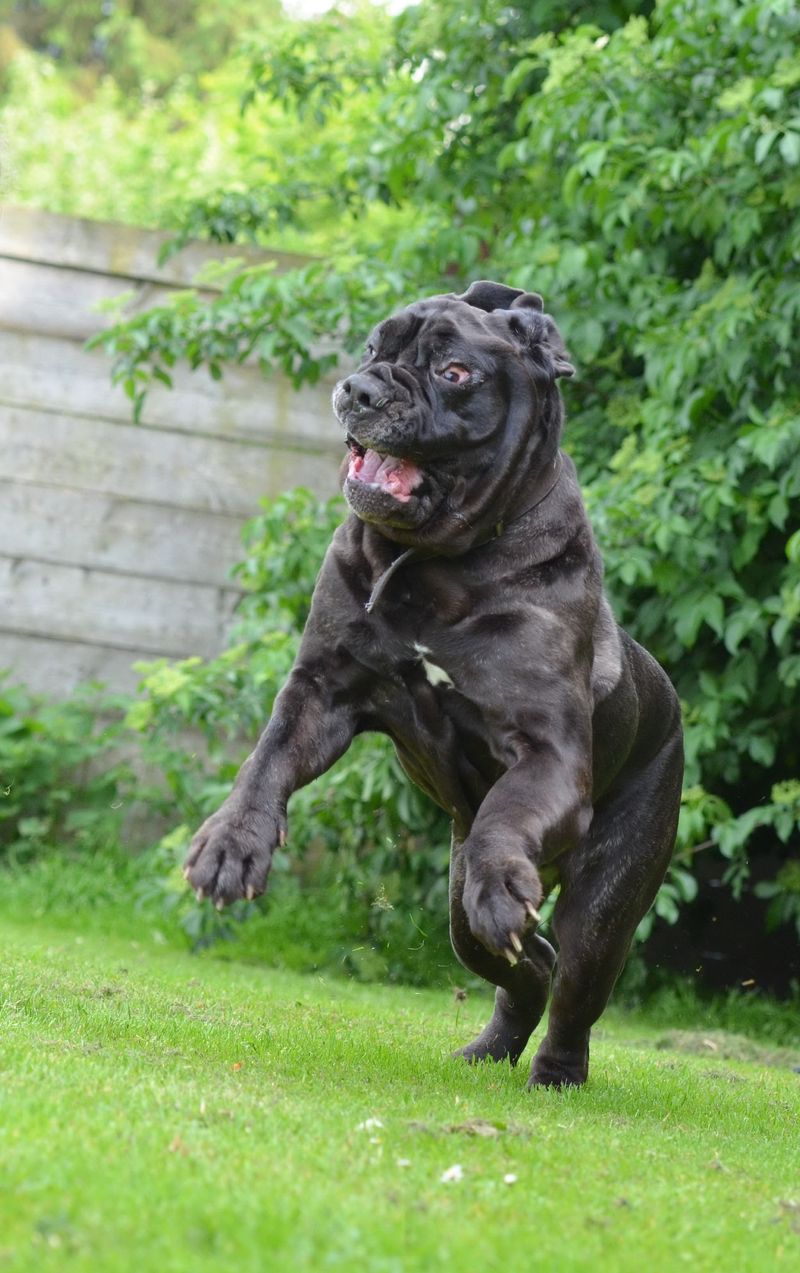
Cane Corsos are powerful guardians with strong territorial instincts, so sudden challenges around property lines can appear without warning. They read intent quickly, and poorly managed introductions or crowding can prompt a decisive, forward reaction.
Add pain, adolescent bravado, or resource tension, and you have the recipe for a scary outburst.
Prioritize neutrality training, cooperative care, and ironclad management using gates, leashes, and clear visitor protocols. Teach place, emergency U-turns, and calm door routines before adolescence brings size and confidence.
Muzzle conditioning, health screenings, and tailored exercise help prevent those startling spikes in reactivity and conflict. Work with a qualified behavior professional for individualized guidance and realistic safety planning.
Do not rely on luck. Rehearsal matters.
Presa Canario
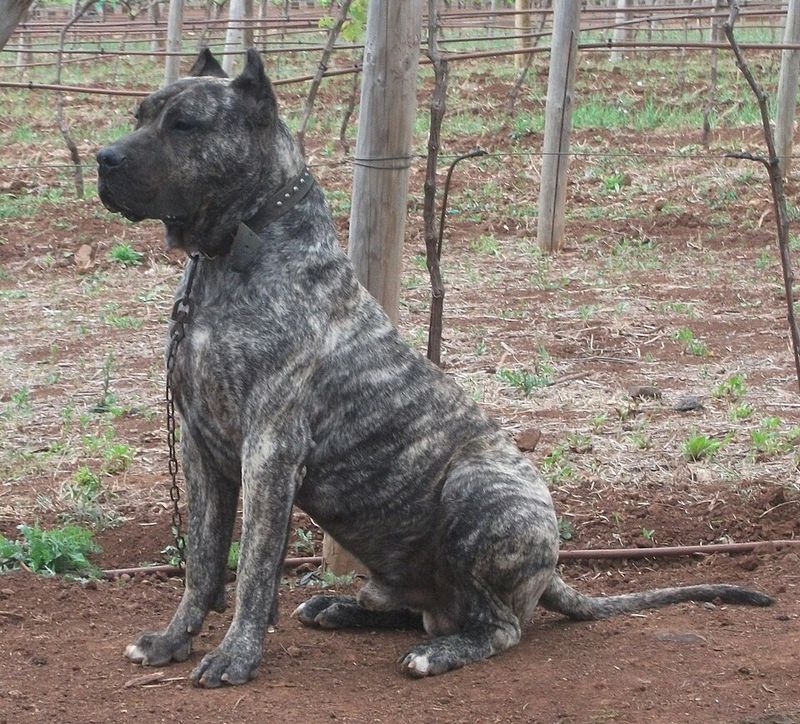
Presa Canarios are confident, imposing mastiffs bred for gripping tasks, and that history can surface under stress. Tight spaces, conflict over possessions, or strangers leaning in may trigger a fast forward response.
Because body language can be stoic, you need proactive routines rather than last-second corrections.
Build rock-solid management, station training, and reliable trades for anything valuable. Schedule structured exercise and decompression, then reinforce neutrality to people and dogs at safe distances.
Pair a muzzle with good things, and partner with a certified professional to shape safe, thoughtful behavior over time. Use gates and visual barriers at home to reduce pressure around doorways.
Practice consent cues for petting so your dog can opt in or opt out.
Dogo Argentino
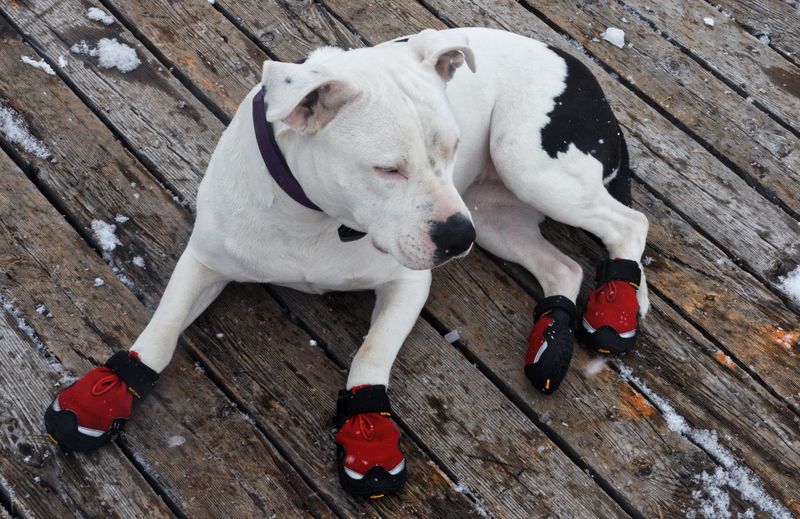
Dogo Argentinos are athletic hunters with tremendous drive and confidence, which can spill into conflict when arousal spikes. They tend to commit once engaged, so small misreads around prey, trespassers, or resources can escalate rapidly.
Stoic body language means you must plan ahead, not wait for visible warnings that might never come.
Teach bulletproof recalls, emergency downs, and stationing behind baby gates when visitors arrive. Give structured bite outlets, tracking games, and long decompression walks to bleed off pressure safely.
Muzzle conditioning, health checks, and professional guidance reduce risk while honoring the breed’s working heritage. Reinforce neutrality early and often around livestock, joggers, and noisy equipment.
Split criteria, celebrate tiny wins, and quit while you are ahead.
Fila Brasileiro
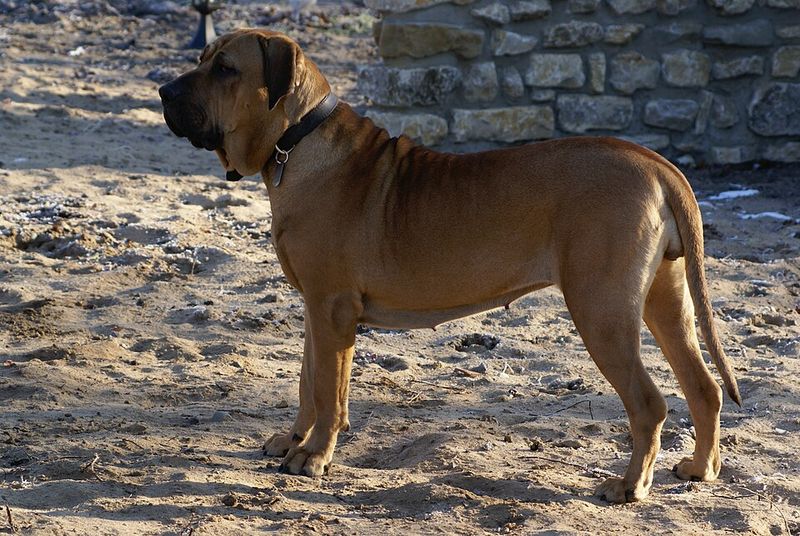
Fila Brasileiros are famously intolerant of strangers, bred to guard with conviction, which can look like sudden aggression. They bond deeply to family yet may escalate quickly if unfamiliar people pressure their space or make direct approaches.
Because warning signals can be brief, management, training, and clear visitor rules are nonnegotiable.
Use solid barriers, strategic crating, and polite leash handling to prevent rehearsal of big feelings. Teach relaxed stationing while guests move, and condition a comfortable muzzle for vet and travel days.
Work with an experienced professional to craft protocols that keep everyone safe and your dog understood. Social exposure should be controlled, brief, and positive, not chaotic.
Neutrality matters more than friendliness here. Plan exits.
Alaskan Malamute
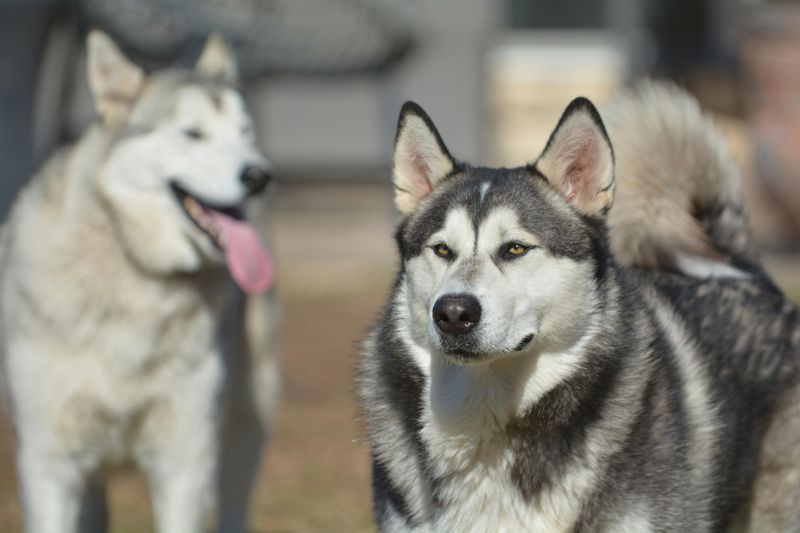
Alaskan Malamutes are strong, social, and independent, with high arousal during excitement that can spill into conflict. Same-sex tension, resource guarding, or frustration on leash may ignite sudden scuffles.
Their talkative style can hide brewing stress until a hard stare or body block becomes a snap.
Prioritize impulse control, calm greetings, and decompression after anything exciting like sledding or fetch. Feed far apart, trade frequently, and practice group rotations rather than free-for-all play.
Condition a basket muzzle, monitor health, and teach rock-solid recalls to keep adventures safe and fun. Use long lines on trails to prevent conflicts with wildlife and strangers.
Teach settle on a mat in public so arousal has an off ramp. Skip crowded dog parks.
Siberian Husky
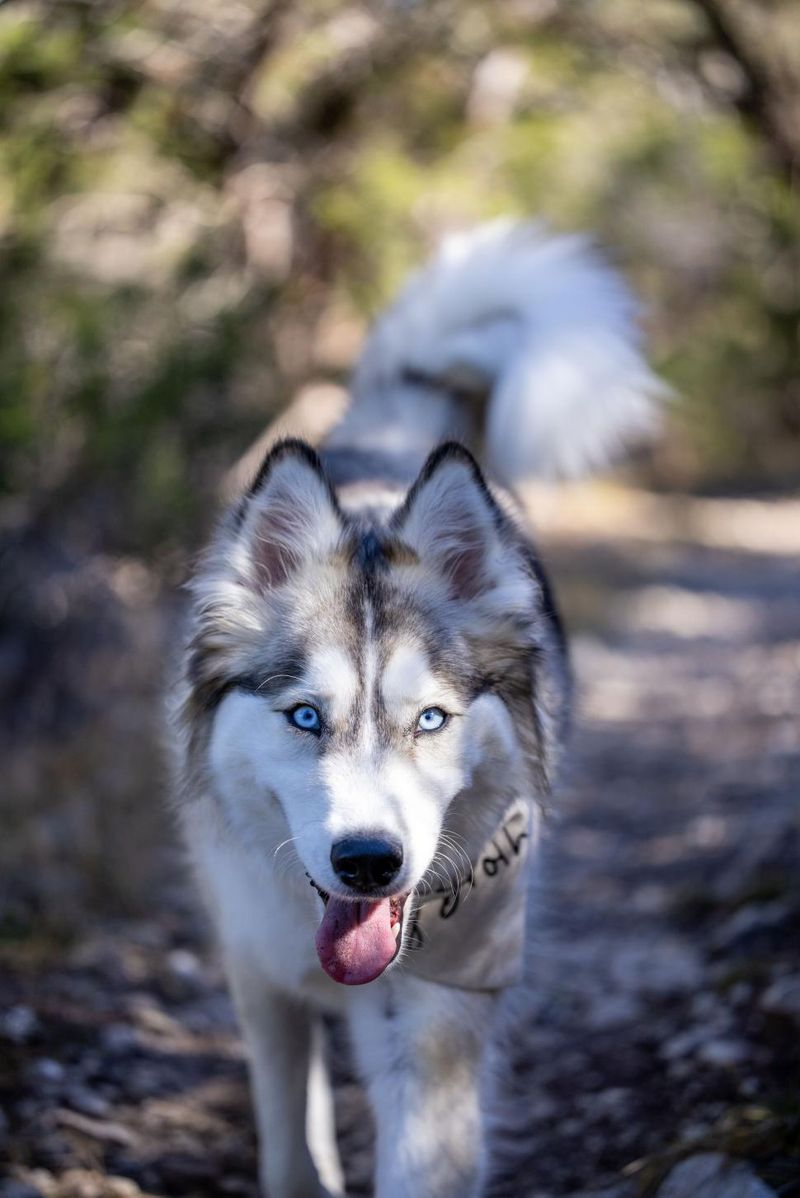
Siberian Huskies are exuberant, vocal, and endurance driven, which can read as unruly or abrupt in tight situations. High chase drives, barrier frustration, and rough play styles can tip into nips or fights before you react.
Crowded dog parks, poorly fitted gear, or fatigue make volatility more likely.
Lean on long lines, decompression hikes, and scatter feeds to keep arousal manageable. Teach neutral passing, strategic recalls, and a quick out cue for rowdy games.
Condition a muzzle, maintain health, and meet exercise needs so surprises are rare and recoveries are quick. Use predictable routines at home to reduce conflict over doors and feeding.
Skip chaotic playgroups and choose matched partners for short, supervised sessions. Rest matters daily.
Shar Pei
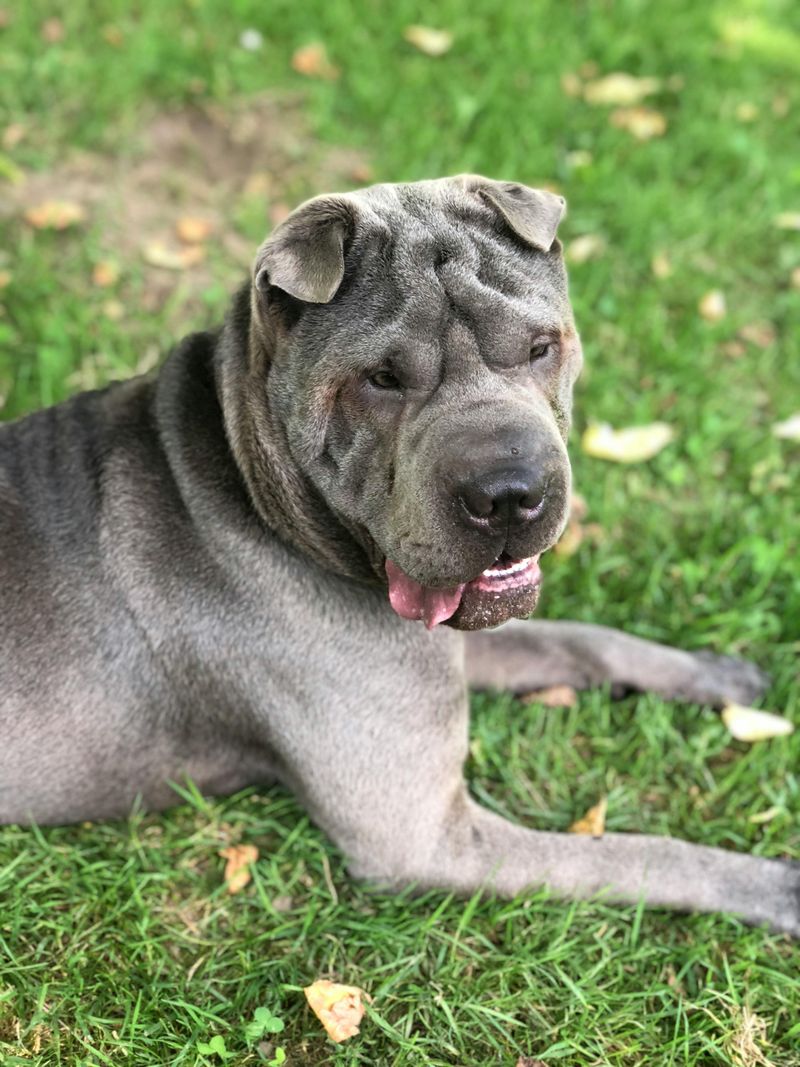
Shar Pei can be stoic, territorial, and pain sensitive, which can push reactions from zero to sixty fast. Skin issues, ear pain, or tight handling during grooming often trigger defensive outbursts.
Dog-dog friction is common without careful introductions and space management.
Schedule regular vet care, cooperative routines, and muzzle conditioning that pairs with treats and rest. Favor parallel walks, calm sniffing, and place training over crowded meetups.
Use gates, leashes, and predictable patterns so you can interrupt tension early and keep life smooth. Reinforce voluntary eye contact to replace staring.
Keep arousal low after exciting events with stuffed Kongs and quiet time. Split criteria, reward tiny choices, and end sessions before frustration builds.
Advocate during greetings.