
Some dogs look like they could run all day, but too much action can leave them cranky, wired, or worn out. Just like kids after a long birthday party, dogs need quiet time to calm their brains and rest their bodies.
Many owners think a tired dog is always a happy dog, yet some breeds actually do better with planned breaks. Here are the dogs that shine brightest when their days include more rest and calm moments.
Border Collie
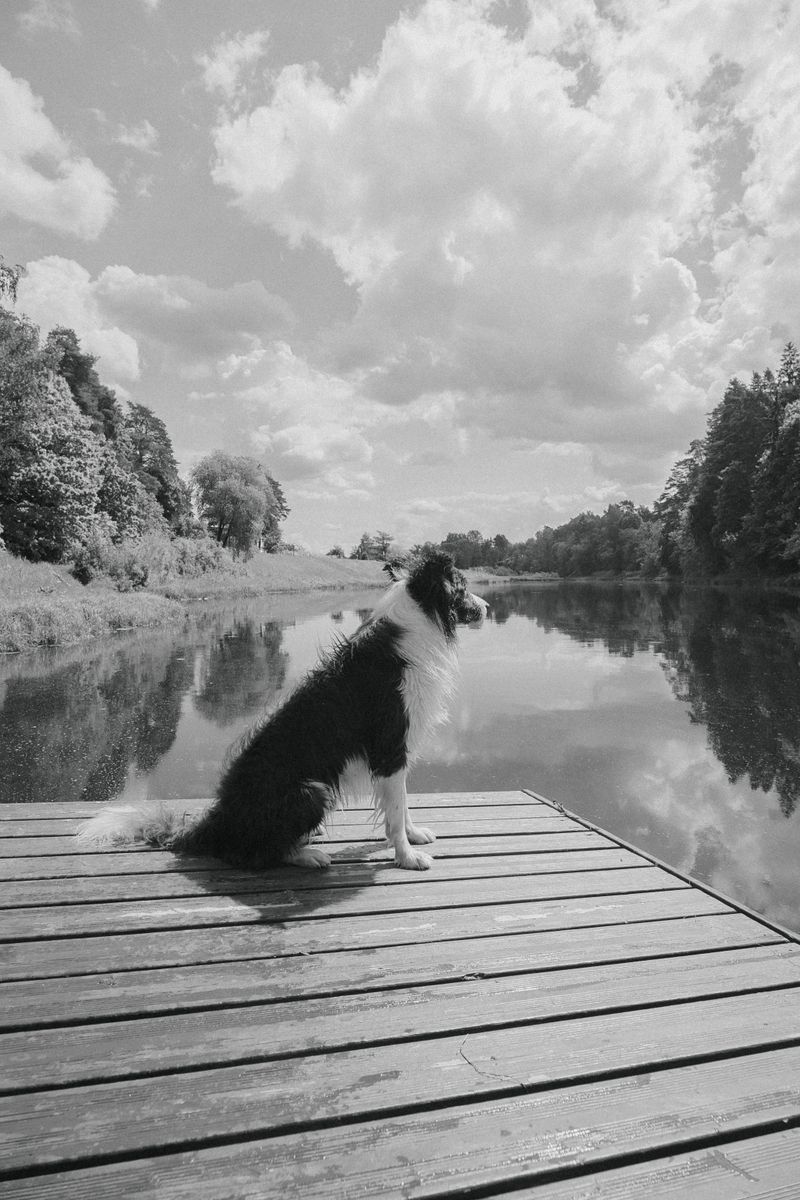
Picture a dog that would herd sheep until sunset if you let it. Border Collies are brilliant, but their busy minds rarely switch off on their own.
Without breaks, many become anxious, chase shadows, or nip at moving feet. Owners can help by teaching an off switch, like a settle command on a mat.
Short puzzle sessions followed by quiet crate naps keep these clever herders balanced and much easier to live with.
Australian Shepherd
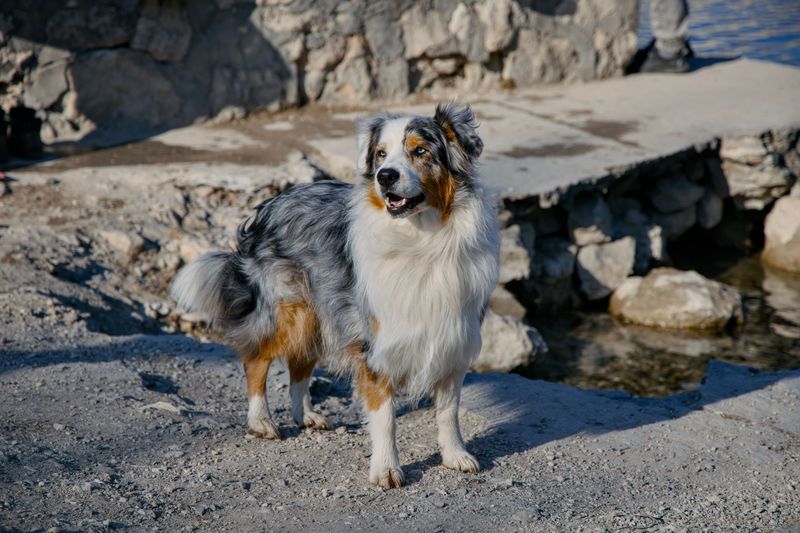
Ranchers love Aussies for their endless drive. At home, though, that same drive can turn into pacing, barking, and bouncing off the walls.
Here is a surprise for many owners: more fetch does not always fix it. Too much exercise builds stamina, making the dog need even more.
Try mixing activity with sniff walks, chew time, and scheduled rest periods. A calmer routine often brings out a happier, steadier companion.
Belgian Malinois
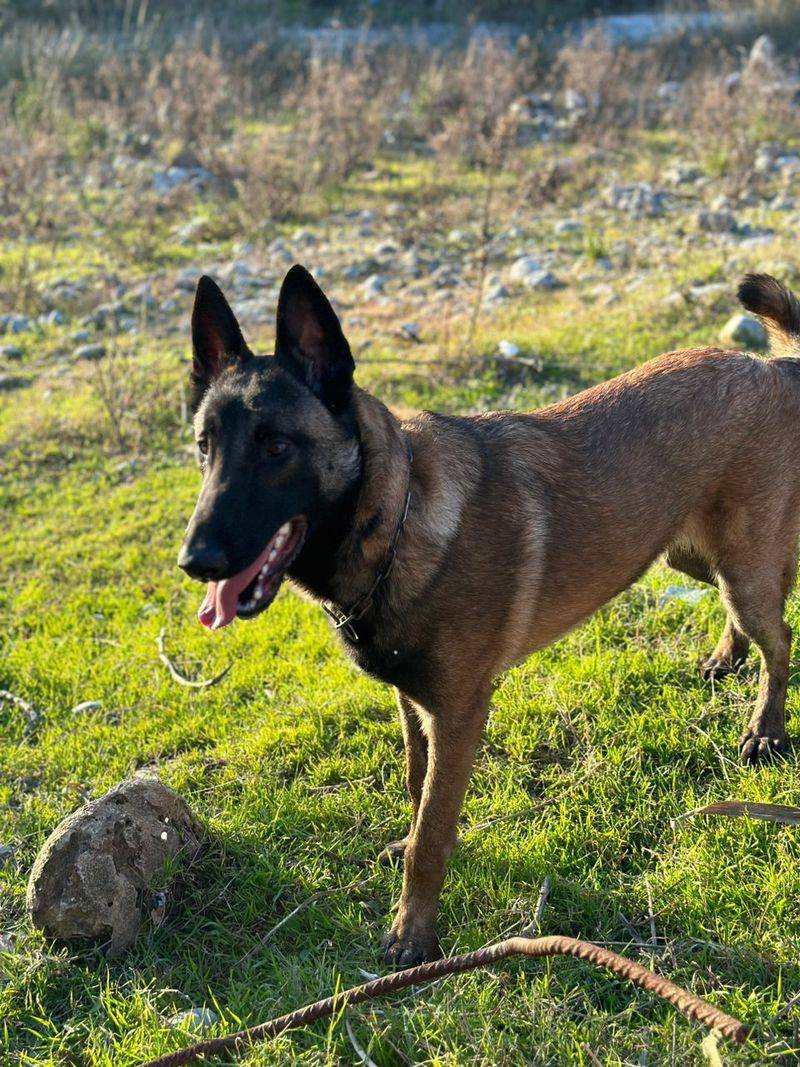
Police and military teams rely on the Malinois for its focus and speed. That intensity is amazing on the job and exhausting in a small apartment.
These dogs can get so worked up that they struggle to relax, even when tired. Overstimulation may lead to spinning or chewing furniture.
Build in calm crate time, frozen treats, and quiet hours. Teaching relaxation is just as much training as any obedience drill.
Jack Russell Terrier
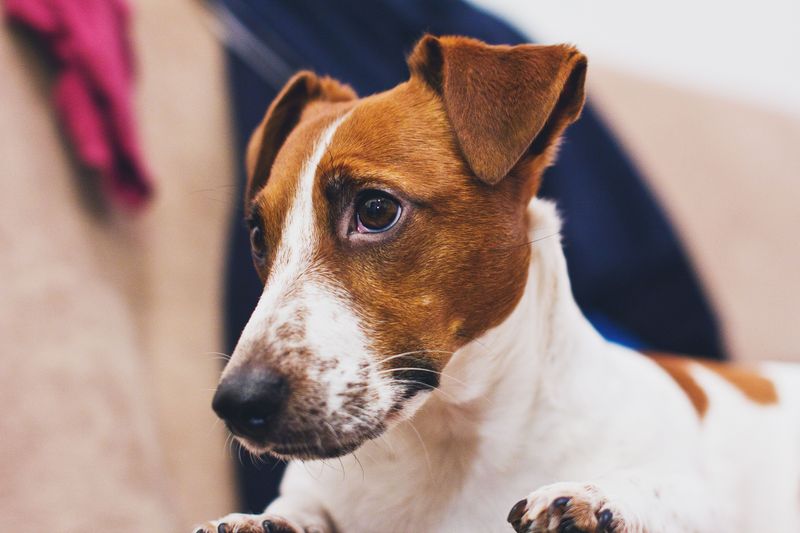
Tiny body, giant battery. Jack Russells were bred to chase foxes, and they still act like every squirrel is a personal mission.
All that zipping around can tip into frantic barking and digging when the day never slows down. A tired terrier is not always a calm one.
Give your little firecracker a snuggly spot, a lick mat, and a regular nap time. You might be shocked how sweet they get.
Siberian Husky
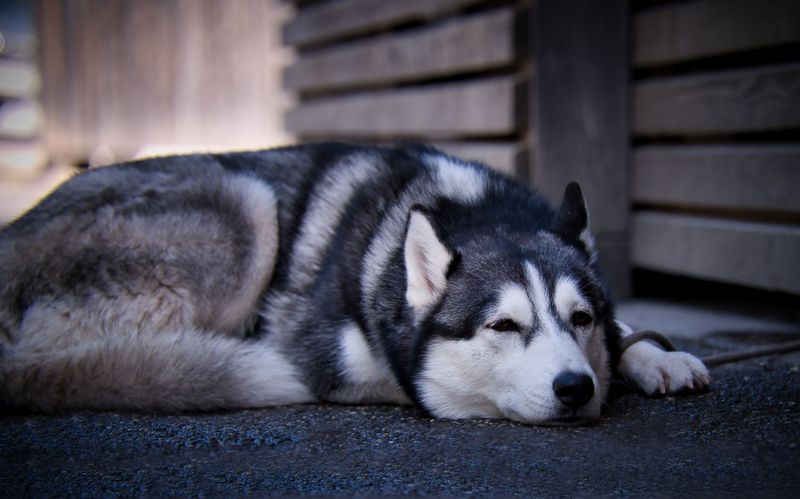
Did you know Huskies once pulled sleds for more than 100 miles a day? It makes sense that owners think they need nonstop action.
Still, sled teams rested hard between runs. Modern Huskies that never pause can become loud, stubborn, and escape-minded.
Balance runs with quiet chew sessions and cool resting areas, especially in warm weather. Plenty of downtime helps these dramatic talkers stay content and a bit less mischievous.
Vizsla
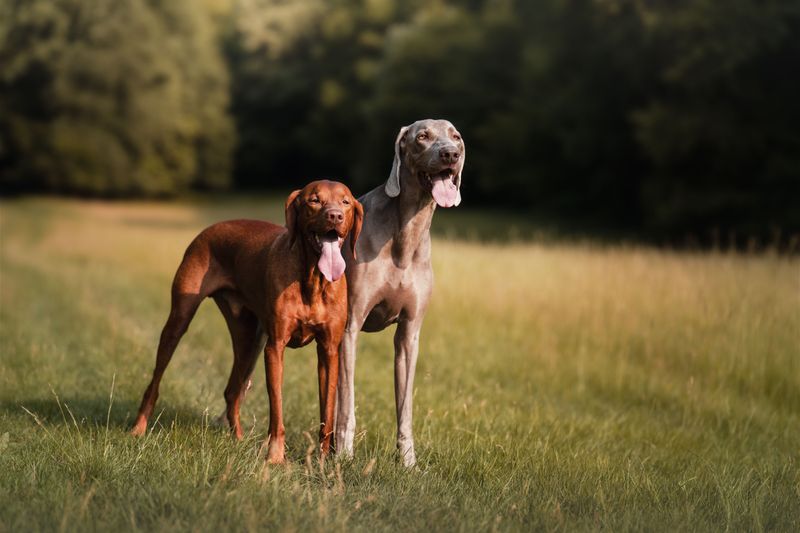
Nicknamed the Velcro dog, the Vizsla sticks to its people like glue. Its sporty build hides a surprisingly sensitive heart.
When days are packed with running and noise, many Vizslas grow clingy, whiny, or nervous. They feel everything going on around them.
Quiet cuddle breaks on the couch matter as much as long jogs. A soft blanket and calm voice can reset this tender athlete within minutes.
Weimaraner
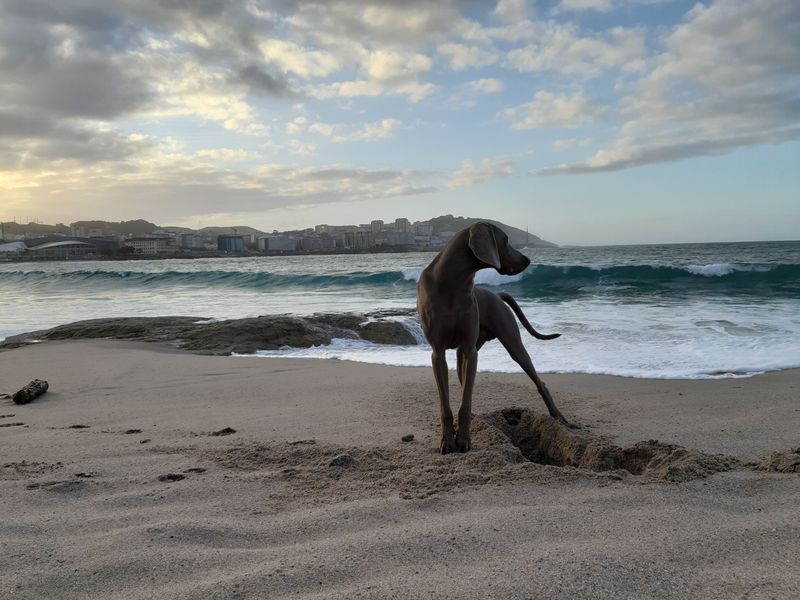
Sleek and silver, the Weimaraner looks like a gray ghost dashing through fields. Those hunting genes come with serious energy.
Yet constant action can make them restless and prone to separation stress. Many owners notice destructive behavior after extra busy weekends.
A predictable rhythm works wonders. Plan active mornings, slow afternoons, and an early evening wind-down.
Your couch cushions will thank you, and so will your dog.
Dalmatian
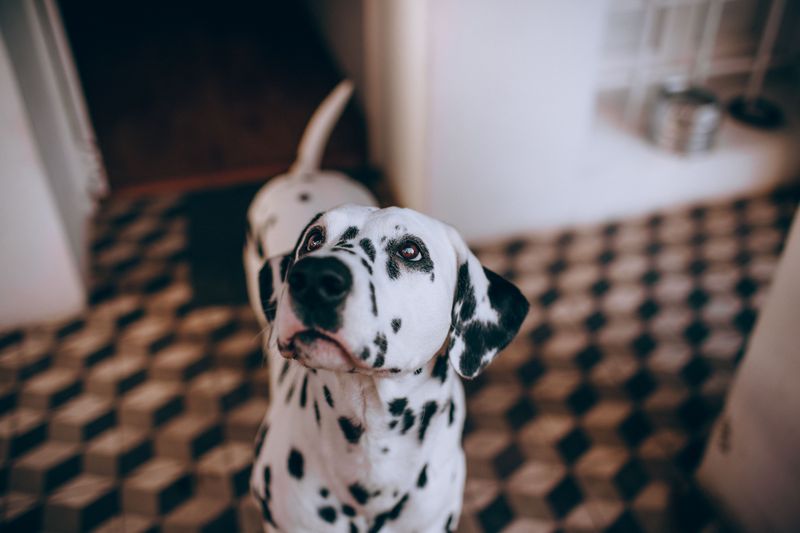
Long ago, Dalmatians trotted beside horse carriages for miles. That history gave them amazing endurance and a busy, alert mind.
Too much excitement, like crowded parks every day, can make some Dalmatians jumpy or reactive. They notice every sound and movement.
Offer calm sniffing time in quiet places and rest in a low-traffic room. Peaceful spots let these spotted runners recharge without feeling on guard all the time.
German Shorthaired Pointer
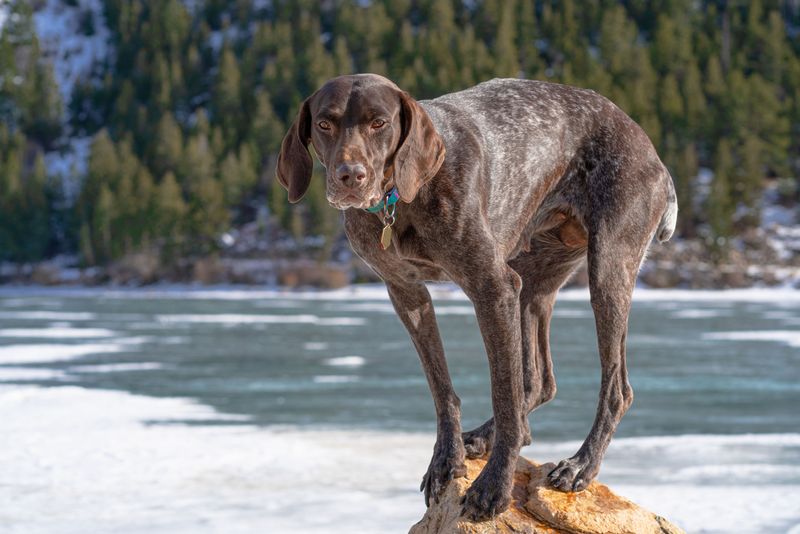
Ask any GSP owner, and they will laugh about the zoomies. These hunting dogs seem built from springs and enthusiasm.
Here is the catch. Without rest, pointers can become overtired, much like toddlers who skip naps, and start acting silly or rude.
During hikes, pause for water and lying-down breaks. At home, use a crate or gated room for naps.
Rest turns bounce into better manners.
Cattle Dog
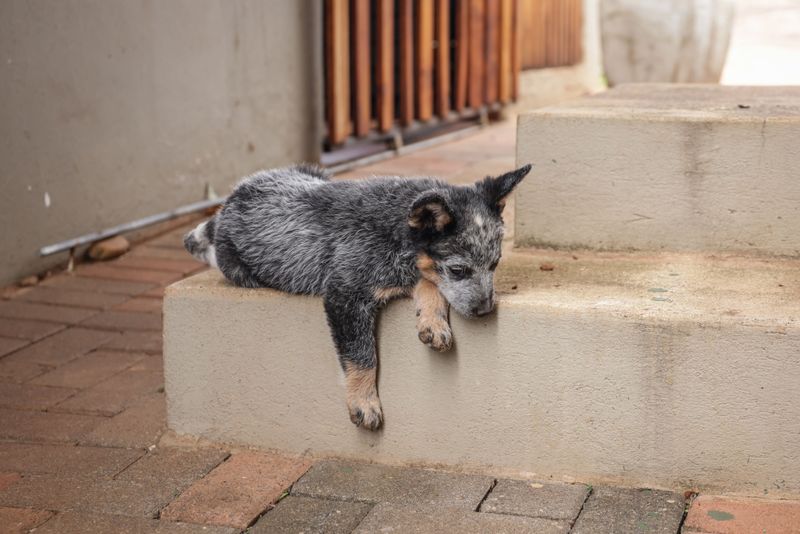
Tough, loyal, and a little bossy, the Cattle Dog was made to move stubborn cows across hot Australian land.
Fun fact: one Cattle Dog named Bluey lived almost 30 years. Long life does not mean endless motion, though.
Constant stimulation can make these dogs bossy with kids or other pets. Daily chill time, chew bones, and a cozy crate help keep their herding instincts from running the whole household.
Labrador Retriever
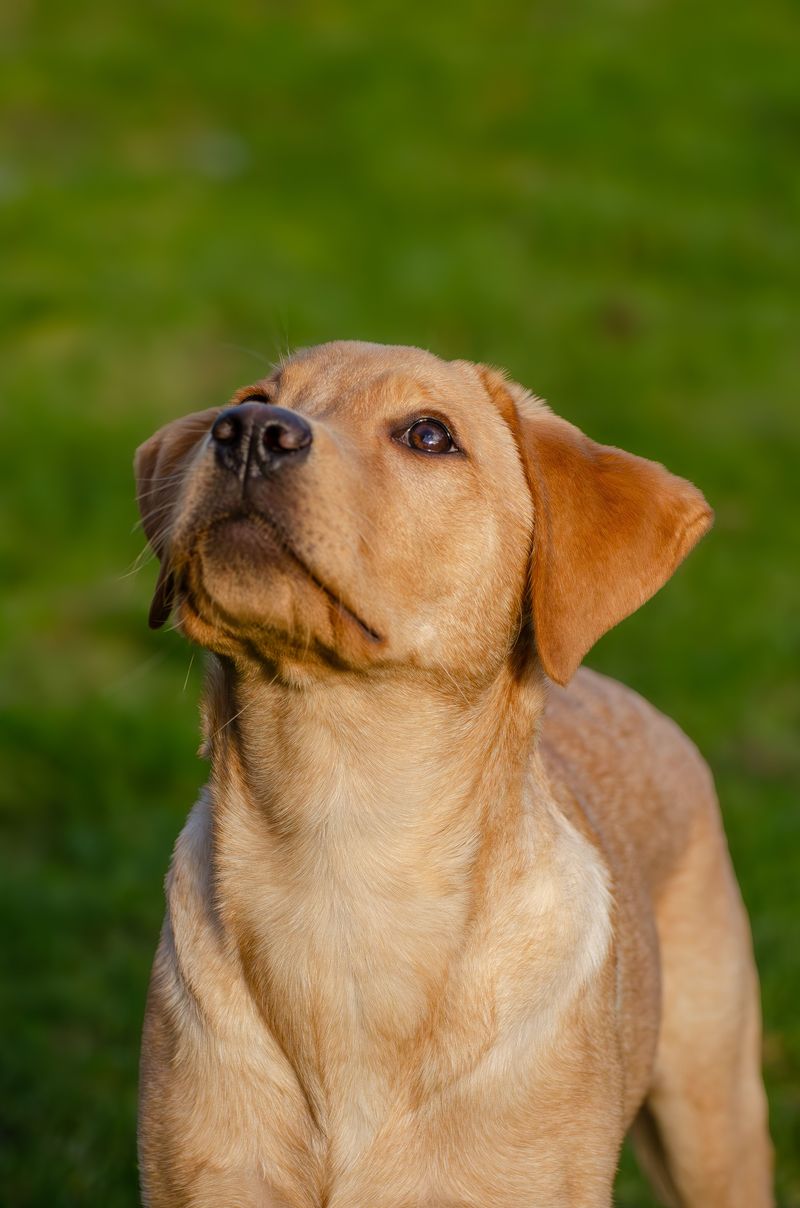
Everyone knows the Lab that never stops bringing back the ball. Throw it fifty times, and they still beg for fifty-one.
Young Labs especially can get overtired, leading to mouthy behavior and wild jumping. Puppies need up to 18 hours of sleep daily.
Put the ball away sometimes and offer a stuffed food toy instead. Teaching your Lab to relax builds a more polite family friend.
Shetland Sheepdog
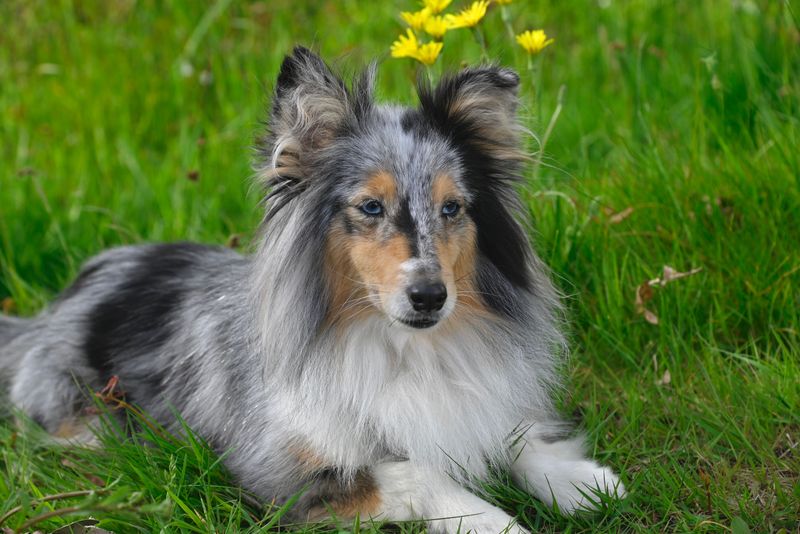
Sweet, fluffy, and smart, Shelties look like tiny Collies with big opinions. They also bark at almost everything that moves.
Busy homes with constant visitors and noise can overwhelm their sensitive minds. Stressed Shelties often bark more and spin in circles.
Create a quiet hideaway with a soft bed away from foot traffic. Calm music or a covered crate helps this gentle herder unwind and feel safe again.
Boxer
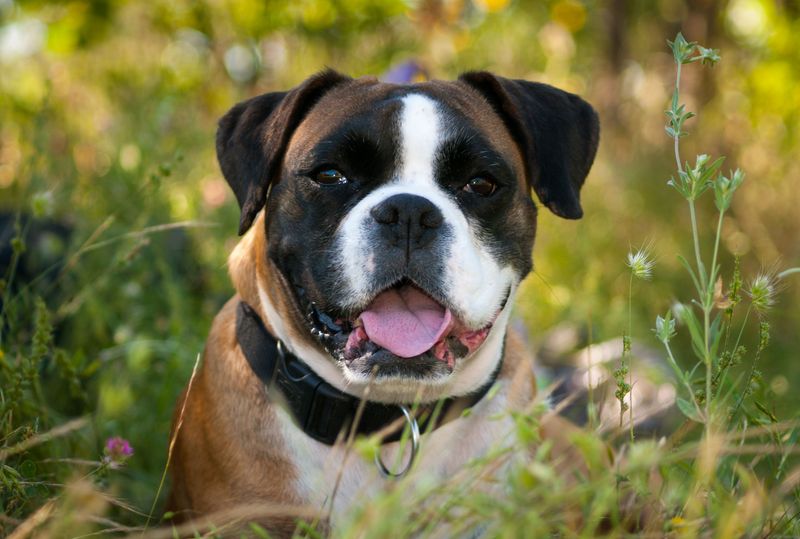
Goofy and bouncy, Boxers are the class clowns of the dog world. They wiggle their whole bodies when happy.
Because of their short noses, they can overheat quickly during long play. Too much action may leave them panting hard or overexcited.
Keep play sessions short and follow them with cool-down time indoors. Most Boxers happily switch to snoring mode, often belly-up in the funniest positions you can imagine.