
Some dogs seem to read your mind before you even speak. A glance, a shoulder shift, or the way you breathe tells them everything they need to know.
If you love a companion who tunes into your mood and moves with your energy, these breeds shine brightest. Get ready to meet 13 intuitive dogs that follow your body language better than your voice.
Papillon
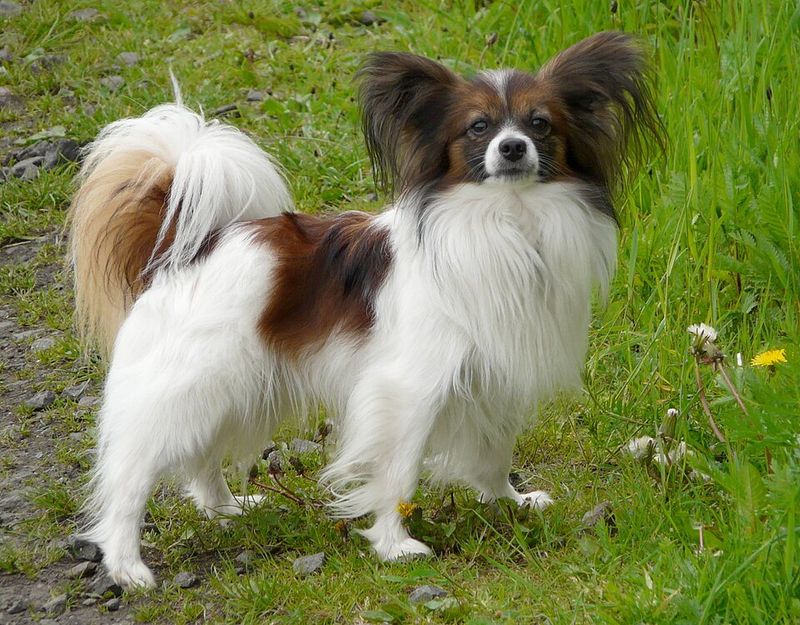
The Papillon thrives on subtle cues, tracking your eyes, shoulders, and even how you set your feet. Quick and alert, this small dog notices the tiniest wrist flick or weight shift and responds like a tiny athlete.
Speak softly and it still gets the message, thanks to sharp attention hardwired into its nimble brain.
Expect a partner for agility and trick training who watches you like a teammate. It reads tension versus relaxation, then chooses calm or play.
Indoors, that means settling when you exhale slowly. Outside, that means springing forward the moment you lean ahead.
Phalene
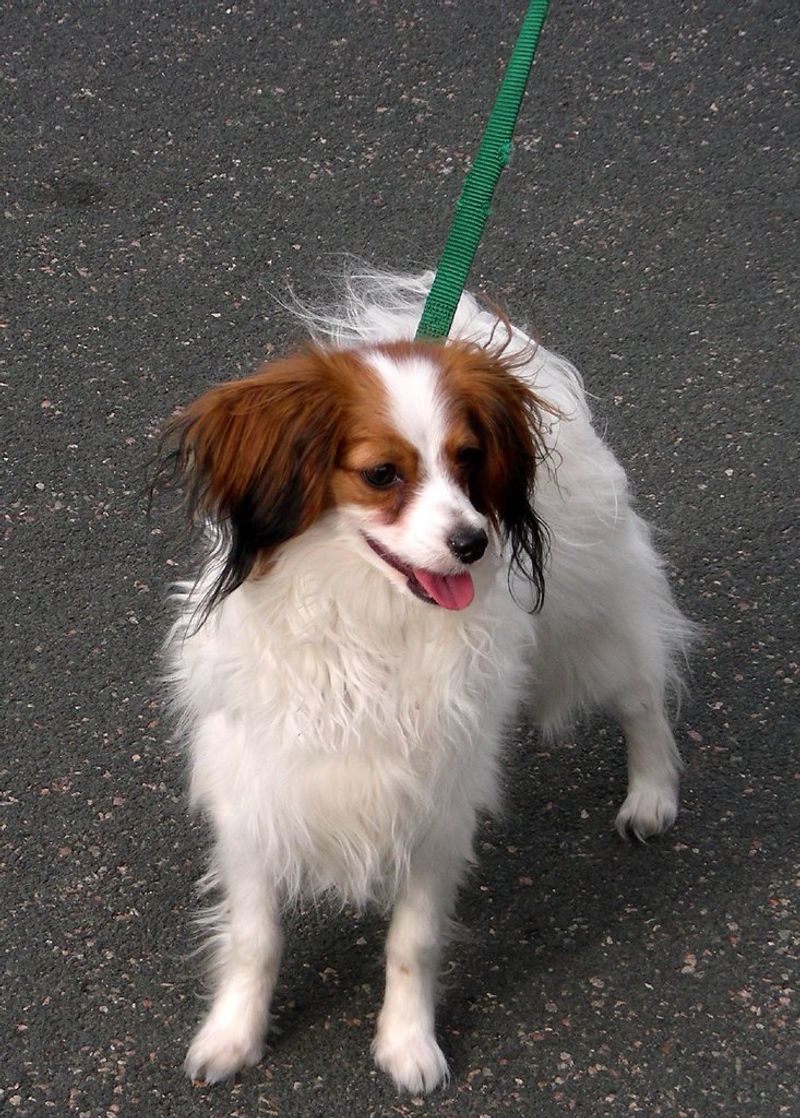
The Phalene shares Papillon smarts but with soft, dropped ears and a thoughtful demeanor. It excels at reading stillness and gentle hand targets, often performing best when voices are quiet.
Teach with eye contact and a relaxed stance, and you will see smooth, flowing responses.
This dog excels at indoor games that reward attentive observation. Subtle cueing shines, like releasing to a mat when your hips shift or returning when you open your palm.
Because it keys into mood, keep sessions upbeat and short. Your breathing rhythm and pacing become a reliable language that the Phalene understands naturally.
Japanese chin
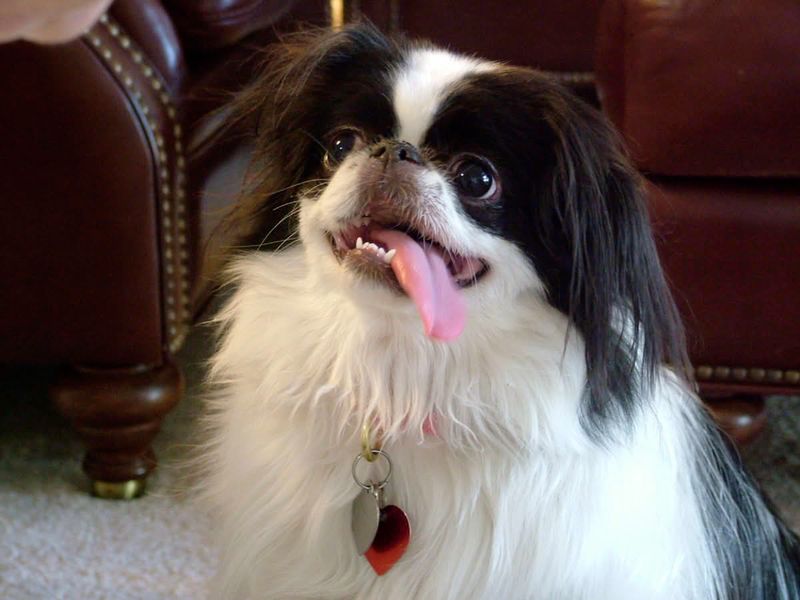
The Japanese Chin is famously catlike, which translates into keen observational skills. It studies facial expressions, blinking, and tiny nods, responding to posture more than volume.
If you relax your shoulders and smile, it softens. If you lean forward invitingly, it happily bounces into interaction.
Training works best with hand signals and slow, deliberate movements. A quiet home suits the Chin, where calm energy keeps focus sharp.
It notices routine shifts, predicting your next step before you say a word. That makes it a charming shadow for people who prefer whisper-light communication.
English toy spaniel
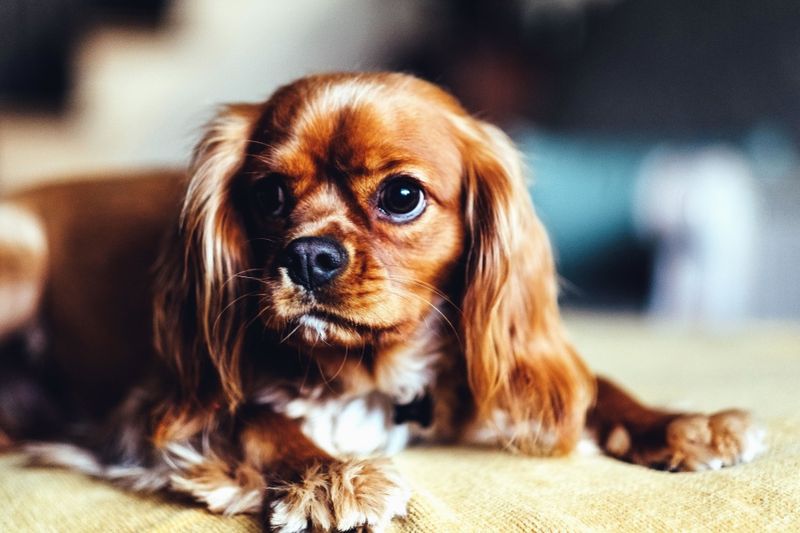
Gentle and affectionate, the English Toy Spaniel watches your hands and gaze like a loyal courtier. Its steady nature means it responds to slow gestures, soft eye contact, and inviting posture.
Raise an eyebrow, open your palm, or turn your toes, and this little shadow understands the next move.
Because it is sensitive, loud voices can muddle communication. Keep instructions quiet and body language clear.
A consistent routine paired with predictable motions creates beautifully reliable behavior. This breed thrives on warmth and closeness, translating your mood into action with delicate intuition.
Havanese
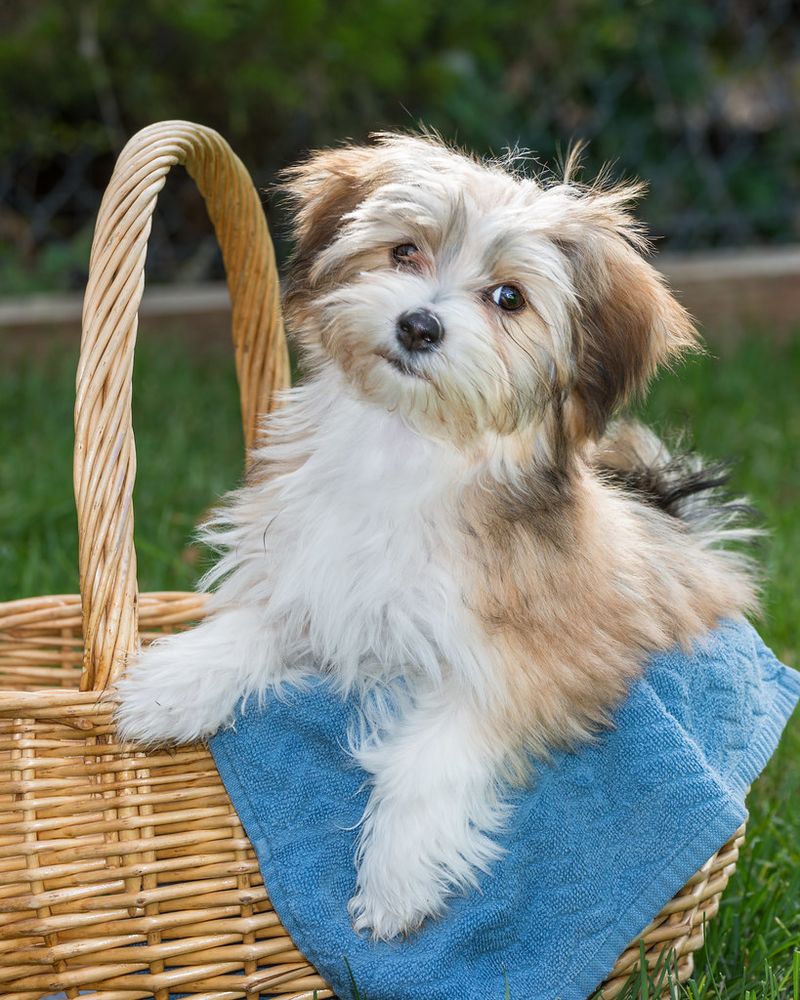
The Havanese is a social butterfly that reads your vibe instantly. It takes direction from knee bends, sideways steps, and a smile more readily than loud commands.
Pair those gestures with treats and you get an eager, attentive dance partner.
This breed excels at rally and freestyle tricks because it tracks your hips and shoulders while staying light on its feet. It notices when you slow down to calm, and it mirrors the tempo.
Training becomes a conversation where your body leads and the Havanese joyfully follows, making every session playful and connected.
Bolognese
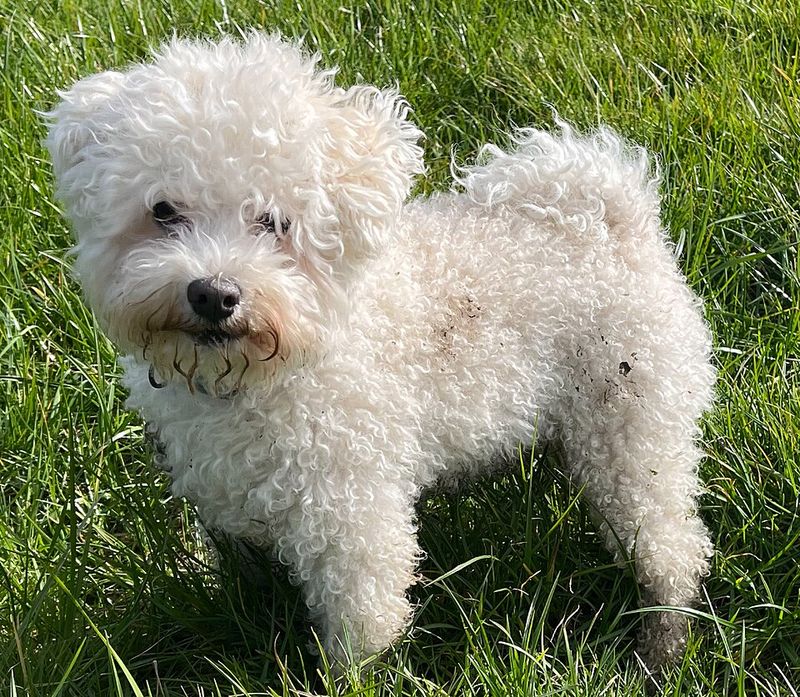
The Bolognese is thoughtful and observant, preferring gentle guidance to chatter. It watches for an open hand, a shifting knee, or a relaxed silhouette to choose the right behavior.
Calm energy from you keeps the dog centered, reducing overexcitement and sharpening focus.
Short, structured sessions with clear body cues build confidence. This breed loves predictable rituals, like stepping back to invite a recall or tilting your head to release a stay.
Over time, you will feel a wordless rhythm develop. The Bolognese thrives when training becomes quiet choreography instead of constant speaking.
Coton de tulear
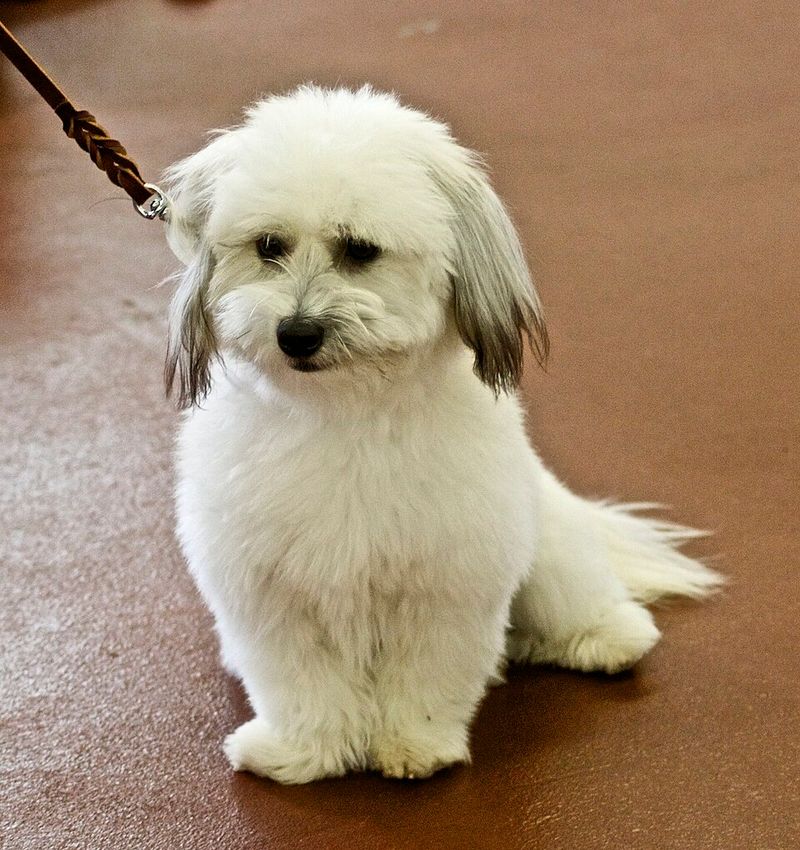
The Coton de Tulear brings bright eyes and buoyant spirit to nonverbal communication. It follows your sidesteps, pivots with your hips, and keys into inviting gestures.
Speak less and move with intention, and it reads the plan instantly.
These dogs adore games that reward attention, like heelwork to music and trick chains cued by glances. Because Cotons are affectionate, your calm presence becomes a powerful signal.
A settled breath and open posture say stay, while a playful lean unleashes joyful zoomies. Expect an intuitive partner who tunes into you like a best friend.
Lowchen
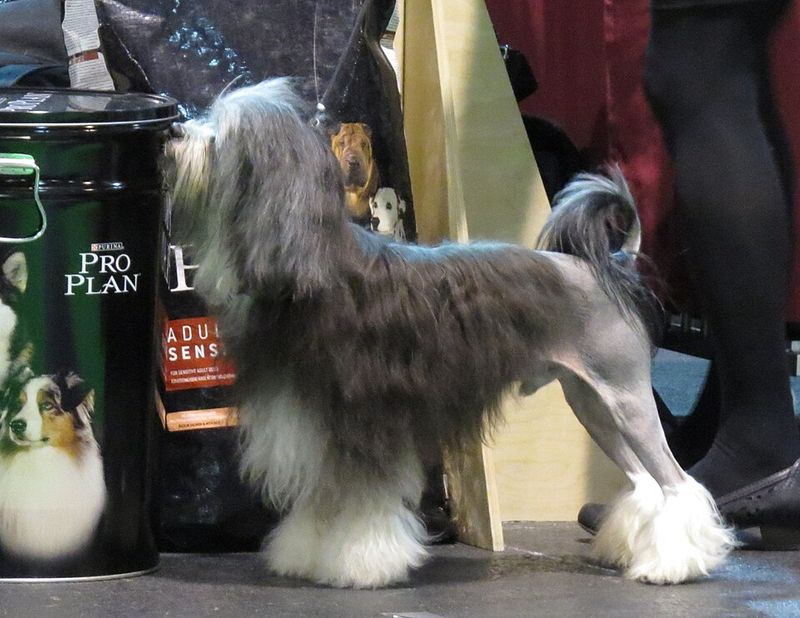
The Lowchen is curious, quick, and highly attuned to motion. It does best when your signals are clear and consistent, such as an open hand for stay or a hip turn for heel.
Rather than repeating commands, step with purpose and watch the dog glide into position.
Its playful confidence makes advanced tricks fun. Sensitive without being fragile, it reads your enthusiasm and matches it.
On slower days, gentle eye contact and a small nod cue calm. A Lowchen thrives when training feels like a game of follow the leader powered by your movement.
Tibetan spaniel
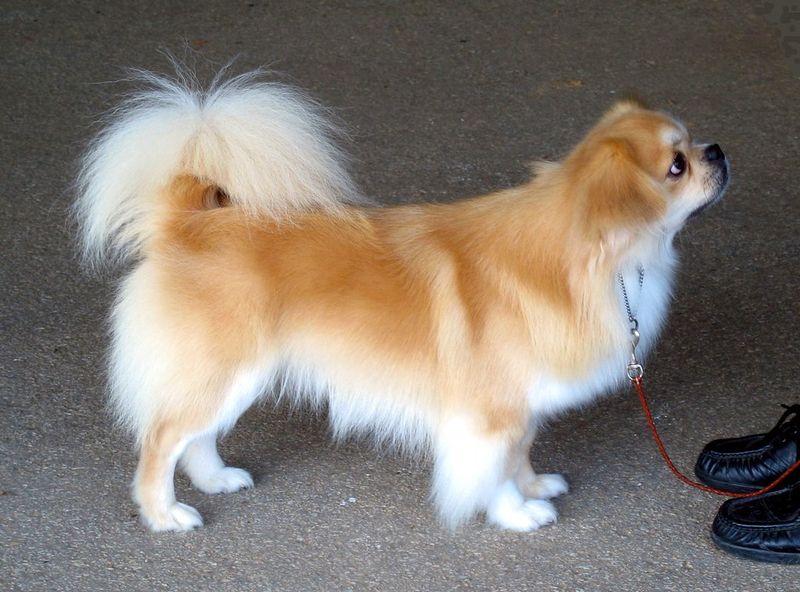
Tibetan Spaniels were bred as lookouts, and that watchfulness translates into extraordinary reading of posture. They pick up on subtle invitation cues, like a soft hand sweep or a relaxed turn.
The less you talk, the more they notice.
Because they can be independent, body language becomes a respectful bridge. Give space, then beckon with a gentle lean and they follow.
Steady rituals like stepping aside to open a path teach them to choose the right option. This makes Tibbies great companions for calm households that value quiet communication.
Lhasa apso
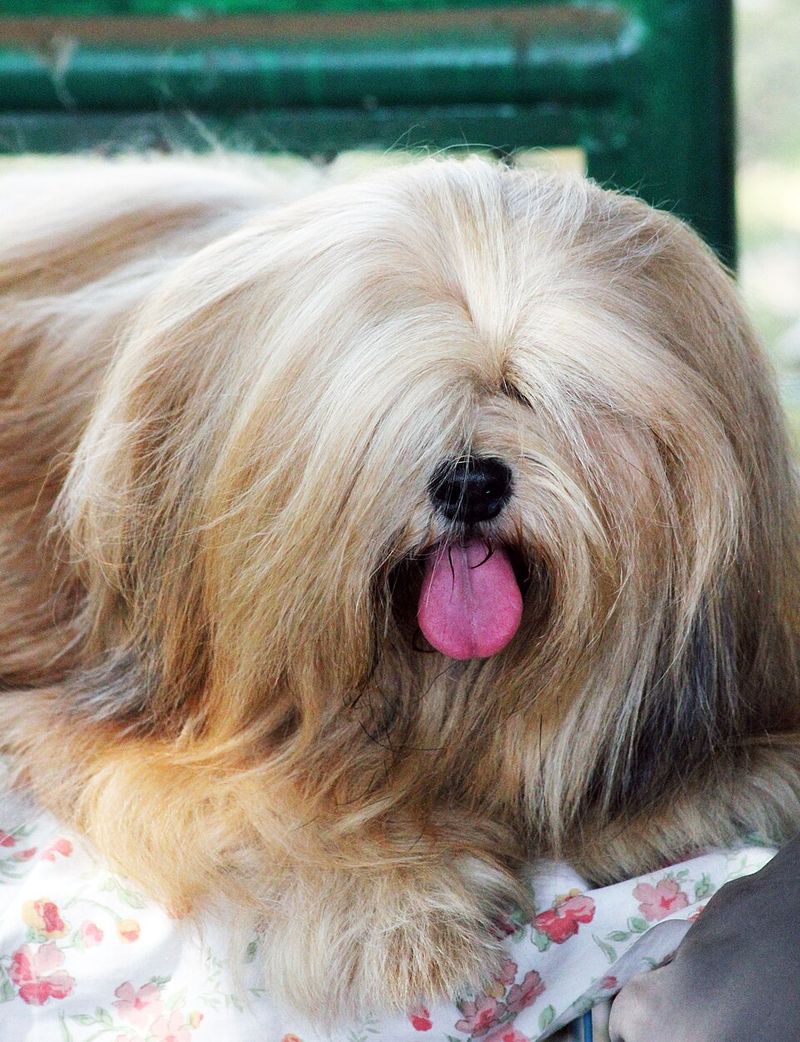
The Lhasa Apso values clarity and respect, responding best when your body message is unambiguous. Step forward with intent and it moves with you.
Quiet eye contact and a steady hand cue tell it exactly where to settle without a word.
This breed can be selective, so cooperative routines matter. Use foot targets, shoulder turns, and stillness to define choices.
With consistency, the Lhasa becomes a discerning partner who reads posture like text. Keep sessions short and fair, and you will see refined responses that feel almost telepathic.
Chinese crested
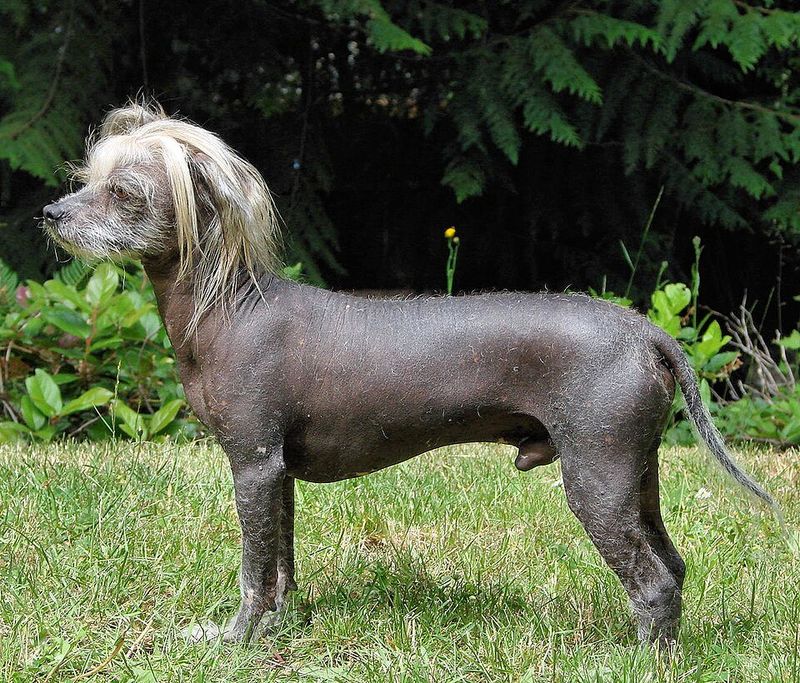
The Chinese Crested is sensitive and expressive, thriving on clear, gentle movement. It mirrors crouches, follows hand targets, and keys into your breathing.
Loud or harsh tones can overwhelm, so soft presence becomes the guide.
With practice, you can cue spins, bows, and calm settles using minimal voice. The dog reads where your chest points and how your knees angle.
This creates a graceful, shared language that suits apartments and small spaces. Cresteds shine when training celebrates softness, empathy, and playful creativity.
Italian greyhound
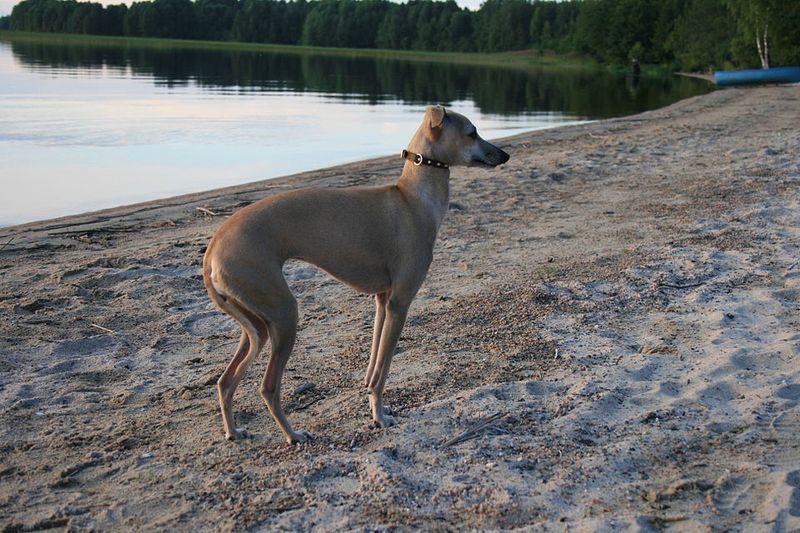
The Italian Greyhound thrives on motion and silence. It watches your shoulders and hips like a dancer, matching stride length and pace effortlessly.
A tiny lean or slowed exhale can cue a downshift without speaking.
These sensitive dogs appreciate calm, predictable training. Use clear footwork, smooth hand targets, and gentle eye contact to communicate.
They love the flow of movement and reward routines that feel like choreography. With patience, you will have a graceful partner who anticipates your next step with uncanny accuracy.
Silken windhound
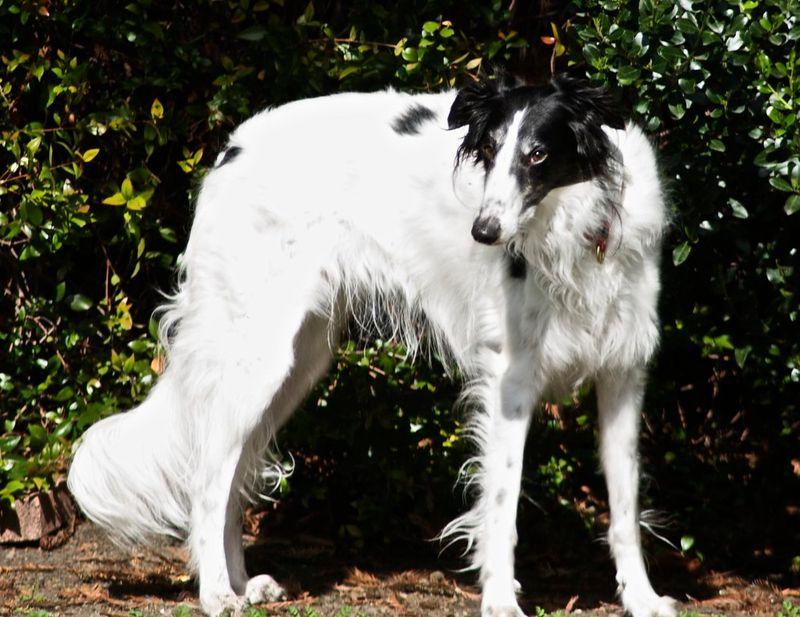
The Silken Windhound combines sighthound elegance with a teammate’s focus. It orients by reading your torso and arm sweeps, gliding into turns before words leave your mouth.
Calm consistency is crucial, because excitement can flood signals.
Use body blocks, open pathways, and purposeful strides to shape choices. Reward check-ins and mirrored movement, and the Silken becomes a fluid shadow on trails.
Your posture sets the story, and this dog reads every chapter, from relaxed strolls to joyful sprints. Together, you create a quiet dialogue that feels effortless.