
Some dogs hear a cue and treat it like a lively group discussion. You ask for a sit, and they counter with a thoughtful pause, a head tilt, and maybe a better idea.
If you love brains, humor, and a side of rebellion, these breeds will keep you on your toes. Get ready to laugh, adapt, and become the trainer they respect, not just obey.
German Longhaired Pointer
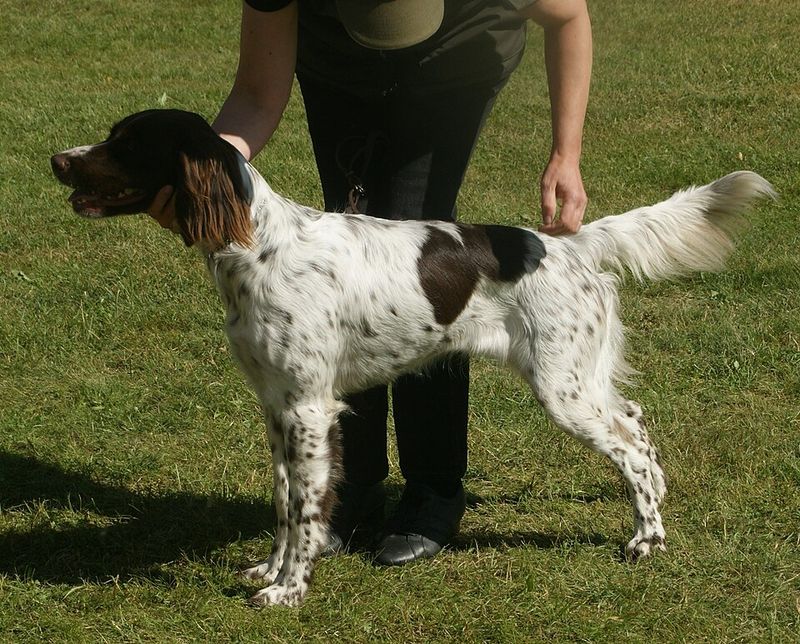
The German Longhaired Pointer is elegant, soft eyed, and clever enough to test your consistency. Ask for heel, and you might get thirty seconds of perfect form before a dramatic pause to audit your technique.
They thrive when training feels like a partnership, not a lecture.
Channel their hunting brain with scent games, long line recalls, and varied terrain walks. Positive reinforcement keeps them honest, while boredom invites creative negotiation.
Rotate rewards to surprise them, and you will see sharper focus and fewer debates.
Daily exercise is not optional, and mental work matters just as much. Set boundaries early, celebrate small wins, and protect their sensitive nature.
With structure and humor, you will gain a brilliant teammate.
German Wirehaired Pointer
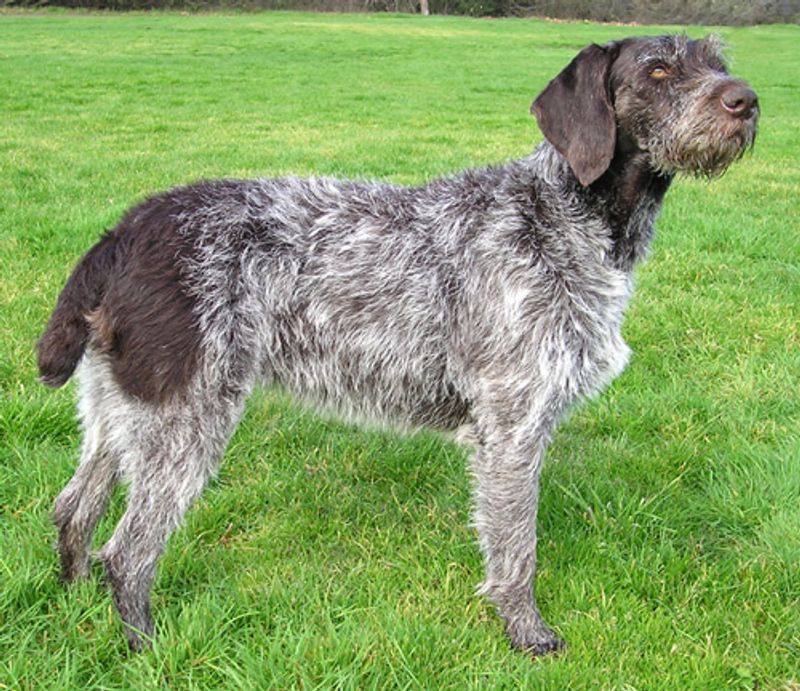
Stubborn, scrappy, and full of opinions, the German Wirehaired Pointer asks why before it says yes. They respect clarity and will poke holes in fuzzy rules.
Give them a job with purpose, and watch the debates taper into productive focus.
Structured retrieves, tracking lines, and steadiness drills turn that grit into gold. Keep sessions short, upbeat, and precise.
If you nag, they tune out, so mark behavior cleanly and reward like you mean it.
Socialization should be wide and thoughtful. They can be protective, so teach chill responses to strangers and dogs.
Meet their need for miles, then their need for puzzles, and training shifts from argument to agreement.
Wirehaired Pointing Griffon
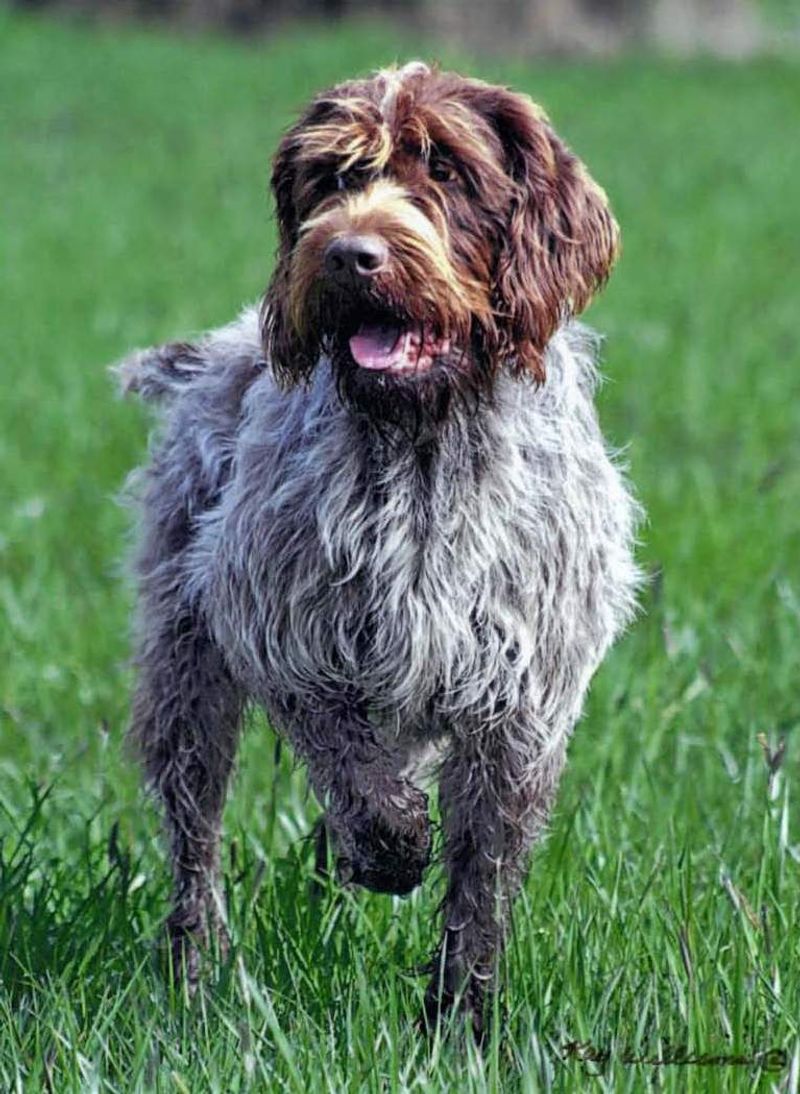
The Wirehaired Pointing Griffon is goofy smart, which means rules get tested with charm. Ask for down, and you might get a theatrical slouch plus pleading eyebrows.
Clear criteria and generous praise convert cheekiness into cooperation quickly.
Make training adventuresome with water retrieves, field searches, and urban scent trails. They love variety and excel when you make tasks playful.
Use food and toys interchangeably to keep motivation high.
Grooming time can double as impulse control practice. Teach settle on a mat, then brush, pause, reward, repeat.
With patience and humor, you will shape a versatile partner who still cracks jokes but follows through.
Spinone Italiano
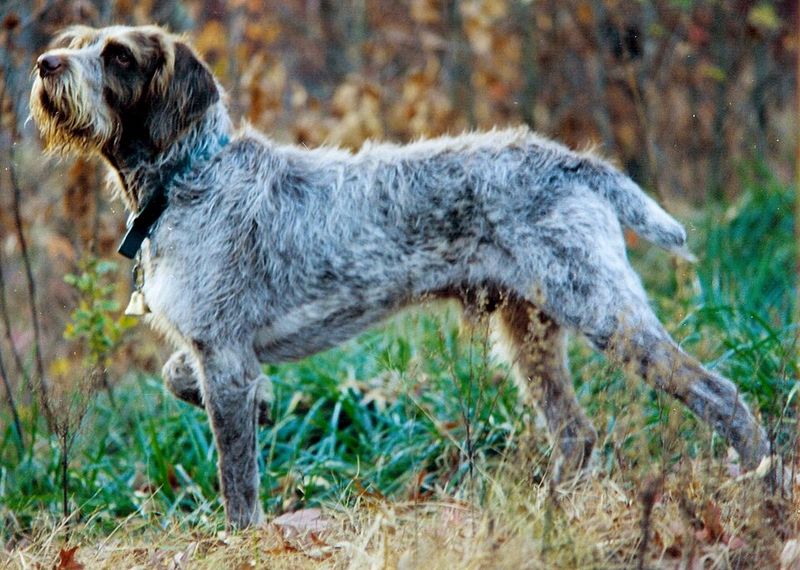
The Spinone Italiano brings a philosopher’s calm and a comedian’s timing. They hear a cue, think it over, then comply when it feels reasonable.
Slow, kind training wins, while pressure sparks quiet resistance.
Use food rewards, gentle handling, and consistent routines. They shine in tracking, nose work, and low impact adventures.
Keep sessions short and end on success, because this breed remembers how each interaction felt.
Social comfort is key, so introduce novel surfaces, people, and sounds early. Teach loose leash walking with patience and frequent reinforcement.
With steady leadership and a soft touch, you get cooperation wrapped in scruffy charm.
Bracco Italiano
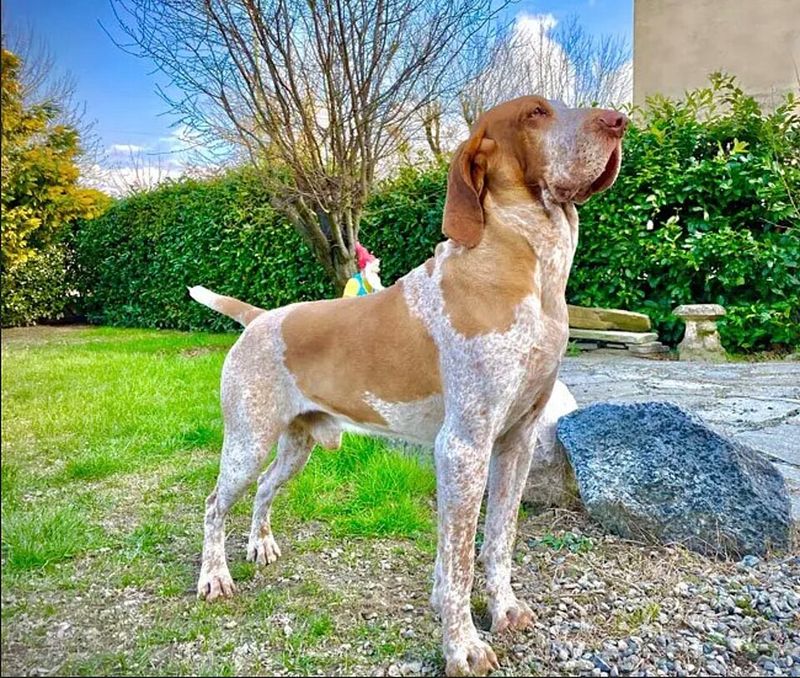
The Bracco Italiano is thoughtful, sensitive, and surprisingly witty about rules. They appreciate fairness and will question sloppy cues.
If your timing is crisp and your criteria consistent, they fall into rhythm beautifully.
Incorporate free shaping, nose work, and steadiness drills that reward impulse control. They love using their remarkable noses to solve problems.
Keep corrections light and information rich, because heavy hands erode trust fast.
Daily structure prevents creative freelancing. Practice recall games with controlled distractions and build duration sits slowly.
When training feels collaborative and respectful, the Bracco offers wholehearted effort and memorable elegance.
Pointer

The Pointer is speed wrapped around a radar nose, with opinions about efficiency. If a sit seems pointless, expect a counteroffer involving motion.
Tie every cue to a meaningful outcome, and they buy in fast.
Use chase breaks, tossed toys, or access to birds as rewards. Build rock solid recall with variable reinforcement and surprise jackpots.
Keep drills brisk and purposeful to match their fast brain.
They thrive on miles and maps. Long line hikes, field runs, and agility cross training keep debates short.
With structure and fair challenges, the Pointer becomes an electrifying, reliable partner.
English Pointer
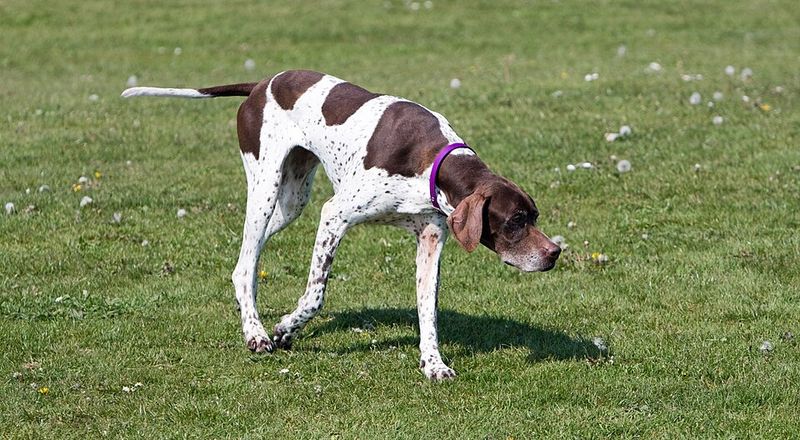
Elegant and willful, the English Pointer asks for clarity before cooperation. Vague cues invite creative interpretations.
Anchor behaviors with strong reinforcement histories and consistent context, and you will feel the shift.
Blend fieldwork with obedience basics. Use scent games, directionals, and place training to channel energy.
Reward generously when they choose you over the wind.
Gentle handling matters for this sensitive breed. Avoid nagging corrections and keep sessions upbeat.
When you respect their drive and offer meaningful work, they deliver style and substance without the arguments.
Gordon Setter
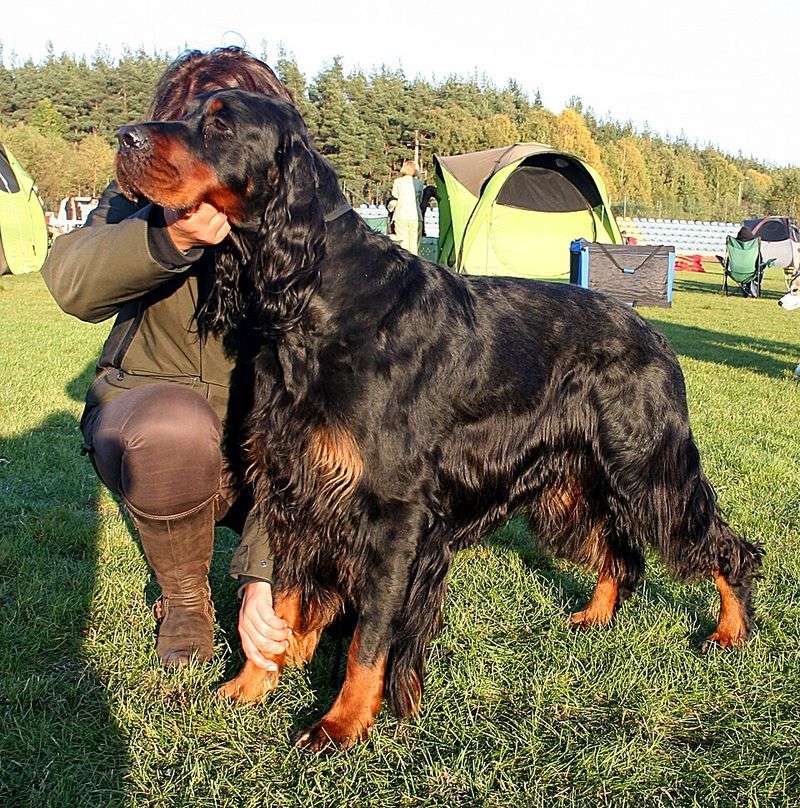
The Gordon Setter is passionate, loyal, and gloriously headstrong. They care deeply about their people yet push back when cues feel inconsistent.
Earn trust with routines, and ask for precision without rushing.
Teach impulse control through steady to wing, shot, and fall concepts, even as a pet. Use long lines, place boards, and scent drills to focus that volcanic drive.
Reinforce generously for calm choices.
They need serious exercise matched with brain work. If under stimulated, they write their own training plan.
With patience and clear communication, you get velvet ears, fiery heart, and dependable performance.
Irish Setter
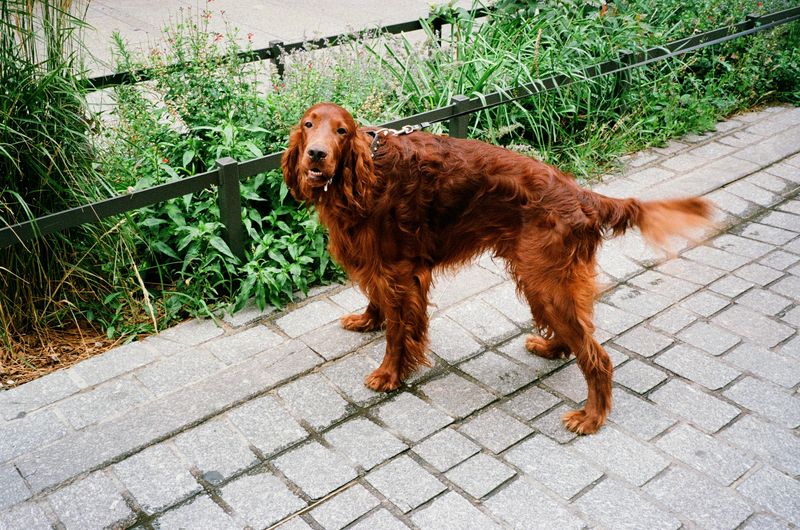
Joy in motion defines the Irish Setter, along with a knack for playful dissent. They learn fast and then propose alternatives that seem more fun.
Make your plan the best game in town, and cooperation skyrockets.
Short, zippy sessions with toy chases, recalls, and platform work fit their style. Reinforce often, add novelty, and end on a win.
If you drill, they daydream.
Daily cardio is essential. Pair runs with scent puzzles to take the edge off.
With patience and creativity, you get a comedian who can also deliver polished obedience when it counts.
English Setter
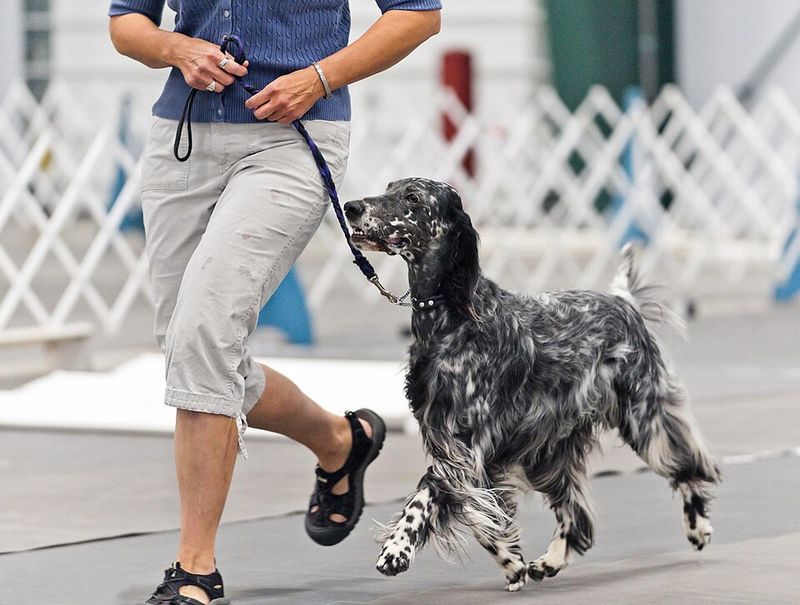
The English Setter is tender hearted and clever, the perfect recipe for polite rebellion. They notice tiny inconsistencies and exploit them sweetly.
Keep criteria simple, mark cleanly, and praise with warmth.
They excel at nose work, rally, and relaxed field games. Use scatter feeding and search games to meet scent needs.
Place training helps settle a busy mind after exercise.
Handle with empathy, not pressure. A bored Setter negotiates every cue, but a fulfilled one glides through sessions.
Balance affection with structure, and you will see quiet, steady cooperation.
Brittany
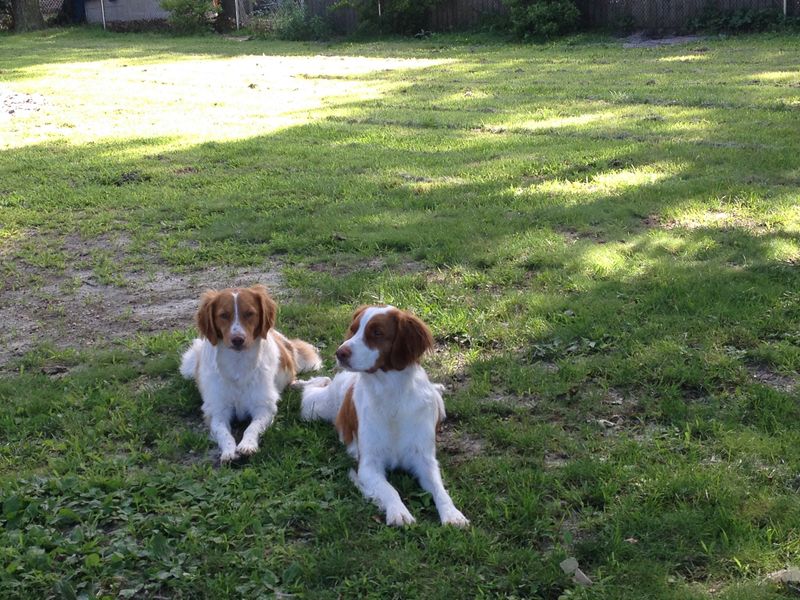
The Brittany brings turbo curiosity and a touch of comic defiance. They bargain when criteria drift, so keep cues clear and rewards immediate.
Make work feel like play, and you will have their full attention.
Field searches, quick recalls, and perch pivots burn energy while sharpening focus. Use variable reinforcement and interrupt patterns before boredom creeps in.
Keep sessions lively and frequent.
They bond hard and can be sensitive to tone. Guide gently, redirect swiftly, and celebrate tries.
When you match their spark with structure, the Brittany becomes an eager, clever partner.
Small Munsterlander
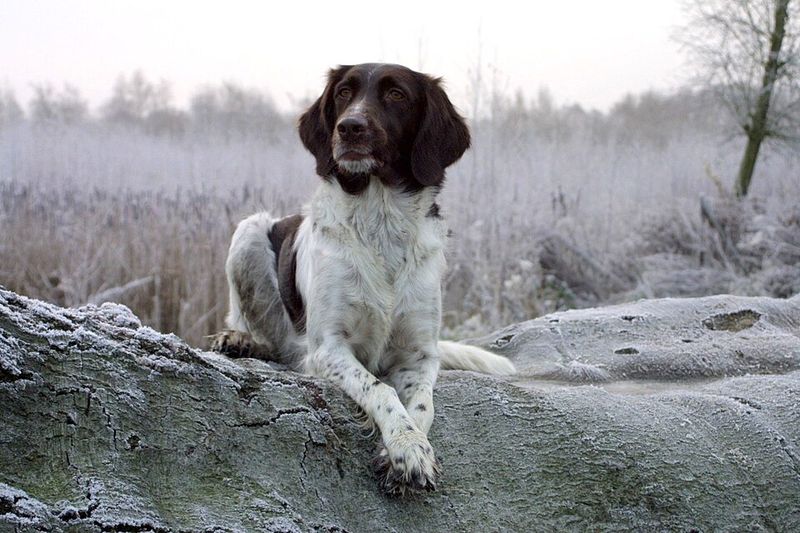
The Small Munsterlander is thoughtful, loyal, and unafraid to negotiate. They want to understand the purpose behind each cue.
Provide clear patterns and purposeful work, and arguments fade.
Nose work, tracking, and versatile retrieving keep their brain engaged. Rotate rewards and locations to prevent routine from dulling focus.
Keep pressure low and information high.
Teach a reliable off switch with mat training after hunts or hikes. Socialize broadly to broaden confidence.
With patience and meaningful challenges, you gain a small powerhouse who chooses teamwork over debate.
Large Munsterlander
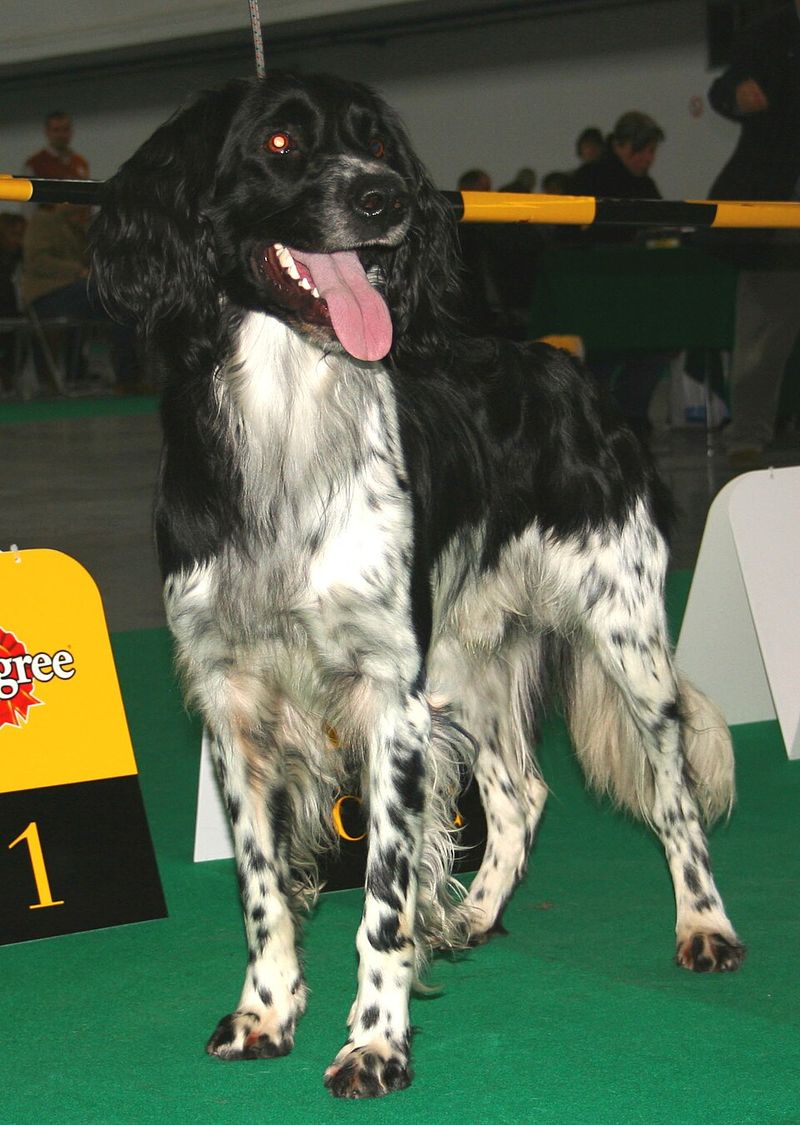
The Large Munsterlander blends big heart with big opinions. They memorize loopholes, so be consistent from day one.
When your rules are fair and steady, they respond with enthusiasm.
Design sessions that alternate control and freedom. Practice steadiness, then release to search or retrieve as a reward.
Vary environments to bulletproof cues against distraction.
They thrive on family connection and clear jobs. Tired minds and bodies make for smooth training.
Invest in recall games and boundary training, and you will see lively cooperation rather than pushback.
Weimaraner
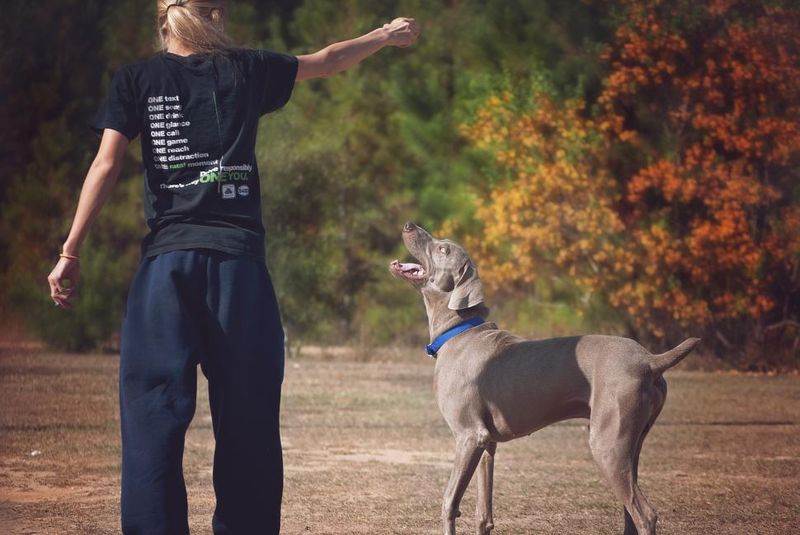
The Weimaraner is brilliant, intense, and ready to cross examine every cue. They crave novelty and purpose, turning dull drills into debates.
Make tasks meaningful and fast moving, and watch compliance climb.
Incorporate tracking, scent discrimination, and agility basics. Use high value rewards and clear release cues.
Manage arousal with start line rituals and settle training.
Separation can be tough, so build independence early with place and crate games. Overexertion without mental work backfires.
When you combine structure, patience, and challenge, the Weimaraner transforms into a razor sharp ally.
Vizsla
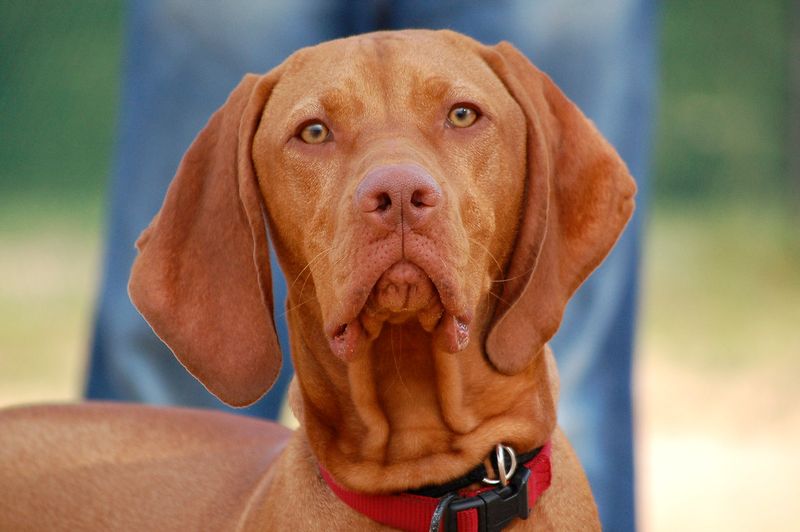
The Vizsla is affectionate, sensitive, and gloriously opinionated about boredom. They read your mood and mirror it, for better or worse.
Keep cues upbeat and sessions swift, and they will pour on effort.
Use fetch, recall races, and platform games to channel energy. Mark early tries, then shape toward precision.
If frustration creeps in, reset and play.
They need closeness plus structure. Teach boundary games, calm greetings, and settle after exercise.
When training feels like connection and challenge, the Vizsla responds with heart and consistency.
Dalmatian
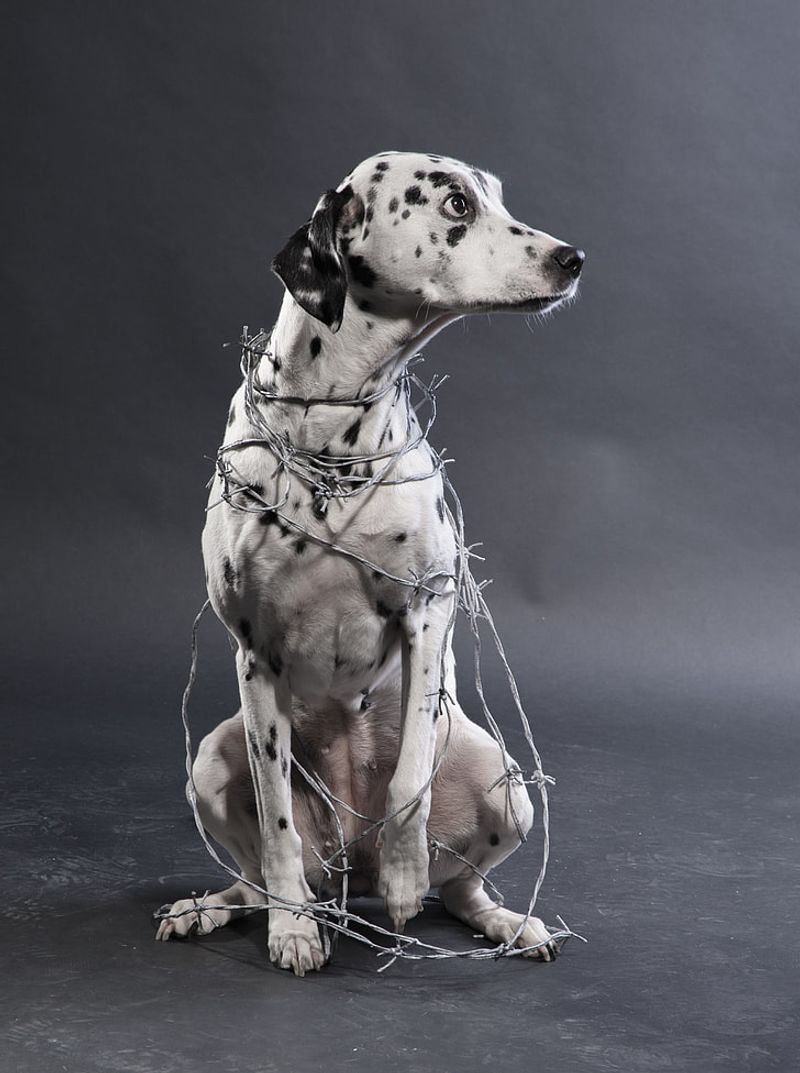
The Dalmatian is bright, athletic, and ready to negotiate if rules wobble. They thrive on patterns and purpose, not micromanagement.
Build reliable routines and reward decisively, and their compliance strengthens.
Roadwork, trick training, and scent games keep the mind-body engine purring. Use jackpots for breakthroughs and avoid repetitive drilling.
Teach impulse control with structured play and calm releases.
Early socialization smooths edges around novelty. Clear boundaries prevent opportunistic antics.
Give this breed a plan, and you will get sparkling energy paired with honest effort.