
Ever feel like your dog can read your mind just by looking at you? Some breeds are naturally tuned in, locking eyes to understand cues, offer reassurance, and build trust.
Strong eye contact is more than adorable moments—it is a communication superpower that makes training smoother and your bond deeper. If you want a companion who watches your face for guidance, these breeds will keep you feeling seen.
Labrador Retriever
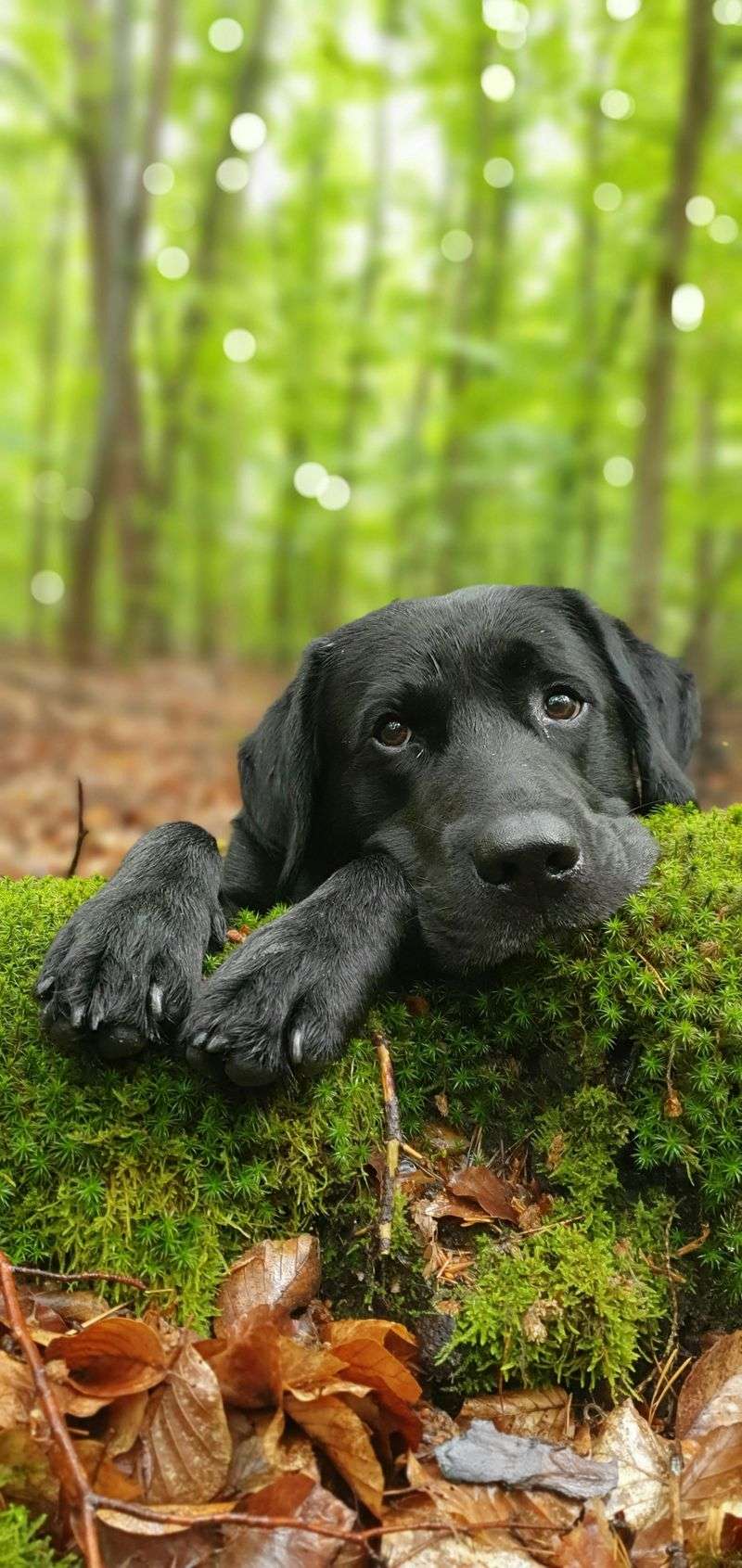
Labradors are famously people focused, and that shines through in their steady, friendly gaze. You will notice they check your face constantly, especially during training or play, waiting for the next cue.
That eye contact is not intense or pushy, just open and eager, making them soothing companions.
Because Labs love structure, eye contact helps them anticipate what comes next. It builds trust during leash walks, recall practice, and calm moments at home.
With tasty rewards and calm praise, you can shape wonderfully polite attention. Their gaze says, I am here with you, let us do this together.
Golden Retriever
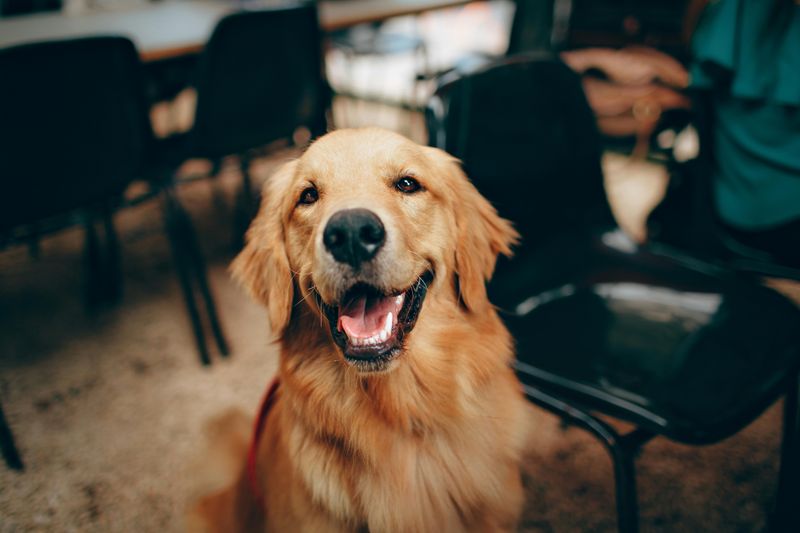
Goldens excel at soft, affectionate eye contact that makes you feel instantly connected. Their gentle stare comes with a relaxed body, wagging tail, and a willingness to please.
During training, they watch your face for praise and reassurance, thriving on clear communication and positivity.
Use brief check ins and rewards to reinforce that gaze during everyday routines. Eye contact keeps excited Goldens from getting too bouncy, especially around guests or on walks.
It is also a great way to reset their focus during fetch or agility. Expect a gaze that says, I trust you, and I am ready to try again.
Border Collie
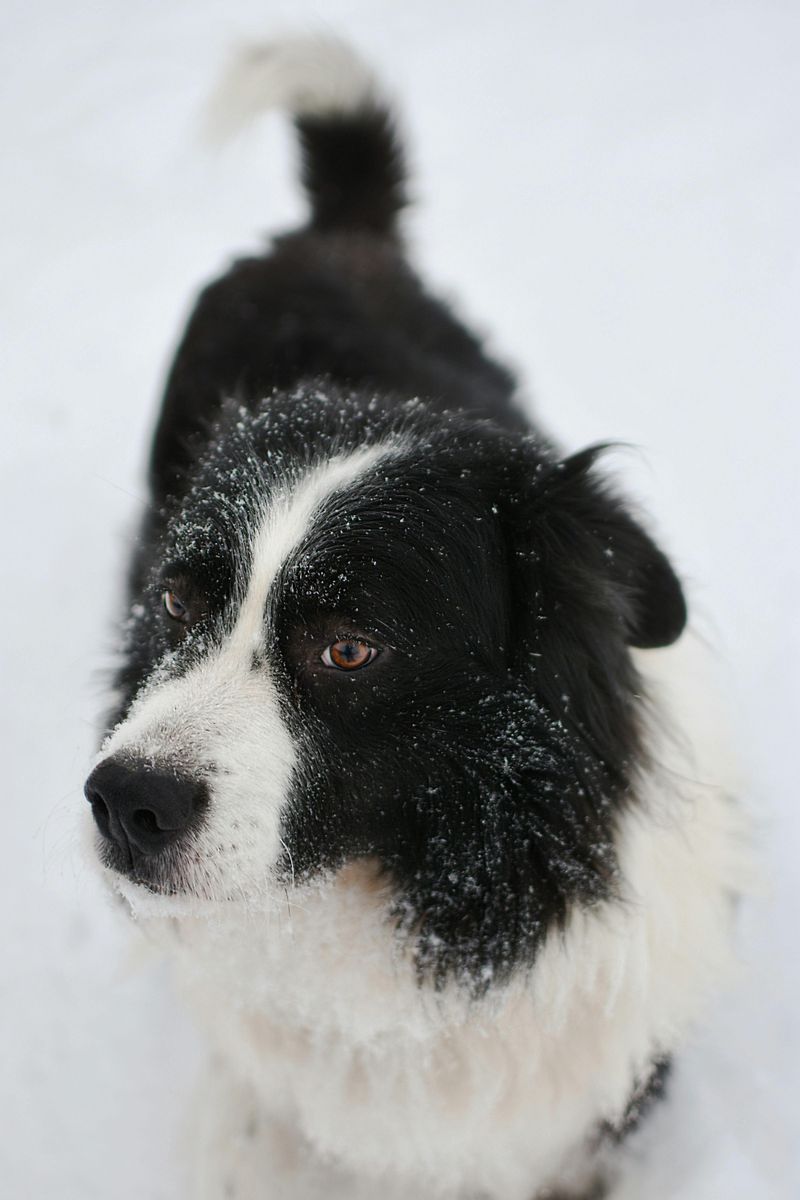
Border Collies bring laser-like eye contact that can feel almost telepathic. Bred for herding, their famous eye helps them read tiny handler cues.
They thrive when given jobs, whether agility, obedience, or everyday problem solving games at home. You will see them watching your eyebrows, shoulders, even breathing.
That intensity needs outlets. Channel it with short training sessions, puzzle toys, and scent games that reward intentional check ins.
Teach a release word so they can relax and avoid fixating. When guided kindly, their gaze becomes a powerful, cooperative tool that says, I see you, and I am listening for the next move.
Australian Shepherd
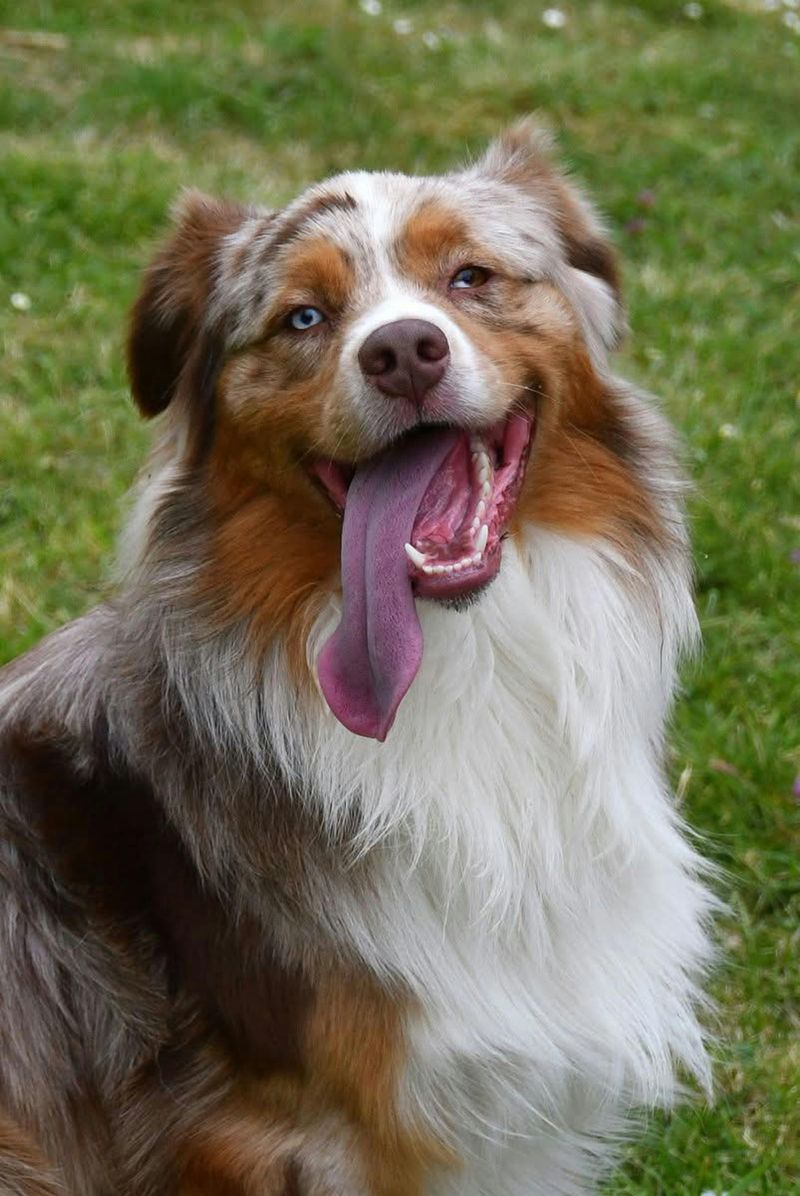
Australian Shepherds are sharp, eager partners who track your face like athletes reading a coach. Their eye contact is quick, responsive, and confident.
Expect them to glance up during motion, checking for direction before bursting into action. It makes them brilliant at sports and everyday obedience.
Because Aussies can be busy, teach calm engagement. Reward quiet, steady eye contact in low distraction places first.
Then add movement, toys, and outdoor settings. Give them clear jobs and routines so their gaze has purpose.
You will get a look that says, I am ready, give me the plan, and I will nail it.
Shetland Sheepdog
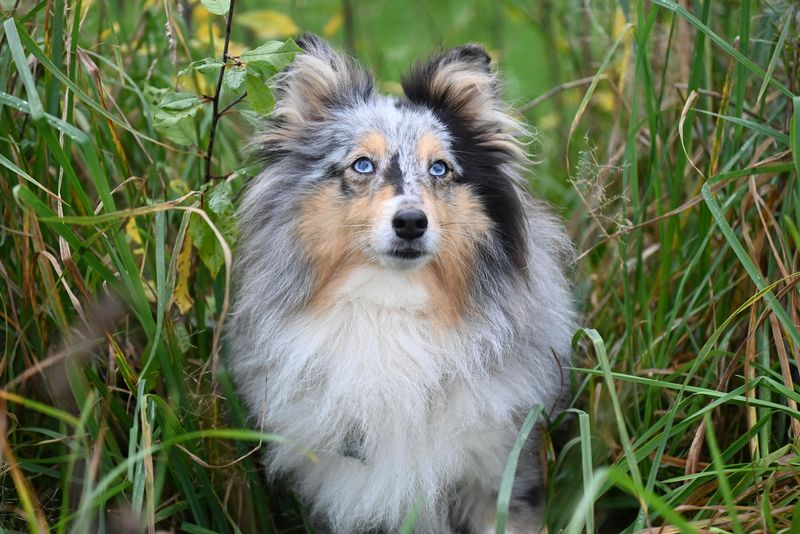
Shetland Sheepdogs are famously handler oriented, offering sparkling, frequent check ins. Their eye contact is polite and enthusiastic, often paired with quick, happy tail swishes.
In training, they love pattern games that reward brief glances at your eyes, then action.
Because Shelties can be sensitive, soft praise and predictable routines build confident attention. Practice engagement at a distance from distractions first.
Gradually move closer as they succeed. Their gaze becomes a gentle anchor in busy spaces, like saying, I am with you, guide me through.
The result is graceful teamwork that feels elegant and effortless.
Papillon
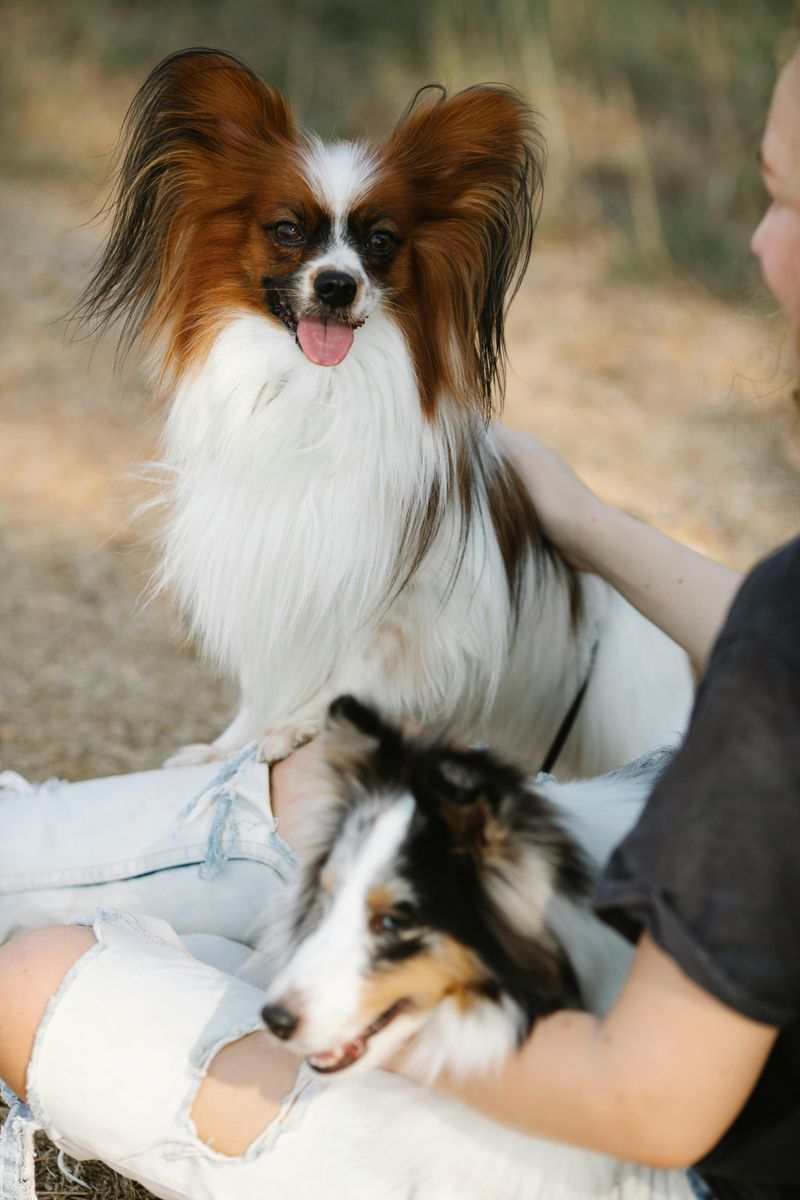
Papillons pack huge attention into a tiny frame. Their bright, curious eyes flick to your face constantly, eager for feedback.
That focus makes them surprise stars in obedience and trick training. Short, upbeat sessions with frequent rewards keep their gaze enthusiastic and bouncy.
Because they are small, practice eye contact at your level by kneeling or sitting. Reinforce calm looks before releasing to play.
In busy environments, their glance becomes a safety check, like saying, Are we good? Yes?
Let us go. With consistent encouragement, you will enjoy sparkling communication that feels joyful and incredibly connected.
Doberman Pinscher
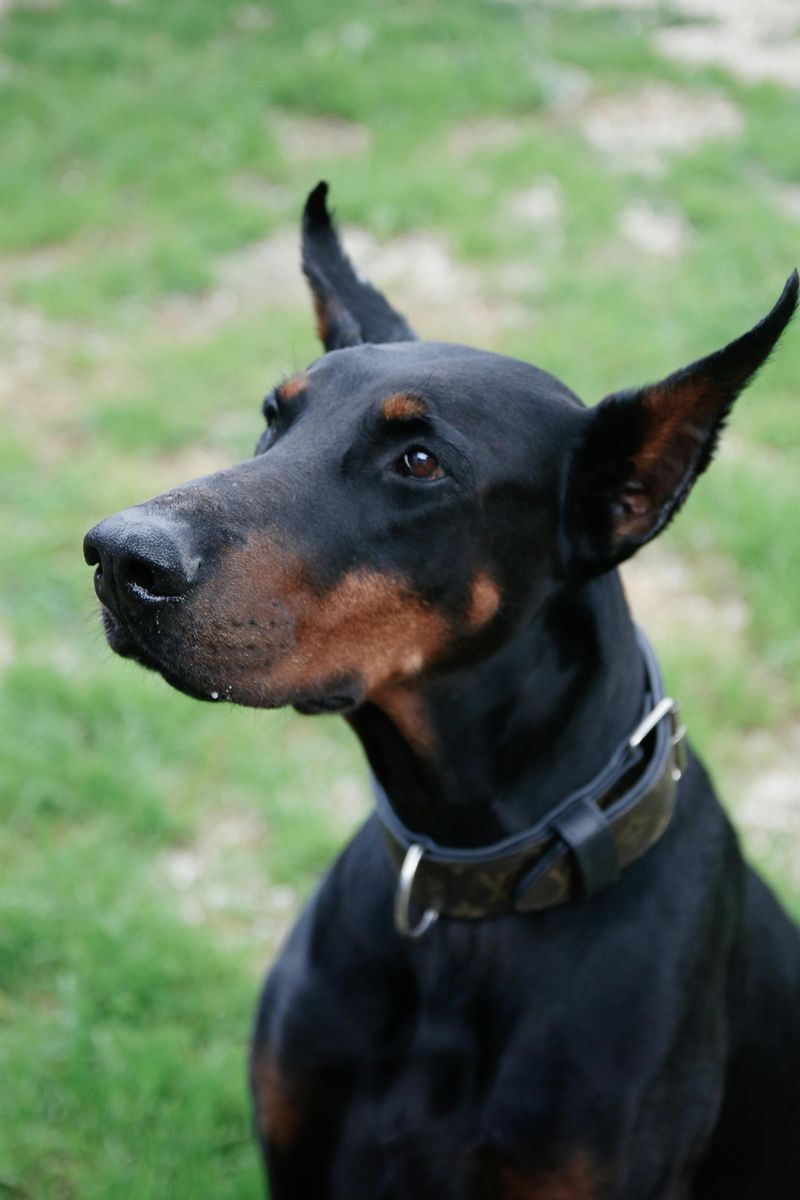
Dobermans offer steady, purposeful eye contact that signals loyalty and readiness. They watch calmly for direction, then move with precision.
In training, that connection allows quiet cues and clear boundaries to shine. You will feel supported by their composed focus, especially during public outings.
Teach them to check in before greeting people or dogs. Reward relaxed attention, not just intensity, to balance their drive.
Structured walks, obedience routines, and scent work give their gaze a job. The look you get says, I am with you, what is next.
It is a confident, reassuring bond built on consistency and trust.
Vizsla
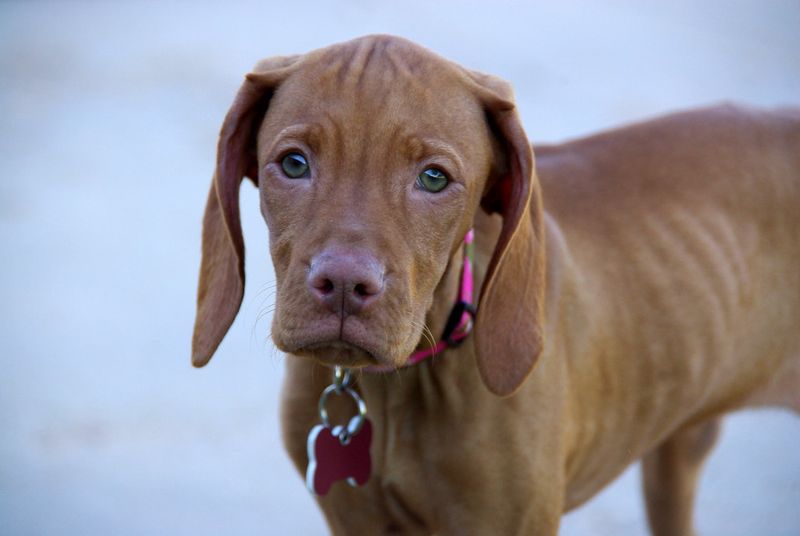
Vizslas are velcro dogs, and their eyes prove it. Expect warm, lingering looks during cuddles and quick check ins while running.
They thrive on touch and verbal praise, so combine eye contact with gentle pets for powerful reinforcement.
Because they are sensitive, keep training upbeat and brief. Reward calm focus before exciting activities like retrieves or trail runs.
Teach a place cue so they can reset and breathe. Their gaze reads like a love letter, saying, I am close, guide me kindly.
With structure and affection, eye contact becomes their favorite way to stay connected in motion.
German Shepherd Dog
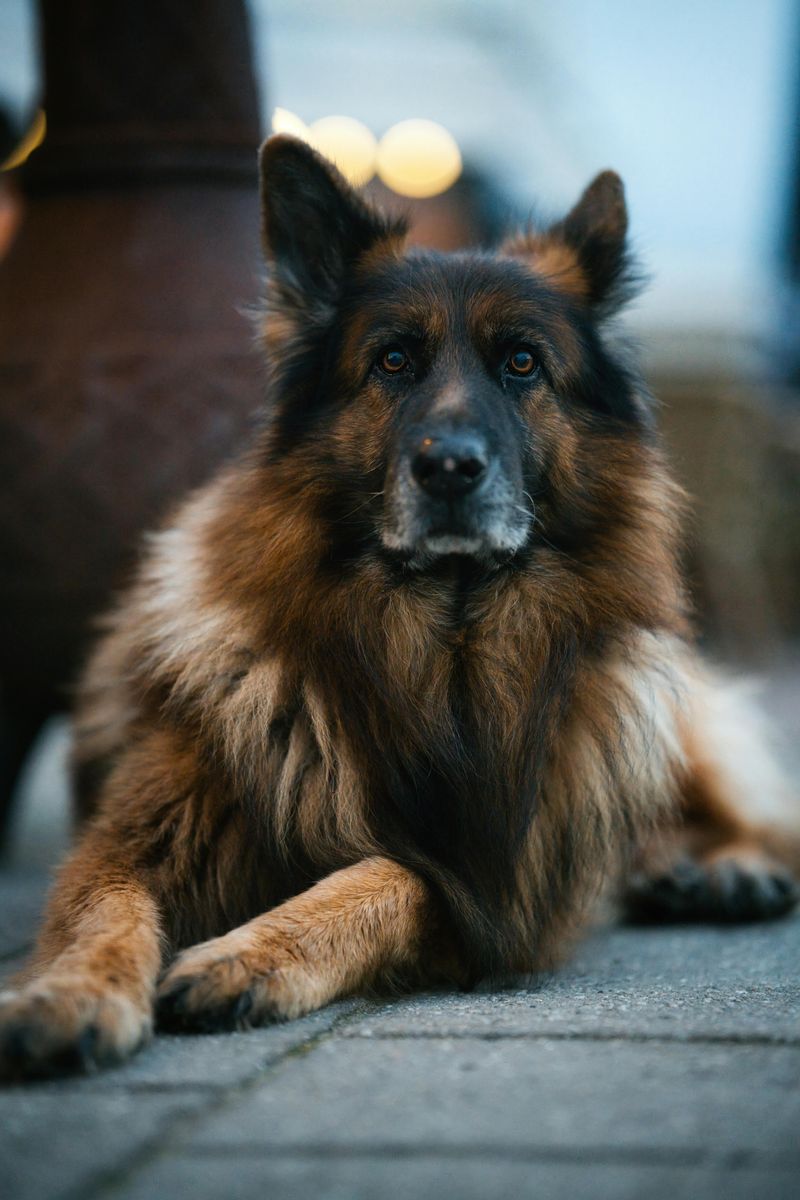
German Shepherd Dogs deliver focused, purposeful eye contact that supports precise teamwork. They excel at reading small cues, making them superb partners for obedience, protection sports, and service tasks.
That gaze feels steady, intelligent, and deeply loyal.
Balance their drive with relaxation skills. Reinforce soft eyes and loose posture, not just high arousal.
Practice engagement before heelwork, then release to play. Clear expectations and regular mental work keep their attention productive.
The look you get says, I understand, and I am ready to work. It is a powerful bond built on fairness, repetition, and trust.
Standard Poodle
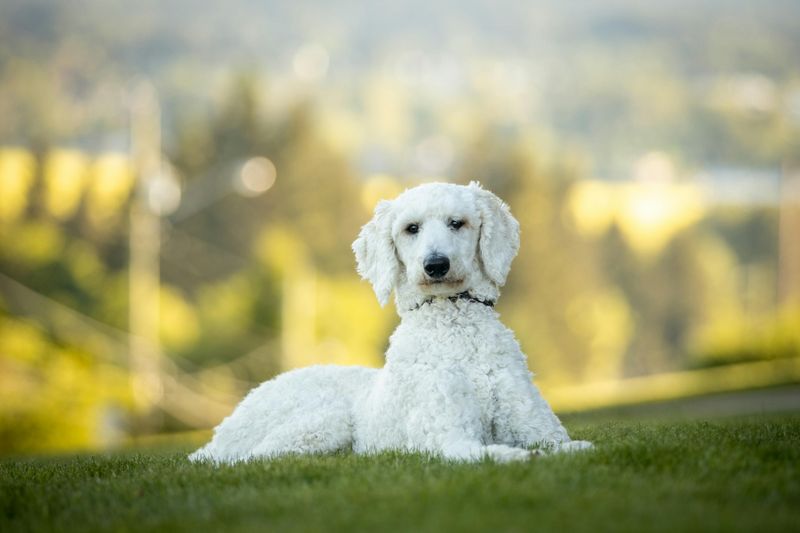
Standard Poodles pair keen intelligence with thoughtful eye contact. They check your face for complex cues and love being right.
That sensitivity makes them brilliant in obedience, tricks, and therapy work. Keep sessions creative, varied, and short to maintain sparkle.
Because they can overthink, reward confident choices quickly. Use pattern games that alternate eye contact and movement.
Grooming time is perfect for reinforcing calm looks while handling paws or ears. Their gaze communicates, I get it, show me the next step.
Expect classy, cooperative attention that turns daily routines into smooth, stylish teamwork.
English Springer Spaniel
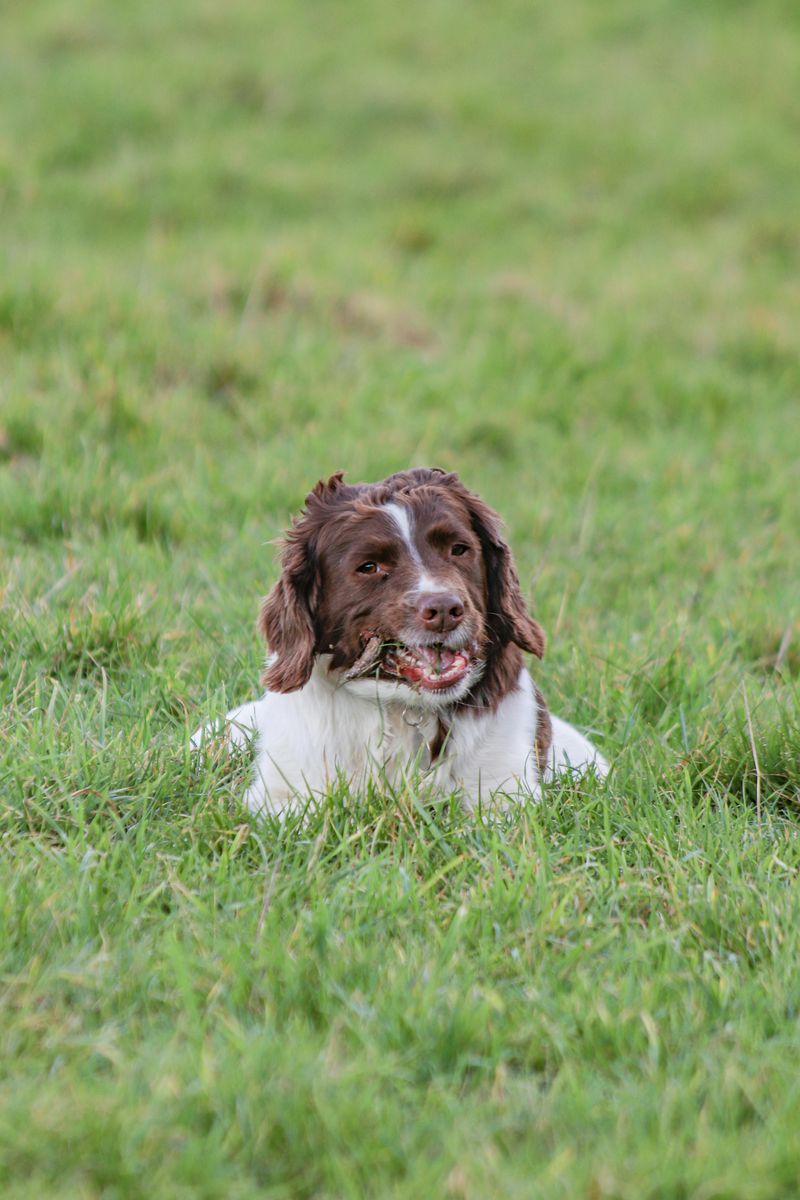
Springers offer cheerful, earnest eye contact that keeps hunts and hikes coordinated. Their look is bright and sincere, checking for permission before dashing after scents.
In training, they respond beautifully to upbeat markers and quick resets.
Channel their enthusiasm with structured fetch, heelwork between sniff breaks, and place training. Reinforce calm focus before releasing to explore.
That way, their glance becomes a brake and a green light. The message you will feel is, I am excited, but I am listening.
Consistency turns their lively attention into joyful, reliable partnership outdoors and at home.
Boxer
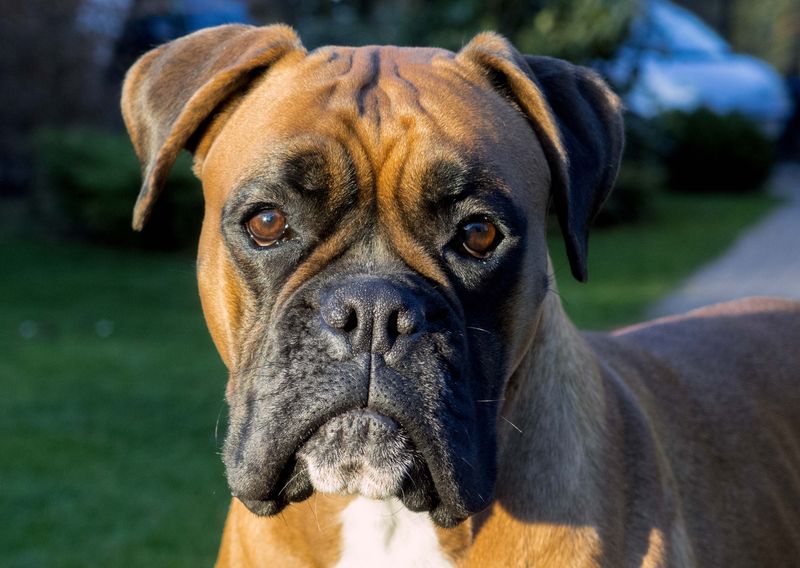
Boxers bring playful, soulful eye contact that toggles between goofy and focused. They love reading your face for feedback, especially during impulse control games.
Short, snappy sessions with tug or treats keep their attention bright.
Because Boxers can be exuberant, reward quiet eyes and a still body before exciting releases. Practice check ins during walks and greetings.
Build a routine of look, sit, then go say hi. Their gaze says, I want in on the fun, tell me how.
With consistency, you get a charming blend of clown energy and heartfelt connection.
Miniature American Shepherd
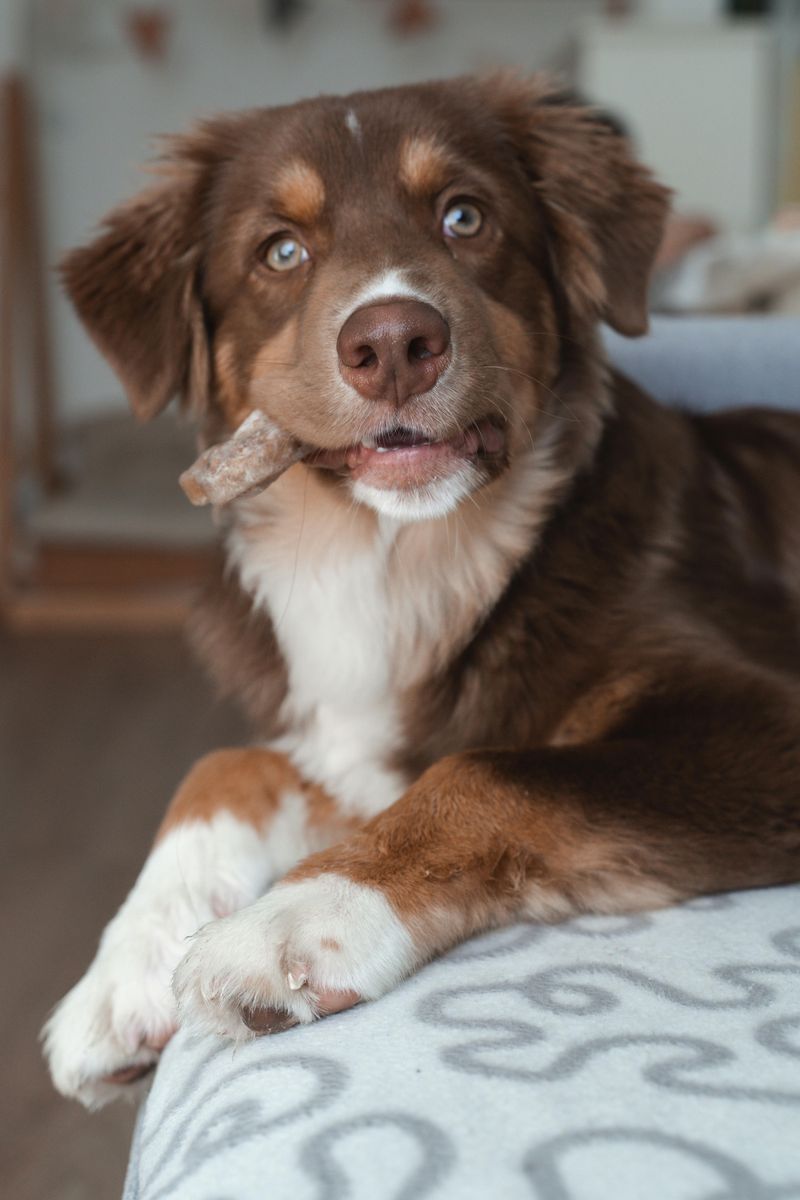
Miniature American Shepherds offer big focus in a smaller package. Their eye contact is quick, upbeat, and ready for direction, echoing their herding roots.
They thrive on structured games that reward glances with movement, like heel pivots and short recalls.
Teach engagement at home, then level up to parks and trails. Reinforce a calm look before releasing to run or greet.
Puzzle feeders and trick sessions keep their minds satisfied. Their gaze says, I am on your team, what is the plan.
With fair guidance, you will enjoy agile, joyful attention that makes adventures smoother and more connected.