
Some dogs bolt into the spotlight, but others prefer a quiet front row seat to life. If you love a companion who observes first and acts second, these calm, watchful breeds will speak to your soul.
They are thoughtful, sensitive, and happiest when the world is a few steps away. Meet thirteen dogs that choose mindful distance over center stage, and might be your perfect match.
Shiba Inu
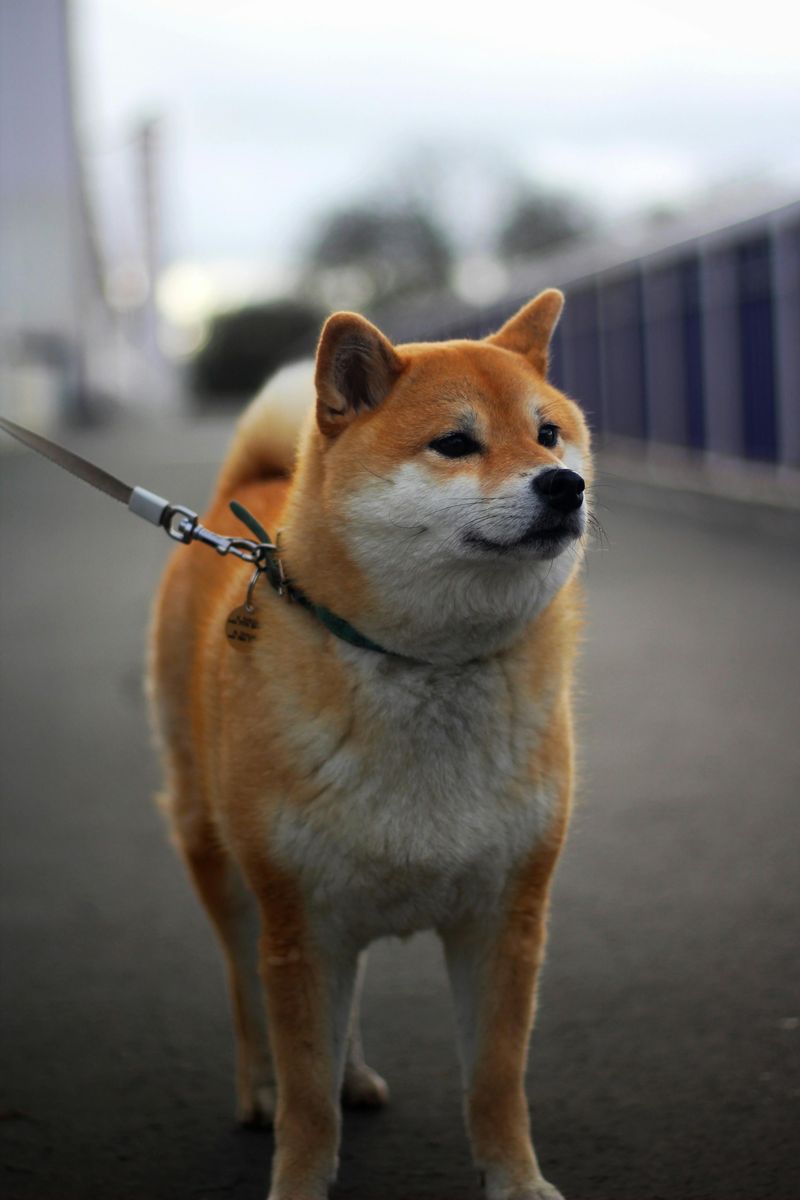
You will notice a Shiba Inu takes in everything before making a move. Independent and clever, this foxlike companion studies the scene with a quiet, calculating calm.
Training sticks best when you keep sessions short, upbeat, and respectful of boundaries.
Daily exercise is essential, but so is mental enrichment. Puzzle toys and scent games satisfy that curious mind without overwhelming it.
Expect polite affection rather than clingy cuddles, especially with new faces.
Grooming is simple most of the year, then heavy during seasonal shedding. A sturdy brush, patience, and routine make the difference.
With consistent guidance and early socialization, the Shiba becomes a poised, watchful friend who prefers a measured hello over a bustling crowd.
Basenji

The Basenji is famously quiet, often described as catlike in composure. Rather than barking, you might hear a yodel, but the real story is the breed’s poised observation.
They read rooms and routes, weighing choices with a cool curiosity.
Structure and routine help this independent spirit shine. Use games that reward thinking, like nose work or short shaping sessions.
Exercise should be brisk but balanced, avoiding frantic dog park chaos.
Grooming is minimal, which suits their tidy nature. Socialization matters early to build confidence without pushing too fast.
With respectful leadership, a Basenji becomes a thoughtful companion, content to watch the action from the edges and join only when it truly makes sense.
Chow Chow
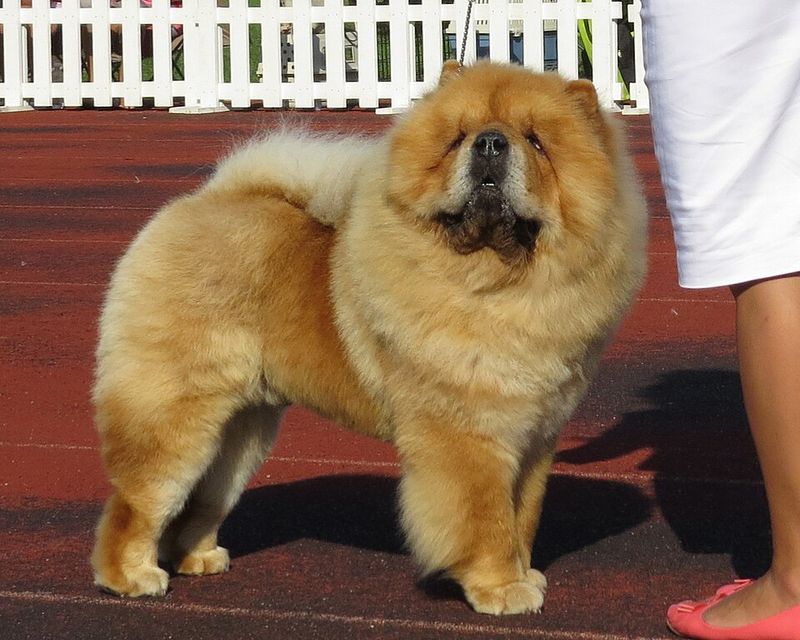
A Chow Chow carries themselves like royalty, preferring dignified distance over rambunctious play. You will feel their loyalty, yet they choose calm over commotion.
Slow introductions and clear boundaries earn lasting trust with this thoughtful guardian.
Training thrives on consistency and fairness. Keep sessions brief, use high-value rewards, and avoid harsh corrections that shut them down.
Quality socialization is about positive, well-spaced experiences, not crowded scenes.
The plush coat needs routine brushing to prevent mats, especially around the ruff and legs. Moderate exercise, cool weather strolls, and restful routines suit them best.
Treat a Chow with respect, and you gain a serene sentinel who prefers watching the world rather than chasing it.
Shar Pei
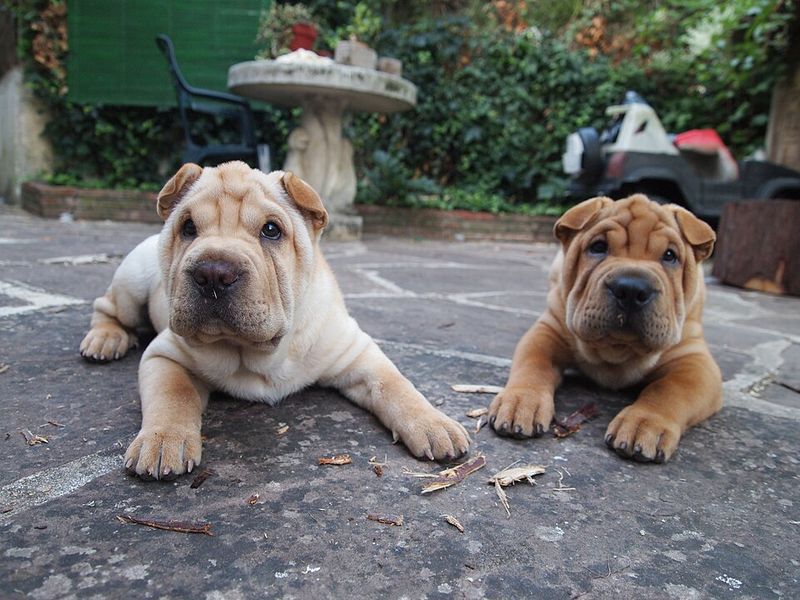
The Shar Pei moves through life with a composed, almost contemplative air. They are devoted yet reserved, reading your mood and the environment before stepping forward.
Crowds can feel unnecessary to them, and that is perfectly fine.
Training works best when it is low pressure and predictable. Reinforce calm choices, practice polite greetings, and keep sessions short.
Early, careful socialization builds comfort without pushing into overwhelm.
Their skin folds require routine checks and gentle cleaning to keep them healthy. Daily walks, puzzle feeders, and quiet downtime create the balance they love.
Respect their thoughtful pace, and the Shar Pei becomes a steady, observant companion who values space and stability over splashy attention.
Akita
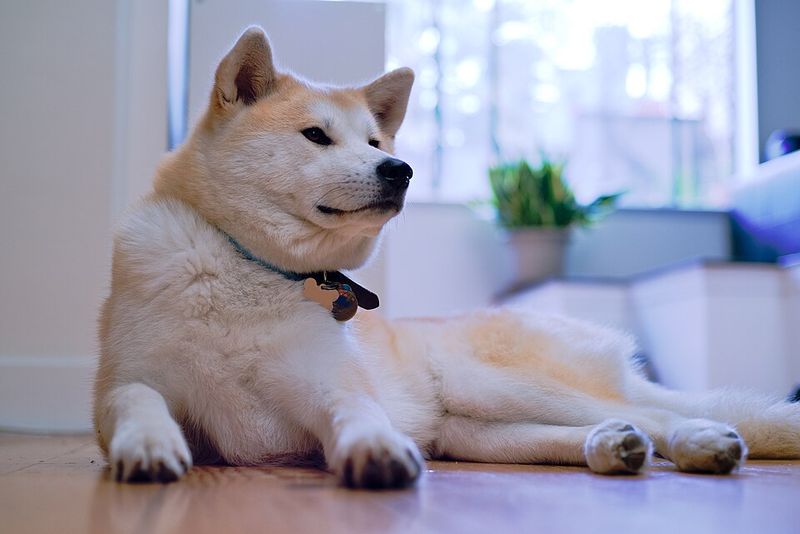
An Akita is noble and self-possessed, happiest when life is orderly. They watch with intensity, assessing people and places before engaging.
Your guidance matters most when it is steady, respectful, and crystal clear.
Obedience training should be structured and positive, reinforcing reliability without confrontation. Socialization is thoughtful, not forced, focusing on neutral experiences and controlled introductions.
Mental work, like tracking or advanced cues, helps satisfy their sharp mind.
The dense coat needs regular brushing, especially during heavy sheds. Moderate exercise with purpose suits them better than chaotic play.
Give an Akita meaningful jobs and space, and you will find a devoted guardian content to observe the world and step in only when needed.
Finnish Spitz
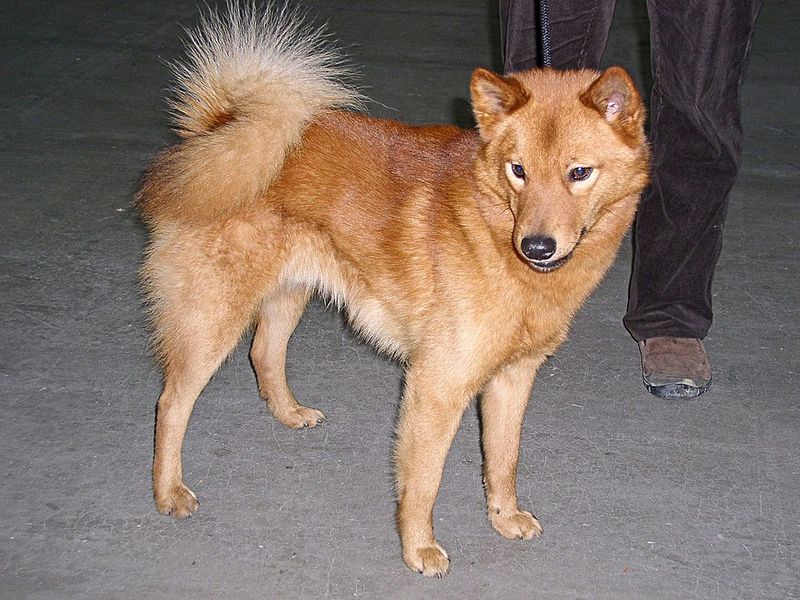
The Finnish Spitz is lively yet surprisingly contemplative between bursts of activity. They love scanning the horizon, ears pricked, tail curled, deciding if a situation deserves voice or silence.
With you, they share gentle loyalty without smothering closeness.
Training benefits from upbeat repetition and patience. Channel their alertness into cues like watch me and quiet, paired with rewards.
Keep environments calm to avoid overstimulation.
Coat care is straightforward brushing, especially during seasonal sheds. Daily walks and scent games keep their mind satisfied while maintaining that poised outlook.
A well-managed Finnish Spitz becomes a charming lookout partner, happier observing the shoreline of life than swimming in noisy crowds.
Norwegian Elkhound
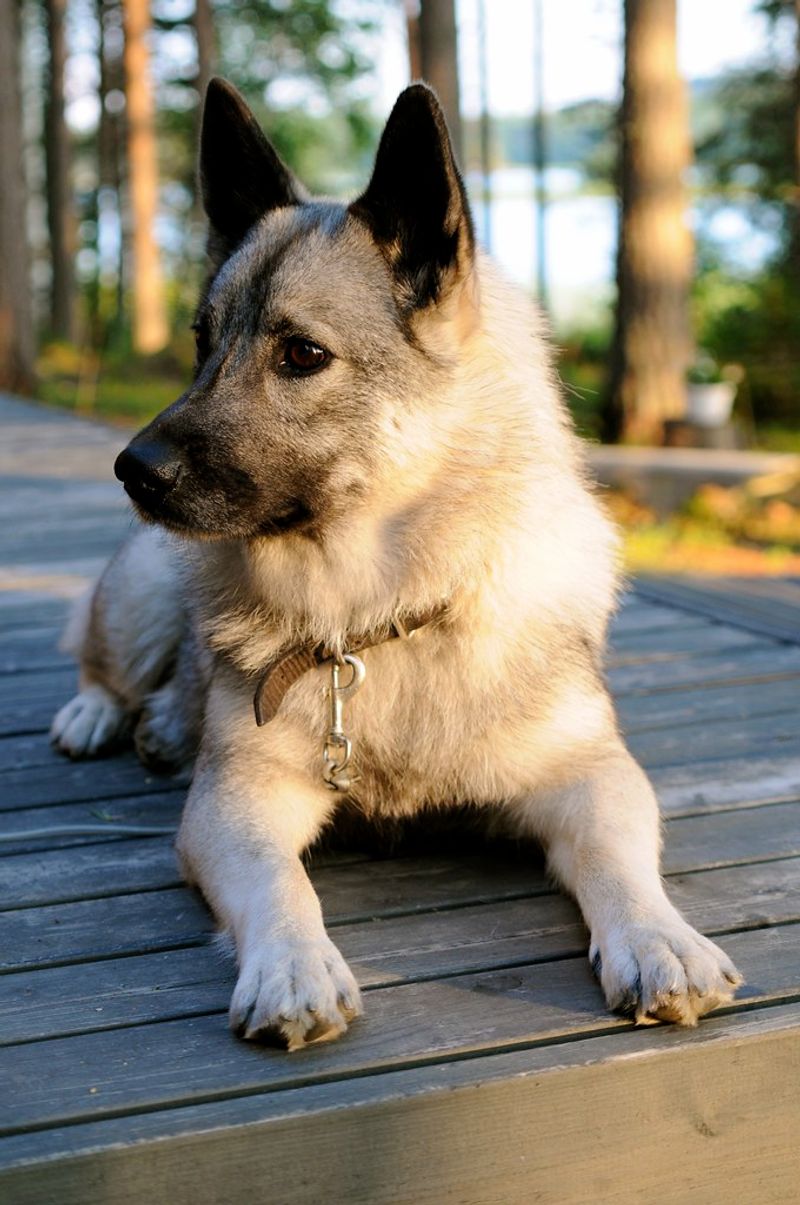
Sturdy and self-reliant, the Norwegian Elkhound prefers scanning a ridge to mingling in a throng. They are affectionate family companions who keep a polite bubble in public.
Expect them to evaluate first, then commit with steady confidence.
Training should be consistent and motivating, with clear goals. Incorporate tracking games and structured hikes that feed their hunter heritage.
Socialization works best in quiet settings, building comfort gradually.
The double coat needs regular brushing and seasonal de-shedding. Balanced exercise, cool weather outings, and recovery time support their thoughtful nature.
Treat this breed like a partner rather than a follower, and you gain a vigilant, calm friend who enjoys watching valleys unfold below rather than sprinting into bustle.
Keeshond
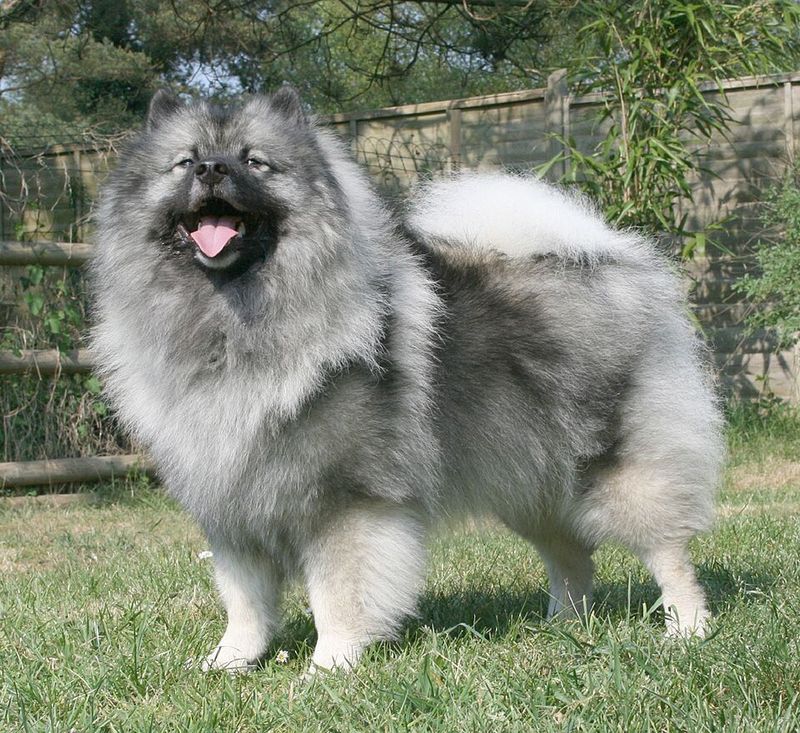
The Keeshond is famously friendly at home, yet still appreciates a measured approach to new scenes. Those expressive spectacles watch everything, deciding when to engage.
They thrive on routine, gentle guidance, and a peaceful household rhythm.
Training shines with positive reinforcement and games that reward focus. Teach calm greetings and settle cues to keep excitement balanced.
Socialization should be steady, not rushed, with frequent short outings.
Grooming requires regular brushing to manage the plush coat and reduce tangles. Exercise can be brisk walks, light jogging, and puzzle play that keeps their mind bright.
With thoughtful care, a Keeshond becomes a buoyant but composed companion who observes city life from the bridge rather than diving into the crowd.
American Eskimo Dog
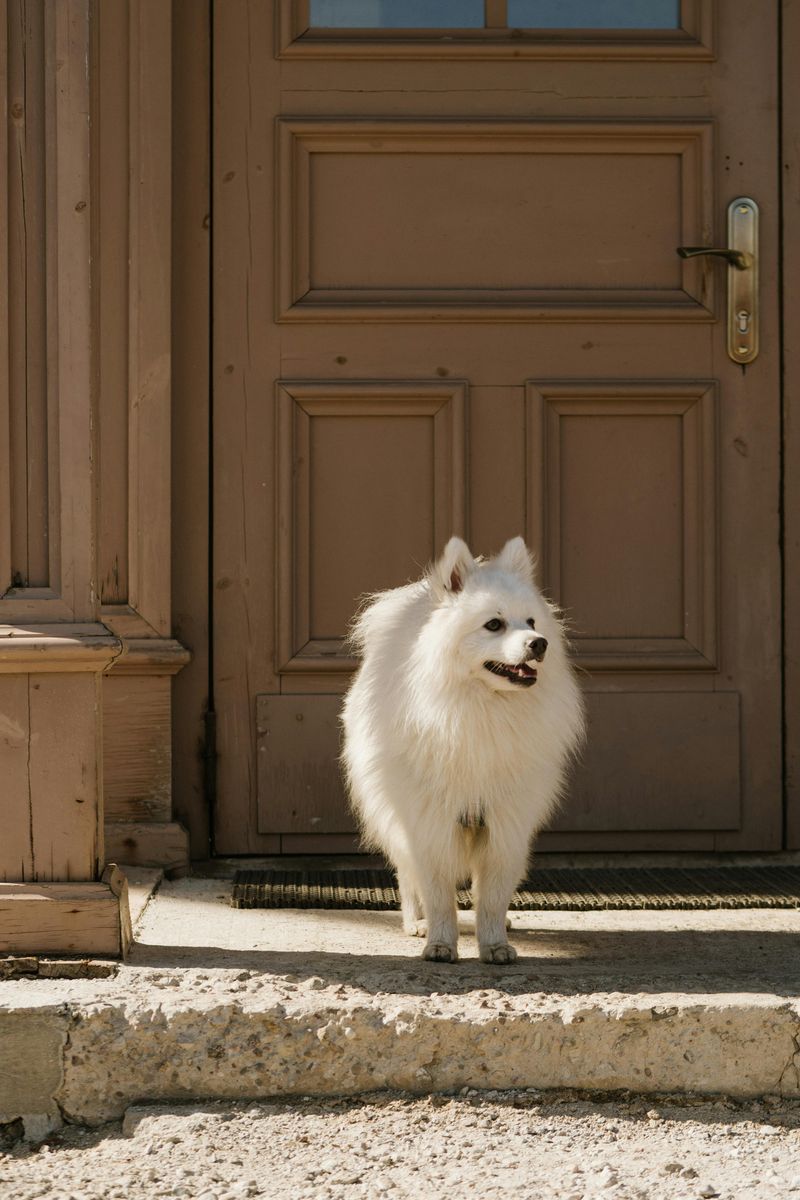
The American Eskimo Dog blends spark with surprising poise. They are attentive and quick to learn, but prefer calm introductions and clear expectations.
Watch how they scan, then choose when to join the fun.
Training thrives on short, upbeat sessions using marker cues and rewards. Teach impulse control with wait and settle, then practice in low-distraction environments.
Socialization should be paced, pairing new places with predictability.
That glorious white coat needs brushing to prevent mats and manage shedding. Daily movement and brain games keep energy balanced without chaotic overarousal.
Treated as a thoughtful partner, the Eskie becomes a bright observer who enjoys the scene’s edges more than the fray’s center.
Eurasier
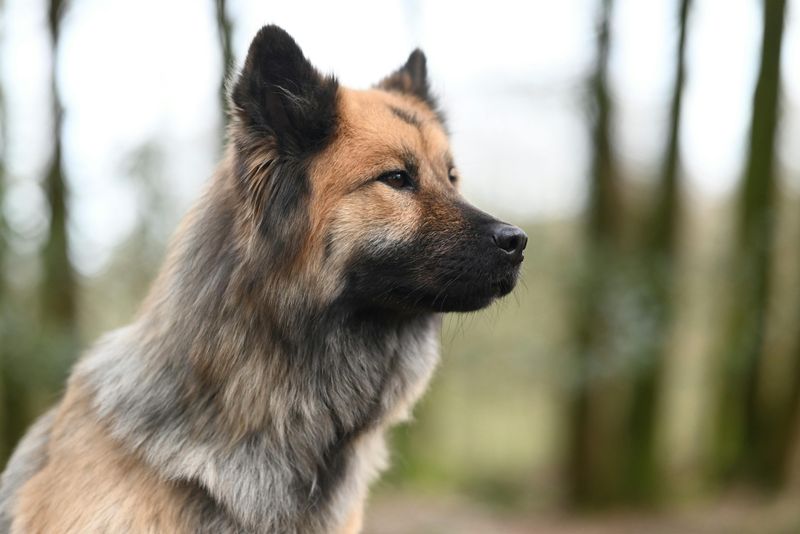
The Eurasier was bred for companionship, and it shows in their balanced, reflective nature. They stay close without crowding, often choosing to sit and watch rather than rush forward.
With you, they share gentle loyalty and clear emotional attunement.
Training is smooth when it is kind, consistent, and never harsh. Reward calm choices, build confidence through predictable routines, and expose them to new places gradually.
Overstimulation is unnecessary for this breed.
Coat care means regular brushing and seasonal de-shedding. Moderate exercise, enrichment walks, and cozy downtime make an ideal day.
With mindful handling, a Eurasier becomes a steady companion who would rather enjoy the view alongside you than leap into a bustling scene.
Whippet
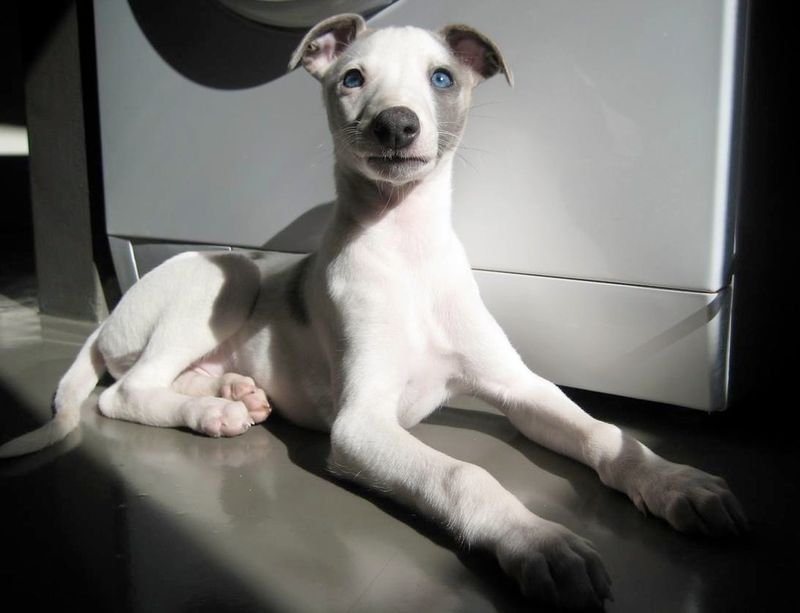
The Whippet is graceful and sensitive, built for speed yet governed by calm at home. They prefer quiet spaces, warm blankets, and thoughtful routines.
In new environments, they take a moment to observe before deciding how to proceed.
Training should be gentle and reward based, emphasizing recall and loose leash skills. Short sprints satisfy their athletic side, while mental enrichment keeps them settled.
Avoid crowded chaos that can overwhelm.
Coat care is minimal, but comfort matters, so provide soft bedding and weather protection. With balanced exercise and kindness, a Whippet becomes a serene shadow, happiest watching the world from a cozy perch until the next graceful burst of motion calls.
Italian Greyhound
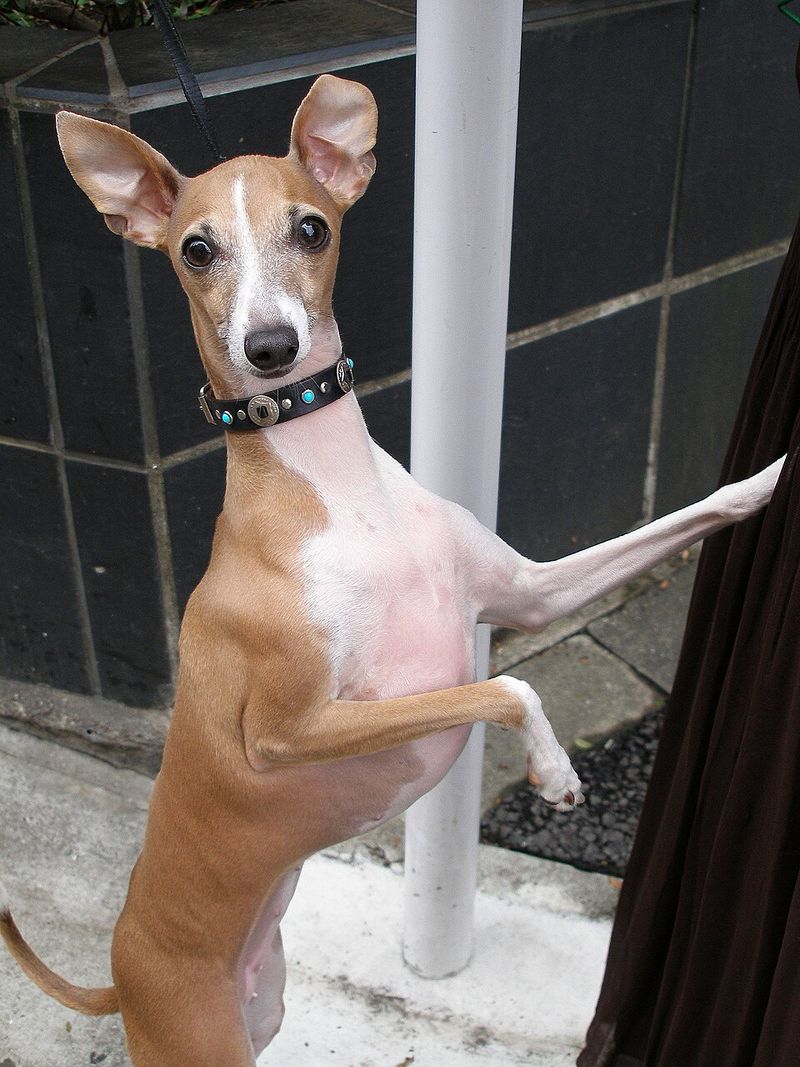
Delicate and observant, the Italian Greyhound prefers a calm corner to a loud crowd. They bond deeply yet value gentle space, watching first with luminous eyes.
Warmth, routine, and soft handling help them bloom.
Training must be light and encouraging, with tiny steps and frequent rewards. Focus on confidence building, house training patience, and careful socialization.
Short play bursts in secure areas beat boisterous dog parks.
Their fine coat needs sweaters in chill and soft bedding always. Regular nail care and dental attention keep them comfortable.
Given a predictable life and kind leadership, the Italian Greyhound becomes an elegant companion who loves observing the street’s rhythm from a safe, sunny balcony.
Greyhound
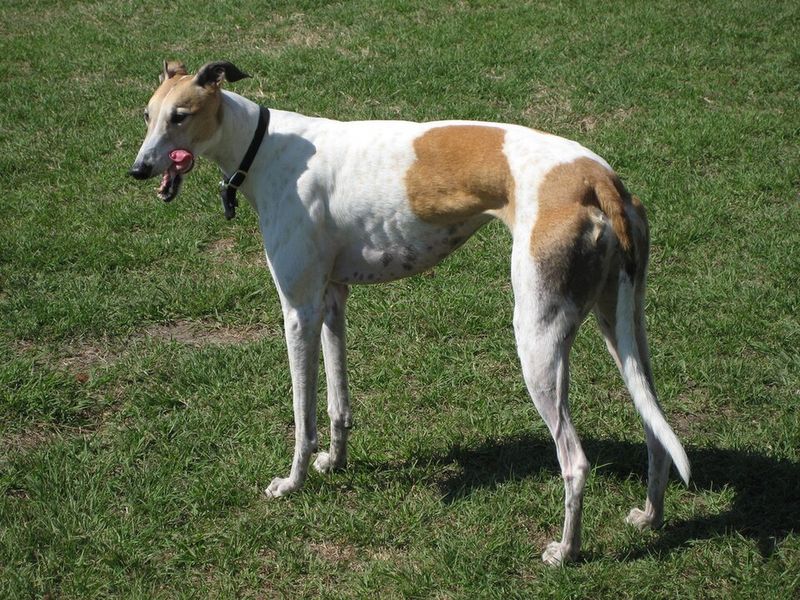
Greyhounds are famously fast, yet at home they are calm, reflective souls. They enjoy peaceful spaces and unhurried routines.
In new settings, they hang back, observing with kindness rather than charging ahead.
Training is straightforward with food rewards and gentle guidance. Focus on recall, loose leash skills, and confidence around novel surfaces or sounds.
Short zoomies satisfy, but most days they prefer lounging and watching life unfold.
Their thin coat needs soft beds and weather protection. Many retired racers adapt beautifully with patient introductions to stairs and glass doors.
Offer quiet companionship, and a Greyhound becomes a serene, watchful friend who chooses contemplation over commotion.