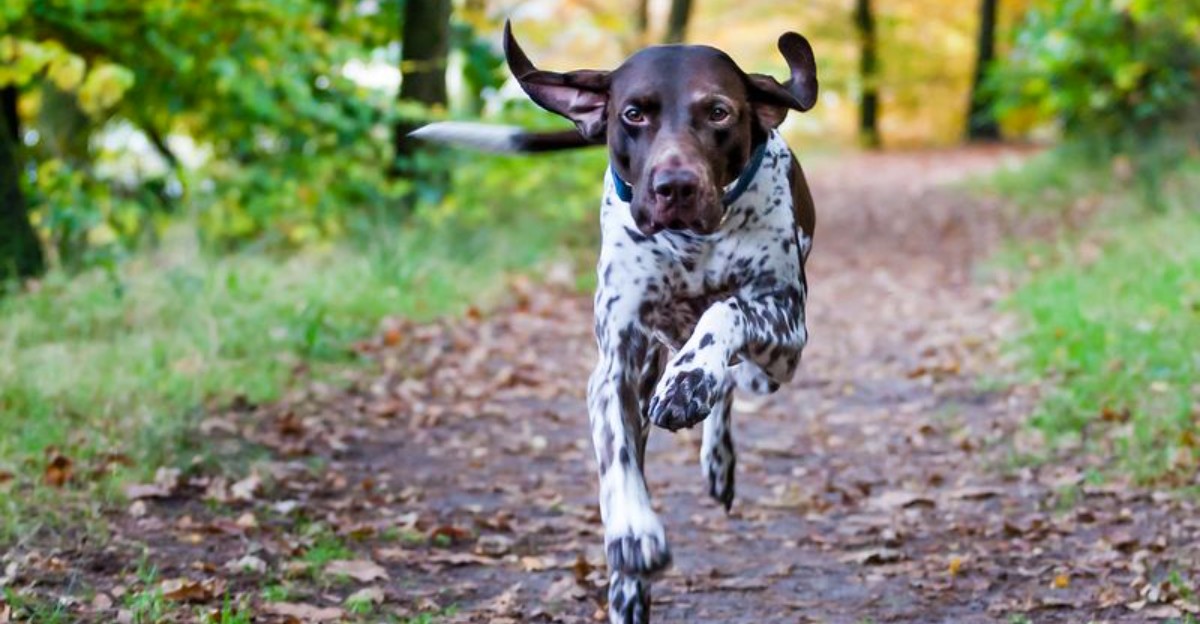
Some dogs are born explorers. They love to follow a scent, chase movement, or check every corner of the neighborhood.
That curiosity can be charming, but it also makes off-leash time risky. Learning which breeds tend to wander helps you plan safer walks, stronger training, and better fences.
Siberian Husky
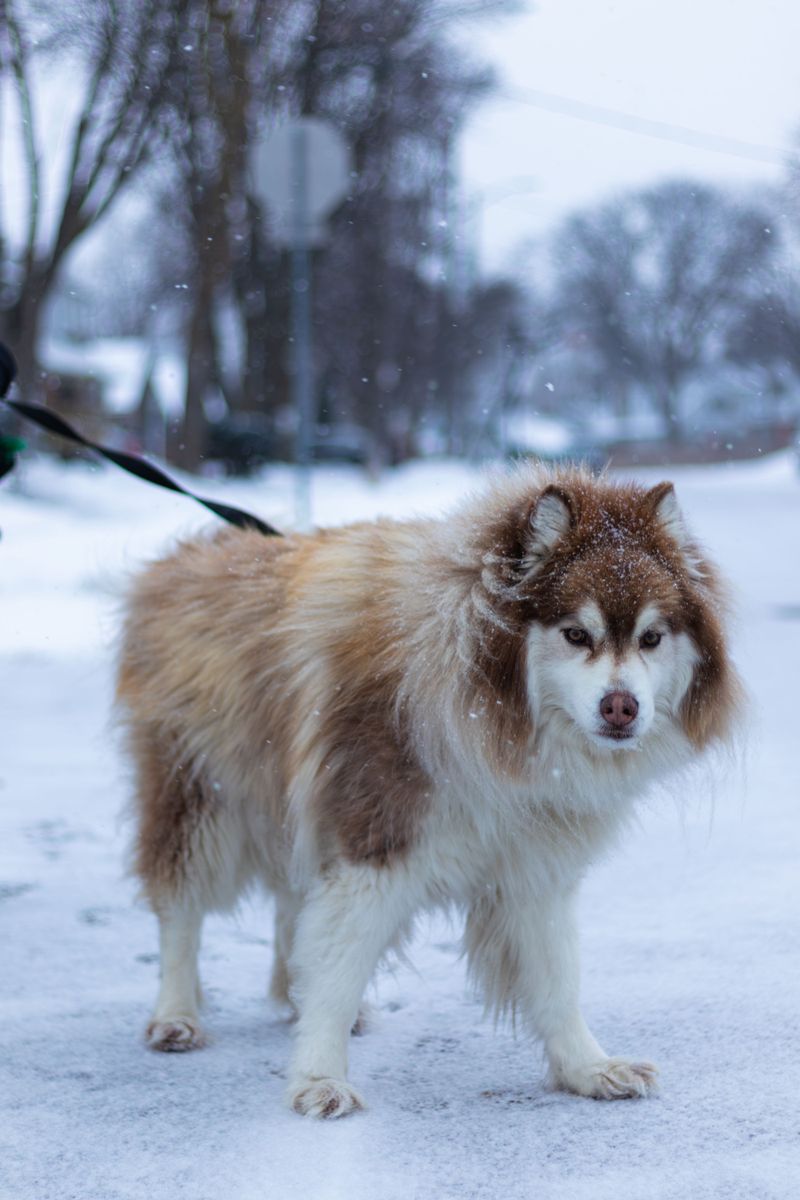
With wind in their fur and adventure on their mind, Huskies can vanish before you blink. Bred to run long distances, they love open space and cool air.
A secure yard with tall fencing and locked gates is a must.
Daily cardio, like bike-joring or long jogs, reduces their urge to roam. Practice strong recall with high-value treats.
A GPS collar and double-clip harness add smart safety layers.
Alaskan Malamute
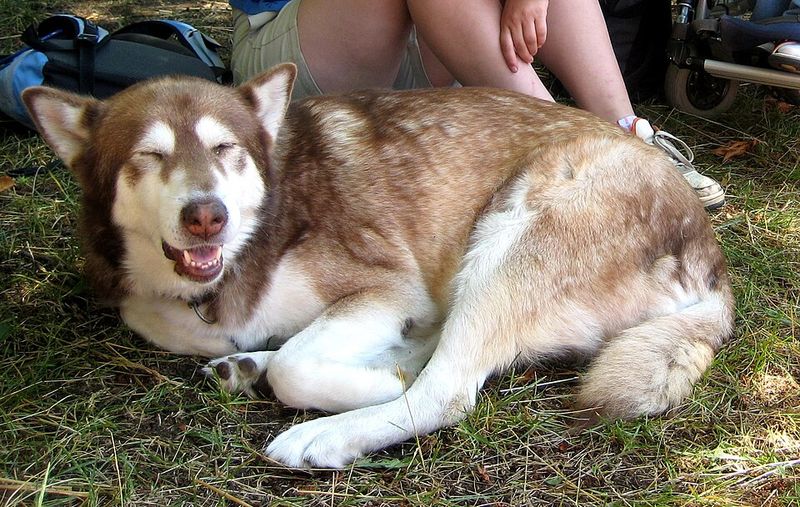
Stories of Malamutes pulling heavy loads hint at their grit and independence. That same confidence can turn into free-range touring if a gate slips.
Strong fences, locked latches, and supervised yard time help keep them home.
Channel their drive with weight pulling, backpack hikes, or scent games. Keep training upbeat and consistent.
Practice long-line recalls in quiet areas before testing busier places, and always end sessions with praise and a jackpot reward.
Beagle
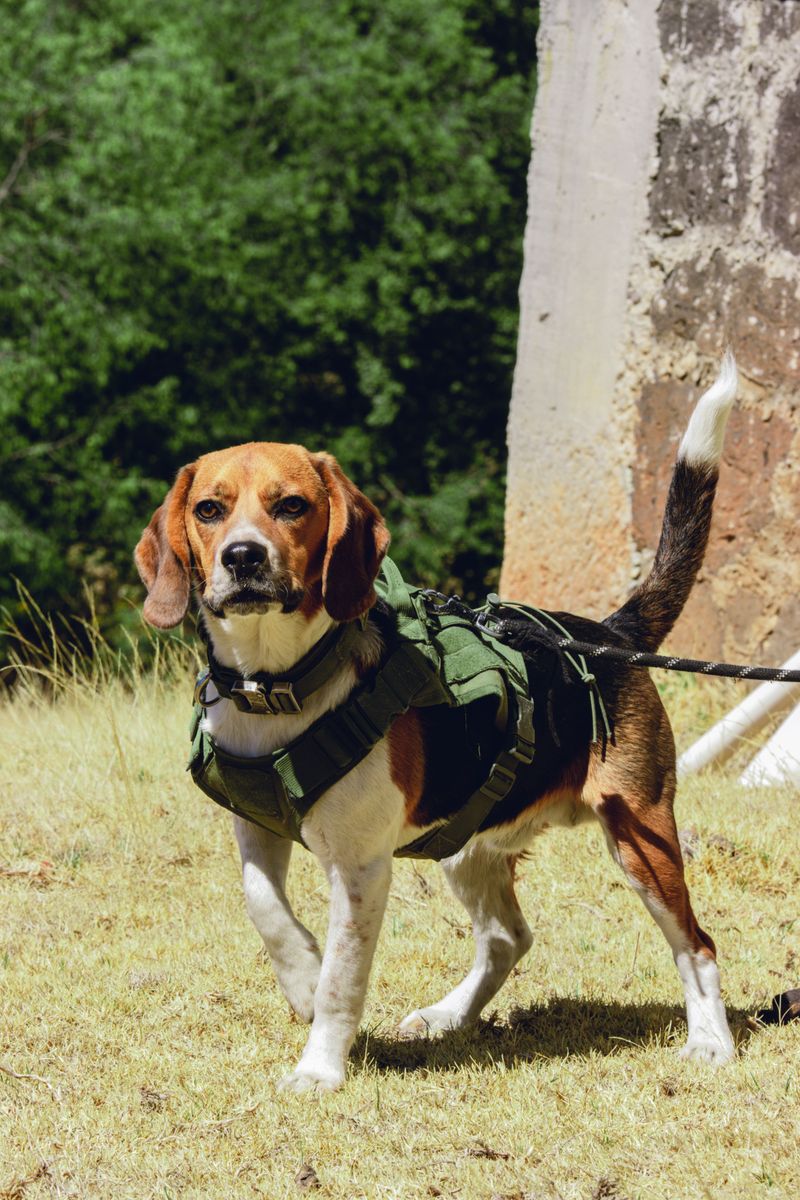
Nose first, everything else later. Beagles chase scent trails like treasure maps, often ignoring calls.
A long line lets them sniff safely while you stay in control.
Use nose work puzzles and hide-and-seek treats to satisfy that tracking itch. Keep recall cues short and cheerful.
Practice in low-distraction spots, then slowly add harder challenges. A snug harness, identification tags, and routine check-ins make walk adventures safer for this merry tracker.
Bloodhound
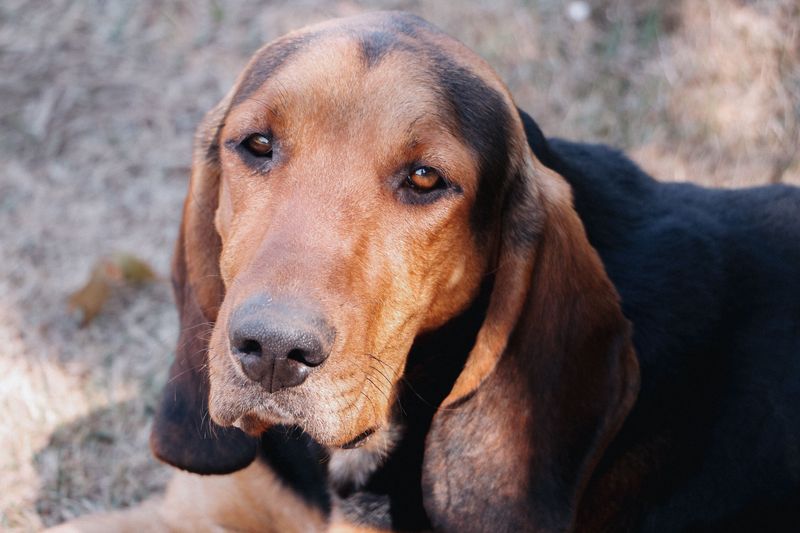
Legend says a Bloodhound can read roads like books, and it feels true. Once a scent locks in, they tune out everything else.
Solid containment and a strong, comfortable tracking lead are essential tools.
Give that brain work with organized trailing games. Teach a rock-solid stop cue paired with big rewards.
Plan walks during cooler hours to protect their nose and stamina, and consider a GPS tracker to help if curiosity wins.
Treeing Walker Coonhound
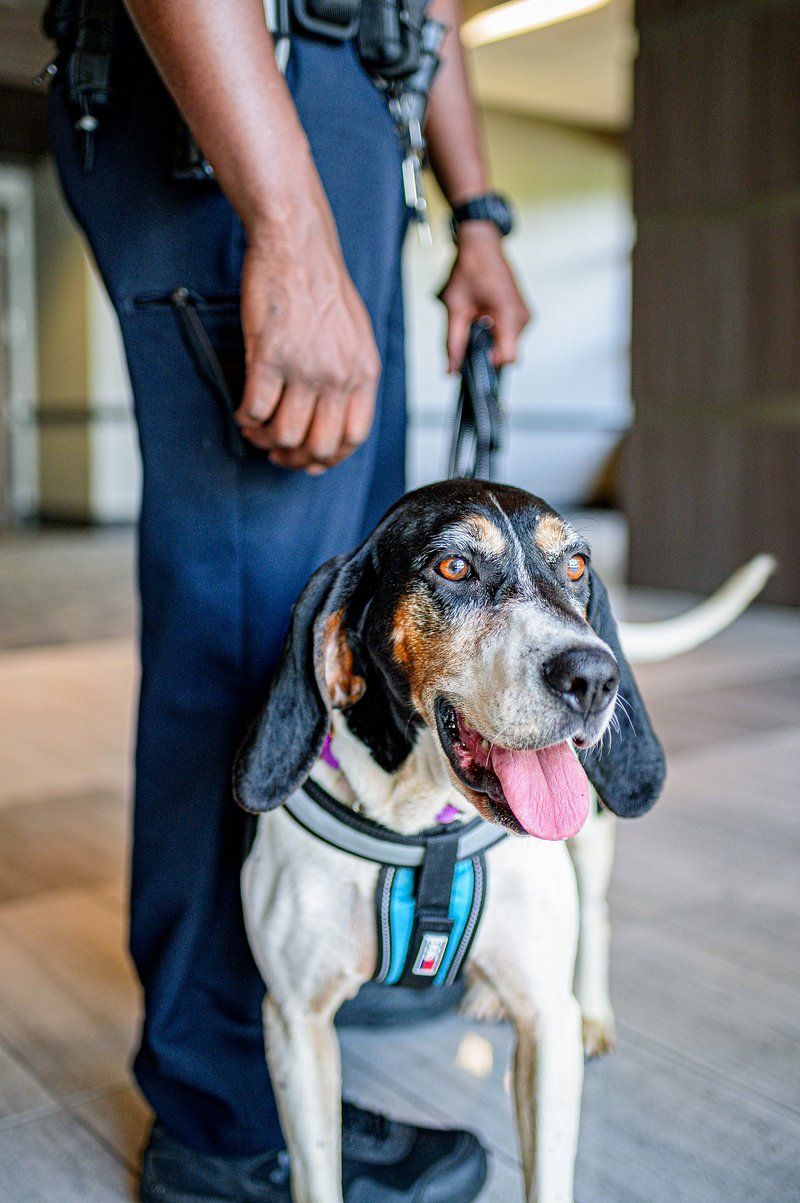
Born to chase and sing to the treetops, this hound follows wildlife sounds with gusto. Off-leash freedom often turns into a wild goose chase.
Tall fences and supervised outdoor time keep the neighborhood peaceful.
Structured exercise, like canicross or brisk hikes, helps burn steam. Rotate toys and use scent trails you set to build focus.
Reinforce recalls in stages, adding distance slowly while using irresistible treats and a happy voice.
American Foxhound
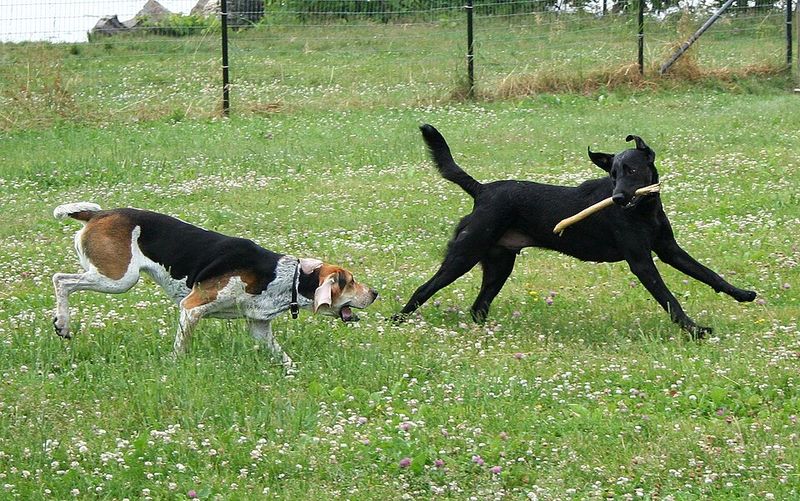
Light on their feet and quick to chase, Foxhounds can fade into the horizon before you can whistle. They were made for distance and teamwork in the field.
A double-gated entry and escape-proof fencing reduce risks.
Plan daily runs or bike trots to match their energy. Play recall games for meals, not just treats.
If possible, join a scent club to give them a job that satisfies instincts without the backyard jailbreaks.
Rhodesian Ridgeback
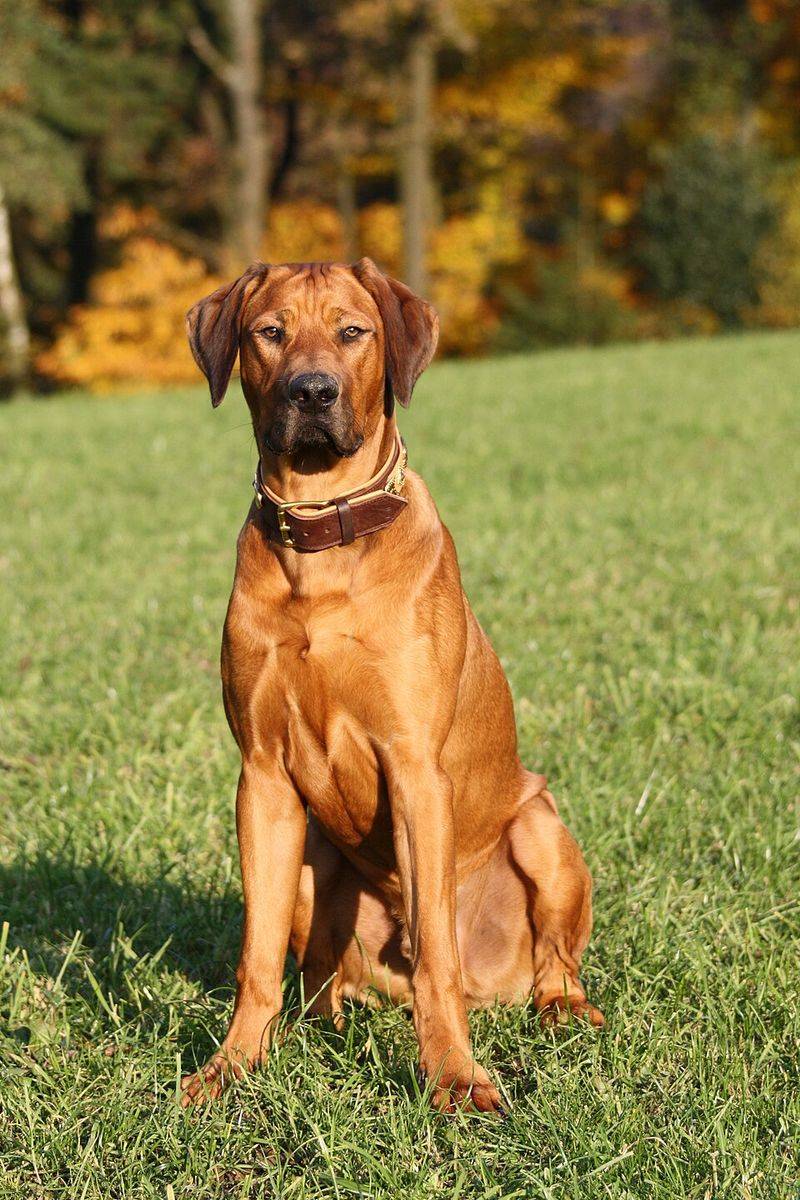
Calm at home, comet outside. Ridgebacks can switch from relaxed to sprint in a heartbeat when something moves.
Their independent streak makes recalls tricky if a chase begins.
Build impulse control with stop-and-go games and place training. Use long lines in open fields to practice responses under mild distractions.
Offer vigorous workouts like sprint intervals and lure coursing. Secure fences with dig guards help counter their athletic leaps and determined digs.
Saluki
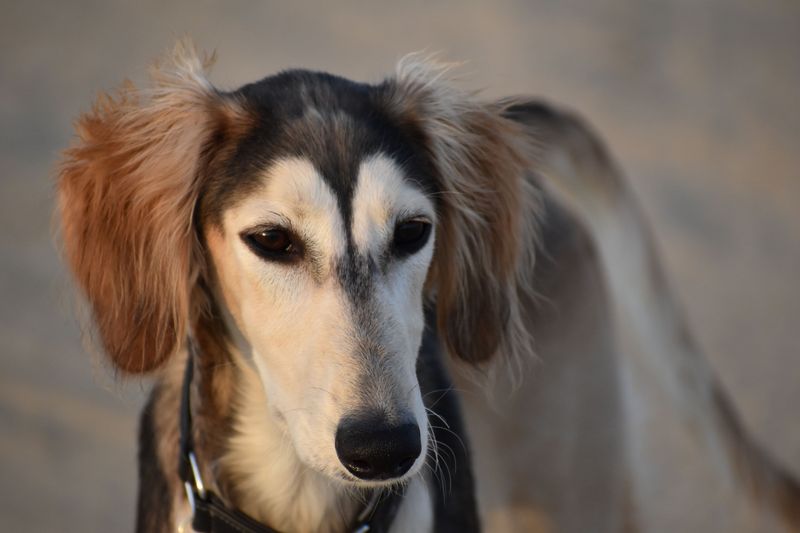
As soon as a Saluki spots movement, poetry becomes speed. Built for sight hunting, they can outrun your voice fast.
Off-leash in unsecured areas is high risk for this elegant sprinter.
Try lure coursing and controlled fetch to satisfy the thrill of chase. Teach emergency stop and down at distance using long lines first.
A snug sighthound harness, high fences, and quiet practice environments help keep training sessions safe and successful.
Afghan Hound
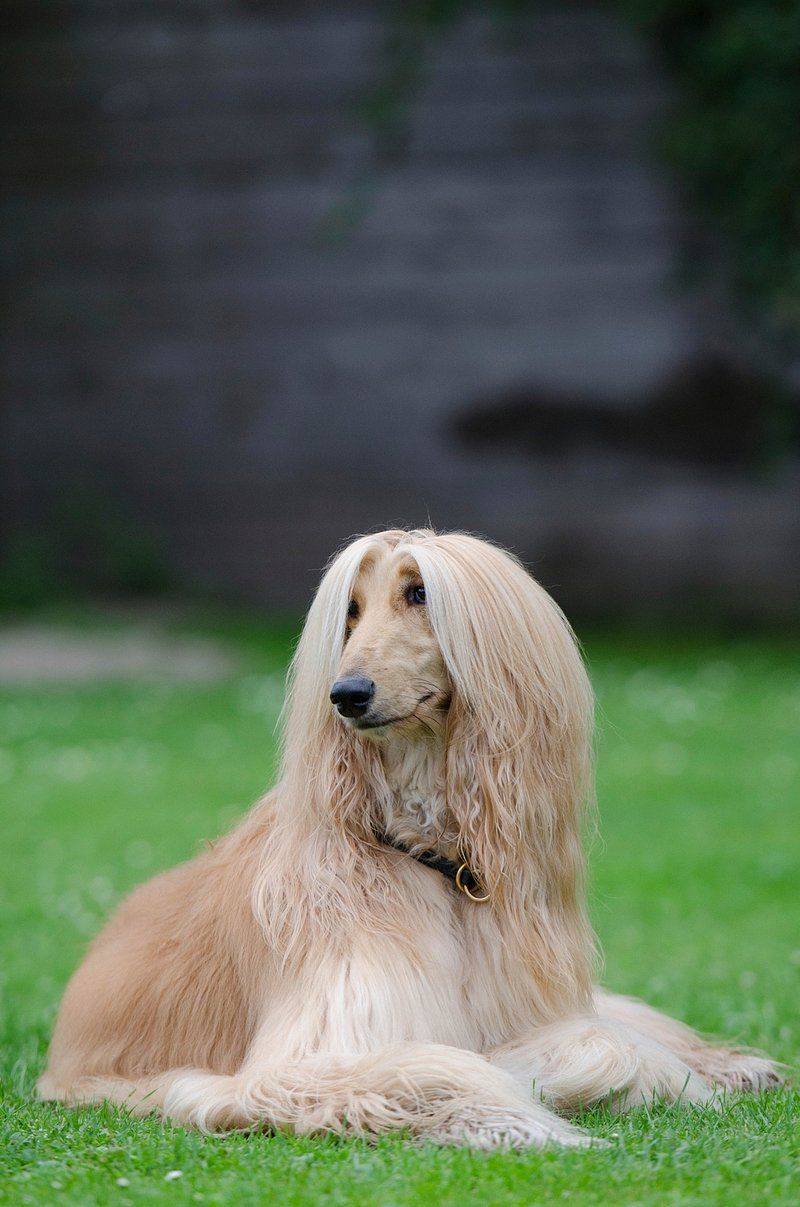
Silk in the wind, then gone. Afghans pair beauty with fierce independence, which can make recall feel optional.
The moment a rabbit bolts, instincts can override training.
Keep practices short, upbeat, and highly rewarding. Use fenced fields or long lines to rehearse reliable cues.
Mental games, like pattern training and directional turns, build attention. A roomy, secure yard and regular high-speed play sessions channel that elegant energy into safe, joyful sprints.
Basenji

Quiet like a cat and quick like a fox, the Basenji loves to investigate. Curiosity plus agility equals creative escapes.
They think for themselves, which can make off-leash time unpredictable.
Use puzzle feeders and scent boxes to tire their mind. Keep training varied and playful to hold interest.
A high, slick fence helps prevent climbing. Practice recalls before meals, and reward generously so coming back feels like the best deal in town.
Great Pyrenees
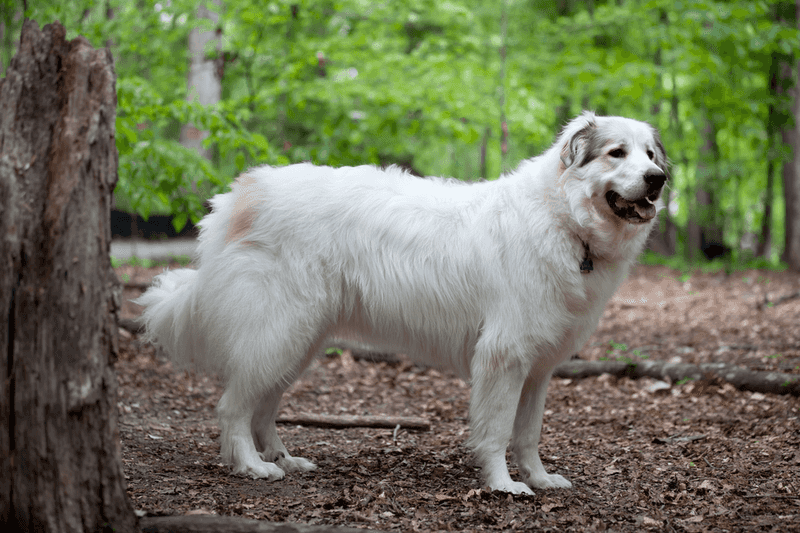
Night watchman by nature, the Pyrenees patrols borders and follows distant sounds. They drift to check perimeters, not to be naughty, but to guard.
Unsecured land becomes their self-picked route.
Give them a job with boundary walks on leash. Use tall, sturdy fencing with secure latches.
Short, confident training sessions with calm praise work best. Add enrichment like scent posts and slow strolls to satisfy that guardian mindset without neighborhood tours.
Anatolian Shepherd Dog
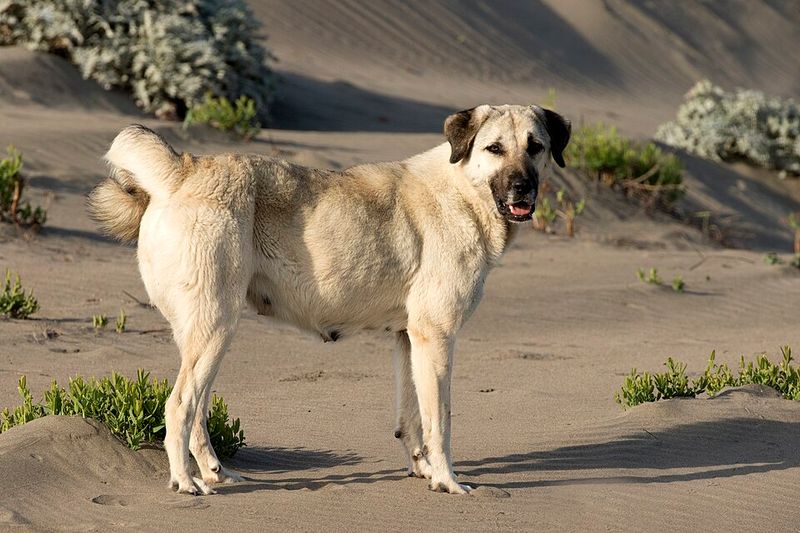
Independent and strategic, Anatolians make decisions on their own. If they think a perimeter is larger than your yard, they may expand it.
That confidence needs thoughtful management.
Reinforce boundaries with daily on-leash patrols around the fence. Provide heavy-duty gates and dig prevention.
Keep training calm, firm, and consistent, using valuable rewards. Regular jobs like carrying a pack on hikes or supervised livestock checks satisfy their purpose and reduce wandering urges.
German Shorthaired Pointer
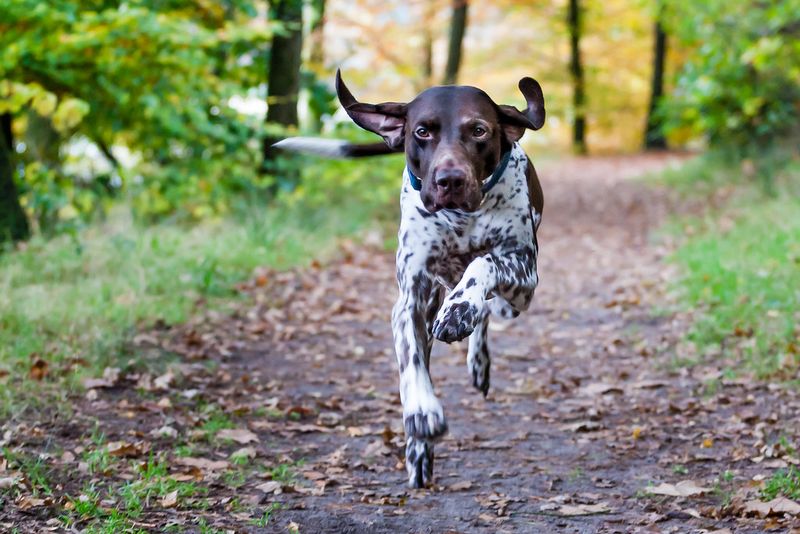
Built for miles and birds, GSPs love to range. Energy plus drive can send them far if a pheasant flushes.
Off-leash requires careful prep and reliable cues.
Schedule daily vigorous exercise like field runs or canicross. Add steadiness drills, impulse games, and whistle recalls.
Rotate retrieves with scented dummies to tax both body and brain. Use a long line in new places, and reward check-ins so staying near you becomes their favorite habit.