
Sharing your home with a giant breed changes everything from furniture choices to your daily rhythm. Doors open wider, walks get longer, and the cuddle sessions become full body events.
With the right preparation, these gentle titans bring unmatched security, humor, and heart. Here are the giants that transform home life, plus expert tips to keep everyone happy.
Leonberger
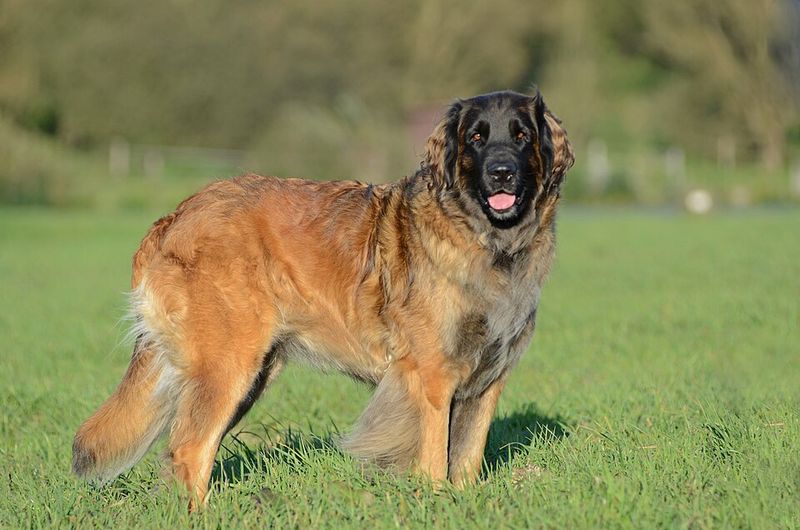
Living with a Leonberger feels like sharing space with a gentle lion. Despite their size, they drift around the house, leaning on your legs for reassurance.
You will quickly learn to protect your coffee table, because that sweeping tail clears magazines and remotes like a broom. Grooming matters, since their thick coat mats quickly and sheds heavily.
Give them mental work, too. Puzzle toys, obedience games, and cart pulling keep their brains satisfied and bodies balanced.
Training needs a calm, confident tone and consistency. Socialize early to prevent shyness.
Provide cool resting spots because heat drains them fast. Expect drool after big drinks.
Budget for jumbo gear, from orthopedic beds to XXL crates. In return, you get unwavering devotion and a playful roommate.
Great Dane
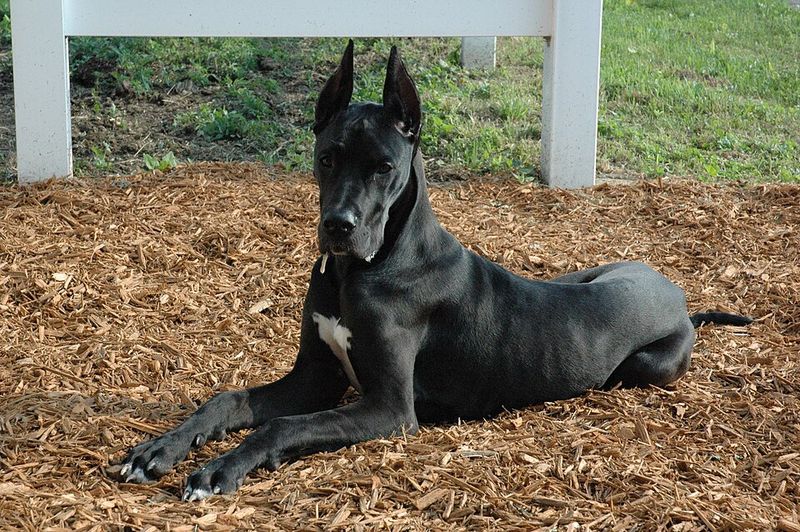
A Great Dane turns your home into a place of tall hugs and towering glances. Counters are not safe zones, so practice leave it from day one.
Their joints need protection, meaning slow growth food, steady conditioning, and non slip floors. Despite their regal presence, they thrive on soft beds and gentle praise.
Short coats mean low grooming demands, but nails and ear checks still matter.
They are sensitive, so train with patience and keep routines predictable. Daily walks and brief play bursts protect joints while meeting energy needs.
Watch bloat risks by feeding measured meals and using calm rest after eating. Socialize thoroughly to nurture their famously friendly nature.
In return, you get elegance wrapped in goofy charm.
Newfoundland
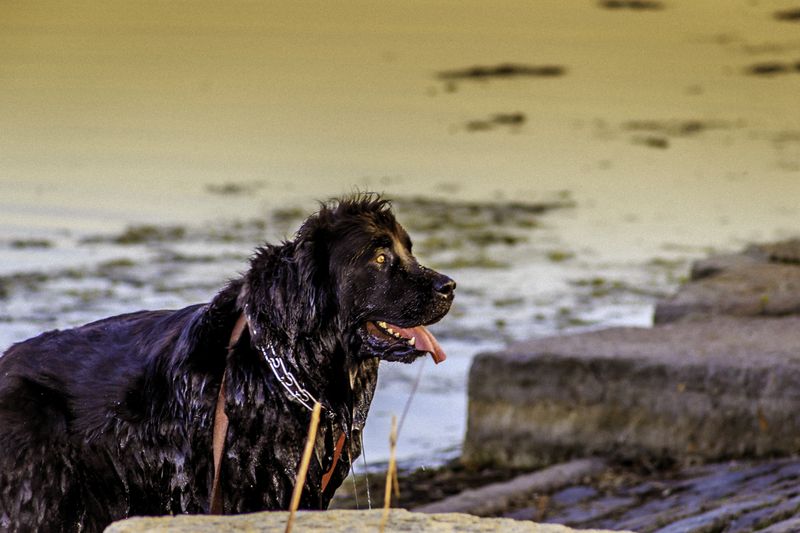
The Newfoundland is a water loving lifesaver who brings steady calm to chaos. Expect wet floors, big shakes, and a heart as wide as the ocean.
Their dense coat requires consistent brushing and careful drying to avoid hotspots. Strength training can be as simple as controlled swims and gentle hill walks.
They carry emotional weight kindly, reading rooms and leaning in when comfort is needed.
Prepare for drool ropes and a constant need for towels by doors. Keep them cool in summer and give orthopedic support for hips and elbows.
Positive training suits their cooperative spirit, especially recall around water. Socialize early so they greet strangers politely, not like a tidal wave.
With a Newfie, home feels anchored and safe.
Saint Bernard
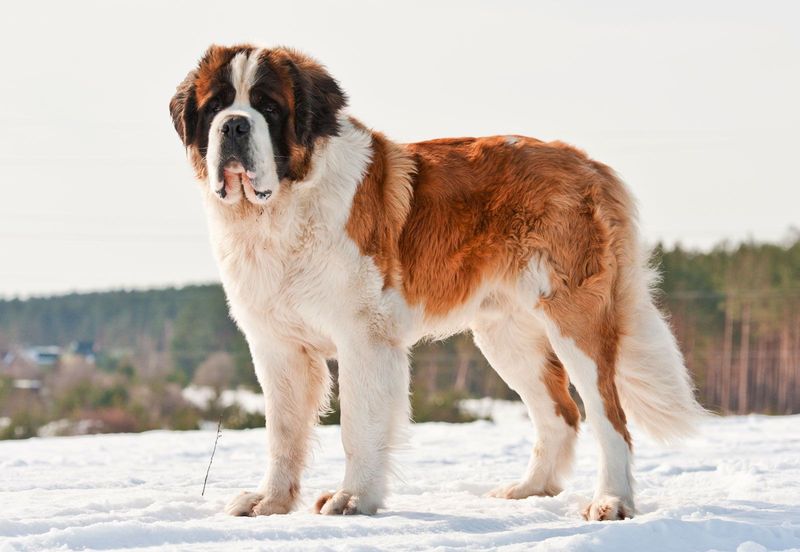
Life with a Saint Bernard is cozy, comic, and occasionally very messy. They lumber through rooms like living teddy bears, knocking worries off your shoulders with one lean.
Heavy coats shed year round and explode seasonally, so regular brushing is essential. Keep cooling mats ready, because they overheat easily indoors.
Slow, steady exercise supports joints while preserving that easygoing spirit.
Training should be kind, clear, and consistent to keep their laid back nature focused. Early socialization helps manage their size around guests and kids.
Watch for drool flings after drinks and plan washable slipcovers. Feed measured portions to manage weight and reduce orthopedic strain.
In return, you gain a mountain sized cuddle partner who makes home feel like a lodge.
Tibetan Mastiff
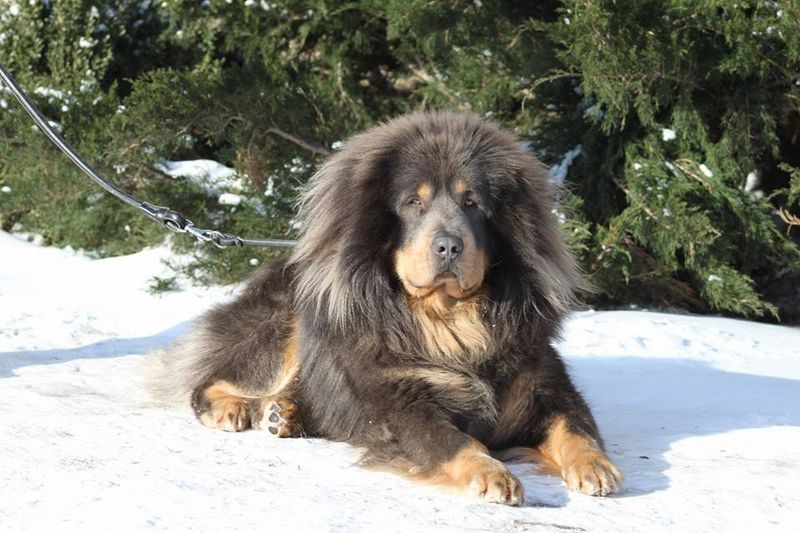
A Tibetan Mastiff changes your definition of privacy and perimeter. They are thoughtful, independent guardians who watch everything and trust slowly.
Expect nighttime patrols, strategic barking, and a preference for cool resting spots. Their mane like coat needs methodical brushing and careful mat prevention behind ears and ruff.
Heat management is non negotiable, with shade, ventilation, and slow evening walks.
Training works best when you are calm, fair, and unwavering about boundaries. Short, purposeful sessions beat repetition, because they dislike busywork.
Early, controlled socialization reduces suspicion while preserving protective instincts. Secure fencing is essential, including dig proof edges.
Provide jobs like scent games and boundary walks to satisfy purpose. With respectful leadership, they become dignified housemates who protect with quiet conviction.
Irish Wolfhound
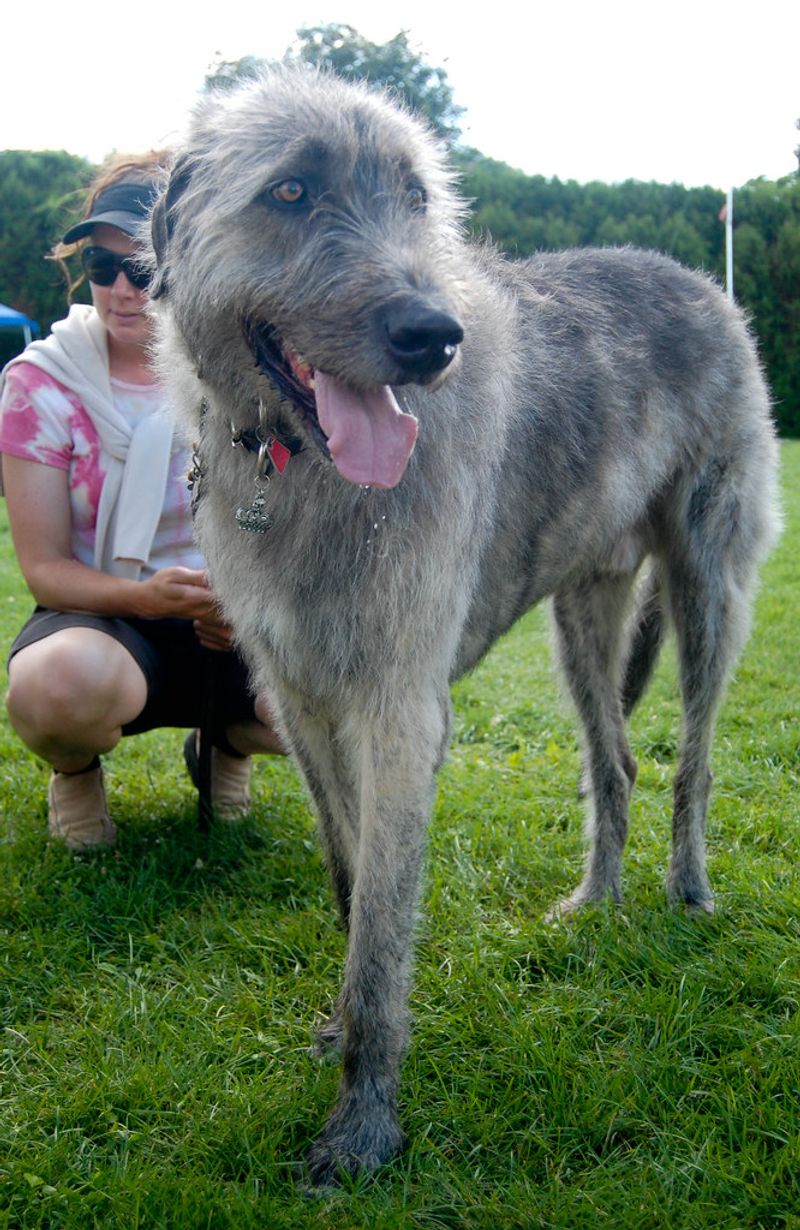
Irish Wolfhounds bring cathedral height and poet hearts into everyday spaces. They float through hallways like friendly ghosts, soft and unassuming despite towering frames.
Their sprinting heritage means gentle, regular exercise and rare full speed zooms in safe areas. Cushioned flooring and large rugs protect joints on slippery surfaces.
Coats need routine stripping or brushing to avoid tangles without overbathing sensitive skin.
They are famously sweet, so positive reinforcement works wonders for manners. Teach polite greetings early to protect backs and furniture.
Monitor for bloat, maintain lean weight, and prioritize strong recall in open spaces. Quiet environments suit them best, with cozy corners and long naps.
In return, you get kindness personified and a graceful friend who whispers calm.
Boerboel
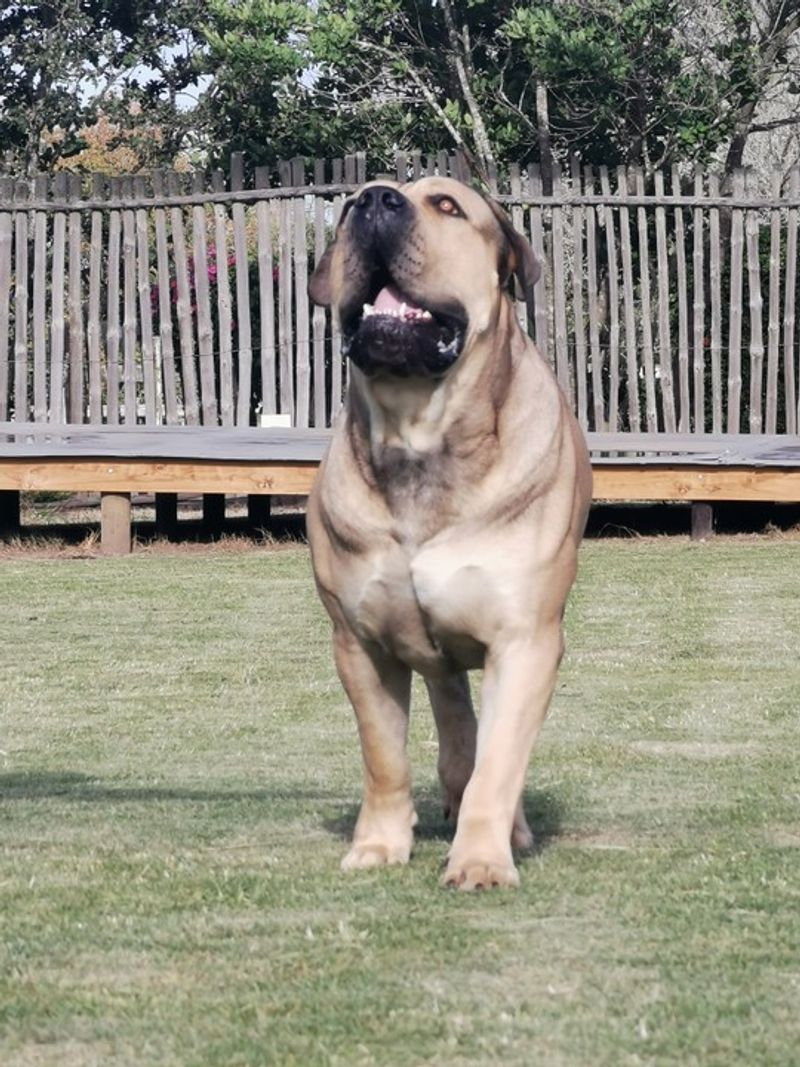
The Boerboel is a serious guardian who turns a house into a fortress. Calm, confident leadership keeps their impressive drive aimed correctly.
Early, structured socialization is non negotiable to shape judgment and impulse control. Short, focused training sessions with clear rules prevent pushiness.
Their athletic body thrives on purposeful work like protection sports, scent games, or power walks paired with obedience.
Provide secure fencing, strong gates, and drill reliable recalls. Mind joint health with controlled growth diets and low impact conditioning.
Their short coat is low maintenance, but skin checks and nail care are weekly habits. Watch for boredom, which creates mischief quickly.
With boundaries, enrichment, and respect, a Boerboel becomes a steadfast protector and a deeply affectionate family shadow.
Great Pyrenees
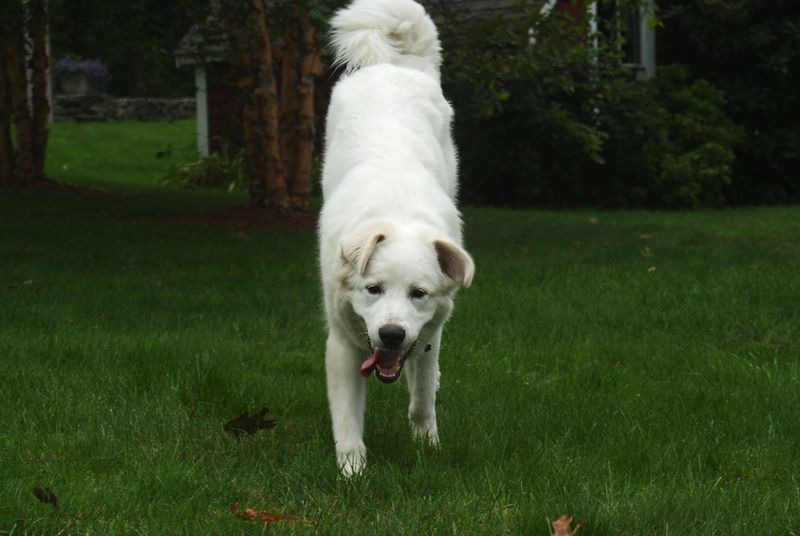
The Great Pyrenees is a nighttime sentinel wrapped in a cloud of fur. Expect thoughtful independence and a strong urge to guard boundaries.
Barking is communication for them, so teach a quiet cue early. Double coats demand regular brushing and seasonal de shedding to manage tumbleweeds.
Heat tolerance is low, so plan dawn or dusk walks and ample shade.
They prefer calm, fair training and do not enjoy drilling. Give jobs like perimeter walks, livestock style fetch, or scent routes.
Secure fencing is essential to prevent roaming on patrol. Keep diets lean to protect joints and maintain stamina.
In return, you gain a gentle, watchful presence that settles anxious rooms and brings peace to long evenings.
Anatolian Shepherd
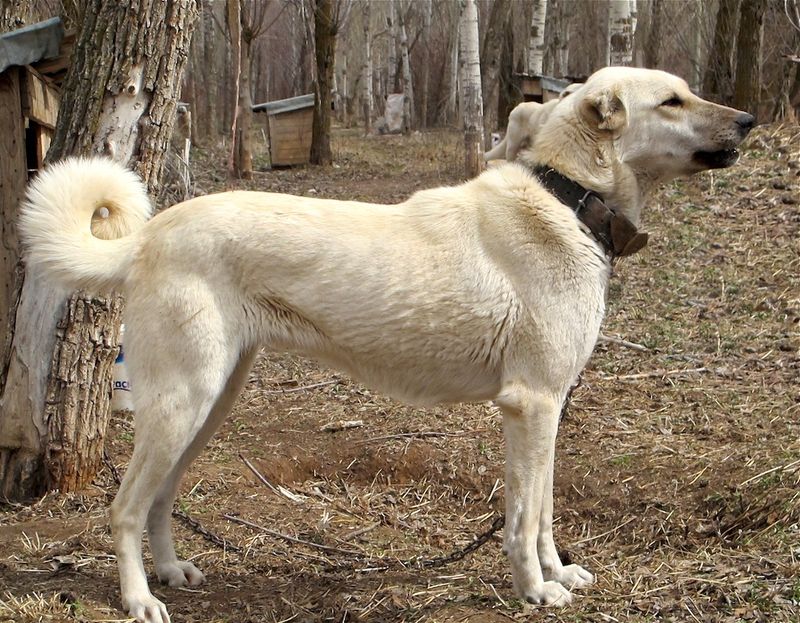
An Anatolian Shepherd treats your home like a serious post with real duties. They are independent thinkers who need clear rules and reliable routines.
Early, neutral socialization helps them assess situations without overreacting. Expect perimeter pacing, strategic barking, and an eye on anything new.
Provide steady, purposeful exercise over chaotic fetch to protect joints and focus minds.
Training thrives on fairness, clarity, and short sessions that respect their intelligence. Secure fencing, locked gates, and recall training are must haves.
Grooming is simple weekly brushing, seasonal shedding control, and nail maintenance. Keep diets measured to avoid excess weight and associated orthopedic strain.
With respect, structure, and meaningful work, they become trustworthy guardians who choose calm first and power only when needed.
Neapolitan Mastiff
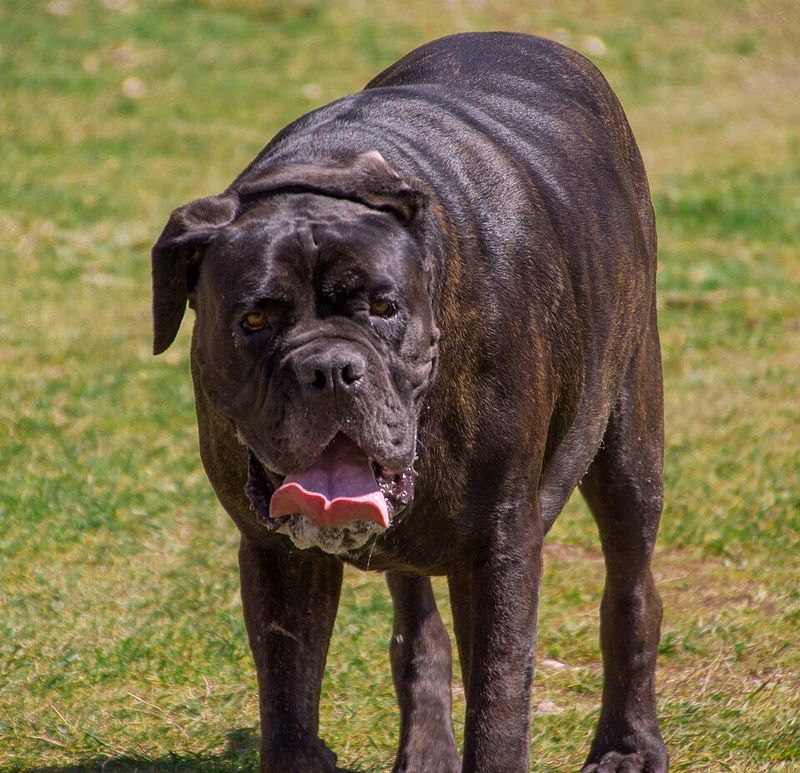
The Neapolitan Mastiff brings ancient swagger and a lot of wrinkles into your hallway. Loose skin means devoted cleaning of folds to prevent irritation and odor.
Expect drool on doorways, pant legs, and sometimes the ceiling after shakes. They adore cool floors and quiet corners, preferring watchful rest to chaos.
Short, controlled walks maintain strength without stressing heavy joints.
Training should be simple, calm, and absolutely consistent, with rewards for cooperation. Socialize early yet thoughtfully, keeping experiences positive and brief.
Keep nails short, ears clean, and diets lean to protect frames. Invest in strong leashes, wide collars, and sturdy gates.
In return, you get a loyal shadow with cinematic presence and a surprisingly tender, goofy heart.
Caucasian Shepherd
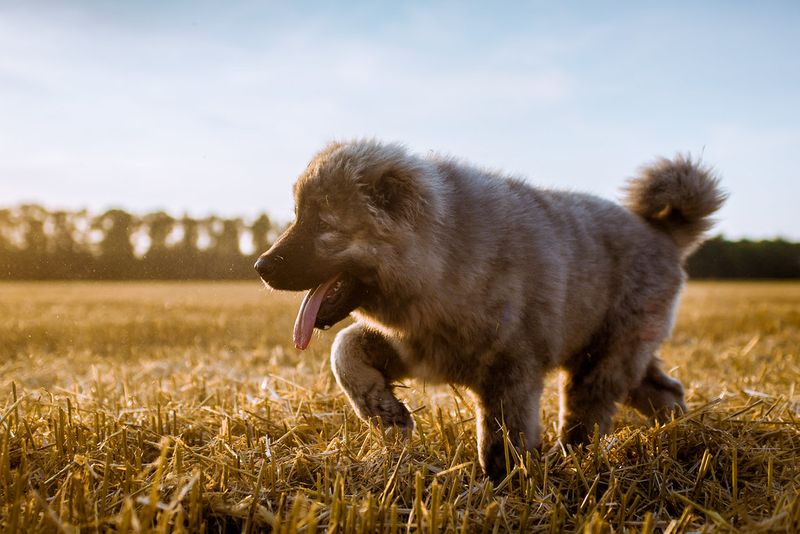
The Caucasian Shepherd is a fortress on four legs, bred to defend. They are powerful, territorial, and deeply devoted when bonded properly.
Clear leadership and careful, neutral socialization are not optional. Expect boundary vigilance, suspicious stares at strangers, and a need for secure fencing.
Provide cool rest zones, because heavy coats trap heat even in mild weather.
Training should emphasize impulse control, reliable recalls, and calm exposure to novel situations. Mental work like scent puzzles and boundary walks channels their drive.
Grooming requires steady brushing and seasonal de shedding to manage volume. Keep diets balanced and portions strict to protect joints.
With structure, purpose, and respect, they become steadfast protectors who anchor home life with formidable confidence.
English Mastiff
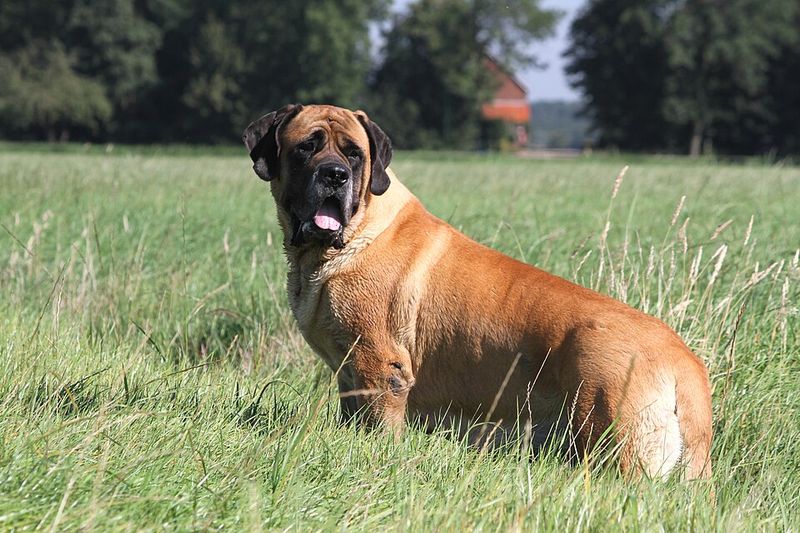
An English Mastiff turns your living room into a nap zone with built in security. They are gentle, steady souls who appreciate simple routines and soft beds.
Expect drool bibs by water bowls and wipe towels near doors. Low impact exercise like neighborhood strolls and controlled stairs preserves joints.
Keep diets lean to support longevity and reduce orthopedic strain.
Training should be patient, brief, and upbeat, rewarding calm choices. Socialize early to maintain confidence without fearfulness.
Grooming is easy, though nails, skin folds, and dental care still need attention. Use non slip rugs to help with traction on slick floors.
In return, you gain a massive, mellow companion who communicates comfort by simply breathing nearby.
Bernese Mountain Dog
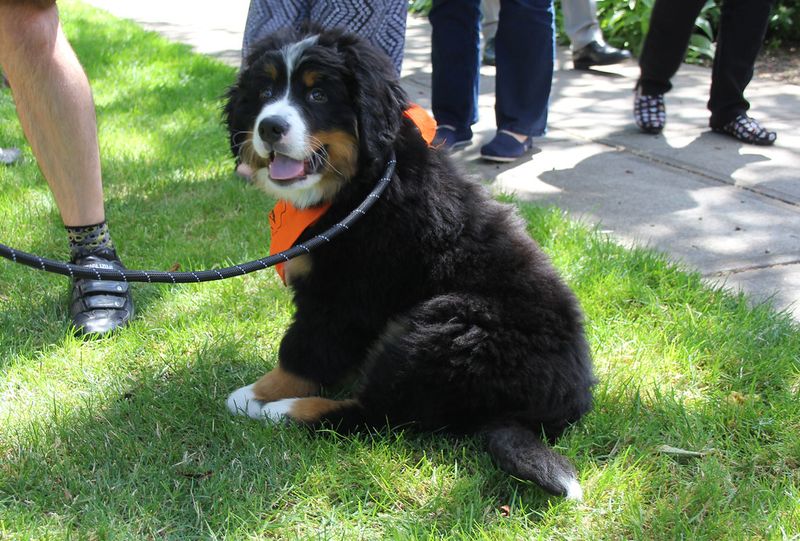
The Bernese Mountain Dog brings sunshine and shed into every corner of the day. Their tricolor coat requires regular brushing to manage fluff and seasonal blowouts.
They love purpose, so try light carting, hiking, and obedience games. Heat is tough for them, so schedule play during cooler hours.
Their affectionate nature fits families, but jumping should be discouraged early for joint health.
Training is joyful with praise and treats, keeping sessions upbeat and brief. Socialize calmly to nurture confidence without overexcitement.
Maintain a lean body and add joint friendly conditioning like hill walks. Expect some drool, plenty of fur, and constant companionship.
In return, you get a cheerful worker who turns chores and weekends into shared adventures.