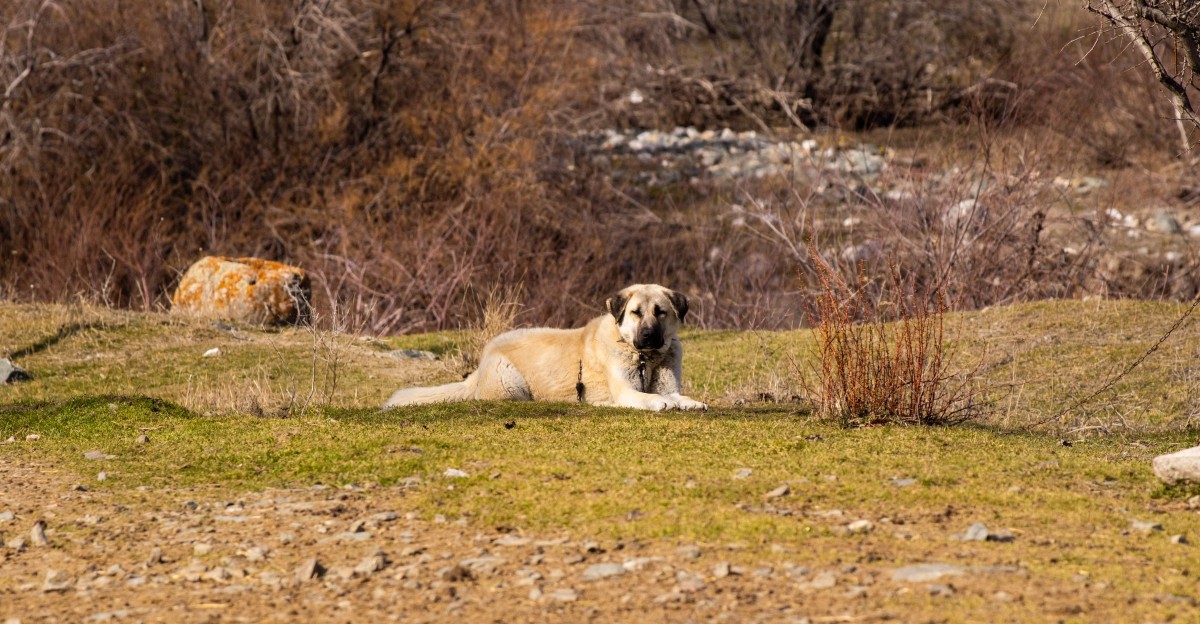
Some dogs are smart and loyal but like making their own choices. That independent streak can make regular obedience classes feel tough.
With the right plan and patience, you can still build great manners and trust. Meet breeds that think for themselves and learn how to work with their bold minds.
Siberian Husky – the cheerful escape artist
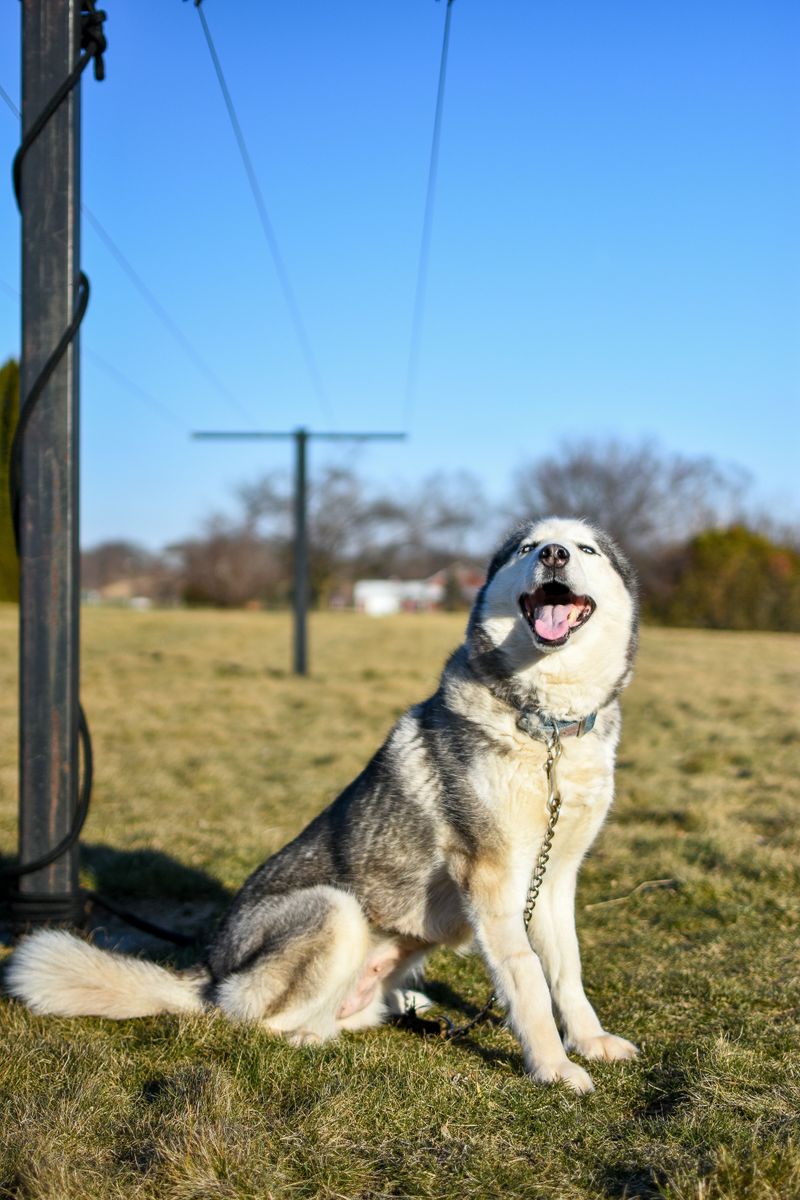
Blink and the Husky is gone, chasing wind and adventure. Bred to run in cold lands, this athlete often values freedom over commands.
Short, upbeat sessions with strong rewards work best. Use secure fences, a long line, and games that make coming back more fun than roaming.
Mental workouts like nose work and puzzle feeders help channel that bright, restless mind.
Alaskan Malamute – the strong-willed sled legend
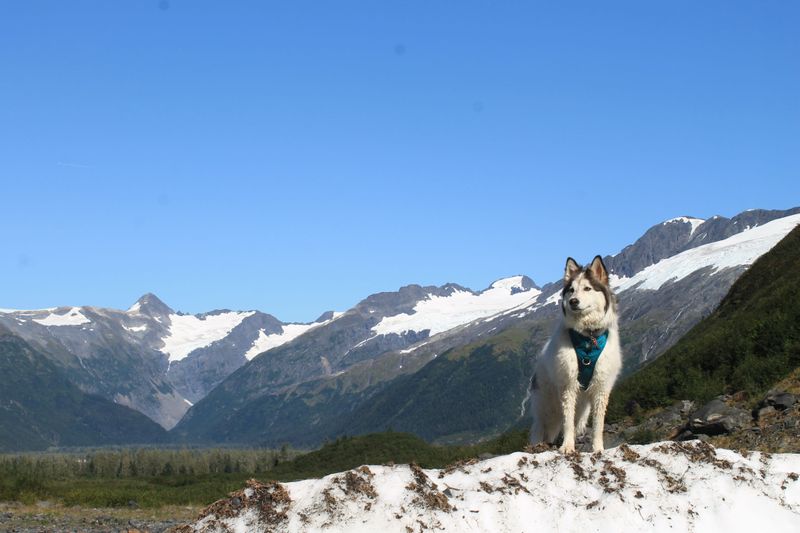
Power is the first thing you notice. The Malamute was built to pull, think, and keep going when the trail gets hard.
Traditional drills can feel boring to this dog. Rotate jobs like carting, canicross, or weighted hikes to satisfy that drive.
Keep cues simple, reinforce generously, and set clear boundaries at home. A tired Malamute is a cooperative partner, so balance brain games with safe strength work.
Afghan Hound – the elegant free thinker
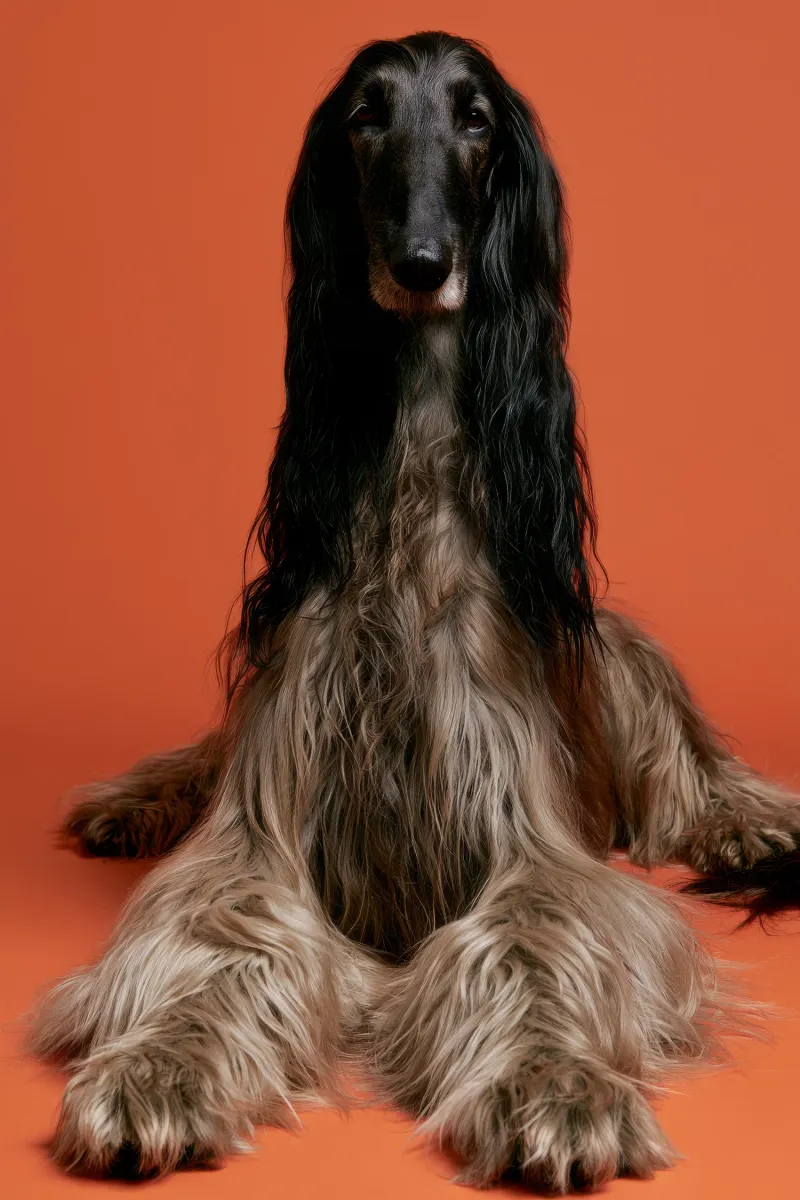
Silky hair and a lofty trot hint at royalty. Afghans were hunters that relied on vision and quick choices far from people.
Short, calm lessons help this sensitive soul. Use quiet spaces with minimal distractions, and trade repetition for variety.
Teach one new skill, then practice loose leash walking in a peaceful area. Lure gently, reward generously, and end while the dog still wants more.
Beauty listens when training feels respectful and interesting.
Basenji – the catlike problem solver
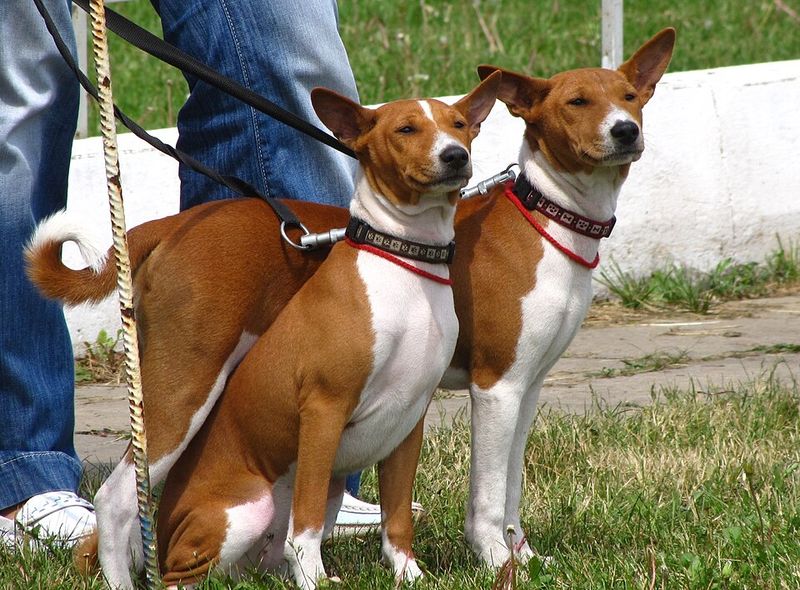
Quiet does not mean easy. The Basenji hardly barks but communicates with eyes, movement, and that famous yodel.
Games that reward curiosity shine here. Teach hand targets, scent games, and shaped behaviors so the dog gets to figure things out.
Keep sessions brief, then switch to a walk or puzzle bowl. Secure yards and reliable leashes matter, since quick instincts can override recall when a squirrel appears.
Shiba Inu – the spirited little boss
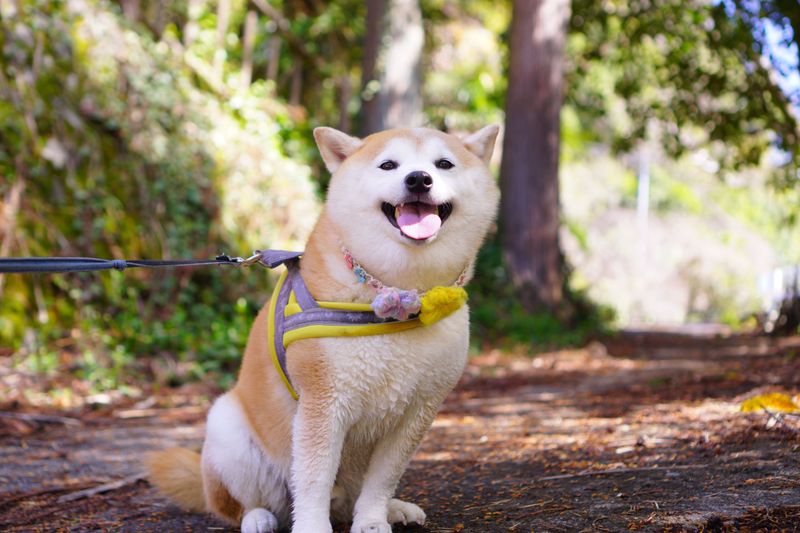
Confidence wrapped in a small package can surprise new owners. Many Shibas weigh little but act like they run the block.
Make cooperation pay well. Use high-value treats, play chases with a flirt pole, and keep practice upbeat and short.
Avoid wrestling over choices. Instead, trade for toys and teach a rock-solid leave it.
Fun fact, some Shibas make the famous Shiba scream when frustrated, so train with humor and patience.
Akita – the dignified guardian thinker
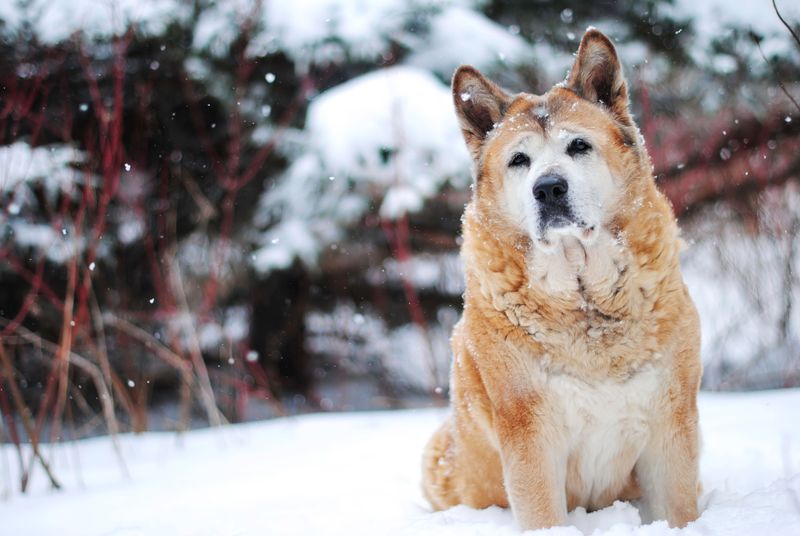
Steady and observant, the Akita chooses moments carefully. Deep loyalty often pairs with a mind that weighs every cue.
Clarity beats chatter. Use crisp signals, limit repetition, and reward calm choices.
Socialization with neutrality is gold, especially around new dogs. Teach stationing on a mat to build impulse control, then practice polite greetings.
Confidence grows when rules are consistent and fair, not harsh.
Chow Chow – the reserved lion lookalike
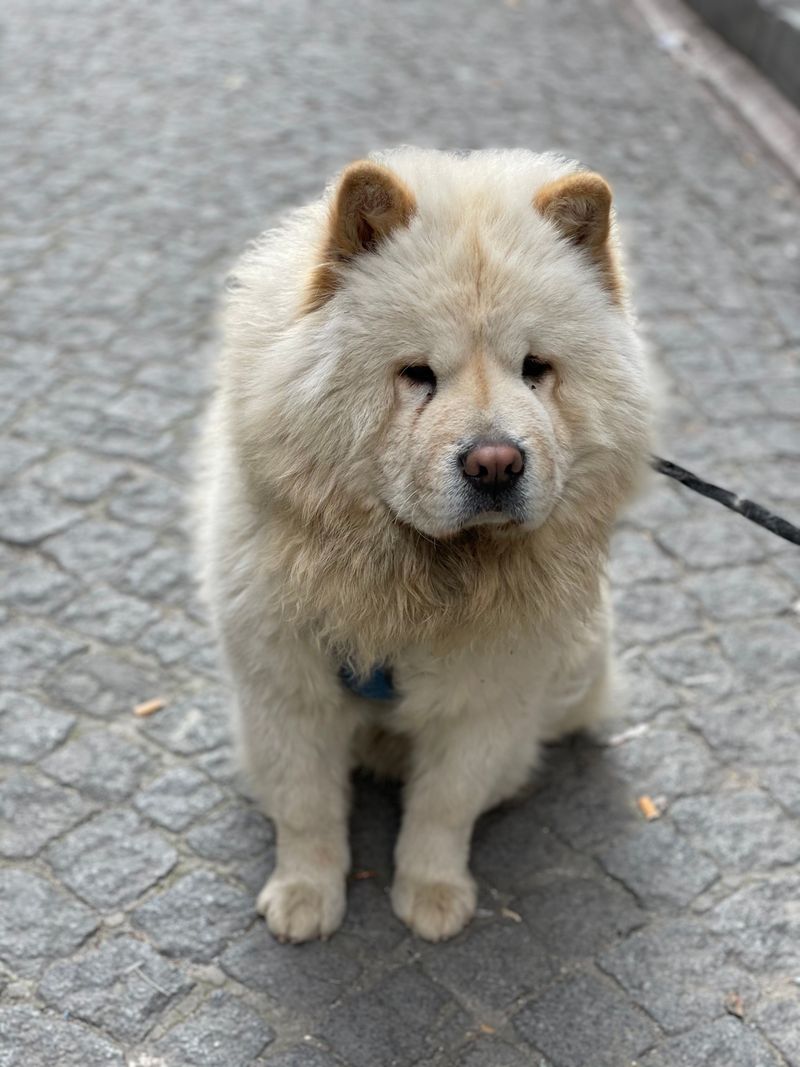
That teddy-bear mane hides a very independent brain. Chows often prefer personal space and calm routines.
Respect goes far. Keep hands gentle, approaches slow, and lessons short.
Teach cooperative care, like chin rest for brushing, so grooming becomes a shared task. Use food stations and scatter feeding to build positive feelings around you.
With predictable structure and fair rewards, this thoughtful dog chooses to participate instead of resist.
Saluki – the desert runner with poise
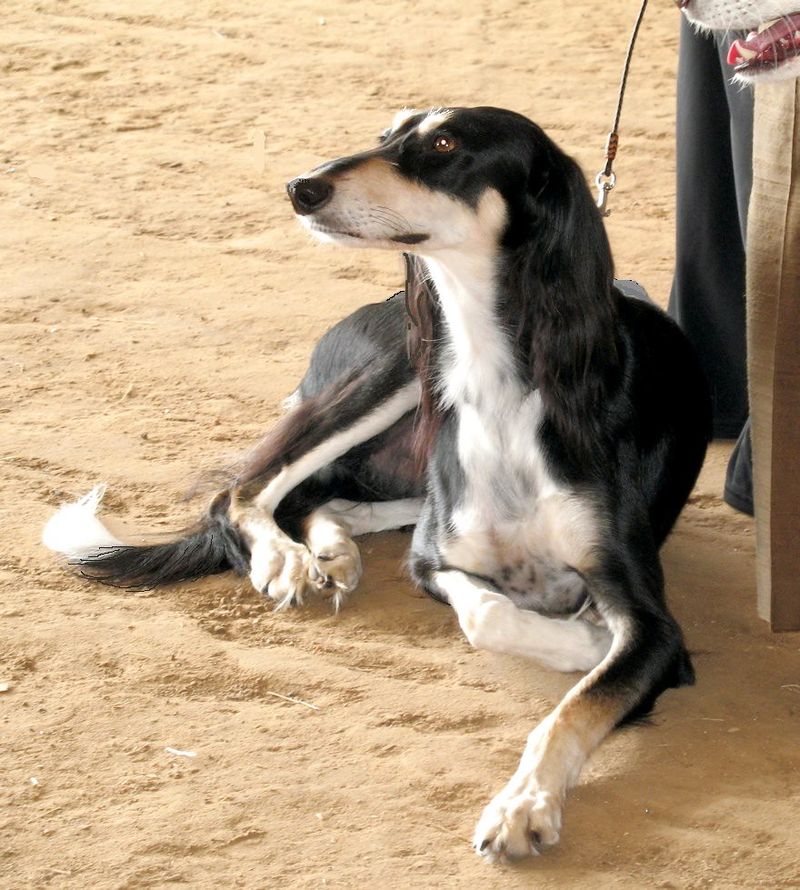
Grace in motion is the Saluki signature. Bred for speed and sight, this dog often notices distant movement before hearing your voice.
Safety first with secure fields and long lines. Build recall using chase games that start and stop with a cue.
Keep training calm, avoid nagging, and reward with speed bursts or tug toys. Variety keeps attention, while over-drilling invites boredom.
A little patience makes elegance cooperate.
Borzoi – the aristocrat with a mind of its own
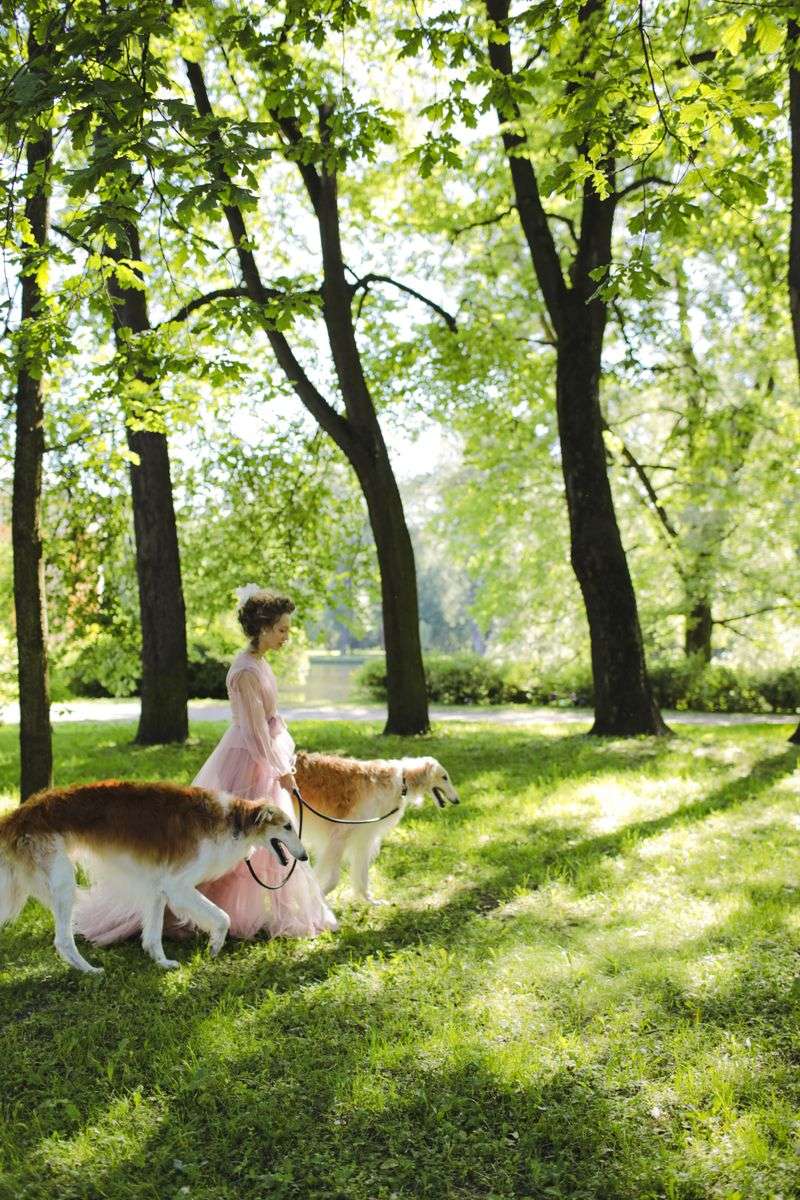
Watching a Borzoi move feels like watching art. Yet behind that beauty is a hunter that makes snap decisions.
Quiet environments help learning stick. Train with soft voices, smooth handling, and generous reinforcers.
Practice stands and stays at a distance, then reward with gentle chases to you. Nose work can steady arousal between sprints.
Reliable fences and careful off-leash choices protect that poetic speed from risky roads.
Tibetan Mastiff – the nighttime village watcher
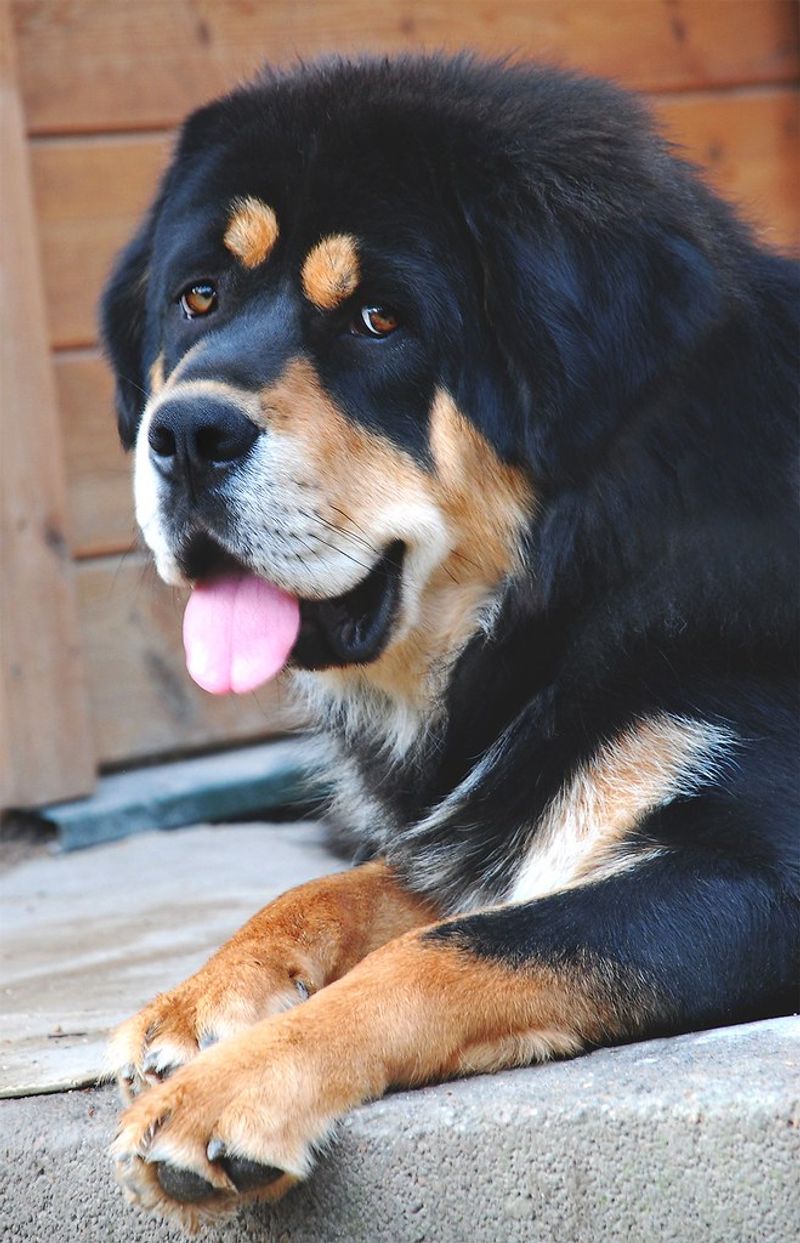
Centuries of guarding villages shaped a dog that decides for itself. Many work best when given clear jobs and solid boundaries.
Focus on manners, management, and trust. Teach place training, polite door routines, and calm leashing before walks.
Keep guests slow and predictable. Reward quiet choices with space and snacks.
This breed thrives when owners guide with steady leadership and avoid over-stimulating environments.
Great Pyrenees – the gentle hillside sentinel
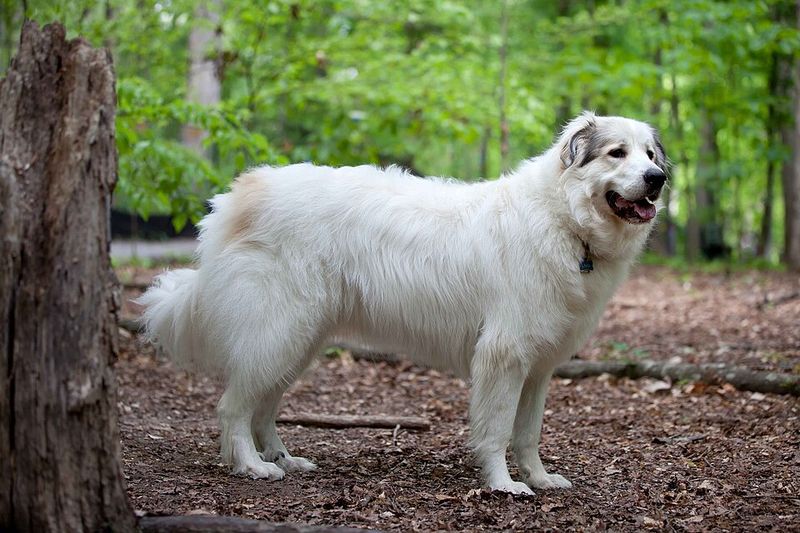
Out in pastures, the Pyrenees learned to think without constant human input. Patience comes naturally, obedience drills less so.
Calm, consistent routines pay off. Practice boundary walks around property lines, rewarding check-ins with praise and treats.
Teach a strong stay and settle on a mat for when visitors arrive. Nighttime barking needs management with early exercise and indoor quiet stations.
Slow training, big kindness, steady results.
Anatolian Shepherd – the no-nonsense protector
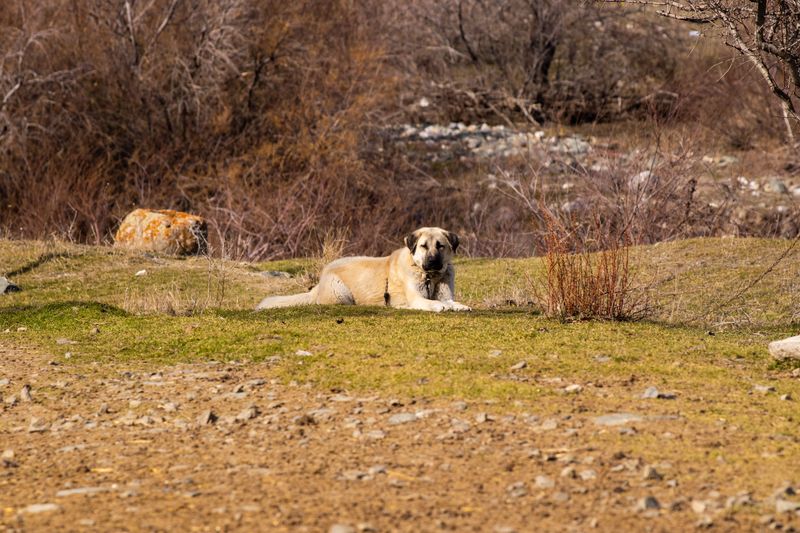
Work first, talk later could be the motto. This guardian weighs situations before acting, sometimes ignoring small talk from people.
Train with purpose. Practice reliable recalls using long lines, then reinforce with food and a quick job, like carrying a bumper.
Keep drills short and meaningful. Introduce strangers with structure, space, and steady rewards for calm focus on you.
Strong fences and daily mental work support success.
Norwegian Elkhound – the bold forest tracker
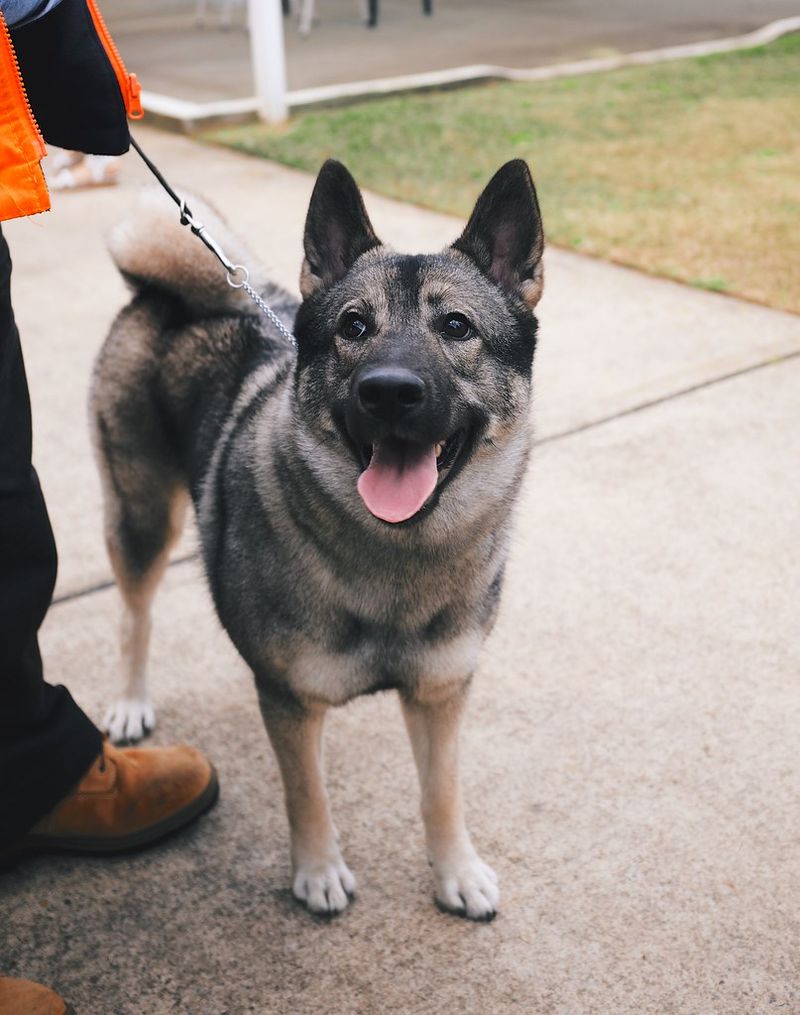
Born to trail moose through deep woods, the Elkhound follows its nose with gusto. That drive can drown out slow instructions.
Lean into scent. Set up find it games, track treats along paths, and build recalls between sniffing checkpoints.
Use brisk walks, varied terrain, and quick training bursts to match energy. When the nose gets a job, the ears return sooner.
Humor helps too, because stubborn moments will come.