
Some dogs are incredible companions but need thoughtful planning when meeting other pets. If you know which breeds tend to be more reactive, you can set everyone up for calmer, safer introductions.
This guide walks you through the personalities that can spark tension and gives you practical strategies that actually work. Start here before scheduling that first hello to keep stress low and confidence high.
Akita
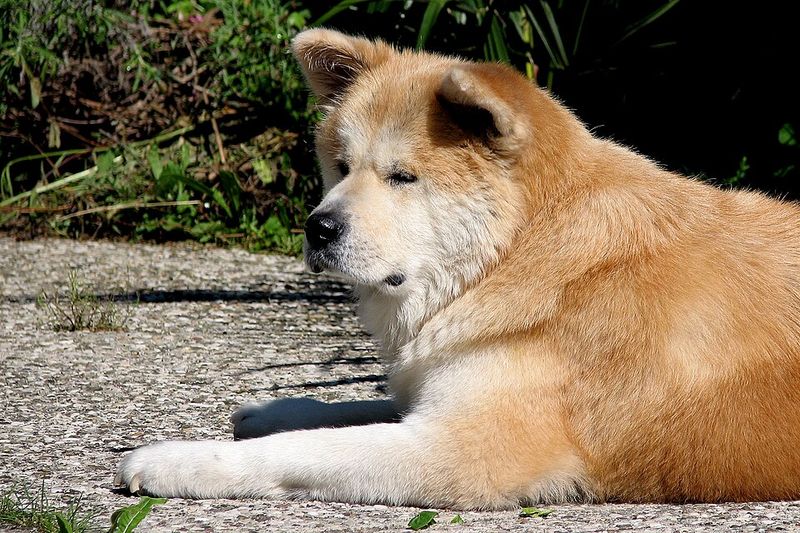
Akitas are dignified, powerful guardians with strong opinions about personal space. They bond closely with their family yet can be standoffish with unfamiliar dogs and pushy greeters.
That intensity makes careful, slow introductions essential, especially if you already have pets at home.
Use neutral ground, parallel walking, and high value treats to reward calm glances and soft body language. Avoid face to face greetings, tight leashes, and crowded rooms where pressure can spike arousal.
If tension bubbles up, step away, reset the distance, and end on a tiny success rather than pushing.
Structured obedience and impulse control games help channel that protective drive into predictable routines. Respect their boundaries, supervise interactions, and advocate for your dog.
Progress slowly and you will earn lasting trust.
Chow Chow
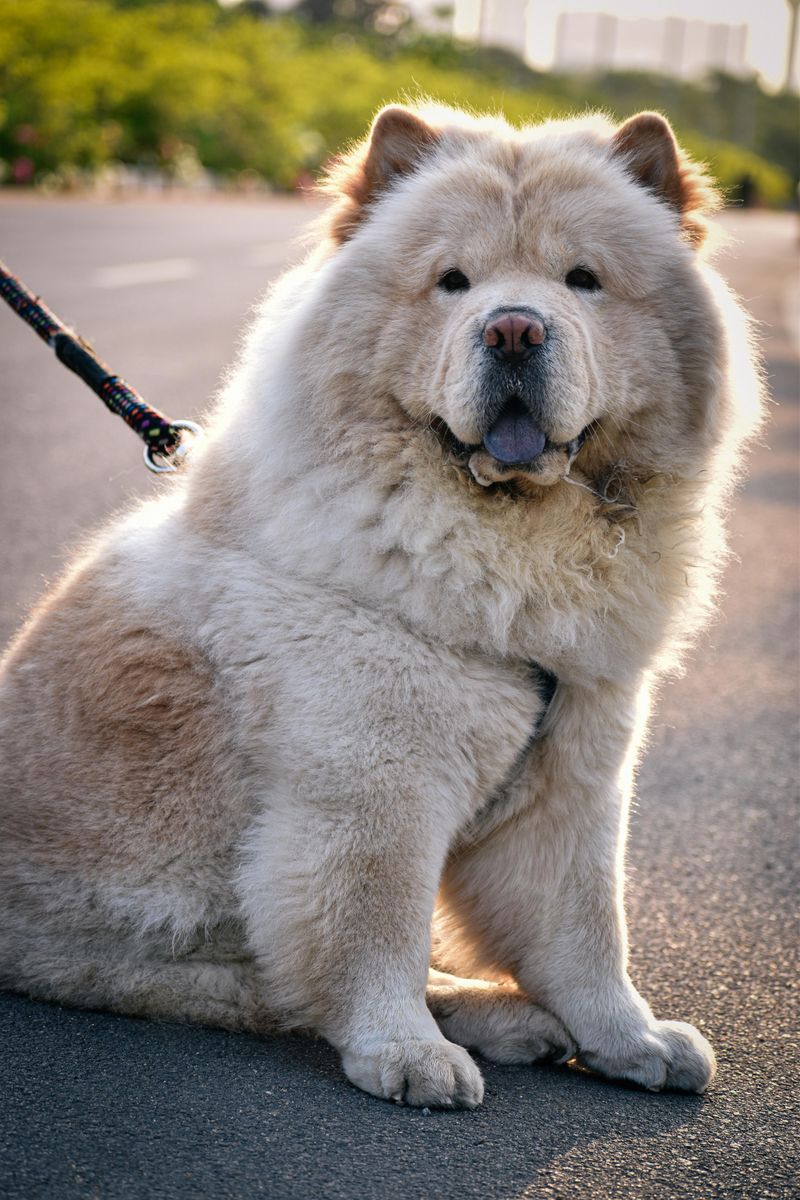
Chow Chows are famously aloof and can be intensely territorial, especially around doorways and favorite lounges. Their dignified nature means they dislike rude approaches, fast movements, and clingy puppies.
Introductions work best when everything feels predictable and respectful of space.
Begin with scent swapping through barriers, then practice side by side walks where nobody is forced to engage. Reward soft eyes, loose posture, and polite disengagement as much as brief, calm sniffs.
Keep sessions short, end early on success, and avoid high value resources on the floor.
Consistent routines, clear cues, and fair boundaries help a Chow feel safe. Teach a solid place command and decompression breaks.
When in doubt, slow down and protect everyone’s comfort.
Belgian Malinois
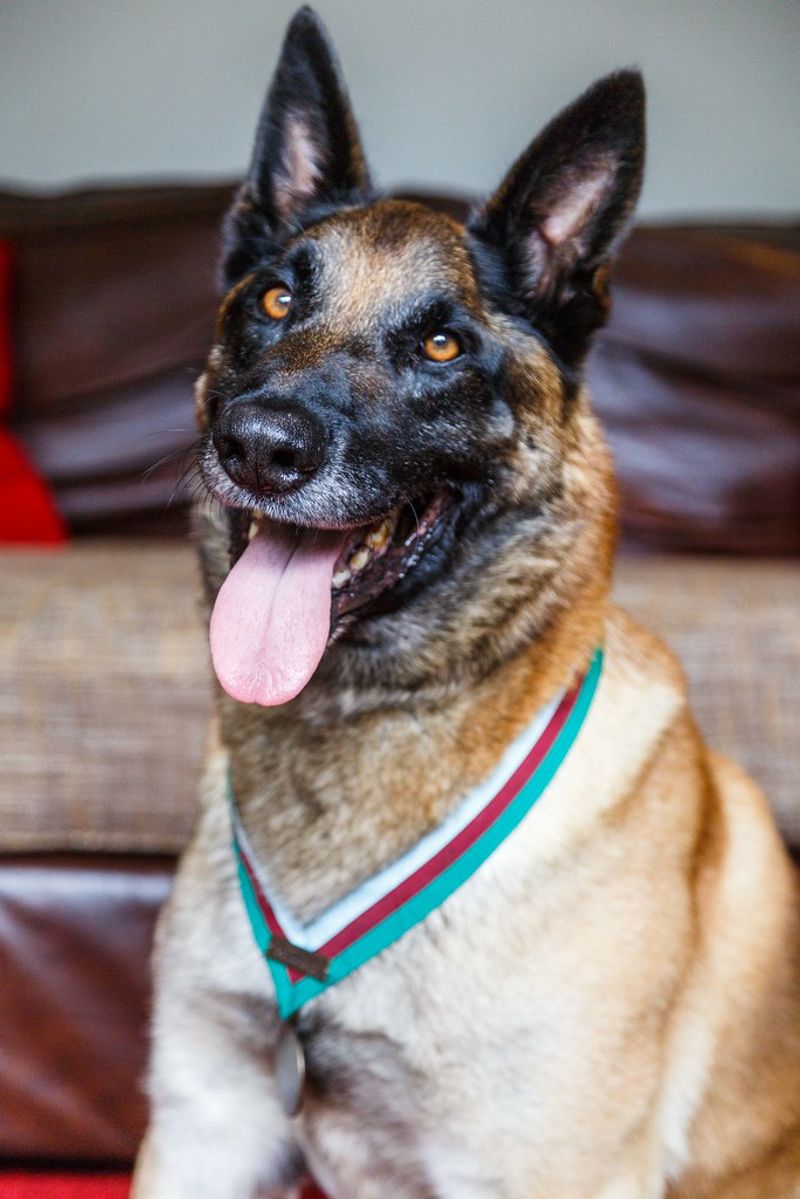
Belgian Malinois are brilliant, fast, and easily overstimulated, which can spill into reactivity around unfamiliar pets. High drive dogs see motion and opportunity, so impulsive lunges or barking are common without structure.
Thoughtful introductions keep their brain busy and their body working at a manageable threshold.
Use pattern games, hand targets, and obedience reps while another dog stays in view but far enough to keep arousal low. Reinforce offered check ins and quick recovery from excitement.
Avoid tight hallways, cluttered rooms, and anything that invites racing or resource guarding.
Daily outlets for biting, chasing, and problem solving create calmer greetings later. Rotate decompression walks, sniffing, and tug under rules.
You will see steadier choices when needs are consistently met.
Cane Corso
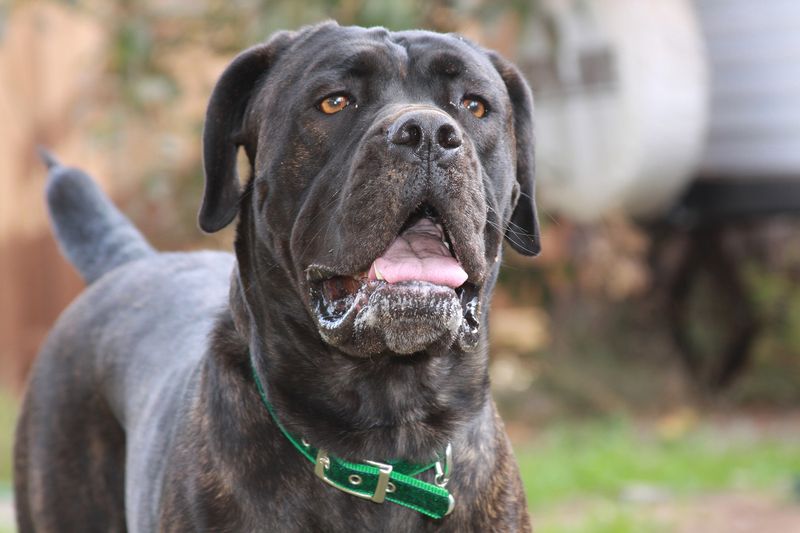
Cane Corsos are imposing guardians that read situations quickly and may overcorrect rude behavior. Their confidence can escalate minor tiffs into big problems if introductions feel rushed or crowded.
Set a conservative pace that builds trust through calm repetition and clear expectations.
Meet on neutral ground, use parallel walking, and coach soft greetings for only a second or two before moving away. Reinforce easy sniff and go patterns instead of lingering face to face.
Keep leashes loose, body angles curved, and exits open to reduce pressure.
Practice impulse control daily with place, leave it, and settled downs. Supervise around toys, chews, and doorways.
When the Corso understands the plan, they can relax and choose polite behavior more reliably.
Presa Canario
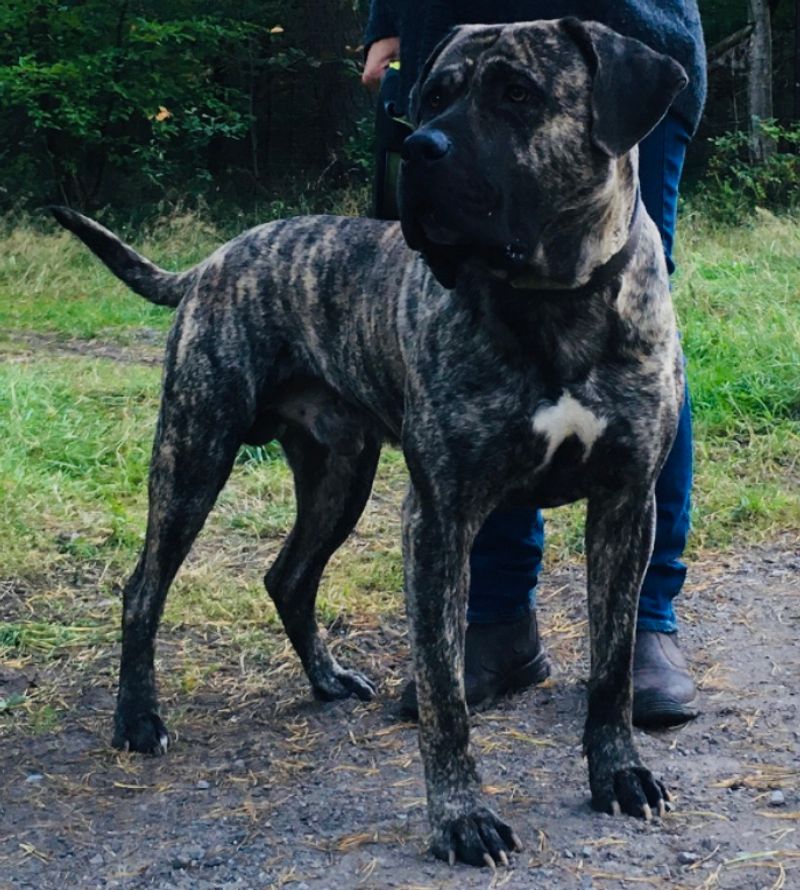
Presa Canarios are powerful and confident, often suspicious of unfamiliar animals near their people or property. Their size and presence can intimidate, and small mistakes escalate quickly.
A steady plan with controlled distance helps them process information without feeling cornered.
Start with scent swapping and visual exposure at a calm distance, reinforcing every soft glance and relaxed breath. Use curved approaches, brief sniffs, and then movement to reduce social pressure.
Keep greetings short, manage resources, and avoid narrow spaces where bodies get stuck.
Structured exercise, decompression walks, and predictable routines lower baseline arousal. Teach rock solid recalls, place, and leave it before close contact.
Your patience builds confidence, and confident dogs make kinder, safer choices.
Dogo Argentino
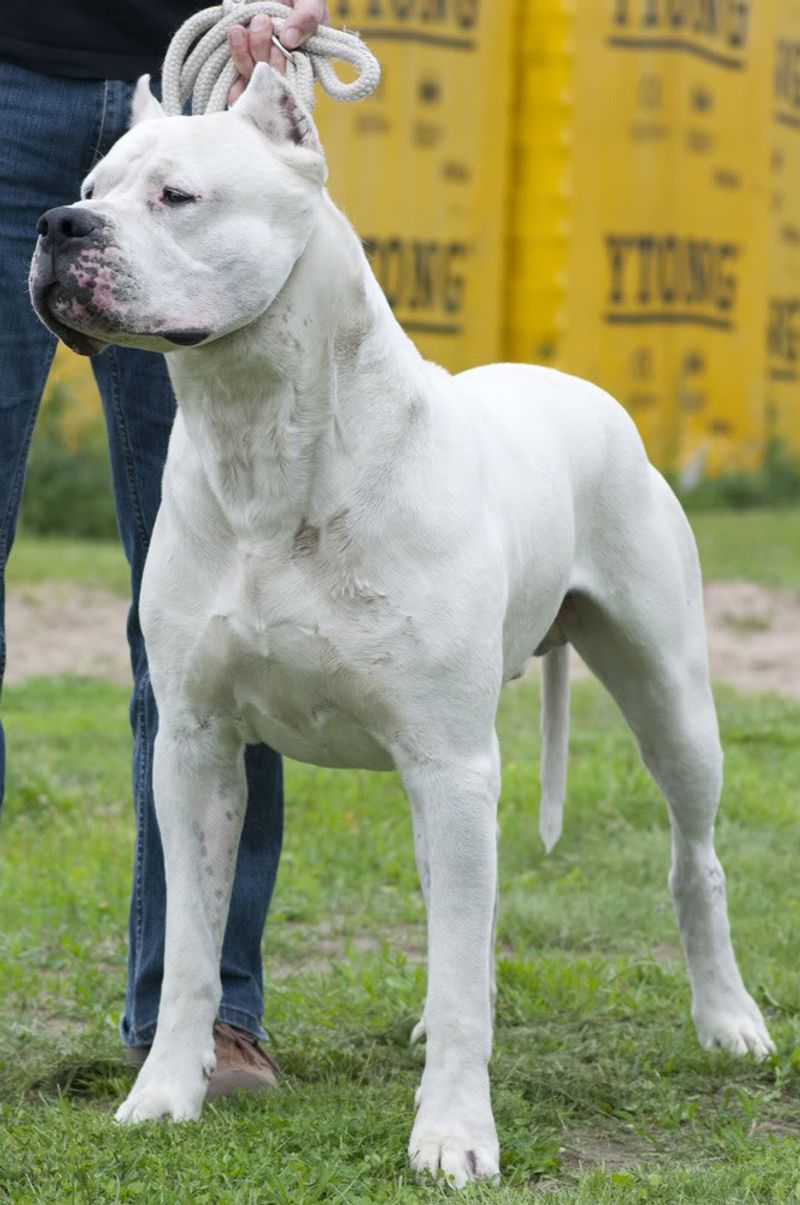
Dogo Argentinos are athletic hunters with tenacity that can tip into reactivity around other pets. They thrive with jobs and structure, but chaotic greetings invite trouble.
Plan introductions that emphasize distance, movement, and reinforcement for calm choices under threshold.
Parallel walks, sniff breaks, and frequent check ins keep arousal manageable. Reward quick disengagement and quiet observation as much as polite, brief sniffs.
Skip tight spaces and face offs, and never compete over food, toys, or prime lounging spots.
Daily enrichment like scent work, tug rules, and long line hikes reduces bottled up energy. Build reliable cues for leave it and place, then generalize in new environments.
Small wins stack fast when you prevent rehearsals of pushy behavior.
Shiba Inu
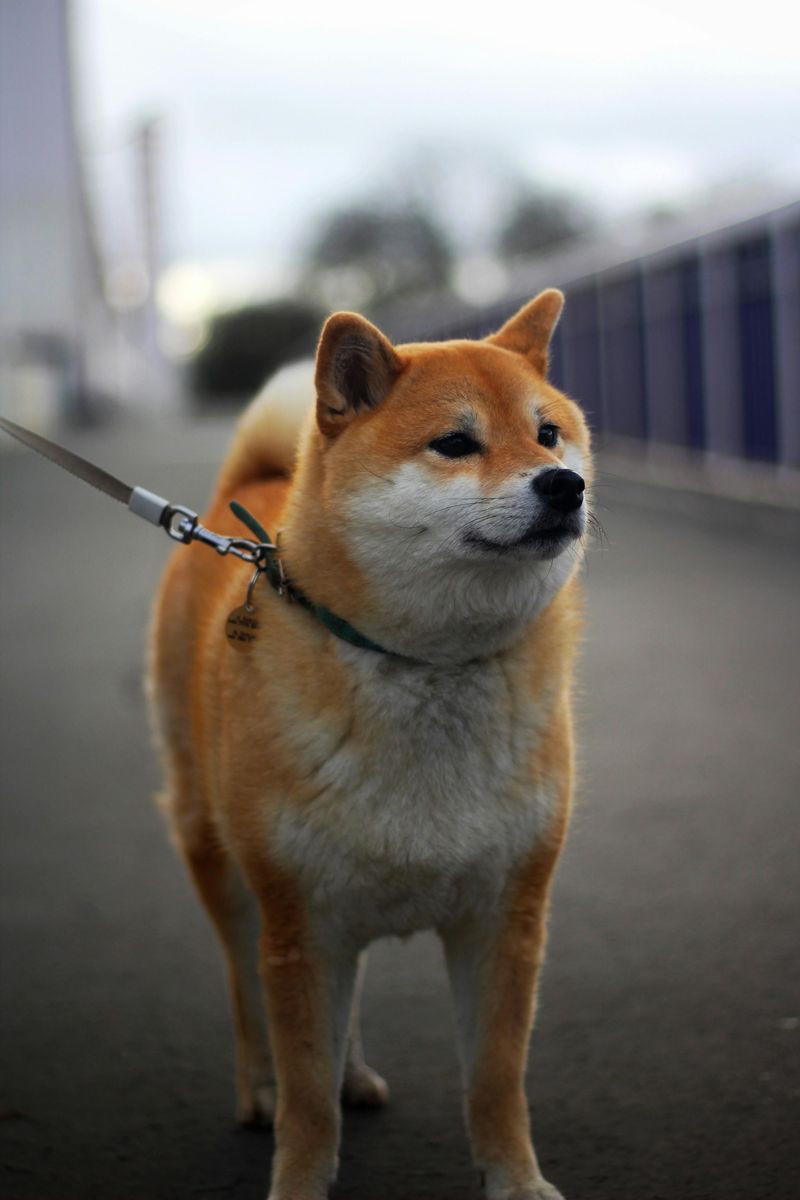
Shiba Inus are independent, clever, and sometimes sassy about sharing space. They can be vocal and dramatic when pressured, which other pets may misread.
Introductions should feel like optional conversations, not forced small talk.
Begin with parallel walking and reward disengagement, letting curiosity grow slowly. Use gates or pens for scent exchanges and safe, low pressure visuals.
Keep greetings brief, then move apart before tension builds, and skip resources on the floor during early sessions.
Teach consent cues like touch to start or stop interaction. Reinforce quiet settles on a mat so the Shiba has a clear off switch.
With predictable structure and choice, you will see calmer, friendlier behavior unfold.
Siberian Husky
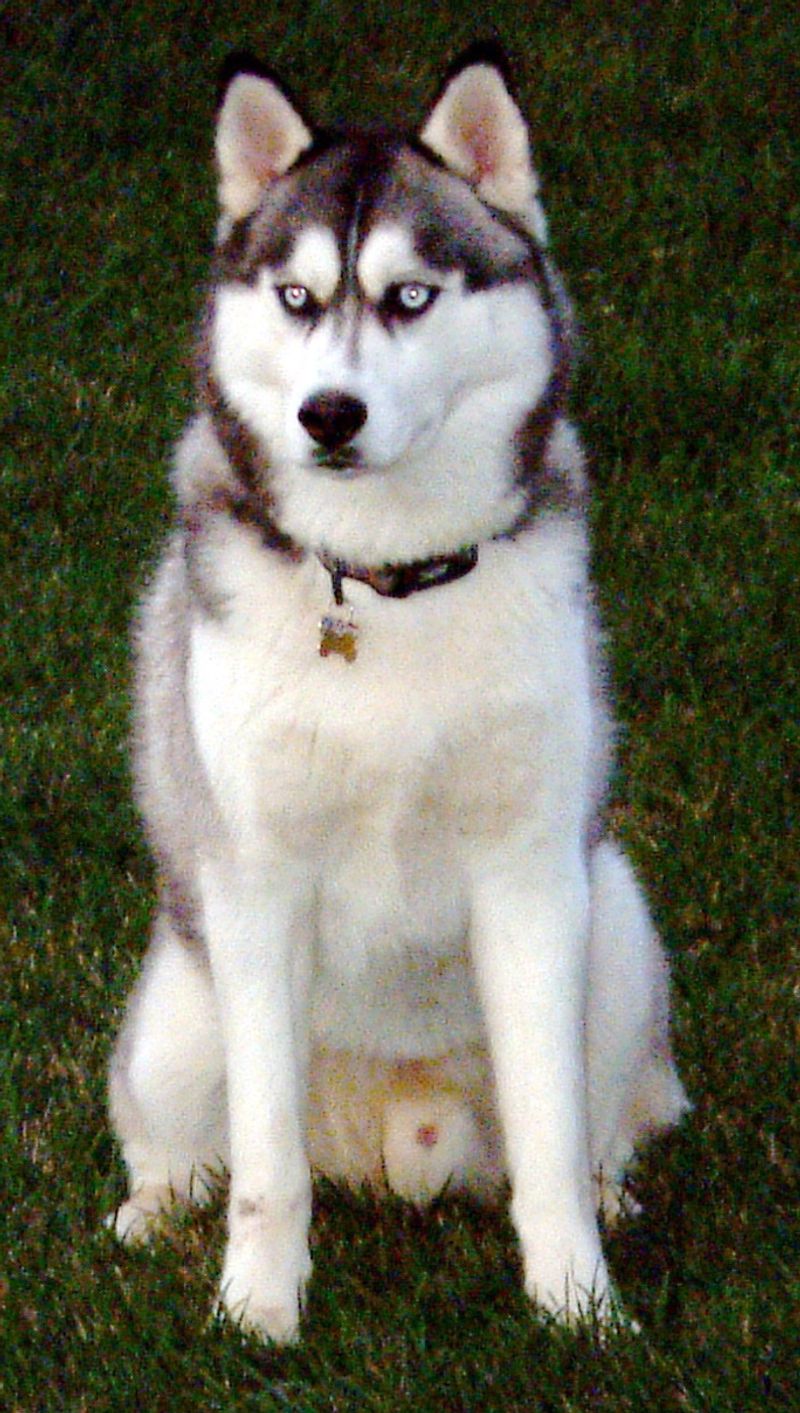
Siberian Huskies are social but high energy, and motion can flip their chase switch. That excitement turns greetings into zoomies, tangles, and sometimes snark when leashes tighten.
Plan calm, structured exposures before any up close hellos.
Use long lines on open ground, practice recall games, and reward offered check ins. Keep introductions short, move in gentle arcs, and encourage sniffing the environment between brief dog interactions.
Avoid overcrowded dog parks and door yard dramas where adrenaline spikes.
Meet exercise needs first with runs, sniff walks, or sledding alternatives, then train when the edge is off. Teach impulse control like wait and leave it.
A tired brain makes polite choices feel easy and natural.
Alaskan Malamute
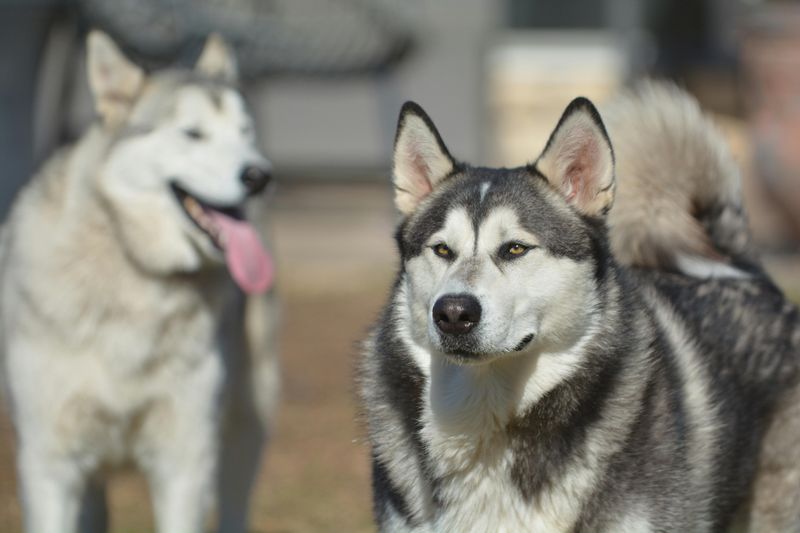
Alaskan Malamutes are strong, social workers with big feelings about resources and space. Rough play can boil over fast, especially on tight leashes.
Thoughtful introductions keep energy productive and exits clear.
Start with parallel movement and frequent decompression breaks for sniffing. Reinforce soft eyes and curved approaches, then separate before arousal climbs.
Skip tug toys and high value chews during early sessions, and supervise transitions through doorways.
Daily jobs like carting practice or backpack walks help meet needs so greetings stay chill. Teach place, leave it, and drop early.
Protect everybody’s comfort by capping sessions while things still feel easy, then build duration gradually.
Jack Russell Terrier
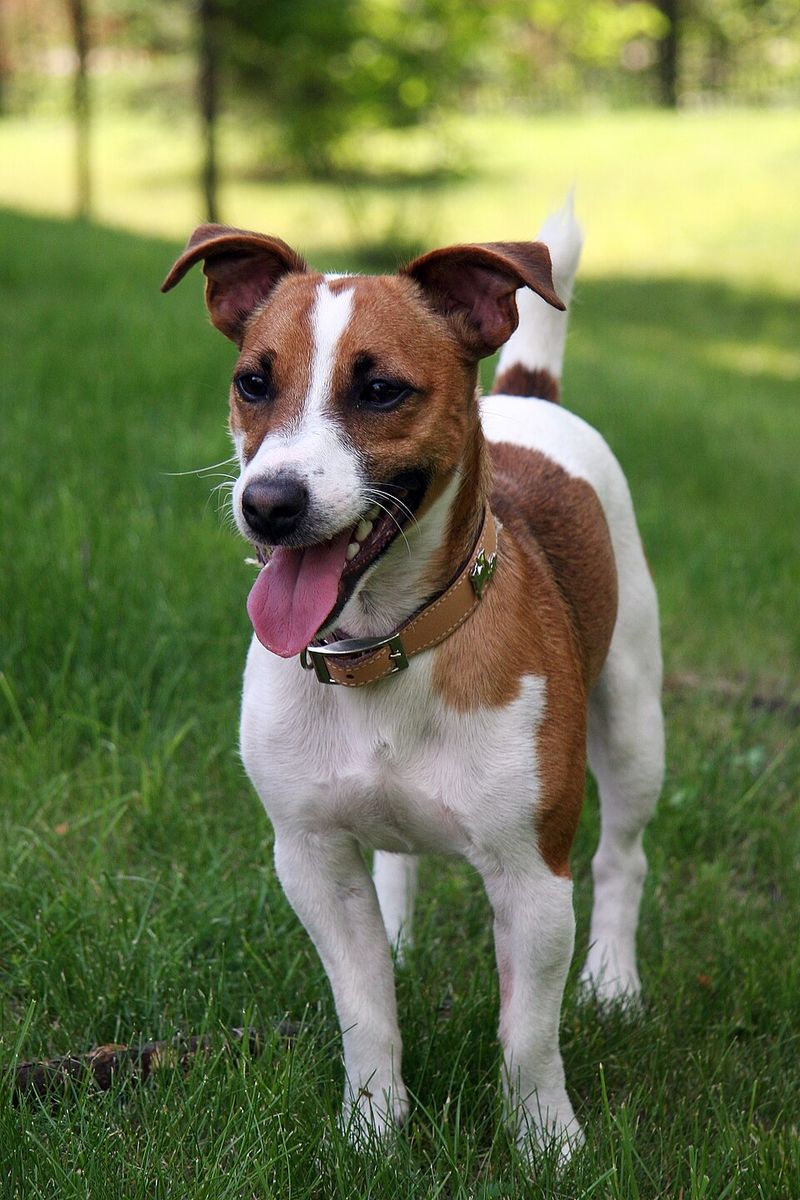
Jack Russell Terriers are smart, fast, and wired to chase. Their enthusiasm can appear rude to other pets, triggering snarky corrections or fence fights.
Introductions should channel spark into games that reward self control.
Play hand targets, pattern games, and find it sniffs while another dog stays in view. Use quick hello and go routines, then move apart before the zoomies begin.
Avoid cramped spaces and high arousal toys until everyone understands the rules.
Short training bursts, puzzle feeders, and trick sessions burn brain energy daily. Build rock solid recall and a relaxed settle on a mat.
When choices earn rewards consistently, you will see a plucky terrier turn thoughtfully polite.
Australian Cattle Dog
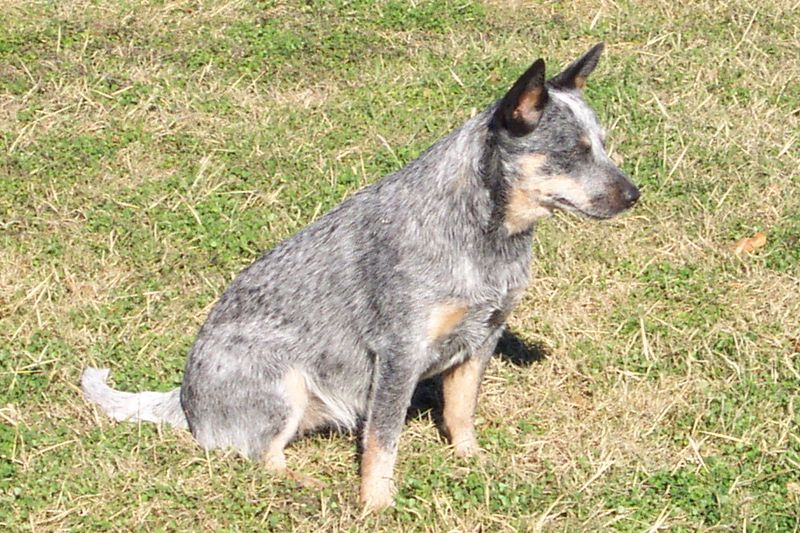
Australian Cattle Dogs are brilliant problem solvers with a heel nipping heritage. That control instinct can irritate other pets, especially when excitement spikes.
Introductions thrive on structured movement, clear jobs, and frequent rewards for looking away.
Practice parallel walks, figure eights, and stationing on mats a few yards apart. Reinforce quiet, still bodies and soft eyes, then release to sniff the environment.
Keep leashes loose, angles curved, and sessions short to prevent micromanaging.
Mental workouts like shaping games, scent work, and obedience circuits reduce bossy behaviors later. Teach solid leave it and an automatic check in when another dog appears.
With outlets and boundaries, this focused worker can meet politely and move on.
Basenji
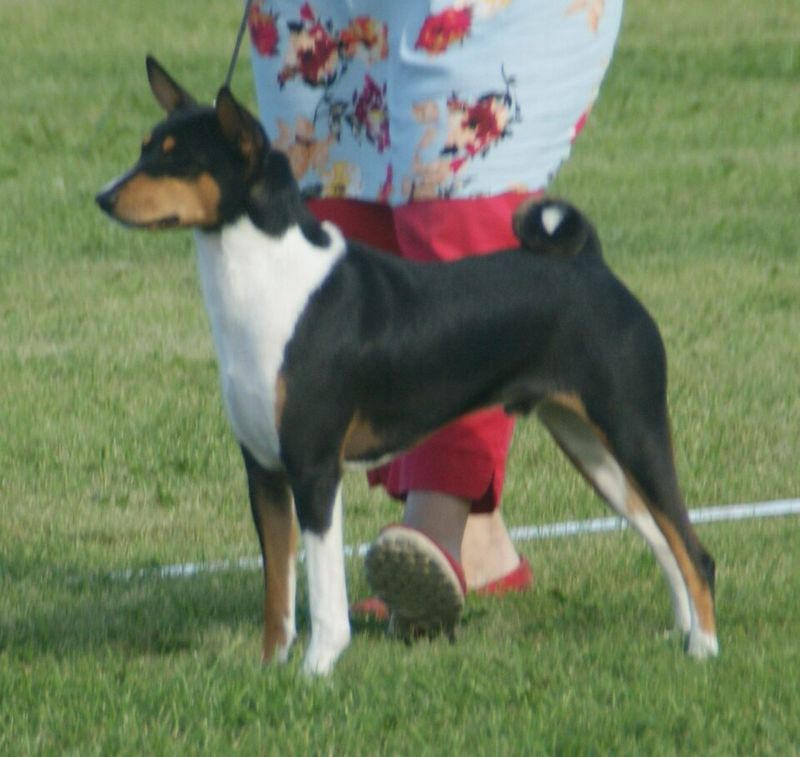
Basenjis are catlike, independent, and sensitive to pressure. They value choice and will shut down or spark up if cornered.
Introductions should feel optional, with clear exits and minimal chatter.
Begin with visual exposures at a comfortable distance, rewarding calm observation and soft blinks. Use gates or x pens for scent swapping, then progress to quick sniff and go moments.
Avoid prolonged face to face greetings and reduce verbal noise that can add tension.
Build confidence with trick training, food puzzles, and quiet sniff walks. Teach a reliable touch cue to request interaction or step away.
When you honor their autonomy, you get curious, courteous meetings instead of drama.
Shar Pei
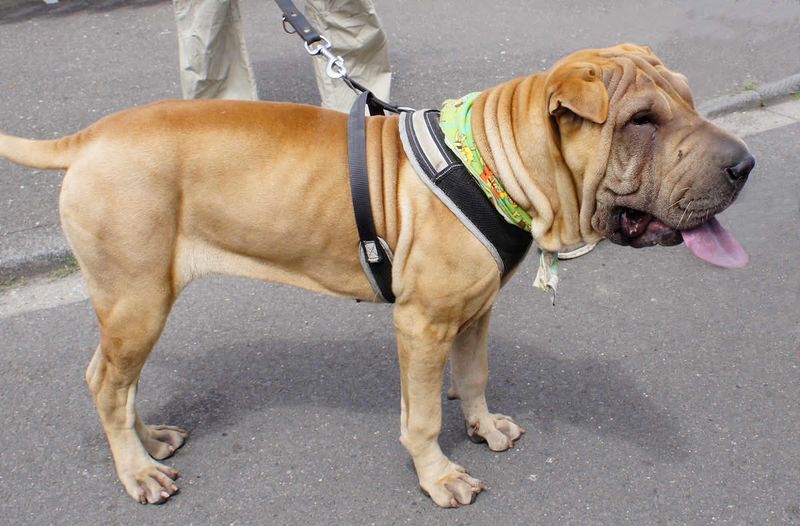
Shar Peis are loyal and reserved, often skeptical of unfamiliar dogs crowding their bubble. Their unique skin and facial structure can complicate canine communication, inviting misunderstandings.
Introductions should be brief, structured, and overwhelmingly positive.
Use parallel walking, curved approaches, and timely reinforcement for soft eyes and loose bodies. Keep greetings seconds long, then move apart and decompress.
Avoid tight halls, resource zones, and leashes that create friction.
Routine skin care and comfortable gear ensure nothing adds discomfort during training. Teach a solid place cue and practice settle games in neutral spots.
With patient pacing and crystal clear boundaries, your Shar Pei can greet politely and choose calm exits.