
Ever wonder if your dog is not just content but genuinely thriving? The happiest pups leave a trail of tiny clues in their daily routines, from the way they nap to how they greet the mail carrier.
Once you know what to look for, you will spot those signals everywhere. Here are the clearest signs your dog is happier than most pets ever become.
Relaxed body posture
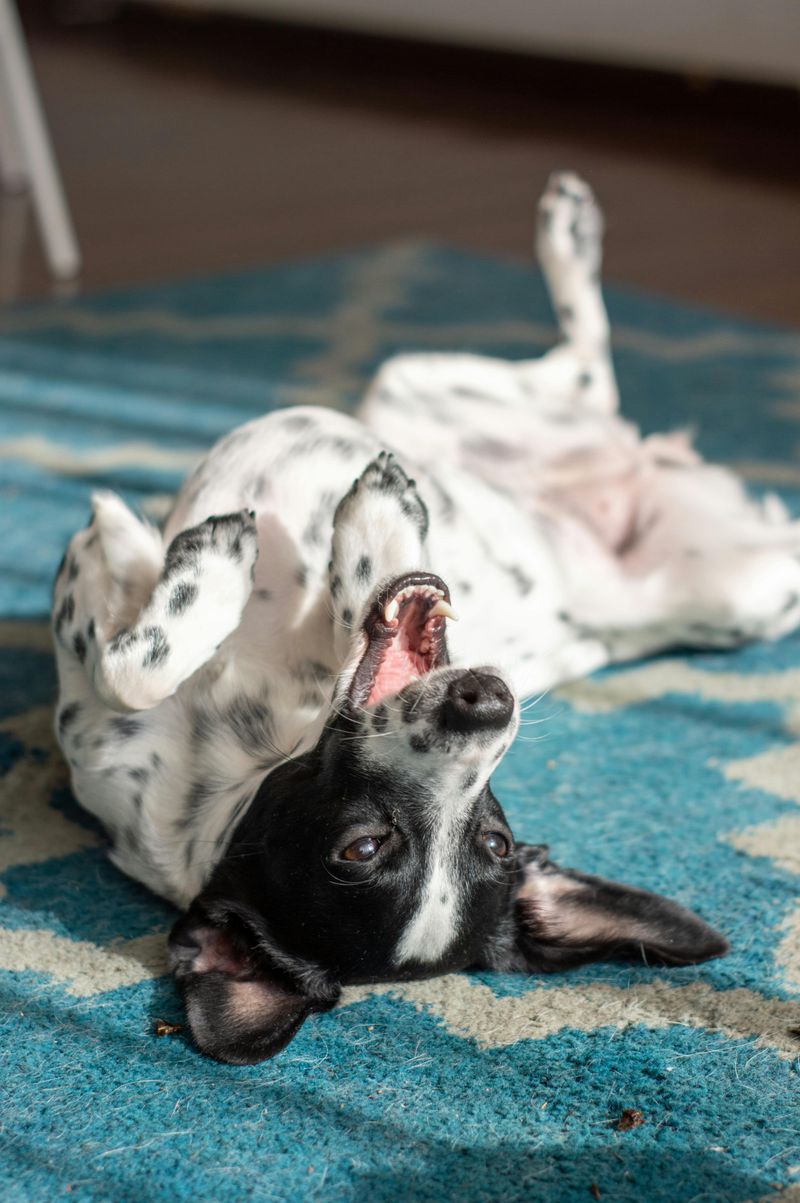
A truly happy dog carries their body like a loose ribbon, never a rigid frame. Shoulders soften, the spine flows, and the jaw sits slightly open with easy breaths.
You notice movement that looks balanced and effortless, even when scooters or joggers pass. Ears rest at a natural angle, eyes blink slowly, and the tail settles at neutral until curiosity perks it up.
When you reach to clip the leash, they lean in instead of stiffening. After play, they shake off tension and settle with a satisfied sigh.
Weight shifts evenly through all four paws, not pitched forward with worry. If your dog flops beside you and melts into the floor, that relaxed silhouette is a billboard of calm, confident contentment.
Healthy appetite
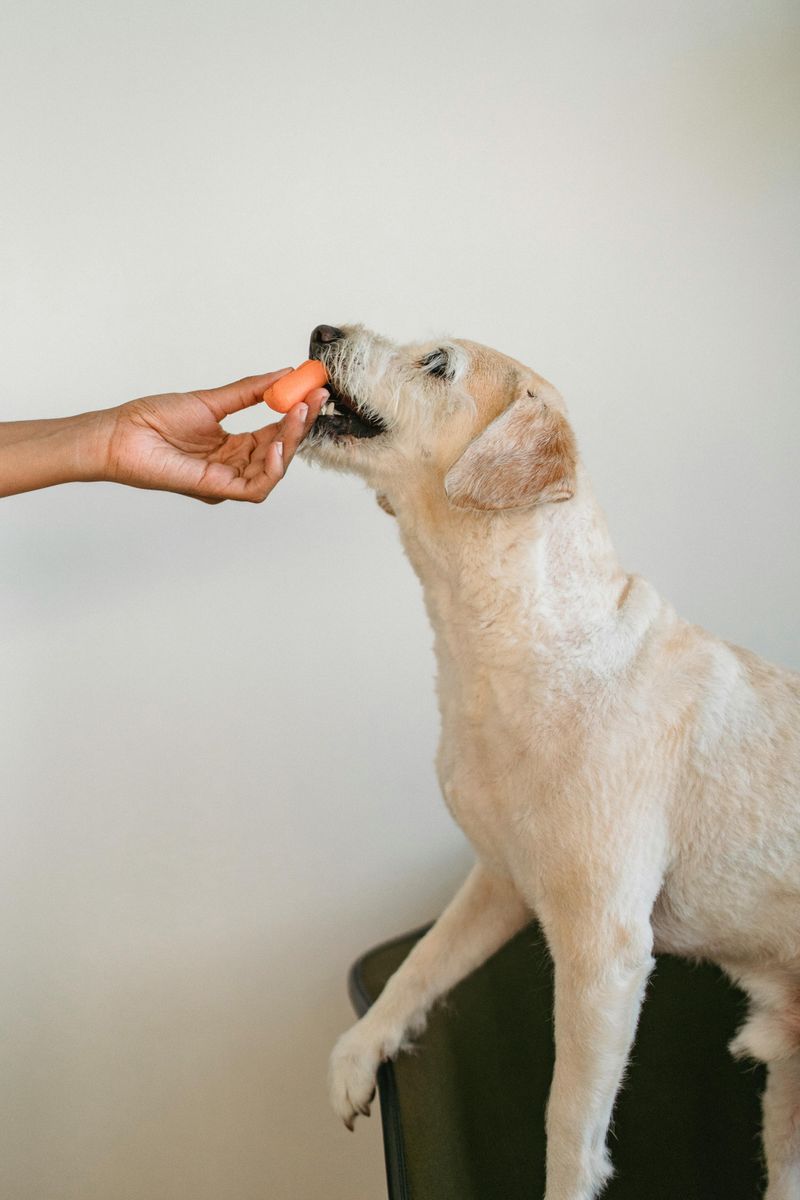
Happy dogs tend to greet mealtime with steady interest and a relaxed, focused posture. You see bright anticipation, not frantic gulping or suspicious sniffing.
They approach the bowl, pause politely if asked, and eat at a comfortable pace. When the bowl is done, they lick their lips, maybe glance back for a thank you rub, then move on satisfied.
Consistency matters. A cheerful pup keeps an appetite that matches activity levels, adjusting after big hikes or cozy rest days.
They take treats gently and can disengage without sulking if you say all done. If your dog enjoys food without guarding it, maintains a healthy weight, and digests comfortably, that steady relationship with meals signals genuine well being.
Excitement during routines
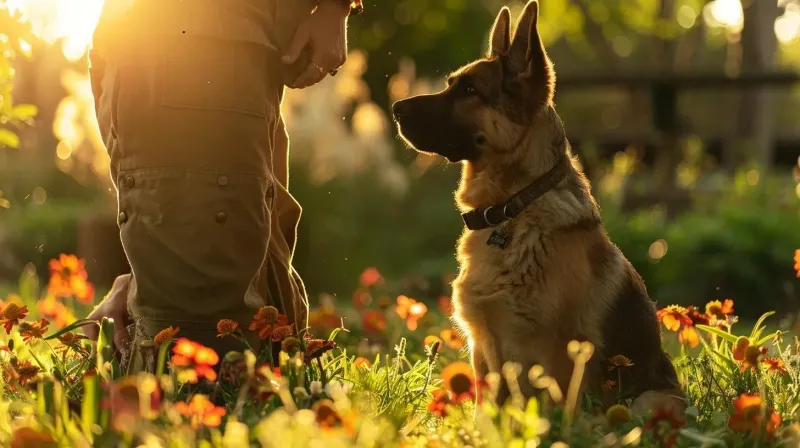
Daily rituals become little celebrations when your dog is truly happy. Hear the gentle thump of a tail when you pick up the leash, see the prance that says I know what comes next.
They might sit automatically, offering eye contact as if to say let us go. That reliable sparkle at predictable moments shows a flourishing sense of security.
Bathroom breaks, mealtimes, toy rotations, even evening brush sessions earn cheerful cooperation. Happy dogs love knowing the script because the script is kind.
They bounce without tipping into chaos, staying responsive to cues. If your dog greets these routines with bright anticipation and smooth self control, you are witnessing joy anchored by trust, habit, and positive expectations.
Comfortable sleeping habits
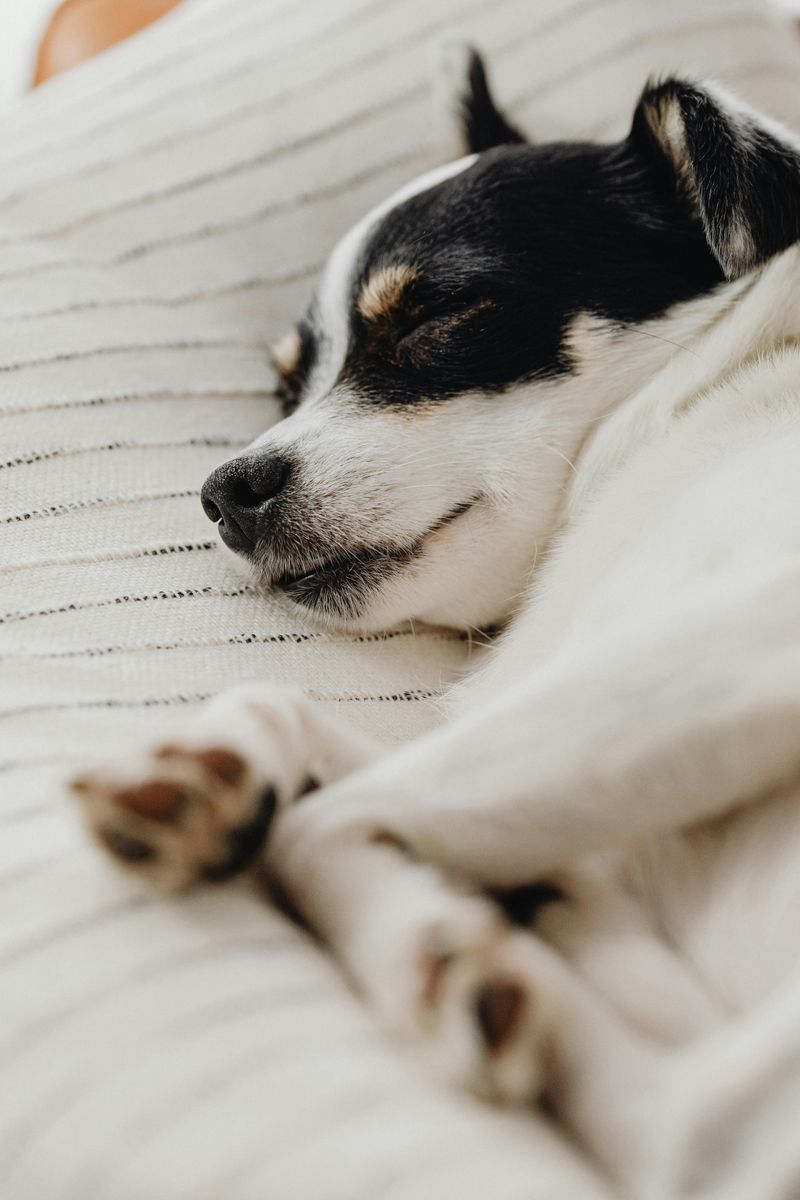
Content dogs sleep deeply and often, cycling through positions that spill confidence. The classic belly up sprawl with exposed chest is a trust trophy.
You might catch gentle twitching paws and soft woofs during REM, then a long stretch and sigh. They pick favorite napping zones where light, temperature, and sounds feel safe.
Happy sleepers choose rest, not just crash from stress. They can doze while you work, nap after enrichment, and settle quickly at bedtime.
If routine shifts, they adapt and reclaim calm. A pup who sleeps soundly through normal household noise, then wakes refreshed and playful, is telling you their nervous system feels secure.
Restorative sleep is one of happiness’s quietest, strongest signals.
Enjoying physical affection
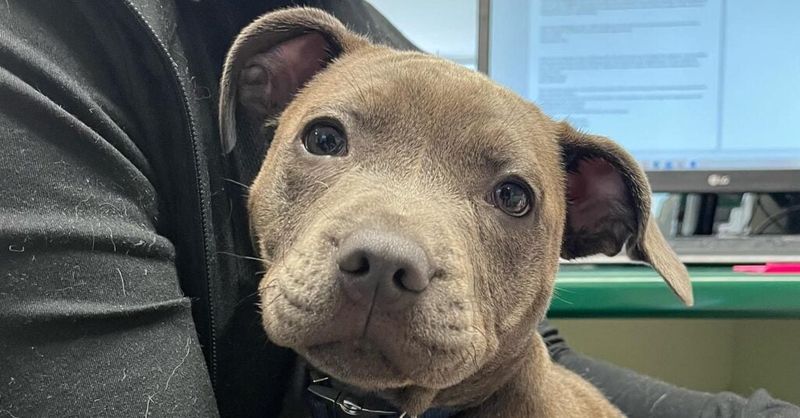
A happy dog seeks contact on their terms and savors it. They lean into your palm, press a shoulder against your leg, or offer that perfect chin for scritches.
You will see soft eyes, slow blinks, and a loose mouth. When you pause, they may nudge politely for more, then settle content when you stop.
Consent is the magic word. Happy dogs feel safe to say yes or no, and you notice how often they choose yes.
They roll for belly rubs, present ears for gentle strokes, and relax under a towel after a bath. If touch de escalates tension and builds connection, your dog is not only tolerant, but genuinely delighted.
Curiosity about surroundings
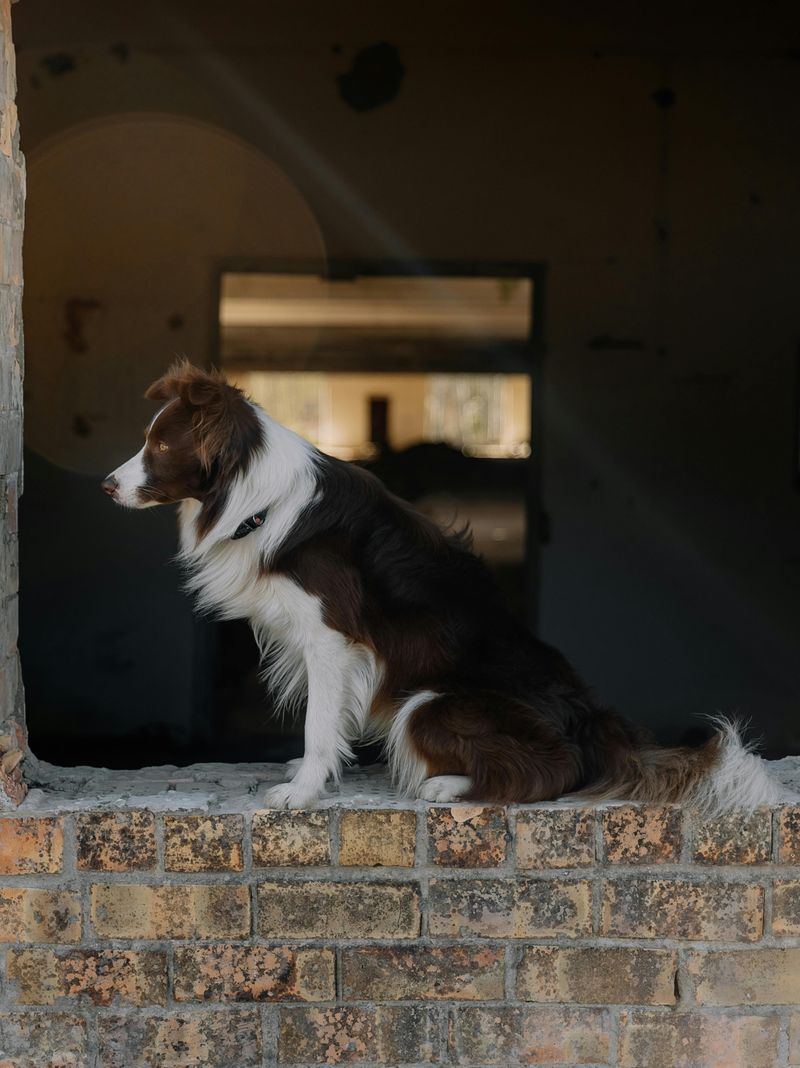
Curiosity is happiness in motion. A content dog samples scents like a sommelier, tasting stories in the breeze.
They pause, nose working, then check back with you and continue exploring. Ears tip toward interesting sounds without snapping into alarm.
The tail sways at a comfortable midpoint, not tucked, not flagging frantically.
On walks, you see a rhythm of sniff, stroll, glance, repeat. That back and forth attention shows the world feels inviting and you feel like home base.
New objects get investigative sniffs instead of suspicion. If your dog seeks novel paths, follows scent trails, and engages confidently with gentle curiosity, their mind is enriched.
Curiosity thrives when needs are met and trust runs deep.
Playful behavior
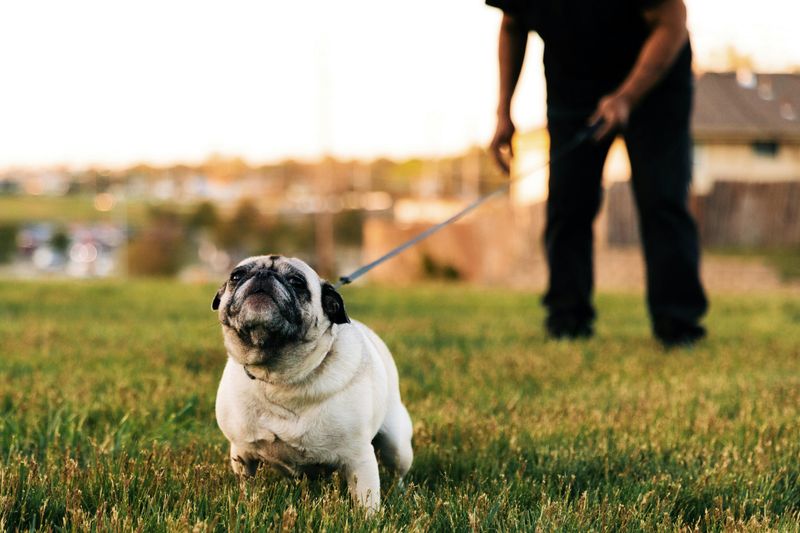
Play is the heartbeat of a happy dog. That classic play bow says let us go, and the bouncy, self handicapped moves that follow keep things fun.
They pause for micro breaks, shake off, then re engage with polite enthusiasm. Toys rotate into the scene without resource tension, and you hear joyful huffs rather than sharp frustration.
Happy pups invite you and adapt styles for different friends. Tug today, fetch tomorrow, sniffari games anytime.
They can switch off when asked, landing in a calm settle after the party. If your dog invents games, brings toys to share, and sparkles during cooperative play, you are seeing deep wellbeing translated into motion, laughter, and shared language.
Bright and alert eyes
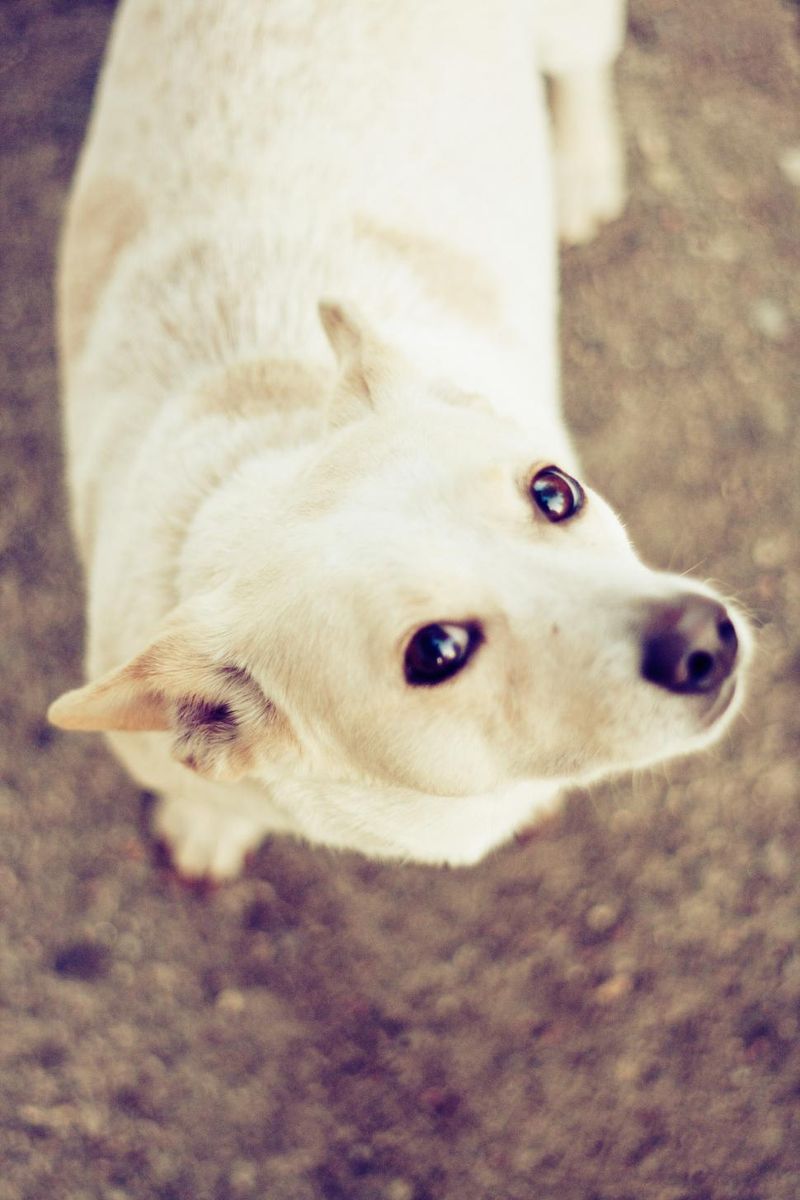
Happy eyes speak volumes. You will notice a relaxed brow, soft lids, and that twinkle that follows you around the room.
Blinks are unhurried, pupils balanced, with smooth tracking of motion. There is curiosity without darting panic, and a gentle widening when something fun appears.
During cuddles, the gaze softens into slow eye contact and turns away politely to keep things comfortable. Outside, eyes brighten like little lanterns, scanning for good news.
If your dog’s eyes look clear, expressive, and engaged, without the hard stare of vigilance, it signals emotional ease. Eyes that light up for your voice and settle during rest are tiny lighthouses, guiding you to the truth of their happiness.
Calm behavior at home
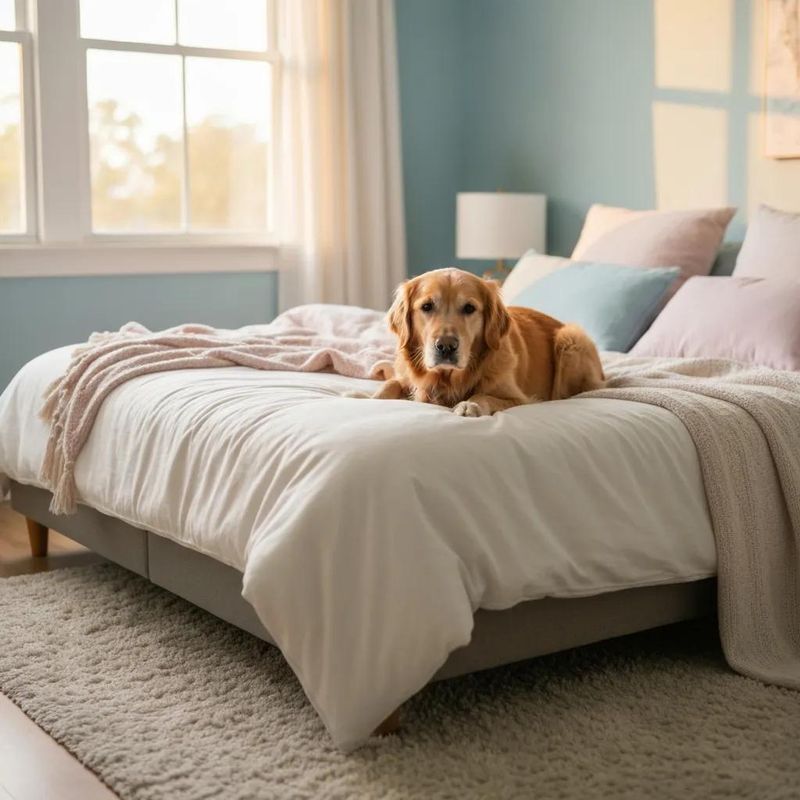
A truly content dog treats home like a safe harbor. They can chill while you cook, fold laundry, or hop on a video call.
Normal sounds do not spike their arousal, and unexpected clatters quickly fade from importance. They choose a favorite rug, breathe evenly, and shift positions without restlessness.
Calm does not mean bored. It means needs are met, enrichment is balanced, and the nervous system trusts the environment.
You can move room to room and your dog either follows at an easy pace or stays settled without worry. If they snooze through doorbell drama and greet guests politely after a beat, their serenity is showing you a well supported, happy life.
Confidence around trusted people
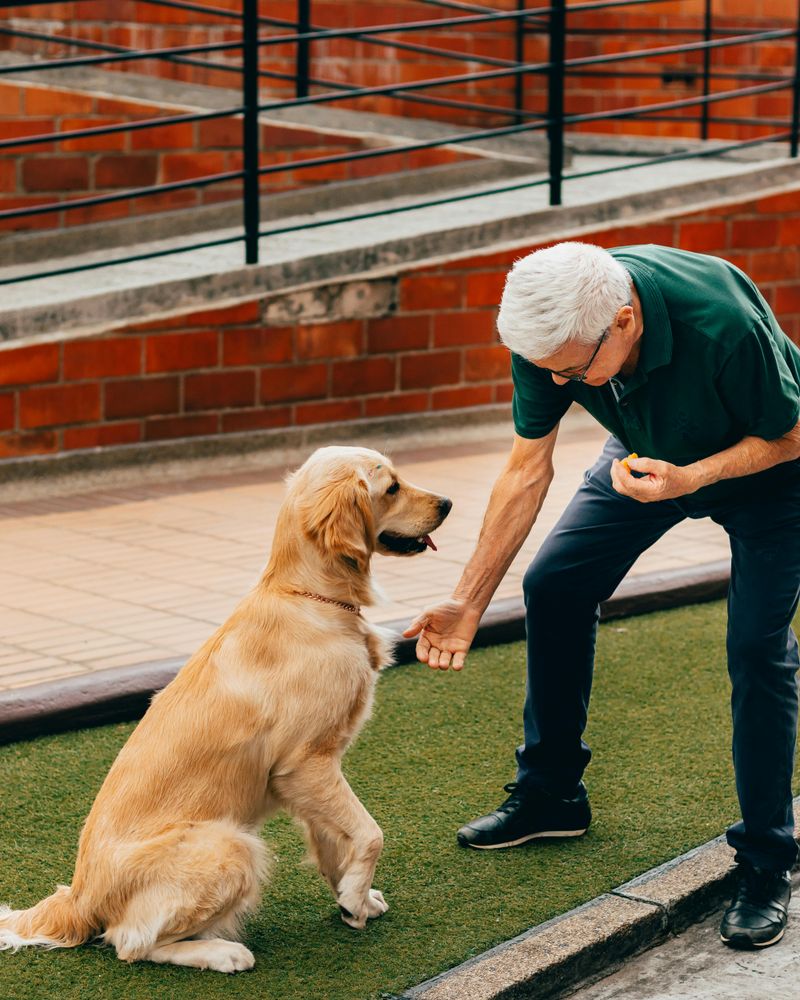
Happiness blooms into confidence when your dog feels safe with their circle. Watch them greet trusted people with a loose body, soft eyes, and that low, sweeping wag.
They approach at a comfortable angle, pause to sniff, then lean in or sit for attention. No jumpy chaos, just cheerful assurance.
They can step away for a breather and return easily. When offered a cue, they respond with enthusiasm instead of tension.
Familiar visitors become sources of good news and predictable kindness. If your dog navigates social moments with poise, allows petting on preferred spots, and chooses engagement without pressure, that steady confidence around their people is a bright, unmistakable sign of durable happiness.
Tail wagging naturally
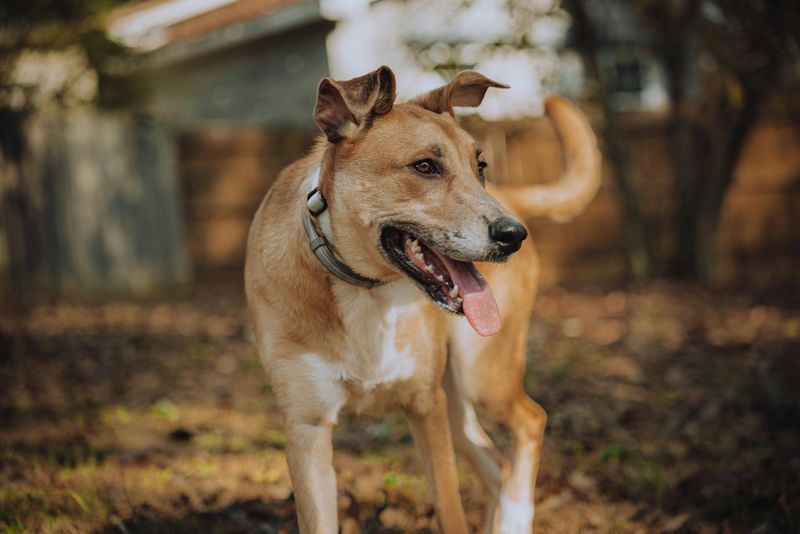
Not all wags mean joy, but happy dogs have that easy, rhythmic sweep that moves the hips too. The tail sits at a natural height, wagging in relaxed arcs.
You will see a side to side hello, not a tight helicopter or high flagged challenge. Paired with soft eyes and an open mouth, the message is pure friendly.
During greetings, the wag syncs with a loose body. At rest, it returns to neutral quickly.
On walks, the tail rises slightly with curiosity, then softens as the world feels safe again. If your dog’s wag looks like a comfortable metronome to their mood, you are reading a reliable, heartwarming signal of everyday happiness.
Recovering quickly from stress
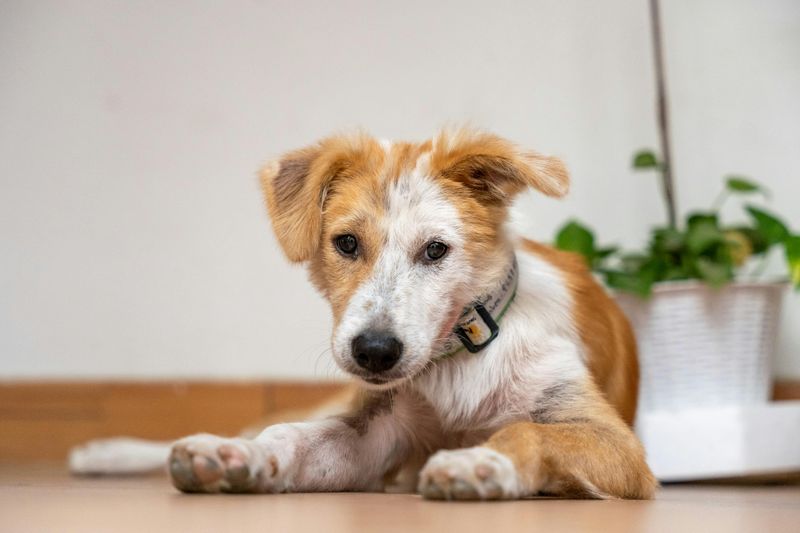
Even happy dogs get startled. The difference is how fast they reset.
You might see a quick startle, then a shake off, a breath, and a return to normal. Ears settle, tail softens, and curiosity replaces vigilance.
That recovery curve tells you their coping skills are strong and the world feels safe again.
After a sudden clang or a scooter speeding by, they check in with you and resume sniffing. They do not spiral into reactivity because their baseline is calm.
If your dog rebounds swiftly, takes food, and can re engage with play or cues, you are witnessing emotional resilience. Fast, healthy recovery is a gold standard sign of deep wellbeing.
Choosing to stay close to you
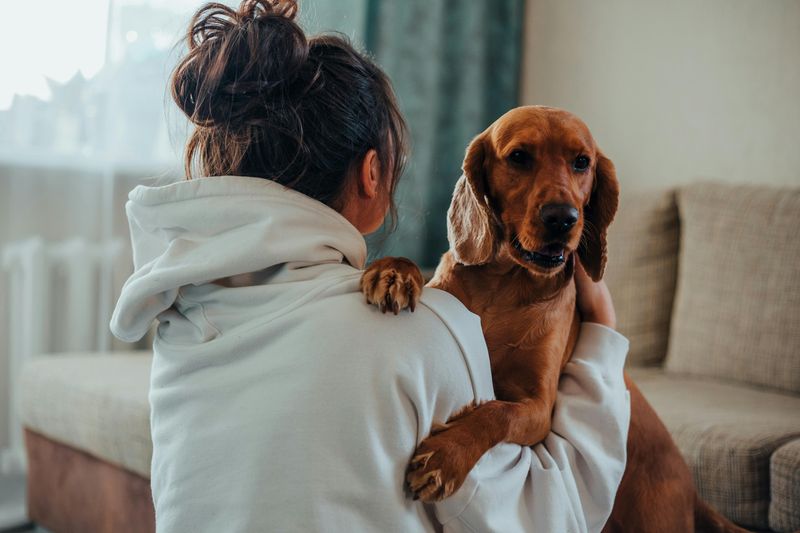
The happiest dogs orbit you by choice, not anxiety. They settle near your chair, follow to the kitchen, then nap within sight.
Proximity feels easy, not clingy, with relaxed bodies and soft faces. They glance up for a smile, then drift back to rest because being near you is rewarding and safe.
During outings, they check in often, choosing your path even with interesting smells nearby. At the park, they play, then return for a quick hello before dashing off again.
If your dog consistently picks your company without pressure, that speaks to secure attachment. Closeness becomes a cozy soundtrack to daily life, humming with trust, companionship, and simple, shared joy.