
Walking your dog is a joyful experience, but there are some habits dogs wish their humans would reconsider. Here are 13 things your furry friend would love for you to stop doing during your walks together.
Pulling the Leash Too Tightly
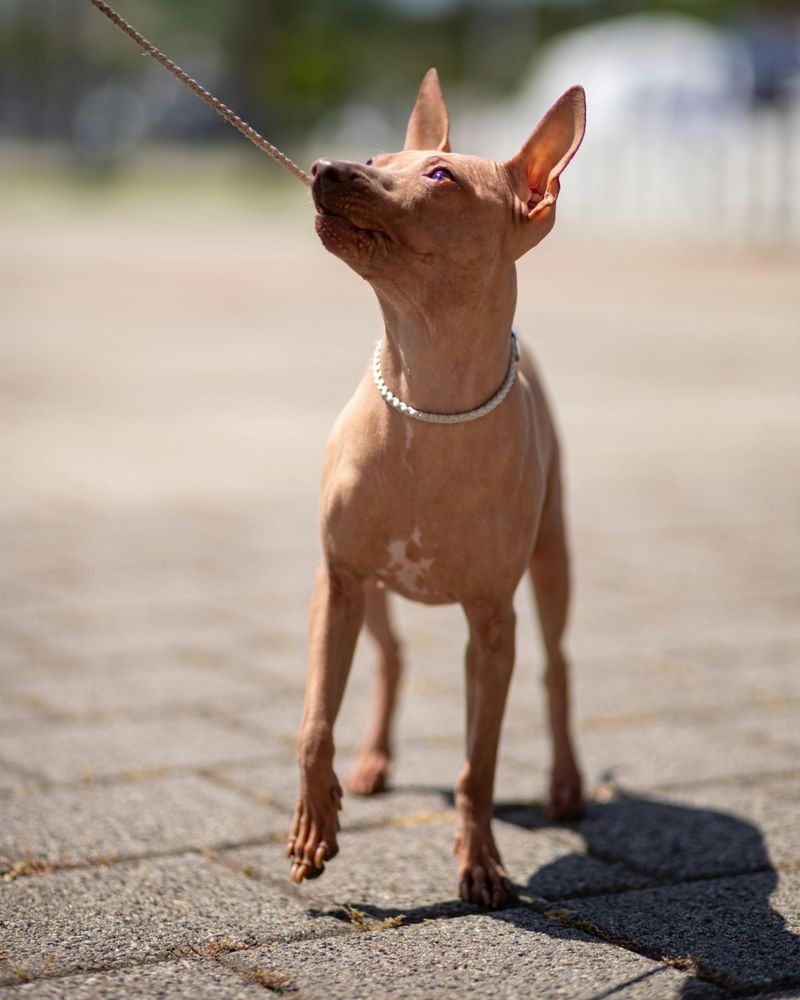
Imagine being constantly tugged while trying to enjoy a stroll. Dogs feel the same way when their leash is pulled too tightly. It can lead to discomfort and even anxiety.
When a dog feels restricted, it might become more reactive or stressed. Instead, let your dog have some slack.
This simple adjustment promotes a more relaxed and enjoyable walk for both you and your pet.
Rushing Them When They Want to Sniff
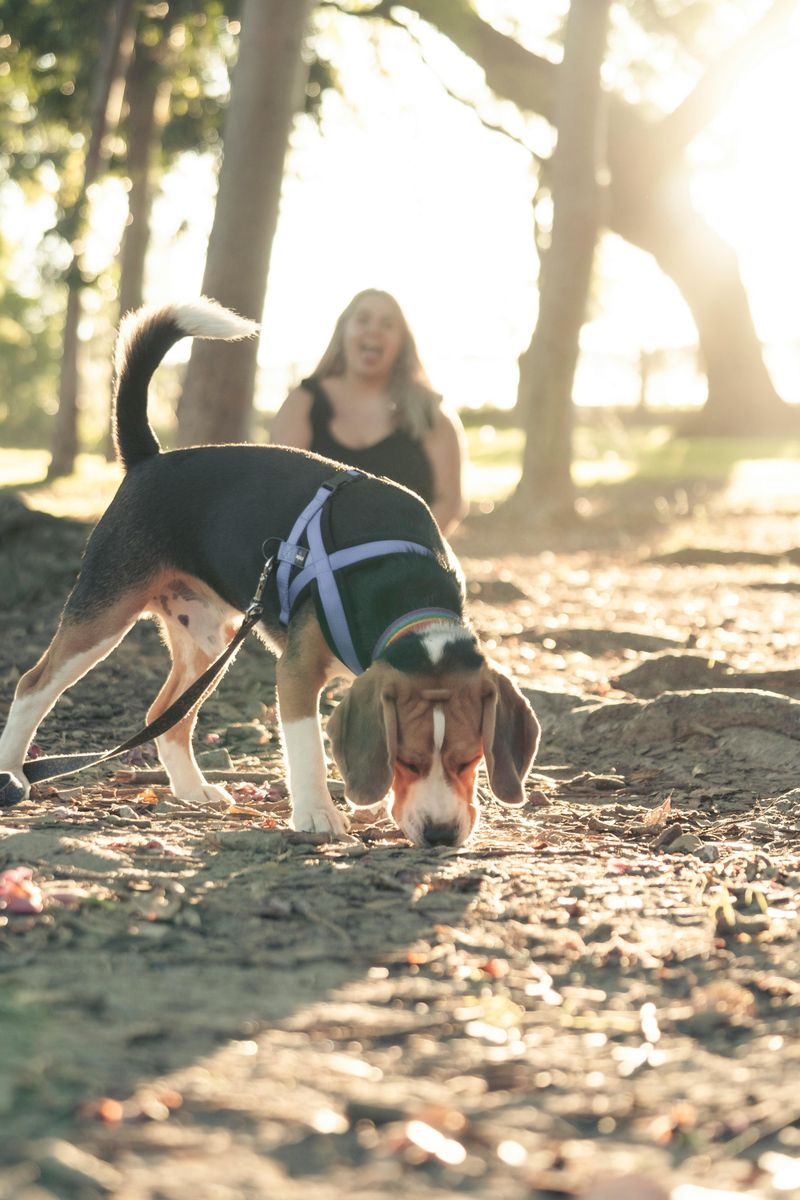
Sniffing is like reading a newspaper for dogs, offering them valuable information about their environment. Rushing them along can deprive them of this engaging activity.
Allowing your dog to sniff can reduce their stress and enhance their walk experience. It’s their way of exploring the world.
Next time, slow down and let your dog indulge in their natural curiosity. It keeps them mentally stimulated and happy.
Checking Your Phone Instead of Paying Attention
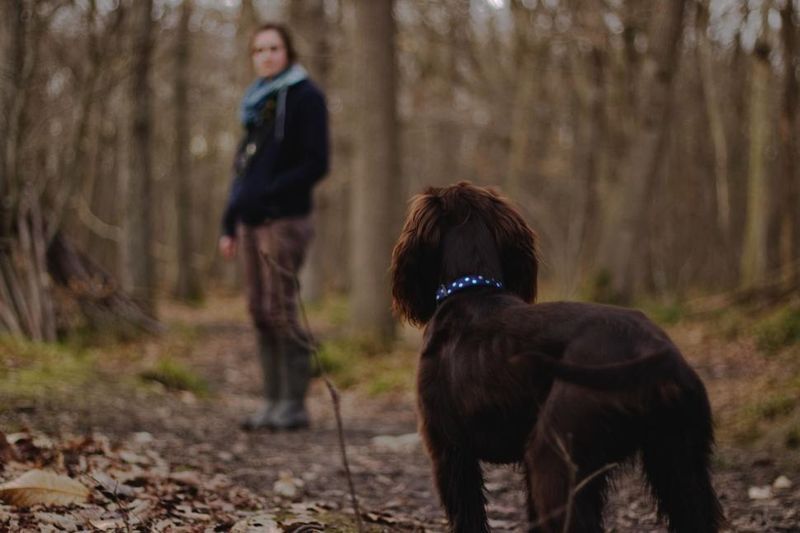
Dogs notice when you’re not present. Constantly checking your phone can make them feel ignored. This habit can also cause you to miss important cues from your dog.
Being attentive ensures that you can respond to your dog’s needs and keep them safe.
Put the phone away and engage with your furry companion. They’ll appreciate every moment of your undivided attention.
Walking Too Fast for Their Natural Pace
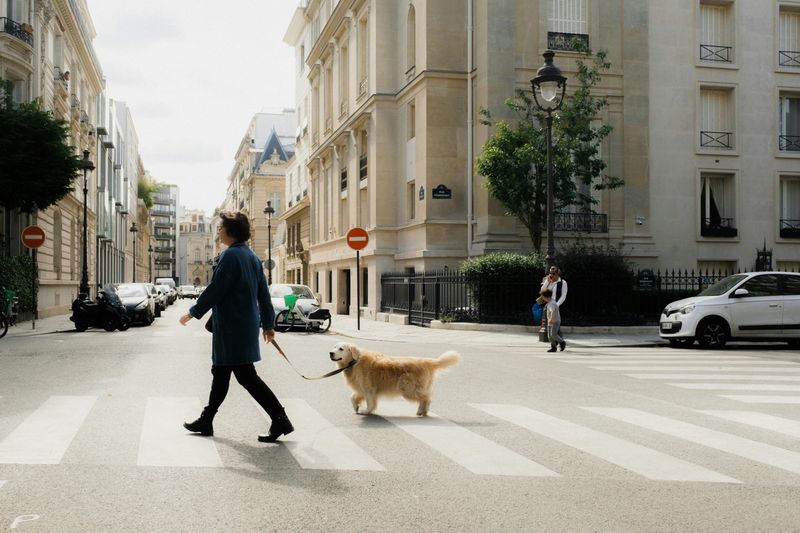
Every dog has its own comfortable pace. Walking too quickly can lead to your dog feeling rushed and potentially overwhelmed.
Pay attention to your dog’s stride and adjust your speed accordingly. Walking should be a pleasant experience.
Match their tempo, and you’ll both enjoy a more harmonious outing. A leisurely pace allows them to explore and enjoy the environment fully.
Forcing Unwanted Greetings With Other Dogs
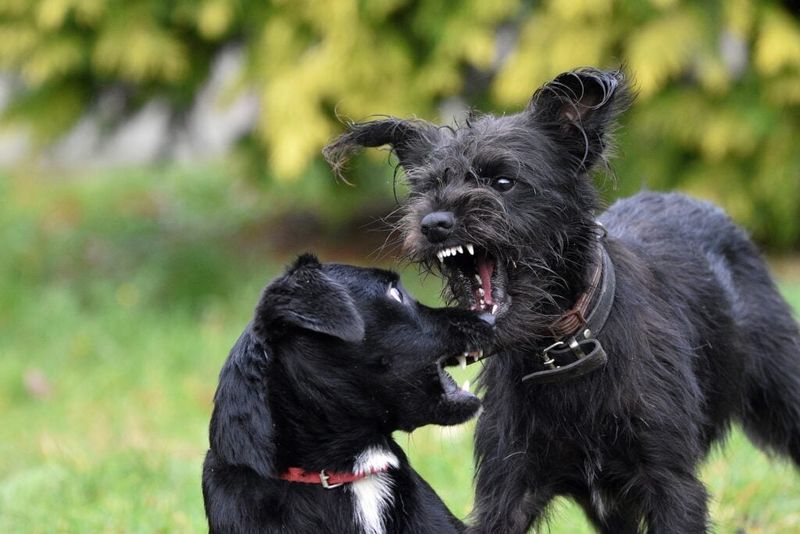
Not every dog is eager to meet others. Forcing interactions can lead to stress or even aggressive behavior.
Respect your dog’s comfort level by observing their body language. If they seem hesitant or wary, avoid the encounter.
Allow them to decide when and how they want to socialize. This respects their personal space and ensures a more enjoyable walk.
Ignoring Their Stress Signals Around Strangers
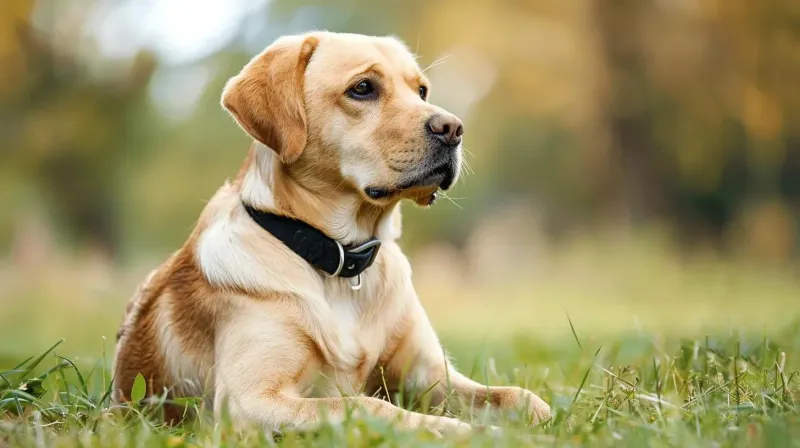
Dogs communicate discomfort through body language. Ignoring these signs when strangers approach can increase their anxiety.
Look for signals like tail tucking or ears pinned back. These indicate discomfort in social situations.
Address their needs by providing reassurance or removing them from the stressful environment. Your awareness creates a safer and more confident pet.
Dragging Them Away From Interesting Scents
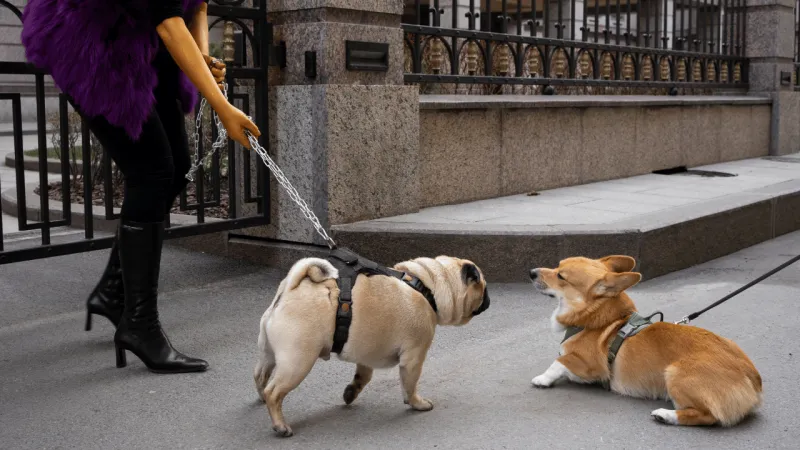
To a dog, sniffing is an intriguing activity that reveals details about their surroundings. Pulling them away disrupts their exploration.
Allow them a moment to enjoy this sensory experience. It’s how they understand their world.
Being patient encourages a more fulfilling and enriching walk for your pup. Their joy is in the discovery, so let them linger a bit longer.
Using Harsh Corrections Instead of Gentle Guidance
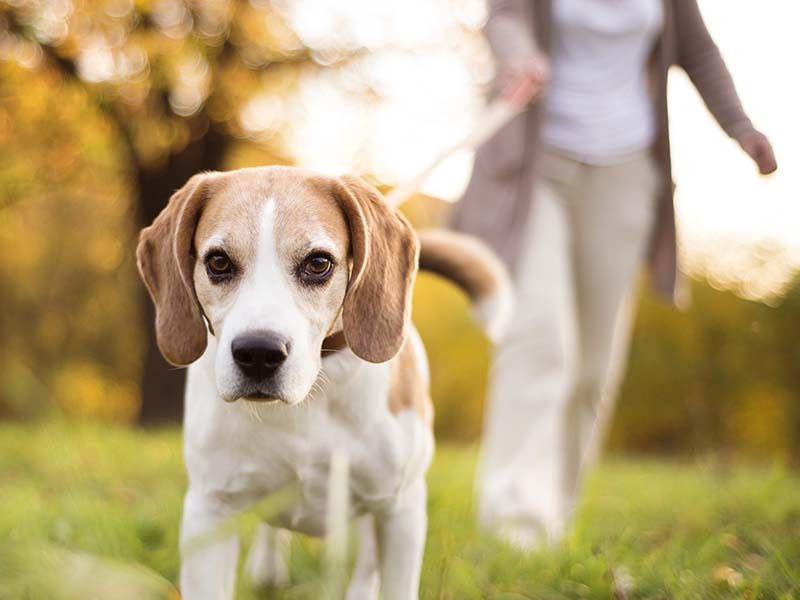
Harsh corrections can cause fear and confusion in dogs. Positive reinforcement, on the other hand, promotes learning and trust.
Guide your dog gently with rewards and praise for good behavior. This encourages them to follow your lead willingly.
Focus on building a cooperative relationship through kindness. Your dog will respond more positively to gentle guidance than to forceful corrections.
Choosing Hot Pavement That Hurts Their Paws
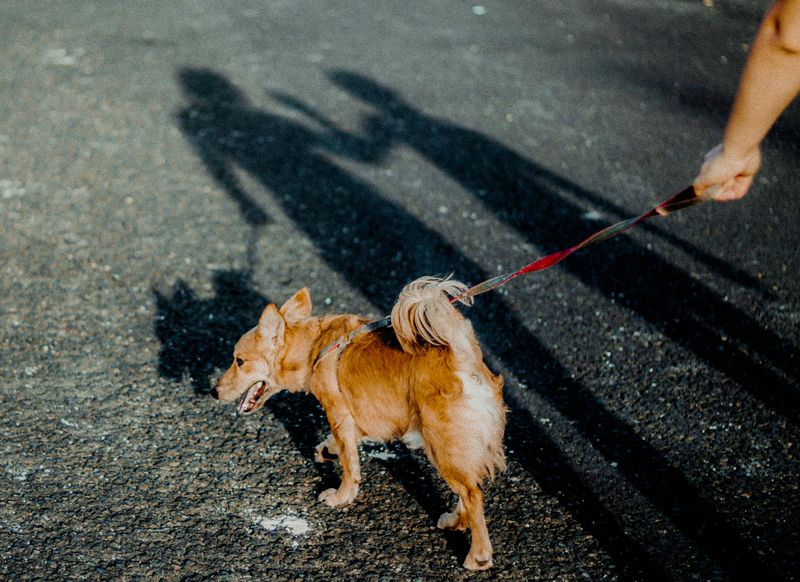
Hot pavement can be painful and damaging to a dog’s sensitive paws. Always check the ground temperature before heading out.
Try walking during cooler parts of the day or opt for grassy paths instead. This ensures your dog’s comfort and safety.
Protective booties can also help in warmer weather. Your dog’s well-being should always come first on your walks.
Not Allowing Enough Time for Bathroom Breaks
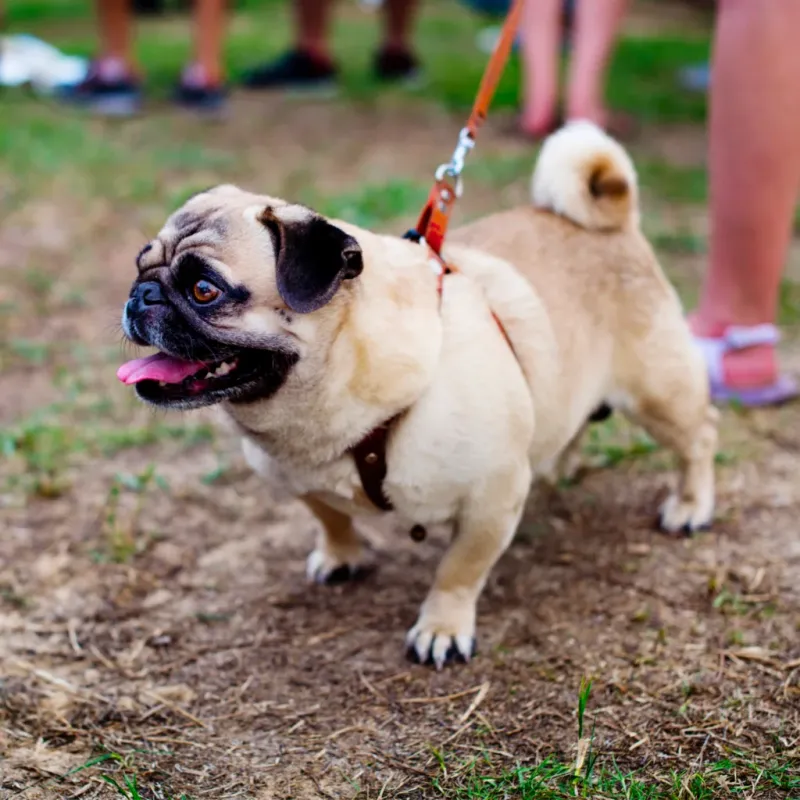
Dogs need time to relieve themselves comfortably. Rushing them can lead to discomfort or accidents later.
Plan your walks to include ample bathroom breaks. This gives your dog the opportunity to take care of their needs.
Being patient and observant keeps your walks stress-free. Respecting their natural rhythms makes for a happier outing.
Walking Near Loud Traffic They Find Overwhelming

Loud noises from traffic can be overwhelming for dogs. They may feel anxious or stressed in such environments.
Choose quieter routes whenever possible. If unavoidable, reassure your dog and keep walks brief.
Providing a calm and supportive environment helps them feel more secure. This consideration makes your walks more enjoyable for both of you.
Letting the Leash Wrap Around Their Body
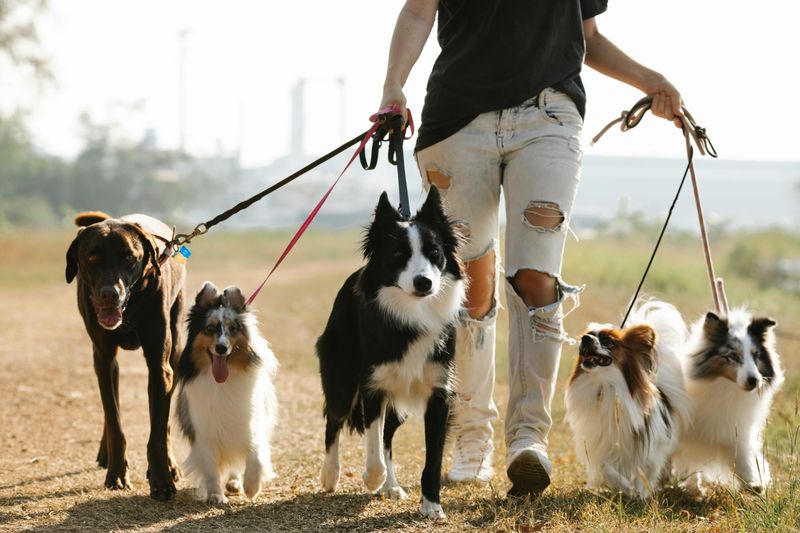
A tangled leash can cause discomfort and limit a dog’s movement. It might even lead to potential injury.
Ensure the leash is straight and untangled. This allows for freedom of movement and a more comfortable walk.
Regularly check and adjust the leash to prevent any issues. A well-managed leash provides a safer, more relaxed experience.
Ending the Walk Abruptly When They’re Still Engaged
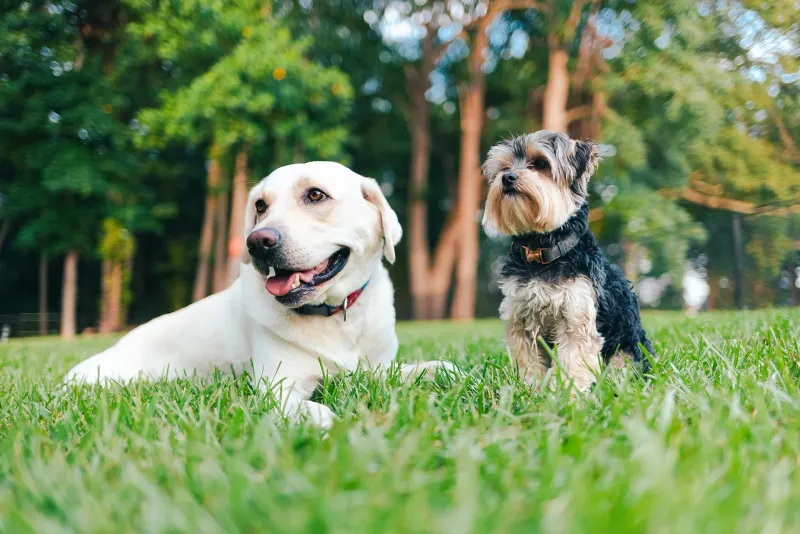
Cutting a walk short can leave a dog feeling unsatisfied. They relish the time to explore and enjoy their surroundings.
Try to end walks on a positive note, ensuring your dog has had enough mental and physical stimulation.
A satisfying walk leaves them content and ready for rest at home. Consider their needs when planning the length of your walks.