
You swear the kitchen is quiet, then you hear the faintest rustle and a pair of big eyes stares back at you like nothing happened. Trash can raids are a mystery, until you catch the real culprits with banana peels stuck to their whiskers.
These terrier tricksters act like angels, but their curiosity says otherwise. Get ready to meet the breeds that perfect the who, me look and keep your lid locked tight.
Cairn Terrier
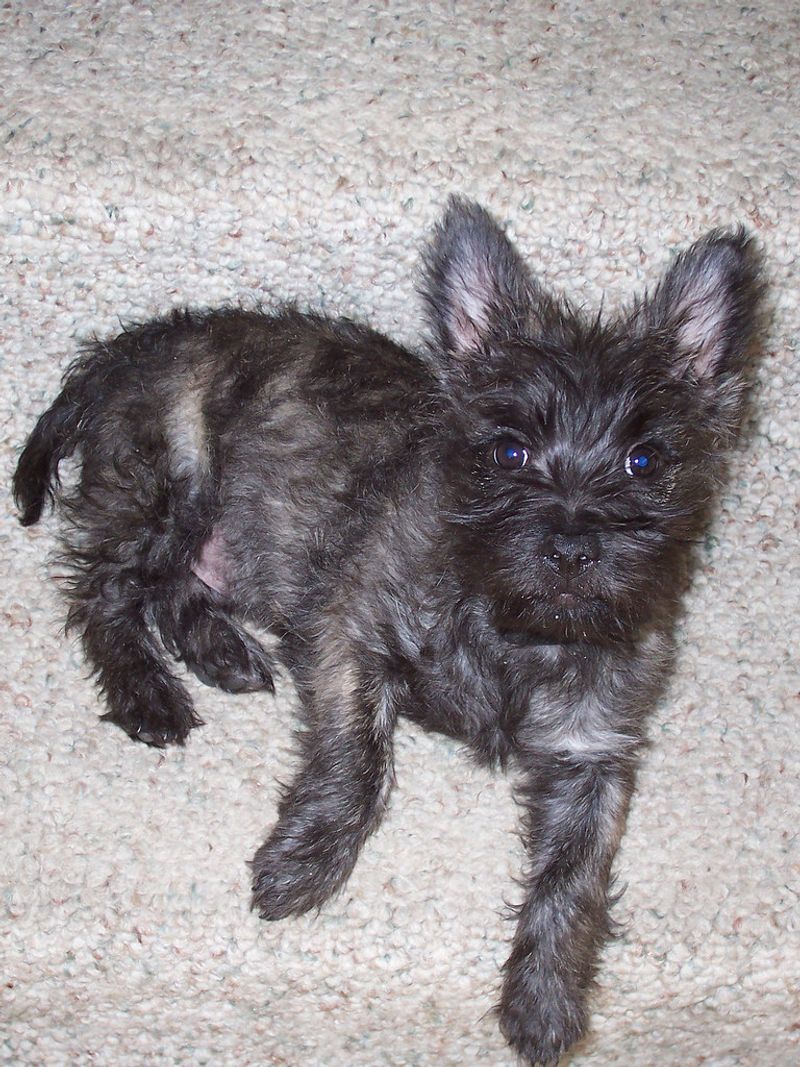
Cairn Terriers are suspiciously helpful in the kitchen, hovering like little sous-chefs until you step away. Suddenly, the recycling bin becomes a treasure chest, and they act shocked at your return.
That just-got-caught face, complete with tilted head, is pure theater.
These clever diggers were bred to hunt, so rooting through leftovers feels like a job well done. Keep a sturdy, lidded can and offer puzzle feeders to satisfy curiosity.
Short training sessions with leave it and place can turn chaos into charm.
Daily walks burn energy, and chew toys reduce boredom. When the trash rustles, remember their instincts run deep.
Reward calm behavior, and that mischievous streak becomes manageable and hilarious.
Lakeland Terrier
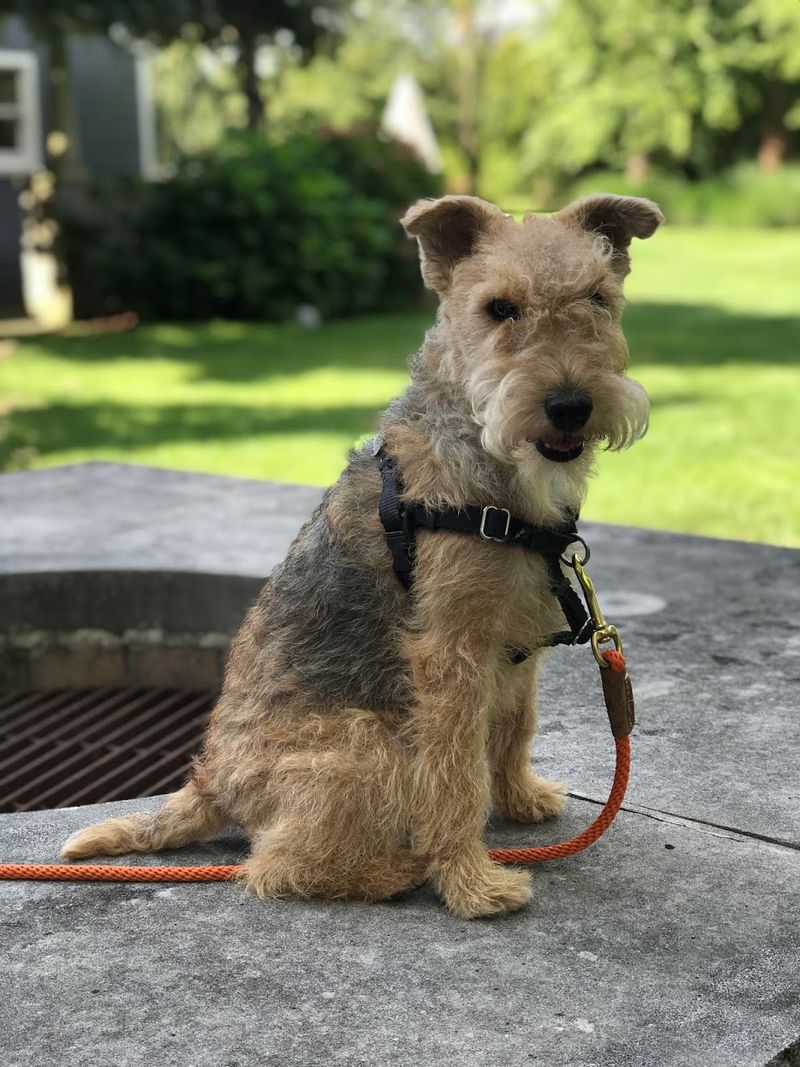
Lakeland Terriers carry a bold curiosity that zeroes in on anything crinkly. If the trash lid budges, they treat it like a mission and then pretend nothing happened.
Expect alert eyes, prancing paws, and a shameless attempt to charm away evidence.
They thrive on activity and challenges, so boredom fuels scavenging. Rotate enrichment toys and use trash cans with step pedals or locking lids.
Teach drop it and reward quick compliance with high-value treats.
Structured games like scent work or hide and seek redirect their natural drive. Keep counters clear, and limit access when unsupervised.
With consistent boundaries, that sneaky streak transforms into clever partnership, not kitchen heists.
Welsh Terrier
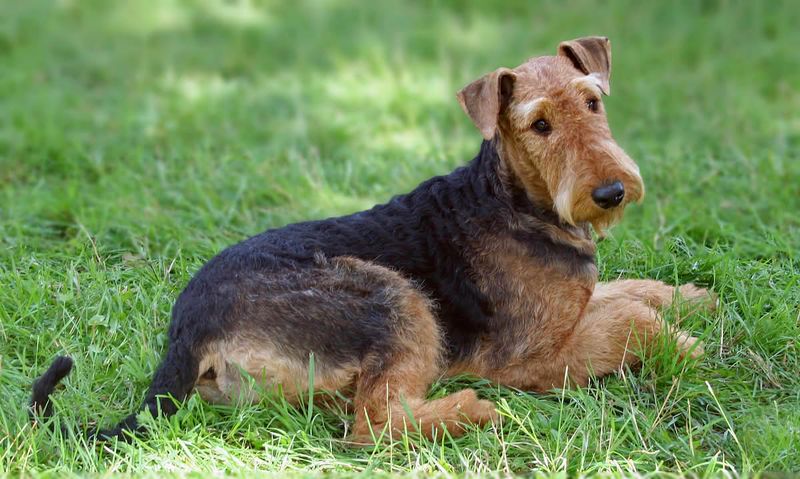
Welsh Terriers bring cheerful confidence, plus a nose that finds yesterday’s snacks. They will investigate a swinging lid with surgical focus, then bounce away acting surprised by the mess.
That bouncy trot and sparkling grin make scolding nearly impossible.
Give their brains a job using obedience drills, trick training, and sturdy chew projects. A heavy trash bin with a tight lid blocks opportunity.
Reward calm settling on a mat while you cook, reinforcing patience around food smells.
Daily exercise curbs their hunt-for-fun impulse. Manage the environment and celebrate good choices.
Soon, the trash becomes boring, and those bright eyes seek games you actually approve of.
Sealyham Terrier
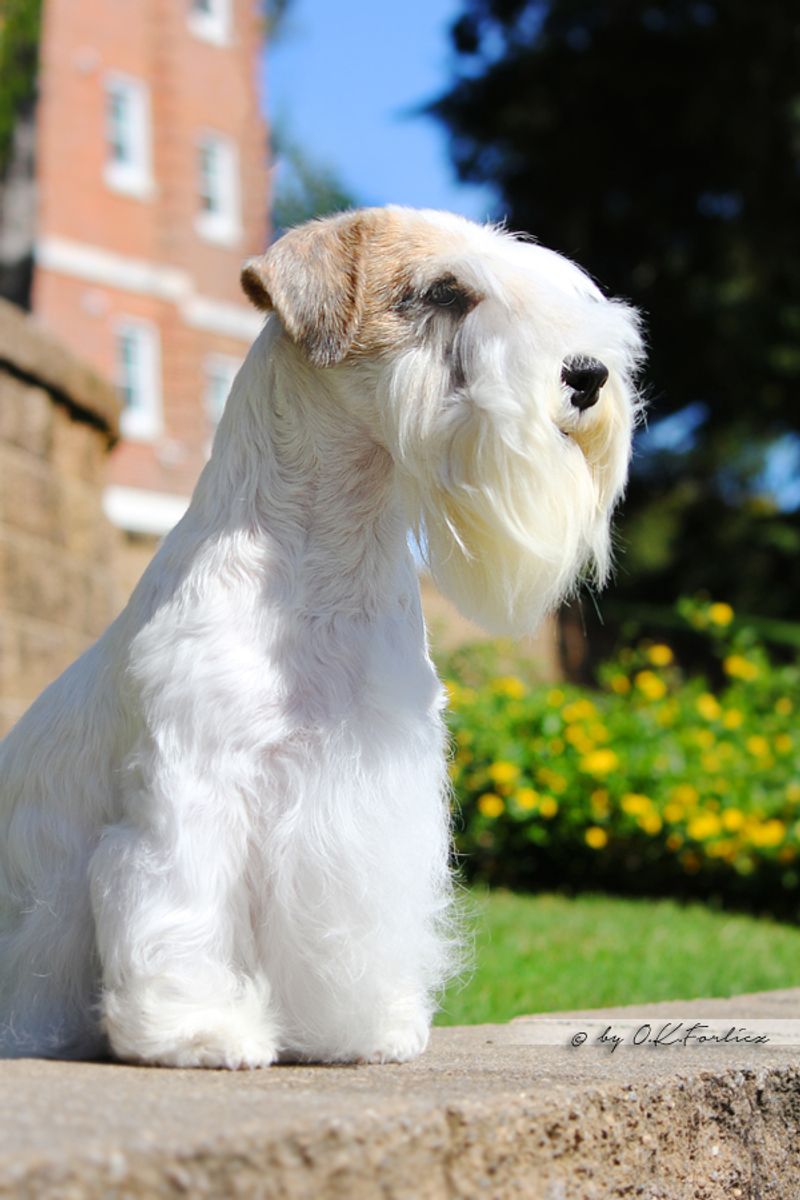
Sealyham Terriers look like dignified diplomats, yet that beard hides last night’s casserole secrets. They approach trash with quiet determination and then park themselves like statues when you return.
The innocent stare practically says you must be imagining things.
They respond beautifully to positive reinforcement and clear routines. Use baby gates, secured cabinets, and locking bins to limit temptation.
Incorporate scent games to satisfy their noses without kitchen adventures.
Short, upbeat training keeps them engaged. Ask for sit before meal prep, then reward with calm praise.
Consistency builds habits, and that polite exterior finally matches their behavior behind the scenes.
Dandie Dinmont Terrier
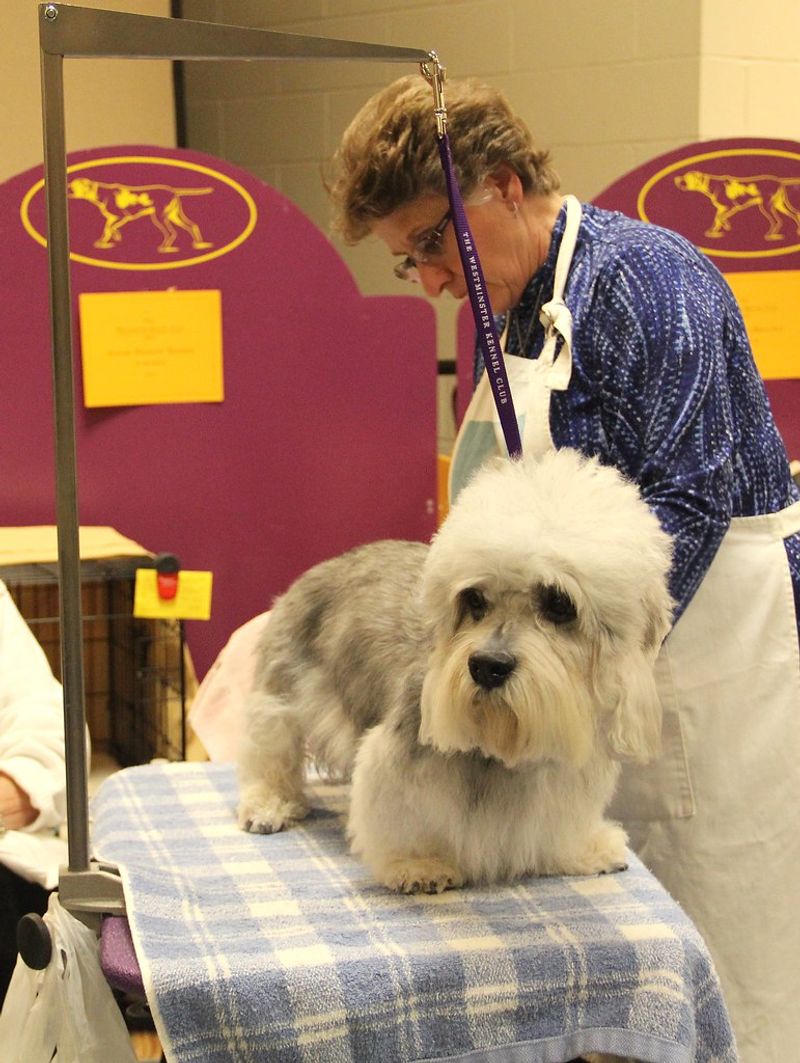
Dandie Dinmont Terriers shuffle softly, then erupt with curiosity when a lid creaks. Their soulful eyes convince you they would never, even as a wrapper clings to their lip.
Expect stealth tactics followed by dramatic innocence.
Because they are thoughtful and steady, training clicks quickly with consistency. Keep trash inaccessible and set up clear house rules.
Offer snuffle mats and food puzzles to channel that investigative nature.
Short bursts of play paired with naps suit their rhythm. Teach a go to bed cue during cooking time.
With structure and humor, you will celebrate their charm without sacrificing your leftovers.
Cesky Terrier
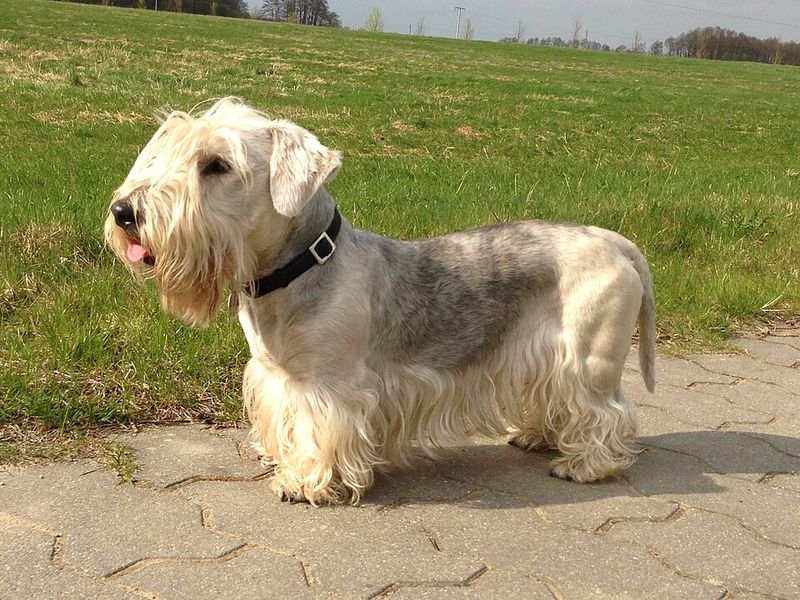
Cesky Terriers are calm strategists, analyzing the trash situation before making a move. When confronted, they smoothly pivot to innocence, tail low, eyes soft.
The evidence trail, however, tells a different story.
They benefit from structured routines, impulse control games, and enrichment walks. Use covered bins and keep counters pared down.
Reward ignoring the trash with treats delivered on a nearby mat.
Teach leave it, then proof with low-value scraps before adding challenges. Gentle, consistent feedback builds trust and reliability.
Soon, their calculated raids fade as better habits take center stage.
Glen of Imaal Terrier
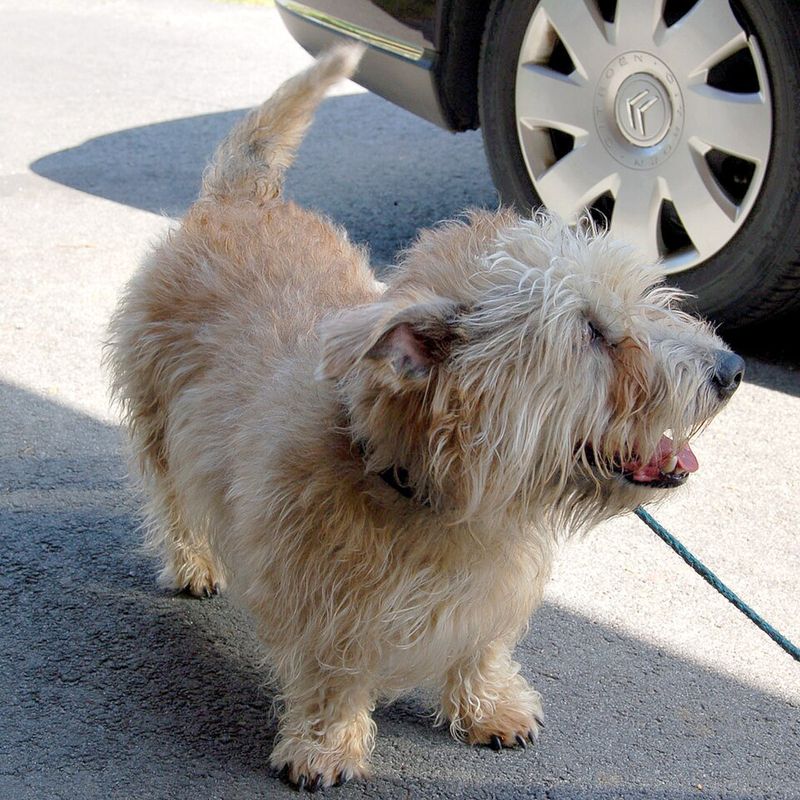
Glen of Imaal Terriers are sturdy problem solvers with a twinkle of mischief. Their low center of gravity makes toppling a light bin surprisingly easy.
When you appear, they freeze, grin, and pretend the salad exploded by itself.
Manage with heavy, pedal-lid cans and limit opportunities. Daily exercise and brain games like nose work curb foraging urges.
Reinforce calm stationing on a bed near the kitchen.
Use high-value rewards when they choose you over the bin. Practice drop it during play so it translates under pressure.
With smart boundaries, your Glen channels determination into partnership instead of pantry crimes.
Scottish Terrier
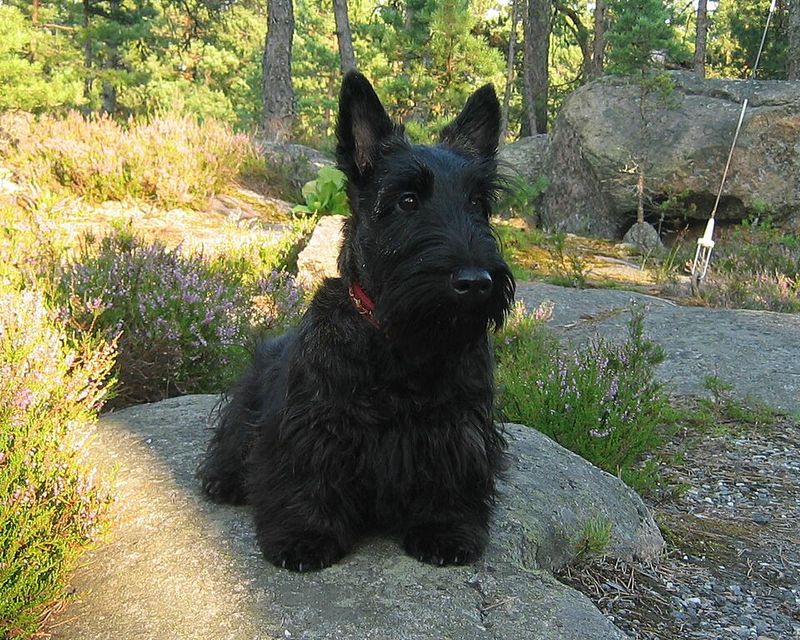
Scottish Terriers have a regal air that masks cheeky impulses. They patrol the kitchen like security guards, then quietly audit the trash when bored.
Confronted, they deliver a withering look that questions your evidence.
These independent thinkers thrive on respectful, consistent guidance. Use secure cans, closed doors, and structured routines.
Train alternate behaviors like sit-stay while food is prepped.
Short bursts of play and targeted enrichment satisfy their drive. Reward attentiveness generously, making you more interesting than the bin.
Over time, their dignity stops being a cover and becomes genuine good manners.
Bedlington Terrier
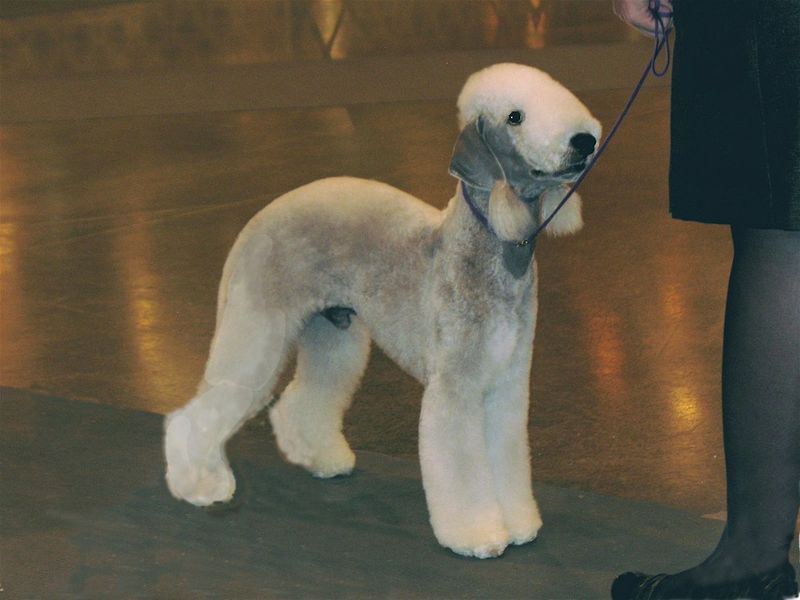
Bedlington Terriers look angelic, which is exactly their cover. They will daintily extract a wrapper like surgeons, then tiptoe away with spotless paws.
When confronted, the innocent lamb face turns hearts to mush.
Channel that precision into trick training and scent games. Keep trash locked down and provide food puzzles at meal times.
A reliable settle cue helps them relax during cooking chaos.
Daily walks keep their energy balanced. Reinforce leaving kitchen bins alone with calm praise and treats.
Those refined thieves soon become graceful companions rather than culinary bandits.
Soft Coated Wheaten Terrier
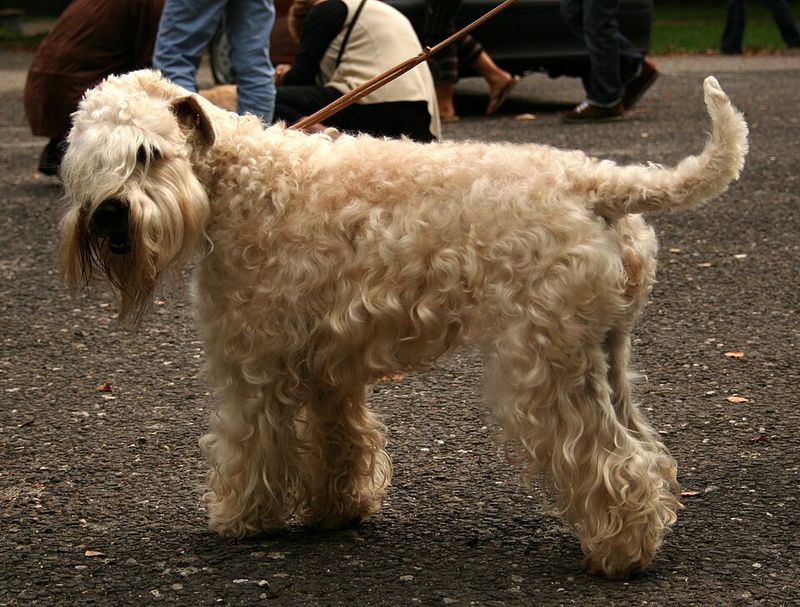
Wheatens greet the world with bounce and optimism, including the contents of your trash. Their happy-go-lucky vibe makes mischief feel like a party.
When found, they wag so enthusiastically you forget to be mad.
Structure helps: timed meals, exercise, and clear kitchen rules. Use locking lids and block access when you are busy.
Practice place training so they can hang out calmly nearby.
Reward quiet behavior in the kitchen with treats and affection. Rotate toys to keep interest off the bin.
Soon, that joyful energy channels into games you both actually enjoy.
Border Terrier
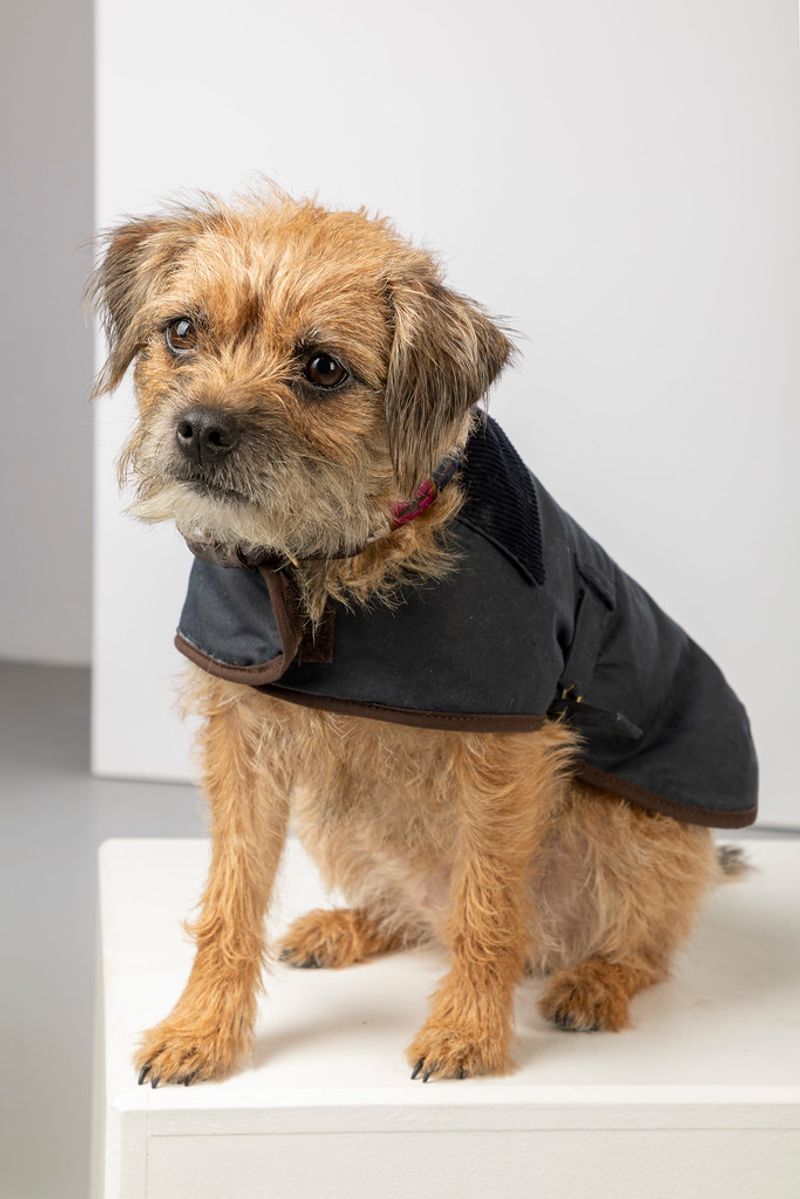
Border Terriers are earnest workers who treat the trash like field research. Their tidy size helps them slip into cabinets with stealth.
When discovered, they blink sweetly, hoping for diplomatic immunity.
Exercise and a job to do are key. Try trail walks, scent games, and clicker training for impulse control.
Secure bins and use childproof latches on cabinets if needed.
Teach a reliable leave it and reward generously. Prevent rehearsal of bad habits with supervision and smart management.
Before long, their natural focus redirects to tasks that actually earn praise.
Irish Terrier
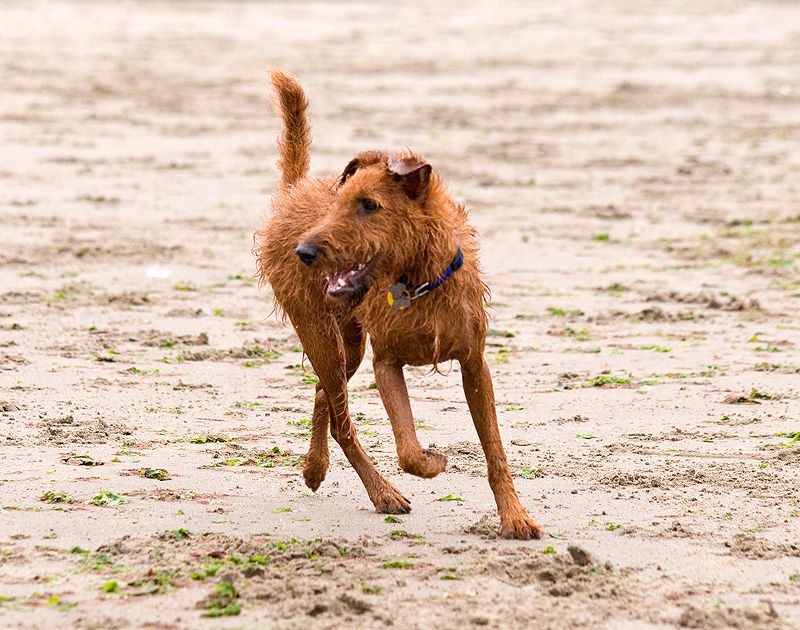
Irish Terriers bring bold hearts and lively curiosity to every room. A swinging lid becomes a dare they cannot refuse.
When challenged, they flash a confident grin as if offering to help clean up.
Provide vigorous exercise and mental work to meet their drive. Use heavy, locking cans and keep food waste out of reach.
Practice impulse control through sit and down stays around distractions.
Reward quick responses and keep sessions upbeat. Redirect energy with fetch, agility, or nose work.
With structure, their bravery fuels teamwork instead of dumpster diving.
Airedale Terrier
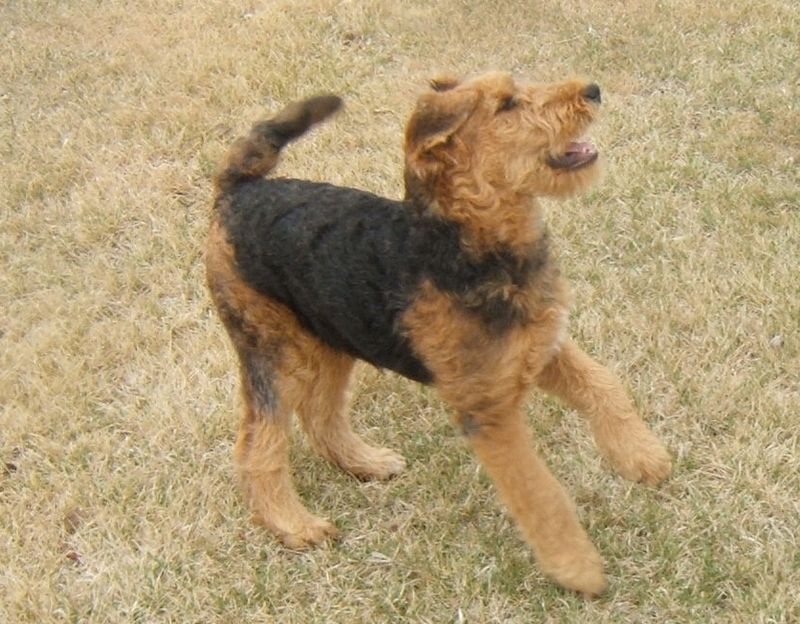
Airedale Terriers are tall enough to audit both counters and cans. They treat kitchen organization like an intriguing puzzle.
When caught, they pose regally, suggesting a simple misunderstanding.
Management is crucial: heavy bins, secured cabinets, and zero counter temptations. Tire their minds with advanced obedience and scent games.
Ask for a place cue during prep and reward duration.
Consistency turns curiosity into cooperation. Offer long-lasting chews to occupy downtime.
Soon, that big personality works with you, not against your housekeeping goals.
Parson Russell Terrier
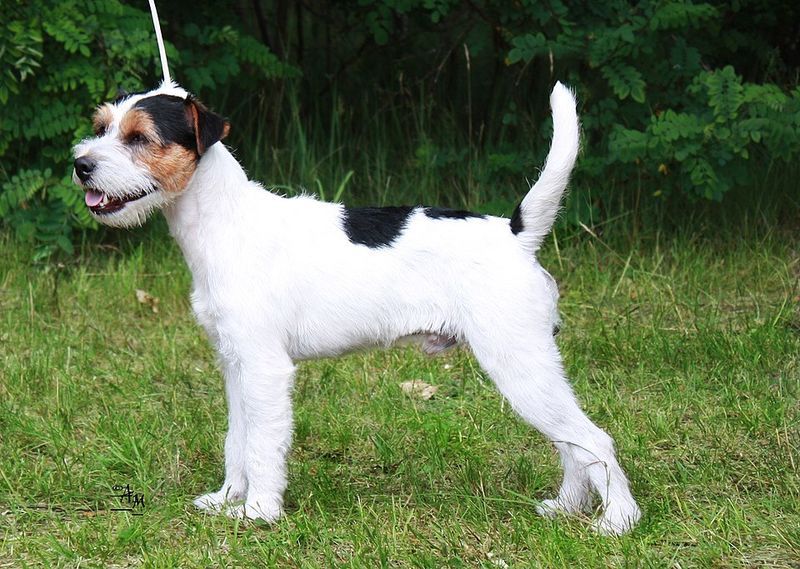
Parson Russell Terriers are spring-loaded investigators. The faintest crinkle brings them sprinting to the scene.
If they get lucky, wrappers fly, then they freeze with the most persuasive innocent face.
They need outlets for that drive: agility, fetch, and puzzle feeders. Close off the kitchen when unattended and use locking lids.
Train leave it with progressive challenges and big rewards.
Short, frequent sessions prevent frustration. Encourage calm by reinforcing settles and quiet observation.
With consistency, their turbo curiosity becomes clever cooperation, not trash theatrics.