
Road trips look dreamy in photos, but some dogs quietly disagree once the miles start stacking up. If you have ever wondered why your usually perfect co-pilot melts into whining or restlessness, you are not alone.
Certain breeds have quirks that make long drives tougher than expected. Here is how to spot the struggle and make travel kinder, calmer, and far more enjoyable for both of you.
Border Collie
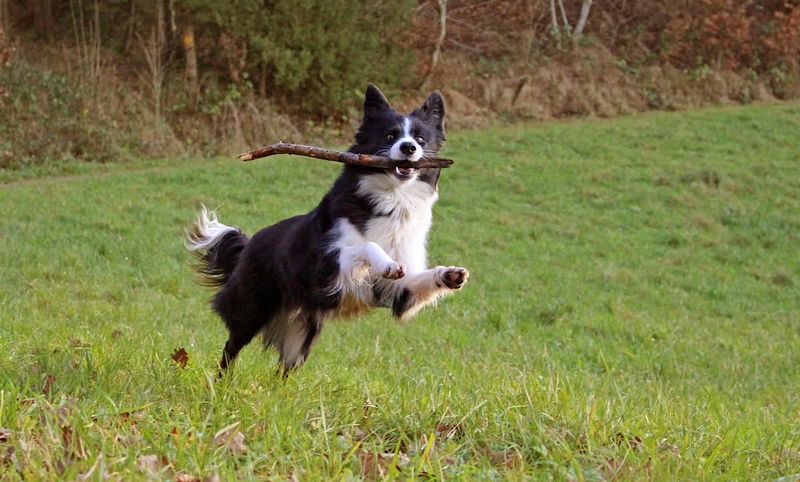
Border Collies are brilliant herders, but long highway stretches can feel frustrating rather than fun. Their minds crave tasks, quick cues, and new challenges, not hours confined to a wobbling backseat.
Without outlets, that buzzing energy can morph into pacing, whining, car reactivity, or relentless staring.
Frequent breaks, sniffy micro-walks, and puzzle feeders make a huge difference. You will also want shade, airflow, and safe crash-tested restraints to protect that agile body.
If motion sensitivity appears, train calm loading, use predictable routines, and start with tiny neighborhood drives before ambitious adventures.
Remember, mental work tires this breed more than distance. Keep sessions brief, celebrate calm choices, and you will turn road trips into manageable, enriching stop-and-go journeys rather than stressful marathons.
Australian Shepherd
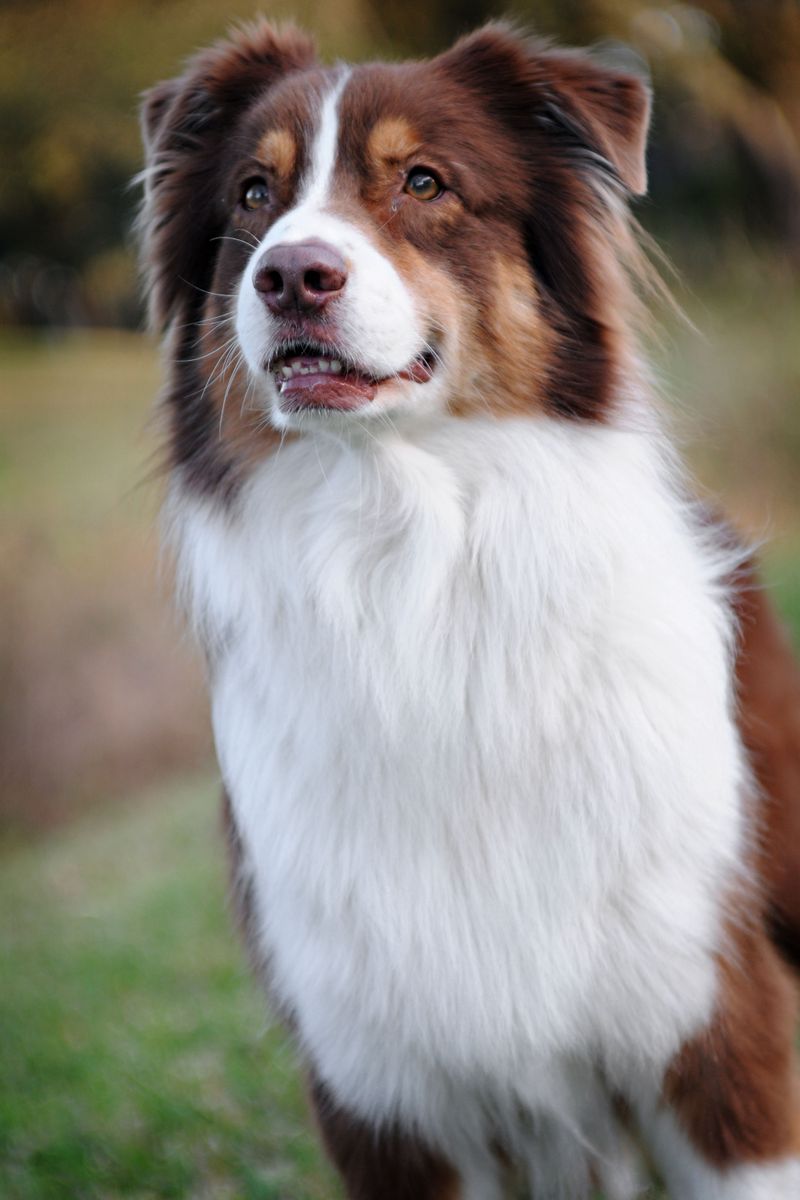
Australian Shepherds love action and purpose, yet road trips often remove both. Hours in a crate or seatbelt harness can leave them vocal, mouthy, or car-guardy as pressure builds.
That sharp brain notices every passing cyclist, truck brake, and toll booth, which can stack stress like dominoes.
Plan energy outlets before departure. Think parking-lot trick training, decompression walks on soft ground, and chew sessions that soothe jawy habits.
Rotate window covers, practice mat settles with paid-calm treats, and keep music low and predictable to buffer sensory overload.
If carsick, try gradual desensitization, car off first, then idling, then very short loops. Consult your vet about anti-nausea options, and always secure with a crash-tested harness sized correctly.
Vizsla
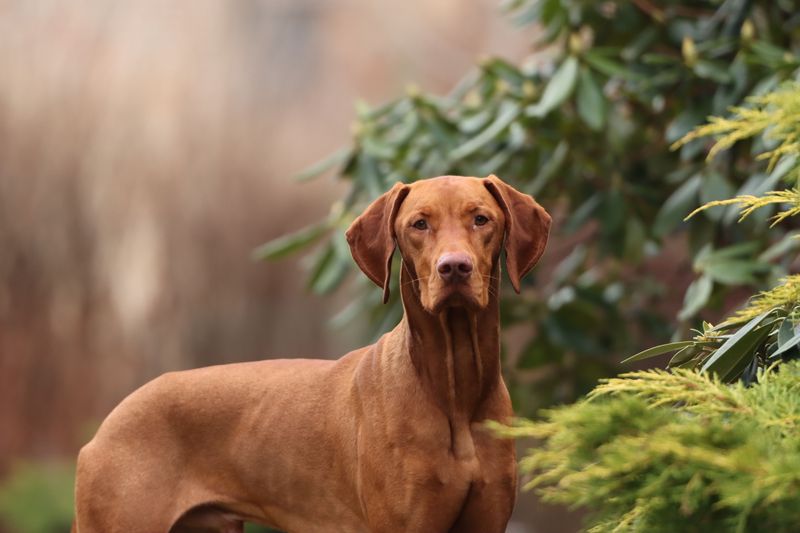
Vizslas are velcro athletes who thrive on closeness and motion, but repetitive highways can feel pointless. Sensitive by nature, they may pant, drool, or whine when routines change or seats slide during turns.
Add warm weather and you might see restlessness, nail tapping, and fixating on windows.
Preload the day with field sprints or sniffy foraging, then let cool air and a ventilated crate support recovery. Smear high-value licky mats to promote calm, rhythmic licking that lowers arousal.
Choose shady rest stops and water often to prevent heat stacking in their sleek coats.
Practice quiet settles at home before attempting interstate adventures. Short reps, familiar blankets, and predictable cues teach your buddy that stillness gets rewarded, even when the world is zooming by.
Weimaraner
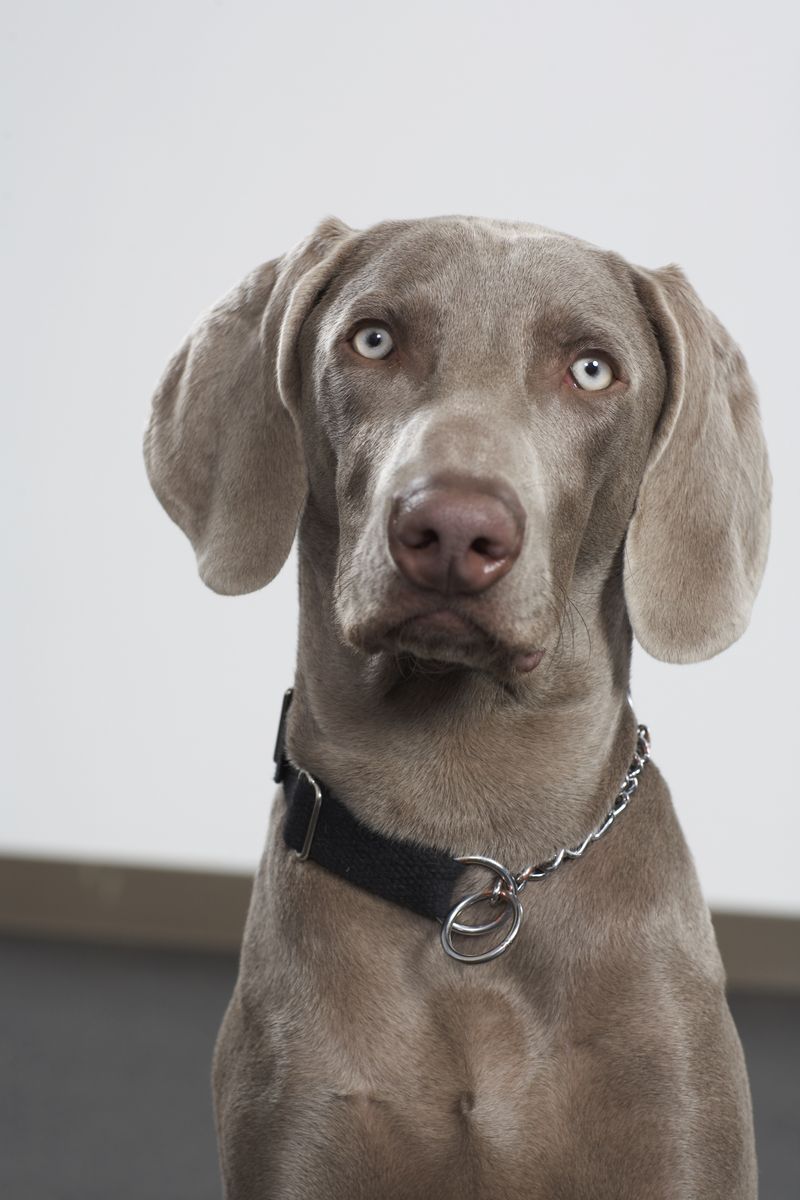
Weimaraners are sensitive sprinters with big feelings, and cramped cabins can magnify every bump. Separation frustration can show up if you step out for gas or snacks.
Their watchdog instincts may trigger at unfamiliar figures near the car, building vocal protest that wears everyone down.
Prevention helps. Park far from foot traffic, add visual barriers, and teach a solid stationing behavior on a mat.
Use stuffed chews, moderate white noise, and a familiar scent item to build a soothing, portable bubble around your gray ghost.
If motion nausea is suspected, discuss medication or ginger chews with your vet. Pair every stop with calm decompression so your Weim learns that travel predicts comfort, not constant alertness.
German Shepherd
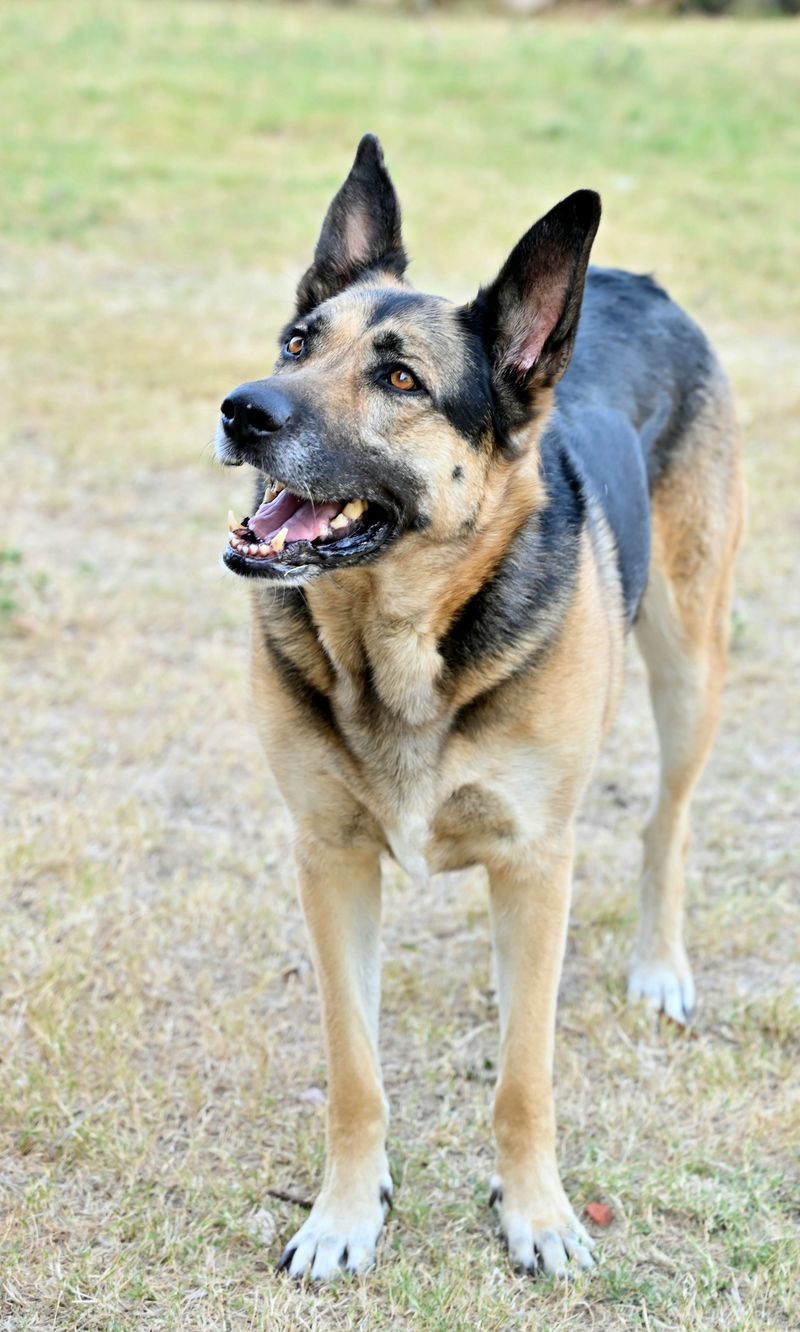
German Shepherds are thoughtful workers, and ambiguity can be stressful inside a car. They like clear jobs, predictable patterns, and stable footing, not sliding upholstery and surprise door opens.
Without guidance, vocalizations, scanning, and barrier frustration can appear as your protector tries to control chaos.
Give structure. Teach a parked preflight ritual, cue a down-stay on a padded surface, and reward quiet eye-blinks.
Use window film, an anchored crate, or a crash-tested harness that reduces sliding, then sprinkle easy scatter-feeds during fuel breaks.
If reactivity bubbles up around parking lots, practice look-at-that games at safe distances. Gradually your dog learns cars mean paychecks for calm, not a security shift with impossible expectations today right now.
Work slowly.
Boxer
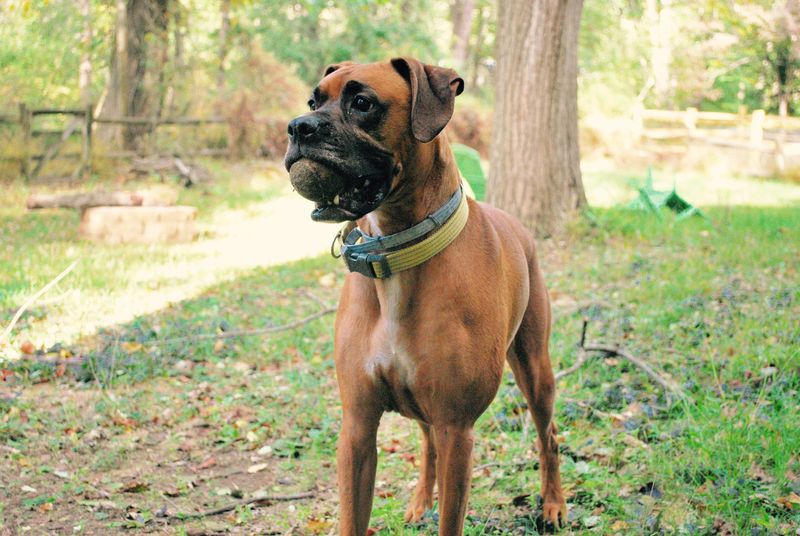
Boxers are goofy athletes with big hearts and even bigger wiggles. Long rides can amplify motion sensitivity, drool, and panting, especially in warm weather.
Excitement plus heat can tip into overarousal, so that silly boxer bounce becomes restless thumping against seats and windows.
Prioritize airflow, shade screens, and frequent shade breaks. Offer chilled water, licky mats, and durable chews to occupy that mouthy joy.
A well-fitted crash-tested harness stabilizes movement, reducing slips that spike arousal, while window film lowers sun load on short-muzzled faces.
Teach calm car entry, then reinforce quiet sits and downs before the engine starts. Keep stops playful but not wild, and end every outing with rest so the car predicts recovery, not nonstop excitement.
Labrador Retriever
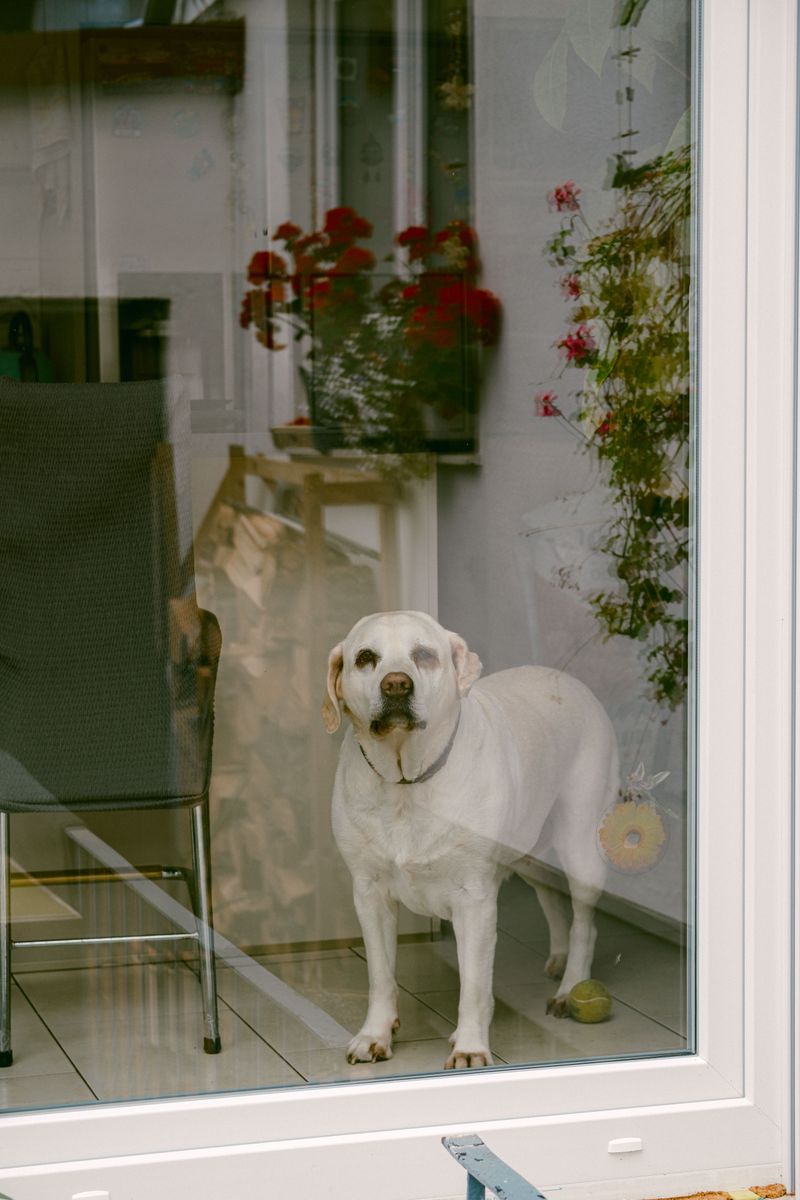
Labradors often seem born for adventure, yet many struggle with impulse control in tight spaces. Doors open and the enthusiasm rockets, leading to lunges, paws on consoles, and snack theft from cupholders.
Water obsessed Labs may fixate on lakes or coolers, whining whenever they smell wet gear.
Channel that drive with cue-based routines. Ask for sits before exiting, use a release word, and reinforce calm heavily.
Rotate enrichment, from frozen Kongs to sniff maps at rest areas, so your Lab learns patience brings access to the good stuff.
Securement matters. A crash-tested harness or anchored crate controls momentum and protects joints, keeping excitement safer while your buddy practices chill travel habits.
Practice short loops first.
Beagle
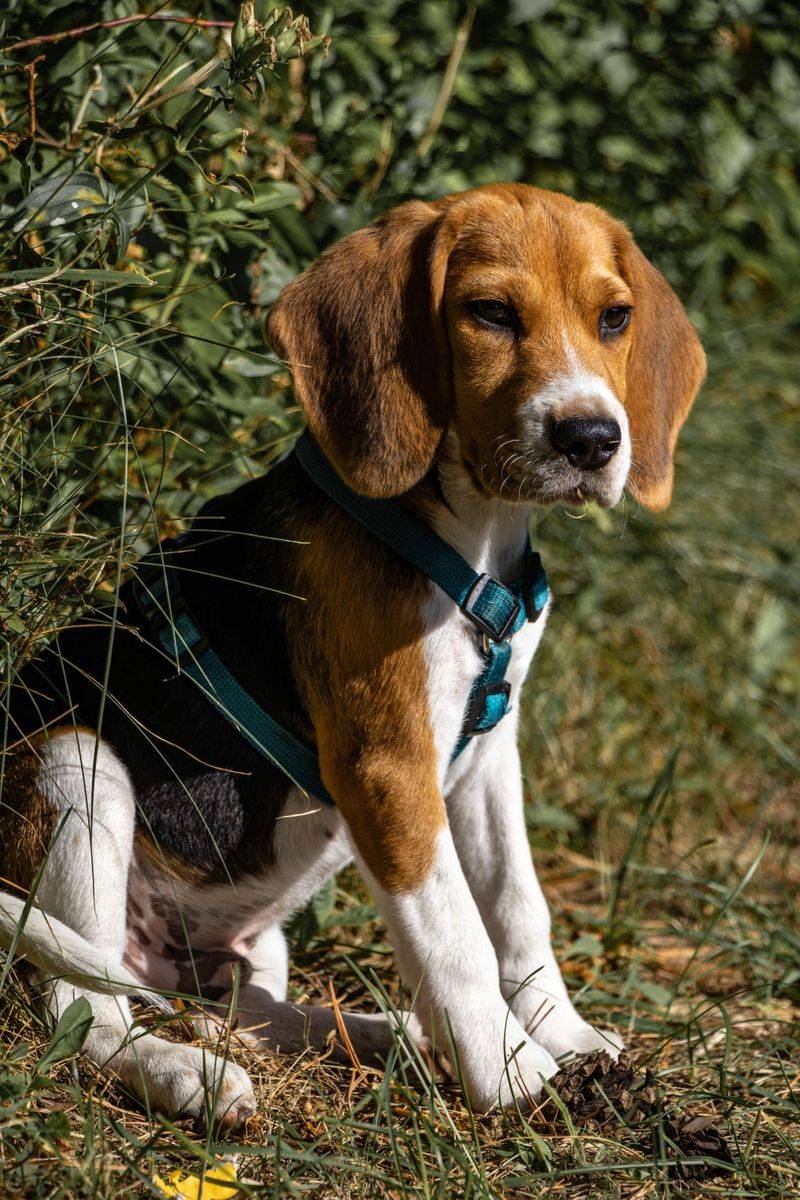
Beagles are scent-driven comedians, and cars are rolling scent buffets. That nose catches every roadside bakery, barn, and picnic area, quickly pushing arousal upward.
Vocalizing can escalate when smells are unreachable, and some Beagles may attempt escape artistry when fresh air wafts through doors.
Make the nose work for you. Offer supervised sniff breaks on long lines, then fill the car with sniff-approved jobs like scatter-feeds and snuffle mats.
Use barriers and practiced stationing cues to keep doorways safe while that merry hound processes the world.
If motion sickness appears, very short conditioning rides help. Pair quiet with tiny treats, windows cracked slightly for airflow, and you will see steadier, happier miles over time ahead.
Dachshund
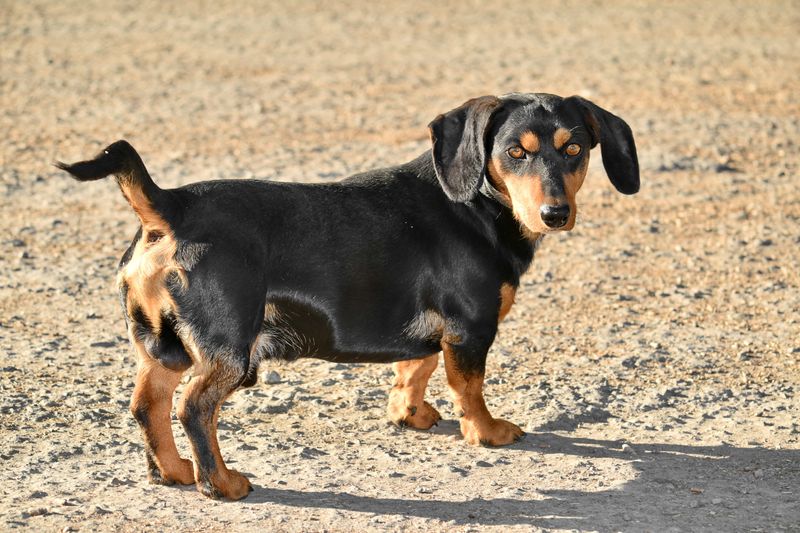
Dachshunds are bold, opinionated explorers with long backs that need careful support. Bumpy roads and sudden braking can feel risky to a low rider body.
Anxiety might show as barking, burrowing under seats, or refusing to jump down after the car finally stops.
Stability is kindness. Use ramps for loading, padded bedding with bolsters, and a crash-tested harness or crate sized to limit jostling.
Schedule frequent potty breaks, since tiny bladders and excitement can collide fast when distance stretches longer than expected.
Practice stationing to a mat and reinforce stillness. With comfort dialed in, your brave little hunter can ride with confidence without turning every rumble strip into drama.
Keep windows modest for neck safety.
Chihuahua
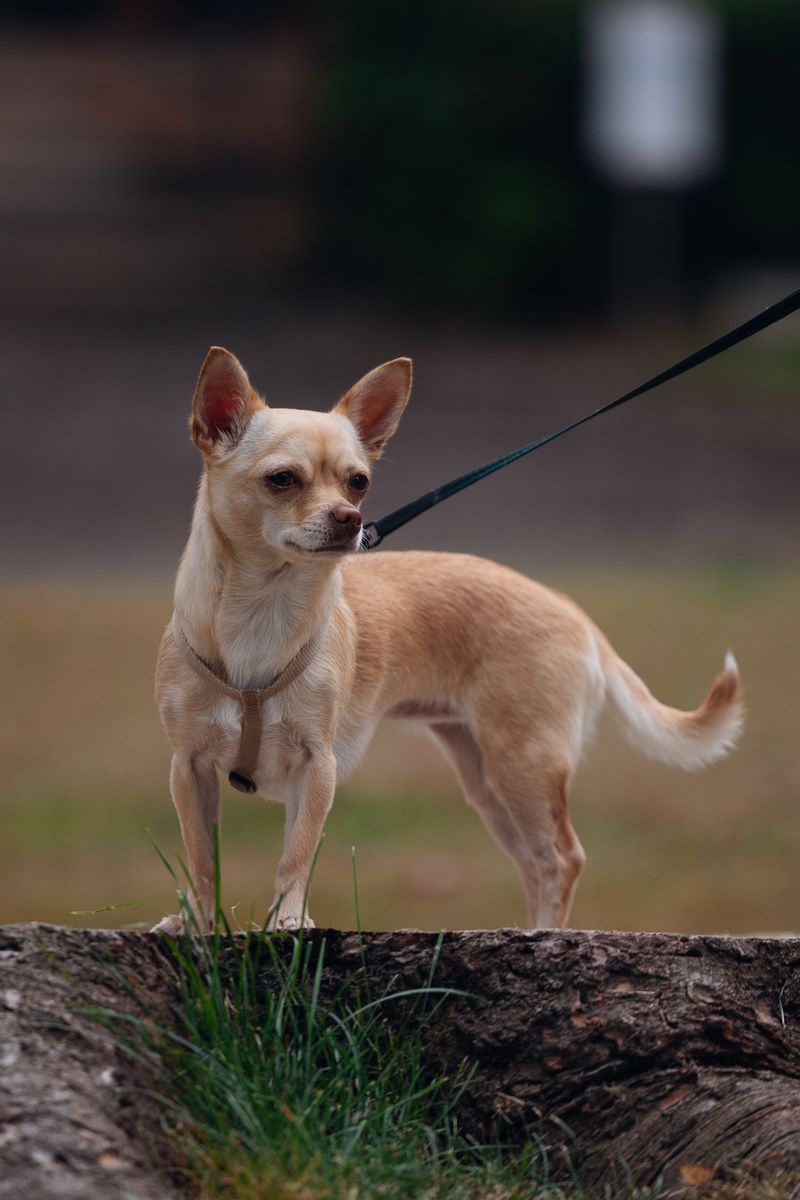
Chihuahuas are mighty spirits in tiny packages, and car noise can boom like thunder. Vibrations, slamming doors, and strangers peering in may spike defensive barking.
Cold drafts or hot sun also hit harder on small bodies, making comfort a constant consideration on longer drives.
Soften the environment. Use cozy bedding, a snug but safe harness, and white noise from a small fan.
Offer frequent warmth or shade breaks, plus micro-play sessions that maintain confidence without exhausting your tiny co-pilot.
Gradual exposure builds resilience. Pair car time with super-tasty crumbs and calm cuddles, and keep interactions polite so your pint-sized guardian feels secure, not besieged.
Avoid laps while driving for safety and steadier training progress always.
French Bulldog
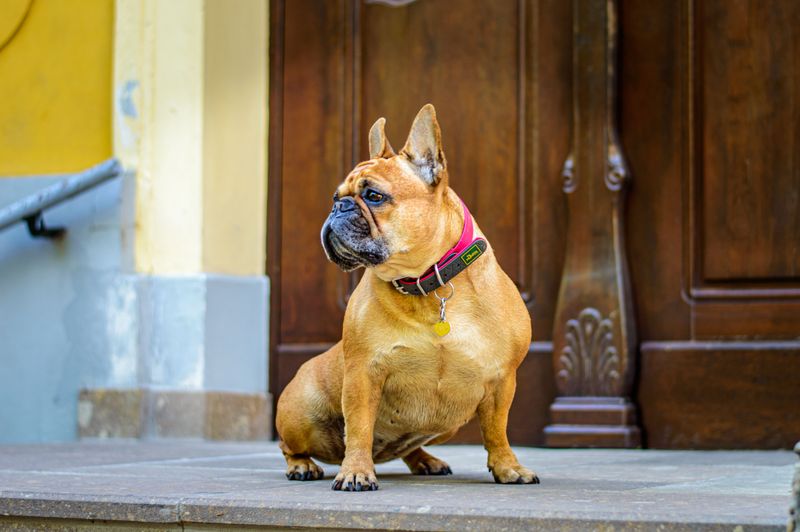
French Bulldogs are charming clowns with short muzzles that complicate heat and airflow. Even cool cars can warm quickly in sun, raising panting and fatigue.
Excitement plus tight quarters sometimes spills into pushy greetings at stops, which can overwhelm them and nearby travelers.
Guard the thermostat. Use fans, reflective shades, and scheduled shade breaks, plus water with ice chips.
A supportive, crash-tested harness prevents slumping, and cooling mats help short snouts manage comfort without risky overexertion.
Keep meet-and-greets minimal at fuel stops. Reward quiet check-ins, then offer a nap opportunity so the car becomes a rest zone, not a stage for nonstop comedy.
Monitor breathing sounds and cut sessions short if effort increases noticeably today.
Cocker Spaniel
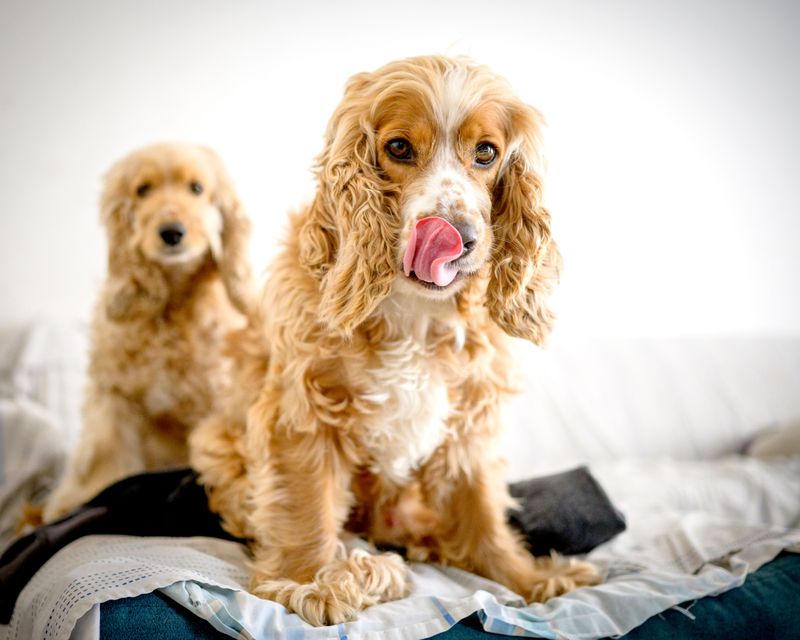
Cocker Spaniels are sweet, sensitive companions who read energy like a book. Road noise, windshield wipers, and fast scenery can load their senses until worry leaks out as whining.
Some may pace or paw, especially if hair blows into their eyes or ears tug uncomfortably.
Groom for travel. Trim vision pathways, secure ear leather with a soft snood, and add gel pads for elbow comfort.
Use gentle music and lavender-scented bedding if your vet approves, building a consistent calm soundtrack for miles.
Teach settle on a mat and reinforce slow blinks. With predictability, your velvet-eared friend can nap peacefully while you handle the itinerary, turning road time into reliable quiet.
Pack tissues for tear-stain cleanup.
Whippet
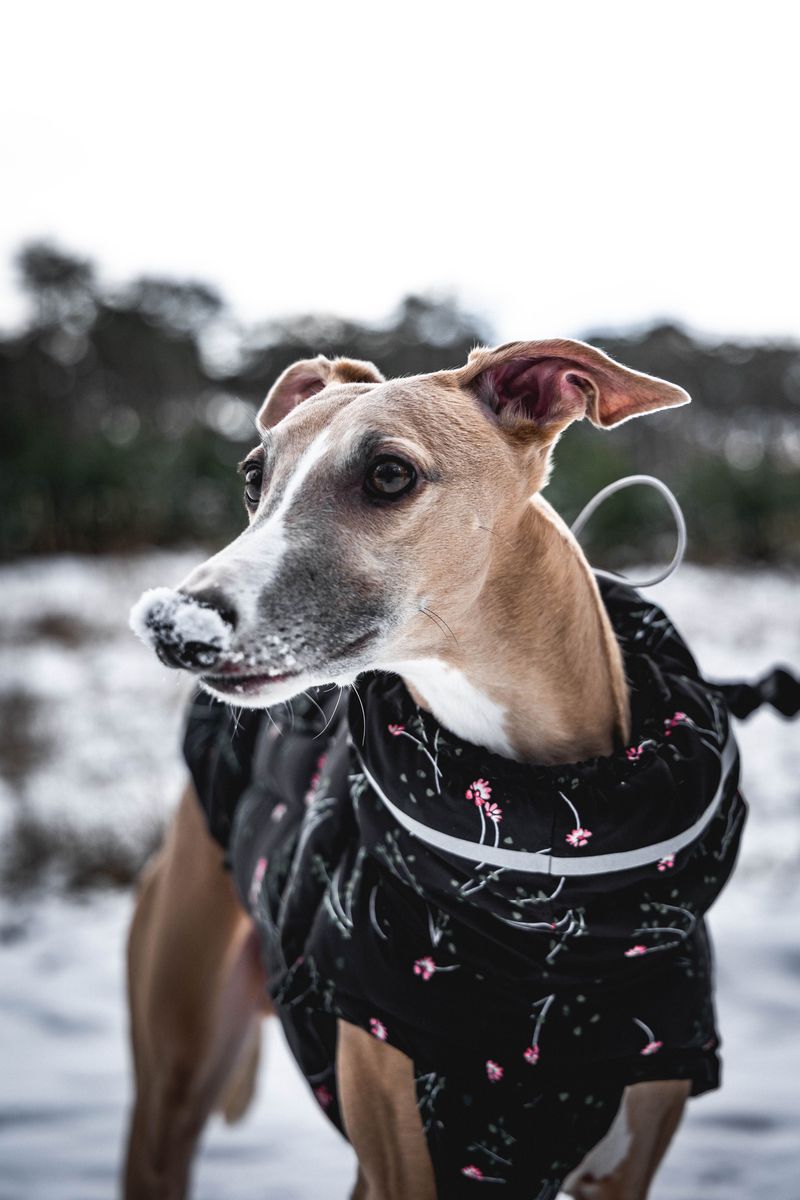
Whippets adore speed and couch time, but they are temperature sensitive and noise aware. Cold leather seats or blaring bass can make them shiver and withdraw.
Their slender frames also appreciate padding, since vibration travels quickly through long limbs and light bone.
Start with short, quiet trips, then add time gradually. Provide fleece layers, a non-slip bed, and a harness that prevents sudden lunges if a squirrel flashes by.
Window film and white noise help create a predictable cocoon that invites soft, steady naps.
Reward calm scanning, not watchdog bursts. Soon your gentle sprinter will link the car with comfort and curated thrills at stops, not endless stimulation.
Skip windows down at high speeds to protect eyes.
Cavalier King Charles Spaniel
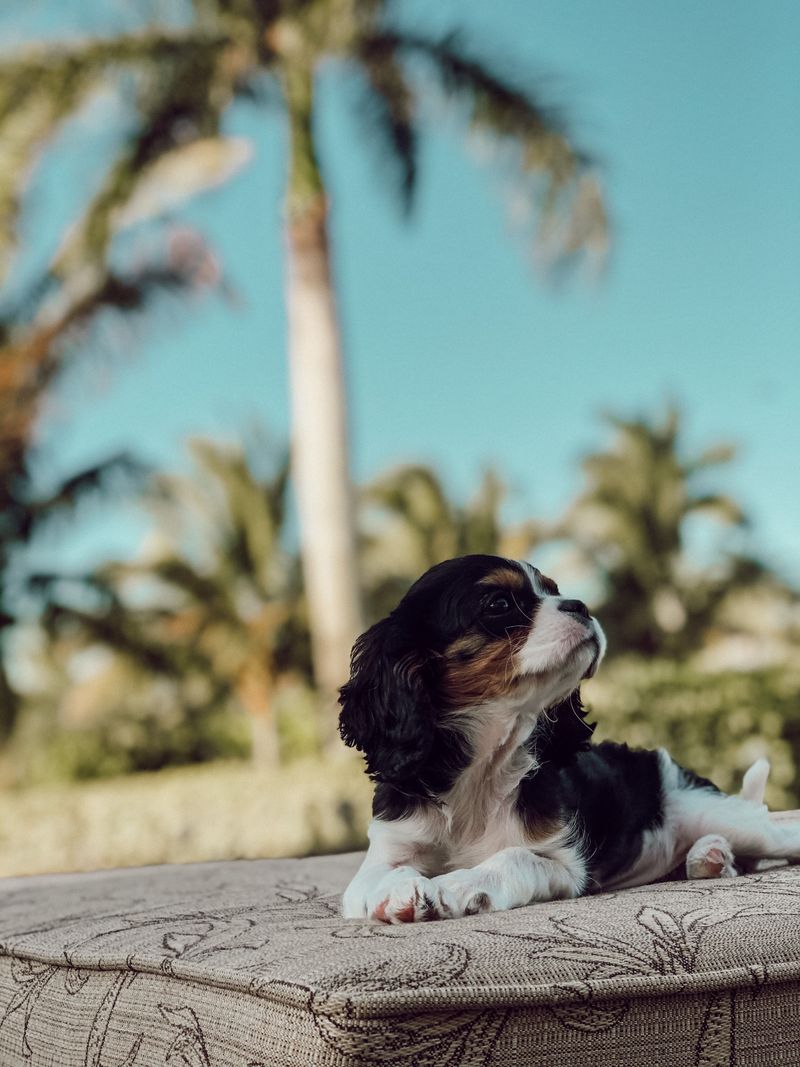
Cavaliers are affectionate shadows with gentle hearts, and travel can tug those strings. They may fret when separated at rest stops or when seatbelts restrict snuggling.
Some are prone to motion queasiness, which shows up as lip licking, yawns, or quiet drool trails on blankets.
Comfort first. Use plush bedding, soft airflow, and a well-fitted harness to encourage relaxed posture.
Schedule frequent cuddle breaks, then reward independent settles so your sweet companion learns that calm earns closeness again.
Talk to your vet about carsickness strategies if needed. Start with neighborhood laps, pair them with gentle praise and snacks, and let the miles grow only when your Cavalier stays loose and happy.
Keep windows barely cracked.