
Understanding your dog’s perception of human gestures is essential for building a safe and trusting bond. Here are 14 breeds that may misinterpret our body language, with tips for safer interactions.
Akita
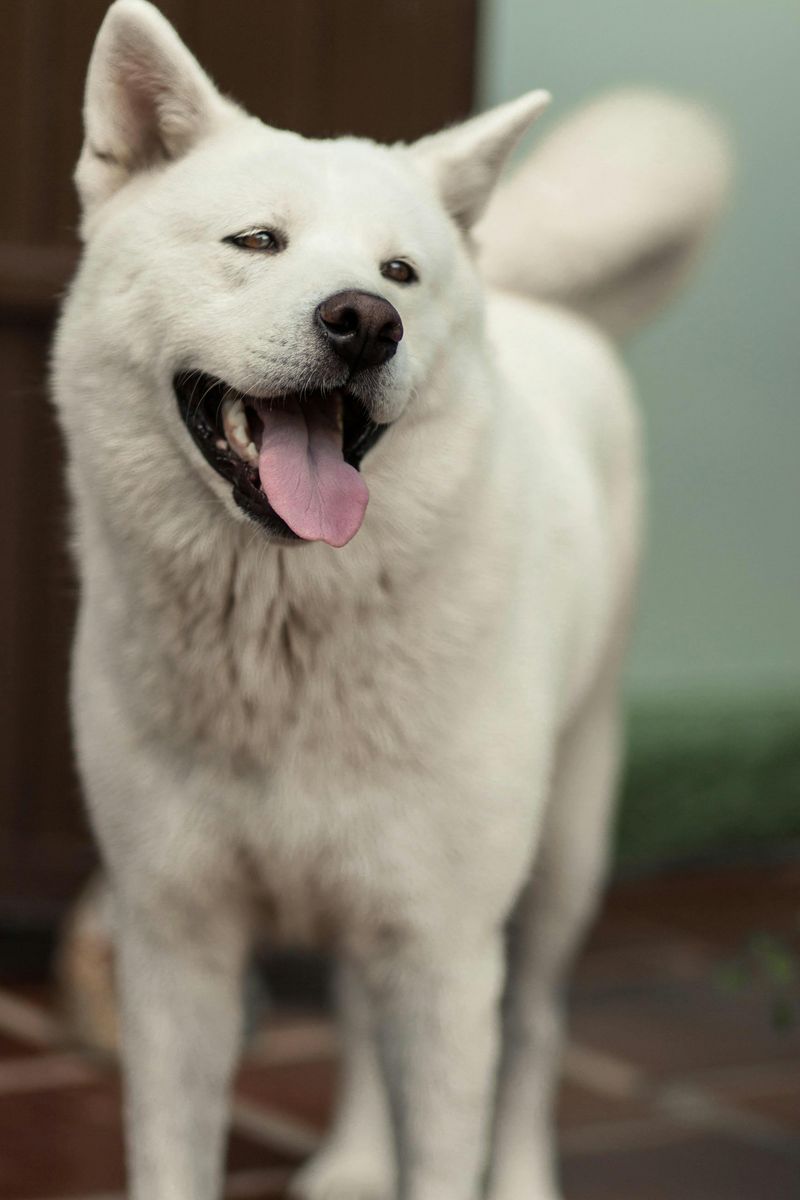
Akitas are known for their regal presence and loyalty. However, they can misunderstand certain human gestures as threats due to their protective nature.
Their strong independence means they may not respond to typical friendly approaches like pats on the head. Instead, it’s beneficial to approach them calmly, offering a hand to sniff.
Socialization from an early age can help them better interpret human body language, making them more relaxed in various situations.
Chow Chow

With their lion-like mane, Chow Chows often appear aloof. Their reserved demeanor can lead to misinterpretation of human gestures.
While affectionate with their families, they may misread sudden movements from strangers as threatening. It’s wise to gain their trust gradually, ensuring they feel safe.
Offering treats while maintaining a respectful distance can help them associate human gestures with positive experiences.
Shiba Inu
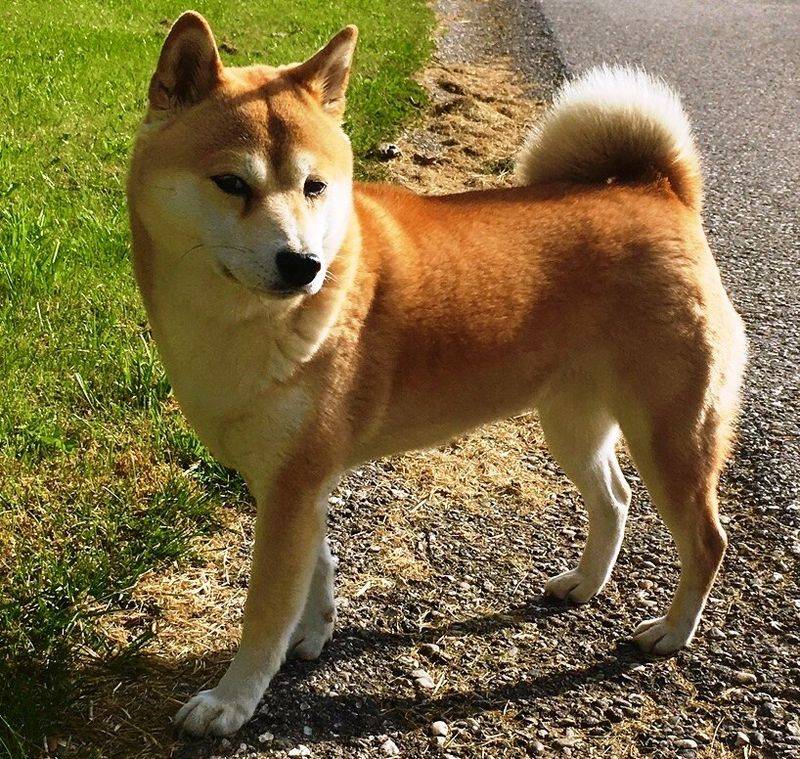
The spirited Shiba Inu, with its foxy appearance, is both charming and independent. They may misinterpret gestures like reaching over their head as intrusive.
Known for their “Shiba scream,” they vocalize discomfort if they feel cornered. Approaching them with care and patience is crucial.
Engaging in shared activities, such as light play, can establish a sense of comfort and trust.
Shar Pei
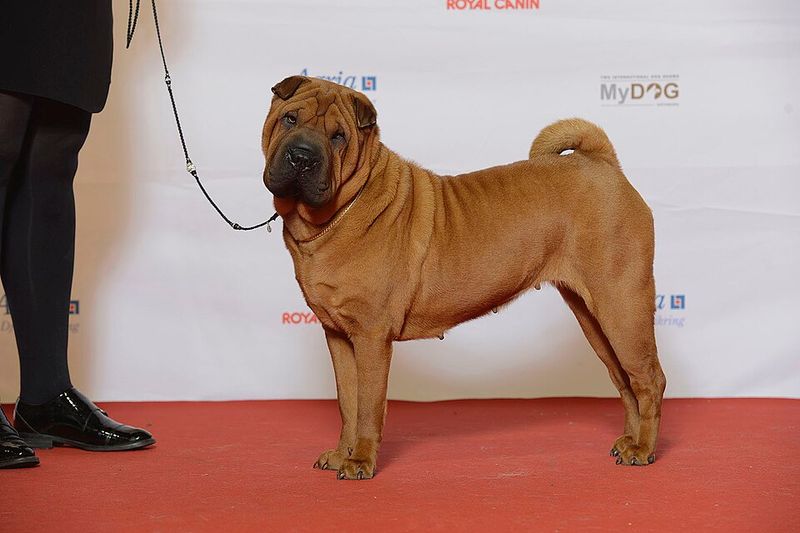
The distinctively wrinkled Shar Pei is loyal yet often wary of strangers. Their deep-set eyes can sometimes misread human gestures, like waving arms, as aggressive.
Building a connection through calm and consistent interactions helps them feel secure.
Introducing them to new people and environments gradually can alleviate misunderstandings and foster comfort.
Tibetan Mastiff
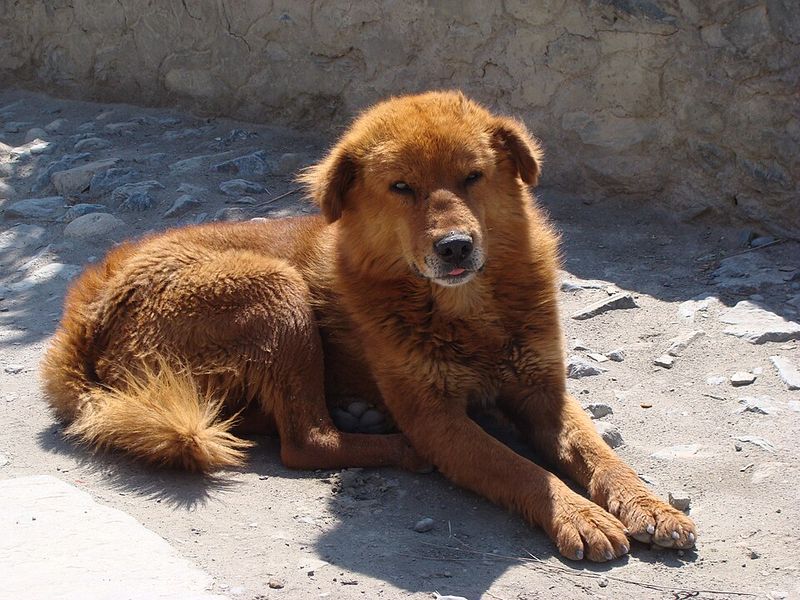
Tibetan Mastiffs, with their imposing size, are guardians at heart. Their protective instincts might cause them to misinterpret friendly gestures as potential threats.
Their independence necessitates a respectful distance initially, allowing them to approach in their own time.
Consistent socialization helps them differentiate between harmless and concerning situations, enhancing their interactions with humans.
Basenji
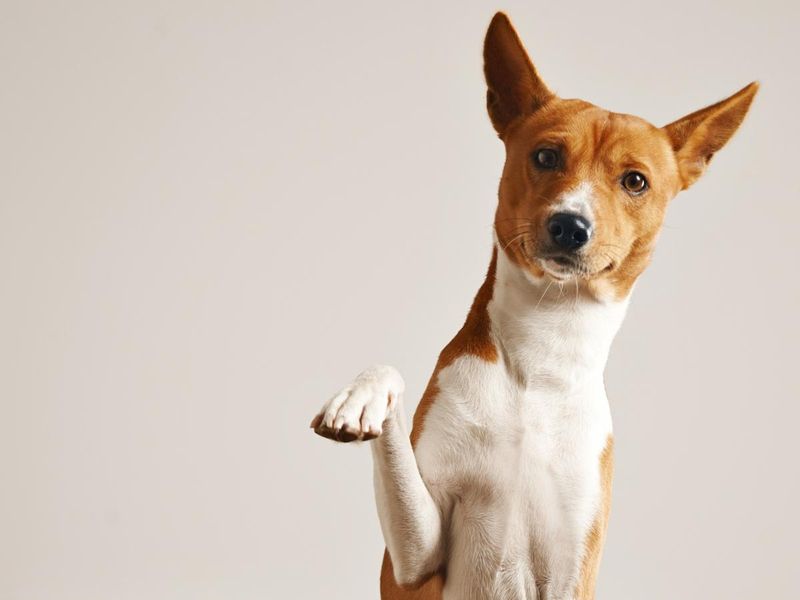
Dubbed the “barkless dog,” the Basenji is known for its unique vocalizations and lively nature. Despite this, they can misread human excitement as overstimulation.
Approaching them with gentle movements can prevent misunderstandings.
Engaging them in play or exploration can help redirect their energy positively, ensuring a harmonious bond.
Canaan Dog
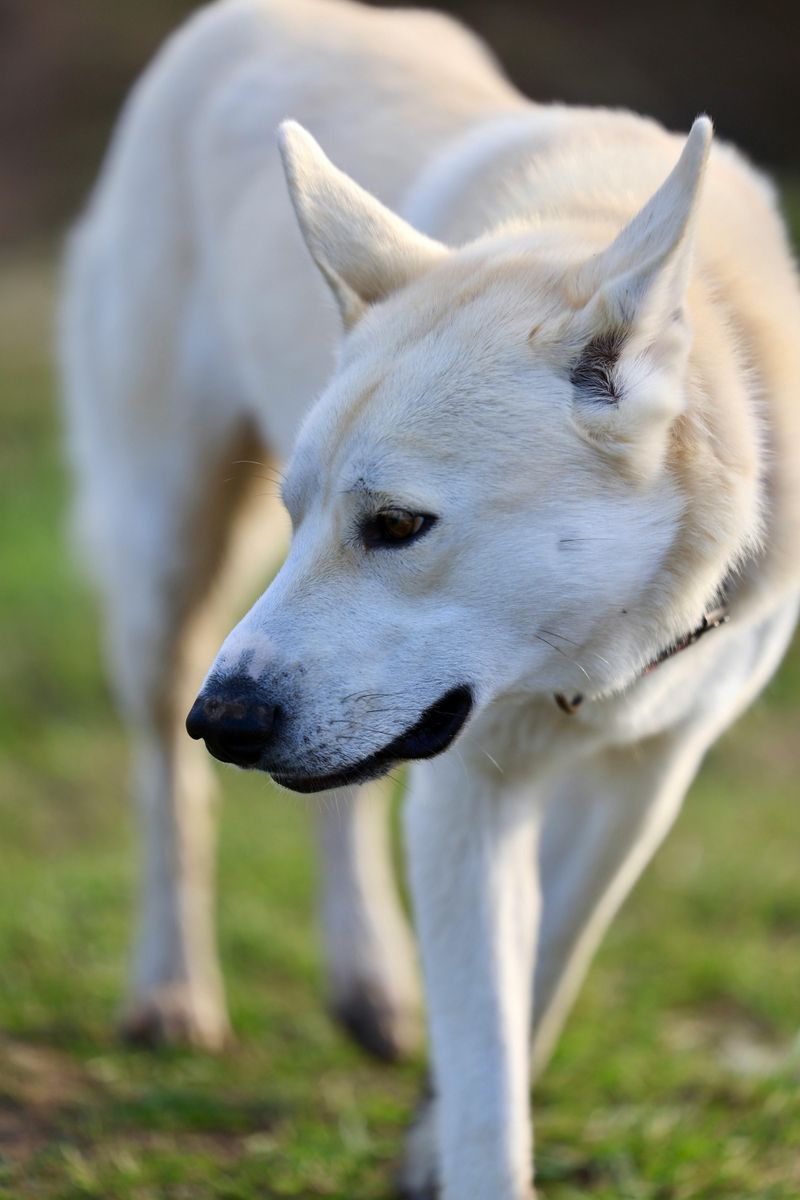
Originating from the Middle East, the Canaan Dog possesses a keen sense of alertness. Their instinct to guard can lead to misinterpretations of friendly gestures as threats.
Approaching them calmly and avoiding sudden movements can build trust.
Regular positive interactions and playtime can reinforce their understanding of human body language, fostering a balanced relationship.
Jindo
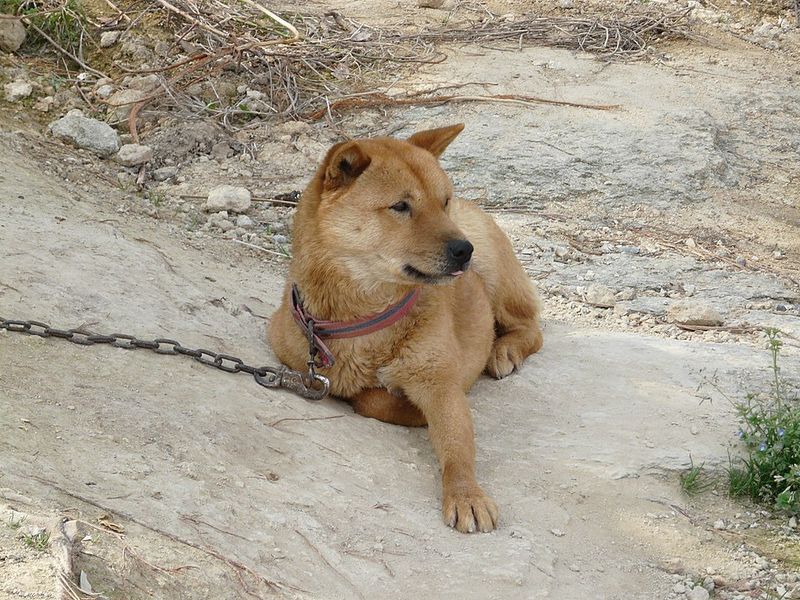
The Jindo is renowned for its loyalty and intelligence, traits that sometimes lead to misunderstandings with unfamiliar gestures.
Their strong bond with their owner makes them cautious around strangers. Introducing them to new people with treats and calm reassurance can ease tensions.
Regular, gentle socialization enriches their understanding of human signals, making them more responsive.
Thai Ridgeback

The athletic Thai Ridgeback is both independent and wary of strangers. Their natural caution might lead them to interpret sudden gestures as threatening.
Approaching with slow, predictable movements can foster trust. Their intelligence thrives on consistent training and positive reinforcement.
Gradually introducing them to various social settings enhances their ability to interpret human cues effectively.
Finnish Spitz

Known as the “Barking Bird Dog,” the Finnish Spitz is lively and vocal. Their alert nature may lead them to misinterpret enthusiastic gestures as alerts.
Approaching them with playful energy and toys can bridge any initial wariness.
Encouraging their natural playfulness in a controlled manner helps them better understand friendly human interactions.
Norwegian Elkhound
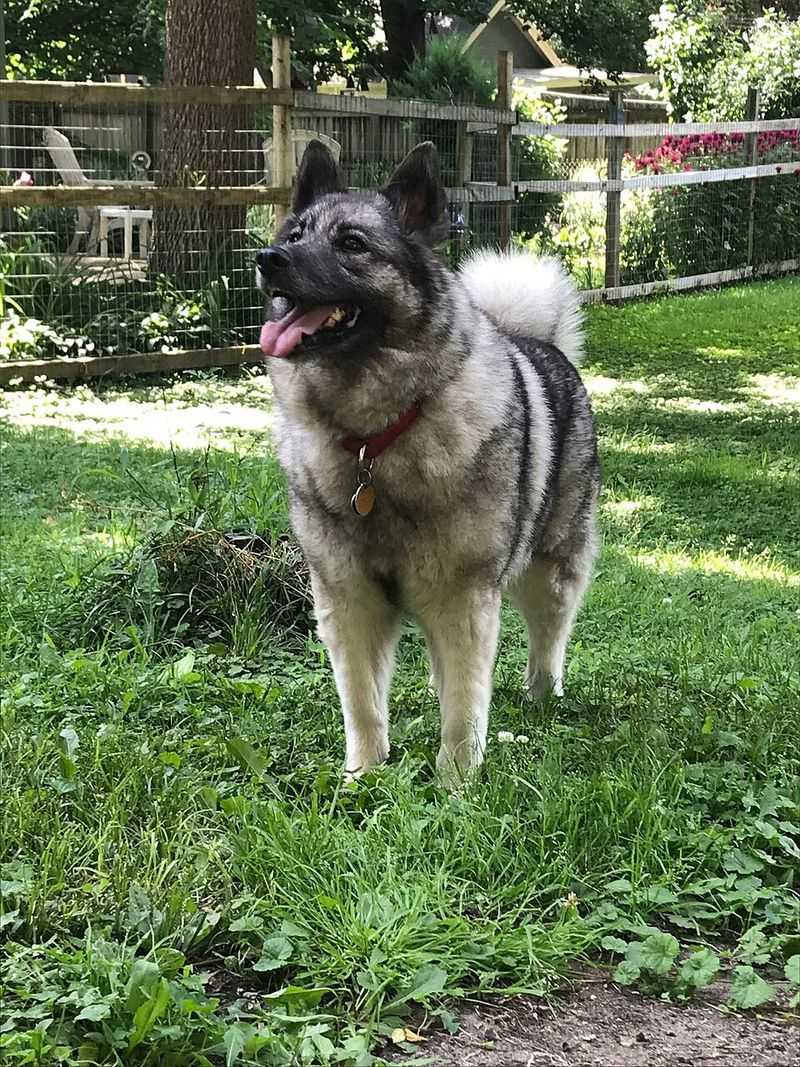
The Norwegian Elkhound, a robust hunting companion, is known for its independence. They may misinterpret direct eye contact or towering gestures as dominance.
Offering them clear commands with positive reinforcement enhances understanding.
Engaging their tracking instincts in playful ways reinforces trust and fosters a deeper connection with their human companions.
Australian Cattle Dog
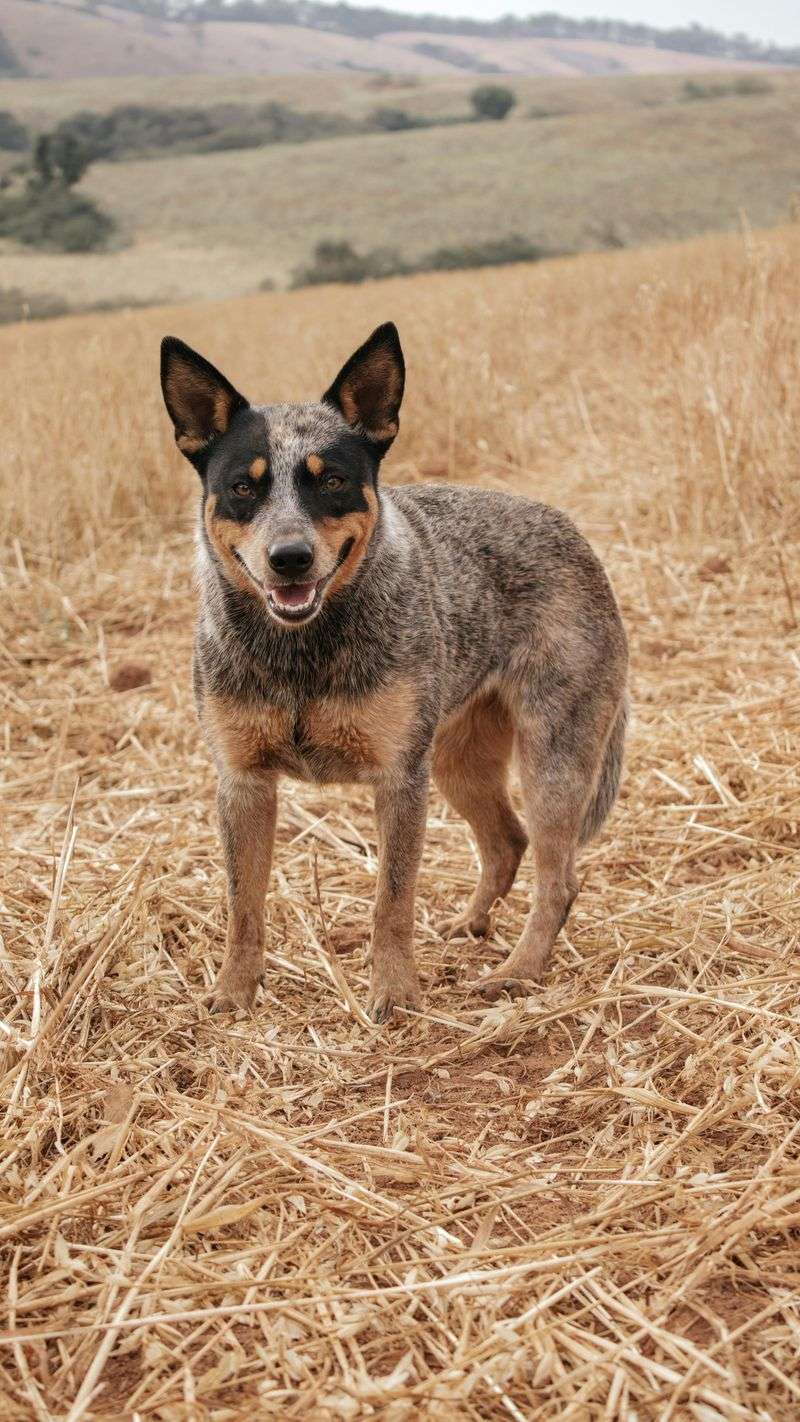
The resilient Australian Cattle Dog is fiercely intelligent and energetic. Sudden movements might be seen as commands to herd.
Structured activities and clear cues can help them distinguish play from work.
Guiding their energy into positive outlets and consistent training ensures they adapt well to various human interactions.
Belgian Malinois
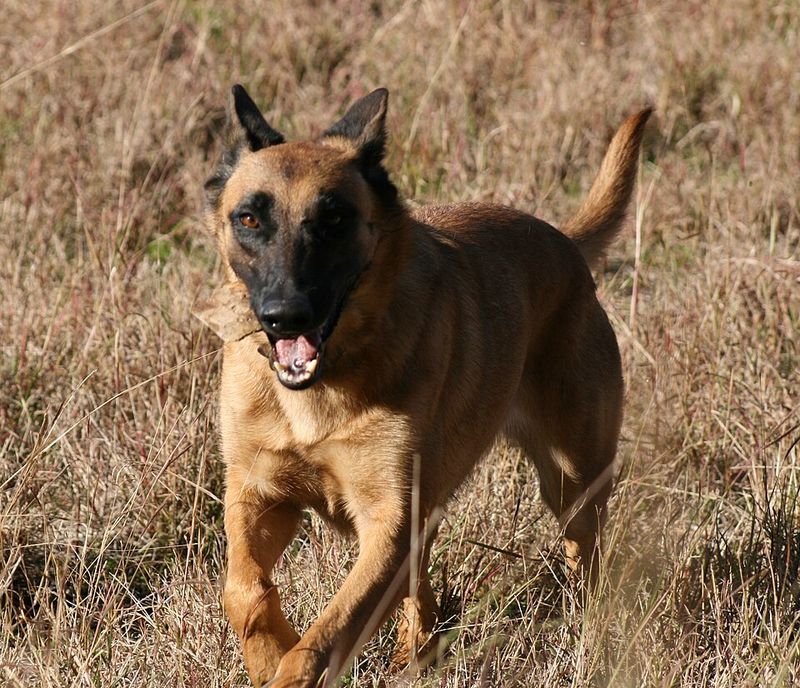
Renowned for their work in law enforcement, the Belgian Malinois is attentive and driven. They may mistake non-verbal cues as commands.
Training them with consistent signals ensures clarity in communication. Their eagerness to please makes them responsive to structured guidance.
Offering mental challenges aligns their sharp instincts with positive human interactions.
Caucasian Shepherd Dog
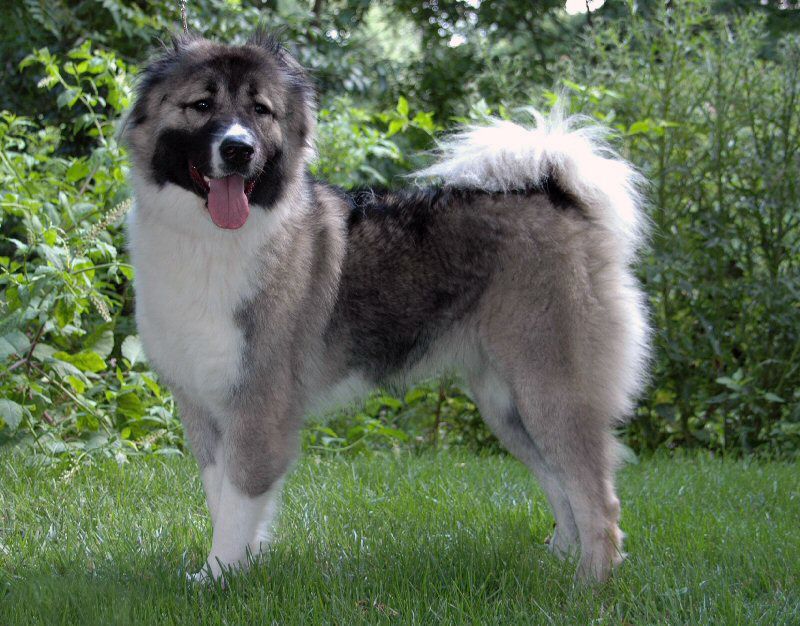
The formidable Caucasian Shepherd is protective and cautious. Their size and strength might cause them to misread gestures as threats to their territory.
Approaching them with calm assertiveness and respect helps establish trust.
Gradual socialization and exposure to diverse environments enhance their ability to distinguish between friendly and hostile gestures.