
Some dogs handle independence like pros, while others need structure to truly thrive. If you give certain breeds too much freedom too fast, you might see chaos, reactivity, or stubborn streaks you did not know existed.
The key is matching their big brains and bigger drives with patient guidance and clear routines. Ready to set your dog up for success instead of setbacks?
Belgian Tervuren
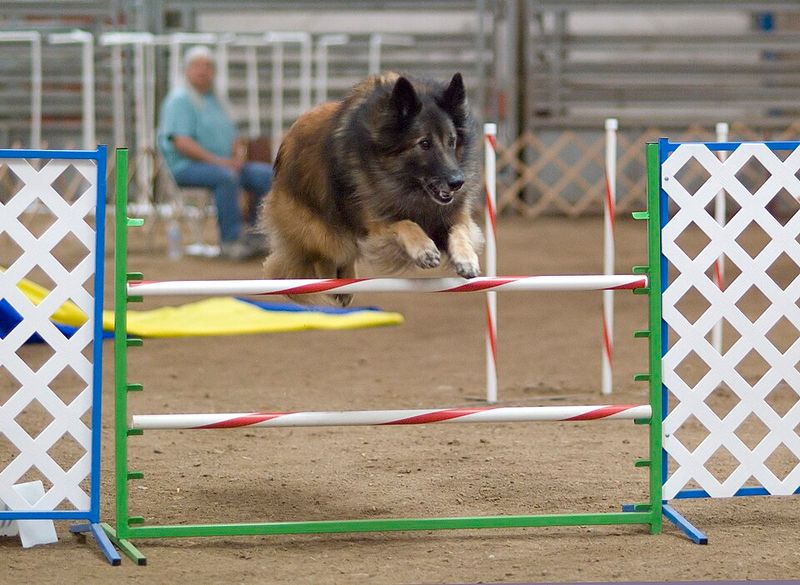
Belgian Tervurens are brilliant, sensitive herding dogs that crave clarity. Give too much freedom early and they invent their own rules, usually involving motion chasing and perimeter patrols.
You will see restlessness, vocalizing, and obsessive scanning for jobs.
They thrive on incremental independence. Use long lines, place training, and structured decompression walks to channel their intensity.
Layer obedience under mild distractions before opening the world wider.
Daily mental work matters as much as exercise. Nosework, pattern games, and brief heel drills keep their minds balanced.
When freedom expands slowly, confidence grows, impulse control sticks, and that razor sharp focus becomes your superpower instead of a household headache.
Dutch Shepherd
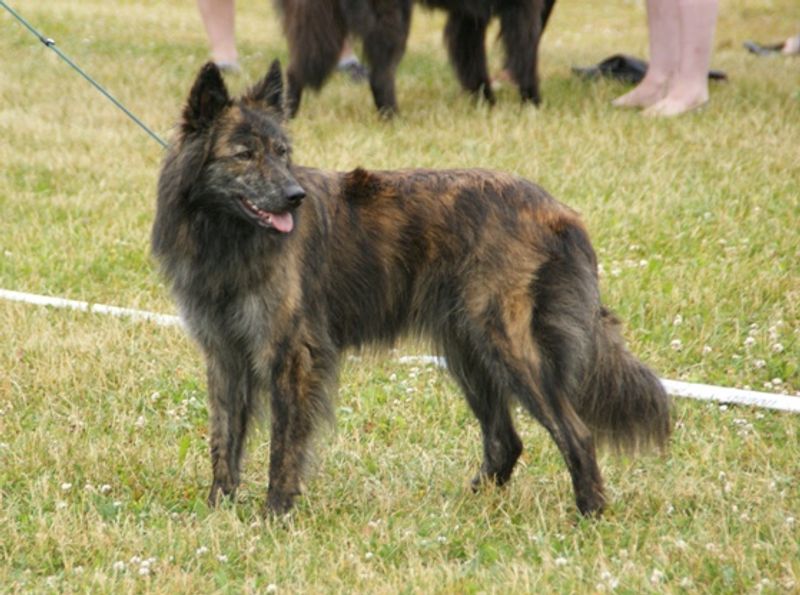
Dutch Shepherds are drivey problem solvers that excel with jobs. Early off leash freedom can flip into self employment, like sprinting after cyclists or patrolling fences.
You will notice frantic pacing and fixating if they feel under directed.
Structure first, choices later. Build rock solid recalls with long lines and high value play.
Use pattern feeding, obedience games, and environmental neutrality sessions before giving space.
Short, purposeful outlets beat random zoomies. Incorporate tug, fetch with rules, and scent puzzles to satisfy their working brain.
When their energy is given a channel and boundaries are consistent, gradual freedom becomes a reward they protect by making good decisions, not a permission slip to create chaos.
Australian Cattle Dog
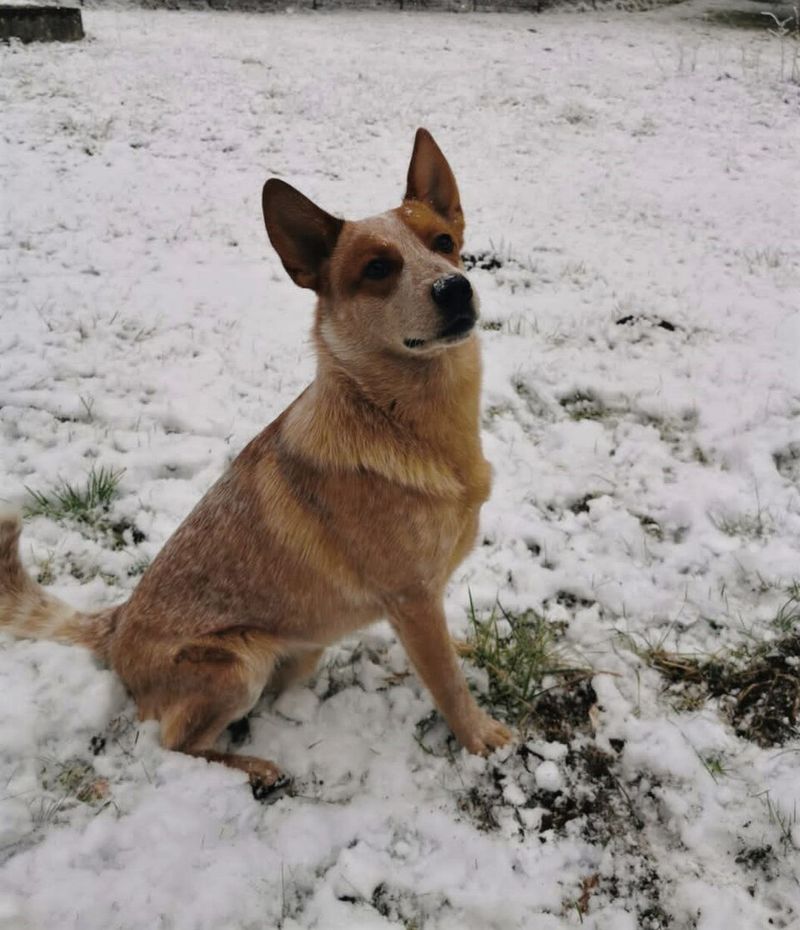
Australian Cattle Dogs are tough, independent thinkers bred to control movement. Too much early freedom often triggers heel nipping, chasing cars, or herding kids.
Without structure, they practice stubborn behaviors and become hard to redirect.
Use boundaries like baby gates, tethers, and crate decompression alongside targeted exercise. Train outs, impulse control at doors, and calm stations between reps.
Long line recalls with toy rewards build reliable engagement.
Mental outlets are crucial. Try scatter feeding, platform work, and trick training that reinforces patience.
Freedom should be earned in small slices after success reps. As decisions improve, expand radius slowly.
Done right, you trade chaos for a gritty partner who chooses you over every moving distraction.
Miniature American Shepherd
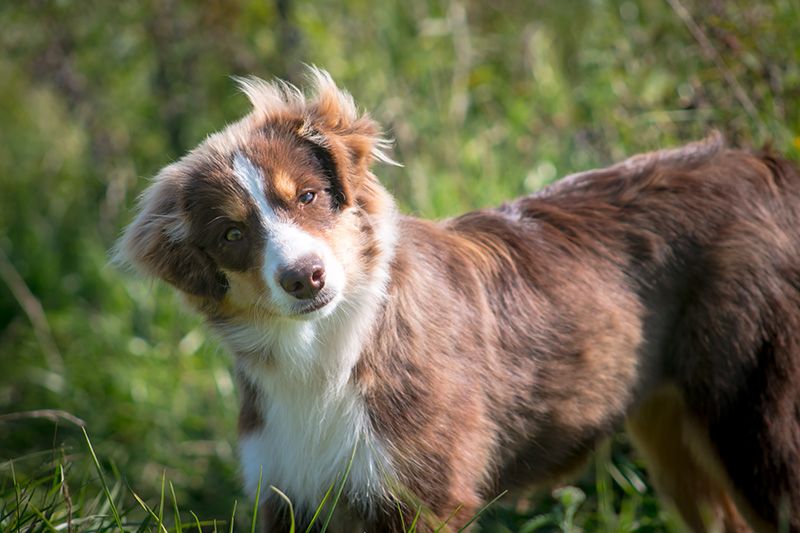
Miniature American Shepherds are clever herders in a small package. Early freedom can unleash shadow chasing, window barking, and boundary testing.
They learn fast, so if mischief works once, it becomes a routine.
Start with clear stations like place beds, threshold manners, and structured play. Use short training bursts, puzzle feeders, and calm leash walks to drain mental energy first.
Layer distractions gradually with long line support.
Confidence grows from predictable patterns. Reward check ins, reinforce quiet behavior, and rotate brain games.
Offer freedom only after successful calm downs and recalls. When you guide their curiosity instead of chasing it, you end up with a cheerful sidekick who chooses steady focus over self assigned herding projects.
Shetland Sheepdog
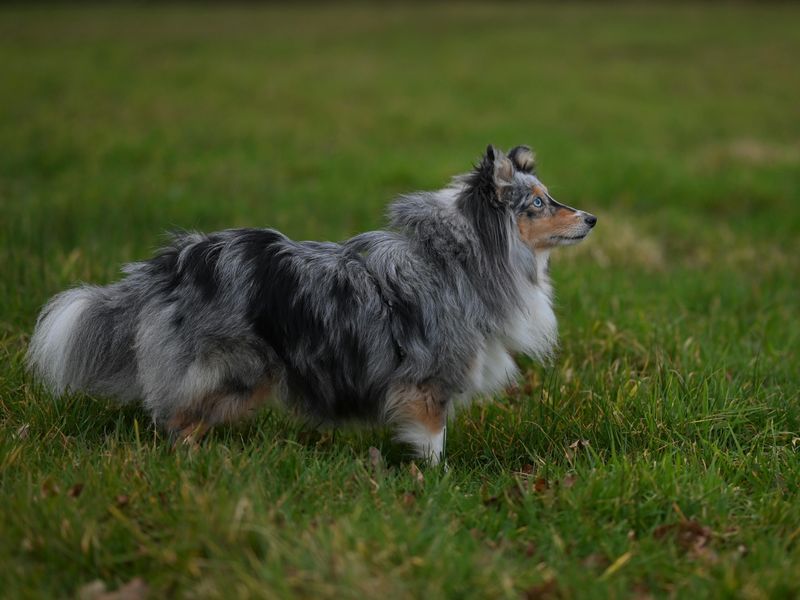
Shetland Sheepdogs are sensitive and sound aware, which can spiral without structure. Too much early freedom often equals fence running, excessive barking, and hypervigilance.
They default to managing the environment if you do not.
Calm routines help. Teach place, mat settles, and pattern games that predict success.
Use controlled exposures to sounds with tasty rewards, and grow independence in tiny steps.
Herding instincts make them chasey. Long lines, stop cues, and decompression walks build thoughtful movement.
Offer off leash privileges only after multiple days of reliable responses. With patient guidance, Shelties shift from anxious managers to polite companions who notice the world, check in, and happily follow your lead.
Beauceron
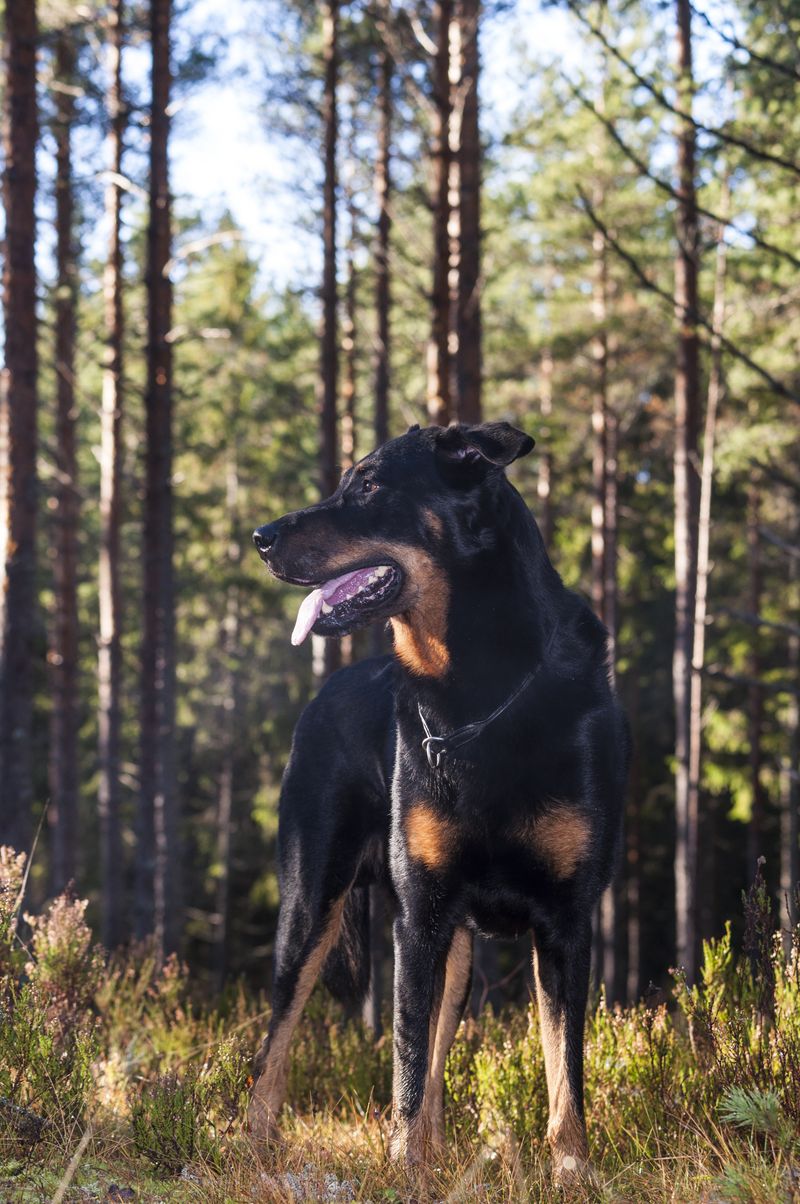
Beaucerons are serious, athletic guardians with opinions. Early freedom invites perimeter patrolling and selective hearing.
They will test boundaries to verify leadership, especially during adolescence.
Clarity first. Use consistent rituals, neutral exposures, and impulse control at doors.
Reinforce recalls with food then upgrade to play. Teach calm tethering during family time and short place sessions after exercise.
Jobs tame intensity. Add tracking games, structured fetch with rules, and heel work intervals.
Expand freedom only after calm recoveries and reliable check ins. With steady expectations, a Beauceron chooses partnership over patrolling, channeling that formidable drive into composed, confident behavior you can trust in busy spaces.
Giant Schnauzer
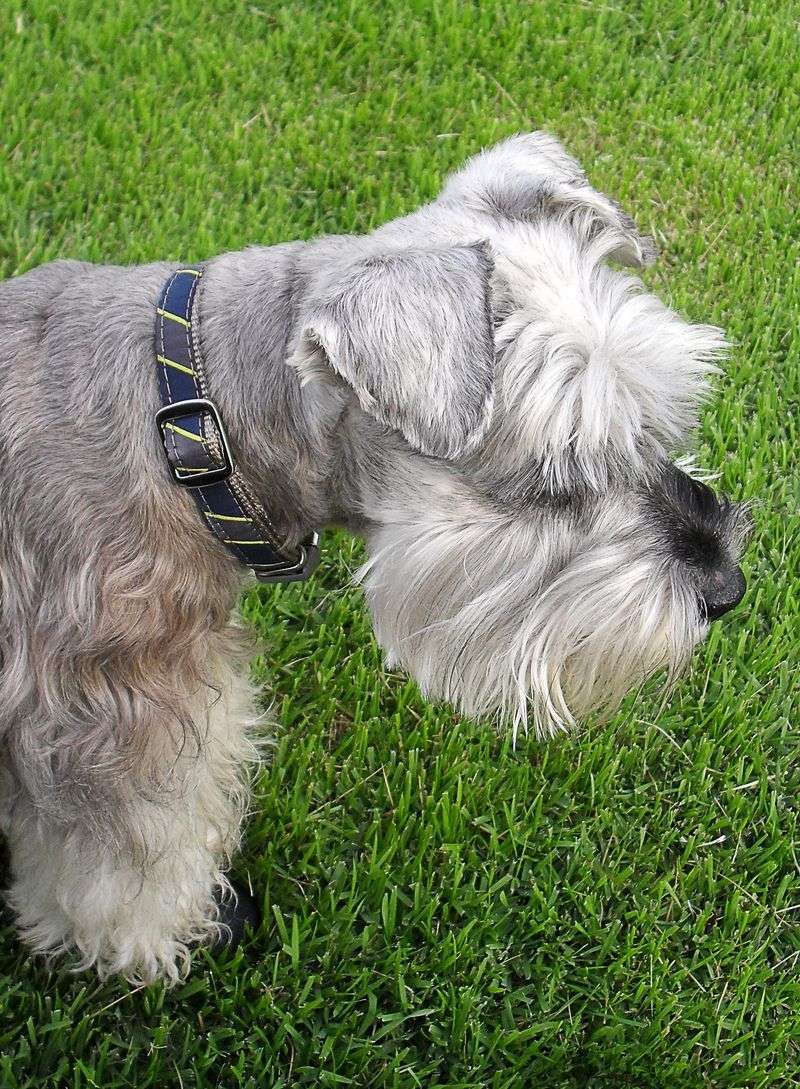
Giant Schnauzers are sharp, willful workers built for real jobs. Too much freedom early quickly becomes door dashing, nuisance guarding, and self directed exploration.
Their size amplifies mistakes, making structure non negotiable.
Daily mental outlets and rules matter. Rotate obedience games, scent work, and tug with clean outs.
Practice place after arousal, and use long lines to protect your recall.
Short freedoms become earned privileges. Start in low distraction areas, release for minutes, then regroup for calm.
Increase radius only when engagement stays sticky. Done patiently, Giants transform from opinionated bulldozers into impressive teammates who read you, regulate themselves, and move through public spaces with thoughtful confidence.
Bouvier des Flandres
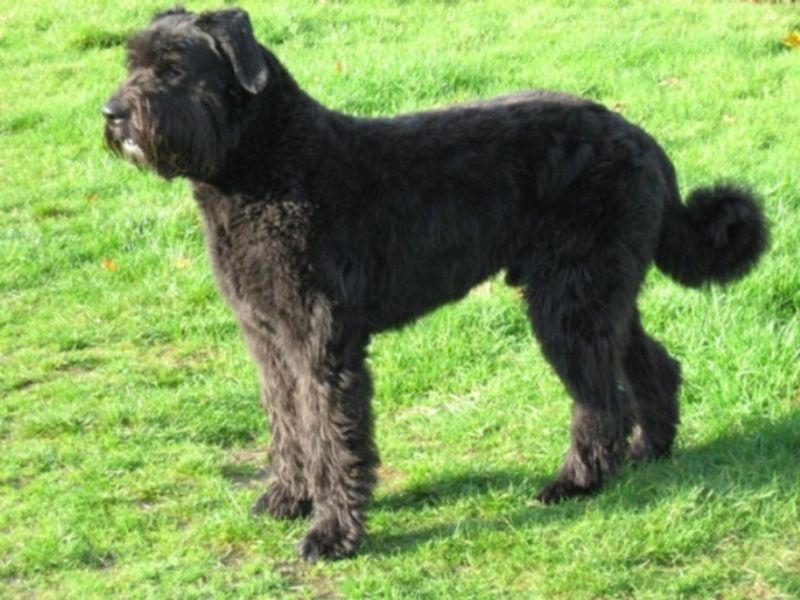
Bouviers are steady but independent, bred for farm chores and decision making. Give early off leash freedom and they often become self employed, patrolling, chasing machinery, or ignoring calls.
Their mass and momentum make sloppy choices risky.
Use calm routines and controlled exposures. Long lines, place training, and slow door manners teach patience.
Prioritize environmental neutrality and quiet focus before expanding range.
Provide real outlets. Low impact carting basics, nosework, and structured fetch satisfy work instincts.
Gradually trade management for earned privilege as recalls hold under pressure. With clear guidance, Bouviers channel their gravitas into reliable partnership, choosing steady check ins over freelance farm boss energy.
Black Russian Terrier
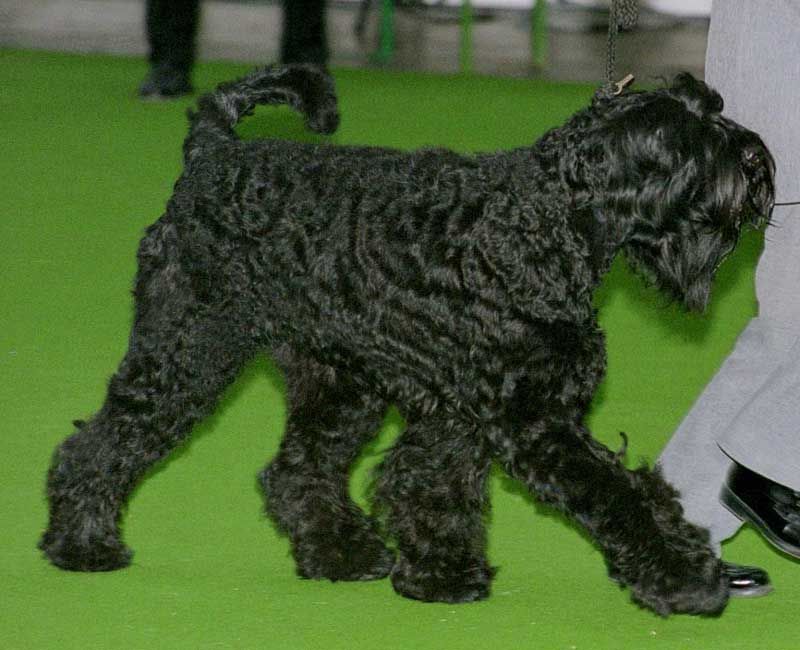
Black Russian Terriers are powerful guardians that mature slowly. Too much freedom early can escalate territorial behaviors and selective listening.
They need thoughtful social exposure and predictable routines to feel secure.
Start with structure everywhere. Crate naps, threshold control, and long line walks reduce impulsive choices.
Build engagement with food games and short obedience reps between calm breaks.
Freedom follows reliability. Expand access room by room, then yard, then wider spaces.
Reinforce recalls with play and practice neutrality around strangers. With patience and leadership, these impressive dogs shift from overbearing protectors to composed companions who respond promptly even when adrenaline spikes.
German Shorthaired Pointer
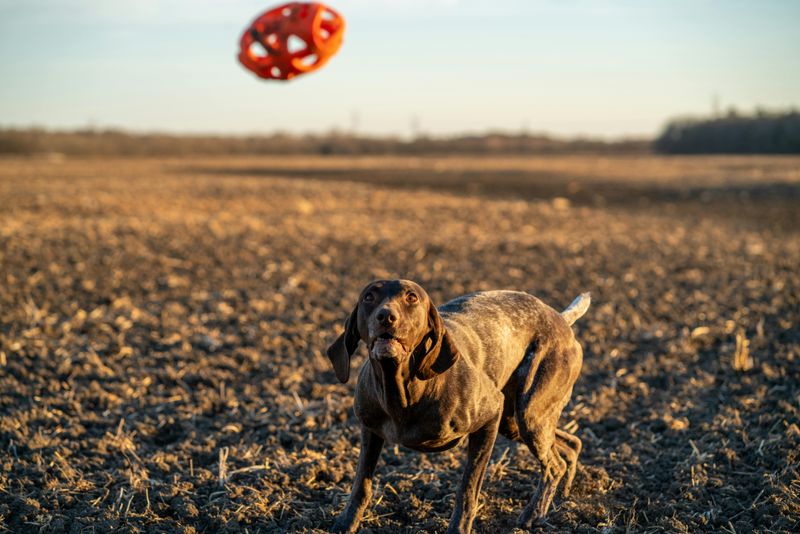
German Shorthaired Pointers are high octane hunters bred to range. Too much freedom too soon teaches self rewarding chases and blown recalls.
Once they learn birds and scents outrank you, it is tough to compete.
Use check cords, whistle cues, and frequent resets to keep engagement close. Practice recall to heel, then release again so coming back predicts more fun.
Mix in steadiness drills and place for off switches.
Brain work matters. Scent games at home, hide and seek, and directional fetch satisfy drive.
Gradually give more radius only when responsiveness remains crisp. Done right, GSPs keep their electric energy while choosing teamwork, making every field run a conversation instead of a solo expedition.
Brittany
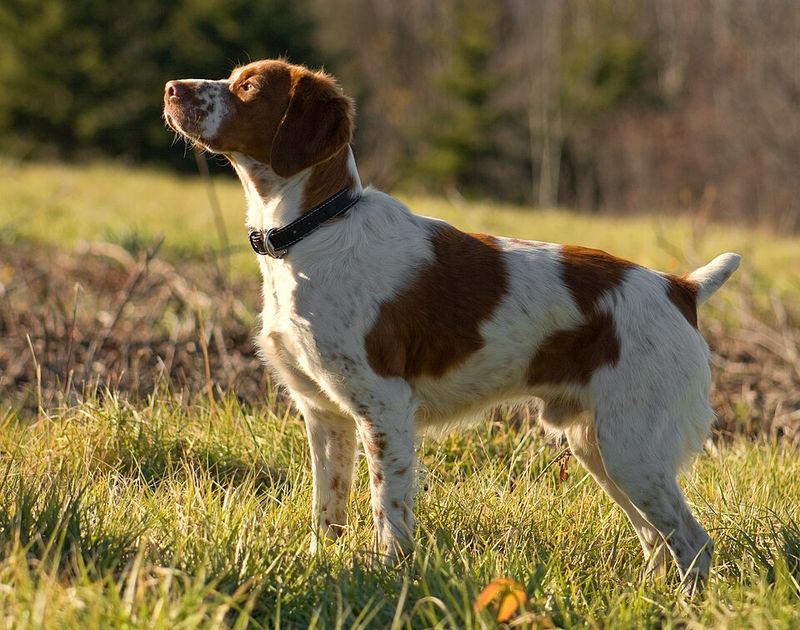
Brittanys are joyful, birdy athletes that can vanish on a scent if unleashed too soon. Early freedom often becomes zigzag hunting and selective hearing.
They want to work with you, but instinct pulls hard.
Build habits in layers. Use long lines, whistle sits, and frequent check ins with food or play.
Teach place and calm handling after exercise to balance arousal.
Make recalls predict more adventure. Call back, reward, then release to run again.
Add simple nosework and pattern games to feed the brain. Expand access gradually as reliability sticks.
With this approach, Brittanys keep their sparkle and speed while treating you like the hub that keeps the whole adventure humming.
English Setter
English Setters are gentle but driven, built to cover ground. Early off leash freedom usually becomes ranging far, ignoring calls, and self rewarding hunts.
They need patient structure to keep partnership intact.
Start with tight engagement. Use long lines, reward check ins, and make recalls a gateway to more exploring.
Practice place and calm leash walking to develop an off switch.
Scent play and simple field drills satisfy their instincts. Gradually widen their circle as responsiveness holds under rising distractions.
Keep sessions short, positive, and predictable. With thoughtful progression, Setters shift from dreamy wanderers to elegant teammates who float through cover yet return the second you ask.
Irish Setter
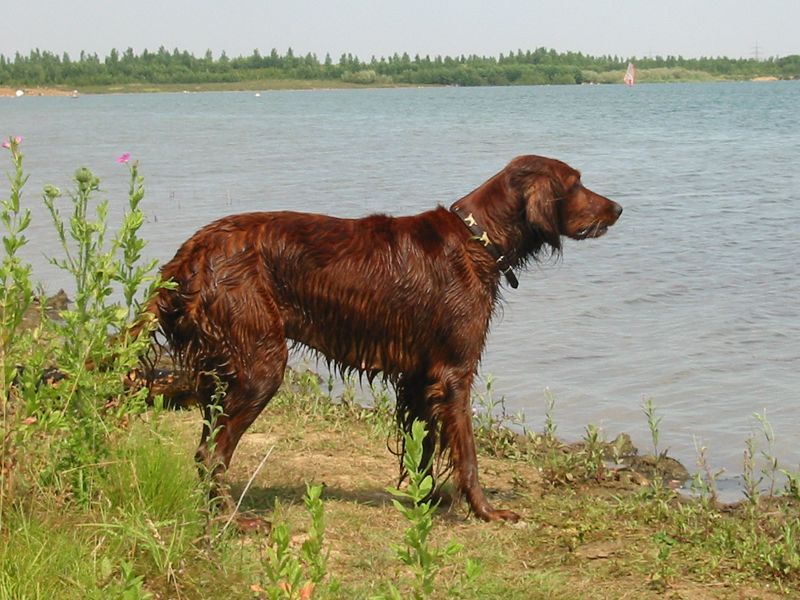
Irish Setters are exuberant, social, and scent obsessed. Give too much freedom early and you get joyful disobedience, giant zoomies, and vanishing acts.
The trick is channeling that enthusiasm while building reliable brakes.
Use structured play, impulse control at thresholds, and long line recalls with jackpot rewards. Alternate excitement with decompression walks and mat settles.
Keep training brisk and upbeat to match their spirit.
Freedom expands as choices improve. Recall, reward, release becomes your rhythm.
Add nosework, fetch with rules, and brief heel bursts to keep brains engaged. With steady guidance, Irish Setters keep their sparkle yet develop the self control that makes adventures safe and endlessly fun together.
Gordon Setter
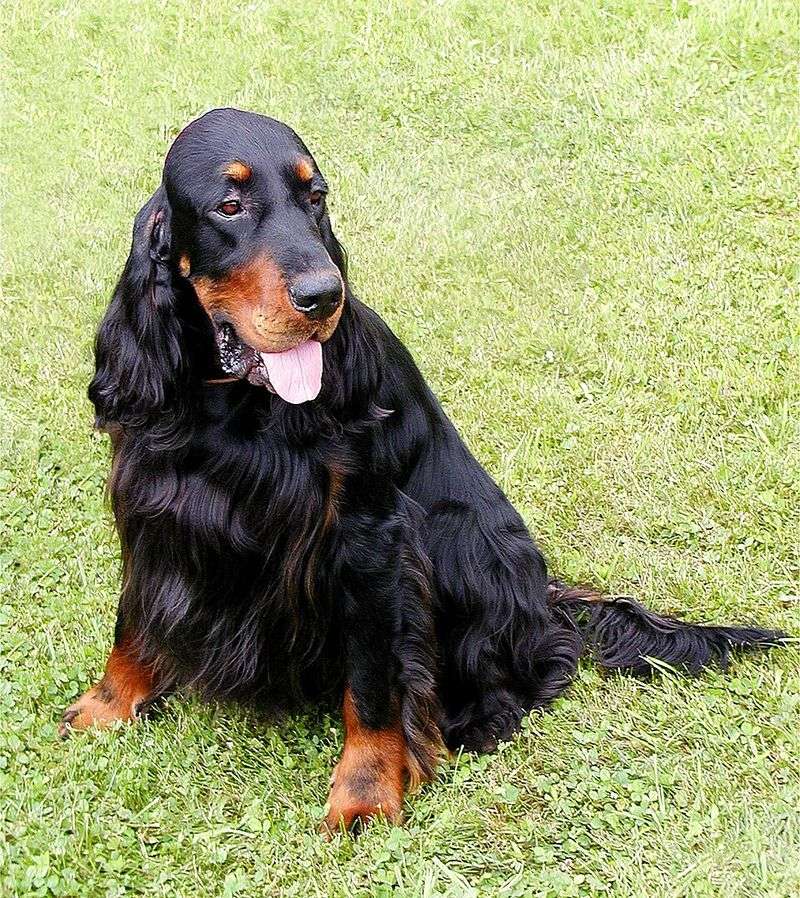
Gordon Setters are sturdy, thoughtful hunters with serious stamina. Early freedom often leads to independent ranging and ignoring commands once scent turns on.
They benefit from methodical structure and layered responsibility.
Build partnership through frequent check ins and high value rewards. Work recalls on a check cord, then proof near birds and tempting cover.
Use place and calm leash time to create balance.
Mental enrichment keeps them cooperative. Add tracking games, directional cues, and brief steadiness drills.
Expand range only when responsiveness remains crisp under pressure. Handled patiently, Gordons become reliable field companions who choose teamwork, returning promptly even when the landscape begs them to keep going.